Free U.S. seed shipping $25+. Seeds ship free at the threshold. Storefront goods, pantry finds, books & local goods are being added.

New seeds, Main Street specials, and storefront finds update as the market grows.

Spotted Joe Pye Weed Seeds

Scientific name Eutrochium maculatum

Seed packet & garden essentials

What to know before you plant

View complete growing & care facts
150 minimum seeds per packet
  • First bloom / maturity120-129 Days · 120-129 Days
  • Growth habitUpright/Erect · Perennial · 61–72 in tall
  • Best usenative habitat, pollinator gardens, long-term establishment, and seed saving
  • Color & characterPink
  • Germination14-30 Days days · 65–80 °F
  • Seed preparationFollow the detailed dormancy, light, and seasonal preparation record below; label the sowing date and allow uneven emergence
  • SunFull - Partial Sun
  • Support & spacingNo-Support · space 24 in · rows 36 in
  • Container fitPossible in a properly sized container with reliable drainage, moisture, and room for the mature plant
  • Water needsHigh
  • SoilLoamy · pH 6.0–6.5
  • Planting seasonSpring/Fall · blooms Summer/Fall · Hardy
$200 USD

Pickup available at Bertie County Seeds

Usually ready in 2-4 days

Secure checkout Details
Generic
Triple-tested seed qualityRegular quality and germination checks support every packet.

We regularly test seed quality and germination as lots move through storage and packing. We stand behind the seed we send and want customers to contact us when a packet does not perform as reasonably expected.

1-year seed warrantyCoverage begins on the date of purchase.

When properly stored, planted, and cared for, we guarantee reasonable germination and true-to-type growth for one year from the date of purchase. Conditions outside our control—including extreme weather, pests, unsuitable storage, and gardener error—are excluded. Contact us when something is not right so we can review the situation and work toward a replacement, refund, or another fair resolution.

Non-GMO / BE seed policyWe do not buy or sell genetically engineered or bioengineered seed.

Every seed variety we sell is non-GMO.

USDA’s National Bioengineered Food Disclosure Standard defines bioengineered foods as containing detectable genetic material modified through in vitro recombinant DNA methods in ways not achievable through conventional breeding or found in nature.

  • Hybrid means parent lines were conventionally crossed; hybrid does not mean GMO.
  • Heirloom and open-pollinated describe how a variety is maintained and reproduced.
  • Organic certification is separate and is shown only when verified for the individual product.
Packed in Colerain, North CarolinaPrepared in our seed room for gardens across the country.

Seeds are packed and shipped from Colerain, North Carolina. Our packets use forestry-certified paper, and we use recyclable paper mailers where appropriate. AONSK is also a 1% for the Planet partner while continuing to reduce waste in packing and fulfillment.

Seed success profile

Rules-based · no AI
Gardener experience Advanced or patient growing is recommended
Germination difficulty Specialized germination planning
Preparation before sowing
Follow the detailed dormancy, light, and seasonal preparation record below; label the sowing date and allow uneven emergence
Germination speed
Slow — often 21–45 days
Growing complexity
Long-term establishment crop with possible dormancy, uneven emergence, and delayed bloom
Patience and timing
120-129 Days
Is this seed a good match for your experience?
Expected germination
14-30 Days
Germination temperature
65–80 °F
Stratification
Follow the detailed dormancy instructions below; do not assume stratification is required
Scarification
Not normally required by the current record
Pre-soaking
Not normally required by the current record
Light during germination
Surface sow or press into the mix; light is part of the germination requirement
Germination pattern
Reliability depends strongly on correct preparation, temperature, moisture, and patience through the full emergence window
Transplant sensitivity
Varies by species; move small plants carefully after roots are established
Best chance of success
For Spotted Joe Pye Weed Seeds, control temperature and moisture at sowing, label the start date, and compare emergence with the complete recorded germination window before reseeding.
What to expect

Preparation: Follow the detailed dormancy, light, and seasonal preparation record below; label the sowing date and allow uneven emergence. Germination light: Surface sow or press into the mix; light is part of the germination requirement. Expected emergence: 14-30 Days. Temperature: 65-80 °F.

Slow germination is not automatically failed germination.

Maintain the listed temperature, moisture, light, and treatment conditions for the full expected window. Some seed lots emerge gradually rather than all at once.

1 Beginner-friendly 2 One extra step 3 Some experience helpful 4 Patient growers 5 Advanced propagation

This deterministic profile uses recorded product facts; it is not Artificial Intelligence and is not a guarantee. Seed age, storage, sowing depth, moisture, temperature, light, local conditions, and aftercare can all affect results. Last reviewed July 2026.

Build a garden-fit plan

Check this seed against your real growing conditions

Compare timing, germination preparation, sunlight, soil, water, space, support, intended use, and your preferred level of seed-starting complexity.

Open the detailed garden-fit planner Deterministic rules · no Artificial Intelligence · no live weather service

Complete product description

Spotted Joe Pye Weed Seeds

Spotted Joe Pye Weed seeds produce a tall, stately native perennial known for broad mauve-pink flower clusters, strong late-season bloom, and exceptional pollinator value. This impressive wildflower brings height, texture, and a natural meadow character to rain gardens, larger borders, habitat plantings, and moisture-friendly perennial beds. Its commanding upright habit and nectar-rich flower heads make it a favorite for gardeners who want bold native beauty that draws butterflies, bees, and other beneficial insects.

A powerful choice for pollinator-focused landscapes and naturalistic garden design, Spotted Joe Pye Weed performs best in full sun to partial sun with steady moisture and fertile soil. These plants are especially valuable for adding vertical structure, late-season color, and ecological function to spaces that benefit from a strong native perennial presence. With its impressive stature, soft clustered blooms, and reputation as a pollinator magnet, Spotted Joe Pye Weed brings beauty, habitat support, and seasonal drama to the garden.

Every recorded growing detail

Complete growing & care facts

Continue to the garden-fit planner

Plant identity

Minimum seed count 150 seeds
Seed product profile Native perennial
Scientific name Eutrochium maculatum
Also known as Joe Pye Weed, Joe Pye Weed Seeds - Spotted
Color Pink
Life cycle Perennial
Botanical family Asteraceae
Reproductive type Open-Pollinated (OP)
Heritage qualifiers Non-GMO
Native to the United States Yes
Domestication note North America – Eastern Woodlands

Seed success and gardener experience

Gardener experience Advanced or patient growing is recommendedLevel 5 of 5
Germination difficulty Specialized germination planningLevel 5 of 5
Preparation before sowing Follow the detailed dormancy, light, and seasonal preparation record below; label the sowing date and allow uneven emergence
Stratification Follow the detailed dormancy instructions below; do not assume stratification is required
Scarification Not normally required by the current record
Pre-soaking Not normally required by the current record
Light during germination Surface sow or press into the mix; light is part of the germination requirement
Germination pattern Reliability depends strongly on correct preparation, temperature, moisture, and patience through the full emergence window
Growing complexity Long-term establishment crop with possible dormancy, uneven emergence, and delayed bloom
Transplant sensitivity Varies by species; move small plants carefully after roots are established
First harvest or bloom 120-129 Days
Best chance of success For Spotted Joe Pye Weed Seeds, control temperature and moisture at sowing, label the start date, and compare emergence with the complete recorded germination window before reseeding.

Timing and climate

Days to maturity 120-129 Days
Germination 14-30 Days
Germination temperature 65–80 °F
Planting season Spring/Fall
Bloom season Summer/Fall
Frost tolerance Hardy
Sunlight Full - Partial Sun
Water needs High

Site, soil, and space

Soil type Loamy
Preferred soil pH 6.0–6.5
Seed depth Surface Sow
Plant spacing 24 in
Row spacing 36 in
Mature height 61–72 in
Growth habit Upright/Erect
Support needed No-Support
Suitable growing locations In-ground bed, Raised bed, Habitat restoration, Community garden
Native states CT, IA, IL, IN, MA, ME, MI, MN, MT, NC, ND, NE, NH, NJ, NY, OH, OR, PA, SD, VA, VT, WA, WI, WV, WY

Crop-specific details

Garden-fit planning for this variety

Will Spotted Joe Pye Weed Seeds fit your garden?

Check dormancy preparation, establishment time, native range, habitat, moisture, and patience.

Rules-based · no AI
Questions for this native or perennial seed
Seed-starting fit and patience
Recorded product profileAdvanced or patient growing is recommendedSpecialized germination planningRead why
Soil test, pH, drainage, and amendment calculator Have a laboratory soil report? Enter pH, nutrients, texture, bed size, and site observations here. Open soil tools
Recorded soil typeLoamy
Recorded pH range6.0–6.5
Water needsHigh
LightFull - Partial Sun

Use a current laboratory soil test

Soil-test interpreter

Compare your report with this product's listed pH target: 6.0–6.5.

This tool interprets values you enter; it does not replace laboratory or Cooperative Extension amendment rates. Soil test methods and nutrient recommendations vary by region.

The full variety record

Sowing, care, harvest, troubleshooting, and history

How to start Spotted Joe Pye Weed Seeds from seedPreparation, timing, depth, germination, transplanting, spacing, and early care

Variety-specific germination notes

Preparation: Follow the detailed dormancy, light, and seasonal preparation record below; label the sowing date and allow uneven emergence. Germination light: Surface sow or press into the mix; light is part of the germination requirement. Expected emergence: 14-30 Days. Temperature: 65-80 °F.

Complete sowing and planting guidance

Spotted Joe Pye Weed is most successful when planted with its natural preference for moisture, open light, and long-term root establishment in mind. Because it is a perennial native species that can take time to settle in, the planting stage is less about forcing fast top growth and more about creating the right conditions for a deep, durable root system. Choose a site in full sun to partial sun with soil that holds moisture reasonably well but is not stagnant, compacted, or sour. This plant can handle richer and moister ground than many perennials, but it still performs best when the soil is loose enough for roots to move and breathe.

For direct sowing, begin with a clean, weed-free seedbed. Remove competing weeds, loosen the soil surface, and rake the area smooth so the very small seed has good contact with the soil. Joe Pye Weed seed is typically surface sown or only very lightly pressed into the soil rather than buried deeply, because it needs close contact with moisture and light access near the surface. Scatter the seed as evenly as possible, then press it gently into the soil with your hand, a board, or the back of a rake. Do not cover it heavily. A very light dusting of fine soil is acceptable if needed, but deep covering reduces germination.

Because the seed is small, one useful technique is to mix it with dry sand before sowing so it distributes more evenly across the bed. This helps prevent thick patches that later require heavy thinning. After sowing, water gently enough to settle the seed without washing it into piles. Keep the surface evenly moist during germination and early establishment. This is especially important because shallow-sown seed can dry very quickly if the bed is allowed to crust or dry out between waterings.

If starting in seed trays or modules, use a fine, well-drained seed-starting mix and sow the seed on the surface or cover only very lightly. Press the seed gently so it has close contact with the medium, then mist or water lightly enough that it stays in place. Trays should be kept evenly moist and in bright conditions with good airflow. Because the seedlings are small at first, avoid overcrowding and stagnant humidity. Starting in trays can be useful when better control over moisture and weed competition is needed, especially for gardeners establishing the plant in a prepared perennial bed later.

If transplanting, move seedlings once they are large enough to handle and have formed a small but stable root system. Harden them off before planting out, especially if they were started indoors or under protection. Set transplants at the same depth they were growing before, spacing them about 24 in apart so they have room to mature into substantial clumps. Leave about 36 in between rows or planting bands if planting in a more formal layout. Water transplants in thoroughly so the roots settle, then keep the soil steadily moist while they adjust.

During the first season, consistent moisture matters more than feeding. Do not let young plants dry out hard while they are establishing, especially in open sunny sites. At the same time, avoid turning the planting area into a stagnant wet patch where the crown remains buried in soggy organic matter. A light mulch can help hold moisture and reduce weed competition, but keep it back slightly from the stem bases so the crowns remain open and well ventilated. This is especially helpful in larger plantings where moisture conservation and weed suppression are both important.

As seedlings or transplants begin growing, keep the area weed-free so they are not shaded or crowded during establishment. Because Joe Pye Weed becomes large over time, it is tempting to underestimate how much room it will eventually need. Plant with mature size in mind from the beginning. A little extra space improves airflow, reduces mildew pressure later, and helps the plant develop into the bold upright perennial it is meant to be. When sown or transplanted well, Spotted Joe Pye Weed establishes into a long-lived clump that becomes easier and more impressive with each season.
How to grow this specific varietyLight, water, fertility, support, spacing, airflow, crop behavior, and season-long care

Complete growing guide

Spotted Joe Pye Weed grows best when it is treated as a large, moisture-loving native perennial with strong seasonal structure rather than as a background filler. After establishment, the main goal is to maintain steady, healthy growth so the plant can produce tall sturdy stems, broad late-season flower clusters, and enough foliage to support pollinators without becoming weak, crowded, or mildew-prone. This plant performs best in full sun to partial sun with fertile soil that holds moisture well but still allows the crown and roots to breathe. A healthy stand should look upright, vigorous, and open enough that air can move through the stems even when the clump reaches its full summer size.

Moisture management is one of the most important parts of growing Spotted Joe Pye Weed well. Unlike drought-loving perennials, this plant prefers soil that stays consistently moist, especially while it is actively growing and forming flower heads. Deep watering is better than shallow sprinkling because it encourages stronger rooting and more stable stems. At the same time, the crown should not sit in stagnant, airless wetness for long periods, especially if mulch or surrounding growth traps too much moisture at the base. The best approach is to maintain even soil moisture through the growing season while keeping the crown area open enough that it does not become smothered or sour.

Fertility should be steady rather than excessive. Spotted Joe Pye Weed appreciates reasonably rich soil, and it often performs best where there is enough organic matter to support strong midsummer growth. However, overly rich feeding can produce softer stems, more crowding in the canopy, and a plant that is more likely to lean or develop mildew later in the season. The goal is balanced vigor, not lush overgrowth. If the plant is already making strong leafy stems and healthy buds, extra fertilizer is rarely necessary. In most gardens, a well-prepared bed and stable moisture will do more for performance than repeated feeding.

Because this plant becomes tall and broad, spacing and airflow are critical parts of ongoing care. Spotted Joe Pye Weed should be given enough room that neighboring plants do not press tightly into the clump and trap humidity around the stems. In mixed native borders or rain gardens, it helps to think of it as a structural plant around which other flowers are arranged, rather than as something squeezed into leftover space. If mature stems begin to crowd heavily or the center of the clump weakens over time, thinning or dividing may help restore better airflow and stronger flowering. Keeping the base free of dense weed growth also makes it easier to inspect for aphids, mildew, or signs of crown stress.

Flowering depends on the plant carrying healthy growth through summer and into late-season bloom. The flower clusters form high on the stems and are most impressive when the plant has had adequate moisture and enough sun to build strong structure. Because the blooms are especially valuable to butterflies, bees, and other pollinators, avoid practices that interfere with insect activity while the plant is in flower. In many gardens, it is best to let the blooms remain as long as they are attractive, since they provide both beauty and habitat value. If tidiness matters later, spent flower heads can be removed selectively, but many gardeners leave them for seasonal texture and wildlife benefit before cutting back.

Seasonal management should be thoughtful rather than overly tidy. In winter or after bloom, old stems can still contribute height and structure, but diseased or collapsed material should not be allowed to mat heavily over the crown. A useful approach is to leave healthy stems standing as long as they remain attractive or ecologically useful, then cut back before new growth is crowded by the old. If the clump becomes too large for its space, division can help refresh vigor and keep the planting in proportion. Over time, the best-growing plants are usually the ones that have enough moisture, enough room, and enough light to maintain strong late-season performance without becoming dense and stale.

For the best results, grow Spotted Joe Pye Weed with its mature character in mind. Give it consistent moisture, fertile but not overfed soil, space for airflow, and a place where its height can become an asset. When grown this way, it develops into one of the strongest late-season native perennials in the garden, combining structure, pollinator value, and bold natural beauty in a way few other plants can match.
Practical field and garden tipsExtra techniques, timing adjustments, and observations that improve success
Spotted Joe Pye Weed is one of those plants that becomes much easier and more impressive when you stop thinking of it as a tall flower and start thinking of it as a structural native perennial. One of the best tips is to give it a place where its mature size is an advantage, not a problem. This is not a plant for squeezing into a narrow gap and hoping it behaves like a medium border flower. It wants room to rise, room to spread, and enough open space around it that the stems can develop fully without fighting neighboring plants for light and airflow. When it is placed well from the beginning, the plant becomes a dependable late-season anchor instead of something that feels oversized and hard to manage.

Moisture management is especially important, but the key is steady moisture rather than stagnant wetness. Spotted Joe Pye Weed likes soils that do not dry out hard for long stretches, and it is often happiest in ground that holds moisture better than the average perennial bed. At the same time, the crown should not be buried under heavy mulch or left sitting in stale, airless wetness. A useful tip is to keep the surrounding soil cool and moisture-retentive while leaving the immediate crown area open enough to breathe. This helps the plant stay vigorous without inviting the root and stem problems that can develop when the base stays too enclosed and soggy.

Another useful strategy is to design around the plant’s seasonality. Spotted Joe Pye Weed is not always the first flower to draw attention in spring, but it becomes increasingly important as the garden moves into late summer and early fall. That means it pairs especially well with earlier plants that fade or step back as it begins to rise. If you use it with that seasonal rhythm in mind, it feels far more intentional in the border. Instead of expecting it to carry the bed all season, let it become the late-season lift that brings height, softness, and pollinator activity exactly when many earlier perennials are beginning to tire.

Because the plant becomes tall and substantial, airflow matters more than many gardeners realize. One of the simplest tips for keeping it healthy is to avoid surrounding it with dense, equally tall companions that create a still, humid block of foliage. If the planting gets too packed, mildew becomes more likely, stems are harder to inspect, and pollinator-rich bloom heads may end up hidden inside the mass. A little open spacing makes a big difference. You do not need to isolate it completely, but you do want enough room around the stems that the plant can breathe and the flower heads can be seen and enjoyed.

For gardens with rich soil, another good tip is to avoid overfeeding. Spotted Joe Pye Weed often grows strongly without much encouragement, and pushing it harder with extra fertility can lead to softer growth, a denser canopy, and more leaning or disease pressure. In many cases, the plant performs best when the soil is reasonably fertile but not heavily pampered. If it is already growing vigorously and flowering well, more feed is unlikely to improve the result and may actually make the stand more difficult to manage.

Pollinator gardeners often get the most value from this plant by placing it where it can be observed easily. One of the pleasures of Spotted Joe Pye Weed is the way it brings butterflies, bees, and other beneficial insects into obvious view. If it is tucked too far back into an inaccessible corner, a lot of that value is lost. Situating it near a path edge, seating area, rain garden border, or the back of a generous bed where the flower heads are still visible makes the plant more rewarding through its whole bloom season. It is a flower that works hard ecologically, but it is also one that should be seen doing that work.

Seasonal cleanup is worth handling with some restraint. Do not rush to cut the plant down the moment it finishes blooming, especially if you value structure, habitat, or winter interest. The seed heads and stems can still contribute to the look of the garden after the flowers fade, and they may offer value to wildlife as well. At the same time, badly diseased or collapsed growth should not be left to mat over the crown. A balanced approach works best: leave what is healthy and useful as long as practical, then clean up thoughtfully before new growth begins in earnest.

If the clump becomes too dense over time, division or thinning can refresh vigor and improve airflow. This is especially useful if flowering seems to decline, the center weakens, or the stand begins to feel too crowded for its space. Mature clumps often benefit from being given a little more breathing room rather than being left to thicken indefinitely. Even when not dividing, simply removing encroaching neighbors can restore a lot of the plant’s strength and elegance.

The biggest overall tip with Spotted Joe Pye Weed is to lean into what it naturally is. Do not try to make it short, tight, or overly controlled. Let it be tall, let it be late, let it draw insects, and give it the kind of placement where those qualities feel intentional. When treated as a major seasonal native rather than a filler perennial, it becomes one of the most useful and satisfying plants in the late-summer garden.
Harvest, storage, uses, and benefitsWhen and how to harvest, ways to use the crop, storage, culinary value, habitat value, and garden roles

Uses and benefits

Spotted Joe Pye Weed is one of the most useful native perennials for adding height, pollinator value, and late-season presence to the landscape. Its greatest benefit is the way it brings strong vertical structure to gardens at a time when many earlier flowers are beginning to fade. The tall stems and broad flower clusters create a commanding silhouette that helps anchor larger borders, rain gardens, native plantings, and meadow-style designs. In landscapes that need a taller plant to provide depth and rhythm, Spotted Joe Pye Weed performs the important role of a seasonal backbone rather than just a flowering accent.

One of its strongest uses is in pollinator-focused gardening. Spotted Joe Pye Weed produces large nectar-rich flower heads that attract butterflies, bees, and a wide range of beneficial insects, especially in late summer and early fall when dependable nectar sources become especially important. This makes it far more than a decorative native flower. It actively supports garden ecology and helps create a landscape that feels alive with movement and insect activity. For gardeners who want to see butterflies gathering in visible numbers, this is one of the most satisfying and reliable perennials to grow.

Its late-season bloom is another major benefit. Many gardens are strongest in spring and early summer but lose momentum later, especially if they rely heavily on short-flowering perennials. Spotted Joe Pye Weed helps solve that problem by carrying color and floral mass deeper into the season. It gives the garden a second wave of drama, often just when the landscape needs renewed height and softness. This makes it especially valuable in perennial borders designed for long seasonal continuity rather than a single peak moment.

Spotted Joe Pye Weed is also exceptionally useful in naturalistic and habitat-based design. It fits beautifully into native meadows, rain gardens, wet-edge plantings, pollinator borders, and larger mixed perennial beds where a looser, more regional look is desired. Unlike many formal ornamentals, it does not need to be used as an isolated specimen to be effective. It works well as part of a larger ecological composition, helping create the layered, meadow-like character that so many modern native gardens aim for. In those settings, it contributes not only color, but also a strong sense of place.

Because it prefers moisture-retentive conditions, it is especially valuable in areas where many other ornamentals struggle. Rain gardens, low spots that stay evenly moist, pond edges, and richer border soils are all places where Spotted Joe Pye Weed can shine. This gives it a practical landscape use beyond beauty alone. It can fill a role in moisture-friendly planting schemes that would otherwise be harder to design attractively, making it one of the most useful native choices for gardeners with damp or seasonally wet ground.

Another major benefit is visual softness combined with height. Tall plants can sometimes feel stiff or coarse, but Spotted Joe Pye Weed carries its height with broad, cloudlike flower clusters that soften the skyline of the planting. This makes it an excellent partner for grasses, meadow flowers, and other native perennials because it adds mass without heaviness. The flower heads create a gentle, floating effect that helps the garden feel abundant and natural rather than rigidly structured.

Spotted Joe Pye Weed also offers educational and ecological value in public and community spaces. Because it is tall, conspicuous, and highly attractive to pollinators, it works especially well in school gardens, habitat demonstration sites, public native beds, and community pollinator plantings where people can easily observe insect activity. It helps make pollinator gardening visible and understandable, which is a real benefit in landscapes meant to teach as well as beautify.

Another practical benefit is longevity. As a perennial, Spotted Joe Pye Weed returns year after year when planted in a suitable site, gradually becoming a more established and impressive part of the garden. This makes it a strong investment plant for native landscapes and larger perennial borders. Rather than needing constant replacement, it contributes long-term structure and seasonal reliability, which is one of the reasons it is so highly valued in restoration-minded and low-input designs.

Finally, Spotted Joe Pye Weed benefits the gardener by bringing together beauty, scale, pollinator support, and ecological meaning in one plant. It is useful not only because it blooms attractively, but because it fills so many roles at once: late-season color, vertical structure, butterfly plant, moisture-loving native, and habitat builder. For gardeners who want a perennial that feels generous, alive, and deeply connected to North American landscapes, Spotted Joe Pye Weed is one of the most rewarding choices available.
Seed saving and carrying the variety forwardPollination, isolation, selection, harvest, cleaning, drying, and storage
Spotted Joe Pye Weed seed can be saved successfully, and because this is an open-pollinated native perennial, the results are usually much more reliable and true to type than with heavily hybridized ornamental flowers. That said, seed saving works best when it is done from healthy, vigorous plants growing in suitable conditions. If you want strong future seedlings, begin by selecting plants that showed sturdy upright growth, good late-season flowering, healthy foliage, and freedom from serious mildew, aphid buildup, or stem weakness. Mark the best plants while they are still in bloom, because once the flowers dry down, it becomes much harder to remember which clumps had the qualities you most want to preserve.

After flowering, Spotted Joe Pye Weed forms seedheads that gradually dry in place. These heads begin as soft clusters of bloom and then mature into fluffier, drier structures that hold the seed. The right harvest stage is when the heads have clearly dried and the seed is mature, but before large amounts have blown away on wind or heavy weather. If you wait too long, the seed can begin dispersing naturally and you will lose a good portion of it before harvest. A useful approach is to check the flower heads regularly once they begin turning from fresh bloom to dry seed stage, especially in windy autumn conditions.

Harvest on a dry day after dew has evaporated. Use clean pruners or scissors to cut whole mature seedheads and place them into paper bags, shallow boxes, or trays. Paper is better than plastic because it lets the material continue drying and reduces the risk of trapped moisture causing mold. If different plants are being kept separate for selection purposes, label each collection immediately so the seed does not get mixed after cutting. This is especially useful if you are trying to save from plants with particularly good form, height, or flower quality.

Once indoors, spread the seedheads in a dry, shaded, well-ventilated space and allow them to finish curing completely. Spotted Joe Pye Weed seed is often mixed with a lot of fluffy chaff, so cleaning takes a little patience. When the heads are fully dry, rub or crush them gently by hand to release the seed, then separate seed from fluff and stem fragments as well as you reasonably can. Fine screening or light winnowing can help. Perfect cleaning is not always necessary for home use, but the cleaner the seed, the easier it is to store, measure, and sow later.

Only keep mature, fully dried seed. If material feels soft, cool, or damp, let it dry longer before storage. Moisture is one of the quickest ways to ruin saved seed. Once dry, store the seed in a labeled paper packet, envelope, or jar kept in a cool, dark, dry place. Always include the plant name and harvest year, and note any selection details if you saved from especially strong plants. Good labeling is particularly important with native perennials, since you may not sow the seed immediately and the seed may be part of a longer-term planting plan.

Because Spotted Joe Pye Weed is a perennial native species, many growers find that fall sowing or natural cold exposure helps support better germination than simply holding seed indefinitely and sowing it warm later. Even if you store the seed dry, keep in mind that many native perennials respond best when seasonal timing is respected. For the strongest long-term seed-saving results, keep choosing seed from healthy, well-performing plants each year rather than collecting randomly from weak or declining clumps. That simple habit helps preserve vigor and makes future plantings more successful.
Common pests, diseases, and growing problemsIdentification, prevention, crop-safe response, and when intervention is justified

Complete pest and problem guide

Spotted Joe Pye Weed is generally a strong native perennial, but it can still run into problems when moisture, airflow, and spacing are not managed well. Unlike plants that prefer dry, lean conditions, this species is much happier with consistent moisture and fertile ground, so some of its problems come not from too much water alone, but from the wrong kind of wetness. Soil that stays stagnant, compacted, or poorly aerated can weaken roots and crowns, especially if the planting area is low, crowded, or layered with heavy mulch right up against the stems. When root stress sets in, the plant may show yellowing lower leaves, slow growth, weak flowering, or partial collapse that gardeners sometimes mistake for simple thirst. The solution is to give it moisture-retentive but breathable soil, avoid waterlogged stagnant sites, and keep the crown area open rather than buried under dense debris or smothering mulch.

One of the most common visible pest problems on Spotted Joe Pye Weed is sap-feeding insects, especially aphids. Aphids may cluster on tender stem tips, flower buds, and the undersides of leaves, where they suck plant juices and cause curling, distortion, and sticky honeydew. When infestations grow, they can weaken stems, reduce bloom quality, and encourage sooty mold on the sugary residue they leave behind. In some gardens, leafhoppers may also appear and add to general stress by feeding on foliage and tender tissue. The easiest solution is early observation. Check growing tips regularly, especially in the weeks before flowering, wash aphids off with a firm spray of water, remove heavily infested growth if necessary, and avoid pushing the plant with excessive nitrogen that encourages soft, pest-prone growth. A healthy planting with open airflow and plenty of beneficial insects often keeps these issues from becoming severe.

Chewing damage can also appear, though it is often more cosmetic than catastrophic. Beetles, caterpillars, and generalist leaf feeders may chew holes in the foliage or rough up flower clusters during the season. Japanese beetles can sometimes be especially noticeable where they are common, feeding on leaves and flowers and leaving ragged damage behind. While a mature Spotted Joe Pye Weed can often tolerate moderate feeding, repeated heavy chewing during bud and bloom stage can reduce the plant’s ornamental value and stress the stand. The best response is regular scouting and quick hand-removal where practical, especially before pest populations build. Keeping the planting easy to access and not buried in surrounding weeds makes this much easier than waiting until insects are widespread and hidden throughout dense growth.

Disease pressure in Spotted Joe Pye Weed usually increases when the planting is too crowded, too shaded, or held damp on the foliage for long periods. Powdery mildew is one of the most common diseases, especially later in the season, and it often begins as a pale dusty coating on leaves before spreading across stems and foliage. While it may not always kill the plant, it reduces vigor, spoils appearance, and can limit the plant’s ability to finish the season strongly. Leaf spots and stem lesions may also develop during humid spells, especially if air cannot move freely through a large stand. The best solution is prevention: give the plants enough space, divide or thin them when clumps become too dense, water at the root zone rather than overhead when possible, and remove badly infected stems instead of letting diseased growth linger in place.

Crown and stem issues can become more serious if old growth is allowed to mat around the base year after year. In heavy, moist beds, decaying material trapped around the crown may create conditions for rot, especially if winter and spring remain wet. A clump that looked healthy the year before may then emerge weakly, with fewer shoots or patches of dieback. Gardeners sometimes assume the plant simply aged out, when in fact crown crowding and moisture trapping were major factors. The solution is seasonal cleanup with moderation: remove clearly diseased or collapsed material, avoid piling thick mulch directly over the crown, and divide mature clumps when they become congested. This helps restore airflow and reduces the chance of disease carrying over from one season to the next.

Environmental stress can also create misleading symptoms. In dry spells, a plant known for liking moisture may wilt, crisp at the edges, or flower poorly if the root zone dries too hard for too long. In overly shady sites, stems may stretch, lean, and flop, making the plant look weak even though it is not being eaten or infected. In rich soil with too much crowding, the stems may grow tall and lush but become more susceptible to leaning, mildew, and storm damage. The solution is balance rather than extremes: full sun to partial sun, steady moisture without stagnation, decent fertility without overfeeding, and enough room for the mature height and width of the clump.

Another common problem is simply underestimating the plant’s mature size. Spotted Joe Pye Weed is often planted too close to smaller perennials, fences, or narrow borders, and once it reaches full height it can shade neighboring plants, reduce airflow, and create a humid pocket in the middle of the bed. That crowding then encourages mildew, makes pests harder to spot, and can lead to a planting that feels messy rather than bold. The easiest answer is to treat it from the beginning as a large structural perennial, not as a filler. Give it space where its height and breadth are an asset, and plan around its mature size rather than its first-year footprint.

The most reliable way to prevent serious problems with Spotted Joe Pye Weed is to focus on good conditions early and consistent observation later. Plant it where moisture is steady but the crown is not suffocated, keep surrounding weeds and crowding under control, watch for aphids and mildew before they spread, and clean up damaged material before it becomes a source of longer-term decline. Most issues stay manageable when the plant is allowed to grow in open, breathable conditions and is not stressed by repeated drought, overcrowding, or stagnant wetness. When sited well and maintained thoughtfully, Spotted Joe Pye Weed is usually strong enough to reward the gardener with impressive late-season bloom and pollinator activity rather than persistent trouble.
Questions gardeners ask about this seedProduct-specific answers for sowing, care, harvest, use, and seed saving
Q: What is Spotted Joe Pye Weed?

A: Spotted Joe Pye Weed is a tall native perennial wildflower known for its broad mauve-pink flower clusters and strong late-season presence. It is especially valued in pollinator gardens and naturalistic plantings because it brings both height and heavy nectar production. In bloom, it becomes one of the most noticeable plants in the late-summer garden.

Q: Why is it called Spotted Joe Pye Weed?

A: The name refers to the characteristic spotting or purple mottling often seen on the stems, along with the long-standing common name Joe Pye Weed shared by several related native species. The exact historical story behind the Joe Pye name is not perfectly settled, but it remains one of the best-known names in native American gardening. That memorable name is part of why the plant has remained so recognizable.

Q: Is Spotted Joe Pye Weed good for pollinators?

A: Yes, it is one of the strongest pollinator plants for late-season bloom. Its flower heads attract butterflies, bees, and many other beneficial insects at a time when nectar sources can become especially important. Gardeners often grow it specifically to increase pollinator activity in late summer and early fall.

Q: How tall does Spotted Joe Pye Weed get?

A: Spotted Joe Pye Weed is a tall plant and is often chosen specifically for vertical height in the garden. It can become a commanding presence in borders and native-style plantings, especially once the flower heads develop. Because of that height, it is usually best placed where it can rise behind shorter plants or anchor a larger planting.

Q: Where should I plant Spotted Joe Pye Weed?

A: It does best in full sun to partial sun with enough room to develop its natural upright form. It is especially useful in rain gardens, moist borders, native plantings, meadow-style gardens, and larger pollinator beds. Because it becomes a substantial perennial, it works best where it has enough space and does not crowd smaller neighbors.

Q: Does Spotted Joe Pye Weed need moist soil?

A: Yes, it generally performs best in soil that stays consistently moist, especially compared with prairie plants that prefer drier ground. It is well suited to moisture-retentive areas and can be a very strong choice for gardens where ordinary perennials struggle with periodic wetness. While it does not want stagnant neglect, it is much happier with steady moisture than with repeated drought stress.

Q: Can it grow in average garden soil?

A: It can grow in average soil if the site does not dry out too severely, but it performs best when moisture is steady and the soil has some richness. In drier or harsher conditions, the plant may not reach its full size or bloom potential. If you want the most dramatic result, give it a site that supports lush late-season growth.

Q: Is Spotted Joe Pye Weed a perennial?

A: Yes, it is a perennial and returns year after year when planted in a suitable location. Once established, it becomes a dependable part of the garden and often improves in presence over time. Its perennial nature makes it especially useful for long-term pollinator and native plant designs.

Q: Does it spread aggressively?

A: It forms a substantial clump over time, but it is not usually thought of as an uncontrollable spreader in the way some aggressive colonizers are. It does need space because of its mature size, and a healthy plant can become visually dominant in a smaller bed. In larger naturalistic plantings, that strong presence is usually a benefit rather than a problem.

Q: Is Spotted Joe Pye Weed good for small gardens?

A: It can work in a smaller garden only if the gardener is prepared for its height and width and gives it a carefully chosen spot. In general, it is more naturally suited to medium and large spaces, where its tall stems and broad flower heads can be appreciated without overwhelming nearby plants. Many gardeners use it as a focal background perennial rather than as a front-of-border flower.

Q: What season does it bloom?

A: Spotted Joe Pye Weed is especially valued for blooming late in the season, when many earlier flowers are beginning to fade. This makes it important both visually and ecologically, because it helps extend color and pollinator support into late summer and fall. Its bloom timing is one of its greatest strengths.

Q: Is it beginner-friendly?

A: Yes, it can be very rewarding for beginners if they have the right site. The main thing is to understand that it is a tall, moisture-loving perennial rather than a compact bedding flower. Gardeners who place it in the proper setting often find it dependable and impressive.

Q: Does it attract butterflies specifically?

A: Yes, butterflies are especially drawn to it, and that is one of the main reasons it is so widely recommended. The broad flower clusters provide abundant nectar and are easy for many pollinators to use. In late-season gardens, it often becomes one of the busiest butterfly plants in the planting.

Q: Can I use it in a rain garden?

A: Yes, it is an excellent rain garden plant. Its preference for moisture and its strong upright habit make it very useful in areas that receive periodic extra water but still support ornamental planting. It brings both ecological value and strong structure to rain garden designs.

Q: What makes Spotted Joe Pye Weed so popular in native gardening?

A: It combines several qualities that native gardeners value highly: it is tall, beautiful, reliable, pollinator-friendly, and strongly tied to North American landscapes. It offers bold late-season bloom without losing its ecological usefulness. That combination of beauty and habitat value is exactly why it has become such a favorite.
History, provenance, and cultural contextWhat is documented, what is reported, what remains uncertain, and how the variety reached gardeners

Scientific name: Eutrochium maculatum

Plant and variety history

Spotted Joe Pye Weed belongs to the native flora of eastern and central North America, where it has long grown in moist meadows, stream edges, open woodlands, and low ground with rich soil. As a tall late-season perennial, it formed part of the natural flowering communities that supported pollinators well into summer and fall. Its broad mauve-pink flower heads, strong upright stems, and commanding height made it one of the more visually striking native plants of wet and meadow-like habitats, even before it became widely appreciated in ornamental gardening.

The common name Joe Pye Weed is tied to a long-standing American plant tradition and is often linked to a Native healer or herbal figure remembered in regional lore as Joe Pye. While the exact historical details are not perfectly settled, the name reflects the way native plants often entered settler awareness through Indigenous knowledge, regional naming, and repeated practical use. Over time, Joe Pye Weed became one of the best-known North American wildflowers, not only because of its size and beauty, but because it carried a memorable name and a visible presence in the late-season landscape.

Spotted Joe Pye Weed, specifically, is one of several closely related species that helped shape the garden and ecological identity of Joe Pye Weed as a whole. Its spotted or purple-marked stems and strong preference for moist ground distinguish it botanically, but culturally it shares in the larger story of Joe Pye Weed as a beloved native perennial. As gardening in North America developed, native plant enthusiasts, naturalists, and later pollinator-focused gardeners began recognizing the value of these tall meadow flowers not just in the wild, but in designed landscapes where they could offer structure, habitat support, and a more regionally grounded beauty than many imported ornamentals.

In the twentieth and twenty-first centuries, Joe Pye Weed gained increasing importance in native plant gardening, rain garden design, restoration plantings, and pollinator conservation work. As more gardeners looked for flowers that could support butterflies, bees, and beneficial insects while still offering strong ornamental impact, Spotted Joe Pye Weed became a natural fit. Its height, late bloom, and habitat value made it especially useful in larger perennial borders, moisture-friendly beds, and naturalistic plantings where ecological purpose and visual drama could meet.

Today, Spotted Joe Pye Weed stands as both a native wildflower and a culturally meaningful garden plant. It represents a broader shift in American horticulture toward valuing native species not only for restoration, but for beauty, seasonal structure, and pollinator support. Its continued popularity reflects the enduring appeal of plants that connect gardens back to regional landscapes while still delivering bold color, strong vertical form, and a sense of place rooted in North American meadow and wetland traditions.

Continue planning

Related seeds, collections, and growing guides

Explore the full collection
Joe Pye Weed SeedsExplore the full collection →
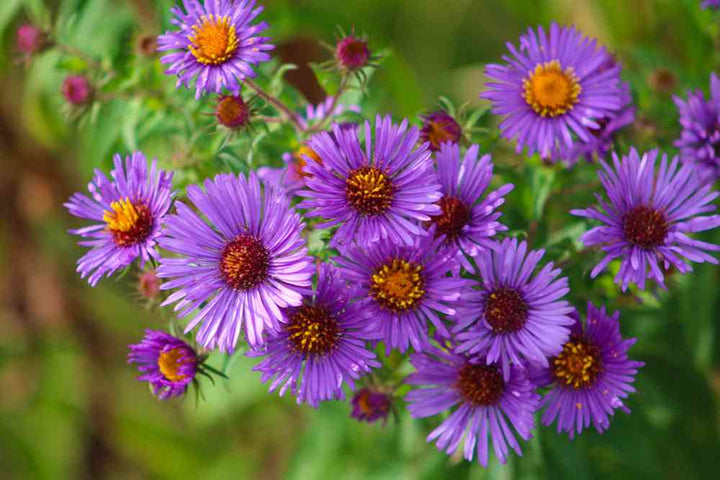
New England Aster Seeds

New England Aster Seeds

A vibrant native wildflower that delivers rich purple fall blooms and essential late-season nectar for monarchs and pollinators.

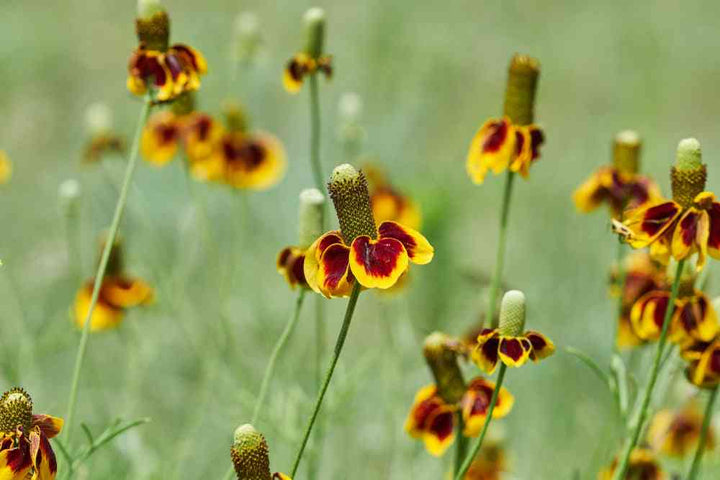
Mexican Hat Coneflower Seeds

Mexican Hat Coneflower Seeds

Bold prairie color made easy, Mexican Hat Coneflower pumps out red-and-yellow blooms through summer and fall while thriving in heat, drought, ...

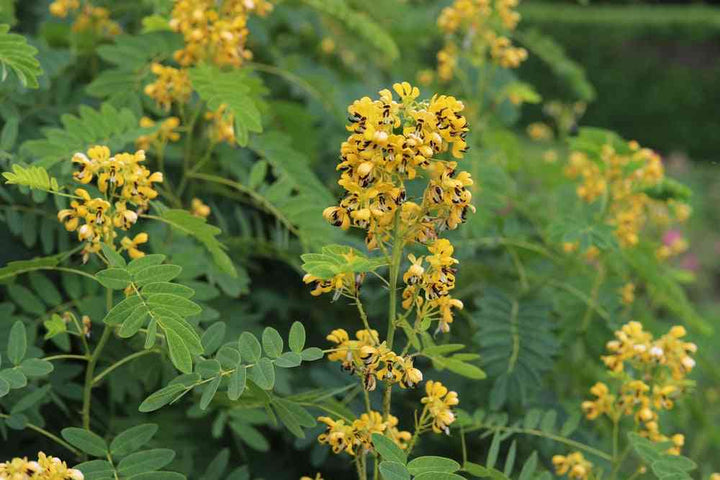
Wild Senna Seeds

Wild Senna Seeds

A bold native perennial with golden blooms and strong habitat value for butterflies, bees, and beneficial insects.

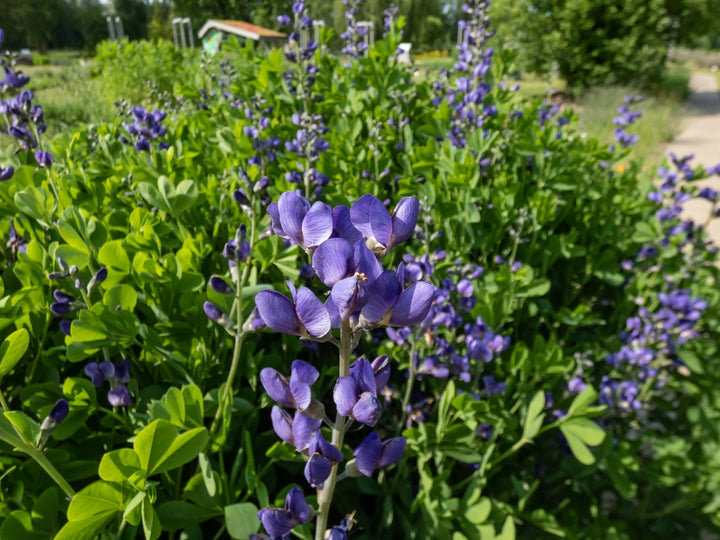
Wild Blue Indigo Seeds

Wild Blue Indigo Seeds

Long-lived native plants produce striking blue flower spikes and lasting structure for pollinator-rich perennial gardens.

Customer experience

Reviews for Spotted Joe Pye Weed Seeds

Customer Reviews

Be the first to write a review
0%
(0)
0%
(0)
0%
(0)
0%
(0)
0%
(0)