Free U.S. seed shipping $25+. Seeds ship free at the threshold. Storefront goods, pantry finds, books & local goods are being added.

New seeds, Main Street specials, and storefront finds update as the market grows.

Eastern Pollinator Mix Wildflower Seeds

Scientific name Mixed species blend. Check description.

Seed packet & garden essentials

What to know before you plant

View complete growing & care facts
500 minimum seeds per packet
  • First bloom / maturity90-99 Days · 90-99 Days
  • Growth habitUpright/Erect · Perennial · 37–48 in tall
  • Best usenative habitat, pollinator gardens, long-term establishment, and seed saving
  • Color & characterMixed
  • Germination7-30 Days days · 55–70 °F
  • Seed preparationFollow the detailed dormancy, light, and seasonal preparation record below; label the sowing date and allow uneven emergence
  • SunFull sun
  • Support & spacingNo-Support · space 12 in · rows 24 in
  • Container fitPossible in a properly sized container with reliable drainage, moisture, and room for the mature plant
  • Water needsModerate
  • SoilLoamy · pH 6.0–6.5
  • Planting seasonSpring/Fall · blooms Spring/Summer/Fall · Semi-Hardy
$200 USD

Pickup available at Bertie County Seeds

Usually ready in 2-4 days

Secure checkout Details
Generic
Triple-tested seed qualityRegular quality and germination checks support every packet.

We regularly test seed quality and germination as lots move through storage and packing. We stand behind the seed we send and want customers to contact us when a packet does not perform as reasonably expected.

1-year seed warrantyCoverage begins on the date of purchase.

When properly stored, planted, and cared for, we guarantee reasonable germination and true-to-type growth for one year from the date of purchase. Conditions outside our control—including extreme weather, pests, unsuitable storage, and gardener error—are excluded. Contact us when something is not right so we can review the situation and work toward a replacement, refund, or another fair resolution.

Non-GMO / BE seed policyWe do not buy or sell genetically engineered or bioengineered seed.

Every seed variety we sell is non-GMO.

USDA’s National Bioengineered Food Disclosure Standard defines bioengineered foods as containing detectable genetic material modified through in vitro recombinant DNA methods in ways not achievable through conventional breeding or found in nature.

  • Hybrid means parent lines were conventionally crossed; hybrid does not mean GMO.
  • Heirloom and open-pollinated describe how a variety is maintained and reproduced.
  • Organic certification is separate and is shown only when verified for the individual product.
Packed in Colerain, North CarolinaPrepared in our seed room for gardens across the country.

Seeds are packed and shipped from Colerain, North Carolina. Our packets use forestry-certified paper, and we use recyclable paper mailers where appropriate. AONSK is also a 1% for the Planet partner while continuing to reduce waste in packing and fulfillment.

Seed success profile

Rules-based · no AI
Gardener experience Advanced or patient growing is recommended
Germination difficulty Specialized germination planning
Preparation before sowing
Follow the detailed dormancy, light, and seasonal preparation record below; label the sowing date and allow uneven emergence
Germination speed
Slow — often 21–45 days
Growing complexity
Long-term establishment crop with possible dormancy, uneven emergence, and delayed bloom
Patience and timing
90-99 Days
Is this seed a good match for your experience?
Expected germination
7-30 Days
Germination temperature
55–70 °F
Stratification
Follow the detailed dormancy instructions below; do not assume stratification is required
Scarification
Not normally required by the current record
Pre-soaking
Not normally required by the current record
Light during germination
Surface sow or press into the mix; light is part of the germination requirement
Germination pattern
Reliability depends strongly on correct preparation, temperature, moisture, and patience through the full emergence window
Transplant sensitivity
Varies by species; move small plants carefully after roots are established
Starting method
Cataloged as suitable for direct sowing; follow the product-specific timing and depth.
Best chance of success
For Eastern Pollinator Mix Wildflower Seeds, control temperature and moisture at sowing, label the start date, and compare emergence with the complete recorded germination window before reseeding.
What to expect

Preparation: Follow the detailed dormancy, light, and seasonal preparation record below; label the sowing date and allow uneven emergence. Germination light: Surface sow or press into the mix; light is part of the germination requirement. Expected emergence: 7-30 Days. Temperature: 55-70 °F.

Slow germination is not automatically failed germination.

Maintain the listed temperature, moisture, light, and treatment conditions for the full expected window. Some seed lots emerge gradually rather than all at once.

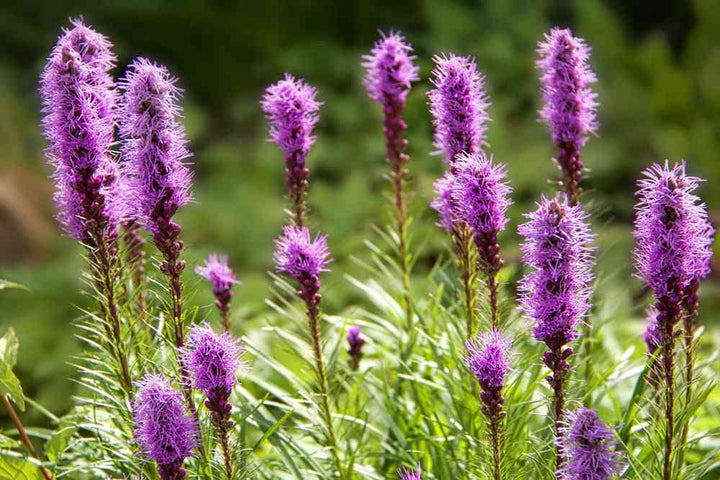
Looking for an easier starting point? Liatris Seeds Spiked Blazing Star

1 Beginner-friendly 2 One extra step 3 Some experience helpful 4 Patient growers 5 Advanced propagation

This deterministic profile uses recorded product facts; it is not Artificial Intelligence and is not a guarantee. Seed age, storage, sowing depth, moisture, temperature, light, local conditions, and aftercare can all affect results. Last reviewed July 2026.

Build a garden-fit plan

Check this seed against your real growing conditions

Compare timing, germination preparation, sunlight, soil, water, space, support, intended use, and your preferred level of seed-starting complexity.

Open the detailed garden-fit planner Deterministic rules · no Artificial Intelligence · no live weather service

Complete product description

Eastern Pollinator Mix Wildflower Seeds

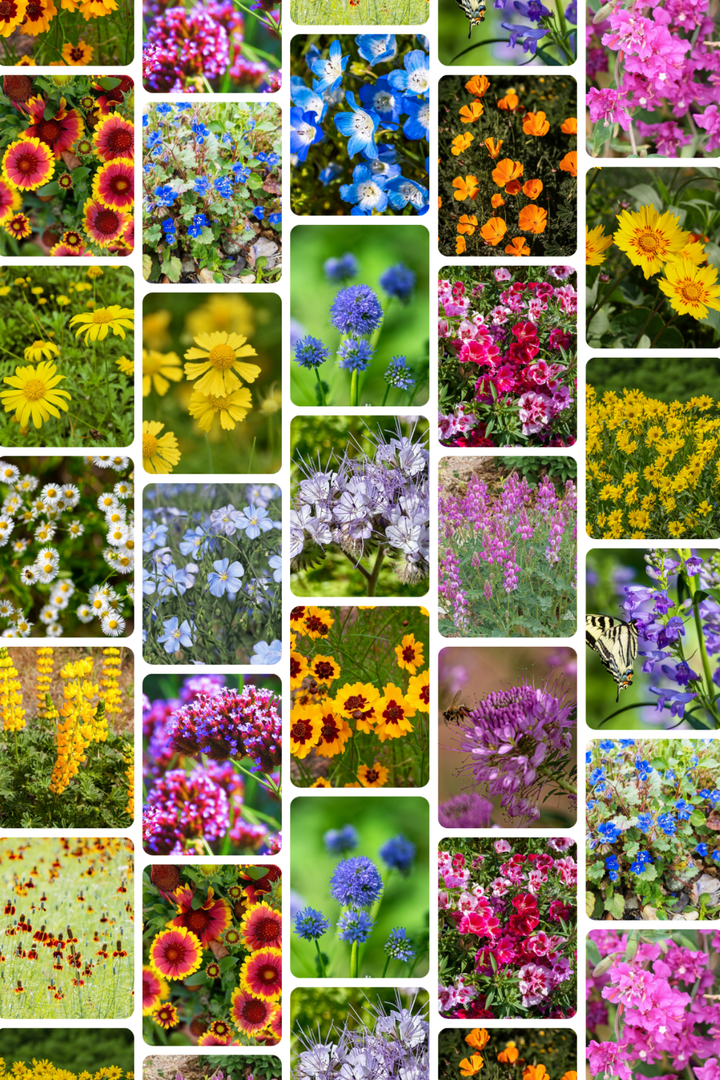
Eastern Pollinator Mix brings together flowers with varied heights, forms, and bloom times for sunny beds, meadow edges, habitat plantings, and pollinator-focused landscapes. The mix is designed to provide color and nectar resources across a broad part of the growing season.

Species in the mix

  • Black-Eyed Susan (Rudbeckia hirta)
  • Blue Wild Indigo (Baptisia australis)
  • Brown-Eyed Susan (Rudbeckia triloba)
  • Evening Primrose (Oenothera biennis)
  • Golden Alexander (Zizia aurea)
  • Gray Goldenrod (Solidago nemoralis)
  • Hairy Beardtongue (Penstemon hirsutus)
  • Indian Blanket (Gaillardia pulchella)
  • Lance-Leaved Coreopsis (Coreopsis lanceolata)
  • Lavender Hyssop (Agastache foeniculum)
  • Lemon Mint (Monarda citriodora)
  • New England Aster (Symphyotrichum novae-angliae)
  • Ohio Spiderwort (Tradescantia ohiensis)
  • Partridge Pea (Chamaecrista fasciculata)
  • Plains Coreopsis (Coreopsis tinctoria)
  • Purple Coneflower (Echinacea purpurea)
  • Showy Tick Trefoil (Desmodium canadense)
  • Spotted Beebalm (Monarda punctata)

Where this mix fits

Use the mix where a naturalized, pollinator-focused planting is appropriate. It combines many species native to parts of the eastern United States with additional regionally adapted flowers that broaden bloom diversity and visual interest.

Because the mix includes plants with different life cycles and establishment patterns, individual species may emerge and flower at different times.

Minimum Seed Count: 500 seeds

Every recorded growing detail

Complete growing & care facts

Continue to the garden-fit planner

Plant identity

Minimum seed count 500 seeds
Seed product profile Native perennial
Scientific name Mixed species blend. Check description.
Also known as Rudbeckia, Flower Seeds - Wildflower - Eastern Pollinator Mix
Color Mixed
Life cycle Perennial
Botanical family Asteraceae, Fabaceae, Onagraceae, Apiaceae, Plantaginaceae,
Reproductive type Open-Pollinated (OP)
Heritage qualifiers Non-GMO
Native to the United States Yes
Domestication note North America – Eastern Woodlands

Seed success and gardener experience

Gardener experience Advanced or patient growing is recommendedLevel 5 of 5
Germination difficulty Specialized germination planningLevel 5 of 5
Preparation before sowing Follow the detailed dormancy, light, and seasonal preparation record below; label the sowing date and allow uneven emergence
Stratification Follow the detailed dormancy instructions below; do not assume stratification is required
Scarification Not normally required by the current record
Pre-soaking Not normally required by the current record
Light during germination Surface sow or press into the mix; light is part of the germination requirement
Germination pattern Reliability depends strongly on correct preparation, temperature, moisture, and patience through the full emergence window
Growing complexity Long-term establishment crop with possible dormancy, uneven emergence, and delayed bloom
Transplant sensitivity Varies by species; move small plants carefully after roots are established
First harvest or bloom 90-99 Days
Best chance of success For Eastern Pollinator Mix Wildflower Seeds, control temperature and moisture at sowing, label the start date, and compare emergence with the complete recorded germination window before reseeding.

Timing and climate

Days to maturity 90-99 Days
Germination 7-30 Days
Germination temperature 55–70 °F
Planting season Spring/Fall
Bloom season Spring/Summer/Fall
Frost tolerance Semi-Hardy
Sunlight Full sun
Water needs Moderate

Site, soil, and space

Soil type Loamy
Preferred soil pH 6.0–6.5
Seed depth Surface Sow
Plant spacing 12 in
Row spacing 24 in
Mature height 37–48 in
Growth habit Upright/Erect
Support needed No-Support
Suitable growing locations Wildflower meadow

Crop-specific details

Garden-fit planning for this variety

Will Eastern Pollinator Mix Wildflower Seeds fit your garden?

Check dormancy preparation, establishment time, native range, habitat, moisture, and patience.

Rules-based · no AI
Questions for this native or perennial seed
Seed-starting fit and patience
Recorded product profileAdvanced or patient growing is recommendedSpecialized germination planningRead why
Soil test, pH, drainage, and amendment calculator Have a laboratory soil report? Enter pH, nutrients, texture, bed size, and site observations here. Open soil tools
Recorded soil typeLoamy
Recorded pH range6.0–6.5
Water needsModerate
LightFull sun

Use a current laboratory soil test

Soil-test interpreter

Compare your report with this product's listed pH target: 6.0–6.5.

This tool interprets values you enter; it does not replace laboratory or Cooperative Extension amendment rates. Soil test methods and nutrient recommendations vary by region.

The full variety record

Sowing, care, harvest, troubleshooting, and history

How to start Eastern Pollinator Mix Wildflower Seeds from seedPreparation, timing, depth, germination, transplanting, spacing, and early care

Variety-specific germination notes

Preparation: Follow the detailed dormancy, light, and seasonal preparation record below; label the sowing date and allow uneven emergence. Germination light: Surface sow or press into the mix; light is part of the germination requirement. Expected emergence: 7-30 Days. Temperature: 55-70 °F.

Complete sowing and planting guidance

Begin with site preparation, because a wildflower mix succeeds or fails largely before the seed ever goes down. Choose a full-sun location with open airflow and as little existing weed pressure as possible. Remove turf, aggressive grasses, and perennial weeds completely rather than just cutting them short, since they can quickly outcompete emerging wildflower seedlings. If the area is weedy, it is worth taking extra time to clear it thoroughly and allow a flush of weed seedlings to emerge before lightly removing them again. The goal is to start with a clean, stable surface where the mix will not be buried under fast early competition. Avoid rich, heavily amended flower-bed soil if possible; average, reasonably well-drained ground is usually better for a balanced stand.

Once the area is clean, rake the surface smooth and create a firm seedbed rather than a fluffy one. Tiny and mixed-size seeds are easily lost if the soil is loose or deeply cultivated. A lightly worked top layer is enough, but the ground beneath should feel settled so seed does not sink too far after watering or rain. In broad sowings, many growers find it helpful to divide the seed into two equal portions and scatter one half in one direction and the second half crosswise. This gives more even coverage and reduces the risk of bare strips or thick clumps. Mixing the seed with dry sand, fine sawdust, or another clean carrier can make the packet easier to spread uniformly and helps you see where you have already sown.

Sow the mix at the surface or with only the lightest covering. Most species in a pollinator blend like this should not be buried deeply, and some benefit from light exposure or only a dusting of soil. After broadcasting, press the seed firmly into the soil with a board, roller, or gentle foot pressure so it has strong seed-to-soil contact. Do not rake heavily after sowing, and do not cover the bed with thick mulch, compost, or straw that could smother the smaller seeds. If erosion is a concern, use only the lightest protective layer and keep it airy enough that seedlings can still break through easily.

Seasonal timing matters because the mix includes species with different germination rhythms. Fall through winter sowing is often ideal where natural cold and moisture can help condition slower perennial species and produce a more natural spring emergence pattern. This approach works especially well when the goal is a meadow-like planting that develops gradually and in balance. Early spring sowing can also work well, especially when moisture is dependable, but emergence is often more staggered because some species in the mix respond differently to warming temperatures. In a spring sowing, patience is essential. Some seedlings may appear quickly, while others wait much longer, and that delay does not necessarily mean the stand has failed.

Moisture management after sowing is critical. Keep the top layer of soil evenly moist enough to support germination, but not saturated or muddy. Small seeds near the surface can dry out quickly in wind or bright sun, especially on warm spring days, so light and frequent watering may be needed at first. At the same time, avoid flooding the site or letting water stand, because excessive moisture can rot seed, crust the soil, or wash the mix into low spots. The best pattern is usually gentle watering that keeps the seedbed consistently damp until a reliable flush of seedlings has rooted in. Once seedlings are up and beginning to anchor, watering can gradually shift from frequent surface moisture to deeper, less frequent support.

Do not expect uniform germination. In a true mixed wildflower planting, some species may emerge in a week while others may take several weeks or even longer depending on weather, dormancy, and soil conditions. This staggered response is normal. One of the most common mistakes is assuming the slower species are missing and then oversowing the bed, which leads to crowding and imbalance later. Another common mistake is cultivating the surface too soon, accidentally uprooting tiny seedlings that have only just begun to establish. It is better to observe closely, learn the look of the young seedlings over time, and resist disturbing the bed unless obvious weeds are taking over.

Weed control during establishment should be careful and persistent. In the first weeks, the desired seedlings are often small and easy to overlook, while weeds may grow faster and taller. Hand-pull or trim weeds early before they set seed or cast heavy shade over the planting. In larger sowings, selective clipping of tall weeds above the wildflowers can help keep the area open without disturbing the soil surface. Avoid aggressive hoeing once germination has begun, because many wanted seedlings will still be shallow-rooted. The first season is often less about maximum bloom and more about protecting the young stand long enough for the perennial elements to secure their place.

Transplanting is usually not the main method for a mix like this, because the blend is intended to establish as a direct-sown community. Starting the entire mix in trays is difficult, since some species germinate on different schedules, some resent root disturbance, and others quickly become tangled when grown together. Direct sowing gives the most natural spacing, species interplay, and long-term balance. If individual species from the mix are ever started separately as plugs, transplant them while they are still young, before roots become crowded, and set them into prepared ground at the same depth they were growing before. Water them in thoroughly and protect them from immediate weed pressure while they adjust.

The first season should be approached with realistic expectations. Some annuals and fast growers may flower relatively early, but several perennial species will spend much of that first year building root systems and low vegetative growth. The planting may look patchy, uneven, or sparse in places at first, and that is normal for a diverse pollinator mix. Avoid trying to force fullness with fertilizer, heavy irrigation, or repeated reseeding. A better strategy is to maintain moisture during establishment, control weeds steadily, and let the stand develop at its own pace. By the second season, the planting often becomes fuller, more layered, and more stable as the slower species begin to show their mature character.

For best long-term results, think of sowing this mix as establishing a plant community rather than filling a decorative flower bed in one step. The quality of the seedbed, the shallowness of sowing, the patience shown during staggered germination, and the discipline of early weed control matter far more than any quick fix later. With good preparation and careful first-season management, the mix can grow into a long-blooming, pollinator-rich stand that gains beauty, diversity, and resilience over time.
How to grow this specific varietyLight, water, fertility, support, spacing, airflow, crop behavior, and season-long care

Complete growing guide

Eastern Native Pollinator Mix grows best after establishment in a full-sun site with open airflow, moderate fertility, and enough room for the planting to develop naturally over time. This is not a bedding-style flower crop that should be pushed for uniform height or perfectly synchronized bloom. Instead, it behaves as a layered community of annuals, short-lived flowers, and longer-lived perennials that rise and fade on different schedules. Once the young plants are rooted in, the goal is to maintain balance across the stand so no one group overwhelms the others too quickly. A healthy planting should look dynamic and seasonally changing, with different species taking visual prominence as weather, day length, and maturity shift through the year.

During active growth, water deeply enough to support root development but avoid keeping the planting constantly wet. In the first established season, a moderate and steady moisture pattern helps the slower species hold their place while the quicker flowers begin to bloom. After that, many of the plants in the mix become more tolerant of ordinary dry weather, but long hot spells can still shorten bloom and reduce overall vigor if the stand is stressed for too long. It is better to water thoroughly and then allow the upper soil to dry slightly than to give repeated shallow irrigation, which encourages weak surface rooting. Good drainage remains important throughout the life of the planting, since overly wet soil can weaken crowns, reduce vigor, and favor rot in the less tolerant species.

Fertility should be managed conservatively. Wildflower blends like this usually flower better in average soil than in heavily enriched beds, and excessive feeding often causes leafy growth, taller but weaker stems, and fewer blooms. High nitrogen is especially unhelpful because it can push the stand into soft growth that flops, crowds itself, and becomes more vulnerable to disease. If the foliage color is healthy and growth is steady, additional fertilizer is often unnecessary. In lean or worn-out ground, a modest improvement before establishment is more useful than repeated feeding afterward. Once the mix is growing, restraint usually produces a sturdier, more floriferous stand than trying to drive rapid growth.

The most important routine maintenance is weed management. Even after the stand is established, aggressive grasses and invasive broadleaf weeds can move in and compete for light, water, and root space. Remove unwanted weeds before they set seed, especially species that tower over the flowers or spread rapidly through the planting. In mixed stands, early intervention matters more than dramatic cleanup later. If one part of the mix becomes too dense, selective thinning may be needed to keep airflow moving and to preserve diversity among the species. A patch that is too crowded can become tall, floppy, and more prone to mildew, while a lightly opened stand usually flowers better and holds itself up more naturally.

As bloom begins, the planting should be managed with an eye toward succession rather than uniformity. Some species will flower early and fade back, others will peak in midsummer, and still others will carry color into late season. This changing pattern is part of the strength of a pollinator mix, because it keeps nectar and pollen available over a longer period and makes the display feel alive rather than static. Deadheading can be done selectively if you want to encourage tidiness or prolong bloom in certain flowers, but removing every spent flower is usually unnecessary and can reduce reseeding. Leaving some flowers to mature into seedheads supports natural regeneration, adds late-season texture, and can help feed birds while also preserving the evolving character of the stand.

Because the mix includes species with different heights and habits, occasional structural management can improve performance. Plants grown in richer soil or partial shade may lean more than those in open, balanced ground. If stems begin to lodge, the first correction is usually cultural rather than mechanical: reduce watering frequency, avoid fertilizer, and thin crowded sections so light reaches the lower growth. Formal staking is rarely needed in a properly sited wildflower stand. The planting is usually strongest when allowed to knit together naturally, with neighboring plants giving each other a degree of support while still having enough room for air movement and bloom production.

Pollinator activity is one of the clearest signs that the planting is functioning well. As different flowers open, bees, butterflies, skippers, beetles, and other beneficial insects should move through the stand in waves depending on what is in bloom. Avoid broad insect treatments, since the purpose of the planting is to support that living traffic. If minor chewing or cosmetic damage appears on some flowers, it is often best tolerated unless a specific species is becoming overwhelmed. A mixed pollinator stand is resilient partly because no single plant carries the entire visual load, and some insect activity is a normal part of a healthy ecological planting.

Seasonal cleanup should be done thoughtfully. Cutting the entire stand down too early can remove food sources, reduce reseeding, and strip the planting of winter interest. On the other hand, leaving dense, diseased, matted material indefinitely can shelter problems and smother emerging crowns. A balanced approach works best: remove heavily diseased or collapsed growth when needed, but allow healthy stems and seedheads to stand as long as practical. In late winter or very early spring, a cleanup pass can prepare the site for new growth without interrupting the natural cycle too soon. If the planting is being managed for continued reseeding, leave at least part of the stand to drop seed before cutting back.

Over multiple seasons, expect the composition of the planting to shift. Fast annuals may dominate the first year, then give way to slower, deeper-rooted perennials that become more visible later. Some species will reseed aggressively in favorable conditions, while others may recede if the soil, moisture, or competition changes. This does not mean the mix is failing; it means it is behaving like a real plant community. Long-term success comes from guiding it lightly rather than forcing it into a rigid pattern. Moderate watering, low fertility, selective thinning, careful weed control, and patient observation will help Eastern Native Pollinator Mix mature into a fuller, more stable, and more ecologically valuable planting year after year.
Practical field and garden tipsExtra techniques, timing adjustments, and observations that improve success
A wildflower mix like this rewards restraint more than constant correction. One of the most useful habits is to watch the planting closely in its first season without assuming every gap needs to be fixed. Some species in Eastern Native Pollinator Mix germinate and grow quickly, while others spend more time establishing roots before putting on much top growth. That means a patchy or uneven look early on is often normal. Mark the edges of the planting, learn to recognize young seedlings before pulling anything, and avoid reworking the soil once germination has begun. Many growers lose more desirable plants by fussing with a young stand than by leaving it alone and managing weeds carefully.

For better long-term balance, pay attention to density. If seed landed too thickly in one area, the strongest species can crowd out the slower ones before the stand has a chance to diversify. Light thinning in dense pockets can make a major difference in airflow, bloom quality, and species persistence. This is especially important in richer soils, where fast growers may stretch and shade lower plants. A pollinator mix is most beautiful when it has layers and movement, not when one or two species smother the rest. Opening overcrowded sections early often prevents flopping, mildew, and midseason collapse.

Weed timing matters as much as weed removal. The best approach is to remove aggressive weeds while they are still small, before they cast shade or set seed, rather than waiting for a major cleanup day. In larger patches, trimming tall weeds above the level of the young wildflowers can sometimes protect the stand without disturbing shallow roots. Be especially careful with grasses, which can disappear visually into a mixed planting until they have already taken hold. Once perennial weeds get established inside a wildflower patch, removing them becomes much harder without damaging the flowers around them. Quiet, regular maintenance is usually far more effective than occasional heavy intervention.

If your goal is a longer and more attractive bloom season, think in waves rather than in one peak display. Early flowers will fade, midsummer species will rise, and fall bloomers may become the stars later in the season. Instead of cutting everything back when one group begins to decline, manage selectively. Remove spent stems only where you want tidiness or want to encourage more flowering from certain plants, but leave plenty of seedheads standing if you want reseeding, bird value, and seasonal texture. A mixed pollinator stand looks richest when it is allowed to show all its stages: bud, bloom, drying head, and winter structure.

Moisture strategy can improve both appearance and longevity. During hot weather, deep occasional watering is more helpful than frequent light watering, especially once the stand is established. Shallow irrigation tends to keep roots near the surface and can make the planting less resilient in drought. On the other hand, if the first-year stand goes dry for too long, slower perennials may disappear before they have a fair chance to settle in. In wet seasons, the opposite issue matters more: open up crowded sections, avoid extra feeding, and remove badly diseased material promptly so airflow can keep the stand healthier.

This mix is also a good candidate for thoughtful seed stewardship. If you want the planting to naturalize, allow at least part of it to mature fully and drop seed in place. If you want more control, collect seed from individual species separately instead of harvesting everything together. Bulk seed saving works, but it usually shifts the balance over time because some species are heavier seeders or quicker self-sowers than others. Keeping notes on which flowers performed well, which ones matured seed first, and which ones expanded or declined can help you guide future sowings much more successfully than trying to recreate the mix from memory.

Another overlooked tip is to manage expectations from year to year, not just week to week. Weather, soil moisture, competition, and winter conditions can all change which species stand out in a given season. One year may lean heavily toward Rudbeckias and Coreopsis, while another may bring stronger showing from asters, Monarda, or Baptisia-type plants. That variation is part of what makes a pollinator mix ecologically useful and visually alive. Instead of treating seasonal change as inconsistency, treat it as a sign that the planting is behaving like a real plant community.

For the best long-term results, use light-touch seasonal cleanup instead of overly tidy management. Remove diseased or collapsed material when needed, but do not rush to strip the planting bare the moment flowering ends. Standing stems and seedheads add winter interest, support wildlife, and help preserve the character of the planting through the dormant season. In late winter or very early spring, cut back what needs removing before new growth rises. Managed this way, Eastern Native Pollinator Mix becomes more than a one-season display: it develops into a resilient, changing, habitat-rich planting that improves with observation, patience, and small, well-timed adjustments.
Harvest, storage, uses, and benefitsWhen and how to harvest, ways to use the crop, storage, culinary value, habitat value, and garden roles

Uses and benefits

Eastern Native Pollinator Mix is valuable both as a garden planting and as a functional habitat blend. One of its greatest benefits is bloom succession. Because the mix contains multiple species that flower at different times, it helps provide nectar and pollen across a much longer stretch of the season than a single-species planting ever could. Early bloomers help support emerging bees and other insects, midsummer flowers keep activity high during the main growing season, and later species continue feeding pollinators when many ordinary garden flowers are already fading. This extended flowering rhythm makes the mix useful not just for color, but for sustaining a more active and visible pollinator presence over time.

The mix is also highly effective for attracting a broad range of beneficial insects. Different flower shapes, heights, and bloom structures appeal to different pollinators, including native bees, honeybees, butterflies, skippers, beetles, and other helpful insects. That diversity matters, because healthy landscapes depend on more than one pollinator group. A planting with layered floral resources can support both specialist and generalist visitors while also increasing movement through the garden as different species come in and out of bloom. In practical terms, this means the mix can help turn a quiet sunny space into an active, living planting full of motion, sound, and visible ecological value.

From a landscape standpoint, Eastern Native Pollinator Mix offers a softer, more naturalized beauty than formal bedding flowers. It is especially well suited to borders, meadow edges, pollinator strips, open beds, roadside-style plantings, school gardens, church grounds, restoration-inspired spaces, and larger home landscapes where a looser, more layered effect is welcome. Instead of producing one flat block of color, it creates variation in height, texture, and flower form. That makes it visually dynamic over time, with the look of the planting shifting as different species rise, bloom, set seed, and give way to the next floral wave.

This mix is also useful for gardeners who want ecological value without needing an extremely technical restoration planting. While it is not a strict single-region conservation seed list, it contains many species associated with eastern and adjoining North American pollinator landscapes, along with several compatible broader-range flowers that extend bloom and visual diversity. That makes it a practical bridge between ornamental gardening and habitat-minded planting. It can help gardeners move beyond lawn-dominated spaces and create areas that feed insects, support seasonal interest, and feel more connected to regional wildflower traditions.

Another major benefit is seasonal resilience and structural diversity. Because the mix includes both annual and perennial species, it can provide first-year color from faster bloomers while also building toward a more rooted and stable planting in later seasons. Annuals help fill space and deliver quick visual reward, while perennials add continuity, returning structure, and longer-term habitat value. This layered life-cycle approach gives the mix broader usefulness than a short-lived annual-only packet or a slower all-perennial stand. It can satisfy gardeners who want visible early results while still rewarding patience in the years that follow.

Eastern Native Pollinator Mix can also serve educational and community purposes. It is well suited to demonstration gardens, school pollinator projects, teaching spaces, and public-facing plantings where people can observe relationships between flowers and insects over the full growing season. Because the species differ in bloom timing, shape, and ecology, the mix creates repeated opportunities to notice pollination, seed set, insect diversity, and plant succession. In that sense, it is not just decorative seed, but a living teaching tool that helps make ecological processes visible in an approachable way.

There are practical maintenance benefits as well. Once established in a suitable sunny site, many of the species in the mix become relatively low-input compared with high-maintenance seasonal bedding plants. The stand does not need constant fertilizing, frequent replanting, or intensive grooming to remain useful and attractive. With thoughtful weed control, moderate moisture during establishment, and occasional cleanup, it can develop into a durable planting that offers repeated value without requiring the constant replacement cycle associated with many ornamental flower displays.

Finally, this mix benefits the grower by combining beauty, habitat support, and cultural meaning in one product. It gives gardeners a way to plant for color and pollinators at the same time, to create movement and seasonal change instead of static design, and to participate in a broader shift toward ecologically useful landscapes. Whether used in a front-yard pollinator bed, a backyard meadow strip, a community space, or a restoration-inspired border, Eastern Native Pollinator Mix offers more than flowers alone: it creates a planting that feeds insects, enriches the landscape, supports biodiversity, and becomes more meaningful as it matures.
Seed saving and carrying the variety forwardPollination, isolation, selection, harvest, cleaning, drying, and storage
Seed saving from Eastern Native Pollinator Mix is possible, but it works best when you understand that this product is a multi-species planting rather than a single variety. If you simply allow the entire stand to mature and then collect seed in bulk, you can absolutely create a future wildflower planting, but the balance of species will almost certainly shift over time. Some flowers in the mix produce seed more heavily, germinate more readily, or reseed more aggressively than others, so second-generation sowings may not look exactly like the original packet. Bulk saving is best for gardeners who want a naturalized, evolving pollinator patch rather than an exact recreation of the original blend.

For the most controlled seed saving, collect species separately instead of harvesting everything together. This is especially useful if you want to preserve identifiable flowers such as Black-Eyed Susan, Brown-Eyed Susan, Blue Wild Indigo, New England Aster, Purple Coneflower, Spotted Beebalm, or Partridge Pea as distinct components. Watch each species closely as flowering ends and seed begins to mature, because different plants ripen on different schedules. Some form dry seedheads, some produce pods, and others shed quickly once mature. Labeling is essential, since many dried stalks can look similar once removed from the garden.

Always wait until seed is fully mature before harvesting. In general, mature seedheads should look dry rather than green, and pods should begin to tan, harden, or rattle depending on the species. Coneflowers, Rudbeckias, Coreopsis, asters, and similar flowers are often ready when the heads have dried down and seeds can be rubbed loose by hand. Legume-type species such as Blue Wild Indigo, Partridge Pea, and Showy Tick Trefoil should be collected once pods dry and darken but before they split and scatter their seed. Bee balms and some fine-seeded flowers may need to be watched closely because they can shatter or disperse quickly once fully ripe.

Harvest on a dry day after dew has evaporated. Use paper bags, envelopes, buckets, or trays rather than sealed plastic, because fresh-collected seed often still contains enough moisture to mold if stored immediately without airflow. Cut seedheads, clip pod clusters, or strip mature material gently into a container, keeping each species separate whenever possible. If you are collecting the whole mix together for bulk reseeding, still try to avoid gathering immature, moldy, or diseased material, since that lowers quality and storage life.

After harvest, let the seed finish drying indoors in a well-ventilated, shaded space out of direct sun. Spread the material in a thin layer on paper, screens, or shallow trays and allow it to cure fully before cleaning. Drying time varies by species and weather, but patience is important. Seed that feels cool, leathery, or slightly damp should not be packed away yet. Fully dried seed stores better, resists mold, and separates more cleanly from chaff.

Cleaning methods depend on the species. Large seeds and pods can often be broken open by hand and screened easily. Dry flower heads can be crushed gently between the fingers, then sifted or winnowed to separate seed from husks and stems. Fine seed from asters, beardtongue, and similar flowers may require lighter handling and small-mesh screens. Perfect cleaning is not always necessary for home use, especially if the seed will be re-sown in a meadow-style planting, but removing excess chaff helps improve storage and makes sowing more even.

Storage should be cool, dry, dark, and clearly labeled. Mark each lot with the species name and harvest year, or if saving the mix in bulk, label it as a mixed wildflower reselection from Eastern Native Pollinator Mix. Paper packets placed inside jars or sealed containers work well as long as the seed is fully dry first. Store the seed away from heat, humidity, and direct light. A consistently cool closet, dry room, or similar protected space is better than a hot shed or damp garage.

Keep in mind that some species in the mix may benefit from natural cold-moist conditioning before germinating well. That means saved seed is often easiest to re-sow in fall or winter and let nature handle the seasonal preparation. Spring sowing is still possible, but germination may be slower, more uneven, or more species-selective depending on what was collected. If maintaining diversity matters, save from as many species as possible, collect across the whole stand rather than from only the strongest plants, and avoid allowing one especially aggressive species to dominate the seed harvest year after year.

For long-term preservation of the mix’s character, the best method is a combination approach: let some flowers reseed naturally in place, collect separate seed from key species you want to maintain, and only use bulk harvesting when you are comfortable with the planting evolving. That approach keeps the stand dynamic without losing all control. Eastern Native Pollinator Mix can be saved successfully, but it should be treated as a living community of species, not as a single uniform variety that will always reproduce in exactly the same proportions.
Common pests, diseases, and growing problemsIdentification, prevention, crop-safe response, and when intervention is justified

Complete pest and problem guide

Eastern Native Pollinator Mix is usually challenged less by one devastating pest outbreak than by the complicated nature of establishing many species together in one planting. The earliest and most common problems are poor site preparation, weed pressure, uneven moisture, and impatience with staggered germination. Because this mix includes annuals, perennials, broadleaf flowers, legumes, and species with different dormancy needs, the stand rarely emerges in a perfectly even way. Some seedlings appear quickly, while others may wait through a longer cool-moist period before germinating. This natural delay often causes growers to think the planting has failed, and they may overwater, reseed too heavily, hoe the bed, or disturb emerging seedlings. A truly successful planting begins with a firm, weed-free seedbed, very shallow sowing, and the expectation that the first season is often about establishment rather than instant fullness.

Weed competition is often the single greatest threat to this kind of mix. Fast-growing grasses, pigweed, lambsquarters, crabgrass, ragweed, and other opportunistic weeds can easily outgrow slower native seedlings if the site was not thoroughly cleared before sowing. In the first several weeks, many desired seedlings are small and not immediately recognizable, so careless weeding can remove the good plants while leaving the true competitors behind. If weeds are allowed to shade the stand early, moisture and nutrients get pulled away from the developing wildflowers, and weaker species can disappear entirely from the planting. Prevention is much more effective than correction: stale seedbed preparation, repeated pre-plant weed removal, shallow cultivation before sowing, and close observation after emergence help protect the stand before weeds become dominant. In larger patches, selective trimming of tall weeds above the seedlings can buy time without disturbing the soil surface.

Young seedlings can also suffer from insect feeding, especially during cool or damp establishment weather. Slugs and snails may chew tender sprouts down to stubs overnight, particularly in mulched beds, heavy soils, or shady field edges. Cutworms can sever seedlings at the soil line, leaving healthy-looking tops collapsed beside the stem. Flea beetles sometimes pepper young leaves with tiny holes, and aphids may cluster on soft new growth, especially on tender stems of species that put on lush spring growth. These attacks are most serious when seedlings are already stressed by crusted soil, drought, or crowding. Good sanitation around the planting, moderate watering, removal of hiding places, and regular inspection during the seedling stage are the best first defenses. Hand-picking, barriers for vulnerable seedlings, and encouraging beneficial predators usually work better than aggressive intervention in a mixed pollinator planting where preserving insect diversity matters.

As the stand matures, insect pressure usually becomes more cosmetic than destructive, but several pests can still reduce bloom quality or weaken certain species. Japanese beetles may chew petals and skeletonize foliage on flowers such as Rudbeckia, Echinacea, Coreopsis, and Monarda. Tarnished plant bugs and similar sap-feeding insects can distort buds or reduce flower quality. Leafhoppers may stress plants and contribute to general weakening, especially during hot, dry weather. Spider mites sometimes become a problem when drought and reflected heat build up, causing stippled leaves, bronzing, and fine webbing on stressed growth. In most healthy plantings, these pests rarely justify broad treatment. The strongest response is usually to keep the planting vigorous but not overfed, remove heavily damaged stems when necessary, and maintain enough species diversity that a temporary pest surge on one flower does not collapse the whole display.

Disease pressure in a mixed wildflower stand is usually tied to site and management rather than seed quality. Dense sowing, rich soil, overhead watering late in the day, poor airflow, and repeated humidity create conditions for foliar disease. Powdery mildew is one of the most common issues, especially on Monarda, asters, and other species prone to white fungal growth during warm days and cool nights. It often begins as a dusty coating on leaves and stems, then expands until foliage yellows, curls, and loses vigor. Leaf spots may show up as dark or tan lesions surrounded by yellow halos, especially after extended moisture or overcrowding. Rust may appear as orange or brown pustules on leaf undersides, gradually weakening plants and reducing bloom. These diseases are rarely solved by spraying in a diverse home planting. Better results come from thinning dense patches, watering early, improving sun exposure, removing badly infected material, and resisting the urge to push too much nitrogen into the stand.

Root and crown problems can be even more serious than foliar disease because they often kill plants outright and are harder to correct once established. Poor drainage, compacted soil, and repeated saturation can cause damping off in young seedlings and crown rot in older perennials. Seedlings may emerge and then suddenly collapse, while mature plants may yellow, wilt, and die back from the base even when the soil appears moist. Growers sometimes misread this as drought and water even more, worsening the decline. The safest prevention is matching the mix to a well-drained site, avoiding low pockets where water stands after rain, and not burying the seed too deeply. A light, firm sowing surface with good drainage gives roots the oxygen they need and reduces losses before the stand has had time to settle in.

Nutrient imbalance and soil conditions can also create major problems that are not immediately recognized as cultural rather than biological. Wildflower mixes usually perform best in average to moderately lean soil, but gardeners often treat them like high-input flower beds and apply compost or fertilizer too generously. Excess fertility can produce lush, soft, weak stems that flop, lodge, and become more vulnerable to disease and chewing insects. Bloom may actually decline while leafy growth increases. On the other hand, extremely poor soil can lead to weak establishment, pale foliage, and slow canopy development that leaves room for weeds. The goal is balanced, moderate fertility rather than rich garden-bed conditions. If the site is severely deficient, modest amendment before sowing is far better than repeated feeding afterward.

Moisture management is another major source of trouble. During germination, the soil surface must stay evenly moist enough to support sprouting, but not so wet that seed rots or soil crusts over. After seedlings establish, overly frequent watering can keep roots shallow and encourage soft growth, while long dry spells can wipe out slower perennials before they anchor properly. Some species in the mix become relatively resilient once established, but the first season is less forgiving. Heavy rain may wash seed into low spots, creating clumps in one area and bare patches in another. Dry winds can desiccate the top layer before small seedlings root in. Mulch must be used carefully, because too much can smother germinating seed, yet a light organic cover after establishment may help moderate moisture in exposed sites.

Crowding is a frequent hidden problem in pollinator blends because sowers often fear poor germination and apply the seed too heavily. When too many seedlings emerge in a concentrated patch, they compete for light, moisture, and nutrients, and the result is weaker stems, less airflow, more mildew, and a stand dominated by whichever species grows fastest. Aggressive plants can suppress the more delicate or slower species, reducing the intended diversity of the mix. In some cases, tall annuals or vigorous self-seeders can create a canopy that prevents smaller perennials from maturing. Thinning is not always enjoyable, but it often makes the difference between a healthy mixed stand and a crowded patch of stressed plants. Spacing does not have to be perfect, yet opening dense areas early can greatly improve long-term balance.

Another common problem is mismatch between grower expectation and the natural rhythm of mixed wildflower establishment. Many buyers expect a full, evenly blooming flower carpet within a single season, but that is not how many native and native-style mixes behave. Annuals may flower early and dominate the first-year display, while slower perennials build roots with limited top growth. In the second season, the visual balance may shift again as some short-lived species fade and longer-lived perennials expand. This is normal, but it can be mistaken for decline or poor performance. Overcorrection through replanting, fertilizing, or excessive deadheading can interfere with the stand’s natural development. The most successful plantings are observed across multiple seasons before major changes are made.

Heat, drought, and wind can also affect both bloom quality and insect pressure. Prolonged hot weather may shorten flowering, increase wilting during the day, and make plants more vulnerable to spider mites and stress-related decline. Strong wind in exposed sites can bend taller stems, dry the upper soil layer quickly, and physically damage plants that have grown too lush in rich ground. In contrast, too much shade can reduce flowering, stretch the stems, and keep foliage damp enough to worsen mildew and leaf spot. Full sun remains the best defense against many of these problems, not just because it supports bloom, but because it helps dry foliage, strengthen stems, and favor the kinds of open growing conditions these flowers generally prefer.

Late-season management mistakes can create next-year problems as well. If dead, diseased, or heavily mildewed material is left in a dense mat directly over the crowns, it can shelter pests and trap too much moisture through winter. But cutting everything down too early can reduce reseeding and remove habitat value for beneficial insects and birds. The best balance is selective cleanup: remove clearly diseased material, reduce mats that would smother emerging crowns, and leave healthy seedheads where reseeding or wildlife benefit is desired. Seed collection should also be timed carefully, because taking everything at once may strip the stand of future regeneration, while waiting too long may allow the most aggressive self-sowers to dominate.

The most reliable prevention plan for Eastern Native Pollinator Mix is simple but detailed: start with a thoroughly cleaned site, sow shallowly, keep the soil evenly moist through germination, control weeds early, avoid high-nitrogen fertilizer, thin dense patches, water early rather than late, and watch the planting closely in its first season. Most issues in this mix are manageable when caught early, and many are reduced by cultural balance rather than forceful treatment. A healthy stand depends on patience, observation, and respecting the fact that a diverse mix behaves more like a developing plant community than a single uniform crop.
Questions gardeners ask about this seedProduct-specific answers for sowing, care, harvest, use, and seed saving
Q: What makes Eastern Native Pollinator Mix different from a standard wildflower mix?

A: Eastern Native Pollinator Mix is built around pollinator value, long seasonal bloom, and a more habitat-focused planting style rather than just quick color. It combines many species that flower at different times, grow at different heights, and offer different nectar and pollen resources, which helps support a wider range of bees, butterflies, and other beneficial insects. Because it contains both annual and perennial flowers, the planting also changes over time instead of peaking all at once and fading quickly.

Q: Is every species in this mix native across the entire eastern United States?

A: No. Many of the core species in this blend fit the eastern native theme very well, including Black-Eyed Susan, Blue Wild Indigo, Brown-Eyed Susan, Evening Primrose, Golden Alexander, Gray Goldenrod, Hairy Beardtongue, New England Aster, Ohio Spiderwort, Partridge Pea, Showy Tick Trefoil, and Spotted Beebalm. A few others, such as Indian Blanket, Lavender Hyssop, Lemon Mint, and Plains Coreopsis, are better understood as broader-region pollinator flowers rather than uniformly eastern natives. Purple Coneflower also fits parts of the central and eastern United States well, but it is not equally native to every eastern coastal region.

Q: Why does a mix like this include species with different native ranges?

A: In pollinator blends, growers often combine species for bloom sequence, adaptability, visual diversity, and nectar support rather than limiting the planting to a strict single-region flora list. That means some flowers may be strongly eastern in origin while others are regionally compatible and useful to pollinators in similar climates. For a catalog page, it is best to describe this as an eastern-style pollinator mix with mostly eastern native species plus a small number of related broader-range flowers.

Q: Will all of the species bloom in the first year?

A: Not always. Some annual or fast-establishing species may bloom the first year, while many perennials spend much of their first season building roots and forming a base. A mixed stand often looks more impressive in the second year, when slower species like asters, indigos, and other longer-lived perennials begin to show more of their mature character.

Q: Why does germination seem uneven in a wildflower mix like this?

A: Uneven germination is completely normal in a multi-species planting. Each species responds differently to moisture, temperature, light, and seasonal timing, and some may need a longer cool, moist period before they wake up. A mix that includes both quick annuals and slower perennials will rarely emerge at one uniform rate, so patience is part of growing it successfully.

Q: Does this mix need cold stratification?

A: Some of the perennial species in the blend benefit from natural cold, moist exposure, which is why late fall and winter sowing often gives the most natural and balanced results. Spring sowing can still work, but emergence may be more staggered unless the seed has already experienced suitable conditioning. If sown in spring, consistent moisture and realistic expectations become especially important.

Q: What is the best place to plant Eastern Native Pollinator Mix?

A: This mix performs best outdoors in full sun in a site with open airflow and well-prepared soil. It is especially well suited to borders, meadow-style beds, pollinator strips, naturalized edges, and habitat-minded home plantings where a more informal look is welcome. It is not a good choice for tightly manicured bedding designs that require perfect uniformity.

Q: Can I grow this mix in containers?

A: It can be grown in very large raised planters or spacious containers, but it is much better suited to in-ground planting. The species in the mix vary widely in rooting depth, mature height, and long-term spread, so they perform more naturally where roots can move freely and the planting can evolve over time. Small containers usually limit diversity and make moisture management much harder.

Q: How much sun does this mix need?

A: Full sun is the best condition for strong flowering, sturdy stems, and healthy growth across the widest number of species in the blend. Many of the flowers included are adapted to open meadows, roadsides, prairie edges, and sunny clearings. In too much shade, stems may stretch, bloom may be reduced, and disease pressure can increase because foliage stays damp longer.

Q: What kind of soil is best for this mix?

A: Average, well-drained soil is usually better than overly rich garden soil. Many wildflowers bloom best when fertility is moderate and the plants are not pushed into soft, leafy growth. Heavy fertilizer or excessive compost can cause flopping, crowding, and weaker bloom, so it is better to focus on drainage, weed control, and a clean seedbed than on making the soil extremely rich.

Q: How should I sow the seed?

A: The seed should be sown very shallowly on a weed-free, prepared surface and then pressed in for good seed-to-soil contact. Most species in this kind of mix do not want to be deeply buried, and many germinate best at the surface or under only a very light covering. Mixing the seed with dry sand before broadcasting helps distribute it more evenly and reduces thick patches.

Q: Why is weed control so important for this planting?

A: In the early weeks, many desirable seedlings are small, delicate, and easy to overlook, while weeds often grow faster and taller. If weeds gain the upper hand during establishment, they can shade out slower species and permanently reduce the balance of the mix. Good site preparation before sowing and careful early observation after emergence are often the biggest factors in long-term success.

Q: Does this mix need support or staking?

A: Under normal conditions, no formal support is needed. Most species in the blend are capable of standing well on their own in full sun and reasonably balanced soil. Flopping is more often caused by crowding, too much fertility, or reduced light rather than by any natural need for cages or stakes.

Q: How tall will the planting get?

A: Because this is a true mix, height will vary by species and by season. Some flowers stay relatively low, while others rise well above them later in the summer and fall. As a blended planting, it often reads as a medium-height stand overall, but the layered look is part of its appeal and helps create habitat complexity for pollinators.

Q: What pollinators does this mix attract?

A: The flowers in this blend can attract a broad range of pollinators, including native bees, honeybees, butterflies, skippers, beetles, and other beneficial insects. Different flower shapes and bloom periods serve different pollinator needs, which is one reason species diversity matters so much in a mix like this. A planting that includes early, midseason, and late bloomers is generally more useful than one that flowers all at once.

Q: Is this mix good for butterflies as well as bees?

A: Yes. Many of the species in this mix provide nectar for adult butterflies, and the overall planting structure creates shelter, landing space, and seasonal continuity that helps beneficial insects use the area more consistently. While not every flower serves every pollinator equally, the diversity of the blend increases the chance that butterflies and bees alike will find value in it.

Q: How often should I water it?

A: During germination and early establishment, the soil should stay evenly moist so the emerging seedlings do not dry out. Once the plants are rooted in, watering can be reduced because many of the species become more resilient after establishment. The first season is the most sensitive period, and after that, the stand usually becomes less dependent on frequent irrigation unless drought is extreme.

Q: Why does the planting look patchy at first?

A: Patchiness in the first season is common and does not mean the mix failed. Some species emerge and grow quickly, while others stay small, wait for cooler conditions, or delay stronger flowering until the second year. A mixed pollinator stand develops more like a changing plant community than a uniform bedding crop, so fullness often improves with time.

Q: Can one species take over the mix?

A: Yes, that can happen depending on soil, weather, mowing history, and how the site is managed. Faster annuals or strong self-seeders may dominate in one season, while longer-lived perennials gain ground later. This shifting balance is normal in a mixed planting, and careful thinning, selective seed collection, and realistic maintenance can help preserve diversity over time.

Q: Is this mix beginner-friendly?

A: Yes, especially for gardeners who understand that success comes from preparation and patience rather than constant intervention. A sunny site, weed-free seedbed, shallow sowing, and consistent early moisture go a long way. Beginners who expect instant uniform bloom may find it challenging, but beginners who enjoy a more natural, evolving planting usually do very well with it.

Q: How long will the planting last?

A: That depends on the site and on which species become most established. Annual components may reseed for a time, while perennial species can return for years if the planting is healthy and not overwhelmed by weeds or mowing. In a well-managed sunny site, the mix can remain attractive and ecologically useful over multiple seasons, though the exact composition may shift.

Q: Should I deadhead the flowers?

A: You can deadhead selected flowers to tidy the stand or extend bloom in some species, but it is usually best not to remove everything. Leaving some flowers to mature into seedheads supports natural reseeding, provides late-season structure, and can benefit birds and overwintering insects. A mixed approach often gives the best balance between appearance and ecological function.

Q: Can I mow or cut the planting back?

A: Light seasonal management is possible, but timing matters. Cutting too early can remove developing seed, reduce late bloom, and weaken the natural cycle of reseeding. End-of-season or dormant-season cleanup is usually safer, especially if you want to preserve pollinator value while still preventing an overly dense buildup of old stems.

Q: Can I save seed from this mix?

A: Yes, because the component species are open-pollinated. However, saving the whole stand as one bulk harvest will not guarantee the same balance of species in the next sowing, because some plants produce and drop seed more aggressively than others. Gardeners who want a close repeat of the original blend should collect species separately whenever possible and label them carefully.

Q: Will this mix reseed itself?

A: Many species in the planting can reseed if flowers are allowed to mature and conditions remain favorable. That said, reseeding is not always uniform, and some species may become more common while others decline. Naturalized reseeding is part of the charm of a pollinator mix, but it also means future stands may look a little different from the original sowing.

Q: Is Eastern Native Pollinator Mix better for beauty or habitat?

A: It is designed to do both, which is part of its appeal. The planting offers a long display of changing color and texture, but its deeper value comes from bloom succession, nectar availability, and structural diversity for beneficial insects. Rather than behaving like a single ornamental flower crop, it performs as a decorative habitat planting with genuine ecological purpose.
History, provenance, and cultural contextWhat is documented, what is reported, what remains uncertain, and how the variety reached gardeners

Scientific name: Mixed species blend. Check description.

Plant and variety history

Eastern Native Pollinator Mix draws together a group of flowering species rooted in meadows, woodland edges, open fields, prairies, roadsides, and sunny clearings across broad parts of North America. Many of the plants in this blend, including Black-Eyed Susan, Brown-Eyed Susan, Golden Alexander, Evening Primrose, Hairy Beardtongue, New England Aster, Ohio Spiderwort, Partridge Pea, Showy Tick Trefoil, and Spotted Beebalm, have long belonged to the living fabric of eastern and adjoining central landscapes. These flowers were not originally gathered as a commercial “mix,” but as parts of functioning plant communities shaped by climate, grazing, fire, soil, wildlife movement, and long human stewardship. Their modern grouping into a pollinator packet is recent, but the species themselves carry much older ecological and cultural histories.

Across the eastern woodlands and neighboring regions, Indigenous peoples lived with and managed many of the environments where these flowers thrived. Through fire stewardship, field-edge maintenance, selective gathering, seasonal movement, and deep observation of local ecosystems, diverse flowering landscapes were sustained in ways that benefited both people and other species. Some plants in this mix were recognized for beauty, seasonal timing, dye potential, animal forage, or their place within larger systems of land knowledge. Others served as indicators of habitat, soil, or seasonal change. Even where a flower was not cultivated in the agricultural sense, it could still hold importance through repeated relationship, familiarity, and ecological usefulness.

Several species in the blend also reflect the overlap between eastern native flora and the broader interior of North America. Purple Coneflower, for example, is strongly associated with parts of the central and eastern United States, while species such as Indian Blanket, Lavender Hyssop, Lemon Mint, and Plains Coreopsis reach more strongly into central or plains regions. Their inclusion shows how modern pollinator mixes are often assembled not only around strict regional purity, but also around bloom succession, adaptability, nectar value, and garden performance. In that sense, this mix belongs to a contemporary seed tradition that balances ecological storytelling with practical horticulture. It is best understood as an eastern-style pollinator mix anchored by many eastern native species and broadened by a few compatible flowers from nearby floristic regions.

The cultural history of these flowers also includes their movement into ornamental gardening, conservation planting, and restoration work. During the nineteenth and twentieth centuries, many North American wildflowers were increasingly collected, studied, illustrated, and sold through nursery and seed trade channels. Over time, species once valued mainly in the wild became recognized for their beauty in borders, habitat strips, public gardens, and naturalized landscapes. Later, as concern grew over pollinator decline, simplified lawns, and habitat loss, seed companies and ecological growers began offering curated blends intended to restore at least part of the seasonal floral diversity that many working and suburban landscapes had lost. Pollinator mixes like this one emerged from that moment, joining beauty, utility, and conservation into a single planting concept.

Today, Eastern Native Pollinator Mix carries both horticultural and cultural meaning. It reflects a growing desire to plant with ecological purpose, to welcome insects back into managed spaces, and to favor season-long bloom over short bursts of ornamental color. It also reflects a renewed respect for the regional wildflowers that have long shared space with human communities across the East and beyond. Whether used in a home garden, meadow edge, school project, or habitat-minded landscape, this mix continues the story of North American flowering plants as sources of beauty, pollinator support, and living connection between cultivated ground and the wider ecology around it.

Continue planning

Related seeds, collections, and growing guides

Explore the full collection
Heirloom Wildflower Mix Seeds for GardensExplore the full collection →
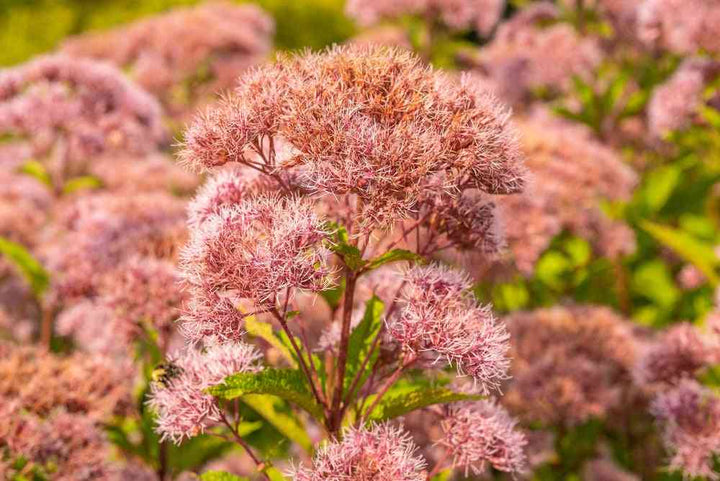
Spotted Joe Pye Weed Seeds

Spotted Joe Pye Weed Seeds

A towering native showpiece that fills late-season gardens with soft bloom clusters and nonstop pollinator activity.

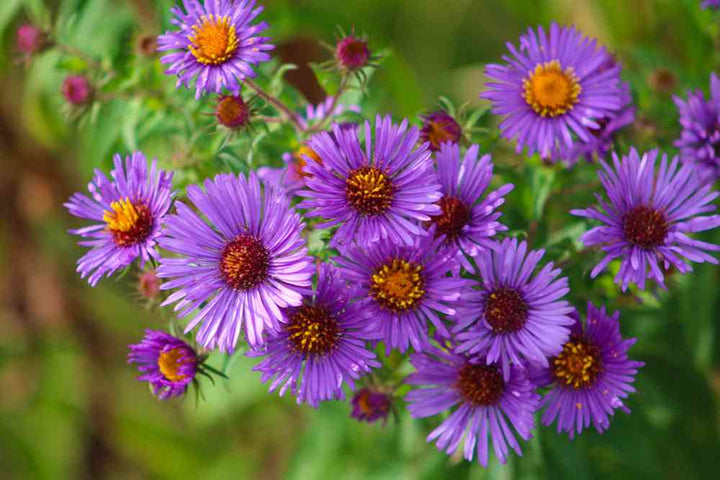
New England Aster Seeds

New England Aster Seeds

A vibrant native wildflower that delivers rich purple fall blooms and essential late-season nectar for monarchs and pollinators.

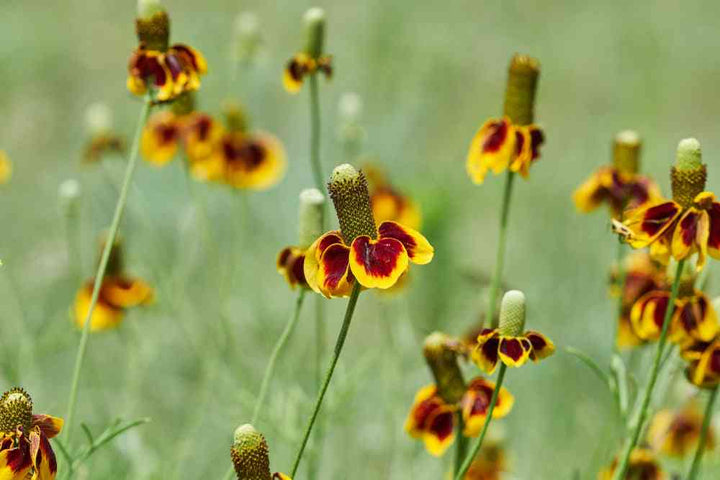
Mexican Hat Coneflower Seeds

Mexican Hat Coneflower Seeds

Bold prairie color made easy, Mexican Hat Coneflower pumps out red-and-yellow blooms through summer and fall while thriving in heat, drought, ...

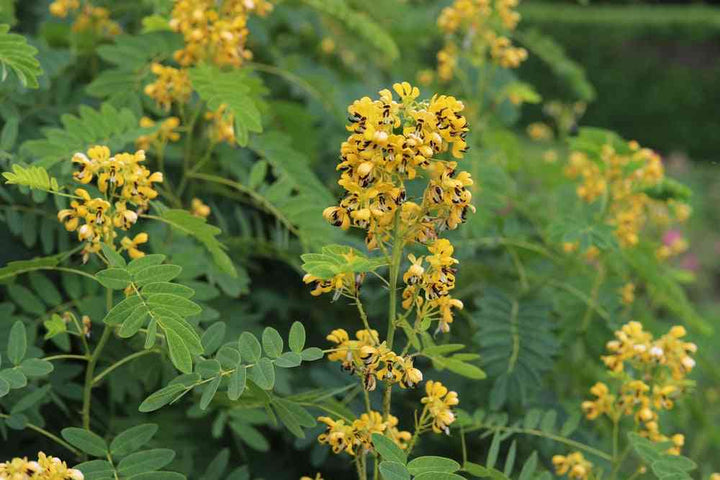
Wild Senna Seeds

Wild Senna Seeds

A bold native perennial with golden blooms and strong habitat value for butterflies, bees, and beneficial insects.

Customer experience

Reviews for Eastern Pollinator Mix Wildflower Seeds

Customer Reviews

Be the first to write a review
0%
(0)
0%
(0)
0%
(0)
0%
(0)
0%
(0)