Free U.S. seed shipping $25+. Seeds ship free at the threshold. Storefront goods, pantry finds, books & local goods are being added.

New seeds, Main Street specials, and storefront finds update as the market grows.

Western Pollinator Mix Wildflower Seeds

Scientific name Mixed species, Seed Description

Seed packet & garden essentials

What to know before you plant

View complete growing & care facts
250 minimum seeds per packet
  • First bloom / maturity80-89 Days · 80-89 Days
  • Growth habitClumping/Tufted · Perennial · 31–36 in tall
  • Best usenative habitat, pollinator gardens, long-term establishment, and seed saving
  • Color & characterMixed
  • Germination7-30 Days days · 55–70 °F
  • Seed preparationFollow the detailed dormancy, light, and seasonal preparation record below; label the sowing date and allow uneven emergence
  • SunFull sun
  • Support & spacingNo-Support · space 12 in · rows 24 in
  • Container fitPossible in a properly sized container with reliable drainage, moisture, and room for the mature plant
  • Water needsDrought tolerant
  • SoilSandy loam · pH 6.0–6.5
  • Planting seasonSpring/Fall · blooms Spring/Summer/Fall · Semi-Hardy
$200 USD

Pickup available at Bertie County Seeds

Usually ready in 2-4 days

Secure checkout Details
Generic
Triple-tested seed qualityRegular quality and germination checks support every packet.

We regularly test seed quality and germination as lots move through storage and packing. We stand behind the seed we send and want customers to contact us when a packet does not perform as reasonably expected.

1-year seed warrantyCoverage begins on the date of purchase.

When properly stored, planted, and cared for, we guarantee reasonable germination and true-to-type growth for one year from the date of purchase. Conditions outside our control—including extreme weather, pests, unsuitable storage, and gardener error—are excluded. Contact us when something is not right so we can review the situation and work toward a replacement, refund, or another fair resolution.

Non-GMO / BE seed policyWe do not buy or sell genetically engineered or bioengineered seed.

Every seed variety we sell is non-GMO.

USDA’s National Bioengineered Food Disclosure Standard defines bioengineered foods as containing detectable genetic material modified through in vitro recombinant DNA methods in ways not achievable through conventional breeding or found in nature.

  • Hybrid means parent lines were conventionally crossed; hybrid does not mean GMO.
  • Heirloom and open-pollinated describe how a variety is maintained and reproduced.
  • Organic certification is separate and is shown only when verified for the individual product.
Packed in Colerain, North CarolinaPrepared in our seed room for gardens across the country.

Seeds are packed and shipped from Colerain, North Carolina. Our packets use forestry-certified paper, and we use recyclable paper mailers where appropriate. AONSK is also a 1% for the Planet partner while continuing to reduce waste in packing and fulfillment.

Seed success profile

Rules-based · no AI
Gardener experience Advanced or patient growing is recommended
Germination difficulty Specialized germination planning
Preparation before sowing
Follow the detailed dormancy, light, and seasonal preparation record below; label the sowing date and allow uneven emergence
Germination speed
Slow — often 21–45 days
Growing complexity
Long-term establishment crop with possible dormancy, uneven emergence, and delayed bloom
Patience and timing
80-89 Days
Is this seed a good match for your experience?
Expected germination
7-30 Days
Germination temperature
55–70 °F
Stratification
Follow the detailed dormancy instructions below; do not assume stratification is required
Scarification
Not normally required by the current record
Pre-soaking
Use only when stated in the detailed planting record
Light during germination
Surface sow or press into the mix; light is part of the germination requirement
Germination pattern
Reliability depends strongly on correct preparation, temperature, moisture, and patience through the full emergence window
Transplant sensitivity
Varies by species; move small plants carefully after roots are established
Best chance of success
For Western Pollinator Mix Wildflower Seeds, control temperature and moisture at sowing, label the start date, and compare emergence with the complete recorded germination window before reseeding.
What to expect

Preparation: Follow the detailed dormancy, light, and seasonal preparation record below; label the sowing date and allow uneven emergence. Germination light: Surface sow or press into the mix; light is part of the germination requirement. Expected emergence: 7-30 Days. Temperature: 55-70 °F.

Slow germination is not automatically failed germination.

Maintain the listed temperature, moisture, light, and treatment conditions for the full expected window. Some seed lots emerge gradually rather than all at once.

Looking for an easier starting point? Wild Blue Indigo Seeds

1 Beginner-friendly 2 One extra step 3 Some experience helpful 4 Patient growers 5 Advanced propagation

This deterministic profile uses recorded product facts; it is not Artificial Intelligence and is not a guarantee. Seed age, storage, sowing depth, moisture, temperature, light, local conditions, and aftercare can all affect results. Last reviewed July 2026.

Build a garden-fit plan

Check this seed against your real growing conditions

Compare timing, germination preparation, sunlight, soil, water, space, support, intended use, and your preferred level of seed-starting complexity.

Open the detailed garden-fit planner Deterministic rules · no Artificial Intelligence · no live weather service

Complete product description

Western Pollinator Mix Wildflower Seeds

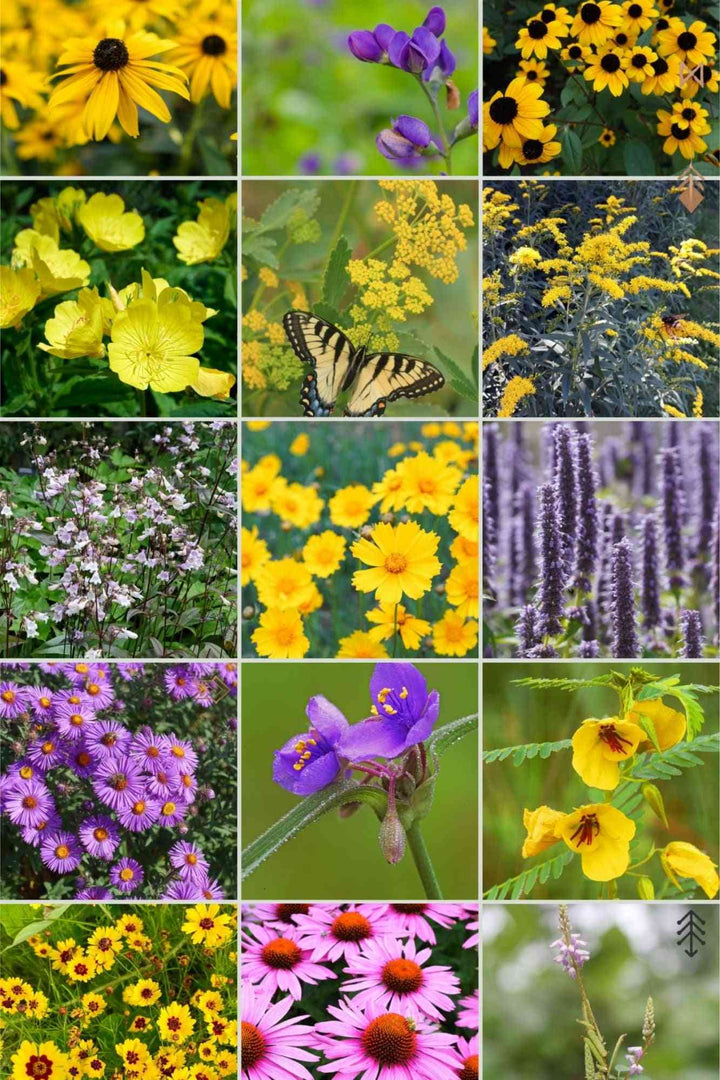
Western Pollinator Mix wildflower seeds are designed for pollinator support in the western United States and southwest Canada, bringing together a regionally appropriate blend of annuals and perennials that provide nectar and pollen across the growing season. This Western Pollinator Mix includes Baby Blue Eyes, Blanketflower, California Bluebell, California Poppy, Clarkia, Crown Tickseed, Dwarf Godetia, Dwarf Helenium, Fleabane Daisy, Globe Gilia, Golden Aster, Lacy Phacelia, Lewis Flax, Narrow Leaved Milkweed, Plains Coreopsis, Prairie Coneflower, Rocky Mountain Beeplant, Rocky Mountain Penstemon, Showy Goldeneye, Utah Sweetvetch, and Yellow Lupine. Together, these flowers create a colorful, ecologically useful planting that supports bees, butterflies, and other beneficial insects in western landscapes.

A strong choice for habitat-minded gardeners, pollinator strips, and western native-style plantings, Western Pollinator Mix performs best in sunny spaces where a broad seasonal display and pollinator diversity are the main goals. The mix offers a practical balance of beauty and ecological purpose while also creating a lively, regionally suited wildflower planting with varied heights, textures, and bloom times. Western Pollinator Mix wildflower seeds are an excellent option for growers who want long-season color, habitat value, and a western-adapted pollinator blend in one packet.

Every recorded growing detail

Complete growing & care facts

Continue to the garden-fit planner

Plant identity

Minimum seed count 250 seeds
Seed product profile Native perennial
Scientific name Mixed species, Seed Description
Also known as Wildflower Mix, Flower Seeds - Wildflower - Western Pollinator Mix
Color Mixed
Life cycle Perennial
Botanical family Boraginaceae, Asteraceae, Papaveraceae, Onagraceae, Polemoni
Reproductive type Open-Pollinated (OP)
Heritage qualifiers Non-GMO
Native to the United States Yes
Domestication note Uncertain / Multiple Centers

Seed success and gardener experience

Gardener experience Advanced or patient growing is recommendedLevel 5 of 5
Germination difficulty Specialized germination planningLevel 5 of 5
Preparation before sowing Follow the detailed dormancy, light, and seasonal preparation record below; label the sowing date and allow uneven emergence
Stratification Follow the detailed dormancy instructions below; do not assume stratification is required
Scarification Not normally required by the current record
Pre-soaking Use only when stated in the detailed planting record
Light during germination Surface sow or press into the mix; light is part of the germination requirement
Germination pattern Reliability depends strongly on correct preparation, temperature, moisture, and patience through the full emergence window
Growing complexity Long-term establishment crop with possible dormancy, uneven emergence, and delayed bloom
Transplant sensitivity Varies by species; move small plants carefully after roots are established
First harvest or bloom 80-89 Days
Best chance of success For Western Pollinator Mix Wildflower Seeds, control temperature and moisture at sowing, label the start date, and compare emergence with the complete recorded germination window before reseeding.

Timing and climate

Days to maturity 80-89 Days
Germination 7-30 Days
Germination temperature 55–70 °F
Planting season Spring/Fall
Bloom season Spring/Summer/Fall
Frost tolerance Semi-Hardy
Sunlight Full sun
Water needs Drought tolerant

Site, soil, and space

Soil type Sandy loam
Preferred soil pH 6.0–6.5
Seed depth Surface Sow
Plant spacing 12 in
Row spacing 24 in
Mature height 31–36 in
Growth habit Clumping/Tufted
Support needed No-Support
Suitable growing locations In-ground bed, Wildflower meadow, Habitat restoration, Community garden

Crop-specific details

Garden-fit planning for this variety

Will Western Pollinator Mix Wildflower Seeds fit your garden?

Check dormancy preparation, establishment time, native range, habitat, moisture, and patience.

Rules-based · no AI
Questions for this native or perennial seed
Seed-starting fit and patience
Recorded product profileAdvanced or patient growing is recommendedSpecialized germination planningRead why
Soil test, pH, drainage, and amendment calculator Have a laboratory soil report? Enter pH, nutrients, texture, bed size, and site observations here. Open soil tools
Recorded soil typeSandy loam
Recorded pH range6.0–6.5
Water needsDrought tolerant
LightFull sun

Use a current laboratory soil test

Soil-test interpreter

Compare your report with this product's listed pH target: 6.0–6.5.

This tool interprets values you enter; it does not replace laboratory or Cooperative Extension amendment rates. Soil test methods and nutrient recommendations vary by region.

The full variety record

Sowing, care, harvest, troubleshooting, and history

How to start Western Pollinator Mix Wildflower Seeds from seedPreparation, timing, depth, germination, transplanting, spacing, and early care

Variety-specific germination notes

Preparation: Follow the detailed dormancy, light, and seasonal preparation record below; label the sowing date and allow uneven emergence. Germination light: Surface sow or press into the mix; light is part of the germination requirement. Expected emergence: 7-30 Days. Temperature: 55-70 °F.

Complete sowing and planting guidance

Western Pollinator Mix should be planted with the understanding that it is not a single flower crop, but a blend of annuals and perennials that establish on different timelines and respond differently to soil, moisture, and season. The most important part of planting this mix is site preparation. A perfectly sown wildflower mix can still fail if it is planted into a weedy, grassy, or poorly prepared area, while a carefully prepared site often succeeds even when the sowing itself is simple. Choose a site in full sun with good drainage and enough open space for a naturalized planting to develop. This mix is best suited to in-ground planting, not trays or plug-style transplant production as a whole.

Because the mix contains multiple species, stratification needs are mixed rather than uniform. Some species in the blend may benefit from natural cold, moisture, and weathering over winter, especially the perennial and native components, while others germinate readily in warming spring conditions. For that reason, one of the best planting strategies is fall sowing in regions where natural winter exposure is appropriate and erosion is not severe. Fall sowing allows nature to provide whatever chilling or seasonal conditioning certain species need, while also positioning the seed to sprout at the proper time in spring. A second good option is early spring sowing, especially where winter sowing is impractical, but spring-sown stands may show stronger first-year performance from annuals and a slower establishment pattern from some perennial species. Because this is a mix, there is no single pre-sowing stratification treatment that suits every seed in the packet. Do not try to refrigerate or soak the entire mix as one unit.

Prepare the site thoroughly before sowing. Remove existing weeds, turf, and aggressive grasses as completely as possible. This step matters more than almost any later action, because young wildflower seedlings are often too small and too slow to compete successfully with established weeds. If possible, prepare the site in advance and allow a flush of weed seedlings to emerge, then remove them before sowing. Rake the soil smooth and create a firm, fine surface rather than a fluffy, deeply cultivated bed. Wildflower seed usually establishes best on a settled seedbed where the seed can make close contact with the soil rather than falling into deep cracks or loose pockets.

Because the seed mix contains many small seeds, it should be sown very shallowly. In most cases, the correct method is to scatter the seed evenly over the surface and then press it in gently rather than burying it. A useful technique is to mix the seed with dry sand or another inert carrier before sowing so it distributes more evenly and is easier to see across the bed. This is especially helpful for larger sowings, because it reduces the chance of heavy clumps and bare patches. After broadcasting the seed, press it firmly into the soil with a board, roller, or the back of a rake. Do not cover deeply. If any covering is used at all, it should be only the lightest dusting, because many of the species in a pollinator mix germinate best near the surface.

If sowing in rows for a more managed establishment, space rows about 24 in apart, but in most cases this kind of mix is better broadcast across the intended planting area rather than drilled into formal rows. If the planting is being done as a border strip or meadow patch, broad surface sowing usually gives a more natural and even result. After sowing, water gently enough to settle the seed without washing it into piles or channels. During germination and early establishment, keep the upper soil layer evenly moist. This is especially important with surface-sown seed, which dries more quickly than buried seed. At the same time, do not keep the site soggy. The goal is consistent surface moisture, not stagnant wetness.

This mix is generally not ideal for transplanting as a whole because it contains many species with different rooting habits, germination speeds, and transplant tolerances. If individual species from the mix were being separated and grown intentionally, some could be started in trays, but as a true mixed planting, the best method is direct sowing in place. Trying to start the full mix in plug trays or transplant packs usually gives an uneven and artificial result, with some species dominating and others never establishing well. For that reason, direct sowing into the final site is strongly preferred.

After sowing, the first season should be managed mainly around moisture and weed control. Watch the site closely and remove obvious weeds before they shade out the young wildflowers. Because seedlings in a mix emerge at different rates, do not assume an uneven stand means failure. Some species will sprout quickly, others slowly, and some perennial components may stay modest in the first year while annuals provide the earlier show. This is normal. Avoid deep cultivation after emergence, because it can uproot the very seedlings you are trying to establish. Hand weeding, careful clipping of tall weeds, or very selective light maintenance is usually much safer.

If fall sown, let natural winter conditions handle the seasonal conditioning of the seed. If spring sown, expect a somewhat more uneven first-year establishment and understand that some species may not fully express themselves until later. In either case, the planting stage is really about creating conditions for a living plant community to establish, not about forcing a perfectly uniform flower bed in a few weeks. With full sun, a clean site, shallow sowing, firm seed-to-soil contact, and attention to early weed pressure, Western Pollinator Mix has the best chance to develop into the diverse, seasonally changing pollinator planting it is meant to be.
How to grow this specific varietyLight, water, fertility, support, spacing, airflow, crop behavior, and season-long care

Complete growing guide

Western Pollinator Mix grows best when it is managed as a living, changing plant community rather than a uniform flower bed. After germination and early establishment, the main goal is to help the stand develop enough root strength, spacing balance, and weed resistance that the annual and perennial species can coexist over time. Because the mix contains flowers with different heights, bloom windows, and growth rates, it should never be expected to behave like a single crop. A healthy planting will look layered and seasonal, with some species rising early, others filling midsummer, and later flowers carrying color and pollinator value into the end of the season.

Moisture management is most important in the first season. While seedlings are small, the soil should stay evenly moist enough to help roots establish without becoming soggy or crusted over. Once the stand is rooted in, watering should become less frequent and deeper, encouraging the planting to adapt to a more durable rhythm rather than depending on constant irrigation. In western-adapted mixes especially, too much water later can create soft growth, mildew, and a shift toward the most aggressive species at the expense of balance. The best long-term approach is to support establishment carefully, then gradually reduce irrigation so the planting settles into a more natural pattern.

Fertility should be kept moderate. Western Pollinator Mix usually performs better in balanced or even somewhat lean conditions than in highly enriched flower-bed soil. Too much fertility can push tall leafy growth, reduce bloom quality, and allow the strongest species to dominate while more delicate or drought-adapted plants fade out. A diverse pollinator planting usually stays healthier when the soil supports steady growth without being overly rich. If the stand is green and flowering, extra feeding is rarely necessary and may actually reduce the long-term balance of the mix.

Ongoing maintenance should focus first on weed control and second on spacing. During the first year especially, aggressive grasses and broadleaf weeds can crowd out slower species before they ever have a chance to establish. Remove weeds early and consistently, either by careful hand pulling or selective trimming that avoids disturbing the soil too much around the desired plants. If sections of the mix become too dense, thinning can help improve airflow and allow light to reach smaller or later-developing flowers. A little spacing correction early often preserves more diversity than waiting until one or two species have already taken over the patch.

As the planting matures, think in terms of succession rather than perfect tidiness. Some species will bloom and fade early, others will provide the main show in midsummer, and others will carry the display into late season. Deadheading everything is usually not the best approach, because part of the value of a pollinator mix comes from seed development, reseeding, and late-season habitat. It is often better to remove only what is collapsing, diseased, or truly spoiling the stand, while leaving healthy seedheads and later flowers in place. This supports pollinators, birds, and the natural renewal of the planting.

Pollinator activity is one of the clearest signs that the mix is functioning well. Different flower shapes and bloom times will attract different insects over the season, and the planting should feel active rather than static. Avoid broad insect treatments, since some chewing and minor imperfection are normal in a habitat planting. A mix like this should be judged by the health of the stand as a whole, not by whether every leaf and bloom looks untouched. Diversity is part of its strength, and small setbacks on one species are often balanced by strong performance from others.

Seasonal cleanup should be handled with restraint. At the end of the season, remove badly diseased material and reduce any mat of dead growth that could smother new seedlings or perennial crowns, but do not feel obligated to strip the planting bare immediately. Standing stems and seedheads often still provide winter texture, wildlife value, and natural reseeding. In late winter or early spring, a lighter cleanup can prepare the site for the next cycle without erasing the ecological benefits of the previous season too soon.

For the best results, grow Western Pollinator Mix with patience and a light guiding hand. Keep weeds from overwhelming it, give it enough moisture to establish, avoid overfeeding, and allow the planting to change and settle over time. When managed this way, it becomes more than a flower patch. It becomes a seasonally shifting, pollinator-rich planting that offers color, movement, and ecological value well beyond a single flush of bloom.
Practical field and garden tipsExtra techniques, timing adjustments, and observations that improve success
Western Pollinator Mix rewards gardeners who treat it less like a packet of annual flowers and more like the start of a small plant community. One of the most useful tips is to spend more effort on site preparation than on rescue work later. A clean, weed-free seedbed is one of the biggest factors in long-term success, because young wildflower seedlings are often small, slow, and easy to outcompete. If the site begins with strong grass pressure or a flush of broadleaf weeds, the pollinator species may never get a fair start. Taking extra time to clear the site thoroughly before sowing usually does more for the planting than any later attempt to fix it.

Patience is essential, especially in the first season. This mix contains species with different germination rhythms, growth rates, and life cycles, so it should not be expected to rise and bloom like a uniform flower border. Some annuals may come quickly, while certain perennials may stay small or even remain mostly vegetative during the first year. One of the best practical tips is not to panic when the stand looks uneven. A patchy early display does not necessarily mean failure. In fact, many wildflower mixes look far better in the second season, once the slower species begin to settle in and the planting starts behaving more like a true community.

Early weed control is one of the most important ongoing habits. The best approach is gentle but frequent attention rather than waiting for a large cleanup job. In larger sowings, this may mean clipping tall weeds above the level of the wildflowers instead of disturbing the soil around the seedlings. In smaller beds, it may mean hand-pulling weeds while they are still tiny and easy to remove. The key is to protect light and space for the desired flowers during establishment. A wildflower mix usually loses diversity more from weed competition in the first season than from any later pest problem.

Resist the urge to over-improve the soil. Many growers assume flowers want rich garden beds, but wildflower mixes often perform better in moderate soil than in heavily composted, highly fertile ground. Too much fertility can push tall leafy growth, increase flopping, and let the strongest species dominate while more delicate or drought-adapted flowers disappear. If the soil drains reasonably well and is not severely depleted, balance is usually better than richness. In this type of planting, restraint often produces more bloom diversity and a healthier-looking stand than heavy feeding.

Watering strategy should change over time. During germination and early establishment, steady moisture matters a great deal because the seeds and small seedlings cannot tolerate repeated drying. Once the planting is rooted in, however, the goal is to back away from constant watering and let the western-adapted nature of the mix begin to show. One of the best tips is to distinguish establishment water from long-term maintenance water. Too much irrigation later can encourage soft growth, reduce species balance, and favor weeds and disease. Thoughtful early watering followed by a lighter hand later usually gives better long-term results.

For a more natural and lasting planting, leave some flowers to mature into seed rather than deadheading everything for tidiness. This helps the annuals and short-lived species reseed, supports birds and insects, and gives the stand a more self-sustaining character over time. If appearance matters in a smaller garden setting, selective cleanup works better than total cleanup. Remove plants that are clearly collapsing or diseased, but let healthy seedheads stand where reseeding and wildlife value are welcome. A pollinator mix usually becomes more interesting when it is allowed to complete more of its life cycle naturally.

Another useful tip is to watch which species are succeeding in your exact site. Every western planting has its own combination of soil, moisture, elevation, and weather pattern, and different flowers in the mix may respond differently. One year may favor California Poppy and Clarkia, while another may show more penstemon, gilia, or flax. Keeping notes on which flowers emerge strongly, bloom longest, or reseed well can help you understand the site and guide future overseeding or companion planting. A mix like this is not static, and learning its behavior is part of using it well.

If the planting is meant to serve pollinators, avoid broad insect treatments altogether. Some chewing, minor leaf damage, or uneven bloom is normal in a living habitat planting and does not mean something is wrong. One of the best habitat-minded tips is to tolerate a little imperfection in exchange for a much more active and ecologically useful stand. A wildflower mix full of bees, butterflies, and beneficial insects will never look as sterile as a formal bedding display, and that is part of its value.

Seasonal cleanup should be light and thoughtful rather than severe. In many western-style plantings, cutting everything down too early removes winter texture, seed value, and habitat. At the same time, a completely untouched stand can become too matted if heavy dead growth is left right over emerging crowns. The best balance is to wait until the planting has provided its late-season value, then clean selectively before new growth begins in earnest. Remove what is diseased or smothering, but do not strip away every sign of the previous season if the goal is a more natural and pollinator-friendly planting.

The biggest overall tip for Western Pollinator Mix is to guide it, not control it too hard. Prepare well, water wisely during establishment, manage weeds early, and then let the planting show you how it wants to develop. The most successful stands are usually the ones that are observed closely and adjusted lightly, rather than constantly forced toward a formal look they were never meant to have.
Harvest, storage, uses, and benefitsWhen and how to harvest, ways to use the crop, storage, culinary value, habitat value, and garden roles

Uses and benefits

Western Pollinator Mix is especially valuable because it combines ornamental beauty with real ecological purpose in one planting. Its greatest benefit is broad pollinator support across the season. Rather than relying on one flower species or one short bloom window, the mix brings together many annuals and perennials selected to provide nectar and pollen over a longer stretch of time. This helps support bees, butterflies, and other beneficial insects more effectively than a simple single-species planting, because different pollinators respond to different bloom shapes, colors, and seasonal timing. In practical terms, that means the planting does more than look good. It actively helps create a more useful habitat.

Another major benefit is regional suitability. Western Pollinator Mix is designed around flowers associated with western landscapes, which gives it an advantage over generic wildflower mixes that may be colorful but not especially connected to the ecology of the region. By drawing from western-adapted species, it offers gardeners a planting that feels more appropriate to place and more aligned with local pollinator needs. This makes it especially useful for habitat-minded gardeners, restoration-inspired landscapes, community pollinator projects, and anyone who wants a flower planting that reflects western landforms and floral traditions rather than a one-size-fits-all mix.

The mix is also highly useful for creating a long season of changing color and texture. Because it contains multiple species with different bloom periods, the display evolves over time rather than peaking all at once and disappearing. Some flowers may bloom early, others in midsummer, and others later, creating a layered, moving display that feels more alive and dynamic than a flat annual flower bed. This changing sequence is one of the main visual strengths of a true wildflower mix. It gives the garden not just color, but progression, surprise, and a sense of seasonal rhythm.

Western Pollinator Mix is especially effective in naturalistic and habitat-style designs. It works beautifully in pollinator strips, meadow-style beds, sunny open spaces, habitat restoration areas, roadsides, community gardens, and larger residential plantings where a looser, more regionally expressive look is welcome. Instead of creating a tight ornamental mass, it creates a flowering community with varied heights, forms, and bloom structures. That makes it ideal for gardeners who want something more alive and ecologically meaningful than formal bedding displays.

Another important benefit is educational value. Because the mix contains many different species and attracts a variety of pollinators, it is very useful in school gardens, demonstration plots, public pollinator beds, and home gardens where people want to observe ecological relationships more directly. It can help make pollination visible, showing how different insects use different flowers over the season. In this sense, it is not just a decorative planting, but also a living teaching tool that shows the connection between flowers, native or regionally adapted plants, and beneficial insect life.

Water-wise and low-input landscape use is another strong advantage once the planting is established. While the stand needs careful establishment, many of the component species are better suited to western-style growing conditions than conventional high-input flower beds. This makes the mix especially useful for gardeners who want beauty and bloom without relying on the same level of constant watering, feeding, and replacement that many annual flower displays require. In well-chosen sites, it offers a more sustainable and durable style of flowering landscape.

The mix also provides value through diversity itself. Different flower forms attract different pollinators, but they also create a richer visual effect for the gardener. Fine-textured flowers, upright spires, daisy forms, cup-shaped blooms, and clustered flowers all contribute to a planting that feels layered and complex rather than repetitive. This kind of diversity makes the mix more interesting over time, both visually and ecologically, and allows it to function as more than a source of color alone.

Western Pollinator Mix is also useful for gardeners who want to bridge ornamental gardening and restoration thinking. It does not require the technical precision of a formal restoration seed plan to begin offering habitat value, yet it still carries a strong ecological purpose and regional identity. That makes it one of the more practical tools for gardeners who want to move toward more meaningful planting without giving up beauty. It offers a way to plant with intention, supporting biodiversity while still creating a display that feels generous, colorful, and inviting.

Finally, Western Pollinator Mix benefits the gardener by delivering beauty, movement, regional character, and pollinator usefulness in one planting. It offers more than flowers alone. It creates a small functioning ecosystem, a changing seasonal display, and a stronger connection between the garden and the landscape around it. For growers who want a planting that feels lively, useful, and deeply rooted in western pollinator gardening, this mix is one of the most rewarding choices available.
Seed saving and carrying the variety forwardPollination, isolation, selection, harvest, cleaning, drying, and storage
Western Pollinator Mix can absolutely be saved, but it must be understood from the beginning as a multi-species planting rather than a single stable variety. Saving seed from this mix will not recreate the exact same balance of flowers year after year unless each species is harvested, cleaned, and managed separately. If the whole stand is allowed to mature and the seed is gathered in bulk, the result can still produce a beautiful pollinator planting, but the proportions will almost certainly shift. Some species flower sooner, set heavier seed, germinate more readily, or reseed more aggressively than others, so future generations may lean more strongly toward the most competitive or easiest-to-reseed components.

The first step in saving seed from Western Pollinator Mix is deciding what kind of result you want. If your goal is a naturalized, evolving pollinator patch, bulk seed saving is perfectly valid. In that case, you allow the stand to mature, collect seed from the planting as a whole, and accept that the mix will gradually express the conditions of your site. If your goal is to preserve the original character of the mix as closely as possible, then the best approach is to collect seed by species rather than as one combined harvest. That requires more work, but it gives far better control over the future composition of the planting.

Because this mix includes many different flowers, seed maturity happens on very different schedules. Some species form obvious dry seedheads, some mature in pods, some ripen quickly and shatter, and others hold seed longer. This means you cannot usually harvest the whole planting all at once and expect high-quality seed from every component. A much better strategy is to walk the planting regularly through the later bloom and seed-setting period and observe which species are ripening. If you are collecting by species, label plants during bloom so you can identify them confidently when the flowers are gone and only the dried seed structures remain.

For bulk saving, the easiest method is to let as many healthy species as possible mature seed naturally, then harvest from across the whole stand rather than from only the most dominant patches. This helps preserve more diversity than gathering only from the showiest or most accessible plants. Cut mature seedheads and pods on a dry day after dew has evaporated, and use paper bags, paper sacks, trays, or boxes rather than plastic. Plastic traps moisture and can quickly spoil mixed seed material that still contains some internal dampness. Try to avoid harvesting obviously diseased, moldy, or immature material, since that lowers the overall quality of the saved seed.

For species-by-species saving, timing and labeling are much more important. Flowers such as California Poppy, Clarkia, Penstemon, Flax, Milkweed, Lupine, Phacelia, and others all produce seed differently, and many will not be easy to distinguish once they are dried unless you already know what you are collecting. In this approach, harvest each species separately as it matures, keep it in its own labeled container, and dry it individually before cleaning. This is the best method if you want to rebuild the mix intentionally later or maintain rare or less aggressive species that might otherwise disappear from a bulk-saved blend.

After harvest, all seed material should be dried thoroughly indoors in a shaded, airy place. Spread the collected material in thin layers on paper, screens, or trays so air can move around it. Do not rush this stage. Multi-species harvests often contain flower parts, stems, chaff, and pods that hold more moisture than they first appear to. Seed stored too early can mold, heat, or lose viability. Once fully dry, begin cleaning. For bulk saving, perfect cleaning is not always necessary, but removing large stems, damp material, and excess chaff improves storage and sowing. For species-by-species saving, more careful cleaning is worthwhile, especially if you want to measure or rebalance the species later.

Store the seed in a cool, dry, dark place and label it clearly. For bulk harvests, label it as a reselection or saved population from Western Pollinator Mix, along with the harvest year and location. For separate harvests, label each species name and harvest year individually. Good labeling matters a great deal with pollinator mixes, because future management depends on knowing whether you saved a general blend or distinct species lots. Paper packets inside sealed jars can work well as long as the seed is fully dry before being enclosed.

One of the most important realities of seed saving from a wildflower mix is that the site itself becomes part of the selection process. If your ground is drier, richer, sandier, or weedier than the original sowing site, the species that thrive and reseed there will gradually shape the next generation. Over a few seasons, your saved mix may become more locally adapted, but also less representative of the original packet. That is not failure. It is simply how mixed plant communities respond to climate, soil, and competition. Gardeners who understand this usually find seed saving from a pollinator mix more satisfying, because they begin to see the planting as a living population rather than a fixed formula.

For the best long-term results, many growers use a combined strategy. Let part of the stand reseed naturally in place, collect bulk seed if you want to expand the planting, and also save a few species separately if you especially want to preserve them. That approach keeps the planting dynamic without giving up all control. Western Pollinator Mix can be saved very successfully, but the more closely you want to preserve its original diversity, the more important it becomes to observe, label, separate, and manage the component species with care.
Common pests, diseases, and growing problemsIdentification, prevention, crop-safe response, and when intervention is justified

Complete pest and problem guide

Western Pollinator Mix is most often challenged not by one single insect or disease, but by the complexity of establishing many species together in one planting. The biggest early problems are usually uneven germination, weed competition, soil crusting, and patchy moisture during establishment. Because the mix contains both annuals and perennials, along with species that germinate and mature on different timelines, some flowers may emerge quickly while others stay dormant or slow for weeks. Gardeners sometimes misread that staggered emergence as failure and disturb the bed by overwatering, hoeing, or reseeding too heavily. The best solution is to expect uneven timing, sow shallowly into a clean weed-free seedbed, keep the surface evenly moist during germination, and resist disturbing the planting too soon just because it does not all come up at once.

Weed competition is usually the single greatest threat in the first season. Fast-growing annual weeds and grasses can outpace slower wildflower seedlings and permanently change the balance of the stand before the pollinator species have a chance to establish. Crabgrass, pigweed, lambsquarters, mustards, and volunteer grasses are common examples depending on the region. In larger sowings, weeds can create shade, steal moisture, and make it nearly impossible to recognize the desired seedlings from the unwanted ones. The solution is heavy preparation before sowing and steady, patient weed control afterward. A stale seedbed approach works well, where the site is cleared, allowed to flush with weeds, and cleared again before sowing. After germination, hand weeding or selective trimming of taller weeds above the wildflowers is often safer than aggressive cultivation, which can uproot the seedlings you are trying to keep.

Young seedlings may also be attacked by slugs, snails, cutworms, flea beetles, aphids, or other generalist pests, especially in cool damp periods or in beds with a lot of old debris. Because a pollinator mix includes many different species, the damage can look scattered and inconsistent, making it harder to notice at first. Some seedlings may be clipped at the soil line, others may show small chewing holes, and still others may curl under aphid pressure. The best solution is to inspect the stand regularly while the plants are still small. Remove hiding debris, hand-pick larger pests where practical, and avoid pushing the planting with rich fertilizer that creates soft, insect-prone growth. In a diverse pollinator stand, encouraging beneficial insects is especially important, so broad treatments are usually less helpful than steady monitoring and targeted physical control.

As the stand matures, aphids, spider mites, and chewing insects can still become problems, especially during heat or drought stress. Aphids often gather on tender buds and stems of certain species, weakening bloom and leaving sticky residue. Spider mites may show up in hot, dry weather and cause bronzing or stippling on stressed plants. Japanese beetles or generalist chewing beetles may skeletonize leaves or damage blooms on favored species while leaving others almost untouched. Because the planting is mixed, one flower may look ragged while the next looks perfect, which can make the damage seem strange or more serious than it is. The solution is to look at the planting as a whole. A little damage on some species is normal and does not mean the mix is failing. Focus on keeping the stand vigorous with good spacing and steady moisture during establishment rather than reacting aggressively to every sign of feeding.

Disease problems usually develop when the stand is too dense, the foliage stays wet too long, or the site lacks airflow. Powdery mildew is among the most common issues, especially on susceptible species during warm days and cool nights. It shows up as a pale coating on leaves and stems and can weaken flowering if it spreads heavily. Rust, leaf spots, and stem rots may also appear, especially during humid weather or after repeated overhead watering. In dense plantings, one diseased pocket can become a source of ongoing stress if not noticed early. The best solution is prevention through spacing, thinning, and site choice. Give the mix full sun, avoid overwatering, and thin overly dense patches so air can move through the stand. Remove badly diseased growth when necessary, especially if a few aggressive species are collapsing and beginning to smother slower-growing neighbors.

Root and crown problems can be especially serious because they often kill plants outright and are harder to reverse than foliar disease. If the soil stays cold, compacted, or saturated, slower perennial species may rot before they ever become noticeable in the stand. Seedlings may emerge and then disappear, or mature-looking plants may suddenly yellow and collapse from the base. Gardeners sometimes mistake this for drought and water more, worsening the problem. The solution is to choose a well-drained site from the beginning, avoid planting in low areas where water stands, and be careful with irrigation during establishment. The goal is even moisture for germination, not swampy conditions that deprive roots of air.

Another major problem in a western-adapted mix is over-improving the soil. Gardeners sometimes assume all flowers perform better in rich, compost-heavy beds, but many wildflowers are better balanced in moderate or leaner ground. Too much fertility can produce lush leafy growth, fewer flowers, weak stems, and a stand that becomes more vulnerable to mildew and flopping. Aggressive species may dominate while the more delicate or drought-adapted flowers disappear. The solution is to prepare the soil for drainage and basic structure, but not to create an intensely fed ornamental bed. Moderate fertility usually produces a healthier and more balanced mix than pushing the planting too hard.

Drought and heat stress can also create problems, especially in the first season before roots are established. Even species considered western-adapted still need enough moisture to germinate and anchor themselves. If the seedbed dries repeatedly during establishment, slower species may never get started, leaving gaps that weeds quickly fill. Later, during prolonged dry periods, bloom may shorten, stems may remain smaller, and certain flowers may disappear from the display earlier than expected. The solution is to distinguish between establishment and maturity. Water carefully and consistently while the stand is getting started, then reduce irrigation as the planting settles in and the more drought-tolerant character of the mix begins to show.

One hidden problem in mixes like this is expectation. Gardeners often imagine a uniform carpet of bloom arriving all at once, but that is not how a true regional wildflower mix usually behaves. Some species will flower early, some late, some heavily in the first year, and others only after a second season. A planting that looks thin, mixed, or uneven at first may actually be developing normally. The solution is patience and observation. Learn to read the stand as a changing plant community, not as a flat annual bedding display. Overcorrection through repeated reseeding, fertilizing, or trimming can do more harm than good.

The most reliable way to prevent problems in Western Pollinator Mix is to start with a clean, sunny, well-drained site, sow shallowly, control weeds early, keep moisture even during establishment, and thin dense pockets when necessary. Most of the serious issues in a mix like this come from competition, crowding, poor drainage, or impatience rather than from any one disease organism or insect alone. When managed with a light but attentive hand, the planting is usually much more resilient than it first appears, and the diversity of species helps the overall stand remain useful and attractive even when one or two flowers struggle in a given season.
Questions gardeners ask about this seedProduct-specific answers for sowing, care, harvest, use, and seed saving
Q: What is Western Pollinator Mix?

A: Western Pollinator Mix is a regional wildflower blend made for pollinator support in the western United States and southwest Canada. It combines multiple native annuals and perennials chosen to provide nectar, pollen, and season-long bloom across a wide range of western-style plantings. Rather than behaving like a single flower crop, it grows as a diverse flowering community with changing color and structure through the season.

Q: What kinds of flowers are in Western Pollinator Mix?

A: This mix includes Baby Blue Eyes, Blanketflower, California Bluebell, California Poppy, Clarkia, Crown Tickseed, Dwarf Godetia, Dwarf Helenium, Fleabane Daisy, Globe Gilia, Golden Aster, Lacy Phacelia, Lewis Flax, Narrow Leaved Milkweed, Plains Coreopsis, Prairie Coneflower, Rocky Mountain Beeplant, Rocky Mountain Penstemon, Showy Goldeneye, Utah Sweetvetch, and Yellow Lupine. The purpose of that diversity is to provide a broader bloom window and a wider range of flower forms for pollinators. It also gives the planting a more natural and regionally expressive look than a simpler flower mix.

Q: Is Western Pollinator Mix made for pollinators specifically?

A: Yes, that is the main purpose of the blend. The species were chosen to support bees, butterflies, and other beneficial insects with a range of bloom times and nectar sources. It is meant to be both beautiful and ecologically useful, not just decorative.

Q: Is this mix native to the whole United States?

A: No, it is specifically oriented toward western regions. Many of the species are tied to western landscapes, including California, the Rockies, foothills, plains-edge regions, and the broader western interior. It is best understood as a western regional pollinator mix rather than a nationwide native blend.

Q: Will everything in the mix bloom in the first year?

A: Not always. Because the mix contains both annuals and perennials, some flowers may bloom quickly in the first season while others spend more time establishing roots and foliage. A planting like this often changes noticeably from year one to year two as the perennial species begin to show more strongly.

Q: Why does a pollinator mix have both annuals and perennials?

A: That balance helps the planting do more than one thing at once. Annuals can provide faster early color and first-season bloom, while perennials help build longer-term structure, return over time, and deepen the ecological value of the stand. Together they create a more layered and resilient planting than either type would alone.

Q: Is Western Pollinator Mix good for beginners?

A: Yes, especially for gardeners who are comfortable with a more naturalized look and understand that wildflower mixes do not behave like formal bedding plants. The main keys are a clean seedbed, good sun, early weed control, and patience during establishment. Beginners who expect a changing, meadow-like planting usually find this kind of mix very rewarding.

Q: What type of garden is best for Western Pollinator Mix?

A: It is especially well suited to pollinator strips, habitat gardens, naturalized borders, meadow-style beds, roadside-style plantings, and larger sunny spaces where a regional wildflower look is welcome. It can also work in home landscapes where the goal is ecological beauty rather than a highly formal display. It is less suited to tightly clipped or highly manicured garden designs.

Q: Does this mix need full sun?

A: Yes, full sun is generally the best condition for the broadest success across the species in the mix. Many of the component flowers are adapted to open western landscapes where light is abundant and airflow is strong. Too much shade can reduce bloom, weaken stems, and make the planting less balanced.

Q: Is this a drought-tolerant mix?

A: Once established, many species in the mix handle dry western conditions better than conventional flower plantings, which is part of its appeal. That said, the first season still matters a great deal, and seedlings need enough moisture to germinate and establish properly. It is best thought of as a water-wise or western-adapted mix rather than a no-care planting.

Q: Why does the planting look uneven at first?

A: Uneven establishment is normal in a true mixed wildflower planting. Different species germinate at different speeds, respond differently to weather, and mature on different timelines. What looks patchy early on often becomes fuller and more balanced over time, especially once the perennial components begin to settle in.

Q: Can one species take over the planting?

A: Yes, that can happen depending on weather, soil, mowing history, and which species reseed most strongly in a given site. In some seasons one group of flowers may dominate visually, while in another year the balance may shift. That variation is normal in a living wildflower community and is part of what makes these plantings dynamic rather than static.

Q: Is Western Pollinator Mix good for bees and butterflies?

A: Yes, both. The wide range of flower shapes and bloom times helps support many kinds of pollinators rather than only one group. That diversity is one of the strongest advantages of the mix and one reason it is so useful in habitat-minded gardens.

Q: Does the mix include milkweed?

A: Yes, Narrow Leaved Milkweed is one of the listed components. That adds important ecological value, especially for gardeners interested in supporting monarch-related habitat in suitable western regions. It also broadens the habitat usefulness of the planting beyond simple nectar support alone.

Q: Can I grow Western Pollinator Mix in containers?

A: It is generally better suited to in-ground planting than to containers. Because it includes many species with different mature sizes, rooting habits, and life cycles, it performs more naturally in open soil where the planting can develop as a small community. Very large planters may work for experimentation, but the mix is at its best in the ground.

Q: Does it need support or staking?

A: No formal support is usually needed. The species in the mix are meant to grow as part of a naturalized stand, and most perform best without staking. If plants lean excessively, it is more often a sign of crowding, rich soil, or reduced light than of any true need for support.

Q: Is this mix useful for restoration-style planting?

A: Yes, especially in smaller-scale habitat-minded landscapes and garden settings that want a restoration-inspired effect. While it is still a curated seed mix for gardeners, it reflects the broader goals of regional adaptation, pollinator support, and ecological planting. It is a strong bridge between ornamental flower gardening and habitat-oriented design.

Q: How long will the planting last?

A: That depends on the site and on how well the perennial species establish. Annual components may reseed for a while, and perennials may return for years if the planting is healthy and not overwhelmed by weeds or repeated disturbance. The composition may shift over time, but a well-sited planting can remain attractive and useful across multiple seasons.

Q: Can I save seed from Western Pollinator Mix?

A: Yes, but seed saving from a mix works differently than saving from a single variety. If you collect and re-sow the planting in bulk, the future balance of species may shift because some flowers reseed more strongly than others. Gardeners who want better control usually save species separately rather than harvesting the whole mix together.

Q: Why do gardeners choose a mix like this instead of planting one species?

A: A mix like this offers season-long change, broader pollinator support, more visual diversity, and a more natural regional feel than a single-species planting. It creates a richer habitat and a more layered garden experience. For many growers, that changing complexity is exactly the point.
History, provenance, and cultural contextWhat is documented, what is reported, what remains uncertain, and how the variety reached gardeners

Scientific name: Mixed species, Seed Description

Plant and variety history

Western Pollinator Mix belongs to a modern but deeply rooted tradition of regional wildflower restoration and habitat-minded seed blending in the American West. Unlike a single species with one botanical history, this mix represents a curated planting community assembled from many western native annuals and perennials chosen for bloom succession, pollinator value, and regional adaptation. Its deeper history lies in the landscapes from which its component species come: prairies, foothills, open mountain slopes, valleys, desert edges, and other western habitats where flowering plants evolved in relationship with native bees, butterflies, moths, beetles, and other pollinating insects over long ecological time.

For much of western North America, these flowering communities were shaped not only by climate and soil, but also by Indigenous land stewardship. Through burning, tending, travel routes, gathering, and close ecological knowledge, Indigenous peoples influenced the structure and resilience of many western plant communities long before modern seed mixes existed. The species that appear in a western pollinator blend today are part of those older ecological relationships, where flowering cycles, insect life, drought rhythms, and landscape management all interacted. In that sense, a pollinator mix is not a new invention of flowers, but a modern way of gathering together plants that already shared historical space and ecological function.

The idea of a formal pollinator mix developed much later, especially in the twentieth and twenty-first centuries, as habitat loss, simplified landscapes, and concern over pollinator decline led gardeners, restorationists, and seed companies to create more intentional regional blends. Western Pollinator Mix reflects that shift. Rather than focusing only on ornamental color, it is designed around usefulness to pollinators across the season, combining species that flower at different times and offer varied bloom shapes, heights, and nectar resources. This marks an important cultural change in gardening, where beauty is no longer separated from ecological purpose but joined with it.

At the same time, wildflower mixes like this also continue the western gardening tradition of using native and adapted flowers to create landscapes that feel more connected to place. In regions where water, climate extremes, and native biodiversity matter deeply, a western pollinator mix offers a practical alternative to generic flower plantings that may be beautiful but disconnected from regional ecology. Its value comes from combining visual diversity with a sense of landscape belonging. The presence of species such as California Poppy, Globe Gilia, Rocky Mountain Penstemon, Lacy Phacelia, and Narrow Leaved Milkweed gives the mix both horticultural appeal and strong regional identity.

Today, Western Pollinator Mix stands as part of a larger cultural movement toward restoration-informed gardening, pollinator support, and regionally aware planting design. It represents a blend not only of flower species, but of purposes: habitat, beauty, education, and seasonal resilience. Its history is therefore both ancient and modern, rooted in the long ecological story of western flowering landscapes and expressed through a contemporary desire to rebuild some of that richness in gardens, community spaces, and habitat plantings.

Continue planning

Related seeds, collections, and growing guides

Explore the full collection
Heirloom Wildflower Mix Seeds for GardensExplore the full collection →
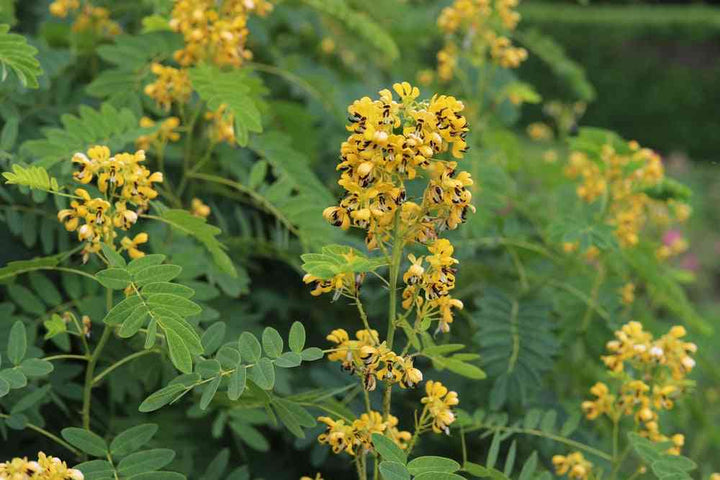
Wild Senna Seeds

Wild Senna Seeds

A bold native perennial with golden blooms and strong habitat value for butterflies, bees, and beneficial insects.

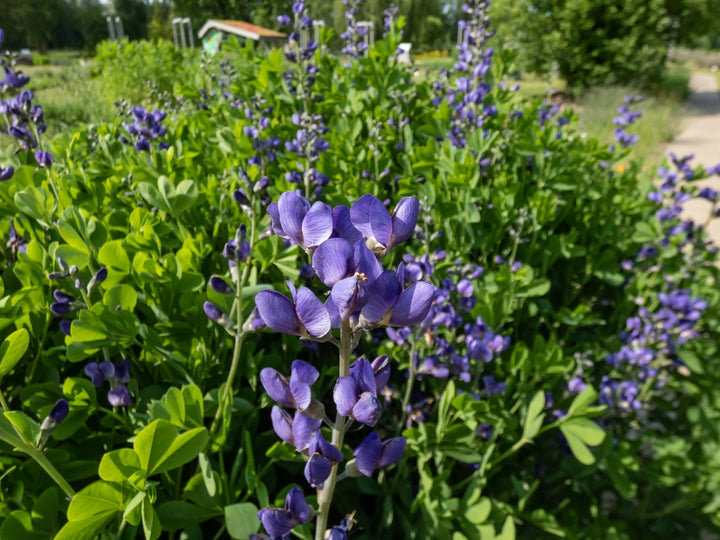
Wild Blue Indigo Seeds

Wild Blue Indigo Seeds

Long-lived native plants produce striking blue flower spikes and lasting structure for pollinator-rich perennial gardens.

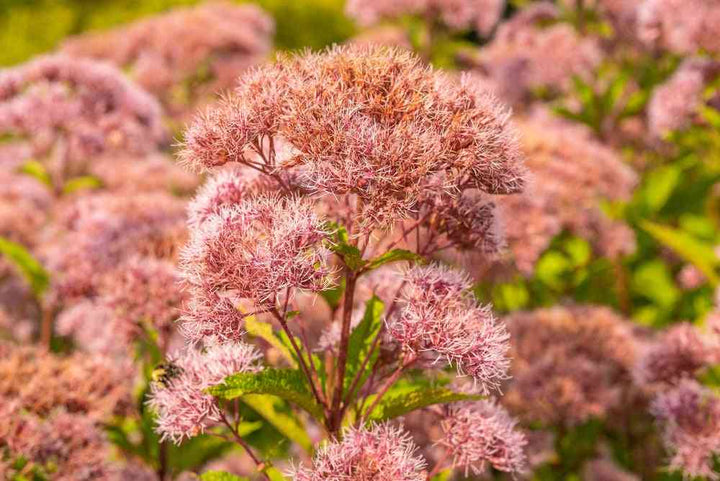
Spotted Joe Pye Weed Seeds

Spotted Joe Pye Weed Seeds

A towering native showpiece that fills late-season gardens with soft bloom clusters and nonstop pollinator activity.

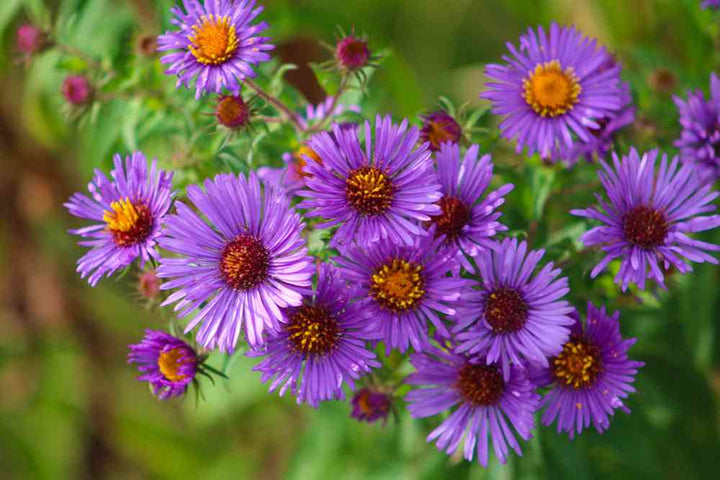
New England Aster Seeds

New England Aster Seeds

A vibrant native wildflower that delivers rich purple fall blooms and essential late-season nectar for monarchs and pollinators.

Customer experience

Reviews for Western Pollinator Mix Wildflower Seeds

Customer Reviews

Be the first to write a review
0%
(0)
0%
(0)
0%
(0)
0%
(0)
0%
(0)