Variety field guide
What to expect from Miniature Yellow Bell Pepper Seeds
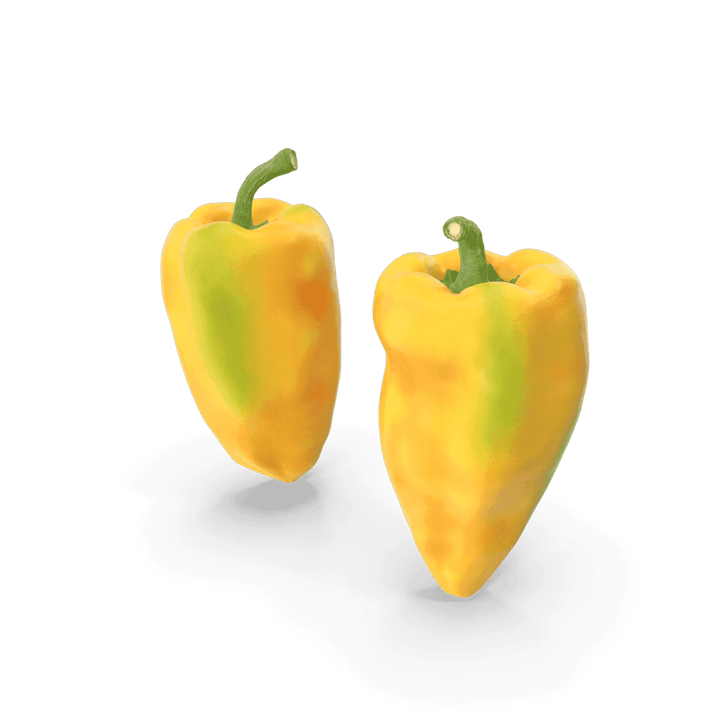
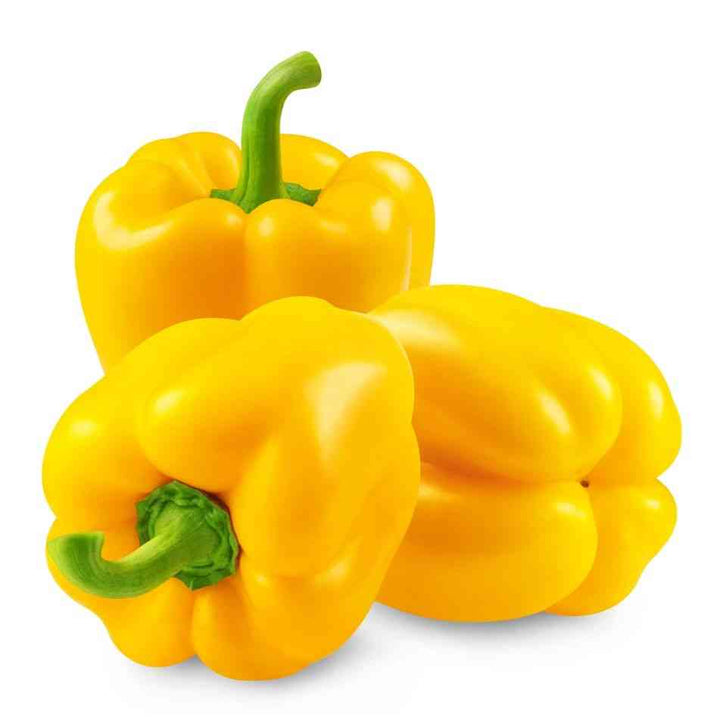
Small, sweet, 2-inch bells ripen bright yellow on short, stocky plants.
Read the complete product descriptionTraits, flavor, garden use, variety notes, and the full catalog record
Miniature Yellow Bell produces small, blocky sweet peppers that ripen from green to bright yellow. The approximately 2-inch fruits have two or three lobes and a crisp bite, making them useful for fresh snacks, salads, pickling, and small stuffed peppers. These are sweet bells with no intended heat, carried on short, stocky plants often listed around 16 inches tall. Their compact habit is useful in smaller gardens and containers, though they still need a warm season and steady care to color fully.
History and identity
Miniature Yellow Bell is an open-pollinated heirloom also cataloged as Yellow Miniature. Miniature yellow and red bells were among the peppers preserved by Ohio gardener Lucina Cress, who used them for stuffed, pickled peppers. This is published history of the named variety; it does not establish the chain of custody of every modern seed lot.
Sowing and establishment
Start indoors about 8 weeks before outdoor planting. Sow 1/4 inch deep and keep the seed-starting mix warm, around 80–90°F. Allow roughly 10–21 days for emergence, depending on warmth and seed condition. Give seedlings strong light. Harden gradually, then transplant after frost when nights are consistently above 50°F and the soil is warm. Space about 18 inches apart, with 30–36 inches between rows.
Growing and care
Grow in full sun in fertile, well-drained soil. Keep moisture steady through flowering and fruit filling, using mulch once soil is warm. Avoid excess nitrogen. A small stake can help if a heavily loaded plant leans. In containers, check moisture often and feed moderately; restricted roots dry faster than garden soil.
Harvest and use
Use peppers green if desired, or allow them to turn fully yellow for their mature color and sweeter flavor. Clip stems rather than tearing fruit from the branches. Allow about 90 days from transplanting; warmth and harvest stage can change timing. Refrigerate fresh peppers and use while crisp, or chop and freeze. Follow a tested recipe for shelf-stable pickles.
Saving seed
Choose fully ripe yellow fruits from healthy, true-to-type plants. Remove seed, separate it from flesh, and spread it thinly to dry completely before storage. Peppers can cross through insect visits; isolate varieties or bag unopened flowers if keeping seed true to type. Collect from several plants and label the harvest year and variety.
Minimum Seed Count: 25 seeds