Free U.S. seed shipping $25+. Seeds ship free at the threshold. Storefront goods, pantry finds, books & local goods are being added.

New seeds, Main Street specials, and storefront finds update as the market grows.

Mountain Mint Seeds

Scientific name Pycnanthemum virginianum

Seed packet & garden essentials

What to know before you plant

View complete growing & care facts
300 minimum seeds per packet
  • Maturity365+ Days · 365+ Days
  • Growth habitRhizomatous · Perennial · 25–30 in tall
  • Best usekitchen gardens, containers, fresh harvest, drying, and pollinator support
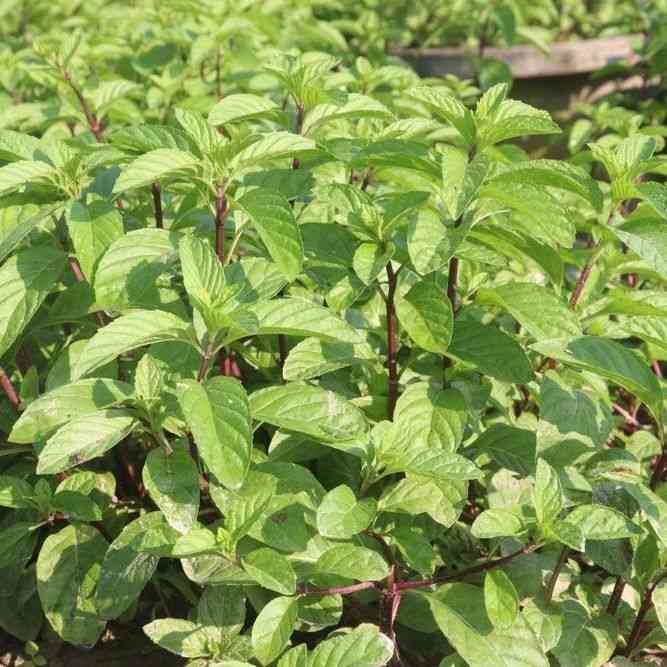
  • Flavor & characterMountain mint ( Pycnanthemum virginianum ) forms upright clumps of narrow, silvery-green foliage with a crisp, cooling fragrance. · Green
  • Germination14–21 Days days · 65–80 °F
  • Seed preparationUse clean seed-starting conditions, the listed sowing depth and temperature, and steady moisture without saturation
  • SunFull - Partial Sun
  • Support & spacingNo-Support · space 18 in · rows 24 in
  • Container fitWell suited to containers when soil volume, drainage, sunlight, and regular moisture match the mature plant
  • Water needsModerate
  • SoilLoamy · pH 6.0–6.5
  • Planting seasonSpring/Fall · blooms Summer · Hardy
$200 USD

Pickup available at Bertie County Seeds

Usually ready in 2-4 days

Secure checkout Details
Generic
Triple-tested seed qualityRegular quality and germination checks support every packet.

We regularly test seed quality and germination as lots move through storage and packing. We stand behind the seed we send and want customers to contact us when a packet does not perform as reasonably expected.

1-year seed warrantyCoverage begins on the date of purchase.

When properly stored, planted, and cared for, we guarantee reasonable germination and true-to-type growth for one year from the date of purchase. Conditions outside our control—including extreme weather, pests, unsuitable storage, and gardener error—are excluded. Contact us when something is not right so we can review the situation and work toward a replacement, refund, or another fair resolution.

Non-GMO / BE seed policyWe do not buy or sell genetically engineered or bioengineered seed.

Every seed variety we sell is non-GMO.

USDA’s National Bioengineered Food Disclosure Standard defines bioengineered foods as containing detectable genetic material modified through in vitro recombinant DNA methods in ways not achievable through conventional breeding or found in nature.

  • Hybrid means parent lines were conventionally crossed; hybrid does not mean GMO.
  • Heirloom and open-pollinated describe how a variety is maintained and reproduced.
  • Organic certification is separate and is shown only when verified for the individual product.
Packed in Colerain, North CarolinaPrepared in our seed room for gardens across the country.

Seeds are packed and shipped from Colerain, North Carolina. Our packets use forestry-certified paper, and we use recyclable paper mailers where appropriate. AONSK is also a 1% for the Planet partner while continuing to reduce waste in packing and fulfillment.

Seed success profile

Rules-based · no AI
Gardener experience Some experience is helpful
Germination difficulty Straightforward
Preparation before sowing
Use clean seed-starting conditions, the listed sowing depth and temperature, and steady moisture without saturation
Germination speed
Typical — usually 7–21 days
Growing complexity
Harvest-focused herb requiring crop-specific pruning, flowering, or seed management
Patience and timing
365+ Days
Is this seed a good match for your experience?
Expected germination
14–21 Days
Germination temperature
65–80 °F
Stratification
Not normally required by the current record
Scarification
Not normally required by the current record
Pre-soaking
Use only when stated in the detailed planting record
Light during germination
Surface sow or press into the mix; light is part of the germination requirement
Germination pattern
Usually reliable when seed is stored well and temperature, depth, moisture, and preparation match the recorded requirements
Transplant sensitivity
Use the crop-specific starting method and minimize unnecessary root disturbance
Best chance of success
For Mountain Mint Seeds, control temperature and moisture at sowing, label the start date, and compare emergence with the complete recorded germination window before reseeding.
What to expect

Preparation: Use clean seed-starting conditions, the listed sowing depth and temperature, and steady moisture without saturation. Germination light: Surface sow or press into the mix; light is part of the germination requirement. Expected emergence: 14-21 Days. Temperature: 65-80 °F.

Slow germination is not automatically failed germination.

Maintain the listed temperature, moisture, light, and treatment conditions for the full expected window. Some seed lots emerge gradually rather than all at once.

1 Beginner-friendly 2 One extra step 3 Some experience helpful 4 Patient growers 5 Advanced propagation

This deterministic profile uses recorded product facts; it is not Artificial Intelligence and is not a guarantee. Seed age, storage, sowing depth, moisture, temperature, light, local conditions, and aftercare can all affect results. Last reviewed July 2026.

Build a garden-fit plan

Check this seed against your real growing conditions

Compare timing, germination preparation, sunlight, soil, water, space, support, intended use, and your preferred level of seed-starting complexity.

Open the detailed garden-fit planner Deterministic rules · no Artificial Intelligence · no live weather service

Complete product description

Mountain Mint Seeds

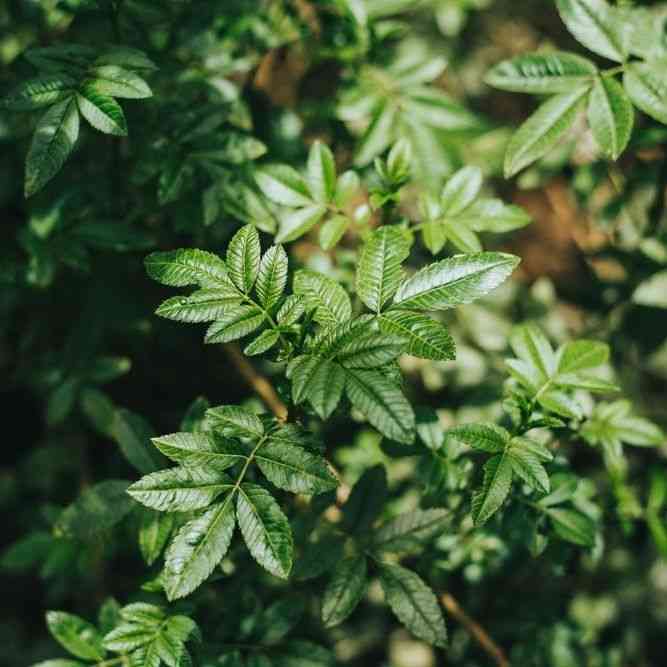
Mountain mint (Pycnanthemum virginianum) forms upright clumps of narrow, silvery-green foliage with a crisp, cooling fragrance. Dense pale flower clusters appear in mid to late summer and draw bees, butterflies, and other beneficial insects.

Garden value

  • Native to eastern North America
  • Typically reaches about 2 to 3 feet tall
  • Grows in full sun to partial shade
  • Performs best with good drainage and consistent moisture
  • Supports pollinator gardens, meadow plantings, rain gardens, and naturalized borders

Landscape use

Once established, mountain mint is hardy and relatively low-maintenance. Its upright habit adds structure among looser meadow plants, while the fragrant foliage and long-lasting flowers bring value to habitat-focused plantings.

The sturdy stems can also be used in fresh or dried arrangements.

Minimum Seed Count: 300 seeds

Every recorded growing detail

Complete growing & care facts

Continue to the garden-fit planner

Plant identity

Minimum seed count 300 seeds
Seed product profile Culinary herb
Scientific name Pycnanthemum virginianum
Also known as Mint, Mint Seeds - Pycnanthemum virginianum - Mountain Mint
Color Green
Life cycle Perennial
Botanical family Lamiaceae
Reproductive type Open-Pollinated (OP)
Heritage qualifiers Landrace
Native to the United States Yes
Domestication note North America – Eastern Woodlands

Seed success and gardener experience

Gardener experience Some experience is helpfulLevel 3 of 5
Germination difficulty StraightforwardLevel 2 of 5
Preparation before sowing Use clean seed-starting conditions, the listed sowing depth and temperature, and steady moisture without saturation
Stratification Not normally required by the current record
Scarification Not normally required by the current record
Pre-soaking Use only when stated in the detailed planting record
Light during germination Surface sow or press into the mix; light is part of the germination requirement
Germination pattern Usually reliable when seed is stored well and temperature, depth, moisture, and preparation match the recorded requirements
Growing complexity Harvest-focused herb requiring crop-specific pruning, flowering, or seed management
Transplant sensitivity Use the crop-specific starting method and minimize unnecessary root disturbance
First harvest or bloom 365+ Days
Best chance of success For Mountain Mint Seeds, control temperature and moisture at sowing, label the start date, and compare emergence with the complete recorded germination window before reseeding.

Timing and climate

Days to maturity 365+ Days
Germination 14-21 Days
Germination temperature 65–80 °F
Planting season Spring/Fall
Bloom season Summer
Frost tolerance Hardy
Sunlight Full - Partial Sun
Water needs Moderate

Site, soil, and space

Soil type Loamy
Preferred soil pH 6.0–6.5
Seed depth Surface Sow
Plant spacing 18 in
Row spacing 24 in
Mature height 25–30 in
Growth habit Rhizomatous
Support needed No-Support
Suitable growing locations In-ground bed, Raised bed, Containers, Wildflower meadow, Habitat restoration, Community garden
Native states AL, AR, CT, DE, GA, IA, IL, IN, KY, LA, MA, MD, ME, MI, MN, MO, MS, NC, ND, NE, NH, NJ, NY, OH, PA, RI, SC, TN, VA, VT, WI, WV

Crop-specific details

Flavor profile Mountain mint ( Pycnanthemum virginianum ) forms upright clumps of narrow, silvery-green foliage with a crisp, cooling fragrance.

Garden-fit planning for this variety

Will Mountain Mint Seeds fit your garden?

Check container space, harvest use, life cycle, light, moisture, and sowing method.

Rules-based · no AI
Questions for this culinary herb seed
Seed-starting fit and patience
Recorded product profileSome experience is helpfulStraightforwardRead why
Soil test, pH, drainage, and amendment calculator Have a laboratory soil report? Enter pH, nutrients, texture, bed size, and site observations here. Open soil tools
Recorded soil typeLoamy
Recorded pH range6.0–6.5
Water needsModerate
LightFull - Partial Sun

Use a current laboratory soil test

Soil-test interpreter

Compare your report with this product's listed pH target: 6.0–6.5.

This tool interprets values you enter; it does not replace laboratory or Cooperative Extension amendment rates. Soil test methods and nutrient recommendations vary by region.

The full variety record

Sowing, care, harvest, troubleshooting, and history

How to start Mountain Mint Seeds from seedPreparation, timing, depth, germination, transplanting, spacing, and early care

Variety-specific germination notes

Preparation: Use clean seed-starting conditions, the listed sowing depth and temperature, and steady moisture without saturation. Germination light: Surface sow or press into the mix; light is part of the germination requirement. Expected emergence: 14-21 Days. Temperature: 65-80 °F.

Complete sowing and planting guidance

**How to Sow and Plant Mint Seeds - Pycnanthemum virginianum - Mountain Mint**

**1. Sowing Seeds**

Timing:
Start indoors **8–10 weeks before the last spring frost** for best control, or sow outdoors **after the last frost** once soil warms. For direct sowing, target **soil temperatures of 60–70°F (16–21°C)**. In mild climates, you can also sow outdoors in early fall **6–8 weeks before first frost** to let seedlings establish while cool.

Soil Preparation:
Choose a well-drained loam or sandy loam; this plant tolerates average soils but establishes faster with organic matter. Work in **1–2 inches (2.5–5 cm)** of finished compost into the top **6–8 inches (15–20 cm)**. Aim for **pH 6.0–7.5**. Avoid heavily enriched, high-nitrogen beds that push weak, floppy growth. Prepare a fine, level seedbed and remove surface debris to ensure good seed-to-soil contact.

Sowing Depth:
Surface sow or cover extremely lightly: **1/16 inch (1–2 mm)** max. Light aids germination, so press seed into the surface with a board or your palm rather than burying deeply.

Spacing:
Indoors: sow in cell packs (1–2 seeds per cell) or flats, then thin to one strong seedling. Outdoors: broadcast thinly or sow in rows. Final spacing: **12–18 inches (30–45 cm)** between plants; rows **18–24 inches (45–60 cm)** apart. In tight plantings, use **12 inches (30 cm)**; in low-maintenance beds, **18 inches (45 cm)** reduces competition and improves airflow.

Germination Conditions:
Keep the surface evenly moist (not saturated). Use a fine mist or bottom watering so seed isn’t displaced. Ideal germination temperature is **65–75°F (18–24°C)**. Expect germination in **10–21 days**, but allow up to **28 days** if temperatures fluctuate. Provide bright light immediately after emergence (grow lights 2–3 inches / 5–8 cm above seedlings, 14–16 hours/day).

**2. Transplanting Seedlings**

Timing:
Transplant outdoors **after the last frost** when nights are reliably above **45°F (7°C)** and seedlings have **2–4 true leaves**. Soil should be workable and at least **60°F (16°C)**.

Handling:
Seedlings are small and can stall if roots are disturbed. Handle by the leaves, not stems. If grown in flats, prick out with a dibble and keep root systems intact. Water seedlings 1–2 hours before transplanting to reduce shock.

Planting Depth:
Plant at the **same depth** as in the container. Do not bury crowns. Firm soil gently around the root ball to eliminate air pockets.

Hardening Off:
Acclimate over **7–10 days**: start with **2–3 hours** of outdoor shade and wind protection, increasing sun and exposure daily. Reduce watering slightly but never allow wilting.

Initial Watering:
Water in thoroughly to moisten the root zone: **0.5–1 gallon (2–4 L) per plant** depending on soil. Maintain consistent moisture for the first **10–14 days**.

**3. Early Care After Transplanting**

Temperature:
Best early growth occurs at **60–80°F (16–27°C)**. Growth slows below **50°F (10°C)**; protect from late cold snaps with row cover if needed.

Watering:
Week 1–2: keep evenly moist; typically **1 inch (2.5 cm) per week** total (rain + irrigation). Weeks 3–6: transition to deep, less frequent watering—about **1 inch (2.5 cm) weekly**, applied in one or two soakings. In sandy soils, split into **2 irrigations/week**.

Mulching:
After soil warms, apply **1–2 inches (2.5–5 cm)** of shredded leaf mold or fine bark, keeping mulch **1 inch (2.5 cm)** back from stems. Mulch stabilizes moisture and suppresses weeds during establishment.

Other early care details:
- **Weed control:** Keep a **12-inch (30 cm)** weed-free ring around each plant for the first **6–8 weeks**.
- **Thinning/Pinching:** If plants get leggy, pinch tips once at **6–8 inches (15–20 cm)** tall to promote branching.
- **Containment:** For beds where spread is undesirable, install an in-ground barrier **8–12 inches (20–30 cm)** deep or grow in large pots (≥ **3–5 gallons / 11–19 L**).
How to grow this specific varietyLight, water, fertility, support, spacing, airflow, crop behavior, and season-long care

Complete growing guide

**How to Grow – Mint Seeds - Pycnanthemum virginianum - Mountain Mint**

**Watering**
Mountain mint establishes best with evenly moist soil, then becomes fairly drought-tolerant once rooted. Overwatering in heavy soils can reduce vigor and encourage root issues.
- Keep soil consistently moist during germination and the first 4–6 weeks after transplanting
- After establishment, water when the top 2 in (5 cm) are dry; aim for ~1 in (2.5 cm) per week including rain
- Water at the base in the morning to keep foliage drier and reduce stress
Tip: In the first season, deep-water 1–2 times weekly rather than frequent light watering to drive roots down.

**Fertilizing**
This plant prefers lean-to-moderate fertility; excess nitrogen leads to floppy growth and fewer blooms. Build soil with compost rather than strong fertilizers.
- Mix in 1–2 in (2.5–5 cm) compost before planting, or top-dress annually in spring
- If growth is pale/slow, use a balanced fertilizer at 1/2 strength once in late spring
- Avoid high-nitrogen feeds; they increase legginess and reduce flowering
Tip: If stems sprawl, skip feeding and increase sun—too-rich soil is a common cause.

**Weeding & Mulching**
Weed competition is most damaging while seedlings are small; keep the bed clean until plants fill in. Mulch helps conserve moisture but keep it off the crown.
- Hand-weed or hoe shallowly to avoid disturbing developing roots
- Apply 1–2 in (2.5–5 cm) mulch (leaf mold, fine bark) after plants are 4–6 in (10–15 cm) tall
Tip: Leave a 2–3 in (5–8 cm) mulch-free ring around each plant to prevent crown moisture buildup.

**Sun & Heat Management**
Best performance is in full sun, but it tolerates light shade, especially in hotter regions. More sun generally means sturdier stems and heavier flowering.
- Ideal light conditions: Full sun (6–8+ hrs) to part shade (4–6 hrs)
- Temperature ranges (in both Fahrenheit and Celsius): Active growth ~60–85°F (16–29°C); tolerates summer highs ~95°F (35°C) with adequate moisture
- Shade/heat considerations: In hot, dry climates, afternoon shade reduces wilting; ensure airflow in humid regions
Tip: Start seeds indoors 8–10 weeks before last frost so plants size up before summer heat.

**Spacing & Growth Pattern**
Plants form upright clumps that can slowly widen over time; mature height is typically 24–36 in (60–90 cm) and 18–30 in (45–75 cm) wide. Expect strong midsummer flowering and a dense, mint-family habit.
- Spacing measurements: 18–24 in (45–60 cm) between plants; 24–30 in (60–75 cm) between rows
- Harvest information (if applicable): Snip stems as needed; for bulk cutting, take up to 1/3 of the plant at a time, ideally before peak bloom
Tip: For a longer cutting season, pinch or shear plants back by 4–6 in (10–15 cm) in late spring to promote branching.

**Ecological Interplanting (Companion Strategy)**
Mountain mint is a strong “insectary” plant for mixed borders and vegetable edges, supporting many beneficials when in bloom. Use it as a perimeter or anchor plant rather than crowding tight beds.
- Pest deterrence: Grow nearby with brassicas, tomatoes, peppers, and beans along bed edges
- Pollinator/predator support: Pair with coneflower, bee balm, goldenrod, asters, yarrow, dill, and fennel to extend beneficial insect habitat through the season
- Rotation: As a long-lived perennial, keep it in a dedicated perennial strip; don’t rotate it through annual vegetable beds
Tip: Plant it 1–2 ft (30–60 cm) off vegetable beds as a beneficial-insect “hedge” that doesn’t compete with crops.

**Container Growing**
Container culture works well and helps keep the clump contained. Use a free-draining mix and avoid oversized pots that stay wet.
- Container size and soil requirements: Minimum 3–5 gal (11–19 L) pot, 10–14 in (25–35 cm) deep; high-quality potting mix with 10–20% perlite
- Watering and feeding notes: Water when top 1–2 in (2.5–5 cm) dries; feed lightly with a balanced liquid fertilizer at 1/4–1/2 strength every 4–6 weeks in active growth
- Harvest strategy: Snip stems regularly to keep compact; shear lightly after flowering to refresh growth
Tip: Containers let you place plants near patios for easy observation of beneficial insects and to prevent spread into beds.

**Season Extension**
Mountain mint is cold-hardy once established and returns reliably each spring. Seed germination is improved by a cold period; fall-sowing or refrigerated stratification is helpful.
- Best seasons for this plant: Sow outdoors in late fall–winter for natural chilling, or sow indoors late winter for spring transplanting
- Early/late season techniques (row covers, cold frames, etc.): Winter-sow in covered jugs or cold frames; use light row cover after transplanting if nights drop below 35°F (2°C)
- Climate-specific notes: In warm-winter climates, refrigerate seeds 30–60 days, then sow; in cold climates, fall-sow and mark the area to avoid disturbing dormant seedlings
Tip: For reliable germination, cold-stratify seeds in the fridge for 4–8 weeks at ~34–40°F (1–4°C) before sowing.
Practical field and garden tipsExtra techniques, timing adjustments, and observations that improve success
**Additional Tips — Mint Seeds - Pycnanthemum virginianum - Mountain Mint**

**Harvesting for Best Quality**

Harvest leaves and tender flowering tops in the morning after dew dries, when aromatic oils are highest. For peak flavor, cut stems just before full bloom; for pollinator value and bouquets, harvest when 25–50% of flower clusters are open. Use clean shears and take no more than 1/3 of the plant at a time to keep regrowth strong.

For drying, bundle small handfuls and hang in a dark, well-ventilated spot at 60–75°F (16–24°C) for 5–10 days, or use a dehydrator at 95–105°F (35–41°C) until crisp. Strip leaves from stems once fully dry to reduce mold risk.

Tip: Make your main cut 2–4 inches (5–10 cm) above the soil to encourage branching and a second flush.

**Flavor & Culinary Uses**

The flavor is bright, clean, and minty with a cooler, peppery edge—less sweet than spearmint and more “uplifting” than peppermint. The leaves hold up well in hot infusions and also shine when used fresh as a finishing herb to preserve aroma.

Use fresh leaves for iced tea, herb syrups, fruit salads, and infused lemonades; bruise leaves lightly before steeping to release aroma. For hot tea, steep 1–2 teaspoons dried (or 1–2 tablespoons fresh) per 8 oz (240 ml) just-off-boil water, around 200°F (93°C), for 5–7 minutes; longer steeps can turn more resinous. Finely chop and fold into soft cheeses, vinaigrettes, or sprinkle over roasted carrots and potatoes right at serving.

Tip: Add leaves at the end of cooking (last 30–60 seconds) to keep the minty top notes from fading.

**Handling & Storage After Harvest**

Treat cut stems like a bouquet: recut ends and place in a jar with 1–2 inches (2.5–5 cm) of water, loosely tented with a bag in the fridge. This keeps leaves perky for 5–7 days; change water every 2 days. For short countertop holding, keep out of direct sun at 65–72°F (18–22°C).

For dried storage, cool leaves fully before jarring to prevent condensation. Store whole leaves (not powdered) in airtight containers away from heat and light; best flavor is within 6–12 months. If freezing, chop and pack into ice cube trays with a little water; cubes are best used within 3–4 months for strongest aroma.

Tip: Label jars with harvest date and “first open” date—aroma drops fastest after the first time a jar is repeatedly opened.

**Growing & Maintenance Fundamentals**

Choose full sun to light shade; plants are most compact and aromatic with 6+ hours of sun. Aim for evenly moist, well-drained soil; once established, it handles short dry spells but grows best with about 1 inch (2.5 cm) of water per week during hot stretches. Keep a 1–2 inch (2.5–5 cm) mulch ring, leaving stems uncovered to prevent crown issues.

For a tidy, bushy plant, pinch or shear tips when stems reach 8–12 inches (20–30 cm). A midsummer haircut after the first bloom flush—cutting back by about 1/3—often prompts fresh growth and a later-season bloom. Avoid heavy nitrogen; it can push soft growth with less fragrance.

Tip: If plants flop, install a low ring support at 10–12 inches (25–30 cm) tall early in the season—waiting until flowering is usually too late.

**Seed Starting & Seed Saving**

For starting from seed, sow on the surface and press in—light helps germination. Maintain 65–75°F (18–24°C) with consistent moisture (not soggy); germination commonly takes 10–21 days. Transplant outdoors after last frost once nights stay above ~50°F (10°C), spacing 12–18 inches (30–45 cm) for airflow.

To save seed, let flower heads dry on the plant until they turn tan and feel papery, then clip into a paper bag. Dry indoors at 60–75°F (16–24°C) for 7–14 days, then crumble gently and screen out chaff. Store fully dry seed in a labeled paper packet inside a jar in a cool, dark place around 35–45°F (2–7°C); many gardeners get best germination when used within 1–2 years.

Tip: Bag a few ripening heads with a breathable mesh or paper bag to catch seed before it shatters in wind or rain.

**Container Growing (Control & Convenience)**

Containers are ideal for keeping growth contained and bringing fragrance closer to patios. Use a 12–16 inch (30–40 cm) pot with drainage and a sturdy mix (potting soil cut with 20–30% perlite or pine fines) to prevent waterlogging. In summer, containers may need watering every 1–3 days depending on heat and wind; water deeply until it runs out the bottom.

Fertilize lightly: a half-strength balanced liquid feed every 4–6 weeks is plenty, or top-dress with 1 inch (2.5 cm) compost in spring. Rotate pots for even light and pinch regularly to keep plants compact. In winter, pots are more vulnerable to freeze-thaw; in cold regions, move to an unheated garage or sheltered spot once temps regularly drop below 25°F (-4°C).

Tip: Choose a heavier pot (or add a gravel layer at the bottom) to prevent top-heavy plants from tipping during summer storms.

**Companion Planting & Garden Placement**

This mint’s strong aroma can make it a useful “edge plant” near vegetables and ornamentals, especially along paths where brushing releases scent. Pair with sun-loving perennials and grasses that enjoy similar moisture: coneflowers, black-eyed Susans, asters, and ornamental grasses create a resilient, low-fuss planting. Give it its own lane so it doesn’t crowd slower neighbors.

In kitchen gardens, plant near tomatoes, peppers, beans, and brassicas where you can easily harvest sprigs for cooking. Maintain a clear boundary (edging or a dedicated bed section) and keep plants thinned for airflow, which reduces humidity pockets around dense stems.

Tip: Plant it where you’ll walk by often—regular brushing and harvesting naturally keeps growth in check and boosts branching.

**Extended Season Care (Late Summer Through Winter)**

After peak bloom, shear plants back by 1/3 to reduce legginess and encourage a neat mound going into fall. In regions with warm autumns, a light trim 6–8 weeks before first frost can produce tender new growth—avoid hard cutting within 3–4 weeks of first frost so regrowth isn’t damaged by cold snaps.

Leave some stems standing through winter for structure and to protect the crown; cut back in early spring when nights are consistently above ~30°F (-1°C) and new shoots begin to show. Refresh mulch after the ground cools to about 35–40°F (2–4°C) to reduce heaving, keeping mulch off the crown itself.

Tip: Mark clumps with a stake in late fall—spring emergence can be late, and it’s easy to accidentally dig into dormant crowns.

**Variety-Specific Advantages & When to Choose It**

This mountain mint is prized for a strong, clean aroma and a long bloom period that adds late-season interest. It typically forms an upright, clumping patch that looks at home in meadow-style beds, rain-garden edges, and mixed perennial borders, offering fragrance without needing constant pampering. The pale flower clusters create a soft “haze” effect that pairs well with bold daisies and grasses.

It’s also a practical choice for gardeners who want a mint-like flavor without dedicating prime, irrigated space—once established, it’s tolerant of typical summer variability and can fit into low-input plantings. Because the flavor is more peppery and less candy-sweet, it’s especially good for savory dishes and robust iced teas.

Tip: If you want maximum fragrance, grow it in full sun and keep soil moderately lean—overly rich soil often reduces intensity.
Harvest, storage, uses, and benefitsWhen and how to harvest, ways to use the crop, storage, culinary value, habitat value, and garden roles

Uses and benefits

**Seed Saving — Mint Seeds - Pycnanthemum virginianum - Mountain Mint**

**1. Selecting Plants for Seed Saving:**
- Choose healthy, vigorous plants with strong growth and no disease or pest issues
- Select plants that match the traits you want to keep (plant size, scent, bloom timing)
- Save from several plants (3–10+) to maintain diversity and resilience

**2. Harvesting Seeds:**

Timing: Seeds are ready when the flower heads turn brown/tan and feel dry and papery; rubbing a head should release small, dark seeds. Harvest on a dry day after morning dew has dried.
Collection: Snip mature seed heads into a paper bag or bucket. If seeds shatter easily, bag the heads first and clip them into the bag.

**3. Drying Seeds:**

Spread seed heads in a thin layer to finish drying before cleaning.
- Drying location/conditions: Indoors in a warm, dry, well-ventilated spot out of direct sun (around 65–80°F / 18–27°C)
- Drying duration and indicators: 7–14 days; fully dry when heads crumble easily and seeds feel hard (not bendy)

**4. Cleaning Seeds:**

Separation: Crush/rub dried seed heads over a tray or bowl to free seeds, then sift through a fine screen or use gentle blowing/winnowing to remove chaff.
Inspection: Discard seeds that look pale, soft, cracked, or dusty; check for any signs of mold or insects and only keep clean, dry seeds.

**5. Storing Seeds:**

Containers: Paper envelopes (short term) placed inside an airtight jar; or directly into airtight containers (glass jar, sealed vial, zip bag inside a jar).
Storage Conditions: Cool, dry, and dark—aim for 35–45°F (2–7°C) in a fridge with a desiccant packet; keep humidity low and avoid temperature swings.
Viability: Typically 2–4 years when stored cool and dry.

**6. Testing Seed Viability:**

Place 20 seeds on a damp paper towel, fold, seal in a bag, and keep at 65–75°F (18–24°C). Check for sprouting over 14–21 days; the percent that sprout is your germination rate.

**Tips for Successful Seed Saving:**
- Expect cross-pollination with nearby mints; isolate by distance or save seed from a single patch if you want consistency
- Harvest only in dry weather; wet seed heads can mold quickly
- Label everything (plant/location, date, notes on plant traits)
- Let seed heads fully mature on the plant; early-harvested heads often contain immature, low-viability seed
- Avoid storing even slightly damp seeds in airtight containers—finish drying first to prevent mold and loss of viability
Seed saving and carrying the variety forwardPollination, isolation, selection, harvest, cleaning, drying, and storage
**Seed Saving**

**1. Selecting Plants for Seed Saving:**

- Choose healthy, vigorous plants with strong stems and abundant flower clusters.
- Select plants that have the aroma, height, and branching habit you like best.
- Mark early, well-formed flower stems to save seed from plants that perform well in your soil and climate.

**2. Harvesting Seeds:**

Timing:
Wait until the flower clusters have finished blooming and the tiny seed heads start turning brown and dry. The white flowers will fade and drop, and the seed heads will feel dry and papery when rubbed. Seeds are ready when they are dark, hard, and no longer soft if pinched between your fingers. Harvest before the seed heads shatter and drop on their own.

Collection:
On a dry day, after the morning dew has evaporated, cut entire seed-bearing stems with pruning shears. Hold a bucket, paper bag, or large bowl under the stem while cutting to catch any loose seeds that fall. Avoid harvesting when rain is forecast that day, as damp seed heads are harder to dry and more prone to mold.

**3. Drying Seeds:**

After harvest, the seed heads need thorough drying so the seeds do not mold in storage.

- Shake off any insects outside, then spread the stems in a single layer on a screen, tray, or clean piece of paper. You can also bundle small groups of stems and hang them upside down with a paper bag loosely tied around the heads to catch falling seeds.
- Place in a warm, dry, well-ventilated area out of direct sunlight, such as an indoor room with a fan, a covered porch, or an attic that does not get too hot. Aim for good air movement and low humidity.
- Typical drying time is 7–14 days. In more humid climates, allow up to 3 weeks.
- The seed heads are dry when they are crisp, brittle, and crumble easily between your fingers, and loose seeds feel hard and no longer bend or dent with firm pressure.

**4. Cleaning Seeds:**

Separation:
Once fully dry, place the seed heads over a large tray or inside a clean, dry bowl. Rub the heads between your hands or against your fingers to break them apart and release the tiny seeds. The seeds are very small and dark, mixed with bits of chaff (dry flower and stem pieces).

Use the following methods to separate:
- Coarse screen or colander: Gently rub seed heads through a kitchen sieve or mesh with holes slightly larger than the seeds. Seeds will fall through while larger chaff stays on top.
- Winnowing: Outside on a calm day, pour the seed-and-chaff mix slowly from one container to another from a short height, letting a light breeze blow away lighter chaff while heavier seeds fall straight down. Repeat several times.
- Final cleaning: Use your fingers or tweezers to remove any remaining large debris.

Inspection:
Spread cleaned seeds in a thin layer and look closely:
- Discard any seeds that are pale, shrunken, or obviously damaged.
- Check for signs of mold (clumping, fuzzy growth, discoloration) or insects (webbing, tiny holes, live bugs). If you see mold, spread seeds out again and dry longer. If pests are present, gently freeze cleaned, fully dry seeds for 3–5 days, then let them return to room temperature before storing.

**5. Storing Seeds:**

Containers:
For short-term storage (1 year):
- Paper coin envelopes, small paper bags, or folded paper packets are fine and help prevent moisture buildup.

For longer-term storage (2–5 years):
- Airtight glass jars, small canning jars, or sealable plastic vials work well.
- Place the paper packets of seeds inside the jar with a small packet of silica gel or a spoonful of dry rice to absorb moisture.

Storage Conditions:
- Keep seeds in a cool, dry, dark place.
- Ideal temperature: 32–41°F (0–5°C). A refrigerator works well if seeds are in sealed, labeled containers.
- Aim for low humidity (below 40%). Avoid temperature swings and keep containers tightly closed once cooled to fridge temperature to prevent condensation.
- Do not store next to fruits like apples in the fridge; they release ethylene gas that can reduce seed longevity.

Viability:
With good drying and storage:
- Seeds typically remain at good germination levels for about 3–5 years.
- Germination slowly declines after that, but some seeds may still sprout beyond 5 years if storage has been excellent.

**6. Testing Seed Viability:**

To check older seed batches:
- Place 10–20 seeds on a damp (not dripping) paper towel.
- Fold the towel over the seeds, slip it into a loosely closed plastic bag, and keep at room temperature (65–75°F / 18–24°C).
- Check every few days to keep the towel moist. Count how many seeds sprout in 14–21 days.
- If fewer than about 60–70% germinate, sow more thickly in the garden or start with fresh seed.

**Tips for Successful Seed Saving:**

- Mountain mint can cross with closely related mints, but many home gardeners still save their own seeds without strict isolation. If you grow several similar mint species and want to keep this one “true,” space them at least 50–100 feet apart or separate with buildings, dense shrubs, or tall plantings.
- Encourage pollinators (especially bees and small wasps) by avoiding insecticides and keeping a mix of flowers blooming nearby; good pollination leads to fuller seed heads and more viable seeds.
- Label plants you plan to save from early in the season and keep notes on height, vigor, bloom time, and how well they handle your weather. Use these notes to choose the best parents each year.
- Mountain mint often spreads by rhizomes. If your patch becomes very dense and stems are crowded, thin or divide plants every few years. Plants with better spacing usually produce more and better-quality seeds.
- Avoid harvesting when seed heads are still even slightly green or soft, rushing drying, or storing seeds in warm, damp locations. Always ensure seeds are fully dry, well cleaned, and clearly labeled with plant name and year before putting them away.
Common pests, diseases, and growing problemsIdentification, prevention, crop-safe response, and when intervention is justified

Complete pest and problem guide

**Common Pests and Problems — Mint Seeds - Pycnanthemum virginianum - Mountain Mint**

Mountain mint is generally tough and aromatic, but seedlings and dense plantings can still attract sap-feeding insects and develop foliar diseases when airflow is poor. Consistent scouting, proper spacing, and clean watering practices prevent most issues from becoming severe.

**1. Aphids**

Symptoms: Clusters of soft-bodied insects on tender tips; curling leaves; sticky residue; sooty black film on leaves.
Impact: Stunts growth, deforms new leaves, and weakens seedlings; can spread viruses.
Control:
- Blast stems and leaf undersides with water to dislodge
- Encourage beneficial insects; avoid excess nitrogen
- Apply insecticidal soap or horticultural oil to leaf undersides
- Use a labeled systemic or contact insecticide only as a last resort

**2. Spider Mites**

Symptoms: Fine stippling (tiny pale dots), bronzing, webbing on leaf undersides; leaves dry and drop in hot weather.
Impact: Reduces photosynthesis; can quickly defoliate stressed plants.
Control:
- Rinse plants thoroughly (especially undersides) and increase humidity temporarily
- Remove heavily infested foliage
- Apply horticultural oil or insecticidal soap, repeating as labeled
- Use a labeled miticide only if populations persist

**3. Whiteflies**

Symptoms: Tiny white insects fly up when disturbed; yellowing leaves; sticky residue and sooty mold.
Impact: Weakens plants and reduces vigor; can transmit pathogens.
Control:
- Use a strong water spray to knock adults/nymphs off leaves
- Install yellow sticky cards and remove heavily infested leaves
- Apply insecticidal soap or horticultural oil to undersides
- Use a labeled insecticide as a last resort, rotating modes of action

**4. Leafhoppers**

Symptoms: Pale speckling, leaf edge browning (“hopper burn”), slowed growth; insects jump when touched.
Impact: Sap loss and stress; may spread plant diseases.
Control:
- Use row cover on young plants until established
- Keep weeds down around beds (common breeding sites)
- Apply insecticidal soap or neem-based products early in infestation
- Use a labeled insecticide only if severe damage continues

**5. Caterpillars (Leaf Chewers)**

Symptoms: Ragged holes, missing leaf sections, frass (dark pellets); larvae present on stems/undersides.
Impact: Defoliation and slowed growth; seedlings can be cut back severely.
Control:
- Hand-pick caterpillars and remove damaged leaves
- Protect seedlings with row cover
- Apply a caterpillar-specific biological product (Bt) when larvae are small
- Use a labeled broad-spectrum insecticide only as a last resort

**6. Powdery Mildew**

Symptoms: White, powdery coating on leaves and stems; leaf yellowing and early drop, often late season.
Impact: Reduces vigor and appearance; can weaken plants in dense stands.
Control:
- Improve spacing, prune for airflow, and water at soil level
- Remove infected leaves; sanitize tools
- Apply sulfur or potassium bicarbonate products preventively/early
- Use a labeled fungicide only if disease progresses rapidly

**7. Leaf Spot (Fungal/Bacterial Complex)**

Symptoms: Small dark spots that expand; yellow halos; spots may merge into blighted patches.
Impact: Premature leaf drop and reduced plant vigor.
Control:
- Avoid overhead watering; irrigate early so foliage dries quickly
- Remove and discard infected leaves (do not compost if severe)
- Apply copper or other organic-approved protectant sprays early
- Use a labeled fungicide/bactericide only as a last resort

**8. Root Rot (Poor Drainage/Soilborne Disease)**

Symptoms: Wilting despite moist soil, yellowing, stunted growth; roots dark, mushy, or foul-smelling.
Impact: Rapid decline and plant death; spreads in saturated beds/containers.
Control:
- Improve drainage; use raised beds and well-draining potting mix
- Water less often but more deeply; let topsoil dry slightly between waterings
- Remove affected plants and surrounding soggy soil; replant in fresh medium
- Consider a labeled soil fungicide only where permitted and necessary

**9. Damping-Off (Seedling Collapse)**

Symptoms: Seeds fail to emerge; seedlings topple at soil line with a thin, pinched stem.
Impact: Major loss of starts, especially in trays with low airflow.
Control:
- Use sterile seed-starting mix and clean trays; avoid overwatering
- Provide strong light and airflow; bottom-water when possible
- Thin seedlings promptly to reduce humidity at soil surface
- Use a labeled seedling fungicide drench only as a last resort

**10. Heat/Drought Stress**

Symptoms: Wilting midday, scorched leaf edges, slowed growth; more severe in containers and new plantings.
Impact: Reduced establishment and increased susceptibility to mites and leaf diseases.
Control:
- Water deeply at the root zone; mulch to stabilize moisture
- Provide afternoon shade during extreme heat, especially for seedlings
- Reduce competition and keep weeds down
- Use drip irrigation or soaker hoses to maintain consistent moisture

**11. Overcrowding and Poor Airflow**

Symptoms: Leggy growth, frequent mildew/leaf spot, interior yellowing; damp foliage that dries slowly.
Impact: Higher disease pressure and weaker, floppy stems.
Control:
- Space plants appropriately and divide clumps when dense
- Prune or thin stems to open the canopy
- Keep the area weed-free and avoid excess nitrogen
- If recurring, relocate to a breezier site and rotate planting areas

**General Prevention Tips for All Mint Seeds - Pycnanthemum virginianum - Mountain Mint Varieties**

- Space plants for airflow; thin seedlings early and avoid overcrowded clumps
- Water at soil level (drip/soaker) and keep foliage dry; water in the morning
- Practice sanitation: remove diseased leaves, clean tools, and discard heavily infected debris
- Rotate planting areas and avoid reusing contaminated potting mix or trays for seedlings
- Scout weekly (leaf undersides, new growth, and soil line) and act early with the mildest effective control first
Questions gardeners ask about this seedProduct-specific answers for sowing, care, harvest, use, and seed saving
**Frequently Asked Questions (FAQs) — Mint Seeds - Pycnanthemum virginianum - Mountain Mint**

Q: What makes mountain mint different from common garden mints?
A: Mountain mint has a cleaner, more herbal “minty” aroma with a hint of oregano-like earthiness, rather than a candy-sweet spearmint taste. It grows as an upright clumping plant instead of running aggressively like many mints. The foliage is narrow and often looks slightly silvery, and it’s known for being very garden-tough once established.

Q: How long does mountain mint take to grow from seed?
A: Expect 10–21 days for germination under warm, bright conditions. Plants usually reach harvestable size in about 70–90 days after sprouting, depending on light and temperatures. Full, bushy clumps develop most strongly in the second year.

Q: Is mountain mint an heirloom or a hybrid?
A: It’s an open-pollinated species, not a hybrid. Seeds can show some natural variation in plant height and aroma, which is normal for species plants. You can save seed, but expect seedlings to vary slightly from the parent.

Q: What does mountain mint look and taste like?
A: The plant has slender, lance-shaped leaves and a tidy, upright habit that can reach about 18–36 inches (45–90 cm) tall. The flavor is minty but more savory and resinous than culinary spearmint. Leaves are best used in small amounts until you learn the strength in your garden.

Q: What temperatures are best for germination and growth?
A: For germination, aim for 65–75°F (18–24°C) with steady moisture and light. For growth, it performs well in 60–85°F (16–29°C) and tolerates summer heat once established. In very hot spells above 90°F (32°C), a bit of afternoon shade helps keep leaves from getting coarse.

Q: What soil and light conditions does mountain mint prefer?
A: Plant it in full sun to partial shade; 6+ hours of sun produces the most compact growth. It’s adaptable to many soils but does best in well-drained ground with moderate fertility. A pH around 6.0–7.5 is a good target, and overly rich soil can cause floppy stems.

Q: How often should I water mountain mint?
A: Water regularly during the first 4–6 weeks after seedlings establish, keeping the soil evenly moist but not soggy. Once rooted, it’s fairly drought-tolerant and usually needs about 1 inch (2.5 cm) of water per week from rain or irrigation. In containers, check moisture more often since pots dry out faster.

Q: Can I grow mountain mint in a container?
A: Yes—use a pot at least 10–12 inches (25–30 cm) wide with drainage holes. A quality potting mix with a bit of compost works well, and consistent watering is key. Containers also help keep the plant’s spread tidy compared with planting in open ground.

Q: Does mountain mint spread like other mints?
A: It can slowly expand over time, but it’s typically much less invasive than spearmint or peppermint. To keep it contained, grow it in a pot or install a root barrier 8–12 inches (20–30 cm) deep. Dividing the clump every 2–3 years also keeps it neat and vigorous.

Q: When and how do I harvest mountain mint?
A: Start harvesting when stems are 8–12 inches (20–30 cm) tall and the plant is well leafed out. Snip stems in the morning after dew dries, taking no more than one-third of the plant at a time. For drying, harvest just before flowering for the strongest aroma and hang bundles in a warm, airy spot.

Q: What are practical culinary uses for mountain mint?
A: Use fresh leaves sparingly in iced tea, lemonade, or simple syrups for a bright, herbal mint note. It also works well in savory dishes like roasted vegetables, beans, and lamb, where a sweeter mint might be too strong. Leaves can be dried for winter use and added near the end of cooking to preserve aroma.

Q: What variety-specific care tips help it look its best?
A: Pinch or剪 back young stems when plants are 6–8 inches (15–20 cm) tall to encourage branching and a fuller clump. After flowering, shear back by about one-third to tidy the plant and encourage fresh growth. In colder areas, leave stems standing over winter and cut back to 2–4 inches (5–10 cm) in early spring.
History, provenance, and cultural contextWhat is documented, what is reported, what remains uncertain, and how the variety reached gardeners

Scientific name: Pycnanthemum virginianum

Plant and variety history

**History & Culture — Mint Seeds - Pycnanthemum virginianum - Mountain Mint**

**Paragraph 1 - Origin & Domestication:** Mountain mint is native to eastern North America and was not “domesticated” in the same way as grain crops; it persisted as a managed, gathered, and sometimes tended wild plant across its natural range. Before European colonization, many Indigenous nations in the Northeast, Mid-Atlantic, and Great Lakes regions maintained deep ecological knowledge of aromatic mints and encouraged their presence in suitable habitats. Rather than formal field cultivation, stewardship often took the form of selective harvesting, protecting favored patches, and maintaining open woodland edges and meadows where it thrives. This long continuum of land-based management predates written records and continues in varied forms today.

**Paragraph 2 - Regional Development:** Because it spread naturally through diverse climates and soils, mountain mint developed strong regional expressions tied to local conditions. Populations in the Appalachian uplands, Piedmont, and coastal plain can differ in aroma intensity, leaf texture, and growth habit, reflecting adaptation to moisture, shade, and disturbance regimes. Localized “house” patches around settlements and travel corridors could be more vigorous due to repeated harvesting and protection, even without intentional breeding. Notable centers of abundance include the Appalachian region (Pennsylvania and West Virginia), the Mid-Atlantic states (Virginia and Maryland), and parts of the Ohio River valley.

**Paragraph 3 - Etymology & Naming:** The English name “mountain mint” reflects both its mint-like fragrance and its frequent occurrence on uplands, slopes, and well-drained clearings, even though it also grows in lowland meadows. “Virginia” in the scientific epithet points to early colonial-era botanical collecting and description associated with the Virginia colony, a common naming practice among European naturalists. The broader genus name, coined from Greek roots, alludes to dense clusters of flowers typical of these plants. Common names also vary by region, and the persistence of multiple vernacular labels reflects how different communities recognized it by scent, habitat, and seasonal appearance.

**Paragraph 4 - Trade, Spread & Historical Significance:** After the 1600s, European settlers encountered mountain mint along Indigenous trails, river valleys, and clearing edges, where aromatic plants were readily noticed and gathered. As colonial settlements expanded along routes such as the Atlantic coastal corridor and inland waterways like the Susquehanna and Ohio river systems, the plant’s presence in disturbed ground and field margins helped it persist near farms and towns. It entered Euro-American gardens primarily as a hardy native aromatic and later as an ornamental and landscape plant, especially as interest in native flora grew in the 19th and 20th centuries. Unlike globally traded true mints, its spread remained mostly regional within North America, with modern distribution aided by nurseries and seed exchanges.

**Paragraph 5 - Cultural & Culinary Importance:** Mountain mint has been valued as a flavorful, aromatic herb for simple household uses such as scenting foods and beverages, especially in rural home traditions of the eastern United States. In contemporary cooking and drink, it is often used sparingly as a strong, wild mint accent in iced teas, infused syrups, vinegars, and herb blends, where it provides a distinctly North American character compared with common garden mints. Foraging and native-plant cooking movements have renewed appreciation for place-based flavors tied to local landscapes. Its continued cultural importance also comes from its role in gardens designed to support pollinators and seasonal interest.

**Paragraph 6 - Agricultural Legacy & Heirloom Status:** Mountain mint is not typically an “heirloom” crop in the seed-catalog sense because it was not historically maintained as a standardized garden variety over many generations. However, it functions as a heritage native plant: local seed is often conserved to preserve regional traits adapted to specific watersheds and ecoregions. Seed savers, native plant societies, and restoration growers increasingly emphasize “ecotype” sourcing—using seed from nearby counties or states—to protect local diversity. This approach honors long-standing Indigenous and local relationships with the plant by keeping regional lineages connected to place.

**Paragraph 7 - Modern Cultivation & Future:** Today mountain mint is grown in native gardens, habitat plantings, and small farms focused on biodiversity, where it is valued for resilience, fragrance, and strong landscape presence. Gardeners commonly plant it in sunny to lightly shaded sites and manage it with spacing or division, as it can form robust clumps over time. Its future relevance is closely tied to sustainable landscaping: replacing or complementing non-native ornamentals with regionally appropriate species and locally sourced seed. As climate variability increases, interest is rising in tough native perennials that can support ecological gardening while preserving the distinct botanical character of eastern North America.

Continue planning

Related seeds, collections, and growing guides

Explore the full collection
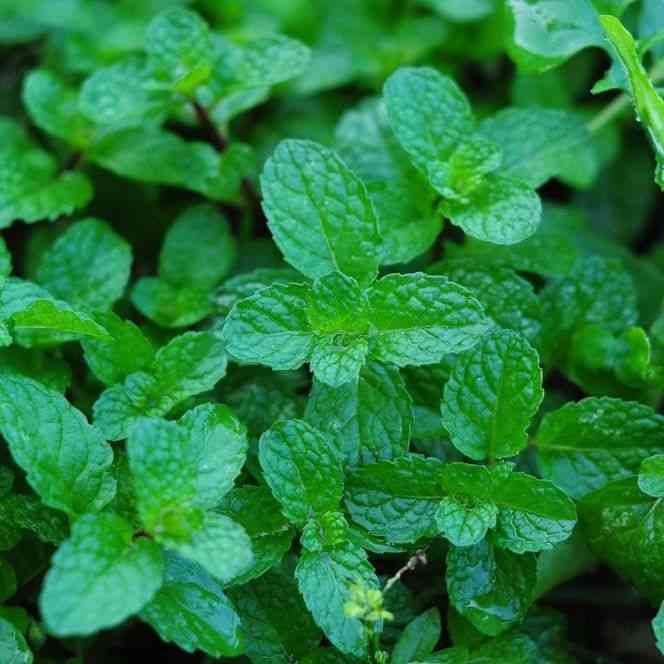
Heirloom Mint Seeds for Culinary, Tea, and Herbal GardensExplore the full collection →
Mountain Mint Seeds

Mountain Mint Seeds

A native North American mint bursting with fragrance that draws pollinators and adds wild charm to every garden.

Spearmint Mint Seeds

Spearmint Mint Seeds

Classic garden mint with a sweet, refreshing flavor—perfect for teas, sauces, and summer drinks.

Peppermint Mint Seeds

Peppermint Mint Seeds

Intensely aromatic and cooling, Peppermint brings crisp freshness to teas, desserts, and herbal remedies.

Lemon Balm

Lemon Balm

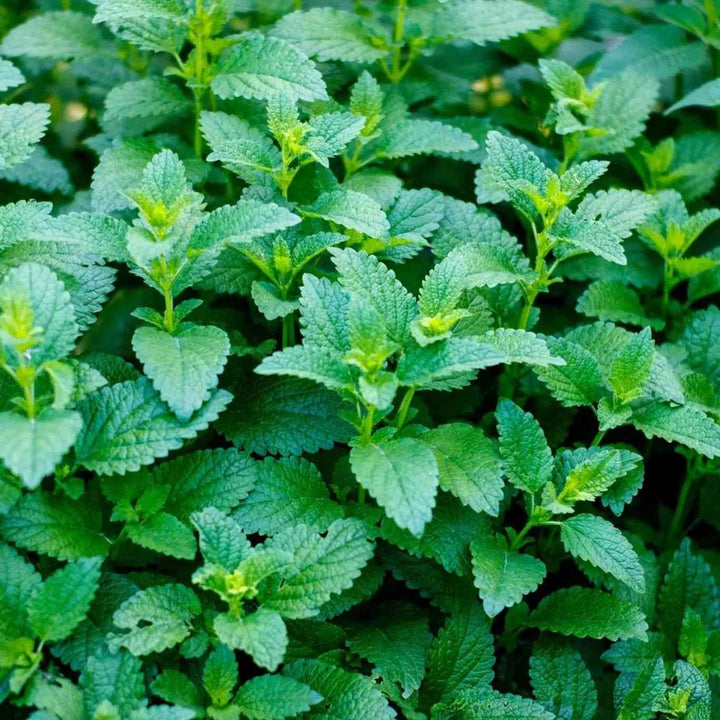
Lemon Balm: tea, fragrant leaves, pollinator flowers, and contained perennial beds

Catnip Mint Seeds

Catnip Mint Seeds

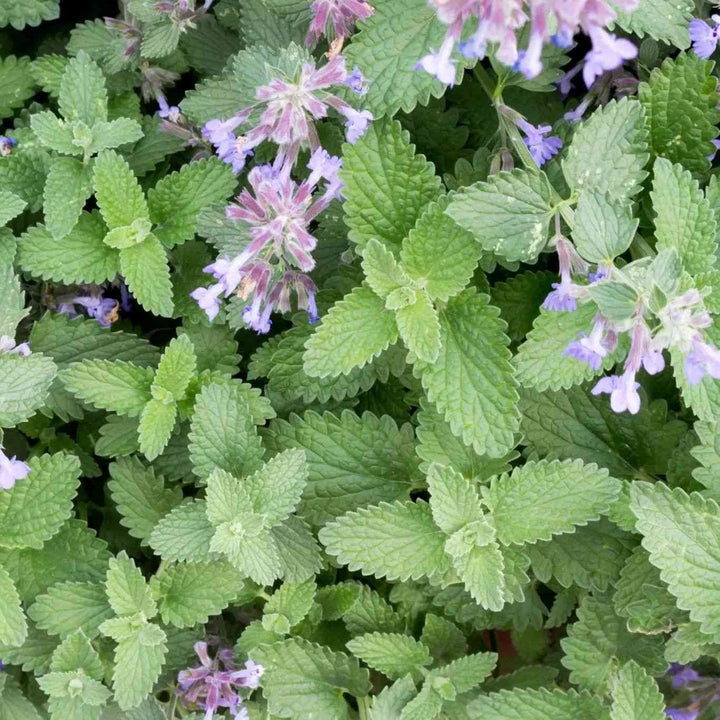
A hardy, fragrant mint that delights cats, repels pests, and adds gentle charm to pollinator gardens.

Huacatay (Black Mint) Seeds

Huacatay (Black Mint) Seeds

A bold Andean heirloom herb prized for its rich, mint-tarragon flavor that defines authentic Peruvian cuisine.

Customer experience

Reviews for Mountain Mint Seeds

Customer Reviews

Be the first to write a review
0%
(0)
0%
(0)
0%
(0)
0%
(0)
0%
(0)