Free U.S. seed shipping $35+. Seeds ship free at the threshold.

Current Processing Times Before Shipping Are 1-2 Business Days

Wasabi Mustard

Scientific name Brassica juncea (L.) Czern.

About this variety

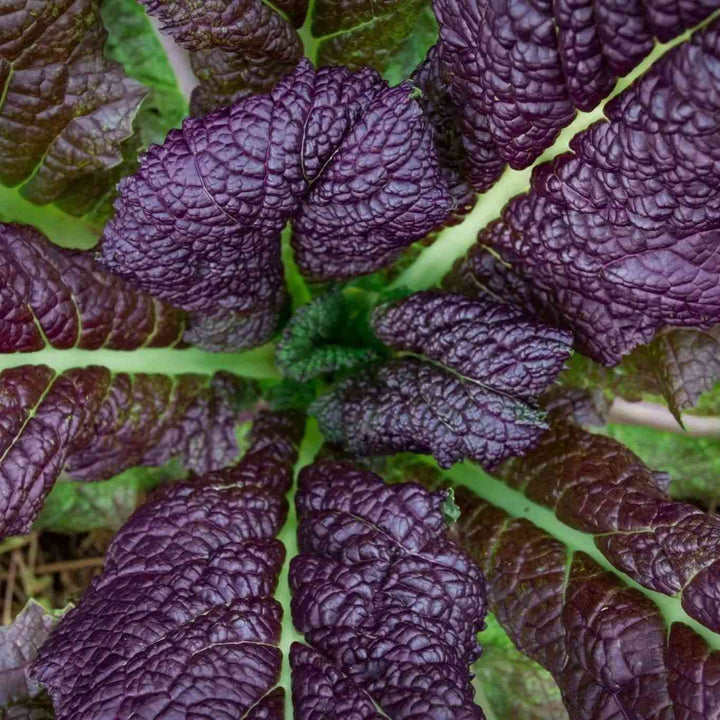
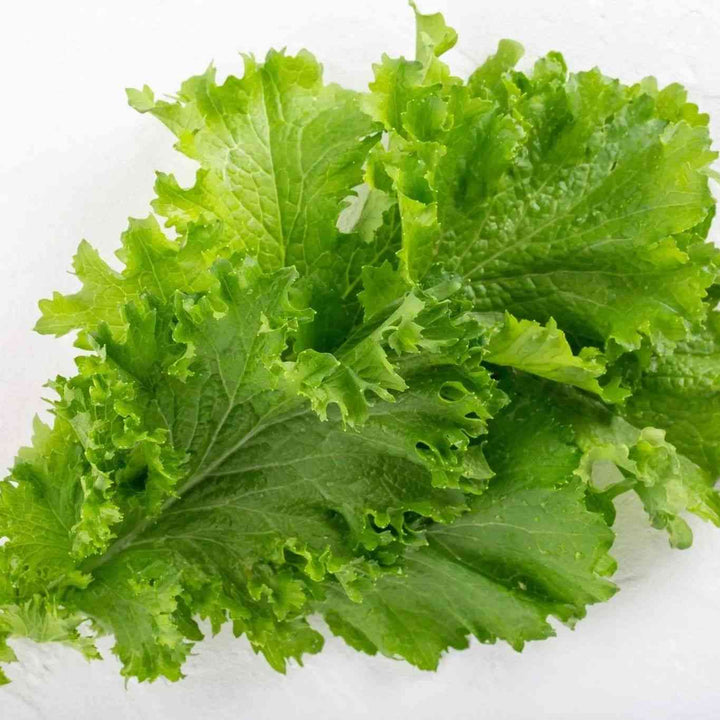
Wasabi mustard has bright green leaves with a sharp, wasabi-like heat. Add a few young leaves to a salad or sandwich. Grow it in full sun or partial shade, in soil that drains well.

Read about this variety
No customer reviews yet

Grown these seeds from us? Use the review invitation in your order follow-up email to share your experience.

$2.00

Free U.S. seed shipping starts at $35 in eligible seed items. Installment payment options are shown separately.

Want this variety when it returns?

Choose “Notify me when available” to get a restock email. You can keep exploring other varieties while you wait.

Available now in Heirloom Mustard Seeds for Home Gardens

Checking available seed choices…

Browse available Heirloom Mustard Seeds for Home Gardens →

At a glance

The facts most gardeners need first

Open the full variety record
250 minimum seeds per packet
Gardener experience

Easy

Germination difficulty

Easy

Germination time

3-7 Days at 45–60 °F seed-zone soil temperature

  • Germination
    3-7 Daysa seed-zone soil temperature of 45–60 °F
  • Maturity
    Approximately 40-49 Days, from direct sowing to the listed baby-leaf or full-size harvest stage. Weather, soil temperature, and planting method can shift the actual harvest date.
  • Sun
    Full - Partial Sun
  • Support and spacing
    No support needed · space 6 in · rows 12 in
  • Growth habit
    Upright or erect · Annual · 19–24 in tall
  • Best use
    Baby leaf, full-size greens, succession planting, cool-season gardens, and seed saving
Secure checkout Details
Generic
Triple-tested seed qualityRegular quality and germination checks support every packet.

We regularly test seed quality and germination as lots move through storage and packing. We stand behind the seed we send and want customers to contact us when a packet does not perform as reasonably expected.

1-year seed warrantyCoverage begins on the date of purchase.

When properly stored, planted, and cared for, we guarantee reasonable germination and true-to-type growth for one year from the date of purchase. Conditions outside our control—including extreme weather, pests, unsuitable storage, and gardener error—are excluded. Contact us when something is not right so we can review the situation and work toward a replacement, refund, or another fair resolution.

Non-GMO / BE seed policyWe do not buy or sell genetically engineered or bioengineered seed.

Every seed variety we sell is non-GMO.

USDA’s National Bioengineered Food Disclosure Standard defines bioengineered foods as containing detectable genetic material modified through in vitro recombinant DNA methods in ways not achievable through conventional breeding or found in nature.

  • Hybrid means parent lines were conventionally crossed; hybrid does not mean GMO.
  • Heirloom and open-pollinated describe how a variety is maintained and reproduced.
  • Organic certification is separate and is shown only when verified for the individual product.
Packed in Colerain, North CarolinaPrepared in our seed room for gardens across the country.

Seeds are packed and shipped from Colerain, North Carolina. Our packets use forestry-certified paper, and we use recyclable paper mailers where appropriate. AONSK is also a 1% for the Planet partner while continuing to reduce waste in packing and fulfillment.

Seed & Garden Calculators

Need a plan for your space?

Use the garden-fit planner and soil calculator to turn the recorded growing facts into a practical plan.

Open Seed & Garden Calculators Uses this product’s recorded growing information. Local weather and garden conditions may vary.

Variety field guide

What to expect from Wasabi Mustard

Wasabi is an annual mustard greens selection grown for baby leaf, full-size greens, succession planting, cool-season gardens, and seed saving.

Read about this varietyHide variety descriptionWhat it looks like and how it grows.

Wasabi mustard has bright green leaves with a sharp, wasabi-like heat. Add a few young leaves to a salad or sandwich. Grow it in full sun or partial shade, in soil that drains well.

Minimum seeds per packet: 250 seeds.

About Wasabi

Wasabi is an annual selection of mustard greens, with an upright/erect habit and an expected height or spread of 19–24 in. It is best suited to baby leaf, full-size greens, succession planting, cool-season gardens, and seed saving. Notable traits include cut baby leaves young or harvest full-size plants before quality declines; peppery to mustard-like flavor that strengthens with age and heat.

History and provenance

Peppery salad greens and mustard greens come from several Brassicaceae species. Garden arugula, wild arugula, upland cress, and mustard greens differ in how long they live, how their leaves feel, and how well they stand up to heat. Mustard Seeds - Wasabi belongs to a plant lineage long associated with Mediterranean and Old World garden agriculture. Their unique flavor profile can also enhance stir-fries and soups, offering a taste experience that stands out from traditional mustard greens.

Growing facts

Scientific name Brassica juncea (L.) Czern.
Life cycle Annual
Maturity 40-49 Days
Germination 3-7 Days at 45–60 °F
Seed depth 1/4 in
Plant height / spread 19–24 in
Growth habit Upright/Erect
Spacing 6 in between plants; 12 in between rows
Sunlight Full - Partial Sun
Soil Loamy; pH 6.0–6.5
Water Moderate
Support No-Support

Starting Wasabi from seed

Sow 1/4 in deep and keep the seed zone evenly moist. Expect emergence in 3-7 Days when the seed-zone temperature is near 45–60 °F. Germination preparation: Direct sow into a prepared, weed-free seedbed; avoid disturbing developing roots or dense stands. Light requirement: Cover evenly to 1/4 in. These seeds need no soaking, cold stratification, or scarification.

Planting and care

Plant in spring in full to partial sun. Space plants 6 inches apart with 12 inches between rows. Choose loamy soil with a pH near 6.0–6.5. Water moderately. This frost-hardy crop grows without support. Use a medium to large container or a garden bed with enough room between plants.

Harvest and use

Approximately 40-49 Days, from direct sowing to the listed baby-leaf or full-size harvest stage. Weather, soil temperature, and planting method can shift the actual harvest date. Harvest: Cut baby leaves young or harvest full-size plants before quality declines. Uses: Baby leaf, full-size greens, succession planting, cool-season gardens, and seed saving. Flavor: peppery to mustard-like flavor that strengthens with age and heat. Seed saving: Open-pollinated herb or leafy crop.

Saving seed

Select several healthy, true-to-type Wasabi plants that match the expected upright/erect habit and overall plant form. Avoid saving seed only from the earliest or largest individual unless that is your deliberate selection goal. Pollination system: Open-pollinated herb or leafy crop. Compatible plants of the same species may cross to varying degrees through insects or wind. Separate compatible varieties that may flower together, or use cages, barriers, hand pollination, or another documented control appropriate to the crop. Allow selected plants to pass the eating stage and reach full botanical seed maturity. Harvest only when seed heads, pods, or fruits have matured enough for sound seed development. Clean the seed carefully, dry it thoroughly away from direct heat, label the lot with variety and year, and store it cool, dark, and dry. Test germination before an important planting or distribution season.

Common problems

Common concerns: Flea beetles, imported cabbageworm, cabbage loopers, aphids, slugs, root maggots, and clubroot risk where the pathogen is present. Management: Use rotation, insect netting before pests arrive, regular leaf inspection, sanitation, and well-drained soil. Do not plant the same brassica family repeatedly in one bed. Diagnosis note: Similar symptoms can have different causes. Compare plants of the same age, record weather and irrigation, and use local Extension or diagnostic support before applying a control.

Frequently asked questions

When is Wasabi ready? Allow about 40–49 days from direct sowing to the listed baby-leaf or full-size harvest stage. Weather, soil temperature, and planting method can shift the actual harvest date.

How long does germination take? Expect 3-7 Days at about 45–60 °F. Cooler, hotter, crusted, saturated, or dry seedbeds can slow emergence.

How large does it grow? Expect about 19–24 in with an upright/erect habit. Space plants 6 in apart and rows 12 in apart. No support is needed.

Can it grow in a container? Yes. Choose a medium or large container with drainage, give each plant its recommended spacing, and keep the soil evenly moist.

Can I save seed? Open-pollinated herb or leafy crop. Keep compatible varieties isolated and allow selected plants to reach full seed maturity.
Seed & Garden CalculatorsCheck your planting dates, garden space or soil test results.

These estimates use the growing needs of this variety. Check the weather and soil conditions where you plant.

Garden-fit planning for this variety

Will Wasabi Mustard fit your garden?

Check cool-season timing, transplant plans, heat pressure, soil moisture, and harvest goal. Start with your planting date, sunlight and space. Skip any questions you don’t need.

The planner uses planting rules to compare your answers with this variety’s needs.

Add an optional ZIP code and planting date for a broad frost-window check.Use local forecasts and measured soil temperature for final planting decisions.
1Your planting plansTiming, light, and space
2Temperature and exposureDay and night temperatures, wind and frost protection
3Soil, drainage, and waterSoil type, drainage and watering
4Questions for this cool-season vegetable seedSupport, growing conditions or harvest plans
5Starting seeds at homePreparation, timing and equipment
How difficult is this seed to start?BeginnerEasyRead the variety description
Soil test, pH, drainage, and amendment calculator Have a laboratory soil report? Enter pH, nutrients, texture, bed size, and site observations here. Open soil tools
Recorded soil typeLoamy
Recorded pH range6.0–6.5
Water needsModerate
LightFull - Partial Sun

Using your soil test

Is your soil suitable for Wasabi Mustard?

Brassica juncea (L.) Czern.

Enter the numbers or ratings on your soil test. We’ll compare them with this crop’s needs. Use the rates your lab recommends when deciding how much to apply.

Basic soil test resultsStart here
Advanced laboratory values

Growing and saving seed

Starting and plantingWhen to sow, what seeds need to sprout and how far apart to plant.
Sow 1/4 in deep. Expect germination in 3-7 Days at 45–60 °F. Space plants 6 in apart and rows 12 in apart. Provide full - partial sun, loamy near pH 6.0–6.5, and moderate watering. Support: No-Support. Wasabi grows with an upright/erect habit to about 19–24 in. Plant during spring, provide full - partial sun, and use loamy near pH 6.0–6.5. Space plants 6 in apart with 12 in between rows. Water requirement: Moderate. Support: No-Support.
Season-long growing guideWatering, feeding and caring for your plants through the season.
Sow 1/4 in deep. Expect germination in 3-7 Days at 45–60 °F. Space plants 6 in apart and rows 12 in apart. Provide full - partial sun, loamy near pH 6.0–6.5, and moderate watering. Support: No-Support.
Harvest, storage, and usesHow to tell when it’s ready, what to pick and how to store it.

Harvest and storage

Harvest: Cut baby leaves young or harvest full-size plants before quality declines. Uses: Baby leaf, full-size greens, succession planting, cool-season gardens, and seed saving. Flavor: peppery to mustard-like flavor that strengthens with age and heat. Seed saving: Open-pollinated herb or leafy crop.

Uses and garden roles

Wasabi is best for baby leaf, full-size greens, succession planting, cool-season gardens, and seed saving. Flavor and sensory character: peppery to mustard-like flavor that strengthens with age and heat. Harvest form or size: Cut baby leaves young or harvest full-size plants before quality declines.
Seed savingWhich plants to save seed from and how to collect, dry and store the seed.
Select several healthy, true-to-type Wasabi plants that match the expected upright/erect habit and overall plant form. Avoid saving seed only from the earliest or largest individual unless that is your deliberate selection goal. Pollination system: Open-pollinated herb or leafy crop. Compatible plants of the same species may cross to varying degrees through insects or wind. Separate compatible varieties that may flower together, or use cages, barriers, hand pollination, or another documented control appropriate to the crop. Allow selected plants to pass the eating stage and reach full botanical seed maturity. Harvest only when seed heads, pods, or fruits have matured enough for sound seed development. Clean the seed carefully, dry it thoroughly away from direct heat, label the lot with variety and year, and store it cool, dark, and dry. Test germination before an important planting or distribution season.
Pests, diseases, and troubleshootingWhat to look for when plants show damage or grow poorly.
Common concerns: Flea beetles, imported cabbageworm, cabbage loopers, aphids, slugs, root maggots, and clubroot risk where the pathogen is present. Management: Use rotation, insect netting before pests arrive, regular leaf inspection, sanitation, and well-drained soil. Do not plant the same brassica family repeatedly in one bed. Diagnosis note: Similar symptoms can have different causes. Compare plants of the same age, record weather and irrigation, and use local Extension or diagnostic support before applying a control.
Frequently asked questionsCommon questions about growing this variety.
Frequently Asked Questions - Wasabi

When is Wasabi ready? Use 40-49 Days. Approximately 40-49 Days, from direct sowing to the listed baby-leaf or full-size harvest stage. Weather, soil temperature, and planting method can shift the actual harvest date.

How long does germination take? Expect 3-7 Days at about 45–60 °F. Cooler, hotter, crusted, saturated, or dry seedbeds can slow emergence.

How large does it grow? Expect about 19–24 in with an upright/erect habit. Space plants 6 in apart and rows 12 in apart. Support: No-Support.

Can it grow in a container? Medium to large container or in-ground bed; avoid crowding Use a container with drainage and enough volume to maintain the listed spacing and steady moisture.

Can I save seed? Open-pollinated herb or leafy crop. Keep compatible varieties isolated and allow selected plants to reach full seed maturity.
History and provenanceWhat we know about the variety’s name and history.

Scientific name: Brassica juncea (L.) Czern.

Common name: Mustard greens

Cultivar or variety: Wasabi

Peppery salad greens and mustard greens come from several Brassicaceae species. Garden arugula, wild arugula, upland cress, and mustard greens differ in life cycle, leaf texture, and heat tolerance, so this page preserves species-level identity rather than relying on flavor names alone. Mustard Seeds - Wasabi belongs to a plant lineage long associated with Mediterranean and Old World garden agriculture. It was selected over generations for kitchen, market, ornamental, or herbal value and remains useful in modern home gardens. Their unique flavor profile can also enhance stir-fries and soups, offering a taste experience that stands out from traditional mustard greens.

Continue planning

Related products, collections, and growing guides

Explore the full collection
Heirloom Mustard Seeds for Home GardensExplore the full collection →
Mizuna Red Streaks

Mizuna Red Streaks

Mizuna Red Streaks Mustard Seeds produce a fast-growing Asian mustard known for its deeply serrated green leaves highlighted with vivid red ve...

Mizuna Red Leaf

Mizuna Red Leaf

Discover the vibrant allure of Mizuna Red Leaf mustard seeds, a captivating choice for gardeners seeking both beauty and flavor.

Jeok Gat Mustard

Jeok Gat Mustard

Discover the vibrant allure of Jeok Gat mustard seeds, a unique Korean variety known for its striking purple leaves and robust flavor.

Japanese Red Giant Mustard

Japanese Red Giant Mustard

The bold mustard with a bite. ‘Japanese Red Giant’ produces large, deep purple-red leaves with vivid green undersides and a strong, spicy flav...

Early Mizuna

Early Mizuna

Early Mizuna mustard seeds offer a delightful addition to your garden with their rapid growth and distinctive flavor.

Southern Giant Curled Mustard

Southern Giant Curled Mustard

Southern Giant Curled mustard seeds produce large, deeply frilled green leaves with a bold peppery flavor that intensifies as plants mature.

Customer experience

Reviews for Wasabi Mustard

Customer Reviews

Be the first to write a review
0%
(0)
0%
(0)
0%
(0)
0%
(0)
0%
(0)