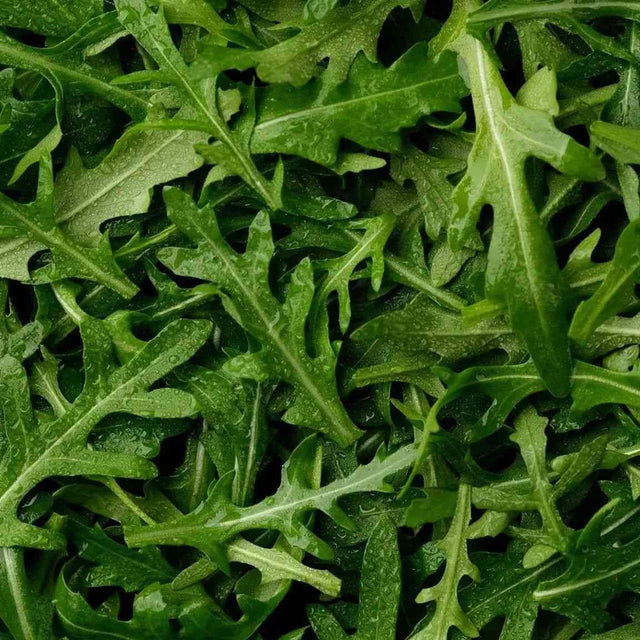
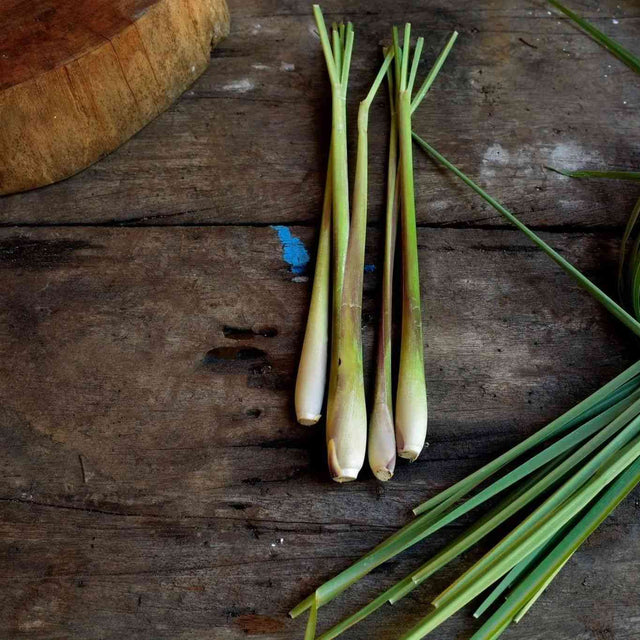
A perennial food garden is not a vegetable garden that stopped moving. It is a collection of long agreements. Asparagus occupies the bed for years. Sunchokes spread beyond the line if you leave tubers behind. Rhubarb asks for winter cold. Artichokes ask whether the summer and winter are both willing to cooperate.
The value is real: earlier harvests, established roots, habitat, and less annual soil disturbance. So is the cost of placing a permanent crop badly.
Do not place a spreading tuber or ten-year crown in the only bed where tomatoes must go next season. Permanent crops deserve permanent geography.
What perennial vegetables actually means
Perennial vegetables live for more than two years or regrow from persistent crowns, roots, bulbs, or tubers. Some are true perennials; others behave as perennial crops only in suitable climates.
The edible part may be a shoot, leaf, flower bud, bulb, tuber, or stalk. Harvest rules must protect the organ that keeps the plant alive.
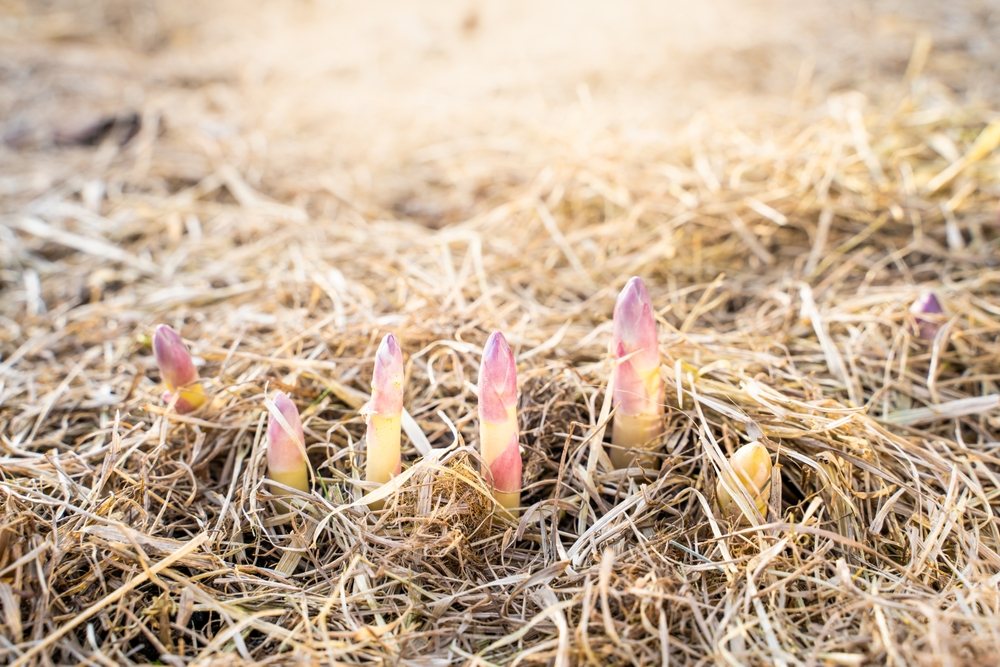
- Asparagus is harvested for shoots.
- Rhubarb is harvested for leaf stalks, never leaves.
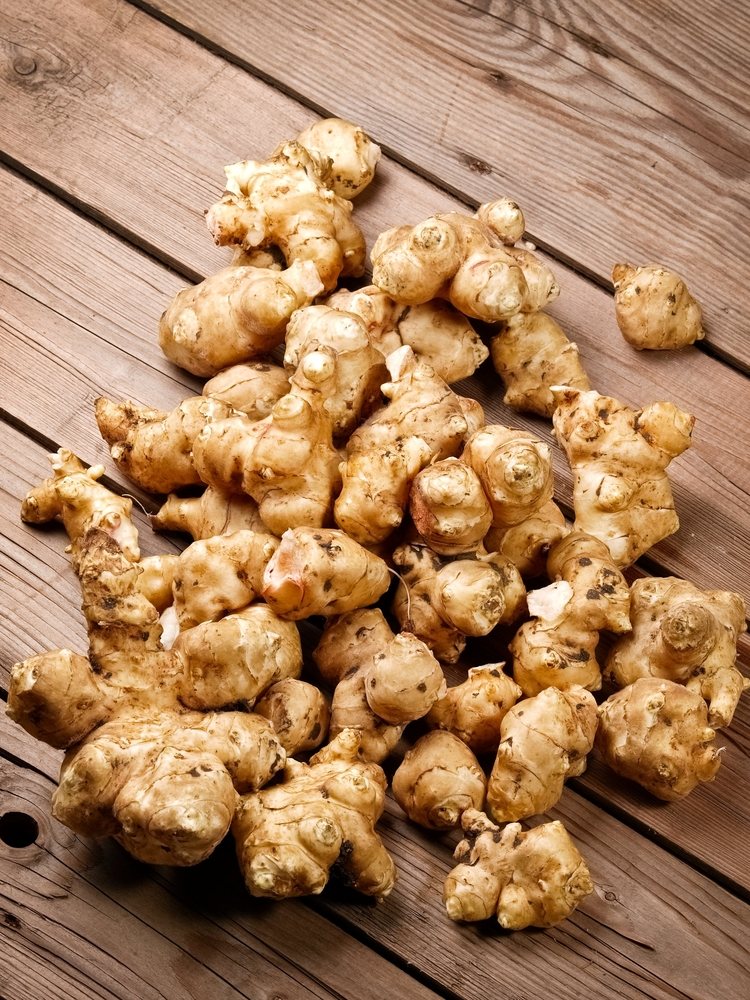
- Sunchokes are harvested for tubers and readily regrow.
Separate the terms that are often confused
Separate true perennial hardiness from a crop that merely survives a mild winter. Also separate “edible perennial” from “low maintenance.”
A crop can return reliably and still require division, weed control, fertility, irrigation, or containment.
| Term | Practical meaning | What it does not guarantee |
|---|---|---|
| Long-lived crown | Asparagus, rhubarb | That full harvest begins immediately |
| Persistent tuber | Sunchoke | That the crop stays in its assigned row |
| Perennial bulb/onion | Walking onion, bunching onion | That every type is equally cold hardy |
| Tender perennial | Artichoke in some climates | That it survives every Mid-Atlantic winter |
Put the information to work
Map sun, drainage, irrigation, paths, and future shade.
- Choose a crop adapted to the winter and summer extremes.
- Prepare the bed deeply before planting.
- Mark the permanent edge.
- Delay heavy harvest until the root system is established.
Avoid the shortcuts that create bad decisions
The shortcut is harvesting too soon because the crown looks large above ground. Another is placing spreading crops beside property lines or paths.
Perennial beds also collect weeds and soilborne problems when neglected.
- Do not eat rhubarb leaves.
- Do not till through established asparagus crowns.
- Do not assume one missed sunchoke tuber is the last one.
Account for place, season, and crop
Coastal Plain heat can challenge rhubarb while extending the season for some tender crops. Mountain cold favors rhubarb but shortens tender perennial options.
Evaluate drainage during winter, because dormant crowns still rot in saturated soil.
Keep the claim tied to evidence
Record planting stock source, cultivar, planting depth, first harvest, winter survival, spread, and annual yield.
A perennial crop should earn its permanent ground with reliable harvest or important ecological value.
Longevity is not the absence of management. It is management spread across years.
Put this guide to work in a real garden
Put Perennial Vegetables for Long-Term Food Gardens: What Returns and What Spreads into a one-season plan before buying more inputs. Choose the variety or material, mark the bed or container, write the sowing or planting date, and decide what success will look like: first harvest, stem length, fruit set, bloom, survival, or control of spread.
Inspect on a schedule. Early problems are usually easier to correct because the crop has more season left and the cause has not been buried under secondary damage. Water, fertility, airflow, support, and harvest timing should be adjusted from the plant’s response rather than from a rigid weekly ritual.
At the end of the crop, keep the record honest. Note what performed, what merely survived, what required too much labor, and what deserves a larger planting next year. Experience becomes expertise only when it is remembered accurately.
- Choose the variety and define the intended use.
- Prepare soil, container, support, or irrigation before planting.
- Set a weekly inspection date.
- Harvest or prune at the stage described in the guide.
- Write a short end-of-season verdict.
Use a 30-day checkpoint instead of guesswork
Before planting
Choose the variety, site, support, soil preparation, and irrigation method while the bed is still easy to change.
First two weeks
Protect establishment. Watch moisture, light, wind, transplant shock, and early pest pressure.
At rapid growth
Adjust spacing, support, pruning, and fertility before the plant becomes difficult to handle.
At first harvest or bloom
Record quality, timing, labor, and the plant’s response. Use that evidence to guide the rest of the season.
A guide provides a sound starting system, not a guarantee. Cultivar, weather, soil history, and management interact, and the correct response may change as the plant moves from establishment to harvest.
Keep a one-season record
The record does not need to be elaborate. A notebook page, spreadsheet row, or labeled photograph is enough when it captures the variables that matter.
- Variety and source
- Planting date and location
- Water, fertility, and major weather events
- First harvest or bloom and total season length
- Problems, corrections, and next-year decision
Write enough that another grower—or you, one year later—could understand what was planted, what happened, and why the next decision changed.
Questions gardeners ask
How long before asparagus can be harvested?
Harvest is limited or avoided during establishment, usually for the first two seasons, so crowns can build strength.
Are sunchokes invasive?
They can spread aggressively from tubers left in the soil. Use a location where expansion is acceptable or contain them.
Can rhubarb grow in North Carolina?
It is more dependable in cooler areas. Heat and insufficient winter chilling can reduce performance in the Coastal Plain.
Are perennial vegetables maintenance-free?
No. They still need weed control, fertility, pruning or division, irrigation, and pest monitoring.
Can perennial vegetables share a raised bed with annuals?
They can, but permanent roots and future size often complicate annual crop rotation and soil renewal.
A perennial vegetable is not a shortcut. It is an investment with roots. Put it in the right ground, harvest with restraint, and let time begin paying the gardener back.