Tomato pollination guide
Tomatoes are self-fertile. Each flower contains both male and female structures, and wind or vibration helps release pollen inside the flower. Bees, especially buzz-pollinating bees, can improve that movement, but insects are not always required for fruit set.
Blossom drop occurs when a flower forms and then falls without setting fruit. Heat is a common cause, especially when nights stay warm, but humidity, cold, water stress, excess nitrogen, shade, root injury, and heavy fruit load can contribute.
The remedy is not to shake harder or apply more fertilizer. First identify which part of the flowering environment has failed.
A flower is a promise the weather has not yet signed. Tomatoes can bloom heavily and still set nothing when the pollen, temperature, or plant is out of balance.
Understand how a tomato flower sets fruit
- Pollen must mature inside the flower.
- The anthers must release pollen.
- Pollen must reach the receptive stigma.
- Fertilization must occur under suitable temperature and moisture conditions.
- The plant must have enough resources to retain the young fruit.
Wind and movement can vibrate flowers. Bumblebees can buzz them. In still protected structures, gentle support movement or an electric pollinator may help, but vibration cannot make heat-damaged pollen fertile.
Treat temperature as the first suspect during summer
| Condition | Possible effect | What to do |
|---|---|---|
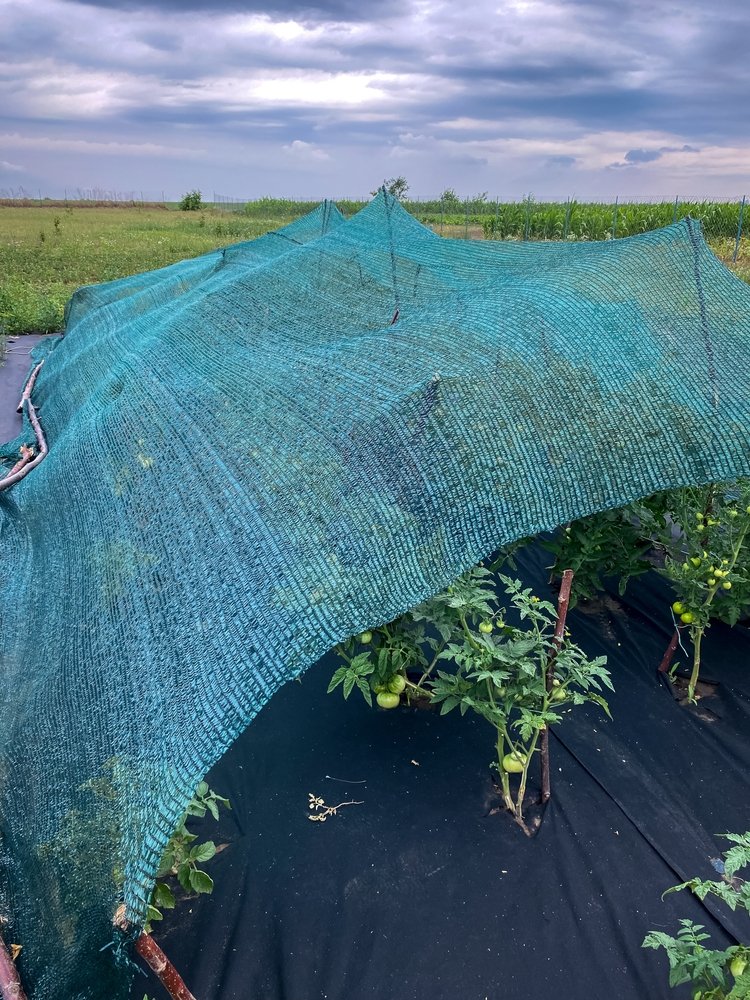
| Very hot days | Pollen viability and flower retention decline | Use mulch, steady irrigation, and temporary afternoon shade |
| Warm nights | Pollen development and fruit set suffer | Wait for a cooler weather cycle; avoid added stress |
| Cold nights | Pollen and growth slow | Protect young plants and delay planting |
| Rapid swings | Stress and uneven set | Stabilize water and avoid heavy feeding |
Heat-tolerant varieties may set better, but no tomato ignores physics. A heat wave can pause production and the same plant may set heavily when temperatures moderate.
Read humidity and pollen release together
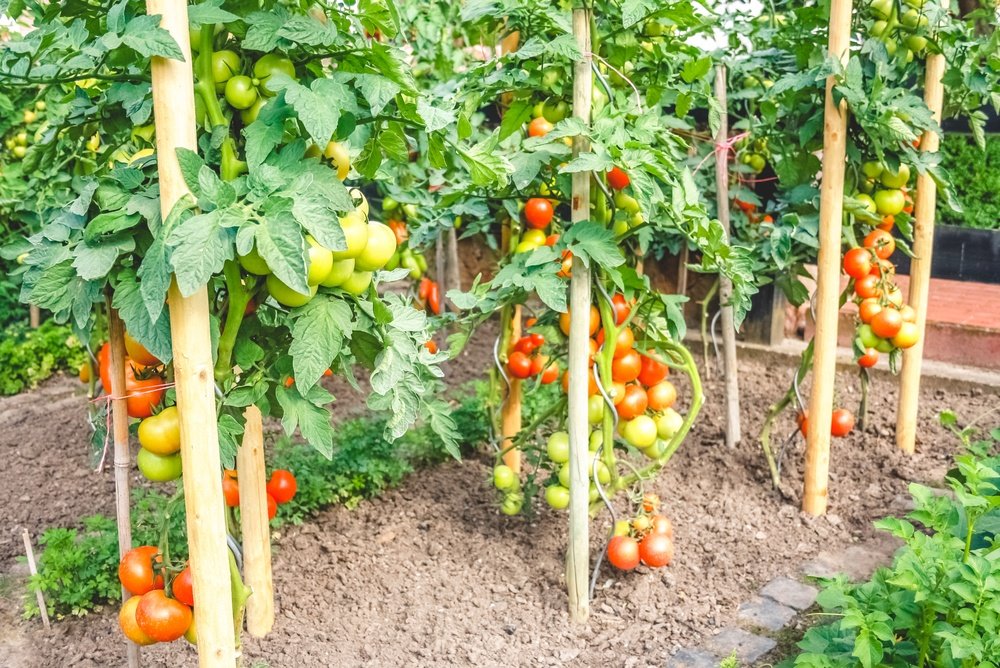
High humidity can make pollen clump. Very dry conditions can reduce stigma receptivity and stress the plant. In greenhouses and tunnels, airflow and timing of vibration matter.
Gently shake flower clusters around midday when conditions are dry enough for pollen release. Do not bruise stems or repeat the practice so aggressively that flowers are damaged.
Stabilize roots, water, and nutrition
Water deeply and consistently. A drought followed by saturation stresses flowers and fruit. Mulch after soil warms to reduce swings. Keep cultivation shallow around established roots.
Excess nitrogen can build dark vigorous foliage while delaying or reducing flowering and fruit set. Use a soil test and measured feeding. Do not add phosphorus simply because a product is labeled bloom booster.
A flower may drop because the problem began days earlier in the root zone. Review irrigation, transplant stress, pruning, and recent fertilizer before blaming pollination.
Improve light and airflow without stripping the plant
Tomatoes need strong light. Dense shade reduces flower production and weakens plants. Crowded foliage also slows drying and increases disease pressure.
Prune only according to plant habit and support system. Determinate tomatoes need their leaf canopy. Indeterminate plants may be trained, but severe leaf removal exposes fruit to sunscald and adds stress.
Distinguish blossom drop from other failures
| Observation | Likely issue | Next check |
|---|---|---|
| Whole flower drops at stem | Blossom drop | Temperature, water, nitrogen, light |
| Tiny fruit forms then stops | Poor fertilization or plant stress | Weather and root conditions |
| Fruit has dark end lesion | Blossom-end rot | Moisture and calcium movement |
| Flowers distorted or leaves twisted | Herbicide or physiological injury | Recent exposure and new growth |
| Flowers present only at top | Normal growth pattern or pruning effect | Plant habit and support |
Use variety and planting time as prevention
Plant several varieties with different heat tolerance and maturity. Avoid setting the entire crop into one narrow weather window. Early and later plantings spread risk.
In severe summer climates, a pause in set may be normal. Keep plants healthy enough to resume when nights cool instead of forcing weak growth with fertilizer.
Adapt expectations across the region
Coastal and lower Piedmont gardens often face warm nights that interrupt midsummer set. Mountain gardens may avoid the worst night heat but face cool spring planting and a shorter season. Protected tunnels need deliberate airflow and vibration.
A tomato plant can bloom through bad conditions as if nothing is wrong. The missing fruit appears later. Keep records of the weather around bloom, not only the day the flower falls.
Questions gardeners ask
Do tomato flowers need bees?
No. Tomatoes are self-fertile, but vibration from wind or buzz-pollinating bees can improve pollen release.
Should I hand-pollinate tomatoes?
Gentle vibration can help in still protected spaces, but it will not overcome heat-damaged pollen or major plant stress.
Why do flowers drop during a heat wave?
High daytime temperatures and warm nights can reduce pollen viability and flower retention.
Does Epsom salt improve tomato pollination?
No. It supplies magnesium and sulfur only when needed and does not correct heat, water stress, or pollen failure.
Will the plant set fruit again after blossom drop?
Often yes when temperatures and plant conditions improve, provided the plant remains healthy.
Related tomato nutrition guide: When flowers are dropping or plants are producing more leaves than fruit, review how soil tests, nitrogen, phosphorus, potassium, and timing affect tomato feeding.