Free U.S. seed shipping $25+. Seeds ship free at the threshold. Storefront goods, pantry finds, books & local goods are being added.

New seeds, Main Street specials, and storefront finds update as the market grows.

Leadplant Amorpha canescens Seeds

Scientific name Amorpha canescens Pursh

Seed packet & garden essentials

What to know before you plant

View complete growing & care facts
25 minimum seeds per packet
  • First bloom / maturity365+ Days · 365+ Days
  • Growth habitShrubby/Subshrub · Perennial · 25–30 in tall
  • Best usenative habitat, pollinator gardens, long-term establishment, and seed saving
  • Color & characterPurple
  • Germination14–30 days following proper scarification and/or cold stratification. · 60–75 °F
  • Seed preparationLightly scarify, then cold-moist stratify for 30-60 days before spring sowing; fall sowing is an alternative
  • SunFull sun
  • Support & spacingNo-Support · space 18 in · rows 24 in
  • Container fitPossible in a properly sized container with reliable drainage, moisture, and room for the mature plant
  • Water needsModerate
  • SoilLoamy · pH 6.5–7.0
  • Planting seasonFall · blooms Summer · Hardy
$200 USD

Pickup available at Bertie County Seeds

Usually ready in 2-4 days

Secure checkout Details
Generic
Triple-tested seed qualityRegular quality and germination checks support every packet.

We regularly test seed quality and germination as lots move through storage and packing. We stand behind the seed we send and want customers to contact us when a packet does not perform as reasonably expected.

1-year seed warrantyCoverage begins on the date of purchase.

When properly stored, planted, and cared for, we guarantee reasonable germination and true-to-type growth for one year from the date of purchase. Conditions outside our control—including extreme weather, pests, unsuitable storage, and gardener error—are excluded. Contact us when something is not right so we can review the situation and work toward a replacement, refund, or another fair resolution.

Non-GMO / BE seed policyWe do not buy or sell genetically engineered or bioengineered seed.

Every seed variety we sell is non-GMO.

USDA’s National Bioengineered Food Disclosure Standard defines bioengineered foods as containing detectable genetic material modified through in vitro recombinant DNA methods in ways not achievable through conventional breeding or found in nature.

  • Hybrid means parent lines were conventionally crossed; hybrid does not mean GMO.
  • Heirloom and open-pollinated describe how a variety is maintained and reproduced.
  • Organic certification is separate and is shown only when verified for the individual product.
Packed in Colerain, North CarolinaPrepared in our seed room for gardens across the country.

Seeds are packed and shipped from Colerain, North Carolina. Our packets use forestry-certified paper, and we use recyclable paper mailers where appropriate. AONSK is also a 1% for the Planet partner while continuing to reduce waste in packing and fulfillment.

Seed success profile

Rules-based · no AI
Gardener experience Advanced or patient growing is recommended
Germination difficulty Slow, uneven, or dormancy-sensitive
Preparation before sowing
Lightly scarify, then cold-moist stratify for 30-60 days before spring sowing; fall sowing is an alternative
Germination speed
Slow — often 21–45 days
Growing complexity
Long-term establishment crop with possible dormancy, uneven emergence, and delayed bloom
Patience and timing
365+ Days
Is this seed a good match for your experience?
Expected germination
14–30 days following proper scarification and/or cold stratification.
Germination temperature
60–75 °F
Stratification
30-60 days cold-moist stratification recommended for spring sowing
Scarification
Recommended before stratification: lightly nick or abrade the hard seed coat
Pre-soaking
Not required when scarification is performed
Light during germination
No special light requirement recorded; sow about 1/4 inch deep
Germination pattern
Reliability depends strongly on correct preparation, temperature, moisture, and patience through the full emergence window
Transplant sensitivity
Varies by species; move small plants carefully after roots are established
Best chance of success
For Leadplant Amorpha canescens Seeds, control temperature and moisture at sowing, label the start date, and compare emergence with the complete recorded germination window before reseeding.
What to expect

Preparation: Lightly scarify, then cold-moist stratify for 30-60 days before spring sowing; fall sowing is an alternative. Germination light: No special light requirement recorded; sow about 1/4 inch deep. Expected emergence: 14-30 days following proper scarification and/or cold stratification.. Temperature: 60-75 °F.

Slow germination is not automatically failed germination.

Maintain the listed temperature, moisture, light, and treatment conditions for the full expected window. Some seed lots emerge gradually rather than all at once.

1 Beginner-friendly 2 One extra step 3 Some experience helpful 4 Patient growers 5 Advanced propagation

This deterministic profile uses recorded product facts; it is not Artificial Intelligence and is not a guarantee. Seed age, storage, sowing depth, moisture, temperature, light, local conditions, and aftercare can all affect results. Last reviewed July 2026.

Build a garden-fit plan

Check this seed against your real growing conditions

Compare timing, germination preparation, sunlight, soil, water, space, support, intended use, and your preferred level of seed-starting complexity.

Open the detailed garden-fit planner Deterministic rules · no Artificial Intelligence · no live weather service

Complete product description

Leadplant Amorpha canescens Seeds

Bring the beauty and ecological power of North America's native prairies to your garden with Leadplant (Amorpha canescens), a long-lived perennial prized for its striking purple flower spikes, silvery-gray foliage, and exceptional value to pollinators and wildlife. This iconic prairie species has flourished across the Great Plains and Midwest for thousands of years, thriving through drought, fire, and changing seasons while supporting diverse ecosystems.

Leadplant's delicate-looking flowers belie its remarkable toughness. As a member of the legume family, it naturally enriches soil through nitrogen fixation while developing an extensive root system that helps stabilize soil, improve water infiltration, and withstand harsh growing conditions. Once established, Leadplant becomes one of the most drought-tolerant and low-maintenance native plants available.

During summer, upright spikes of deep purple flowers topped with bright orange stamens create a stunning display that attracts native bees, bumble bees, butterflies, and numerous other beneficial pollinators. Its soft, silver-gray foliage provides season-long interest and adds unique texture to native gardens, prairie plantings, and restoration projects.

Every recorded growing detail

Complete growing & care facts

Continue to the garden-fit planner

Plant identity

Minimum seed count 25 seeds
Seed product profile Native perennial
Scientific name Amorpha canescens Pursh
Also known as Leadplant, Amorpha canescens Seeds - Leadplant
Color Purple
Life cycle Perennial
Botanical family Fabaceae
Reproductive type Open-Pollinated (OP)
Heritage qualifiers Non-GMO
Native to the United States Yes
Domestication note North America – Great Plains

Seed success and gardener experience

Gardener experience Advanced or patient growing is recommendedLevel 5 of 5
Germination difficulty Slow, uneven, or dormancy-sensitiveLevel 4 of 5
Preparation before sowing Lightly scarify, then cold-moist stratify for 30-60 days before spring sowing; fall sowing is an alternative
Stratification 30-60 days cold-moist stratification recommended for spring sowing
Scarification Recommended before stratification: lightly nick or abrade the hard seed coat
Pre-soaking Not required when scarification is performed
Light during germination No special light requirement recorded; sow about 1/4 inch deep
Germination pattern Reliability depends strongly on correct preparation, temperature, moisture, and patience through the full emergence window
Growing complexity Long-term establishment crop with possible dormancy, uneven emergence, and delayed bloom
Transplant sensitivity Varies by species; move small plants carefully after roots are established
First harvest or bloom 365+ Days
Best chance of success For Leadplant Amorpha canescens Seeds, control temperature and moisture at sowing, label the start date, and compare emergence with the complete recorded germination window before reseeding.

Timing and climate

Days to maturity 365+ Days
Germination 14–30 days
Germination temperature 60–75 °F
Planting season Fall
Bloom season Summer
Frost tolerance Hardy
Sunlight Full sun
Water needs Moderate
USDA hardiness zones USDA Zones 3a–3b

USDA hardiness describes average annual extreme minimum winter temperature and is most useful for perennial survival. Find your zone on the official 2023 USDA map.

Site, soil, and space

Soil type Loamy
Preferred soil pH 6.5–7.0
Seed depth 1/4 in
Plant spacing 18 in
Row spacing 24 in
Mature height 25–30 in
Growth habit Shrubby/Subshrub
Support needed No-Support
Suitable growing locations Wildflower meadow
Native states AR, CO, IA, IL, IN, KS, MI, MN, MO, MT, ND, NE, NM, OK, SD, TX, WI, WY

Crop-specific details

Garden-fit planning for this variety

Will Leadplant Amorpha canescens Seeds fit your garden?

Check dormancy preparation, establishment time, native range, habitat, moisture, and patience.

Rules-based · no AI
Questions for this native or perennial seed
Seed-starting fit and patience
Recorded product profileAdvanced or patient growing is recommendedSlow, uneven, or dormancy-sensitiveRead why
Soil test, pH, drainage, and amendment calculator Have a laboratory soil report? Enter pH, nutrients, texture, bed size, and site observations here. Open soil tools
Recorded soil typeLoamy
Recorded pH range6.5–7.0
Water needsModerate
LightFull sun

Use a current laboratory soil test

Soil-test interpreter

Compare your report with this product's listed pH target: 6.5–7.0.

This tool interprets values you enter; it does not replace laboratory or Cooperative Extension amendment rates. Soil test methods and nutrient recommendations vary by region.

The full variety record

Sowing, care, harvest, troubleshooting, and history

How to start Leadplant Amorpha canescens Seeds from seedPreparation, timing, depth, germination, transplanting, spacing, and early care

Variety-specific germination notes

Preparation: Lightly scarify, then cold-moist stratify for 30-60 days before spring sowing; fall sowing is an alternative. Germination light: No special light requirement recorded; sow about 1/4 inch deep. Expected emergence: 14-30 days following proper scarification and/or cold stratification.. Temperature: 60-75 °F.

Complete sowing and planting guidance

Leadplant seeds have a naturally hard seed coat and benefit from pretreatment to improve germination. For best results, lightly scarify seeds by gently nicking or abrading the seed coat, then cold-moist stratify for 30–60 days before spring planting. Alternatively, sow seeds outdoors in fall to allow natural winter conditions to break dormancy.

Plant seeds approximately ¼ inch deep in a prepared seedbed or container filled with well-drained soil. Choose a location that receives full sun and has sandy, loamy, rocky, or otherwise well-drained soil. Keep the soil consistently moist during germination, but avoid overwatering or waterlogged conditions, which can reduce germination and lead to seedling loss.

Germination typically occurs within 14–30 days under favorable conditions. Young seedlings grow slowly above ground during their first few years as they devote energy to developing an extensive taproot system. Keep planting areas free of competing weeds and provide supplemental water during prolonged dry periods while plants establish.

Space plants 18–24 inches apart to allow for mature growth and good air circulation. Once established, Leadplant requires minimal maintenance and becomes highly drought tolerant. Because of its deep root system, mature plants are difficult to transplant, so select a permanent growing location whenever possible.

Fall plantings often provide the highest germination rates and produce stronger seedlings by mimicking the plant's natural life cycle in prairie ecosystems. Patience is key—although early growth may appear slow, established Leadplant can thrive for decades and become one of the most resilient and valuable species in a native planting.
How to grow this specific varietyLight, water, fertility, support, spacing, airflow, crop behavior, and season-long care

Complete growing guide

Leadplant (Amorpha canescens) is a hardy native prairie perennial that thrives in sunny locations and well-drained soils. While it may establish slowly during its first few years, its deep root system rewards gardeners with exceptional drought tolerance, longevity, and resilience.

For best germination, seeds benefit from scarification (lightly nicking or abrading the seed coat) followed by 30–60 days of cold-moist stratification. Seeds can also be sown outdoors in fall, allowing natural winter conditions to break dormancy. Sow seeds approximately ¼ inch deep and keep the soil consistently moist, but not waterlogged, during germination.

Choose a planting site that receives at least 6–8 hours of direct sunlight daily. Leadplant performs best in sandy, loamy, rocky, or well-drained clay soils and tolerates a wide range of soil conditions once established. Avoid poorly drained areas where standing water may occur.

Seedlings grow slowly above ground during the first few growing seasons as the plant invests energy into developing its extensive taproot system. During this establishment period, provide regular watering during dry spells and keep the planting area free from competing weeds. Once established, Leadplant requires little supplemental water and can withstand prolonged periods of heat and drought.

Because mature plants develop deep roots that may extend several feet into the soil, Leadplant does not transplant well after establishment. Select a permanent planting location whenever possible and minimize root disturbance.

Leadplant generally blooms in its second or third growing season from seed and requires little maintenance thereafter. It rarely needs fertilization and benefits from occasional prairie-style management practices such as prescribed burns or selective cutting in restoration settings.
Practical field and garden tipsExtra techniques, timing adjustments, and observations that improve success
Leadplant is a plant that rewards patience and long-term thinking. During its first few growing seasons, it directs much of its energy below ground, developing a deep and extensive taproot system rather than producing rapid above-ground growth. While young plants may appear slow to establish, this investment in root development is what gives mature Leadplant its exceptional drought tolerance, resilience, and longevity.

Avoid the temptation to overwater or over-fertilize young plants. Leadplant is naturally adapted to the lean, well-drained soils of North American prairies and often performs best in average to poor soils. Excessive moisture, rich soils, or heavy fertilization can encourage weak growth and reduce the plant's natural hardiness.

Keep planting areas relatively weed-free during the first few years to reduce competition while seedlings establish. Once mature, Leadplant requires very little maintenance and can thrive for decades, producing beautiful blooms and valuable pollinator habitat year after year.

Pro Tip: The first few years are all about root growth. What happens underground during establishment is laying the foundation for a tough, drought-resistant prairie plant that can live for generations.
Harvest, storage, uses, and benefitsWhen and how to harvest, ways to use the crop, storage, culinary value, habitat value, and garden roles

Uses and benefits

Leadplant is a highly valuable native prairie species that provides ecological, horticultural, and cultural benefits. Its nectar-rich flowers attract a diverse array of pollinators, including native bees, bumble bees, honeybees, butterflies, skippers, and other beneficial insects, making it an excellent addition to pollinator gardens and habitat restoration projects.

As a member of the legume family, Leadplant forms a beneficial relationship with nitrogen-fixing soil bacteria, helping to naturally improve soil fertility and support neighboring plants. Its deep, extensive root system stabilizes soil, reduces erosion, increases water infiltration, and enhances the resilience of prairie and restoration plantings.

Leadplant is widely used in prairie restoration, conservation plantings, native landscaping, and wildlife habitat projects because of its ability to thrive in challenging conditions while supporting biodiversity. The plant provides food and habitat for numerous insects and contributes to healthy food webs that benefit birds, small mammals, and other wildlife.

Its exceptional drought tolerance and low maintenance requirements make it an outstanding choice for xeriscaping, water-wise gardens, and sustainable landscapes. Once established, Leadplant requires little supplemental water and can withstand heat, drought, and other environmental stresses that challenge many ornamental plants.

Beyond its ecological value, Leadplant holds cultural significance for many Indigenous Nations throughout its native range, where it has been used traditionally for medicinal, ceremonial, and practical purposes. Today, cultivating Leadplant helps support native biodiversity while honoring the rich ecological and cultural heritage of North America's prairie landscapes.
Seed saving and carrying the variety forwardPollination, isolation, selection, harvest, cleaning, drying, and storage
Harvest seed pods when they turn brown and dry on the plant in late summer to early fall. Clean and dry thoroughly before storage. Store in a cool, dry location. Scarification and stratification improve germination of stored seeds.
Common pests, diseases, and growing problemsIdentification, prevention, crop-safe response, and when intervention is justified

Complete pest and problem guide

Leadplant is one of the most resilient and trouble-free native prairie plants, with few significant pest or disease concerns when grown in appropriate conditions. Established plants are rarely affected by insects or pathogens due to their natural adaptation to prairie environments.

The most common issue is root and crown rot, which can occur in poorly drained soils or locations that remain consistently wet. Leadplant naturally grows in well-drained prairies and does not tolerate prolonged saturated conditions. Heavy clay soils, excessive irrigation, or standing water can weaken plants and reduce longevity.

Seedlings and young plants may be susceptible to browsing by rabbits, deer, and other herbivores before becoming established. Protective fencing or temporary barriers may be beneficial in areas with high wildlife pressure.

Leadplant's slow initial growth can make young plants vulnerable to competition from aggressive weeds. Maintaining a weed-free planting area during the first few growing seasons greatly improves establishment success.

Occasionally, foliage may experience minor feeding damage from leaf-chewing insects such as grasshoppers, caterpillars, or native beetles, but infestations are rarely severe enough to impact plant health. In fact, some insect feeding contributes to the plant's ecological role as a host species within native ecosystems.

Excessive fertilization can result in weak, floppy growth and reduced drought tolerance. As a nitrogen-fixing legume adapted to nutrient-poor prairie soils, Leadplant generally performs best without supplemental fertilizer.

Plants may also decline if transplanted after becoming established, as their extensive taproot system is sensitive to disturbance. For best results, plant in a permanent location and minimize root disruption.
Questions gardeners ask about this seedProduct-specific answers for sowing, care, harvest, use, and seed saving
What is Leadplant?

Leadplant (Amorpha canescens) is a long-lived native prairie perennial and member of the legume family. Known for its silvery-gray foliage and striking purple flower spikes, it is an important component of North American prairie ecosystems and a valuable plant for pollinator habitat, prairie restoration, and native landscaping.

Does Leadplant attract pollinators?

Yes. Leadplant is considered one of the most valuable pollinator plants in native prairie ecosystems. Its nectar-rich flowers attract a wide variety of native bees, bumble bees, honeybees, butterflies, skippers, moths, and other beneficial insects. Blooming during the summer months, it provides an important food source when many spring wildflowers have finished flowering. It is also a larval host plant for several butterfly and moth species.

Is Leadplant drought tolerant?

Extremely. Once established, Leadplant is among the most drought-resistant native prairie plants. Its deep taproot can extend many feet into the soil, allowing it to access moisture far below the surface. Mature plants can withstand prolonged periods of heat and drought with little or no supplemental watering, making them excellent choices for xeriscaping and low-maintenance native gardens.

How long does Leadplant live?

Leadplant is exceptionally long-lived. Individual plants can survive for several decades, and some prairie ecologists believe mature plants may live 50 years or longer under favorable conditions. Its longevity is due in part to its extensive root system and adaptation to fire, drought, and other natural prairie disturbances.

Can Leadplant grow in clay soil?

Yes, provided the soil has adequate drainage. Leadplant naturally grows in a range of soil types, including sandy, loamy, rocky, and clay soils. However, it does not tolerate standing water or prolonged wet conditions. In heavy clay soils, incorporating organic matter or planting on slopes can help improve drainage and plant health.

Why is Leadplant called "Leadplant"?

The name "Leadplant" refers to the plant's distinctive gray-green foliage. Early settlers believed the leaves resembled the color of lead, giving rise to the common name. The scientific name canescens also refers to the fine silvery hairs that cover the leaves and stems.

Is Leadplant native to the United States?

Yes. Leadplant is native to much of the central and eastern United States and parts of southern Canada. It is especially associated with tallgrass, mixed-grass, and shortgrass prairies and is considered a signature species of many prairie ecosystems.

Is Leadplant good for prairie restoration projects?

Absolutely. Leadplant is widely used in prairie restoration, conservation plantings, and habitat improvement projects. Its deep roots stabilize soil, improve soil fertility through nitrogen fixation, support pollinators, and increase biodiversity. Because of these benefits, it is often included in native seed mixes designed for ecological restoration.

Does Leadplant fix nitrogen?

Yes. Like many members of the legume family, Leadplant forms beneficial relationships with soil bacteria that convert atmospheric nitrogen into forms usable by plants. This natural process helps improve soil fertility and benefits neighboring plants within prairie communities.

Is Leadplant deer resistant?

Mature Leadplant is generally considered deer resistant. While deer and rabbits may occasionally browse young plants, established plants are typically less attractive to herbivores because of their tough foliage and natural chemical compounds.

How fast does Leadplant grow?

Leadplant grows slowly during its first few years as it focuses on developing a deep and extensive root system. Seedlings may appear modest above ground while substantial root growth occurs below the soil surface. Once established, plants become more vigorous and can persist for many decades.

When will Leadplant bloom?

Plants typically begin flowering in their second or third growing season from seed. Mature plants bloom from early to mid-summer, producing upright spikes of purple flowers with bright orange stamens that create a striking display.

Is Leadplant difficult to grow from seed?

Leadplant requires some patience but is not difficult when proper seed preparation is used. Seeds benefit from scarification and cold-moist stratification before planting. Fall sowing often produces the best results because winter naturally provides the stratification needed for germination.

Can Leadplant be grown in containers?

Leadplant can be started in deep containers, but it is generally not recommended for long-term container culture. Its deep taproot requires substantial root space and performs best when planted directly in the ground.

Does Leadplant spread aggressively?

No. Leadplant is not considered invasive or aggressive. It grows in well-defined clumps and spreads primarily through seed rather than rhizomes. This makes it easy to incorporate into managed native plantings without concern for uncontrolled spread.

Is Leadplant beneficial to wildlife?

Yes. Leadplant supports a wide range of wildlife. Pollinators rely on its flowers for nectar and pollen, while birds and small mammals may utilize seeds and plant cover. Its role as a host plant for native insects also contributes to healthy food webs that support birds and other wildlife.

Can Leadplant survive fire?

Yes. Leadplant is highly adapted to fire-prone prairie ecosystems. Its deep root system allows it to resprout after prescribed burns and natural fires. In fact, periodic burning often promotes vigorous growth and flowering in prairie settings.

Does Leadplant require fertilizer?

Generally no. Leadplant is adapted to nutrient-poor prairie soils and fixes its own nitrogen. Excessive fertilization can actually reduce plant health, increase weak growth, and diminish its natural drought tolerance.

What companion plants grow well with Leadplant?

Leadplant pairs well with other prairie natives such as Purple Prairie Clover (Dalea purpurea), Butterfly Milkweed (Asclepias tuberosa), Prairie Blazing Star (Liatris pycnostachya), Black-eyed Susan (Rudbeckia hirta), Little Bluestem (Schizachyrium scoparium), and Big Bluestem (Andropogon gerardii).

What makes Leadplant important to Indigenous cultures?

Leadplant has a long history of use by Indigenous Nations throughout its native range. Various Nations used the plant for medicinal preparations, ceremonial purposes, teas, and natural dyes. Its continued cultivation and stewardship honor generations of Indigenous ecological knowledge and relationships with prairie landscapes.
History, provenance, and cultural contextWhat is documented, what is reported, what remains uncertain, and how the variety reached gardeners

Scientific name: Amorpha canescens Pursh

Plant and variety history

Leadplant (Amorpha canescens) has been a defining species of North America's prairies for thousands of years, occurring naturally across much of the Great Plains, Midwest, and portions of the eastern United States. As one of the most characteristic plants of tallgrass and mixed-grass prairie ecosystems, it evolved alongside native grasses, grazing bison, seasonal droughts, and naturally occurring fires that shaped the prairie landscape.

For countless generations, Indigenous Nations stewarded the lands where Leadplant flourished and developed deep relationships with the plant. Various Indigenous communities used Leadplant for medicinal preparations, ceremonial purposes, natural dyes, and teas. The plant's presence within healthy prairie ecosystems also contributed to the abundance of pollinators, wildlife, and other culturally important plant species.

Named for its distinctive silvery-gray foliage, which early settlers believed resembled the color of lead, Leadplant became recognized as one of the most durable and adaptable prairie plants. As a member of the legume family, it forms beneficial relationships with soil bacteria that fix atmospheric nitrogen, naturally improving soil fertility and supporting surrounding plant communities.

Historically, Leadplant was abundant across millions of acres of prairie. However, widespread conversion of native grasslands to agriculture and development significantly reduced its natural habitat. Today, Leadplant remains an important species in prairie restoration, conservation, and native landscaping projects. Its exceptional drought tolerance, deep root system, ability to withstand fire, and value to pollinators make it a cornerstone species in efforts to restore and preserve North America's remaining prairie ecosystems.

Beyond its ecological importance, Leadplant serves as a living connection to the continent's grassland heritage and the generations of Indigenous stewardship that helped maintain the biodiversity and resilience of prairie landscapes.

Continue planning

Related seeds, collections, and growing guides

Explore the full collection
Native Perennial SeedsExplore the full collection →
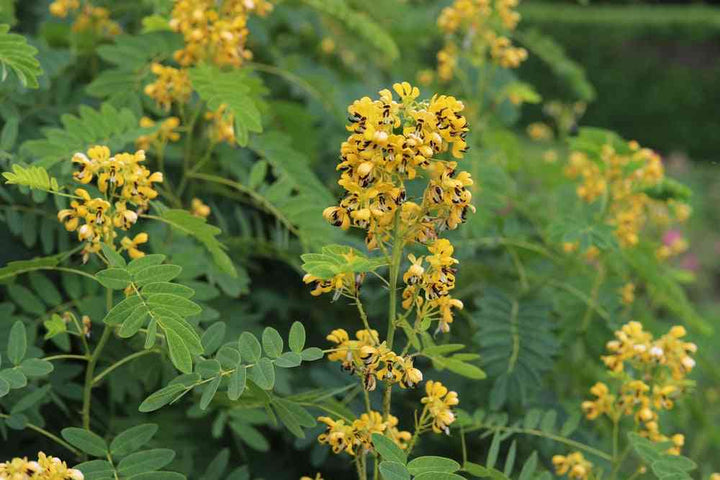
Wild Senna Seeds

Wild Senna Seeds

A bold native perennial with golden blooms and strong habitat value for butterflies, bees, and beneficial insects.

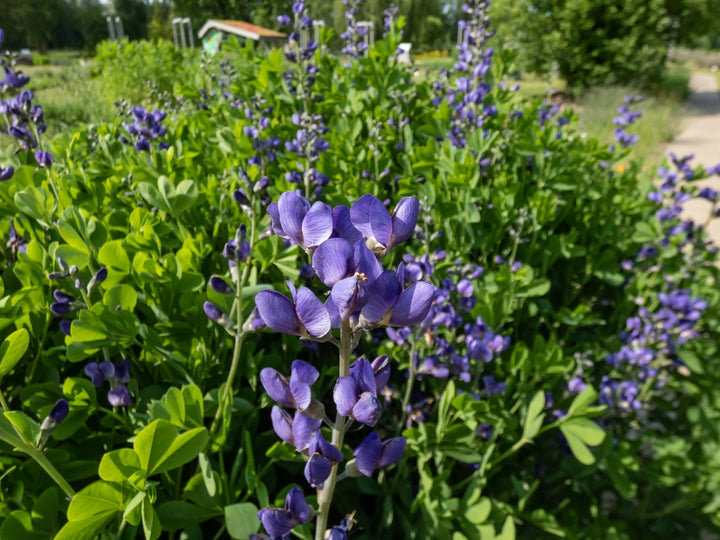
Wild Blue Indigo Seeds

Wild Blue Indigo Seeds

Long-lived native plants produce striking blue flower spikes and lasting structure for pollinator-rich perennial gardens.

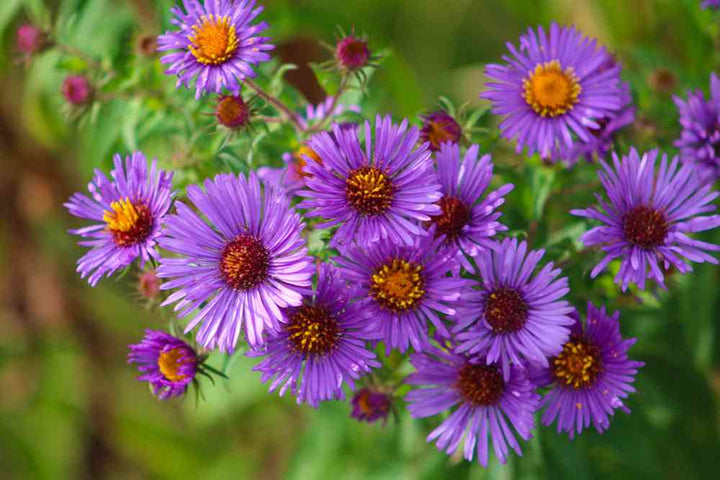
New England Aster Seeds

New England Aster Seeds

A vibrant native wildflower that delivers rich purple fall blooms and essential late-season nectar for monarchs and pollinators.

Spotted Joe Pye Weed Seeds

Spotted Joe Pye Weed Seeds

A towering native showpiece that fills late-season gardens with soft bloom clusters and nonstop pollinator activity.

Customer experience

Reviews for Leadplant Amorpha canescens Seeds

Customer Reviews

Be the first to write a review
0%
(0)
0%
(0)
0%
(0)
0%
(0)
0%
(0)