Variety field guide
What to expect from Golden Self Blanching Celery
Golden Self Blanching is a biennial celery selection grown for aromatic stems, leaves, swollen bases, or seed.
Read the complete product descriptionTraits, flavor, garden use, variety notes, and the full catalog record
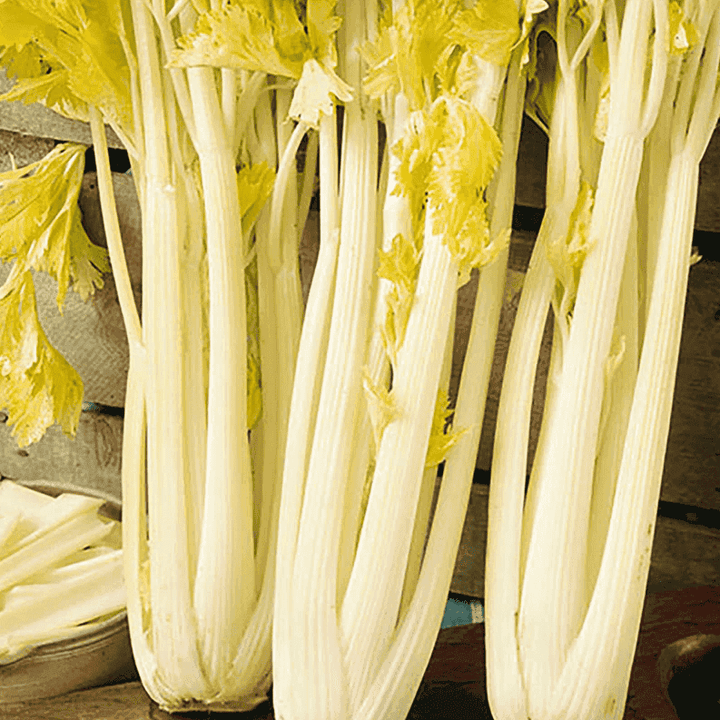
Golden Self Blanching Celery is a gardener's delight, renowned for its crisp texture and delicate, nutty flavor. This variety stands out with its striking golden stalks that naturally blanch in the sunlight, eliminating the need for laborious hilling. The plants boast a robust growth habit, producing tightly packed stalks that are both tender and succulent.
About Golden Self Blanching
Golden Self Blanching is a biennial selection of celery, with an upright/erect habit and an expected height or spread of 19–24 in. It is best suited to aromatic stems, leaves, swollen bases, or seed. Notable traits include yellow coloring; harvest the named leaf, stalk, swollen base, or mature seed stage; aromatic celery, anise, or spice notes according to crop.
Gardeners comparing named strains should evaluate Golden Self Blanching for uniformity, flavor, timing, and plant form rather than assuming another celery will perform identically.
History and provenance
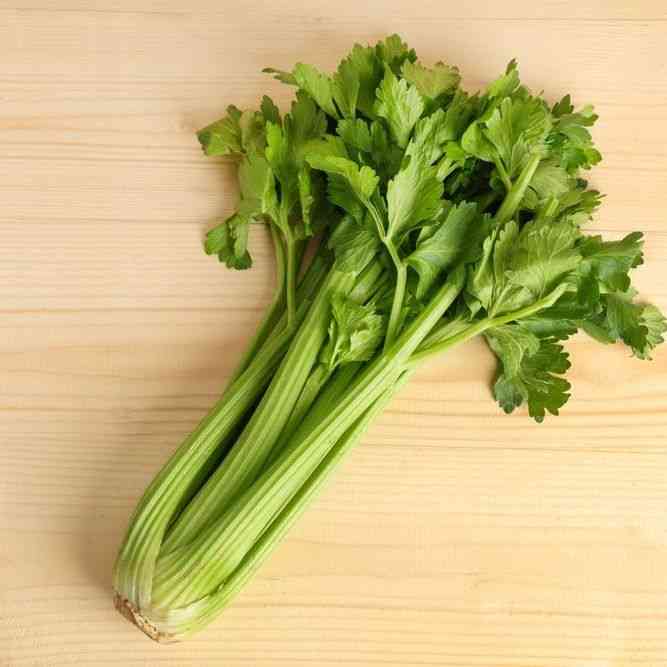
Celery, leaf celery, and celeriac belong to Apium graveolens and were selected for different edible structures: aromatic leaves, crisp stalks, or a swollen stem base. Their long season and tiny light-sensitive seed remain central to how the crop is grown. Golden Self Blanching Celery, a distinguished cultivar of Apium graveolens, traces its roots to the fertile marshlands of the Mediterranean basin, where wild celery first thrived along the brackish waters. The term \"celery\" itself originates from the ancient Greek word \"selinon,\" which was later adopted by the Romans as \"selinon\" and evolved through the ages.
Growing facts
| Scientific name | Apium graveolens L. var. dulce |
|---|---|
| Life cycle | Biennial |
| Maturity | 100-109 Days |
| Germination | 14-21 Days at 60–75 °F |
| Seed depth | Surface Sow |
| Plant height / spread | 19–24 in |
| Growth habit | Upright/Erect |
| Spacing | 8 in between plants; 24 in between rows |
| Sunlight | Full sun |
| Soil | Silt loam; pH 6.0–6.5 |
| Water | High |
| Support | No-Support |
Starting Golden Self Blanching from seed
Surface sow and keep the seed zone evenly moist. Expect emergence in 14-21 Days when the seed-zone temperature is near 60–75 °F. Germination preparation: Start in clean seed-starting mix when season length requires it, then transplant at a sturdy but not root-bound stage. Light requirement: Light required; press seed to the surface without burying. Soaking: None required. Stratification: None required. Scarification: None required.
Planting and care
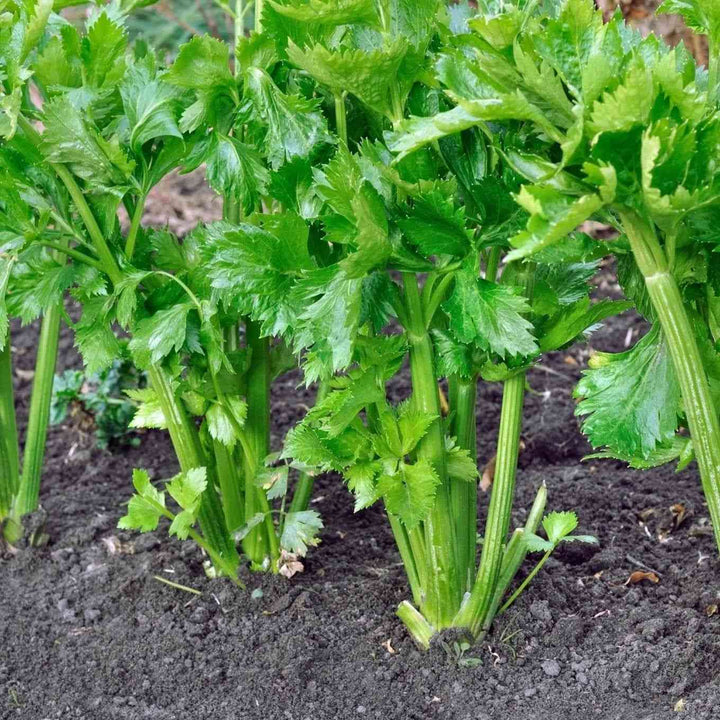
Plant during spring/Fall and provide full sun. Space plants 8 in apart with 24 in between rows. Use silt loam with a pH near 6.0–6.5, and follow a high watering plan. Support requirement: No-Support. Frost response: Semi-Hardy. Medium to large container or in-ground bed; avoid crowding
Harvest and use
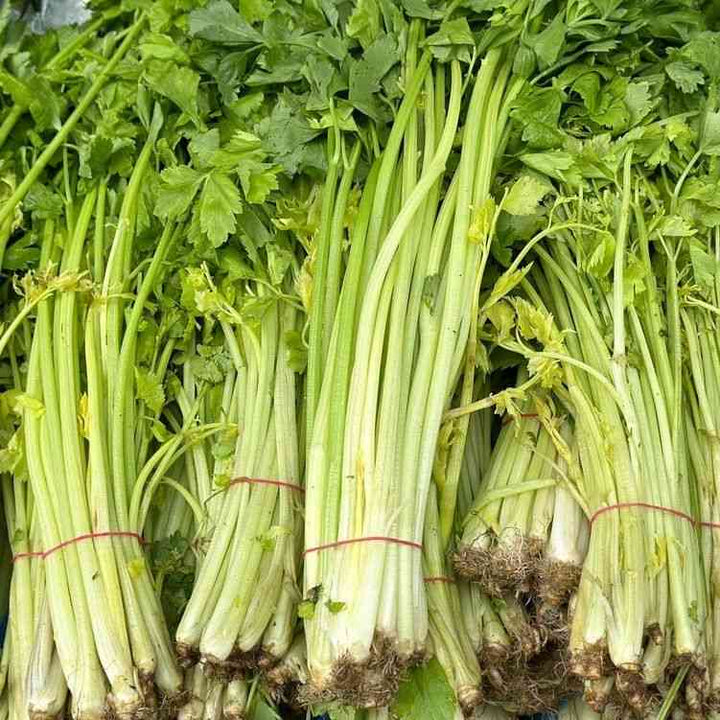
Approximately 100-109 Days, from transplanting to harvestable stalk or leaf stage. Weather, soil temperature, and planting method can shift the actual harvest date. Harvest: Harvest the named leaf, stalk, swollen base, or mature seed stage. Uses: Aromatic stems, leaves, swollen bases, or seed; kitchen use and seed saving. Flavor: aromatic celery, anise, or spice notes according to crop. Seed saving: Insect-pollinated umbel crop. Best uses include aromatic stems, leaves, swollen bases, or seed. Flavor and eating quality: aromatic celery, anise, or spice notes according to crop.
Saving seed
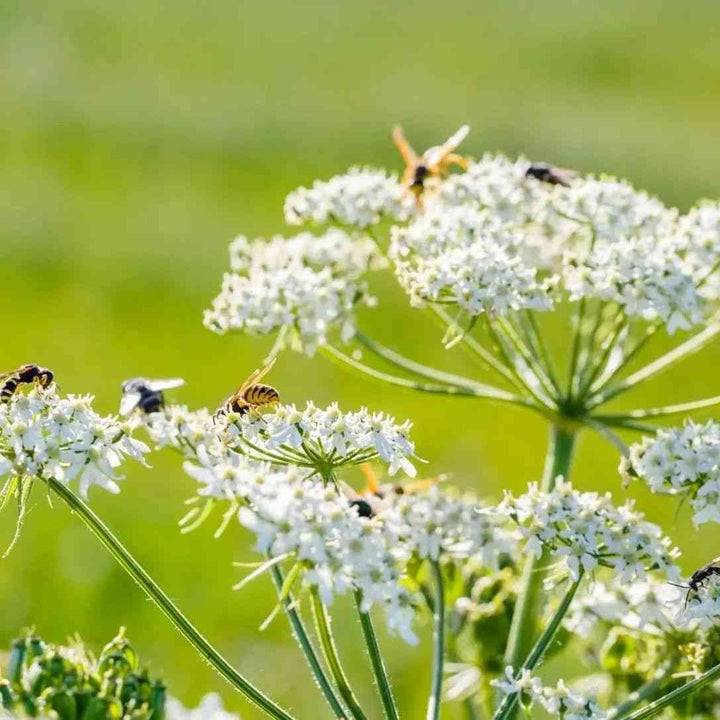
Select several healthy, true-to-type Golden Self Blanching plants that match the expected upright/erect habit and overall plant form. Avoid saving seed only from the earliest or largest individual unless that is your deliberate selection goal. Pollination system: Insect-pollinated umbel crop. Compatible plants of the same species can cross through insect activity; wild relatives matter for carrot and parsnip. Separate compatible varieties that may flower together, or use cages, barriers, hand pollination, or another documented control appropriate to the crop. Golden Self Blanching is a biennial. Seed production may require overwintering, vernalization, or more than one growing season, depending on climate and crop biology. Clean the seed carefully, dry it thoroughly away from direct heat, label the lot with variety and year, and store it cool, dark, and dry. Test germination before an important planting or distribution season.
Common problems
Common concerns: Carrot rust fly or root maggot where present, aphids, caterpillars, leaf spots, damping-off, and uneven emergence from crusted soil. Management: Use clean seedbeds, rotation, careful watering, prompt thinning, airflow, and locally appropriate exclusion methods. Diagnosis note: Similar symptoms can have different causes. Compare plants of the same age, record weather and irrigation, and use local Extension or diagnostic support before applying a control.
Frequently asked questions
Frequently Asked Questions - Golden Self Blanching
When is Golden Self Blanching ready? Use 100-109 Days. Approximately 100-109 Days, from transplanting to harvestable stalk or leaf stage. Weather, soil temperature, and planting method can shift the actual harvest date.
How long does germination take? Expect 14-21 Days at about 60–75 °F. Cooler, hotter, crusted, saturated, or dry seedbeds can slow emergence.
How large does it grow? Expect about 19–24 in with an upright/erect habit. Space plants 8 in apart and rows 24 in apart. Support: No-Support.
Can it grow in a container? Medium to large container or in-ground bed; avoid crowding Use a container with drainage and enough volume to maintain the listed spacing and steady moisture.
Can I save seed? Insect-pollinated umbel crop. Keep compatible varieties isolated and allow selected plants to reach full seed maturity.