Welcome to our store. Learn more

Free U.S. seed shipping $25+. Seeds ship free at the threshold.

Current Processing Times Before Shipping Are 1-2 Business Days

25% OFF Heirloom seed packets are $1.50, regularly $2.00. Seed packets only · sale price already applied · carries into checkout · coupon codes do not combine. Shop the sale →

Little Finger Eggplant Seeds

Scientific name Solanum melongena

About this variety

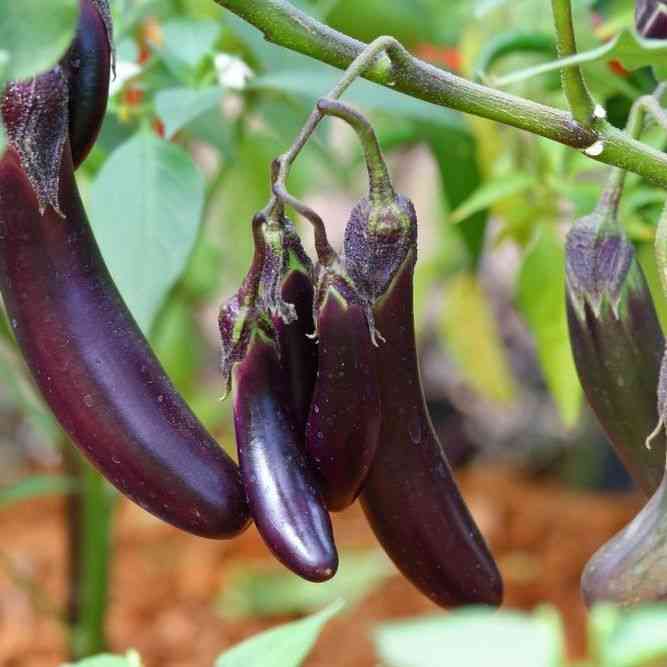
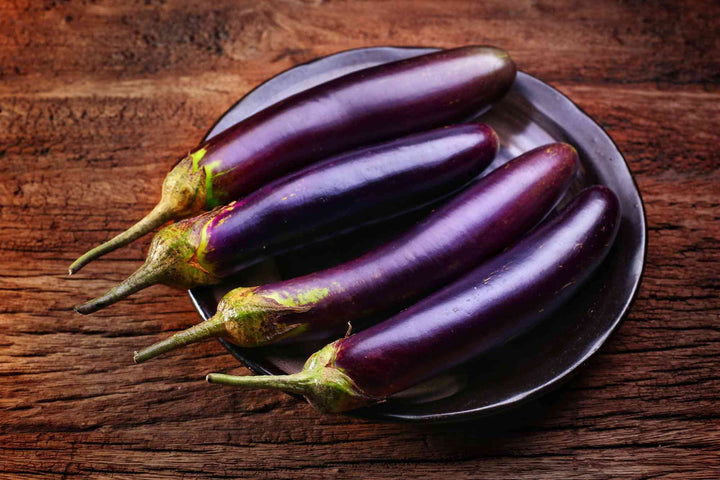
Introducing the Little Finger Eggplant, a compact and prolific variety that thrives in both garden beds and containers. This cultivar is known for its slender fruits, which typically reach 4 to 6 inches in length. The glossy, deep purple skin encases a tender, mild-flavored flesh, making it a versatile choice for a range of culinary applications. With a...

Continue with the complete description
$150 USD $200
25% OFF
Heirloom seed packet sale

$1.50, regularly $2.00. The sale price is already applied and carries into checkout. No code is needed. Coupon codes do not combine with this offer.

Pickup available at Bertie County Seeds

Usually ready in 2-4 days

At a glance

The facts most gardeners need first

View the full variety record
30 minimum seeds per packet
Gardener experience

Moderate

Germination difficulty

Easy to moderate

Germination time

7–14 Days at 75–90 °F seed-zone soil temperature

  • Germination
    7–14 Daysa seed-zone soil temperature of 75–90 °F
  • Maturity
    60-69 Days
  • Sun
    Full sun
  • Support and spacing
    Stake recommended · space 18 in · rows 36 in
  • Growth habit
    Bush · Annual · 25–30 in tall
  • Best use
    warm-season kitchen gardens, supported plants, fresh harvest, and preserving
Secure checkout Details
Generic
Triple-tested seed qualityRegular quality and germination checks support every packet.

We regularly test seed quality and germination as lots move through storage and packing. We stand behind the seed we send and want customers to contact us when a packet does not perform as reasonably expected.

1-year seed warrantyCoverage begins on the date of purchase.

When properly stored, planted, and cared for, we guarantee reasonable germination and true-to-type growth for one year from the date of purchase. Conditions outside our control—including extreme weather, pests, unsuitable storage, and gardener error—are excluded. Contact us when something is not right so we can review the situation and work toward a replacement, refund, or another fair resolution.

Non-GMO / BE seed policyWe do not buy or sell genetically engineered or bioengineered seed.

Every seed variety we sell is non-GMO.

USDA’s National Bioengineered Food Disclosure Standard defines bioengineered foods as containing detectable genetic material modified through in vitro recombinant DNA methods in ways not achievable through conventional breeding or found in nature.

  • Hybrid means parent lines were conventionally crossed; hybrid does not mean GMO.
  • Heirloom and open-pollinated describe how a variety is maintained and reproduced.
  • Organic certification is separate and is shown only when verified for the individual product.
Packed in Colerain, North CarolinaPrepared in our seed room for gardens across the country.

Seeds are packed and shipped from Colerain, North Carolina. Our packets use forestry-certified paper, and we use recyclable paper mailers where appropriate. AONSK is also a 1% for the Planet partner while continuing to reduce waste in packing and fulfillment.

Garden tools

Need a plan for your space?

Use the garden-fit planner and soil calculator to turn the recorded growing facts into a practical plan.

Open garden tools Uses this product’s recorded growing information. Local weather and garden conditions may vary.

Variety field guide

What to expect from Little Finger Eggplant Seeds

Little Finger Eggplant Seeds produce tiny but mighty,Little Finger Eggplants deliver tender, sweet bites perfect for gourmet grilling and savory stir-fries.

Read the complete product descriptionTraits, flavor, garden use, variety notes, and the full catalog record

Introducing the Little Finger Eggplant, a compact and prolific variety that thrives in both garden beds and containers. This cultivar is known for its slender fruits, which typically reach 4 to 6 inches in length. The glossy, deep purple skin encases a tender, mild-flavored flesh, making it a versatile choice for a range of culinary applications. With a bushy growth habit, the plant achieves a modest height, allowing for easy harvesting.

Expect a bountiful yield from this early-maturing eggplant, ready to harvest approximately 65 days from transplanting. The Little Finger Eggplant's fruit is best picked young for optimal texture and flavor, perfect for grilling, sautéing, or adding to your favorite stir-fry. Its resilient nature makes it a reliable choice for novice and experienced gardeners alike.

The Little Finger Eggplant's ability to produce abundantly in smaller spaces makes it an excellent choice for urban gardening. Its attractive foliage and compact size also make it a decorative addition to patios and balconies. Whether you're looking to expand your garden's variety or add a new dimension to your cooking, the Little Finger Eggplant offers flavor and convenience in one neat package.

Minimum Seed Count: 30 seeds
Garden toolsOpen the garden-fit planner, planting-window questions, or soil calculator only when useful

Uses this product’s recorded growing information. Local weather, soil, and garden conditions may vary.

Garden-fit planning for this variety

Will Little Finger Eggplant Seeds fit your garden?

Use your space, timing, light, soil, water, and growing preferences to make a more informed choice.

Questions for this garden seed
Seed-starting fit and patience
Recorded product profileSome experience is helpfulStraightforwardRead why
Soil test, pH, drainage, and amendment calculator Have a laboratory soil report? Enter pH, nutrients, texture, bed size, and site observations here. Open soil tools
Recorded soil typeLoamy
Recorded pH range6.0–6.5
Water needsModerate
LightFull sun

Use a current laboratory soil test

Soil-test interpreter

Compare your report with this product's listed pH target: 6.0–6.5.

This tool interprets values you enter; it does not replace laboratory or Cooperative Extension amendment rates. Soil test methods and nutrient recommendations vary by region.

Full growing record

Complete growing and seedkeeping record

Starting and plantingSeed preparation, sowing, germination, transplanting, spacing, and early establishment
How to sow and plant Eggplant: plant in prepared, well-drained soil after the recommended seasonal window for your area. Keep the seedbed evenly moist during germination, thin seedlings to the listed spacing, and mulch established plants to conserve soil moisture.
Season-long growing guideWater, fertility, support, weather response, pollination, containers, and care through maturity
Little Finger eggplant (Solanum melongena) grows best in warm summer conditions with full sun, fertile soil, and consistent moisture. Once plants are established in the garden after transplanting, steady care helps them grow vigorously and produce large numbers of slender fruits throughout the season. Because this variety produces many small eggplants rather than a few large ones, proper nutrition and consistent harvesting help maintain strong production.

Sunlight

Little Finger eggplants require full sun for best growth and fruit development. Plants should receive at least 6–8 hours of direct sunlight daily, though longer exposure to sunlight usually results in stronger plants and heavier fruit production.

Plants grown in partial shade may produce fewer flowers and slower fruit development.

Temperature

Eggplants are heat-loving plants that grow best when daytime temperatures remain between 70–85°F. Warm soil helps the plants develop strong root systems and encourages steady growth.

Growth slows when temperatures drop below 55°F, and plants may struggle in prolonged cool weather. Warm summer conditions allow Little Finger eggplants to thrive and produce continuously.

Soil Fertility

Little Finger eggplants perform best in rich, well-drained soil that contains plenty of organic matter. Adding compost before planting improves soil structure and provides nutrients that support healthy plant growth.

During the growing season, plants may benefit from occasional feeding with a balanced vegetable fertilizer or compost side-dressing once flowering begins. Avoid excessive nitrogen fertilization, which can cause heavy leaf growth with fewer fruits.

Watering

Consistent watering is important for eggplants. Water plants deeply whenever the top inch of soil begins to dry. Eggplants prefer evenly moist soil, but overly wet soil should be avoided.

Watering at the base of the plant rather than overhead helps reduce the risk of fungal diseases and keeps foliage dry.

Mulching

Applying mulch around the base of the plant helps conserve moisture and suppress weeds. Organic mulches such as straw, shredded leaves, or compost are commonly used.

Mulch also helps regulate soil temperature and reduces soil splash that can spread certain plant diseases.

Pollination and Fruit Set

Eggplant flowers are typically self-pollinating, but bees and other pollinators can help improve fruit set by transferring pollen between flowers. Healthy plants in warm conditions usually produce flowers steadily once established.

Little Finger eggplants tend to set fruit easily and may produce clusters of small eggplants along the plant.

Harvesting

Harvest fruits when they are small, glossy, and firm, typically around 3–5 inches long. At this stage the flesh is tender and the seeds are still soft.

Frequent harvesting encourages plants to continue producing new flowers and fruits. Leaving fruits on the plant too long may slow further production.

Use a sharp knife or pruners to cut fruits from the plant while leaving a small portion of the stem attached.

Continued Production

Little Finger eggplants are known for their heavy and continuous production once plants begin fruiting. With warm temperatures, good soil fertility, and regular harvesting, plants can continue producing eggplants for many weeks throughout the summer growing season.
Harvest, storage, and usesRecognizing maturity, harvesting cleanly, handling and storage, kitchen uses, and garden roles

Uses and garden roles

Uses and benefits of Eggplant: grow for home gardens, seedkeeping, fresh harvests, culinary use, and biodiversity in the garden. Exact use depends on the variety and harvest stage.
Seed savingSelection, pollination, isolation, full maturity, cleaning, drying, labeling, and storage
Seed saving for Eggplant: select healthy, true-to-type plants, allow seed to mature fully before harvest, dry seed thoroughly, and store in a cool, dry, labeled container. Isolate varieties as needed to prevent unwanted crossing.
Pests, diseases, and troubleshootingPrevention, diagnosis, environmental disorders, common damage, and first-response checks
Little Finger eggplant (Solanum melongena) is generally a productive and manageable eggplant variety, especially valued for its compact growth and heavy fruit set. Like other members of the nightshade family, however, it can be affected by several common garden pests and diseases. Maintaining healthy soil, proper plant spacing, and consistent watering helps reduce the likelihood of serious problems.

Flea Beetles

Flea beetles are one of the most common pests affecting eggplants, particularly early in the season when plants are still small. These tiny jumping beetles chew small round holes in leaves, giving the foliage a “shotgun” appearance.

Young plants are most vulnerable, and severe feeding can slow early growth.

Organic control methods include:

• using floating row covers early in the season
• dusting plants with diatomaceous earth
• applying neem oil or insecticidal soap
• encouraging beneficial insects that prey on flea beetles

Once plants become larger and stronger, they are usually able to tolerate moderate flea beetle damage.

Aphids

Aphids are small sap-feeding insects that gather on leaf undersides and tender new growth. They weaken plants by extracting plant sap and may leave behind sticky honeydew that attracts ants and encourages sooty mold growth.

Signs of aphid activity include:

• curled or distorted leaves
• sticky residue on foliage
• clusters of small insects on stems or leaves

Organic control options include:

• spraying plants with a strong stream of water
• applying insecticidal soap
• encouraging natural predators such as lady beetles and lacewings

Spider Mites

Spider mites are tiny pests that thrive in hot, dry conditions. They feed by puncturing plant cells and sucking out fluids, which causes leaves to develop pale speckling and eventually yellow or dry.

Heavy infestations may produce fine webbing along stems and leaves.

Management methods include:

• regularly rinsing foliage with water
• applying neem oil or insecticidal soap
• maintaining healthy soil moisture to reduce plant stress

Colorado Potato Beetles

Although more commonly associated with potatoes, Colorado potato beetles will also feed on eggplants. Both adult beetles and their larvae chew foliage and may quickly defoliate plants if left unchecked.

Control methods include:

• hand-picking beetles and larvae
• removing egg clusters found on leaf undersides
• applying organic biological treatments such as Bacillus thuringiensis (Bt) or spinosad

Verticillium Wilt

Verticillium wilt is a soil-borne fungal disease that can affect eggplants. Symptoms often include yellowing leaves, wilting, and reduced plant vigor even when soil moisture is adequate.

Preventative practices include:

• rotating crops each season
• planting in well-drained soil
• avoiding planting eggplants where other nightshades previously grew

Removing infected plants helps prevent the disease from spreading.

Blossom Drop

Eggplant flowers may occasionally drop before forming fruit. This condition is often caused by environmental stress, especially when temperatures are too cool or excessively hot.

Consistent watering, healthy soil fertility, and warm growing conditions help encourage better fruit set.

Sunscald

Sunscald occurs when developing fruits are exposed to intense sunlight after foliage damage or heavy pruning. Affected fruits may develop pale or tough patches.

Maintaining healthy foliage helps protect developing eggplants from excessive sun exposure.

Preventative Care

The best way to prevent pest and disease problems is maintaining strong plant health. Helpful practices include:

• planting eggplants in full sun
• spacing plants to improve airflow
• watering consistently at the base of the plant
• adding compost or organic matter to soil
• rotating crops annually to reduce soil-borne disease pressure

With proper care, Little Finger eggplants typically grow vigorously and produce abundant clusters of tender, flavorful fruits throughout the warm growing season.
Frequently asked questionsDecision-focused answers that supplement the detailed guides above
What is Little Finger eggplant?

Little Finger eggplant (Solanum melongena) is a compact eggplant variety known for producing slender, glossy purple fruits that resemble the size and shape of a finger. This variety is valued for its early production, tender skin, and mild flavor. The plants remain relatively compact while producing numerous small eggplants that are ideal for quick cooking and frequent harvesting.

How large do Little Finger eggplants grow?

Little Finger eggplants typically grow 3–5 inches long and about 1 inch wide when harvested at their ideal stage. The plants themselves usually reach 24–30 inches tall, forming bushy plants that fit well in raised beds, traditional gardens, and large containers.

How long does Little Finger eggplant take to mature?

Little Finger eggplants generally mature in about 60–70 days after transplanting, making them one of the earlier eggplant varieties available to home gardeners. Because the plants produce many small fruits, harvest can continue steadily throughout the growing season.

What does Little Finger eggplant taste like?

Little Finger eggplants have a mild, slightly sweet flavor with very little bitterness. The thin skin and tender flesh make them especially good for quick cooking methods where the fruit softens easily without becoming mushy.

When should Little Finger eggplants be harvested?

Harvest fruits when they are small, glossy, and firm, usually around 3–5 inches long. Smaller fruits tend to have the best flavor and the fewest developed seeds. Frequent harvesting encourages the plant to continue producing new fruits.

Can Little Finger eggplants be grown in containers?

Yes. Because of their compact plant size, Little Finger eggplants grow very well in large containers. A container holding 5 gallons or more of soil works best and should be placed in a location that receives full sunlight.

Do Little Finger eggplants require support?

In most cases, Little Finger eggplants do not require heavy support because the fruits are relatively small and lightweight. However, using a small stake or cage can help keep plants upright if they become heavily loaded with fruit.

Do eggplants require warm weather to grow?

Yes. Eggplants are heat-loving plants that grow best in warm summer weather. Daytime temperatures between 70–85°F encourage strong growth and steady fruit production.

Can seeds be saved from Little Finger eggplants?

Yes. Little Finger eggplant is typically open-pollinated, which means seeds can be saved and replanted in future seasons while maintaining the variety’s characteristics if grown without cross-pollination from other eggplant varieties.

Why are my eggplant flowers falling off?

Flower drop may occur if plants experience temperature stress, drought, or poor pollination. Maintaining consistent watering, healthy soil, and warm growing conditions usually improves fruit set.
History and provenanceBotanical identity, cultivar history, regional or cultural context, uncertainty, and source records

Scientific name: Solanum melongena

Little Finger Eggplant, the slender and elegant variety of Solanum melongena, traces its roots to the fertile plains and bustling markets of Southeast Asia. Its name, evocative of its delicate size and shape, speaks to its unique form: slender, elongated fruits that fit comfortably in the palm, much like a child's finger. Some suggest the name reflects the plant's ability to weave its way into diverse culinary traditions, while others see it as a nod to the tender care required to cultivate such a refined vegetable.For generations, Little Finger Eggplant has been a staple in Asian kitchens, cherished not only for its mild, sweet flavor but also for its versatility and nutritional benefits. Home cooks often slice it into stir-fries, grill it to perfection, or pickle it to preserve its bounty. In traditional medicine, the eggplant is lauded for its cooling properties, believed to balance the body's heat during sweltering summers. In rural communities, the plant's resilience and prolific yield make it a favored crop among smallholder farmers, who prize it for both sustenance and trade.Though it thrived in its native lands for centuries, the Little Finger Eggplant captured the attention of Western gardeners and chefs in the late 20th century, as global cuisine became more adventurous and diverse. Its compact size and prolific nature made it an ideal choice for urban gardens and small plots, while its delicate flavor profile inspired culinary creativity. As interest in heirloom and specialty vegetables grew, the Little Finger Eggplant found its place in gourmet kitchens and farmer's markets worldwide.Botanically, Little Finger Eggplant is a testament to the rich diversity within the Solanaceae family. Genetic studies highlight its close relationship with other Asian eggplant varieties, yet it stands out for its distinctive morphology and growth habit. This variety's adaptability to different climates and soils underscores its agricultural importance and potential for sustainable farming practices.While new cultivars and hybrids continue to emerge, the Little Finger Eggplant remains a beloved classic: a vegetable that bridges the gap between tradition and innovation. It is the eggplant that embodies elegance and simplicity, appearing in everything from home-cooked meals to high-end restaurant menus.Yet in its homeland, the Little Finger Eggplant is more than just a culinary delight. It is a cultural artifact, deeply entwined with the agricultural heritage and culinary practices of Southeast Asia. To grow the Little Finger Eggplant today is to engage in a legacy that spans continents and centuries, honoring both the ancestral farmers who first nurtured its growth and the modern gardeners who continue to celebrate its charm and versatility.

Continue planning

Related products, collections, and growing guides

Explore the full collection
Heirloom Eggplant Seeds for Home GardensExplore the full collection →
Little Fingers Eggplant Seeds

Little Fingers Eggplant Seeds

Little Fingers Eggplant seeds grow into bush plants about 25–30 in, bearing purple About 4–7 in slender fruit.

Thai Long Green Eggplant Seeds

Thai Long Green Eggplant Seeds

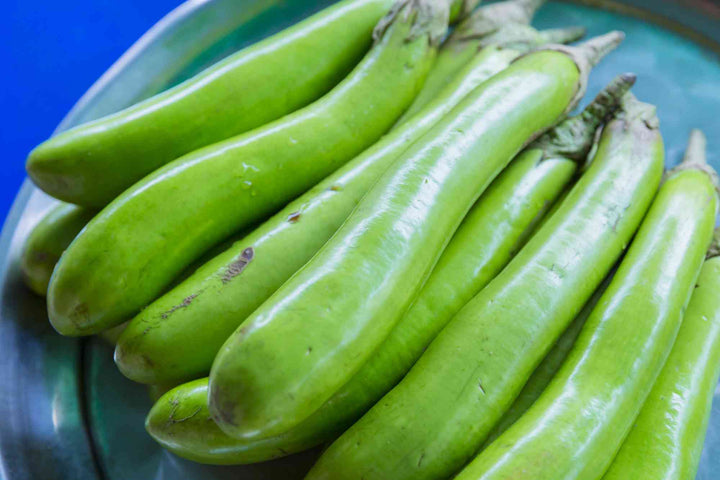
Thai Long Green Eggplant seeds grow into bush plants about 31–36 in, bearing green fruit or pods whose size varies with the maintained seed lo...

Rosa Bianca Eggplant Seeds

Rosa Bianca Eggplant Seeds

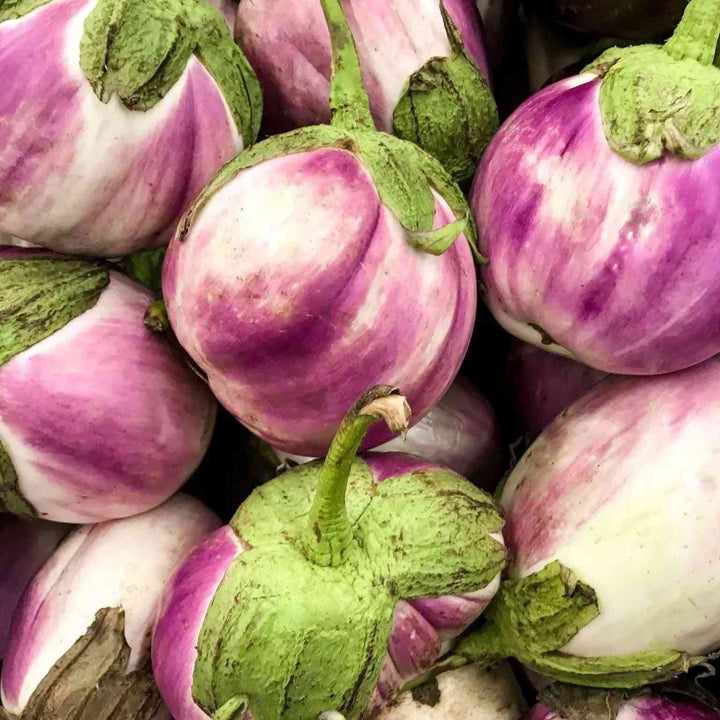
Rosa Bianca Eggplant seeds grow into bush plants about 31–36 in, bearing pink About 4–6 in rounded to oval fruit.

Casper White Eggplant Seeds

Casper White Eggplant Seeds

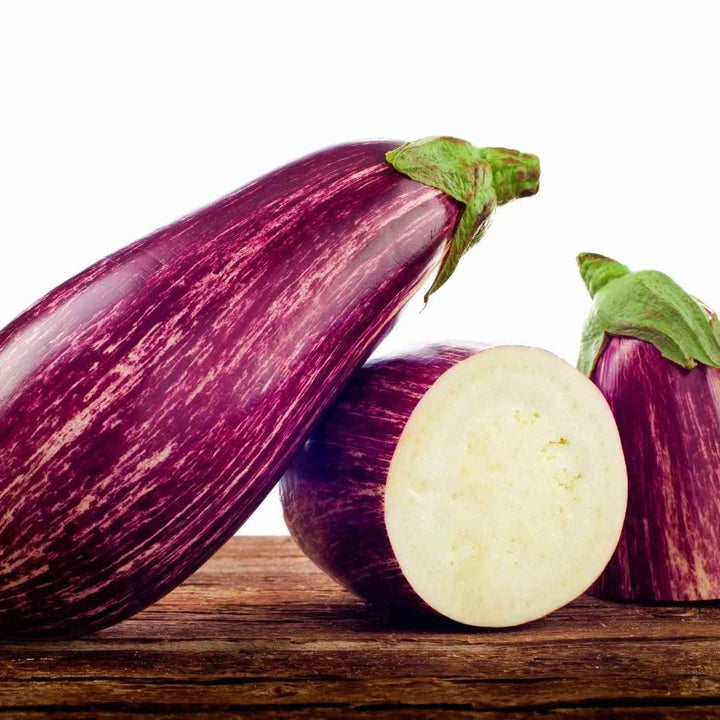
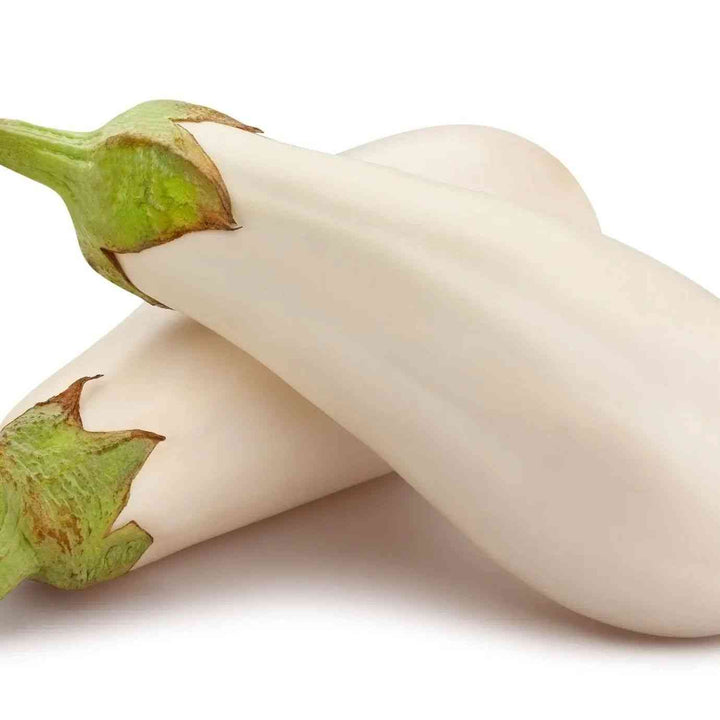
Casper White Eggplant seeds grow into bush plants about 31–36 in, bearing white About 5–6 in ivory fruit.

Customer experience

Reviews for Little Finger Eggplant Seeds

Customer Reviews

Be the first to write a review
0%
(0)
0%
(0)
0%
(0)
0%
(0)
0%
(0)