Variety field guide
What to expect from Castelfranco Chicory
Castelfranco is an annual leaf chicory selection grown for salad leaves, cooking greens, forcing or blanching where appropriate, and seed saving.
Open the complete descriptionHide the complete descriptionVariety traits, flavor, garden use, and the complete description
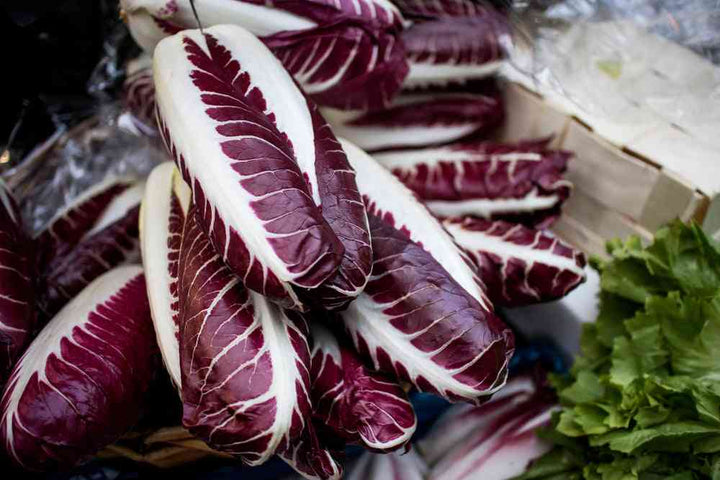
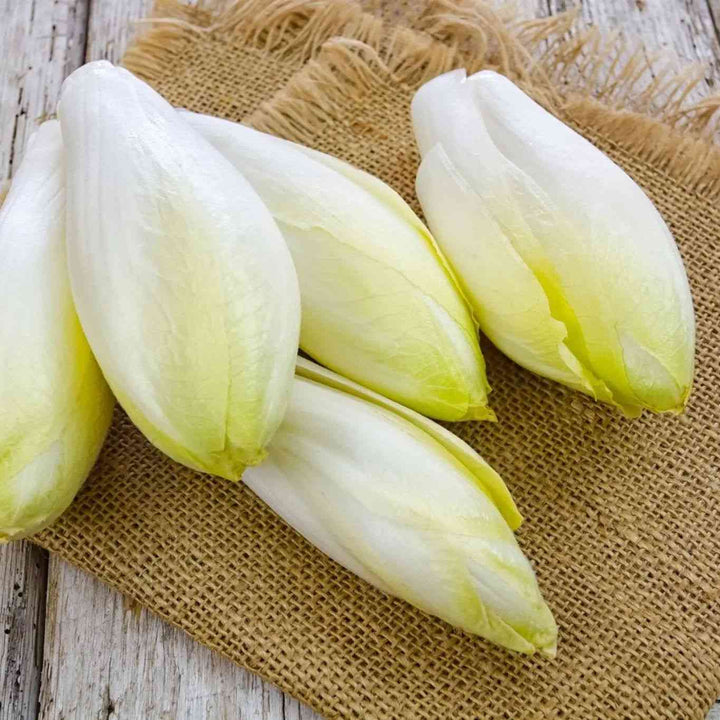
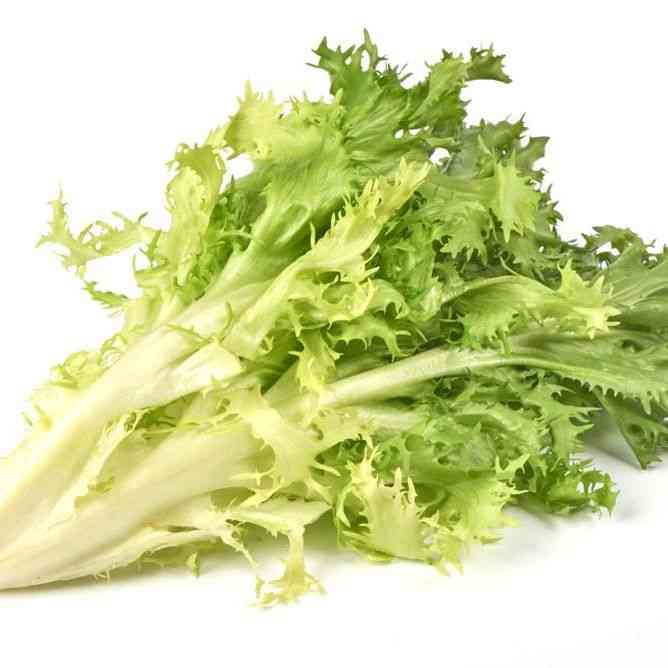
Endive Seeds - Castelfranco brings a touch of elegance to your garden with their unique and striking appearance. Known for its creamy white leaves speckled with deep red, this Italian heirloom variety offers a delightful visual contrast. Renowned for its mild, nutty taste with a hint of bitterness, Castelfranco endive is a versatile ingredient in the kitchen.
Minimum seeds per packet: 300 seeds.
About Castelfranco
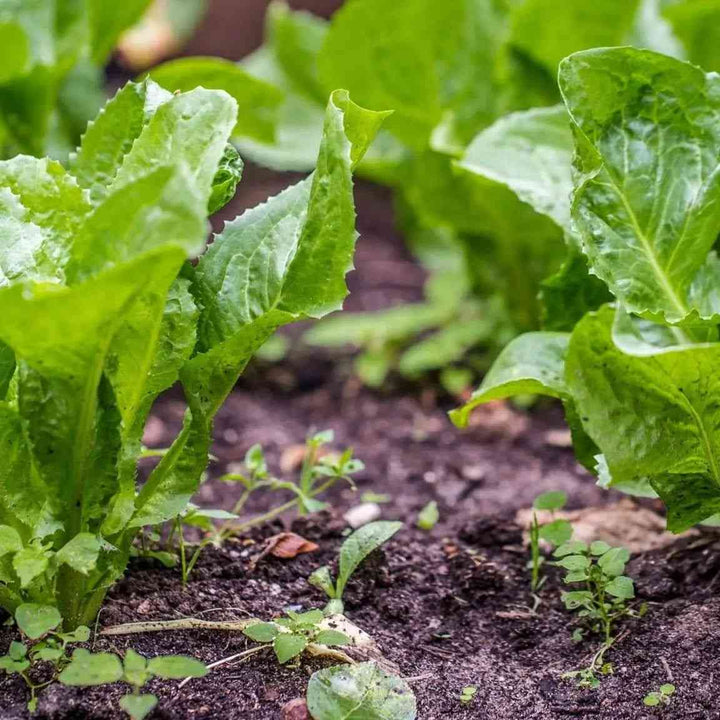
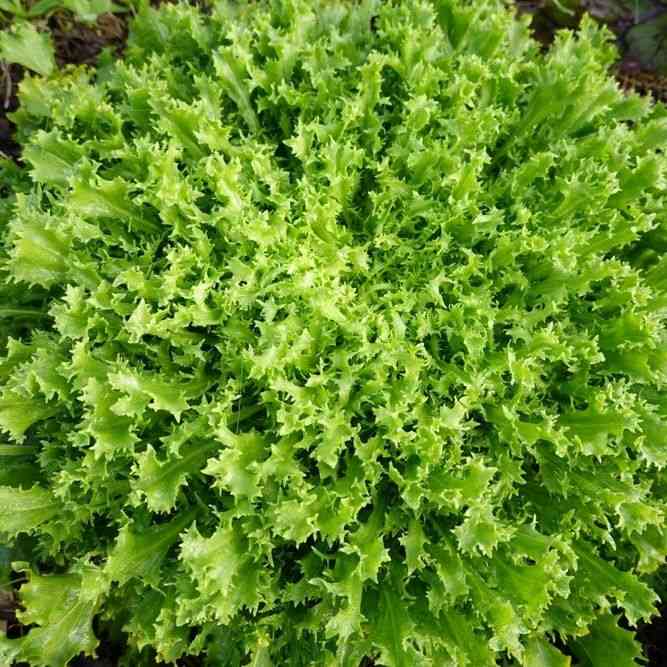
Castelfranco is an annual selection of leaf chicory, with a rosette habit and an expected height or spread of 13–18 in. It is best suited to salad leaves, cooking greens, forcing or blanching where appropriate, and seed saving. Notable traits include harvest leaves or heads at the intended market stage; forcing types need separate handling; pleasant bitterness balanced by crisp texture.
When growing Castelfranco, judge the whole planting for trueness to type instead of selecting conclusions from one unusually large or early plant.
History and provenance
Leafy greens have been selected for rosette form, head type, color, texture, bitterness, season, and bolt resistance. Mixtures and market classes should not be given a single invented pedigree, and forcing chicory, endive, lettuce, and spinach remain botanically distinct crops. Endive Seeds - Castelfranco, the speckled jewel of Italian chicories, emerges from the fertile fields of the Veneto region in Northern Italy. The name Castelfranco is derived from the town of Castelfranco Veneto, where this exquisite variety is said to have originated. Known for its striking appearance, the leaves of Castelfranco are pale cream with burgundy speckles, resembling a painter's canvas. This visual allure is matched by its mild, nutty flavor, making it a prized ingredient in Italian cuisine.For generations, Castelfranco has been a staple in the Veneto region, celebrated not only for its culinary versatility but also for its nutritional benefits. Local chefs incorporate its tender leaves into salads, often pairing it with citrus or balsamic to balance its slight bitterness. Beyond the plate, Castelfranco has been valued for its digestive properties, used traditionally to stimulate appetite and aid digestion. Radicchio types color and head best under cool conditions and should not be described as ordinary green endive.
Growing facts
| Scientific name | Cichorium intybus L. |
|---|---|
| Life cycle | Annual |
| Maturity | 80-89 Days |
| Germination | 5-10 Days at 50–65 °F |
| Seed depth | 1/4 in |
| Plant height / spread | 13–18 in |
| Growth habit | Rosette |
| Spacing | 8 in between plants; 18 in between rows |
| Sunlight | Full sun |
| Soil | Loamy; pH 6.0–6.5 |
| Water | Moderate |
| Support | No-Support |
Starting Castelfranco from seed
Sow 1/4 in deep and keep the seed zone evenly moist. Expect emergence in 5-10 Days when the seed-zone temperature is near 50–65 °F. Germination preparation: Use a fine, evenly moist seed-starting mix or prepared seedbed. Light requirement: Cover evenly to 1/4 in. Soaking: None required. Stratification: None required. Scarification: None required.
Planting and care
Plant during spring and provide full sun. Space plants 8 in apart with 18 in between rows. Use loamy with a pH near 6.0–6.5, and follow a moderate watering plan. Support requirement: No-Support. Frost response: Semi-Hardy. Good container fit with drainage, even moisture, and the listed spacing
Harvest and use
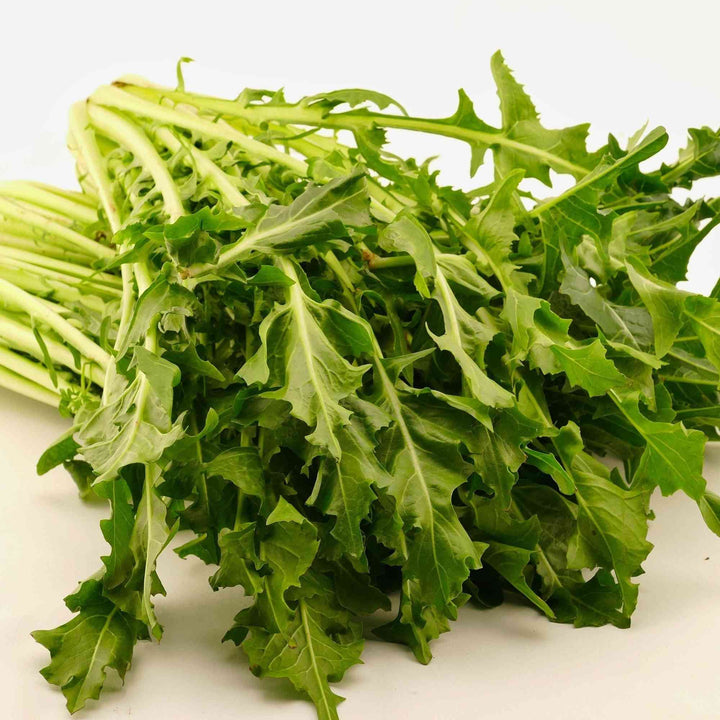
Approximately 80-89 Days, from direct sowing or transplanting to the listed leaf or head stage. Weather, soil temperature, and planting method can shift the actual harvest date. Harvest: Harvest leaves or heads at the intended market stage; forcing types need separate handling. Uses: Salad leaves, cooking greens, forcing or blanching where appropriate, and seed saving. Flavor: pleasant bitterness balanced by crisp texture. Seed saving: Open-pollinated herb or leafy crop. Best uses include salad leaves, cooking greens, forcing or blanching where appropriate, and seed saving. Flavor and eating quality: pleasant bitterness balanced by crisp texture.
Saving seed
Select several healthy, true-to-type Castelfranco plants that match the expected rosette habit and overall plant form. Avoid saving seed only from the earliest or largest individual unless that is your deliberate selection goal. Pollination system: Open-pollinated herb or leafy crop. Compatible plants of the same species may cross to varying degrees through insects or wind. Separate compatible varieties that may flower together, or use cages, barriers, hand pollination, or another documented control appropriate to the crop. Allow selected plants to pass the eating stage and reach full botanical seed maturity. Harvest only when seed heads, pods, or fruits have matured enough for sound seed development. Clean the seed carefully, dry it thoroughly away from direct heat, label the lot with variety and year, and store it cool, dark, and dry. Test germination before an important planting or distribution season.
Common problems
Common concerns: Aphids, slugs, leaf miners, caterpillars, damping-off, bottom rot, and premature bolting under stress. Management: Use clean beds, even moisture, spacing for airflow, crop rotation, and harvest before heat or crowding lowers quality. Diagnosis note: Similar symptoms can have different causes. Compare plants of the same age, record weather and irrigation, and use local Extension or diagnostic support before applying a control.
Frequently asked questions
Frequently Asked Questions - Castelfranco
When is Castelfranco ready? Use 80-89 Days. Approximately 80-89 Days, from direct sowing or transplanting to the listed leaf or head stage. Weather, soil temperature, and planting method can shift the actual harvest date.
How long does germination take? Expect 5-10 Days at about 50–65 °F. Cooler, hotter, crusted, saturated, or dry seedbeds can slow emergence.
How large does it grow? Expect about 13–18 in with a rosette habit. Space plants 8 in apart and rows 18 in apart. Support: No-Support.
Can it grow in a container? Good container fit with drainage, even moisture, and the listed spacing Use a container with drainage and enough volume to maintain the listed spacing and steady moisture.
Can I save seed? Open-pollinated herb or leafy crop. Keep compatible varieties isolated and allow selected plants to reach full seed maturity.