Welcome to our store. Learn more

Free U.S. seed shipping $25+. Seeds ship free at the threshold.

Current Processing Times Before Shipping Are 1-2 Business Days

25% OFF Heirloom seed packets are $1.50, regularly $2.00. Seed packets only · sale price already applied · carries into checkout · coupon codes do not combine. Shop the sale →

Dipper Long Handle Ornamental gourd Seeds

Scientific name Lagenaria siceraria (Molina) Standl.

About this variety

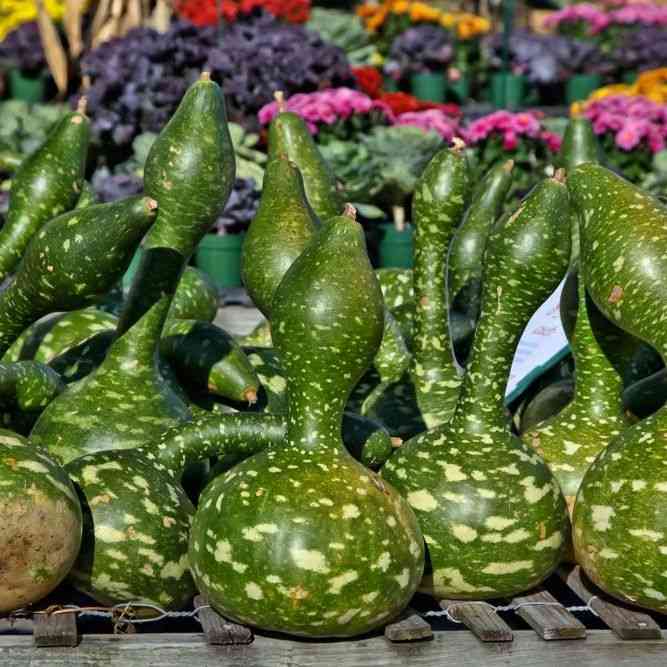
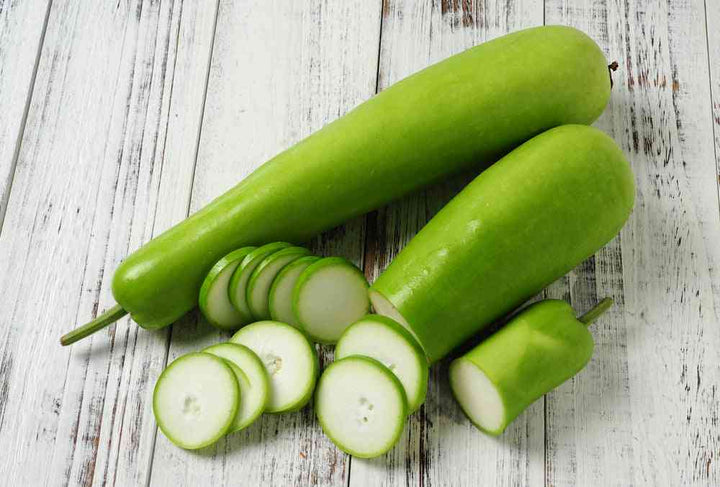
Dipper Long Handle Ornamental gourd seeds produce green ornamental gourd, 18 inches, on vining/climbing plants. It is best suited to productive warm-season beds, trellises or sprawling vines, kitchen use, and seed saving. grown chiefly for form, rind color, drying, and craft use Dipper Long Handle Gourd Seeds produce traditional heirloom gourd with long necks, great for ladles, birdhouses,...

Continue with the complete description
$150 USD $200
25% OFF
Heirloom seed packet sale

$1.50, regularly $2.00. The sale price is already applied and carries into checkout. No code is needed. Coupon codes do not combine with this offer.

At a glance

The facts most gardeners need first

View the full variety record
10 minimum seeds per packet
  • Germination7-10 Days days · 75–90 °F
  • Maturity110-119 Days · 110-119 Days from warm direct sowing or equivalent established transplant
  • SunFull sun
  • Support & spacingTrellis · space 24 in · rows 72 in
  • Growth habitVining/Climbing · Annual · 97–120 in tall
  • Best useproductive warm-season beds, trellises or sprawling vines, kitchen use, and seed saving
Secure checkout Details
Generic
Triple-tested seed qualityRegular quality and germination checks support every packet.

We regularly test seed quality and germination as lots move through storage and packing. We stand behind the seed we send and want customers to contact us when a packet does not perform as reasonably expected.

1-year seed warrantyCoverage begins on the date of purchase.

When properly stored, planted, and cared for, we guarantee reasonable germination and true-to-type growth for one year from the date of purchase. Conditions outside our control—including extreme weather, pests, unsuitable storage, and gardener error—are excluded. Contact us when something is not right so we can review the situation and work toward a replacement, refund, or another fair resolution.

Non-GMO / BE seed policyWe do not buy or sell genetically engineered or bioengineered seed.

Every seed variety we sell is non-GMO.

USDA’s National Bioengineered Food Disclosure Standard defines bioengineered foods as containing detectable genetic material modified through in vitro recombinant DNA methods in ways not achievable through conventional breeding or found in nature.

  • Hybrid means parent lines were conventionally crossed; hybrid does not mean GMO.
  • Heirloom and open-pollinated describe how a variety is maintained and reproduced.
  • Organic certification is separate and is shown only when verified for the individual product.
Packed in Colerain, North CarolinaPrepared in our seed room for gardens across the country.

Seeds are packed and shipped from Colerain, North Carolina. Our packets use forestry-certified paper, and we use recyclable paper mailers where appropriate. AONSK is also a 1% for the Planet partner while continuing to reduce waste in packing and fulfillment.

Seed-starting profileDifficulty, preparation, reliability, and timing Open

Seed success profile

Gardener experience Some experience is helpful
Germination difficulty Straightforward in the recorded warm temperature range
Preparation before sowing
No stratification; direct sow into warm soil or start briefly in biodegradable cells and transplant young
Germination speed
7-10 Days
Growing complexity
Warm-season crop requiring correct establishment, harvest stage, and seed-saving records
Patience and timing
110-119 Days
Is this seed a good match for your experience?
Expected germination
7-10 Days
Germination temperature
75–90 °F
Stratification
None required
Scarification
None required
Pre-soaking
Not required; sow dry seed unless the crop notes specifically recommend a brief soak.
Light during germination
Cover to 1 in; provide strong light immediately after emergence
Germination pattern
Reliable when seed is viable and the seed zone remains evenly moist at 75–90 °F
Transplant sensitivity
Sensitive to root disturbance; transplant young after hardening or direct sow when soil is warm
Starting method
Cataloged as suitable for direct sowing; follow the product-specific timing and depth.
Best chance of success
Label the sowing date, hold the seed zone at 75–90 °F, keep moisture even without saturation, and wait through the full 7-10 Days window before reseeding Dipper Long Handle.
Planning window

Plan around 7-10 Daysat75–90 °F. Keep moisture, light, and preparation aligned with the sowing instructions below.

Slow germination is not automatically failed germination.

Maintain the listed temperature, moisture, light, and treatment conditions for the full expected window. Some seed lots emerge gradually rather than all at once.

1 Beginner-friendly 2 One extra step 3 Some experience helpful 4 Patient growers 5 Advanced propagation

Seed age, storage, sowing depth, moisture, temperature, light, local conditions, and aftercare can affect results. Last reviewed August 2026.

Garden tools

Need a plan for your space?

Open the garden-fit planner or soil calculator only when you need them.

Open garden tools Uses this product’s recorded growing information. Local weather and garden conditions may vary.

About this variety

What to expect from Dipper Long Handle Ornamental gourd Seeds

Dipper Long Handle Ornamental gourd seeds produce green ornamental gourd, 18 inches, on vining/climbing plants.

Read the complete product descriptionTraits, flavor, garden use, variety notes, and the full catalog record

Dipper Long Handle Ornamental gourd seeds produce green ornamental gourd, 18 inches, on vining/climbing plants. It is best suited to productive warm-season beds, trellises or sprawling vines, kitchen use, and seed saving. grown chiefly for form, rind color, drying, and craft use Dipper Long Handle Gourd Seeds produce traditional heirloom gourd with long necks, great for ladles, birdhouses, and handcraft projects.

About Dipper Long Handle

Dipper Long Handle is an annual ornamental gourd with green color, 97–120 in mature height or spread, and a vining/climbing habit. Harvest form or size: 18 inches. Botanically it is Lagenaria siceraria (Molina) Standl. Maturity or first bloom: 110-119 Days; germination: 7-10 Days at 75–90 °F. Best for productive warm-season beds, trellises or sprawling vines, kitchen use, and seed saving. Grown chiefly for form, rind color, drying, and craft use.

History and provenance

Dipper Long Handle circulates as a named ornamental gourd within the cultivated history of Lagenaria siceraria (Molina) Standl. Seed sold as Dipper Long Handle is identified by its green color, growth form, harvest use, and the documented harvest traits. A complete breeder record, introduction year, family story, or uninterrupted custody chain has not been located for this seed lot. The cultivar identity is tied to observable crop traits that can be checked in a grow-out, not to an unsupported origin story. The Dipper Long Handle Gourd is a unique and versatile addition to your garden, known for its elongated, slender neck and bulbous base. Beyond its ornamental appeal, the Dipper Long Handle Gourd is also practical. The Dipper Long Handle Gourd, a marvel of nature's utility, emerges from the fertile riverbanks and sunlit fields of ancient civilizations across Asia, Africa, and the Americas. Known scientifically as Lagenaria siceraria, this gourd has been cultivated for millennia, its name reflecting its primary function: the elongated handle and bulbous base resemble a ladle, well suited for scooping and pouring.

Growing facts

Scientific name Lagenaria siceraria (Molina) Standl.
Life cycle Annual
Maturity / first bloom 110-119 Days
Germination 7-10 Days at 75–90 °F
Seed depth 1 in
Plant height / spread 97–120 in
Growth habit Vining/Climbing
Spacing 24 in between plants; 72 in between rows
Sunlight Full sun
Soil Loamy; pH 6.0–6.5
Water Moderate
Support Trellis

Starting Dipper Long Handle from seed

How to grow Dipper Long Handle Ornamental gourd

Botanical identity: Lagenaria siceraria (Molina) Standl.. Life cycle: Annual.

Sow 1 in and use a seed-zone temperature near 75–90 °F. Expected emergence: 7-10 Days. No stratification; direct sow into warm soil or start briefly in biodegradable cells and transplant young

Plant during Late Spring. Space plants 24 in apart with 72 in between rows or planting bands.

Provide Full sun, moderate water, and loamy near pH 6.0–6.5. Support: Trellis.

Garden performance and care

Give Dipper Long Handle enough room for its vining/climbing growth. Direct irrigation to the soil, keep developing fruit on dry mulch or boards where rot is common, and leave seed-saving fruit on the plant beyond the eating stage. Expected emergence is 7-10 Days; the listed maturity or bloom timing is 110-119 Days.

Harvest, bloom, and uses

Dipper Long Handle is best for productive warm-season beds, trellises or sprawling vines, kitchen use, and seed saving. Harvest form or size: 18 inches. Color at the principal harvest or mature stage: Green. Grown chiefly for form, rind color, drying, and craft use.

Saving seed

Seed saving for Dipper Long Handle Select several healthy, true-to-type plants so the saved lot represents the variety rather than one unusually early or large individual. Squash and gourds are insect-pollinated and cross readily with other varieties of the same species. Confirm the species identified for this crop, then isolate by distance or controlled hand pollination. Mark seed fruit and let it reach full biological maturity; summer squash must become large and hard, winter squash must develop full rind color, and luffa or hard-shell gourds must mature well beyond the edible stage. Cure sound fruit before extraction when the crop benefits from curing. Remove, wash, and dry seed to a hard, storage-ready condition. Maintain several representative plants and record species, population, isolation, fruit selection, curing, cleaning, and test date.

Common problems

Watch Dipper Long Handle for cucumber beetles, squash bugs where applicable, aphids, powdery or downy mildew, bacterial wilt, crown rot, poor pollination, and fruit damage on wet soil. Rotate cucurbit crops, provide airflow, water at the root zone, protect young plants before flowering, and remove covers when blossoms need pollinators. Do not work wet vines.

Frequently asked questions

When is Dipper Long Handle ready?

110-119 Days from warm direct sowing or equivalent established transplant

How long does germination take?

Expect 7-10 Days near 75–90 °F; actual emergence changes with moisture, seed condition, and soil temperature.

How large does it grow?

About 97–120 in with a vining/climbing habit. Support: Trellis.

Can it grow in a container?

Best in open ground or a large raised bed; mature vines require substantial horizontal or vertical space.

How is it used?

Primary uses: productive warm-season beds, trellises or sprawling vines, kitchen use, and seed saving. Grown chiefly for form, rind color, drying, and craft use.

Can I save seed?

Yes where the crop biology allows, but keep compatible varieties isolated, use several healthy plants, wait for full seed maturity, dry thoroughly, and label the lot.

Minimum Seed Count: 10 seeds

Additional variety overview

Dipper Long Handle is an annual ornamental gourd with green color, 97–120 in mature height or spread, and a vining/climbing habit. Harvest form or size: 18 inches. Botanically it is Lagenaria siceraria (Molina) Standl. Maturity or first bloom: 110-119 Days; germination: 7-10 Days at 75–90 °F. Best for productive warm-season beds, trellises or sprawling vines, kitchen use, and seed saving. Grown chiefly for form, rind color, drying, and craft use.

Additional catalog details

Dipper Long Handle Ornamental gourd seeds produce green ornamental gourd, 18 inches, on vining/climbing plants.
View all growing and care factsBotanical identity, timing, climate, soil, spacing, mature size, and crop-specific details

Plant identity

Minimum seed count 10 seeds
Seed product profile Cucurbit
Scientific name Lagenaria siceraria (Molina) Standl.
Common name Ornamental gourd
Cultivar or variety Dipper Long Handle
Also known as Gourd, Gourd Seeds - Dipper Long Handle, Dipper Long Handle, Dipper Long Handle Ornamental gourd Seeds
Color Green
Life cycle Annual
Botanical family Cucurbitaceae
Reproductive type Open-Pollinated (OP)
Heritage qualifiers Heirloom
Native to the United States Domesticated Plant
Domestication note Africa – East / Southern Africa

Seed success and gardener experience

Gardener experience Some experience is helpfulLevel 3 of 5
Germination difficulty Straightforward in the recorded warm temperature rangeLevel 2 of 5
Preparation before sowing No stratification; direct sow into warm soil or start briefly in biodegradable cells and transplant young
Stratification None required
Scarification None required
Pre-soaking Not required; sow dry seed unless the crop notes specifically recommend a brief soak.
Light during germination Cover to 1 in; provide strong light immediately after emergence
Germination pattern Reliable when seed is viable and the seed zone remains evenly moist at 75–90 °F
Growing complexity Warm-season crop requiring correct establishment, harvest stage, and seed-saving records
Transplant sensitivity Sensitive to root disturbance; transplant young after hardening or direct sow when soil is warm
First harvest or bloom 110-119 Days
Best chance of success Label the sowing date, hold the seed zone at 75–90 °F, keep moisture even without saturation, and wait through the full 7-10 Days window before reseeding Dipper Long Handle.

Timing and climate

Days to maturity 110-119 Days
Germination 7-10 Days
Germination temperature 75–90 °F
Planting season Late Spring
Bloom season Summer
Frost tolerance Tender
Sunlight Full sun
Water needs Moderate

Site, soil, and space

Soil type Loamy
Preferred soil pH 6.0–6.5
Seed depth 1 in
Plant spacing 24 in
Row spacing 72 in
Mature height 97–120 in
Growth habit Vining/Climbing
Support needed Trellis
Suitable growing locations In-ground bed, Raised bed, Community garden, High Tunnel

Crop-specific details

Fruit size 18 inches
Flavor profile Grown chiefly for form, rind color, drying, and craft use.
Garden toolsOpen the garden-fit planner, planting-window questions, or soil calculator only when useful

Uses this product’s recorded growing information. Local weather, soil, and garden conditions may vary.

Garden-fit planning for this variety

Will Dipper Long Handle Ornamental gourd Seeds fit your garden?

Check vine space, warmth, pollination, water, support, and harvest use.

Questions for this vining crop seed
Seed-starting fit and patience
Recorded product profileSome experience is helpfulStraightforward in the recorded warm temperature rangeRead why
Soil test, pH, drainage, and amendment calculator Have a laboratory soil report? Enter pH, nutrients, texture, bed size, and site observations here. Open soil tools
Recorded soil typeLoamy
Recorded pH range6.0–6.5
Water needsModerate
LightFull sun

Soil Readiness

for Cucumber (Cucumis sativus)

Where to get a soil test

Best option: your state’s Cooperative Extension soil testing lab.

Tip: Arid or alkaline regions often use Olsen for phosphorus interpretation.
Adjusts P ppm target and interpretation.
Target 6.2-7.0
Ideal 4-8%
Target 30-60 ppm (Mehlich-3)
Target 150-250 ppm
Ok ≥ 1000 ppm
Ok ≥ 120 ppm
Used for pH adjustment size
For shopping list amounts
Interprets P by extractant, assumes ppm. Results are approximate.
Enter at least one value above, then Calculate.

Full growing record

Open only the section you need

How to start Dipper Long Handle Ornamental gourd Seeds from seedPreparation, timing, depth, germination, transplanting, spacing, and early care

Recorded germination plan

Expected germination
7-10 Days
Germination temperature
75–90 °F

Complete sowing and planting guidance

How to grow Dipper Long Handle Ornamental gourd

Botanical identity: Lagenaria siceraria (Molina) Standl.. Life cycle: Annual.

Sow 1 in and use a seed-zone temperature near 75–90 °F. Expected emergence: 7-10 Days. No stratification; direct sow into warm soil or start briefly in biodegradable cells and transplant young

Plant during Late Spring. Space plants 24 in apart with 72 in between rows or planting bands.

Provide Full sun, moderate water, and loamy near pH 6.0–6.5. Support: Trellis.

Additional planting instructions

How to grow Dipper Long Handle Ornamental gourd

Botanical identity: Lagenaria siceraria (Molina) Standl.. Life cycle: Annual.

Sow 1 in and use a seed-zone temperature near 75–90 °F. Expected emergence: 7-10 Days. No stratification; direct sow into warm soil or start briefly in biodegradable cells and transplant young

Plant during Late Spring. Space plants 24 in apart with 72 in between rows or planting bands.

Provide Full sun, moderate water, and loamy near pH 6.0–6.5. Support: Trellis.

Additional planting information

Sow 1 in at 75–90 °F; expect 7-10 Days. Space plants 24 in apart with 72 in between rows. Provide Full sun, loamy near pH 6.0–6.5, and moderate water. Support: Trellis. Maturity or first bloom: 110-119 Days.
How to grow this specific varietyLight, water, fertility, support, spacing, airflow, crop behavior, and season-long care

Variety-specific growing notes

Dipper Long Handle growing notes
- Germination: 7-10 Days at 75–90 °F; sow 1 in.
- Mature size: 97–120 in; habit: Vining/Climbing.
- Spacing: 24 in between plants and 72 in between rows.
- Light and soil: Full sun; Loamy near pH 6.0–6.5.
- Water and support: Moderate; Trellis.
- Maturity basis: 110-119 Days from warm direct sowing or equivalent established transplant.

Complete growing guide

How to grow Dipper Long Handle Ornamental gourd

Botanical identity: Lagenaria siceraria (Molina) Standl.. Life cycle: Annual.

Sow 1 in and use a seed-zone temperature near 75–90 °F. Expected emergence: 7-10 Days. No stratification; direct sow into warm soil or start briefly in biodegradable cells and transplant young

Plant during Late Spring. Space plants 24 in apart with 72 in between rows or planting bands.

Provide Full sun, moderate water, and loamy near pH 6.0–6.5. Support: Trellis.

Practical field and garden tips

Give Dipper Long Handle enough room for its vining/climbing growth. Direct irrigation to the soil, keep developing fruit on dry mulch or boards where rot is common, and leave seed-saving fruit on the plant beyond the eating stage. Expected emergence is 7-10 Days; the listed maturity or bloom timing is 110-119 Days.
Harvest, storage, uses, and benefitsWhen and how to harvest, ways to use the crop, storage, culinary value, habitat value, and garden roles

Harvest and use notes

Harvest and use - Dipper Long Handle. 110-119 Days. Principal harvest form or size: 18 inches; color at the main harvest or mature stage: Green. Best for productive warm-season beds, trellises or sprawling vines, kitchen use, and seed saving. Grown chiefly for form, rind color, drying, and craft use. For seed saving, allow selected fruit, pods, ears, or seed heads to reach full biological maturity rather than using the normal eating or cutting stage. Seed saving for Dipper Long Handle Select several healthy, true-to-type plants so the saved lot represents the variety rather than one unusually early or large individual.

Uses and benefits

Dipper Long Handle is best for productive warm-season beds, trellises or sprawling vines, kitchen use, and seed saving. Harvest form or size: 18 inches. Color at the principal harvest or mature stage: Green. Grown chiefly for form, rind color, drying, and craft use.
Seed saving and carrying the variety forwardPollination, isolation, selection, harvest, cleaning, drying, and storage
Seed saving for Dipper Long Handle Select several healthy, true-to-type plants so the saved lot represents the variety rather than one unusually early or large individual. Squash and gourds are insect-pollinated and cross readily with other varieties of the same species. Confirm the species identified for this crop, then isolate by distance or controlled hand pollination. Mark seed fruit and let it reach full biological maturity; summer squash must become large and hard, winter squash must develop full rind color, and luffa or hard-shell gourds must mature well beyond the edible stage. Cure sound fruit before extraction when the crop benefits from curing. Remove, wash, and dry seed to a hard, storage-ready condition. Maintain several representative plants and record species, population, isolation, fruit selection, curing, cleaning, and test date.
Problems and answersPests, diseases, troubleshooting, practical response, and product-specific questions

Variety troubleshooting summary

Dipper Long Handle troubleshooting

Watch Dipper Long Handle for cucumber beetles, squash bugs where applicable, aphids, powdery or downy mildew, bacterial wilt, crown rot, poor pollination, and fruit damage on wet soil. Rotate cucurbit crops, provide airflow, water at the root zone, protect young plants before flowering, and remove covers when blossoms need pollinators. Do not work wet vines.

If growth or harvest differs from the description, compare plants of the same age and planting date, review soil temperature and irrigation, and use local Cooperative Extension or diagnostic services before applying a control.

Complete pest and problem guide

Watch Dipper Long Handle for cucumber beetles, squash bugs where applicable, aphids, powdery or downy mildew, bacterial wilt, crown rot, poor pollination, and fruit damage on wet soil. Rotate cucurbit crops, provide airflow, water at the root zone, protect young plants before flowering, and remove covers when blossoms need pollinators. Do not work wet vines.

Questions gardeners ask

Frequently Asked Questions - Dipper Long Handle

When is Dipper Long Handle ready?
110-119 Days from warm direct sowing or equivalent established transplant

How long does germination take?
Expect 7-10 Days near 75–90 °F; actual emergence changes with moisture, seed condition, and soil temperature.

How large does it grow?
About 97–120 in with a vining/climbing habit. Support: Trellis.

Can it grow in a container?
Best in open ground or a large raised bed; mature vines require substantial horizontal or vertical space.

How is it used?
Primary uses: productive warm-season beds, trellises or sprawling vines, kitchen use, and seed saving. Grown chiefly for form, rind color, drying, and craft use.

Can I save seed?
Yes where the crop biology allows, but keep compatible varieties isolated, use several healthy plants, wait for full seed maturity, dry thoroughly, and label the lot.
History, provenance, and cultural contextWhat is documented, what is reported, what remains uncertain, and how the variety reached gardeners

Scientific name: Lagenaria siceraria (Molina) Standl.

Common name: Ornamental gourd

Cultivar or variety: Dipper Long Handle

Provenance summary

Dipper Long Handle circulates as a named ornamental gourd within the cultivated history of Lagenaria siceraria (Molina) Standl. Seed sold as Dipper Long Handle is identified by its green color, growth form, harvest use, and the documented harvest traits. A complete breeder record, introduction year, family story, or uninterrupted custody chain has not been located for this seed lot. The cultivar identity is tied to observable crop traits that can be checked in a grow-out, not to an unsupported origin story. The Dipper Long Handle Gourd is a unique and versatile addition to your garden, known for its elongated, slender neck and bulbous base. Beyond its ornamental appeal, the Dipper Long Handle Gourd is also practical. The Dipper Long Handle Gourd, a marvel of nature's utility, emerges from the fertile riverbanks and sunlit fields of ancient civilizations across Asia, Africa, and the Americas. Known scientifically as Lagenaria siceraria, this gourd has been cultivated for millennia, its name reflecting its primary function: the elongated handle and bulbous base resemble a ladle, well suited for scooping and pouring.

Plant and variety history

Dipper Long Handle circulates as a named ornamental gourd within the cultivated history of Lagenaria siceraria (Molina) Standl. Seed sold as Dipper Long Handle is identified by its green color, growth form, harvest use, and the documented harvest traits. A complete breeder record, introduction year, family story, or uninterrupted custody chain has not been located for this seed lot. The cultivar identity is tied to observable crop traits that can be checked in a grow-out, not to an unsupported origin story. The Dipper Long Handle Gourd is a unique and versatile addition to your garden, known for its elongated, slender neck and bulbous base. Beyond its ornamental appeal, the Dipper Long Handle Gourd is also practical. The Dipper Long Handle Gourd, a marvel of nature's utility, emerges from the fertile riverbanks and sunlit fields of ancient civilizations across Asia, Africa, and the Americas. Known scientifically as Lagenaria siceraria, this gourd has been cultivated for millennia, its name reflecting its primary function: the elongated handle and bulbous base resemble a ladle, well suited for scooping and pouring.

Additional seed provenance record

Dipper Long Handle circulates as a named ornamental gourd within the cultivated history of Lagenaria siceraria (Molina) Standl. Seed sold as Dipper Long Handle is identified by its green color, growth form, harvest use, and the documented harvest traits. A complete breeder record, introduction year, family story, or uninterrupted custody chain has not been located for this seed lot. The cultivar identity is tied to observable crop traits that can be checked in a grow-out, not to an unsupported origin story. The Dipper Long Handle Gourd is a unique and versatile addition to your garden, known for its elongated, slender neck and bulbous base. Beyond its ornamental appeal, the Dipper Long Handle Gourd is also practical. The Dipper Long Handle Gourd, a marvel of nature's utility, emerges from the fertile riverbanks and sunlit fields of ancient civilizations across Asia, Africa, and the Americas. Known scientifically as Lagenaria siceraria, this gourd has been cultivated for millennia, its name reflecting its primary function: the elongated handle and bulbous base resemble a ladle, well suited for scooping and pouring.

Additional varietal details

Dipper Long Handle is best for productive warm-season beds, trellises or sprawling vines, kitchen use, and seed saving. Harvest form or size: 18 inches. Color at the principal harvest or mature stage: Green. Grown chiefly for form, rind color, drying, and craft use.

Additional record notes

Dipper Long Handle is an annual ornamental gourd with green color, 97–120 in mature height or spread, and a vining/climbing habit. Harvest form or size: 18 inches. Botanically it is Lagenaria siceraria (Molina) Standl. Maturity or first bloom: 110-119 Days; germination: 7-10 Days at 75–90 °F. Best for productive warm-season beds, trellises or sprawling vines, kitchen use, and seed saving. Grown chiefly for form, rind color, drying, and craft use.

Source and record notes

https://extension.umn.edu/vegetables/pumpkins-and-winter-squash
https://seedalliance.org/publications/winter-squash-seed-production-quick-reference/
https://extension.umn.edu/planting-and-growing-guides/trellises-and-cages
https://powo.science.kew.org/results?q=Lagenaria+siceraria+%28Molina%29+Standl
https://vegvariety.cce.cornell.edu/main/showVarieties.php?crop_id=0&order=DESC&searchCriteria=Dipper+Long+Handle&searchIn=0&sortBy=overallrating

Continue planning

Related seeds, collections, and growing guides

Explore the full collection
Heirloom Gourd Seeds for Home GardensExplore the full collection →
Speckled Swan Ornamental gourd Seeds

Speckled Swan Ornamental gourd Seeds

Speckled Swan Ornamental gourd seeds produce green ornamental gourd whose size varies with the maintained seed lot and growing conditions, on ...

Customer experience

Reviews for Dipper Long Handle Ornamental gourd Seeds

Customer Reviews

Based on 2 reviews
100%
(2)
0%
(0)
0%
(0)
0%
(0)
0%
(0)
K
Kathleen Clear (United States)

4 days after planting they were spouting. I’m excited

Hi Kathleen, we're thrilled to hear your seeds sprouted so quickly! Enjoy your gardening journey with the Dipper Long Handle gourds.

K
Kathryn Richards (United States)

Exactly what I wanted and as I remember.