Welcome to our store. Learn more

Free U.S. seed shipping $25+. Seeds ship free at the threshold.

Current Processing Times Before Shipping Are 1-2 Business Days

25% OFF Heirloom seed packets are $1.50, regularly $2.00. Seed packets only · sale price already applied · carries into checkout · coupon codes do not combine. Shop the sale →

Hanson Improved Lettuce Seeds

Scientific name Lactuca sativa

About this variety

Lettuce Seeds - Crisphead - Hanson Improved is a dependable heirloom variety known for forming large, firm heads with crisp, pale green leaves. Lettuce Seeds - Hanson Improved produces tightly packed heads with a refreshing crunch and mild flavor, making it ideal for salads, sandwiches, and fresh use. This variety is valued for its adaptability and consistent performance,...

Continue with the complete description
$150 USD $200
25% OFF
Heirloom seed packet sale

$1.50, regularly $2.00. The sale price is already applied and carries into checkout. No code is needed. Coupon codes do not combine with this offer.

Pickup available at Bertie County Seeds

Usually ready in 2-4 days

At a glance

The facts most gardeners need first

View the full variety record
500 minimum seeds per packet
  • Germination7-14 Days days · 45–60 °F
  • Maturity70-79 Days · 70-79 Days
  • SunFull sun
  • Support & spacingNo-Support · space 12 in · rows 18 in
  • Plant habitAnnual · 7–12 in tall
  • Best usequick harvests, succession sowing, containers, cool seasons, and fresh greens
Secure checkout Details
Generic
Triple-tested seed qualityRegular quality and germination checks support every packet.

We regularly test seed quality and germination as lots move through storage and packing. We stand behind the seed we send and want customers to contact us when a packet does not perform as reasonably expected.

1-year seed warrantyCoverage begins on the date of purchase.

When properly stored, planted, and cared for, we guarantee reasonable germination and true-to-type growth for one year from the date of purchase. Conditions outside our control—including extreme weather, pests, unsuitable storage, and gardener error—are excluded. Contact us when something is not right so we can review the situation and work toward a replacement, refund, or another fair resolution.

Non-GMO / BE seed policyWe do not buy or sell genetically engineered or bioengineered seed.

Every seed variety we sell is non-GMO.

USDA’s National Bioengineered Food Disclosure Standard defines bioengineered foods as containing detectable genetic material modified through in vitro recombinant DNA methods in ways not achievable through conventional breeding or found in nature.

  • Hybrid means parent lines were conventionally crossed; hybrid does not mean GMO.
  • Heirloom and open-pollinated describe how a variety is maintained and reproduced.
  • Organic certification is separate and is shown only when verified for the individual product.
Packed in Colerain, North CarolinaPrepared in our seed room for gardens across the country.

Seeds are packed and shipped from Colerain, North Carolina. Our packets use forestry-certified paper, and we use recyclable paper mailers where appropriate. AONSK is also a 1% for the Planet partner while continuing to reduce waste in packing and fulfillment.

Seed-starting profileDifficulty, preparation, reliability, and timing Open

Seed success profile

Gardener experience Very beginner-friendly
Germination difficulty Very straightforward
Preparation before sowing
Use clean seed-starting conditions, the listed sowing depth and temperature, and steady moisture without saturation
Germination speed
7-14 Days
Growing complexity
Quick crop that rewards cool conditions, succession sowing, thinning, and steady moisture
Patience and timing
70-79 Days
Is this seed a good match for your experience?
Expected germination
7-14 Days
Germination temperature
45–60 °F
Stratification
Not normally required by the current record
Scarification
Not normally required by the current record
Pre-soaking
Not normally required by the current record
Light during germination
Cover to the recorded depth; provide strong light immediately after emergence
Germination pattern
Usually reliable when seed is stored well and temperature, depth, moisture, and preparation match the recorded requirements
Transplant sensitivity
Use the crop-specific starting method and minimize unnecessary root disturbance
Starting method
Cataloged as suitable for direct sowing; follow the product-specific timing and depth.
Best chance of success
For Hanson Improved Lettuce Seeds, control temperature and moisture at sowing, label the start date, and compare emergence with the complete recorded germination window before reseeding.
Planning window

Plan around 7-14 Daysat45–60 °F. Keep moisture, light, and preparation aligned with the sowing instructions below.

Slow germination is not automatically failed germination.

Maintain the listed temperature, moisture, light, and treatment conditions for the full expected window. Some seed lots emerge gradually rather than all at once.

1 Beginner-friendly 2 One extra step 3 Some experience helpful 4 Patient growers 5 Advanced propagation

Seed age, storage, sowing depth, moisture, temperature, light, local conditions, and aftercare can affect results. Last reviewed July 2026.

Garden tools

Need a plan for your space?

Open the garden-fit planner or soil calculator only when you need them.

Open garden tools Uses this product’s recorded growing information. Local weather and garden conditions may vary.

About this variety

What to expect from Hanson Improved Lettuce Seeds

Hanson Improved Lettuce Seeds produce a classic crisphead variety that forms large, firm heads with refreshing crunch and dependable garden performance.

Read the complete product descriptionTraits, flavor, garden use, variety notes, and the full catalog record

Lettuce Seeds - Crisphead - Hanson Improved is a dependable heirloom variety known for forming large, firm heads with crisp, pale green leaves. Lettuce Seeds - Hanson Improved produces tightly packed heads with a refreshing crunch and mild flavor, making it ideal for salads, sandwiches, and fresh use. This variety is valued for its adaptability and consistent performance, even in less-than-ideal conditions. Its classic crisphead structure and reliable yields make it a staple for gardeners seeking traditional lettuce quality.

Minimum Seed Count: 500 seeds

View all growing and care factsBotanical identity, timing, climate, soil, spacing, mature size, and crop-specific details

Plant identity

Minimum seed count 500 seeds
Seed product profile Leafy green
Scientific name Lactuca sativa
Also known as Lettuce, Lettuce Seeds - Crisphead - Hanson Improved
Life cycle Annual
Botanical family Asteraceae
Reproductive type Open-Pollinated (OP)
Heritage qualifiers Heirloom
Native to the United States Domesticated Plant
Domestication note Mediterranean Basin

Seed success and gardener experience

Gardener experience Very beginner-friendlyLevel 1 of 5
Germination difficulty Very straightforwardLevel 1 of 5
Preparation before sowing Use clean seed-starting conditions, the listed sowing depth and temperature, and steady moisture without saturation
Stratification Not normally required by the current record
Scarification Not normally required by the current record
Pre-soaking Not normally required by the current record
Light during germination Cover to the recorded depth; provide strong light immediately after emergence
Germination pattern Usually reliable when seed is stored well and temperature, depth, moisture, and preparation match the recorded requirements
Growing complexity Quick crop that rewards cool conditions, succession sowing, thinning, and steady moisture
Transplant sensitivity Use the crop-specific starting method and minimize unnecessary root disturbance
First harvest or bloom 70-79 Days
Best chance of success For Hanson Improved Lettuce Seeds, control temperature and moisture at sowing, label the start date, and compare emergence with the complete recorded germination window before reseeding.

Timing and climate

Days to maturity 70-79 Days
Germination 7-14 Days
Germination temperature 45–60 °F
Planting season Spring
Bloom season Spring
Frost tolerance Hardy
Sunlight Full sun
Water needs Moderate

Site, soil, and space

Soil type Loamy
Preferred soil pH 6.5–7.0
Seed depth 1/8 in
Plant spacing 12 in
Row spacing 18 in
Mature height 7–12 in
Support needed No-Support
Suitable growing locations In-ground bed, Raised bed, Containers, Greenhouse, High Tunnel, Hydroponic

Crop-specific details

Flavor profile Lettuce Seeds - Hanson Improved produces tightly packed heads with a refreshing crunch and mild flavor, making it ideal for salads, sandwiches, and fresh use.
Garden toolsOpen the garden-fit planner, planting-window questions, or soil calculator only when useful

Uses this product’s recorded growing information. Local weather, soil, and garden conditions may vary.

Garden-fit planning for this variety

Will Hanson Improved Lettuce Seeds fit your garden?

Check cool-season timing, succession plans, shade, moisture, and harvest stage.

Questions for this leafy green seed
Seed-starting fit and patience
Recorded product profileVery beginner-friendlyVery straightforwardRead why
Soil test, pH, drainage, and amendment calculator Have a laboratory soil report? Enter pH, nutrients, texture, bed size, and site observations here. Open soil tools
Recorded soil typeLoamy
Recorded pH range6.5–7.0
Water needsModerate
LightFull sun

Use a current laboratory soil test

Soil-test interpreter

Compare your report with this product's listed pH target: 6.5–7.0.

This tool interprets values you enter; it does not replace laboratory or Cooperative Extension amendment rates. Soil test methods and nutrient recommendations vary by region.

Full growing record

Open only the section you need

How to start Hanson Improved Lettuce Seeds from seedPreparation, timing, depth, germination, transplanting, spacing, and early care

Recorded germination plan

Expected germination
7-14 Days
Germination temperature
45–60 °F

Complete sowing and planting guidance

How to sow and plant Lettuce: plant in prepared, well-drained soil after the recommended seasonal window for your area. Keep the seedbed evenly moist during germination, thin seedlings to the listed spacing, and mulch established plants to conserve soil moisture.
How to grow this specific varietyLight, water, fertility, support, spacing, airflow, crop behavior, and season-long care

Complete growing guide

Lettuce Seeds - Crisphead - Hanson Improved requires a carefully managed growing environment where consistency, timing, and structure all work together to support proper head formation. Unlike looseleaf lettuces, this variety depends on a precise transition from vegetative growth into dense head development, making environmental control the most important factor throughout the growing cycle.
The growth process begins with steady early establishment, where the plant develops a shallow but efficient root system and a base of strong outer leaves. These early leaves are critical—they form the structure that will eventually fold inward to create the head. Any stress during this stage, such as inconsistent moisture or overcrowding, can affect the plant’s ability to form a tight, uniform head later.
As the plant progresses, it enters a phase of active leaf expansion. During this stage, maintaining even growth is essential. Crisphead lettuce must grow steadily without interruption. Sudden changes in moisture, temperature, or nutrients can disrupt development, leading to loose heads or irregular structure. The goal is uninterrupted, balanced growth from early establishment through maturity.
Moisture management is one of the most critical elements. Lettuce has shallow roots and relies on consistent access to water. The soil should remain evenly moist at all times. Fluctuations—either drying out or becoming overly saturated—can lead to stress, resulting in bitterness, poor head formation, or physiological disorders like tip burn. Deep, consistent watering combined with mulching helps stabilize conditions.
Temperature plays a defining role in success. Crisphead lettuce thrives in cool conditions, and even moderate heat can interfere with head formation. If temperatures rise too high, the plant may bolt before forming a head, or produce a loose, poorly structured one. Maintaining a cool growing environment, either through seasonal timing or environmental management, is essential for proper development.
As the plant begins forming its head, internal structure becomes the focus. Outer leaves gradually fold inward, creating the dense center characteristic of crisphead lettuce. During this phase, stability is crucial—any stress can disrupt the process. Maintaining consistent moisture, avoiding excessive fertilization, and ensuring good airflow all contribute to proper head formation.
Airflow is particularly important for this variety. Because the head becomes dense, moisture can become trapped inside, creating ideal conditions for disease. Proper spacing between plants allows air to circulate, reducing humidity and helping keep foliage dry. Watering at the base of the plant rather than overhead further minimizes disease risk.
Nutrient management should remain balanced throughout the growing cycle. While lettuce benefits from fertile soil, excessive nitrogen can lead to rapid, soft growth that prevents tight head formation. Instead, steady, moderate fertility supports gradual, structured development. Compost-rich soil provides a consistent nutrient supply without overstimulating the plant.
Weed control is essential, especially during early growth. Young plants are easily outcompeted, and early stress can affect final head size and quality. Maintaining a clean growing area ensures that plants have full access to nutrients, water, and light.
Monitoring plant development is key as maturity approaches. A properly forming head will feel increasingly firm as leaves pack together. This stage requires careful observation, as waiting too long can lead to splitting or internal quality issues. Harvest timing is critical—heads should be firm but not overmature.
Environmental consistency remains the central principle throughout the entire process. Crisphead lettuce is less forgiving than other types, and even small fluctuations can impact results. Maintaining steady moisture, moderate nutrients, and stable temperatures ensures the best outcome.
The final stage of growth is marked by full head formation and readiness for harvest. At this point, the plant has completed its development, and timely harvesting preserves texture and flavor. Delaying harvest can lead to deterioration, especially in warm conditions.
Ultimately, growing Hanson Improved crisphead lettuce successfully requires a controlled, balanced approach. By focusing on steady growth, proper spacing, consistent moisture, and temperature management, growers can produce dense, crisp, high-quality heads that reflect careful attention to detail throughout the entire growing cycle.

Practical field and garden tips

Lettuce Seeds - Crisphead - Hanson Improved requires a more precise approach than looseleaf types because success depends on forming a dense, well-structured head. The key to mastering this variety is controlling environmental conditions—especially temperature, moisture, and spacing—so the plant can transition properly from leaf growth into head formation.
One of the most important tips is timing your planting to align with cool growing conditions. Crisphead lettuce is highly sensitive to heat, and even short periods of elevated temperatures can prevent proper head formation or trigger bolting. For best results, plant early in the season or in late summer for a fall harvest. Avoid peak summer heat unless you have a method to moderate temperature, such as shade cloth.
Spacing is absolutely critical for this variety. Unlike leaf lettuce, which can tolerate closer planting, crisphead types require adequate room to develop their full structure. If plants are too close together, they will compete for light, water, and nutrients, resulting in loose or poorly formed heads. Proper spacing also improves airflow, which reduces disease risk—especially important for a variety that forms a dense interior.
Moisture consistency is one of the most important factors for successful head development. Lettuce has shallow roots and is highly sensitive to fluctuations in soil moisture. Inconsistent watering can lead to stress, resulting in bitterness, poor head formation, or physiological issues like tip burn. The goal is to maintain evenly moist soil at all times. Deep, consistent watering combined with mulching helps stabilize conditions and prevent rapid drying.
Managing airflow is essential due to the dense nature of crisphead lettuce. Poor airflow can trap moisture within the head, creating ideal conditions for fungal diseases. Ensure plants are spaced properly and avoid planting in areas with stagnant air. Watering at the base of the plant rather than overhead also helps keep foliage dry and reduces disease risk.
Nutrient balance should be approached carefully. While lettuce benefits from fertile soil, excessive nitrogen can cause rapid, soft growth that prevents tight head formation. Instead, aim for steady, moderate fertility. Compost-rich soil provides a balanced nutrient source that supports both growth and structure without overstimulating the plant.
Temperature management extends beyond planting time. Even within the growing season, fluctuations can impact performance. Sudden heat can cause the plant to bolt, while inconsistent conditions can disrupt head formation. In warmer climates, using shade during the hottest part of the day can help maintain stability and extend the growing window.
Weed control is especially important during early growth. Young lettuce plants are easily outcompeted by weeds, which can reduce growth and increase stress. Maintaining a clean bed during establishment ensures that plants can develop strong, healthy foliage necessary for head formation.
Another advanced technique is monitoring plant development closely as heads begin to form. At this stage, consistency becomes even more important. Avoid any sudden changes in watering or nutrient levels, as these can disrupt the internal structure of the head. Stability during this phase directly affects final quality.
Harvest timing is critical for crisphead lettuce. Unlike leaf varieties, waiting too long can lead to splitting or internal deterioration. The head should feel firm when gently pressed. Harvest promptly once it reaches full size and density to ensure the best texture and flavor.
For growers looking to improve results over time, succession planting can help manage risk and extend harvest. By planting in intervals, you avoid having all plants reach maturity at once and reduce the impact of unexpected weather changes.
Finally, consistency is the overarching principle. Crisphead lettuce responds best to stable, predictable conditions. Avoid extremes in watering, temperature, or nutrients, and focus on maintaining balance throughout the growing cycle. With careful attention to these details, Hanson Improved can produce large, crisp, high-quality heads that reflect the full potential of this classic variety.
Harvest, storage, uses, and benefitsWhen and how to harvest, ways to use the crop, storage, culinary value, habitat value, and garden roles

Uses and benefits

Hanson Improved crisphead lettuce is valued for its refreshing texture, structural integrity, and versatility in both culinary and production settings. As a crisphead type, its defining characteristic is the formation of a dense, firm head with tightly packed leaves that provide a satisfying crunch and clean, mild flavor. This makes it fundamentally different from looseleaf varieties and uniquely suited to specific uses and benefits.

One of the primary culinary advantages of Hanson Improved is its crisp texture. The tightly formed leaves create a refreshing bite that holds up well in a variety of dishes. This makes it ideal for chopped salads, sandwiches, and wraps where structural integrity is important. Unlike softer lettuces, it does not wilt as quickly once prepared, maintaining both texture and appearance over time.

Its mild, neutral flavor is another key benefit. Hanson Improved serves as an excellent base for salads, allowing other ingredients—such as dressings, herbs, and proteins—to stand out without being overpowered. This versatility makes it suitable for a wide range of cuisines and culinary styles, from simple fresh salads to more complex layered dishes.

The dense head structure also makes it highly practical for food preparation. Leaves can be easily separated or cut into uniform pieces, making it efficient for both home kitchens and commercial use. Its compact form allows for easier storage and handling compared to more delicate lettuce types.

In addition to raw uses, Hanson Improved can be used in lightly cooked applications. While lettuce is typically eaten fresh, crisphead varieties can withstand brief cooking methods such as grilling or sautéing without completely losing their structure. This expands its culinary potential beyond traditional uses.

Nutritionally, Hanson Improved lettuce contributes valuable hydration and micronutrients to the diet. It is low in calories but provides vitamins such as A and K, which support vision, immune function, and bone health. Its high water content aids in hydration, making it a refreshing addition to meals, especially in warm climates or seasons.

From a growing perspective, one of the major benefits of this variety is its ability to produce large, uniform heads. This consistency is especially valuable for market growers, as it allows for predictable yields and standardized products that meet consumer expectations. Its classic crisphead form is widely recognized and preferred in many markets.

Another important benefit is its suitability for structured harvest systems. Because it is harvested as a whole head, it fits well into production models that focus on single-cut harvesting rather than continuous picking. This can simplify harvest planning and labor management for growers.

Hanson Improved also offers advantages in terms of storage and transport. Its dense head provides some protection to inner leaves, allowing it to maintain quality longer than more delicate lettuce types. This makes it more resilient during handling and distribution, which is particularly important for market sales.

In terms of garden use, its upright growth and defined head structure make it visually distinct and easy to manage within planting layouts. It can be incorporated into organized garden beds where uniformity and spacing are important.

Another benefit is its role in seasonal growing systems. Crisphead lettuce is typically grown in cooler conditions, making it an important crop for early spring and fall production. This allows growers to extend their growing season and maintain productivity during periods when warm-season crops are not viable.

From an educational standpoint, Hanson Improved provides an excellent opportunity to understand head-forming crops. Its clear progression from loose leaves to a compact head makes it a useful example for learning about plant development, environmental influence on growth, and harvest timing.

It also supports dietary diversity by providing a different texture and eating experience compared to other greens. Incorporating crisphead lettuce into meals adds variety, which can encourage increased consumption of fresh vegetables.

Finally, its reliability and familiarity make it a foundational crop in both home gardens and commercial production. It delivers consistent results when grown under proper conditions, making it a dependable choice for growers seeking both quality and predictability.

Overall, Hanson Improved crisphead lettuce offers a combination of structural strength, culinary versatility, and production reliability. Its crisp texture, mild flavor, and ability to maintain quality make it a valuable crop for a wide range of uses, from fresh consumption to market production.
Seed saving and carrying the variety forwardPollination, isolation, selection, harvest, cleaning, drying, and storage
Lettuce Seeds - Crisphead - Hanson Improved

Saving seeds from Hanson Improved crisphead lettuce follows the same general principles as other lettuce types, but requires additional attention to plant selection and structure due to its head-forming nature. Because this is a self-pollinating crop, it is one of the more accessible seed-saving projects, but maintaining the defining characteristics of a crisphead variety requires careful observation and selection.

The process begins during the growing season with identifying ideal plants. For crisphead lettuce, selection is especially important because you are preserving not just leaf quality, but the plant’s ability to form a dense, well-structured head. Choose plants that develop firm, compact heads with good size, uniformity, and resistance to premature bolting. Avoid plants that form loose heads, bolt early, or show signs of disease or stress.

Once selected, these plants must be allowed to bolt naturally. Unlike harvesting for consumption, where bolting is undesirable, it is essential for seed production. As the plant transitions, it sends up a tall central stalk that emerges from the head. This can sometimes split the head open as it elongates. This stage requires space and airflow, as the plant becomes significantly taller and more open.

As the stalk grows, it branches extensively and produces numerous small, yellow flowers similar to those of other lettuce varieties. Each flower is capable of producing a seed. Pollination occurs primarily within the flower before it opens, which is why lettuce is considered self-pollinating and generally maintains varietal purity without extensive isolation.

However, if multiple lettuce varieties are flowering simultaneously, some crossing can occur, especially under certain environmental conditions. To maintain genetic purity, it is best to isolate different lettuce types by distance or timing so they are not flowering at the same time.

Seed development occurs quickly after flowering. Each flower opens briefly, then closes and begins forming a seed. As seeds mature, they develop a small tuft of white fluff, resembling miniature dandelion seeds. This visual cue indicates that the seeds are ready for harvest.

Harvesting requires close attention because seeds mature over an extended period rather than all at once. The most effective method is to collect seeds in stages, either by hand-picking mature seed heads daily or by cutting entire branches when a large number of seeds are ready. Timing is critical—if left too long, seeds will disperse naturally and be lost.

After harvesting, the seed heads should be placed in a dry, well-ventilated area to complete drying. Once fully dry, the seeds can be separated from the fluff and plant material through gentle rubbing and winnowing. Cleaning improves seed quality and storage longevity.

Proper drying is essential before storage. Any remaining moisture can reduce viability or cause mold. Spread seeds in a thin layer and allow them to dry thoroughly for several days in a cool, dry environment.

Hanson Improved lettuce seeds typically remain viable for three to five years when stored correctly. Store them in a cool, dark, and dry location, preferably in airtight containers. Labeling with the variety name and harvest date is important for maintaining organization and tracking seed age.

An advanced consideration for crisphead lettuce is maintaining head quality over generations. Because head formation is a key trait, consistently selecting plants that form tight, well-shaped heads helps preserve and even improve this characteristic over time. Saving seeds from inferior plants can quickly degrade the quality of the variety.

Spacing during seed production is also important. As plants bolt and expand, they require adequate room for airflow and healthy development. Crowded conditions can increase the risk of disease and reduce seed quality.

Another useful technique is roguing—removing plants that do not meet your standards before they flower. This prevents undesirable traits from being passed on and helps maintain a strong, uniform population.

Seed saving from Hanson Improved crisphead lettuce combines simplicity with the opportunity for refinement. While the basic process is straightforward due to self-pollination, careful selection and attention to structural traits allow growers to maintain the defining qualities of this classic variety and adapt it to their growing conditions over time.
Problems and answersPests, diseases, troubleshooting, practical response, and product-specific questions

Complete pest and problem guide

Lettuce Seeds - Crisphead - Hanson Improved is more sensitive to environmental conditions than looseleaf varieties, and because it forms dense heads, problems often develop internally before becoming visible. This makes proper spacing, airflow, and moisture control especially important for preventing both pest and disease issues.
Aphids are one of the most common pests affecting crisphead lettuce. They gather in protected areas, often deep within the folds of developing heads, where they feed on plant sap. This hidden feeding habit makes them more difficult to detect and control compared to looseleaf types. Infestations can cause leaf distortion, reduced growth, and contamination of the head. Strong water sprays can help dislodge them early, while insecticidal soaps may be necessary for heavier populations. Encouraging beneficial insects also provides long-term control.
Slugs and snails are particularly problematic for crisphead lettuce due to the dense, moisture-retaining structure of the heads. They feed on both outer and inner leaves, often causing damage that is not immediately visible until harvest. Their activity increases in damp conditions. Managing moisture, removing debris, and using traps or barriers are effective strategies for reducing their presence.
Caterpillars and other leaf-feeding insects can also damage lettuce by chewing holes in leaves. While outer leaf damage is visible, feeding within the head can go unnoticed and reduce overall quality. Regular inspection and early removal are key to preventing significant loss.
Fungal diseases are a major concern for crisphead lettuce. Downy mildew is one of the most serious, especially in cool, humid conditions. It appears as yellow patches on leaves with a grayish fungal growth underneath. Because crisphead lettuce has reduced airflow within the head, moisture can become trapped, creating ideal conditions for disease development. Proper spacing and avoiding overhead watering are essential preventive measures.
Bottom rot is another common issue, caused by soil-borne fungi in wet conditions. It typically affects the base of the plant, leading to decay and collapse. Ensuring well-drained soil and avoiding excessive moisture at the base of the plant helps prevent this problem.
Tip burn is a physiological disorder often seen in crisphead lettuce. It appears as browning at the edges of inner leaves and is caused by inconsistent moisture or rapid growth that disrupts calcium uptake. Because it affects internal leaves, it may not be visible until the head is cut open. Maintaining steady moisture and balanced growth conditions reduces the risk.
Bolting is a significant issue for crisphead varieties. When exposed to heat or long daylight hours, the plant may prematurely send up a flower stalk, preventing proper head formation and causing bitterness. Hanson Improved is somewhat adaptable but still sensitive to temperature stress. Planting during cool seasons and maintaining consistent conditions helps minimize bolting.
Nutrient imbalances can also affect head development. Excess nitrogen encourages rapid, loose growth rather than tight head formation, while insufficient nutrients can lead to weak plants. Balanced soil fertility supports proper structure and overall plant health.
Weed competition is an indirect but important factor. Weeds reduce airflow and compete for nutrients and water, increasing stress and susceptibility to pests and disease. Keeping the growing area clean is essential for optimal performance.
Environmental stress, particularly inconsistent watering, can lead to multiple issues including poor head formation, bitterness, and physiological disorders. Crisphead lettuce requires steady, even moisture throughout its growth cycle to develop properly.
The most effective strategy for managing pests and problems in Hanson Improved lettuce is prevention through environmental control. Maintain proper spacing for airflow, ensure consistent moisture, avoid overhead watering, and monitor plants regularly. Because many issues develop within the head, early detection and stable growing conditions are critical for producing high-quality, well-formed lettuce.

Questions gardeners ask

Q: What makes Hanson Improved crisphead lettuce different from other lettuce types?
A: Hanson Improved is part of the crisphead category, meaning it forms dense, tightly packed heads with thick, crunchy leaves. Unlike looseleaf lettuces, which remain open and are harvested continuously, crisphead varieties develop a central head that is harvested all at once. Hanson Improved is known for being more adaptable than many crisphead types, which often require very specific conditions to form properly.
Q: Why is my Hanson Improved lettuce not forming a tight head?
A: Head formation depends on consistent growing conditions, especially temperature and spacing. If temperatures are too high, the plant may bolt before forming a head. Overcrowding can also prevent proper development, as plants need enough space to expand and fold inward. Ensuring cool conditions and proper spacing is key to successful head formation.
Q: How important is temperature for growing crisphead lettuce?
A: Temperature is critical. Crisphead lettuces prefer cool conditions and are particularly sensitive to heat. Warm temperatures can cause loose heads, bitterness, or premature bolting. Planting during the appropriate season—typically early spring or fall—greatly improves success.
Q: How often should I water Hanson Improved lettuce?
A: Consistent moisture is essential. Lettuce has shallow roots and requires evenly moist soil throughout its growth cycle. Fluctuations in moisture can lead to stress, poor head formation, or bitterness. Regular, moderate watering helps maintain steady growth.
Q: Can Hanson Improved lettuce be grown in containers?
A: Yes, but it requires a container large enough to support head development. Containers should be deep enough for root growth and spaced appropriately to allow each plant to form a full head. Good drainage and consistent watering are especially important in container environments.
Q: Why are my lettuce leaves bitter or tough?
A: Bitterness is usually caused by heat stress or delayed harvesting. As lettuce matures beyond its ideal stage or experiences high temperatures, it produces compounds that increase bitterness. Harvesting at the right time and maintaining cool growing conditions helps preserve flavor and texture.
Q: What pests commonly affect crisphead lettuce?
A: Common pests include aphids, slugs, and caterpillars. Aphids feed on sap and can weaken plants, while slugs and caterpillars damage leaves. Regular monitoring, good airflow, and maintaining clean growing conditions help reduce pest pressure.
Q: How do I know when Hanson Improved lettuce is ready to harvest?
A: The head should feel firm and well-formed when gently squeezed. Once the head reaches full size and density, it should be harvested promptly. Waiting too long can lead to splitting or bolting.
Q: Can I harvest leaves early, or do I need to wait for the full head?
A: While it is possible to harvest a few outer leaves early, doing so may affect head formation. Crisphead lettuce is generally grown for full-head harvest, so it is best to allow the plant to develop fully before harvesting.
Q: Does Hanson Improved require fertilization?
A: Lettuce benefits from moderately fertile soil, but excessive fertilization—especially with nitrogen—can lead to overly rapid growth and reduced quality. Balanced soil with organic matter typically provides sufficient nutrients.
Q: Can I grow this variety year-round?
A: It is best suited for cool-season growing. In mild climates or controlled environments, it can be grown for extended periods, but it generally performs poorly in hot summer conditions.
Q: Can I save seeds from Hanson Improved lettuce?
A: Yes, lettuce is self-pollinating, making seed saving relatively straightforward. Plants must be allowed to bolt and flower, after which seeds can be collected. Proper drying and storage are important for maintaining viability.
Q: Why are my heads loose instead of tight?
A: Loose heads are often the result of high temperatures, insufficient light, or improper spacing. Crisphead lettuce requires optimal conditions to form dense heads, so maintaining consistent care and environmental stability is essential.
Q: What makes this variety historically important?
A: Hanson Improved represents an early stage in crisphead lettuce development, bridging traditional leaf types and modern commercial varieties. It reflects the evolution of lettuce breeding toward structure, durability, and adaptability.
Q: How can I improve overall yield and head quality?
A: Focus on cool-season planting, proper spacing, consistent watering, and good soil preparation. Monitoring plants regularly and harvesting at the right time ensures the best results.
History, provenance, and cultural contextWhat is documented, what is reported, what remains uncertain, and how the variety reached gardeners

Scientific name: Lactuca sativa

Plant and variety history

Lettuce Seeds - Crisphead - Hanson Improved is part of the crisphead lettuce lineage, a group that represents a later stage in lettuce domestication and refinement compared to looseleaf types. Lettuce (Lactuca sativa) itself originates from the Mediterranean basin and the Near East, where it was first cultivated over 2,500 years ago. Early forms of lettuce were grown by ancient Egyptians, who initially valued the plant for its seeds and oil before selecting for edible leaves. As cultivation spread through Greece and Rome, lettuce became more widely consumed as a fresh vegetable, and selective breeding began to shape the plant into more recognizable forms.

Crisphead lettuces, including Hanson Improved, emerged much later in the history of lettuce cultivation. Unlike looseleaf varieties, which grow in an open, non-heading form, crisphead types were specifically bred to form dense, tightly packed heads with thick, crunchy leaves. This development required generations of selection for traits such as leaf structure, internal folding, and moisture retention within the head. These characteristics made crisphead lettuce particularly valued for its texture, shelf life, and ability to maintain freshness after harvest.

Hanson Improved is an American heirloom variety that reflects the evolution of crisphead lettuce breeding in the United States during the 19th century. It is believed to have been developed as an improvement on earlier heading lettuces, selected for its ability to form large, well-shaped heads under a wider range of conditions. Unlike some modern crisphead varieties that require very specific climates, Hanson Improved was bred for adaptability, making it more accessible to home gardeners and small-scale growers.

Culturally, crisphead lettuce became especially important with the rise of market gardening and commercial agriculture. Its dense heads made it easier to transport and store compared to more delicate leaf types. In the United States, crisphead lettuce gained widespread popularity in the late 19th and early 20th centuries, eventually leading to the development of varieties like Iceberg, which became dominant in large-scale production. Hanson Improved represents an earlier stage in this progression, maintaining a balance between traditional flavor and the structural qualities that make crisphead lettuces practical for handling and storage.

In culinary use, crisphead lettuces like Hanson Improved are valued for their refreshing crunch and mild flavor. While they may not have the intensity of some looseleaf or specialty varieties, their texture makes them ideal for salads, sandwiches, and dishes where structure is important. Historically, this texture contributed to their popularity in both home kitchens and commercial food preparation.

From an agricultural perspective, Hanson Improved reflects a transition toward more structured and uniform crops. Its development demonstrates how growers adapted lettuce to meet changing needs, including durability, yield consistency, and ease of harvest. At the same time, as an heirloom variety, it retains qualities that are often lost in modern commercial breeding, such as a more nuanced flavor and broader adaptability.

Today, growing Hanson Improved connects gardeners to a significant phase in lettuce history—the shift from simple, open-leaf forms to more complex, heading types that shaped modern lettuce production. It represents both the ingenuity of past growers and the continuing value of preserving heirloom varieties that bridge traditional cultivation with practical performance.

Continue planning

Related seeds, collections, and growing guides

Explore the full collection
Heirloom Lettuce Seeds for Home GardensExplore the full collection →
Tango Lettuce Seeds

Tango Lettuce Seeds

Compact, ruffled lettuce with crisp texture and excellent regrowth for multiple harvests.

Super Red Lettuce Seeds

Super Red Lettuce Seeds

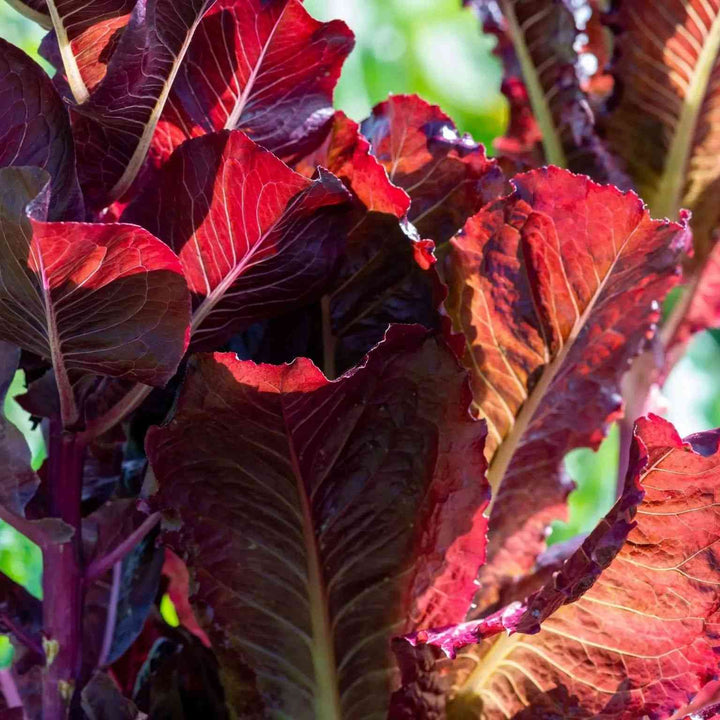
Vibrant red romaine lettuce with crisp, upright leaves and sweet flavor that adds bold color to salads.

Summer Bibb Lettuce Seeds

Summer Bibb Lettuce Seeds

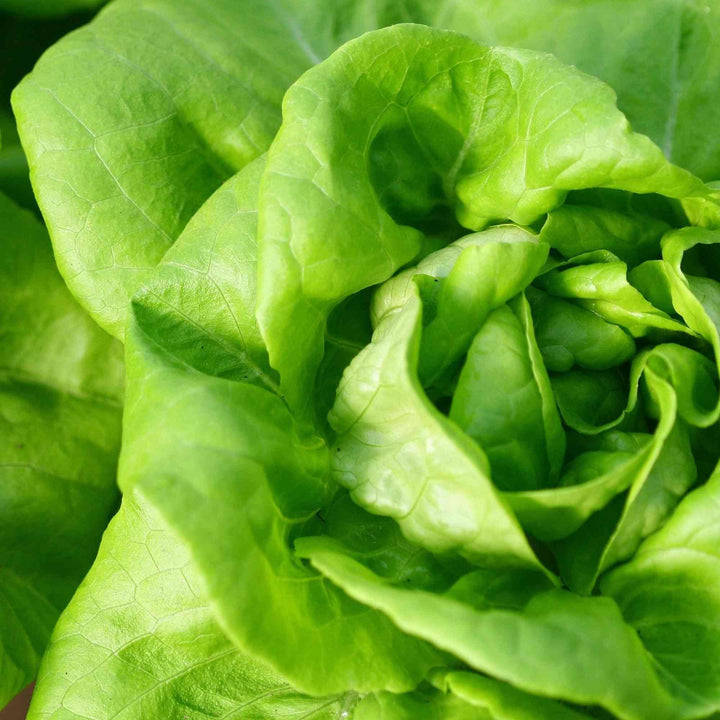
Heat-tolerant butterhead lettuce with soft, tender leaves and a mild, buttery taste perfect for warm-weather growing.

Speckles Lettuce Seeds

Speckles Lettuce Seeds

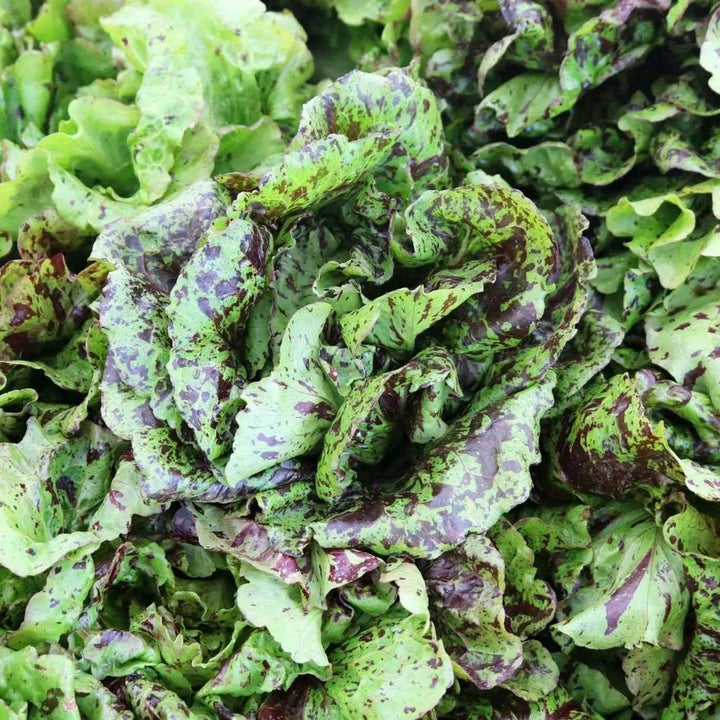
Beautifully speckled, tender leaves that deliver crisp texture, mild flavor, and continuous harvests for vibrant, garden-fresh salads all seas...

Ruby Red Lettuce Seeds

Ruby Red Lettuce Seeds

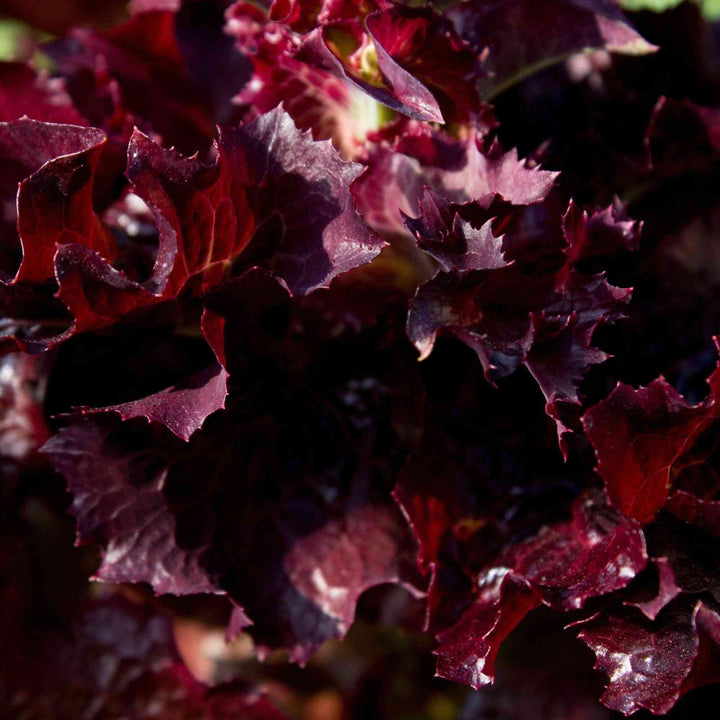
A garden-ready lettuce seed selection for home growers, market gardens, and seedkeepers.

Customer experience

Reviews for Hanson Improved Lettuce Seeds

Customer Reviews

Based on 1 review
100%
(1)
0%
(0)
0%
(0)
0%
(0)
0%
(0)
D
D.F.

Just received my seeds today. They look great. I will update you when I get them planted.