Free U.S. seed shipping $25+. Seeds ship free at the threshold. Storefront goods, pantry finds, books & local goods are being added.

New seeds, Main Street specials, and storefront finds update as the market grows.

Mountain Lupine Seeds

Scientific name Lupinus argenteus

Seed packet & garden essentials

What to know before you plant

View complete growing & care facts
20 minimum seeds per packet
  • First bloom / maturity120-129 Days · 120-129 Days
  • Growth habitClumping/Tufted · Perennial · 13–18 in tall
  • Best useborders, cutting gardens, pollinators, containers, and seasonal color
  • Germination14-30 Days days · 55–70 °F
  • Seed preparationUse clean seed-starting conditions, the listed sowing depth and temperature, and steady moisture without saturation
  • SunFull sun
  • Support & spacingNo-Support · space 12 in · rows 24 in
  • Container fitPossible in a properly sized container with reliable drainage, moisture, and room for the mature plant
  • Water needsDrought tolerant
  • SoilSandy loam · pH 5.5–6.0
  • Planting seasonSpring/Fall · blooms Spring/Summer · Hardy
  • Seed typeOpen-Pollinated (OP) · Non-GMO
$200 USD
Secure checkout Details
Generic
Triple-tested seed qualityRegular quality and germination checks support every packet.

We regularly test seed quality and germination as lots move through storage and packing. We stand behind the seed we send and want customers to contact us when a packet does not perform as reasonably expected.

1-year seed warrantyCoverage begins on the date of purchase.

When properly stored, planted, and cared for, we guarantee reasonable germination and true-to-type growth for one year from the date of purchase. Conditions outside our control—including extreme weather, pests, unsuitable storage, and gardener error—are excluded. Contact us when something is not right so we can review the situation and work toward a replacement, refund, or another fair resolution.

Non-GMO / BE seed policyWe do not buy or sell genetically engineered or bioengineered seed.

Every seed variety we sell is non-GMO.

USDA’s National Bioengineered Food Disclosure Standard defines bioengineered foods as containing detectable genetic material modified through in vitro recombinant DNA methods in ways not achievable through conventional breeding or found in nature.

  • Hybrid means parent lines were conventionally crossed; hybrid does not mean GMO.
  • Heirloom and open-pollinated describe how a variety is maintained and reproduced.
  • Organic certification is separate and is shown only when verified for the individual product.
Packed in Colerain, North CarolinaPrepared in our seed room for gardens across the country.

Seeds are packed and shipped from Colerain, North Carolina. Our packets use forestry-certified paper, and we use recyclable paper mailers where appropriate. AONSK is also a 1% for the Planet partner while continuing to reduce waste in packing and fulfillment.

Seed success profile

Rules-based · no AI
Gardener experience Some experience is helpful
Germination difficulty Moderate or temperature-sensitive
Preparation before sowing
Use clean seed-starting conditions, the listed sowing depth and temperature, and steady moisture without saturation
Germination speed
Slow — often 21–45 days
Growing complexity
Bloom crop requiring species-specific sowing, spacing, deadheading or seed maturity, and support when tall
Patience and timing
120-129 Days
Is this seed a good match for your experience?
Expected germination
14-30 Days
Germination temperature
55–70 °F
Stratification
cold moist stratification depending on how dormant or fresh the seed is
Scarification
Required only when stated in the detailed planting record
Pre-soaking
Use only when stated in the detailed planting record
Light during germination
Surface sow or press into the mix; light is part of the germination requirement
Germination pattern
Reliability depends strongly on correct preparation, temperature, moisture, and patience through the full emergence window
Transplant sensitivity
Varies by species; use direct sowing when the record warns against disturbance
Best chance of success
For Mountain Lupine Seeds, control temperature and moisture at sowing, label the start date, and compare emergence with the complete recorded germination window before reseeding.
What to expect

Preparation: Use clean seed-starting conditions, the listed sowing depth and temperature, and steady moisture without saturation. Germination light: Surface sow or press into the mix; light is part of the germination requirement. Expected emergence: 14-30 Days. Temperature: 55-70 °F.

Slow germination is not automatically failed germination.

Maintain the listed temperature, moisture, light, and treatment conditions for the full expected window. Some seed lots emerge gradually rather than all at once.

Looking for an easier starting point? Compindi Forget-Me-Not Seeds

1 Beginner-friendly 2 One extra step 3 Some experience helpful 4 Patient growers 5 Advanced propagation

This deterministic profile uses recorded product facts; it is not Artificial Intelligence and is not a guarantee. Seed age, storage, sowing depth, moisture, temperature, light, local conditions, and aftercare can all affect results. Last reviewed July 2026.

Build a garden-fit plan

Check this seed against your real growing conditions

Compare timing, germination preparation, sunlight, soil, water, space, support, intended use, and your preferred level of seed-starting complexity.

Open the detailed garden-fit planner Deterministic rules · no Artificial Intelligence · no live weather service

Complete product description

Mountain Lupine Seeds

Mountain lupine seeds produce a hardy perennial wildflower with a strong natural presence, making them a beautiful choice for native plantings, mountain-style gardens, and habitat-focused landscapes. Mountain lupine is valued for its ability to naturalize, its appeal to hummingbirds and butterflies, and its rugged perennial character that suits more open, naturalistic spaces. Its upright flower spikes and colony-forming habit give it a meadow-like quality that feels especially at home in less formal plantings.

A strong option for gardeners seeking a true western native feel, Mountain lupine performs best in sunny conditions with well-drained soil and room to settle in over time. These plants are especially useful in naturalized areas, pollinator gardens, and landscapes where long-term perennial presence matters. With its hardy nature, wildlife value, and high-country wildflower appeal, Mountain lupine seeds offer a durable perennial that brings bloom, habitat support, and a true native character to the landscape.

Minimum Seed Count: 20 seeds

Every recorded growing detail

Complete growing & care facts

Continue to the garden-fit planner

Plant identity

Minimum seed count 20 seeds
Seed product profile Flower
Scientific name Lupinus argenteus
Also known as Lupine, Lupine Seeds - Mountain Lupine
Life cycle Perennial
Botanical family Fabaceae
Reproductive type Open-Pollinated (OP)
Heritage qualifiers Non-GMO
Native to the United States Yes
Domestication note North America – Eastern Woodlands

Seed success and gardener experience

Gardener experience Some experience is helpfulLevel 3 of 5
Germination difficulty Moderate or temperature-sensitiveLevel 3 of 5
Preparation before sowing Use clean seed-starting conditions, the listed sowing depth and temperature, and steady moisture without saturation
Stratification cold moist stratification depending on how dormant or fresh the seed is
Scarification Required only when stated in the detailed planting record
Pre-soaking Use only when stated in the detailed planting record
Light during germination Surface sow or press into the mix; light is part of the germination requirement
Germination pattern Reliability depends strongly on correct preparation, temperature, moisture, and patience through the full emergence window
Growing complexity Bloom crop requiring species-specific sowing, spacing, deadheading or seed maturity, and support when tall
Transplant sensitivity Varies by species; use direct sowing when the record warns against disturbance
First harvest or bloom 120-129 Days
Best chance of success For Mountain Lupine Seeds, control temperature and moisture at sowing, label the start date, and compare emergence with the complete recorded germination window before reseeding.

Timing and climate

Days to maturity 120-129 Days
Germination 14-30 Days
Germination temperature 55–70 °F
Planting season Spring/Fall
Bloom season Spring/Summer
Frost tolerance Hardy
Sunlight Full sun
Water needs Drought tolerant

Site, soil, and space

Soil type Sandy loam
Preferred soil pH 5.5–6.0
Seed depth 1 in
Plant spacing 12 in
Row spacing 24 in
Mature height 13–18 in
Growth habit Clumping/Tufted
Support needed No-Support
Suitable growing locations In-ground bed, Wildflower meadow, Habitat restoration, Community garden
Native states AZ, CA, CO, ID, MT, NV, NM, OR, SD, UT, WA, WY

Crop-specific details

Garden-fit planning for this variety

Will Mountain Lupine Seeds fit your garden?

Check bloom timing, cut-flower or pollinator use, height, sun, sowing method, and life cycle.

Rules-based · no AI
Questions for this flower seed
Seed-starting fit and patience
Recorded product profileSome experience is helpfulModerate or temperature-sensitiveRead why
Soil test, pH, drainage, and amendment calculator Have a laboratory soil report? Enter pH, nutrients, texture, bed size, and site observations here. Open soil tools
Recorded soil typeSandy loam
Recorded pH range5.5–6.0
Water needsDrought tolerant
LightFull sun

Use a current laboratory soil test

Soil-test interpreter

Compare your report with this product's listed pH target: 5.5–6.0.

This tool interprets values you enter; it does not replace laboratory or Cooperative Extension amendment rates. Soil test methods and nutrient recommendations vary by region.

The full variety record

Sowing, care, harvest, troubleshooting, and history

How to start Mountain Lupine Seeds from seedPreparation, timing, depth, germination, transplanting, spacing, and early care

Variety-specific germination notes

Preparation: Use clean seed-starting conditions, the listed sowing depth and temperature, and steady moisture without saturation. Germination light: Surface sow or press into the mix; light is part of the germination requirement. Expected emergence: 14-30 Days. Temperature: 55-70 °F.

Complete sowing and planting guidance

Mountain lupine should be planted with its natural habitat in mind, because this is a native-type perennial that performs best when the sowing or transplanting process respects its preference for sun, drainage, and relatively undisturbed root development. Choose a site in full sun with sharply drained soil, especially if the garden has heavy ground or areas that stay wet after rain. Mountain lupine is much more likely to fail from poor drainage than from modest fertility, so the first planting priority is creating a bed where water moves through the soil rather than lingering around the crown and roots.

Mountain lupine seed often benefits from scarification, and in some cases also from cold moist stratification depending on how dormant or fresh the seed is. The hard seed coat is usually the first issue. A common and useful approach is to nick the seed coat lightly with a file or soak the seed in warm water to help moisture penetrate. For many native lupines, this alone improves germination substantially. If seed is known to be dormant or if germination has been erratic, a period of cold moist stratification can also be helpful. In practical terms, that means mixing the seed with a barely moist medium and refrigerating it for several weeks before sowing. If you are choosing only one treatment, light scarification is usually the first and most important step. If using both, scarify first and then cold stratify.

For direct sowing, prepare a clean, weed-free seedbed with loose surface soil and good drainage. Loosen the soil to about 6-8 in deep, remove competitive weeds, and avoid over-enriching the bed with heavy compost or rich fertilizer. Sow the seeds about 1 in deep and space them so they can mature without crowding. If planting in rows, allow about 24 in between rows and about 12 in between plants once thinned. Cover the seed firmly but gently and water enough to settle the bed without making it muddy. During germination, keep the soil evenly moist but not wet. The goal is moisture for sprouting, not a sealed, soggy surface that invites rot.

If starting in seed trays or pots, use deep individual cells or pots rather than shallow crowded flats. Lupines form a strong early root and do best when that root can grow downward without being cramped or twisted. Sow one seed per cell or pot about 1 in deep in a well-drained seed-starting mix. If scarification or stratification is being used, apply that before sowing. Keep the medium evenly moist and provide strong light and airflow so the seedlings stay compact and healthy. Tray starting is especially useful if you want more control over moisture and protection during early growth, but the seedlings should not be held too long before moving out.

If transplanting, move the seedlings while they are still young and before they become rootbound. This is especially important for Mountain lupine, because older seedlings with long established roots often resent disturbance more than small active plants. Harden them off gradually over several days before planting outdoors. Set them at the same depth they were growing before, space them about 12 in apart, and leave about 24 in between rows or planting bands. Water them in well after transplanting, then let the soil breathe between waterings rather than keeping it constantly wet.

During early establishment, keep the planting area free of weeds and grasses that may compete for light and root space. Avoid deep cultivation once seedlings are in place, because disturbing the root zone can slow the plants more than it helps. A very light mulch may be used later to reduce weeds, but keep it back from the crown so the base remains dry and open. In wetter climates especially, maintaining air and space around the young plants is part of successful planting, not just later maintenance.

If fall sowing is chosen, natural winter conditions may help with any remaining dormancy, especially for seed that has not been artificially stratified. This can work well in a well-prepared bed where erosion and standing winter wetness are not major problems. Spring sowing after scarification, with or without cold stratification, is often more controlled in formal garden settings.

The planting stage for Mountain lupine is really about matching the seed and young plants to the kind of conditions the species naturally prefers. Scarification is often important, stratification can be helpful, drainage is essential, and root disturbance should be kept minimal. When planted into sunny, well-drained ground and given room to establish, Mountain lupine becomes much easier to grow well over time.
How to grow this specific varietyLight, water, fertility, support, spacing, airflow, crop behavior, and season-long care

Complete growing guide

Mountain lupine grows best when it is treated as a native perennial adapted to sun, open air, and well-drained soil rather than as a heavily fed border flower. After germination and establishment, the main goal is to develop a strong root system, healthy crown, and upright flowering stems without forcing the plant into soft, lush growth. It performs best in full sun with sharp drainage and enough space that neighboring plants do not crowd the foliage or trap moisture around the base. A healthy Mountain lupine planting should look sturdy, open, and natural rather than dense or overgrown.

Moisture should be handled carefully, especially in the first season. Young plants need steady moisture while roots are developing, but Mountain lupine does not want to sit in heavy, wet soil for long periods. Deep, moderate watering is better than constant shallow watering because it encourages stronger rooting and reduces the chance of keeping the crown too damp. Once established, the plant usually performs best when the soil is allowed to breathe between waterings. In many gardens, too much moisture is a greater threat than too little, especially if the soil is compacted or the site is low and slow to drain.

Fertility should remain modest. Mountain lupine is not a plant that benefits from rich, nitrogen-heavy feeding, and too much fertility can lead to softer stems, excessive foliage, and weaker overall form. A balanced, well-drained site is usually far more important than a highly amended bed. If the plant is growing with healthy foliage and steady development, more feeding is rarely necessary. In native-style or naturalized settings, restraint often gives better results than trying to push fast ornamental growth.

Spacing and airflow are important parts of cultivation because Mountain lupine is much happier when light and air can move around the foliage and crown. Avoid letting aggressive grasses or dense neighboring perennials press tightly into the plant. A little open space around the base helps reduce disease pressure, makes pest problems easier to notice, and preserves the clean upright habit that makes the plant so attractive. In larger plantings, Mountain lupine is often best used where it can settle into a naturalistic grouping rather than being wedged into a crowded mixed bed.

As the plant matures, maintenance is usually light. Remove damaged or clearly diseased foliage when needed, but do not overwork the plant or disturb the crown unnecessarily. If flower spikes fade and a tidier appearance is desired, spent bloom stalks can be removed, while selected stems may be left if seed is wanted. In native-style gardens, it is often useful to let the plant move through more of its natural seasonal cycle rather than treating it like a formal cut-back perennial the moment flowering ends.

Long-term success depends on respecting the plant’s natural preferences. Mountain lupine is usually strongest where the soil drains well, the sun is abundant, and the crown is not smothered by mulch or surrounding vegetation. It is not usually a plant that wants constant correction or rich pampering. For the best results, give it a sunny, open site, moderate moisture during establishment, restrained fertility, and enough room to hold its natural form. Grown this way, Mountain lupine becomes a durable and beautiful perennial with a strong native character and lasting wildlife value.
Practical field and garden tipsExtra techniques, timing adjustments, and observations that improve success
Mountain lupine rewards gardeners who work with its natural character instead of trying to turn it into a heavily pampered border flower. One of the best tips is to choose a site that feels more like a native meadow or open slope than a rich ornamental bed. This plant usually performs best in full sun, with sharp drainage, open air, and soil that is not constantly enriched or waterlogged. If the planting area stays heavy and wet after rain, use a raised spot, a sandy loam pocket, or a sloped area rather than trying to compensate later with extra care. Good siting solves more problems with Mountain lupine than almost anything else.

Patience is especially important during establishment. Mountain lupine may not race into dramatic growth the way a lush annual does, and gardeners sometimes interfere too much when they do not immediately see a big show. A useful tip is to focus on root establishment first and visible performance second. Keep moisture steady while the plant is settling in, but do not keep the crown wet all the time. Avoid digging around it, shifting it repeatedly, or trying to force rapid growth with fertilizer. Native-type lupines usually respond better to stability and time than to heavy intervention.

Because this plant often fits best in naturalized or western-style gardens, one of the smartest design tips is to give it room to read as a drift or a repeated native accent rather than using it as a one-off filler. Mountain lupine is especially effective where it can echo a natural pattern: in open groupings, along meadow edges, on sunny banks, or in mixed native plantings with enough breathing room between plants. It tends to look best when it has a little visual space around it so the flower spikes and foliage can carry that wild, uncluttered character.

Drainage around the crown matters all year, not just at planting time. A very helpful tip is to keep mulch light and pulled back from the base rather than mounding organic material directly around the stems. Too much trapped moisture at the crown can shorten the plant’s life and invite rot, especially through wet periods. If mulch is used, think of it as a light surface moderator, not as something that should bury the plant. This is especially important in gardens where surrounding plants or irrigation can keep the area more humid than mountain-adapted species prefer.

Do not overfeed. Mountain lupine generally performs better in balanced or moderately lean conditions than in highly enriched beds. Too much fertility can push soft foliage and weaker, less natural growth, while also making the plant more vulnerable to disease and less true to its character. If the plant is green, upright, and establishing, more fertilizer is rarely needed. One of the best long-term tips with native lupines is to let them be strong rather than lush.

Another useful tip is to protect young growth without overprotecting the mature plant. Seedlings and new shoots may need a little help against slugs, browsing, or heavy competition, especially in the first year. Once established, though, Mountain lupine is usually most successful when it is not fussed over constantly. Watch the plant closely while it is young, keep weeds from crowding it, and then gradually ease into a lighter hand as it settles in. This balance between early attention and later restraint often produces the healthiest plants.

If you are growing Mountain lupine for pollinator or habitat value, think beyond the bloom itself. One of its strengths is that it contributes to a broader native planting rhythm rather than just producing a burst of color. Pair it with other regional species that bloom before or after it, and let it function as part of a larger seasonal sequence. This approach makes the garden feel more cohesive and also improves its usefulness for wildlife over time.

Seasonal cleanup should be thoughtful rather than overly tidy. Remove badly diseased or collapsed material when needed, but do not strip the planting too aggressively the moment bloom ends. In native-style gardens, some aging foliage and seed development can be part of the plant’s natural rhythm. At the same time, if the crown is being smothered by old debris or crowded neighbors, clear enough space that air and light can still reach the base before the next growth cycle begins.

The biggest overall tip with Mountain lupine is to respect its native temperament. Give it sun, air, drainage, and space, and resist the urge to manage it like a moisture-loving border perennial. Gardeners usually get the best results when they create the right setting and then let the plant do what it naturally does well: bring strong flower spikes, wildlife value, and a true western wildflower character to the garden.
Harvest, storage, uses, and benefitsWhen and how to harvest, ways to use the crop, storage, culinary value, habitat value, and garden roles

Uses and benefits

Mountain lupine is especially valuable because it brings true western native character, pollinator usefulness, and naturalized beauty into the garden in one plant. One of its greatest benefits is the way it helps create a planting that feels connected to place. Unlike heavily bred ornamental flowers that could belong almost anywhere, Mountain lupine carries the look and spirit of open meadows, higher elevations, and western wild landscapes. That makes it especially useful in native gardens, mountain-style plantings, meadow borders, and restoration-inspired spaces where regional identity matters as much as ornamental effect.

Another major benefit is its role in pollinator and wildlife-friendly gardens. Mountain lupine flowers are attractive to bees, butterflies, and hummingbirds, which gives the plant value beyond appearance alone. In a habitat-minded landscape, it helps support beneficial insects and adds movement and ecological activity to the planting. This makes it an especially strong choice for gardeners who want flowers that are not just decorative, but part of a broader living system. Because the flower spikes are upright and visible, pollinator activity is also easy to observe, which adds another layer of enjoyment.

Mountain lupine is also highly useful in naturalized planting design. It works well in sunny open spaces, native borders, habitat restoration areas, and looser meadow-style gardens where a more formal border flower might look out of place. Its value lies partly in the fact that it does not need to be used as a tightly controlled specimen. Instead, it can be planted in drifts, colonies, or scattered groupings where it contributes to a more organic, landscape-rooted effect. For gardeners aiming to create a planting that feels spontaneous, regional, and ecologically grounded, that is a major advantage.

Its flower spikes add another important benefit: vertical structure without an overly formal look. Mountain lupine rises above surrounding foliage and lower plants, bringing height and rhythm to the planting while still keeping a distinctly wild and natural feel. This makes it useful in gardens that need some vertical lift but do not want the highly ornamental or heavily bred character of classic border flowers. It gives the planting shape and seasonal focus while still blending naturally into more rugged or meadow-like settings.

Mountain lupine also contributes to the garden through its identity as a perennial legume. As a member of the legume family, it has ecological value beyond bloom, participating in the broader soil-building and habitat relationships that make native plant communities function well. For gardeners interested in plants that do more than simply flower, this is an important benefit. It adds another layer of usefulness, especially in native and restoration-minded designs where soil health, long-term resilience, and plant community function matter.

Another strong use is in western-themed and xeric-style gardens where a native or adapted look is desired. While establishment still matters, Mountain lupine often fits better into these landscapes than flowers that depend on richer, more intensively maintained conditions. This makes it a useful bridge between ornamental gardening and lower-input regional planting. It can bring bloom and color into a design that still respects the character of open western landscapes rather than trying to imitate a more heavily watered border style.

Mountain lupine also has cultural and emotional value for gardeners who want a stronger connection to wildland beauty. Its appeal is not only that it flowers attractively, but that it evokes meadows, mountain roadsides, and native flowering communities. In that sense, it offers something deeper than decorative bloom alone. It helps create a landscape that feels rooted in ecology, memory, and place, which is one of the reasons native plant gardeners value it so highly.

Finally, Mountain lupine benefits the gardener by combining native identity, pollinator value, perennial durability, and natural ornamental beauty in one plant. It is useful not just because it adds color, but because it helps shape a landscape that feels more alive, more regionally grounded, and more ecologically meaningful. For gardeners who want a flower that brings both habitat support and a true western wildflower presence, Mountain lupine is one of the most rewarding choices available.
Seed saving and carrying the variety forwardPollination, isolation, selection, harvest, cleaning, drying, and storage
Mountain lupine seed can be saved successfully, and because this is an open-pollinated native-type lupine rather than a highly bred hybrid strain, the results are usually more dependable and closer to the parent plant than with ornamental hybrid lupines. Still, seed saving works best when it is done thoughtfully. If multiple lupine species are growing nearby and flowering at the same time, some crossing may be possible, so gardeners who want the most faithful result should pay attention to what other lupines are in the area. If Mountain lupine is growing alone or in a planting where it is the main lupine present, saved seed is more likely to reflect the original plant’s natural character.

The best seed-saving process begins during bloom. Watch the planting while the flower spikes are fresh and identify the healthiest, strongest, most attractive plants. Choose plants with good upright habit, strong flowering, healthy foliage, and the kind of growth you want to preserve. Mark those plants before the flowers fade, because once the spikes dry down it becomes much harder to remember which individuals had the best form or strongest performance. Avoid saving from weak, diseased, poorly flowering, or heavily pest-damaged plants if stronger options are available.

After flowering, Mountain lupine produces seed in pods. These pods begin green and soft, then gradually mature, darken, and dry. One of the most important things to know about lupine seed saving is that the pods can shatter suddenly when fully ripe, twisting open and scattering the seed with little warning. Because of this, it is best to watch the plants closely as the pods begin drying. The right harvest moment is when the pods are mature and mostly dry but before they have split widely on the plant. If you wait too long, you may lose much of the seed before you ever get a chance to collect it.

Harvest on a dry day after dew has evaporated. You can cut the mature seed stalks or strip ready pods directly into paper bags, shallow trays, or boxes. Paper is always better than plastic for fresh harvest because it lets moisture escape and reduces the chance of mold. If some pods are still green while others are ready, harvest in stages rather than taking everything at once. In windy or rapidly drying weather, it is often better to bring nearly mature pods indoors to finish drying than to leave them outside long enough to shatter.

Once harvested, spread the pods in a shaded, airy, well-ventilated place and allow them to finish drying completely. When the pods are crisp, shell them by hand. Remove the seeds and discard pod fragments, damaged seed, moldy seed, and any seed that is obviously soft or immature. Good Mountain lupine seed should be firm and well formed. If there is any doubt about remaining moisture, let the cleaned seed dry a little longer before storing it. Proper drying is one of the most important parts of successful seed saving, because even well-formed seed can spoil if packed away too early.

Store the seed in a cool, dry, dark place in a labeled paper packet, envelope, or jar. Mark the species name and harvest year clearly, and if relevant, note the location or any selection traits you were preserving. This matters especially if you save seed from several native flowers at once or are trying to build a seed collection over time. Proper labeling makes future sowing much easier and helps you track which seed came from the best-performing plants.

When re-sowing Mountain lupine, expect good general continuity if the seed was collected from healthy plants and crossing was limited. Because this is a native-type open-pollinated plant, the next generation is usually more stable than that of hybrid ornamental lupines, though some natural variation is always possible. For the best long-term results, keep selecting seed from the strongest, healthiest plants each year rather than collecting randomly from weak or declining individuals. Over time, that practice can help preserve a vigorous and locally adapted population.
Common pests, diseases, and growing problemsIdentification, prevention, crop-safe response, and when intervention is justified

Complete pest and problem guide

Mountain lupine is often tougher and more naturally resilient than heavily bred ornamental lupines, but it can still run into serious trouble when grown outside the conditions it prefers. Most problems begin with drainage, root stress, and crowding rather than with one dramatic insect outbreak. Because Mountain lupine comes from open, well-drained environments, it usually performs poorly in heavy, wet, compacted beds where the crown stays damp and the roots cannot breathe properly. The first warning signs may be slow growth, yellowing lower leaves, weak flowering, or a plant that never seems to settle in despite watering. If the crown begins to rot, the whole plant can collapse surprisingly fast. The best solution is prevention: plant Mountain lupine in full sun with sharp drainage, avoid low wet spots, do not bury the crown under mulch, and resist the urge to overwater once the plant is established.

Seedlings and new spring growth are especially vulnerable to chewing pests. Slugs and snails may feed on tender shoots during cool, damp weather, leaving ragged holes or reducing young plants to stubs before they gain size. In some gardens, cutworms may sever seedlings at the base, and rabbits or deer may sample fresh growth depending on local pressure. The solution is close observation during the early growth stage. Keep debris and dense mulch away from the base where slugs hide, check plants in the evening if chewing appears overnight, hand-remove pests where practical, and protect young plants physically if browsing animals are a repeated problem. A small native lupine can lose momentum quickly if early growth is repeatedly eaten, so protection during establishment matters more than many gardeners expect.

Aphids are one of the most common insect issues once stems begin elongating and flower spikes start to form. They gather on tender shoots, buds, and flower stems, sucking sap and causing curled leaves, sticky residue, and weakened bloom production. Heavy infestations can distort flowers before they open and leave the plant looking tired even when it is otherwise healthy. In some areas, leaf-chewing beetles or caterpillars may also feed on the foliage, but aphids are usually the more consistent problem. The best solution is early response rather than waiting for a severe buildup. Check buds and new growth often, rinse aphids off with a strong spray of water, remove the worst infested tips if necessary, and avoid heavy nitrogen feeding that creates soft, lush growth insects prefer.

Disease problems in Mountain lupine are most likely when the planting is too dense, too shaded, or too wet around the foliage and crown. Powdery mildew may appear as a pale or whitish coating on leaves during warm spells, especially if surrounding plants reduce airflow. Leaf spots can also develop in humid or crowded conditions, showing as brown or dark lesions that spread through the foliage and reduce vigor. More serious still are crown and root diseases, which often begin silently below the soil line and are made much worse by poor drainage or mulch held tightly against the base of the plant. The best answer is prevention through site choice and spacing. Give the plant room, keep air moving through the planting, water at the base if needed rather than soaking the leaves repeatedly, and remove badly diseased foliage so it does not linger around the crown.

Environmental stress creates many of the problems gardeners notice first. Mountain lupine is adapted to open sun and leaner, freer-draining conditions, so it may struggle in rich, soft, heavily watered beds where growth becomes weak and floppy. Overfertilizing can produce lush foliage at the expense of bloom and make the plant more disease-prone. On the other hand, extreme drought during first-year establishment can prevent the roots from developing properly, leaving the plant stunted or more vulnerable to later decline. The solution is balance: enough moisture to establish, but not constant wetness; enough nutrition to support healthy growth, but not rich feeding that turns a mountain wildflower into a soft border plant.

Another common problem is short lifespan caused not by pests, but by unsuitable long-term conditions. Gardeners sometimes expect Mountain lupine to behave like a broad-adapted perennial that tolerates any garden situation, but it is often most successful where its natural preferences are respected. Repeated winter wet, poor summer airflow, or heavy soils can shorten its life even if it blooms once or twice. If plants repeatedly fail, the real answer is usually a better site rather than more amendments or more water. Raised beds, sloped positions, or gravelly, sandy loam conditions often solve more problems than treatment ever will.

Competition from weeds and neighboring plants can also weaken Mountain lupine, especially while it is young. Grasses and aggressive perennials can crowd the base, steal light and moisture, and trap humidity around the foliage. Once crowded, the lupine becomes harder to inspect for aphids, mildew, and crown trouble, and the decline may seem mysterious when it is really caused by competition and lack of airflow. The solution is to keep the plant’s immediate root zone relatively clean, avoid packing it tightly into lush mixed plantings, and give it enough open space that its natural form can develop without being smothered.

The most reliable way to keep Mountain lupine healthy is to focus on the conditions that make it strong in the first place: full sun, sharp drainage, moderate moisture, restrained fertility, and open air around the crown and foliage. Most serious failures come when wet soil, crowding, pest pressure, and stress combine. When the plant is placed well and watched carefully during establishment, many problems remain minor and manageable, allowing Mountain lupine to behave more like the hardy western wildflower it is meant to be.
Questions gardeners ask about this seedProduct-specific answers for sowing, care, harvest, use, and seed saving
Q: What is Mountain lupine?

A: Mountain lupine is a hardy perennial lupine native to higher elevations in western North America. It is valued for its natural meadow character, upright flower spikes, and usefulness in native-style and habitat-focused plantings. Compared with highly bred ornamental lupines, it carries a more distinctly wild and regional identity.

Q: Is Mountain lupine a perennial?

A: Yes, Mountain lupine is a perennial. Once established in a suitable site, it can return for multiple seasons and gradually build a stronger presence. Its long-term value is part of what makes it so appealing in naturalized and native plantings.

Q: What makes Mountain lupine different from Russell lupine?

A: Mountain lupine is a true native-type wildflower with a more natural, less heavily bred character than Russell lupine. Russell lupines are usually grown for bold ornamental color mixes and strong border drama, while Mountain lupine is often chosen for ecological planting, naturalized beauty, and regional authenticity. Both are attractive, but they belong to different garden traditions.

Q: Does Mountain lupine attract pollinators?

A: Yes, Mountain lupine is useful for pollinators and can also attract hummingbirds and butterflies. Its flower spikes provide both nectar value and visual interest in the landscape. This makes it a strong choice for gardeners who want a native perennial with habitat value as well as beauty.

Q: Is Mountain lupine good for naturalized plantings?

A: Yes, it is especially well suited to naturalized areas, native meadows, open slopes, and western-style plantings. It has a more relaxed, landscape-rooted character than a formal border flower. In the right setting, it helps create a planting that feels connected to wild mountain and meadow environments.

Q: Does Mountain lupine spread?

A: It can spread and may form colonies over time in favorable conditions. This is part of its appeal in larger or more naturalistic plantings where a strong perennial presence is welcome. In smaller spaces, gardeners should simply be aware that it is better suited to roomier settings than tightly controlled formal beds.

Q: What kind of site does Mountain lupine prefer?

A: It generally prefers full sun and well-drained soil, especially conditions that do not stay heavy and waterlogged. Because it comes from higher-elevation environments, good drainage and open exposure are especially important. A site that feels too rich, too wet, or too crowded is usually less suitable.

Q: Is Mountain lupine good for beginners?

A: It can be rewarding for beginners if they have the right kind of site. The main thing is not to treat it like a moisture-loving border perennial. Gardeners who provide sun, drainage, and a naturalized setting often find it a satisfying and distinctive plant.

Q: Can Mountain lupine be grown in containers?

A: It is possible in a large container, but it is generally better suited to in-ground growing where roots have more room and moisture stays more stable. Containers can make perennial establishment more difficult over time. Most gardeners get better long-term results by planting it directly in a suitable bed or open landscape area.

Q: What color are the flowers?

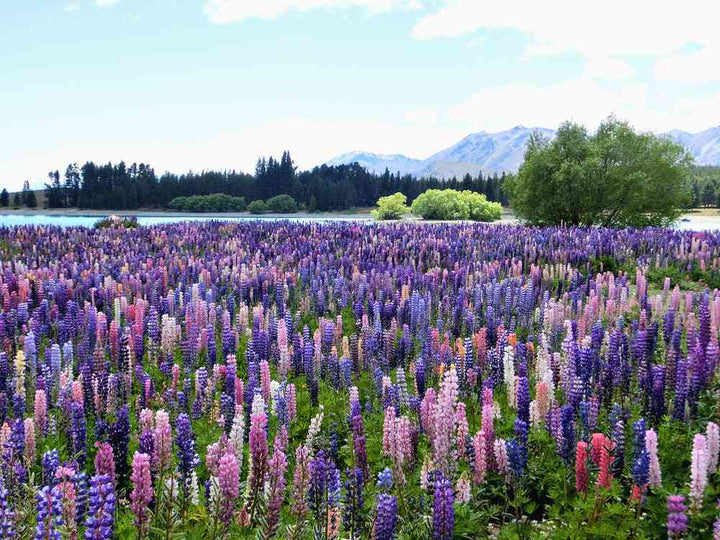
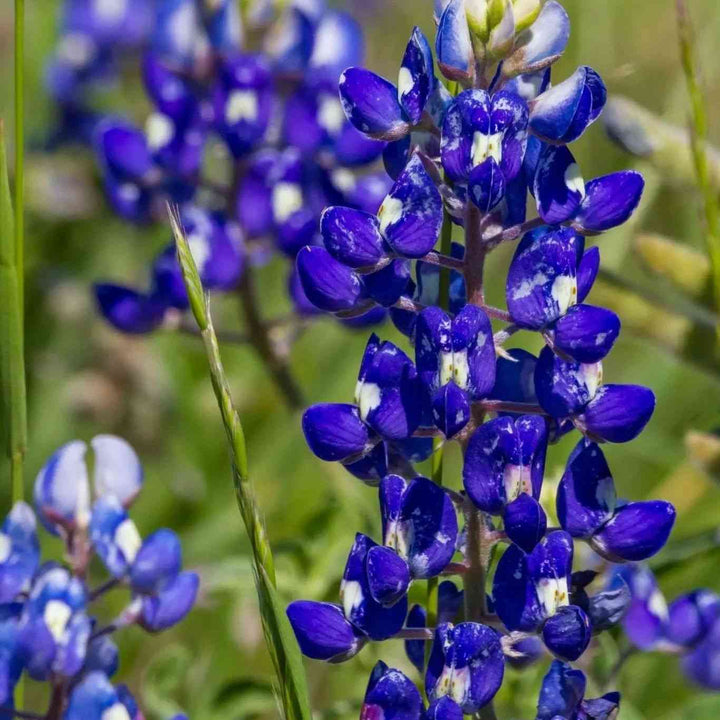
A: Mountain lupine is known for blue to violet-toned flowers. These cool hues give it a strong wildflower character and make it especially attractive in native and mountain-style plantings. The flower spikes have the classic lupine look, but with a more regional and natural feel.

Q: Is Mountain lupine mainly ornamental or ecological?

A: It is both, but many gardeners choose it especially for its ecological and regional value. It has clear ornamental beauty, yet much of its appeal comes from the fact that it feels true to western mountain landscapes. It is a plant that offers beauty without losing its native character.

Q: Does Mountain lupine have a cottage-garden look?

A: Not in quite the same way as highly bred ornamental lupines. It is more at home in native, meadow, and naturalistic plantings than in formal cottage-style borders. Its beauty feels wilder, simpler, and more place-based.

Q: Is Mountain lupine useful in pollinator gardens?

A: Yes, it can be very useful in pollinator-focused planting, especially where native and regional species are preferred. Its flowers help support beneficial insects and hummingbirds while adding structure and seasonal bloom. It works especially well in gardens that emphasize habitat value along with visual appeal.

Q: Why do gardeners choose Mountain lupine?

A: Gardeners choose it because it offers native beauty, pollinator value, and a strong connection to western mountain landscapes. It is especially appealing to those who want a perennial that feels authentic to place rather than heavily ornamental. Its combination of flower spikes, wildlife support, and natural character makes it stand out.

Q: Does Mountain lupine have a strong regional identity?

A: Yes, very much so. It feels tied to western mountain and meadow environments in a way that many generic garden flowers do not. That regional identity is one of the reasons it is so valued in native and habitat-minded gardening.
History, provenance, and cultural contextWhat is documented, what is reported, what remains uncertain, and how the variety reached gardeners

Scientific name: Lupinus argenteus

Plant and variety history

Mountain lupine belongs to the native flora of western North America, especially the higher elevations where it grows in meadows, open slopes, roadsides, and mountain woodlands. As part of the broad and ecologically important Lupinus genus, it comes from a lineage of plants that have long shaped western landscapes through both beauty and function. Lupines are legumes, and their relationship with soil biology helped them play important roles in plant communities where building and stabilizing fertility mattered. In mountain environments especially, species like Mountain lupine became part of the seasonal bloom cycles that support insects, birds, and the broader rhythm of alpine and subalpine habitats.

Unlike highly bred ornamental lupines such as the Russell strains, Mountain lupine carries the cultural identity of a true wildflower. Its history is tied less to formal garden breeding and more to regional ecology, native plant appreciation, and the long-standing human relationship with western mountain landscapes. Indigenous peoples across western North America lived among and understood these flowering communities as part of wider systems of place-based knowledge, even when the plants were not always cultivated in the agricultural sense. The presence of lupines in open mountain country would have been part of the seasonal language of bloom, elevation, forage, and habitat.

As interest in native plants grew in the twentieth and twenty-first centuries, Mountain lupine became increasingly valued by gardeners and restoration-minded growers who wanted flowers that reflected real regional identity rather than only imported ornamental tradition. Its ability to attract hummingbirds and butterflies, along with its colony-forming habit and natural toughness, made it a strong candidate for naturalized landscapes, mountain-style gardens, and pollinator plantings. In this way, Mountain lupine moved from being simply part of the wild landscape to being intentionally included in gardens that aimed to echo or support western ecological character.

Culturally, Mountain lupine represents a different garden ideal from more formal perennial border flowers. Its appeal lies in natural beauty, habitat function, and a sense of belonging to place. It evokes high meadows, open air, and the looser rhythms of native landscapes rather than tightly managed ornamental display. For gardeners who value regional plants, it offers a living connection to western mountain ecology and to the long story of native flowers that were beautiful long before they were ever sold in packets.

Today, Mountain lupine remains important because it bridges wildland identity and cultivated use. It is a reminder that some of the most compelling garden plants are not those most altered by breeding, but those that still carry the shape, rhythm, and ecological meaning of the landscapes they come from.

Continue planning

Related seeds, collections, and growing guides

Explore the full collection
Heirloom Lupinus Seeds for Cottage and Pollinator GardensExplore the full collection →
Russell Lupine Seeds

Russell Lupine Seeds

Bold spires of brilliant color bring classic cottage-garden drama and strong pollinator appeal to sunny borders.

Customer experience

Reviews for Mountain Lupine Seeds

Customer Reviews

Be the first to write a review
0%
(0)
0%
(0)
0%
(0)
0%
(0)
0%
(0)