Welcome to our store. Learn more

Free U.S. seed shipping $25+. Seeds ship free at the threshold.

Current Processing Times Before Shipping Are 1-2 Business Days

25% OFF Heirloom seed packets are $1.50, regularly $2.00. Seed packets only · sale price already applied · carries into checkout · coupon codes do not combine. Shop the sale →

African 'Hawaii' Marigold Seeds

Scientific name Tagetes erecta

About this variety

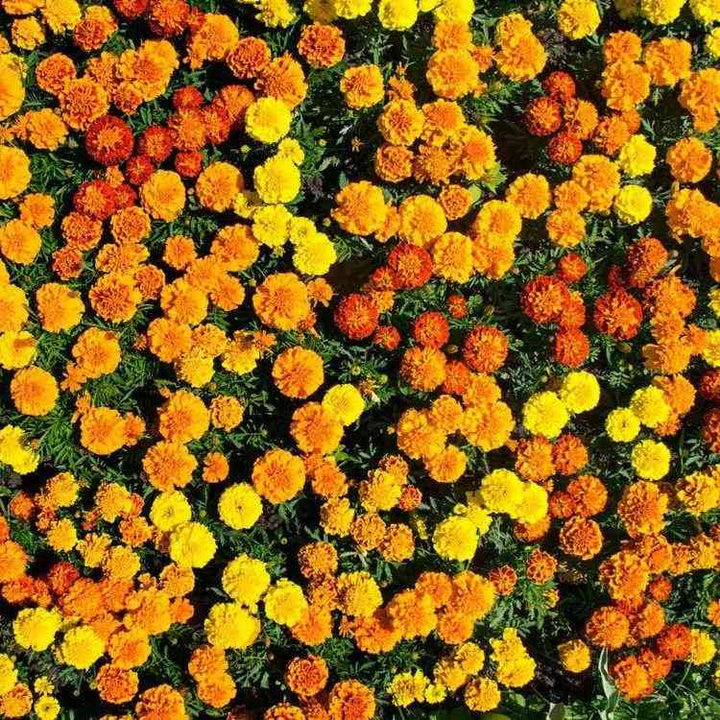
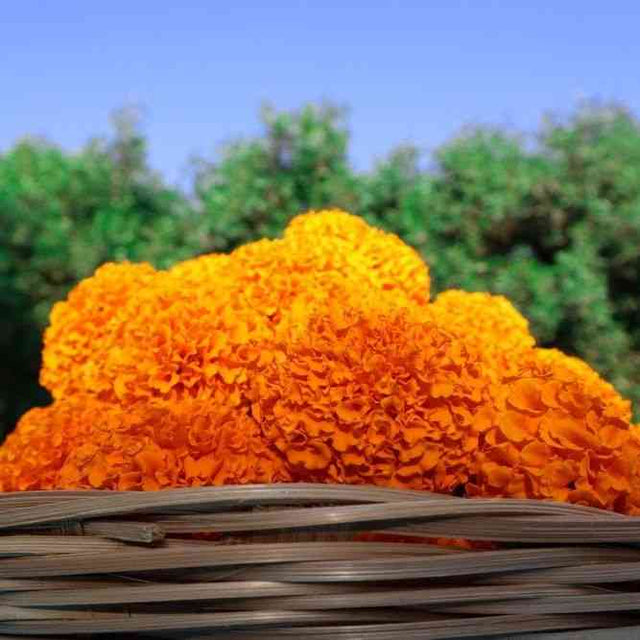
African 'Hawaii' Marigold Seeds produce upright plants with large orange flowers and the substantial habit associated with African marigolds. This is a tall warm-season annual, not a compact French-marigold edging plant.Grow it for orange color, back borders, cutting, large containers, and mass plantings. The flowers draw pollinator visits, while the strong scent and dense growth add character to...

Continue with the complete description
$150 USD $200
25% OFF
Heirloom seed packet sale

$1.50, regularly $2.00. The sale price is already applied and carries into checkout. No code is needed. Coupon codes do not combine with this offer.

At a glance

The facts most gardeners need first

View the full variety record
150 minimum seeds per packet
  • Germination5–8 Days days · 65–80 °F
  • First bloom / maturity80-89 Days · 80-89 Days
  • SunFull sun
  • Support & spacingStake · space 12 in · rows 24 in
  • Growth habitUpright/Erect · Annual · 31–36 in tall
  • Best useorange cut flowers, back borders, pollinator gardens, large containers, and mass planting
Secure checkout Details
Generic
Triple-tested seed qualityRegular quality and germination checks support every packet.

We regularly test seed quality and germination as lots move through storage and packing. We stand behind the seed we send and want customers to contact us when a packet does not perform as reasonably expected.

1-year seed warrantyCoverage begins on the date of purchase.

When properly stored, planted, and cared for, we guarantee reasonable germination and true-to-type growth for one year from the date of purchase. Conditions outside our control—including extreme weather, pests, unsuitable storage, and gardener error—are excluded. Contact us when something is not right so we can review the situation and work toward a replacement, refund, or another fair resolution.

Non-GMO / BE seed policyWe do not buy or sell genetically engineered or bioengineered seed.

Every seed variety we sell is non-GMO.

USDA’s National Bioengineered Food Disclosure Standard defines bioengineered foods as containing detectable genetic material modified through in vitro recombinant DNA methods in ways not achievable through conventional breeding or found in nature.

  • Hybrid means parent lines were conventionally crossed; hybrid does not mean GMO.
  • Heirloom and open-pollinated describe how a variety is maintained and reproduced.
  • Organic certification is separate and is shown only when verified for the individual product.
Packed in Colerain, North CarolinaPrepared in our seed room for gardens across the country.

Seeds are packed and shipped from Colerain, North Carolina. Our packets use forestry-certified paper, and we use recyclable paper mailers where appropriate. AONSK is also a 1% for the Planet partner while continuing to reduce waste in packing and fulfillment.

Seed-starting profileDifficulty, preparation, reliability, and timing Open

Seed success profile

Gardener experience Beginner-friendly
Germination difficulty Straightforward
Preparation before sowing
Use a fine, clean mix and steady moisture; follow the light and depth guidance below.
Germination speed
5–8 Days
Growing complexity
Low to moderate; spacing, drainage, and seasonal timing matter more than heavy feeding.
Patience and timing
80–90 Days
Is this seed a good match for your experience?
Expected germination
5–8 Days
Germination temperature
65–80 °F
Stratification
Not required for routine sowing in the current product record.
Scarification
Not required.
Pre-soaking
Not required.
Light during germination
Cover lightly to the listed depth and provide strong light after emergence.
Germination pattern
Good with fresh seed, correct temperature, and even moisture.
Transplant sensitivity
Low when moved young.
Starting method
Cataloged as suitable for direct sowing; follow the product-specific timing and depth.
Best chance of success
Start warm, transplant after frost, and stake before severe weather.
Planning window

Plan around 5–8 Daysat65–80 °F. Keep moisture, light, and preparation aligned with the sowing instructions below.

Slow germination is not automatically failed germination.

Maintain the listed temperature, moisture, light, and treatment conditions for the full expected window. Some seed lots emerge gradually rather than all at once.

1 Beginner-friendly 2 One extra step 3 Some experience helpful 4 Patient growers 5 Advanced propagation

Seed age, storage, sowing depth, moisture, temperature, light, local conditions, and aftercare can affect results. Last reviewed July 2026.

Garden tools

Need a plan for your space?

Open the garden-fit planner or soil calculator only when you need them.

Open garden tools Uses this product’s recorded growing information. Local weather and garden conditions may vary.

About this variety

What to expect from African 'Hawaii' Marigold Seeds

Tall orange African marigold for cutting, back borders, and bold summer display.

Read the complete product descriptionTraits, flavor, garden use, variety notes, and the full catalog record

African 'Hawaii' Marigold Seeds produce upright plants with large orange flowers and the substantial habit associated with African marigolds. This is a tall warm-season annual, not a compact French-marigold edging plant.

Grow it for orange color, back borders, cutting, large containers, and mass plantings. The flowers draw pollinator visits, while the strong scent and dense growth add character to mixed garden beds.

Start indoors 6 to 8 weeks before the last frost or direct sow after frost. Use full sun, moderate fertility, and good drainage. Pinch young plants for more branching if desired, and support the stems where wind or heavy rain is common. For the full crop plan, read our growing guide.

Tagetes erecta is native to Mexico and Guatemala. The name African marigold describes a horticultural type, not the species origin. Compare this selection with the full collection before choosing by color or common name alone.

Additional variety overview

A tall orange Tagetes erecta for substantial blooms and upright summer color.
View all growing and care factsBotanical identity, timing, climate, soil, spacing, mature size, and crop-specific details

Plant identity

Minimum seed count 150 seeds
Seed product profile Flower
Scientific name Tagetes erecta
Common name African marigold
Cultivar or variety Hawaii
Also known as Marigold, Marigold - African 'Hawaii'
Color Orange
Life cycle Annual
Botanical family Asteraceae
Reproductive type Open-Pollinated (OP)
Heritage qualifiers Non-GMO
Native to the United States Domesticated Plant
Domestication note Mesoamerica (Mexico–Central America)

Seed success and gardener experience

Gardener experience Beginner-friendlyLevel 2 of 5
Germination difficulty StraightforwardLevel 2 of 5
Preparation before sowing Use a fine, clean mix and steady moisture; follow the light and depth guidance below.
Stratification Not required for routine sowing in the current product record.
Scarification Not required.
Pre-soaking Not required.
Light during germination Cover lightly to the listed depth and provide strong light after emergence.
Germination pattern Good with fresh seed, correct temperature, and even moisture.
Growing complexity Low to moderate; spacing, drainage, and seasonal timing matter more than heavy feeding.
Transplant sensitivity Low when moved young.
First harvest or bloom 80–90 Days
Best chance of success Start warm, transplant after frost, and stake before severe weather.

Timing and climate

Days to maturity 80-89 Days
Germination 5–8 Days
Germination temperature 65–80 °F
Planting season Spring
Bloom season Summer/Fall
Frost tolerance Tender
Sunlight Full sun
Water needs Moderate

Site, soil, and space

Soil type Loamy
Preferred soil pH 6.5–7.0
Seed depth 1/4 in
Plant spacing 12 in
Row spacing 24 in
Mature height 31–36 in
Growth habit Upright/Erect
Support needed Stake
Suitable growing locations In-ground bed, Raised bed, Greenhouse, High Tunnel, Containers, Community garden, Wildflower meadow, Habitat restoration, Indoor growing

Crop-specific details

Garden toolsOpen the garden-fit planner, planting-window questions, or soil calculator only when useful

Uses this product’s recorded growing information. Local weather, soil, and garden conditions may vary.

Garden-fit planning for this variety

Will African 'Hawaii' Marigold Seeds fit your garden?

Check bloom timing, cut-flower or pollinator use, height, sun, sowing method, and life cycle.

Questions for this flower seed
Seed-starting fit and patience
Recorded product profileBeginner-friendlyStraightforwardRead why
Soil test, pH, drainage, and amendment calculator Have a laboratory soil report? Enter pH, nutrients, texture, bed size, and site observations here. Open soil tools
Recorded soil typeLoamy
Recorded pH range6.5–7.0
Water needsModerate
LightFull sun

Use a current laboratory soil test

Soil-test interpreter

Compare your report with this product's listed pH target: 6.5–7.0.

This tool interprets values you enter; it does not replace laboratory or Cooperative Extension amendment rates. Soil test methods and nutrient recommendations vary by region.

Full growing record

Open only the section you need

How to start African 'Hawaii' Marigold Seeds from seedPreparation, timing, depth, germination, transplanting, spacing, and early care

Recorded germination plan

Expected germination
5–8 Days
Germination temperature
65–80 °F

Complete sowing and planting guidance

Sow shallowly in warm soil. Transplant after frost and space about 10 to 12 inches apart for airflow and strong stems.
How to grow this specific varietyLight, water, fertility, support, spacing, airflow, crop behavior, and season-long care

Variety-specific growing notes

Use moderate fertility and enough spacing for airflow.

Complete growing guide

Start indoors 6 to 8 weeks before frost or direct sow after frost. Do not bury deeply.

Practical field and garden tips

Pinch young plants for branching, deadhead regularly, and keep nitrogen moderate.
Harvest, storage, uses, and benefitsWhen and how to harvest, ways to use the crop, storage, culinary value, habitat value, and garden roles

Harvest and use notes

Cut when flowers are nearly open; dry selected heads thoroughly for seed.

Uses and benefits

Cut flowers, ornamental borders, mass plantings, and pollinator visitation.
Seed saving and carrying the variety forwardPollination, isolation, selection, harvest, cleaning, drying, and storage
Save fully dry flower heads from plants with the desired orange color and habit. Isolate from other Tagetes erecta selections if maintaining the cultivar matters.
Problems and answersPests, diseases, troubleshooting, practical response, and product-specific questions

Variety troubleshooting summary

If flowering is delayed, reduce nitrogen and check sun exposure. If stems bend, add support early.

Complete pest and problem guide

Spider mites, thrips, slugs, botrytis, and root rots are the main concerns. Tall stems can break after storms.

Questions gardeners ask

Q: Why is it called African marigold if it is native to Mexico?
A: African marigold is a horticultural common name for Tagetes erecta; the species is native to Mexico and Guatemala.

Q: Is it compact?
A: No. Plan for a tall plant and use larger containers if not planting in the ground.
History, provenance, and cultural contextWhat is documented, what is reported, what remains uncertain, and how the variety reached gardeners

Scientific name: Tagetes erecta

Common name: African marigold

Cultivar or variety: Hawaii

Provenance summary

The species identity and cultural guidance are supported by extension sources; cultivar pedigree remains limited to the current seed record.

Plant and variety history

The Alliance record identifies this as an open-pollinated Tagetes erecta selection called African Hawaii. No exact breeder or introduction date is claimed.

Source and record notes

https://plants.ces.ncsu.edu/plants/tagetes-erecta/
https://extension.umn.edu/flowers/marigolds

Continue planning

Related seeds, collections, and growing guides

Explore the full collection
Heirloom Marigold Seeds for Gardens, Borders, and CompanionsExplore the full collection →

Customer experience

Reviews for African 'Hawaii' Marigold Seeds

Customer Reviews

Based on 1 review
0%
(0)
0%
(0)
0%
(0)
100%
(1)
0%
(0)
R
Roy Barling (United States)

None germinated. But I will try again!

Hi Roy, we're sorry to hear that none of the seeds germinated this time. Please remember, your purchase is covered by our 1-year warranty—don't hesitate to reach out if you'd like a replacement or assistance. We appreciate your willingness to try again!