Free U.S. seed shipping $25+. Seeds ship free at the threshold.

Current Processing Times Before Shipping Are 1-2 Business Days

25% OFF Select heirloom seed packets are $1.50, regularly $2.00. Sale packets are marked down · coupons apply to eligible full-price items only. Shop seed packets →

Mini Bell Red Pepper Seeds

Scientific name Capsicum annuum

About this variety

Mini Bell Red offers the crunch of a sweet bell pepper in a small, snackable fruit. The compact plants carry little green bells that ripen red, bringing a bright splash of color to a raised bed or sunny container. About 1½ inches across, the firm, juicy peppers are easy to tuck into lunchboxes, slice over salads or fill...

Continue with the complete description
$150 USD $200
25% OFF
Heirloom seed packet sale

$1.50, regularly $2.00. The sale price is already applied and carries into checkout. No code is needed. Coupons do not reduce this sale packet; eligible full-price items may qualify.

At a glance

The facts most gardeners need first

View the full variety record
25 minimum seeds per packet
Gardener experience

Moderate

Germination difficulty

Moderate

Germination time

7–10 Days at 75–90 °F seed-zone soil temperature

  • Germination
    7–10 Daysa seed-zone soil temperature of 75–90 °F
  • Maturity
    About 60–69 days from transplanting in favorable conditions; allow longer for full red color in cool weather.
  • Sun
    Full sun
  • Support and spacing
    No support needed · space 24 in · rows 36 in
  • Growth habit
    Bush · Annual · 19–24 in tall
  • Best use
    Fresh snacks, salads, miniature stuffed peppers, grilling and sunny containers.
Secure checkout Details
Generic
Triple-tested seed qualityRegular quality and germination checks support every packet.

We regularly test seed quality and germination as lots move through storage and packing. We stand behind the seed we send and want customers to contact us when a packet does not perform as reasonably expected.

1-year seed warrantyCoverage begins on the date of purchase.

When properly stored, planted, and cared for, we guarantee reasonable germination and true-to-type growth for one year from the date of purchase. Conditions outside our control—including extreme weather, pests, unsuitable storage, and gardener error—are excluded. Contact us when something is not right so we can review the situation and work toward a replacement, refund, or another fair resolution.

Non-GMO / BE seed policyWe do not buy or sell genetically engineered or bioengineered seed.

Every seed variety we sell is non-GMO.

USDA’s National Bioengineered Food Disclosure Standard defines bioengineered foods as containing detectable genetic material modified through in vitro recombinant DNA methods in ways not achievable through conventional breeding or found in nature.

  • Hybrid means parent lines were conventionally crossed; hybrid does not mean GMO.
  • Heirloom and open-pollinated describe how a variety is maintained and reproduced.
  • Organic certification is separate and is shown only when verified for the individual product.
Packed in Colerain, North CarolinaPrepared in our seed room for gardens across the country.

Seeds are packed and shipped from Colerain, North Carolina. Our packets use forestry-certified paper, and we use recyclable paper mailers where appropriate. AONSK is also a 1% for the Planet partner while continuing to reduce waste in packing and fulfillment.

Garden tools

Need a plan for your space?

Use the garden-fit planner and soil calculator to turn the recorded growing facts into a practical plan.

Open garden tools Uses this product’s recorded growing information. Local weather and garden conditions may vary.

Variety field guide

What to expect from Mini Bell Red Pepper Seeds

Compact plants with small, crunchy sweet bells that ripen from green to red for snacking and stuffing.

Read the complete product descriptionTraits, flavor, garden use, variety notes, and the full catalog record

Mini Bell Red offers the crunch of a sweet bell pepper in a small, snackable fruit. The compact plants carry little green bells that ripen red, bringing a bright splash of color to a raised bed or sunny container. About 1½ inches across, the firm, juicy peppers are easy to tuck into lunchboxes, slice over salads or fill for small appetizers. Leave fruit on the plant until red for the sweetest harvest.

Little red bells, full sweet-pepper crunch.

Variety and background

Mini Bell Red is an open-pollinated Capsicum annuum selected for compact growth and small sweet bells. Peppers have their crop origins in the Americas; miniature bell varieties offer that familiar vegetable in a size suited to small gardens and fresh snacking. Our description does not assign this lot to a named family's seed line without supporting records.

Planting and growing

Start indoors 6–8 weeks before transplanting. Sow 1/4 inch deep in clean seed-starting mix, keep evenly moist, and aim for 80–90°F at the seed zone. Expect roughly 7–10 days in good conditions, with cooler conditions taking longer. Provide strong light as soon as seedlings emerge. Harden plants gradually before moving outside after frost and once nights stay above 50°F.

Plant in full sun in fertile, well-drained soil, at the same depth as the seedling pot. Space plants 18–24 inches apart in rows 24–36 inches apart. Plants are commonly about 18–24 inches tall. Keep moisture even, mulch after the soil warms, and avoid excess nitrogen that encourages leaves at the expense of fruit. A small stake can help where wind or a heavy crop weighs branches down.

Harvest and use

Plan around 60–69 days from transplanting, allowing longer in cool weather and judging ripeness by the fruit itself. Harvest when bells are red, glossy and firm; green fruit can also be used but tastes less sweet. Clip stems rather than pulling branches. Enjoy fresh, grill or stuff the little bells, or freeze cut peppers for later cooking.

Saving seed

For seed, choose fully red, ripe fruit from healthy plants that show the expected compact habit and small bells. Remove the seeds and dry them thoroughly before storing cool and dry. Peppers mostly self-pollinate, but insects can move pollen between compatible varieties. Separate seed crops or bag unopened flower buds when maintaining a variety. Cross-pollination affects the next generation, not the flavor of the fruit already growing.

Garden toolsOpen the garden-fit planner, planting-window questions, or soil calculator only when useful

Uses this product’s recorded growing information. Local weather, soil, and garden conditions may vary.

Garden-fit planning for this variety

Will Mini Bell Red Pepper Seeds fit your garden?

Check warmth, season length, growing space, harvest stage, and intended kitchen use. Start with the essentials, then open only the detail groups that matter to you.

Rules-based · no AI · optional answers

Add an optional ZIP code and planting date for a broad frost-window check.Use local forecasts and measured soil temperature for final planting decisions.
1Essential fitTiming, light, and space
2Temperature and exposureOptional microclimate detail
3Soil, drainage, and waterRoot-zone readiness
4Questions for this pepper seedCrop-specific decisions
5Seed-starting fit and patienceMatch the propagation work
Recorded product profileSome experience is helpfulModerate or temperature-sensitiveRead why
Soil test, pH, drainage, and amendment calculator Have a laboratory soil report? Enter pH, nutrients, texture, bed size, and site observations here. Open soil tools
Recorded soil typeLoamy
Recorded pH range6.0–6.5
Water needsModerate
LightFull sun

Laboratory report interpreter

Soil readiness for Mini Bell Red Pepper Seeds

Capsicum annuum

Enter only the values your report provides. The result compares them with this crop’s recorded needs and keeps laboratory recommendations authoritative.

Core report valuesStart here
Advanced laboratory valuesOptional method-aware detail

Full growing record

Complete growing and seedkeeping record

Starting and plantingSeed preparation, sowing, germination, transplanting, spacing, and early establishment
Start indoors 6–8 weeks before transplanting. Sow 1/4 inch deep in clean seed-starting mix, keep evenly moist, and aim for 80–90°F at the seed zone. Expect roughly 7–10 days in good conditions, with cooler conditions taking longer. Provide strong light as soon as seedlings emerge. Harden plants gradually before moving outside after frost and once nights stay above 50°F.

Plant in full sun in fertile, well-drained soil, at the same depth as the seedling pot. Space plants 18–24 inches apart in rows 24–36 inches apart. Plants are commonly about 18–24 inches tall. Keep moisture even, mulch after the soil warms, and avoid excess nitrogen that encourages leaves at the expense of fruit. A small stake can help where wind or a heavy crop weighs branches down.
Season-long growing guideWater, fertility, support, weather response, pollination, containers, and care through maturity
Start indoors 6–8 weeks before transplanting. Sow 1/4 inch deep in clean seed-starting mix, keep evenly moist, and aim for 80–90°F at the seed zone. Expect roughly 7–10 days in good conditions, with cooler conditions taking longer. Provide strong light as soon as seedlings emerge. Harden plants gradually before moving outside after frost and once nights stay above 50°F.

Plant in full sun in fertile, well-drained soil, at the same depth as the seedling pot. Space plants 18–24 inches apart in rows 24–36 inches apart. Plants are commonly about 18–24 inches tall. Keep moisture even, mulch after the soil warms, and avoid excess nitrogen that encourages leaves at the expense of fruit. A small stake can help where wind or a heavy crop weighs branches down.
Harvest, storage, and usesRecognizing maturity, harvesting cleanly, handling and storage, kitchen uses, and garden roles

Harvest and storage

Plan around 60–69 days from transplanting, allowing longer in cool weather and judging ripeness by the fruit itself. Harvest when bells are red, glossy and firm; green fruit can also be used but tastes less sweet. Clip stems rather than pulling branches. Enjoy fresh, grill or stuff the little bells, or freeze cut peppers for later cooking.

For seed, choose fully red, ripe fruit from healthy plants that show the expected compact habit and small bells. Remove the seeds and dry them thoroughly before storing cool and dry. Peppers mostly self-pollinate, but insects can move pollen between compatible varieties. Separate seed crops or bag unopened flower buds when maintaining a variety. Cross-pollination affects the next generation, not the flavor of the fruit already growing.
Uses and garden roles

Plan around 60–69 days from transplanting, allowing longer in cool weather and judging ripeness by the fruit itself. Harvest when bells are red, glossy and firm; green fruit can also be used but tastes less sweet. Clip stems rather than pulling branches. Enjoy fresh, grill or stuff the little bells, or freeze cut peppers for later cooking.
Seed savingSelection, pollination, isolation, full maturity, cleaning, drying, labeling, and storage
For seed, choose fully red, ripe fruit from healthy plants that show the expected compact habit and small bells. Remove the seeds and dry them thoroughly before storing cool and dry. Peppers mostly self-pollinate, but insects can move pollen between compatible varieties. Separate seed crops or bag unopened flower buds when maintaining a variety. Cross-pollination affects the next generation, not the flavor of the fruit already growing.
Pests, diseases, and troubleshootingPrevention, diagnosis, environmental disorders, common damage, and first-response checks
Inspect young plants for aphids and chewing pests. Uneven moisture and root stress can contribute to blossom-end rot; maintain steady watering before adding supplements. Retain enough foliage to protect fruit from sunscald. Flowers may drop during temperature extremes. Use clean equipment and rotate away from other peppers, tomatoes and eggplants.
Frequently asked questionsDecision-focused answers that supplement the detailed guides above
Are the peppers hot? No; this is a sweet bell pepper with no intended heat.
How large are the fruit? About 1½ inches, rather than full-size bells.
Can I grow it in a container? Yes, with adequate root space, drainage, full sun and regular watering.
When should I harvest? Red, firm fruit has the fullest sweetness.
History and provenanceBotanical identity, cultivar history, regional or cultural context, uncertainty, and source records

Scientific name: Capsicum annuum

Common name: Mini Bell Red Pepper

Cultivar or variety: Mini Bell Red

Mini Bell Red is an open-pollinated Capsicum annuum selected for compact growth and small sweet bells. Peppers have their crop origins in the Americas; miniature bell varieties offer that familiar vegetable in a size suited to small gardens and fresh snacking. Our description does not assign this lot to a named family's seed line without supporting records.

Continue planning

Related products, collections, and growing guides

Explore the full collection
Sweet Pepper SeedsExplore the full collection →
Purple Beauty Pepper Seeds

Purple Beauty Pepper Seeds

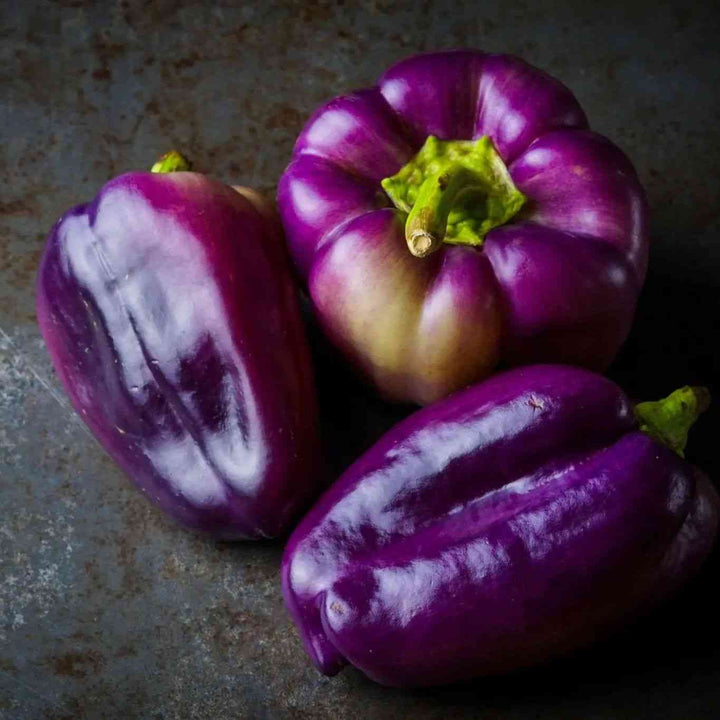
Purple Beauty pepper seeds produce purple sweet bell pepper fruit on bushy plants reaching 19–24 in, maturing in 70-79 Days.

Marconi Red Pepper Seeds

Marconi Red Pepper Seeds

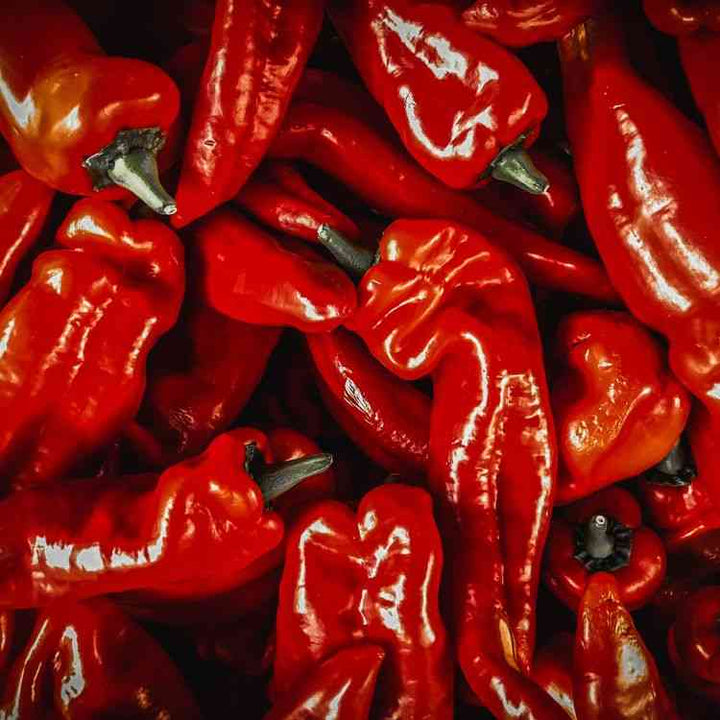
Marconi Red pepper seeds produce red sweet pepper fruit on upright, erect plants reaching 31–36 in, maturing in 60-69 Days.

Diamond Bell Pepper Seeds

Diamond Bell Pepper Seeds

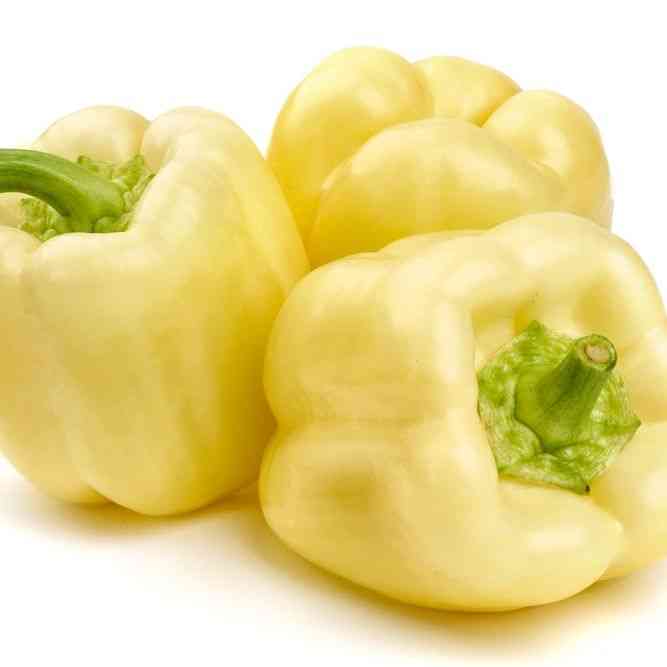
Diamond Bell maintained seed line pepper seeds produce white sweet bell pepper fruit on bushy plants reaching 19–24 in, maturing in 70-79 Days.

Big Red Sweet Pepper Seeds

Big Red Sweet Pepper Seeds

Big Red produces substantial bell peppers with thick, juicy walls and a sweet flavor that deepens as green fruits ripen red.

Lilac Pepper Seeds

Lilac Pepper Seeds

Lilac (PEP9151) pepper seeds produce purple sweet bell pepper fruit on bushy plants reaching 19–24 in, maturing in 70-79 Days.

Customer experience

Reviews for Mini Bell Red Pepper Seeds

Customer Reviews

Be the first to write a review
0%
(0)
0%
(0)
0%
(0)
0%
(0)
0%
(0)