Free U.S. seed shipping $25+. Seeds ship free at the threshold. Storefront goods, pantry finds, books & local goods are being added.

New seeds, Main Street specials, and storefront finds update as the market grows.

Progress no. 9 Pea Seeds

Scientific name Pisum sativum var. sativum

Seed packet & garden essentials

What to know before you plant

View complete growing & care facts
40 minimum seeds per packet
  • Maturity60-69 Days · 60-69 Days
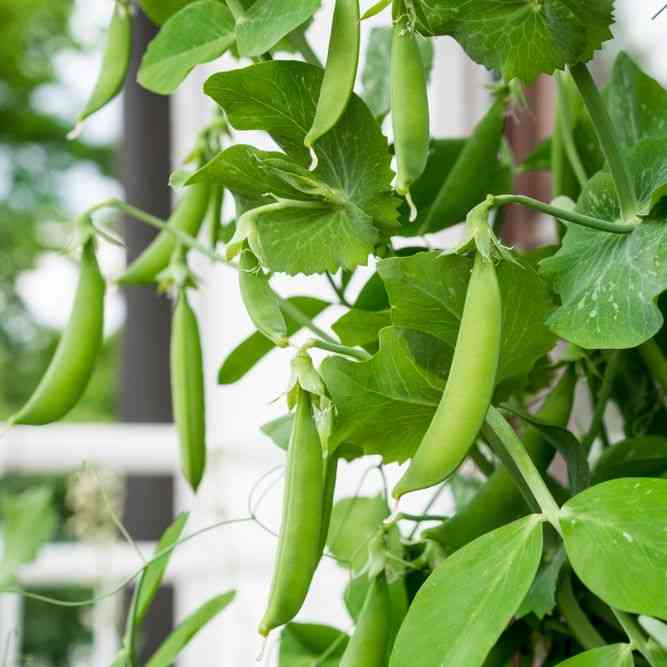
  • Growth habitBush · Annual · 25–30 in tall
  • Best usefresh pods, shelling or dry harvest, soil-building rotations, and seed saving
  • Flavor & character9 Pea Seeds offer a robust and reliable choice for your vegetable garden, renowned for their exceptional yield and delicious flavor.
  • Germination7–14 Days days · 45–60 °F
  • Seed preparationUse clean seed-starting conditions, the listed sowing depth and temperature, and steady moisture without saturation
  • SunFull sun
  • Support & spacingTrellis · space 3 in · rows 18 in
  • Container fitWell suited to containers when soil volume, drainage, sunlight, and regular moisture match the mature plant
  • Water needsModerate
  • SoilLoamy · pH 6.0–6.5
  • Planting seasonSpring/Fall · blooms Spring · Hardy
$200 USD
Secure checkout Details
Generic
Triple-tested seed qualityRegular quality and germination checks support every packet.

We regularly test seed quality and germination as lots move through storage and packing. We stand behind the seed we send and want customers to contact us when a packet does not perform as reasonably expected.

1-year seed warrantyCoverage begins on the date of purchase.

When properly stored, planted, and cared for, we guarantee reasonable germination and true-to-type growth for one year from the date of purchase. Conditions outside our control—including extreme weather, pests, unsuitable storage, and gardener error—are excluded. Contact us when something is not right so we can review the situation and work toward a replacement, refund, or another fair resolution.

Non-GMO / BE seed policyWe do not buy or sell genetically engineered or bioengineered seed.

Every seed variety we sell is non-GMO.

USDA’s National Bioengineered Food Disclosure Standard defines bioengineered foods as containing detectable genetic material modified through in vitro recombinant DNA methods in ways not achievable through conventional breeding or found in nature.

  • Hybrid means parent lines were conventionally crossed; hybrid does not mean GMO.
  • Heirloom and open-pollinated describe how a variety is maintained and reproduced.
  • Organic certification is separate and is shown only when verified for the individual product.
Packed in Colerain, North CarolinaPrepared in our seed room for gardens across the country.

Seeds are packed and shipped from Colerain, North Carolina. Our packets use forestry-certified paper, and we use recyclable paper mailers where appropriate. AONSK is also a 1% for the Planet partner while continuing to reduce waste in packing and fulfillment.

Seed success profile

Rules-based · no AI
Gardener experience Beginner-friendly
Germination difficulty Very straightforward
Preparation before sowing
Use clean seed-starting conditions, the listed sowing depth and temperature, and steady moisture without saturation
Germination speed
Typical — usually 7–21 days
Growing complexity
Usually direct sown; complexity depends on support, harvest stage, and heat or moisture stress
Patience and timing
60-69 Days
Is this seed a good match for your experience?
Expected germination
7–14 Days
Germination temperature
45–60 °F
Stratification
Not normally required by the current record
Scarification
Not normally required by the current record
Pre-soaking
Not normally required by the current record
Light during germination
Cover to the recorded depth; provide strong light immediately after emergence
Germination pattern
Usually reliable when seed is stored well and temperature, depth, moisture, and preparation match the recorded requirements
Transplant sensitivity
Use the crop-specific starting method and minimize unnecessary root disturbance
Starting method
Cataloged as suitable for direct sowing; follow the product-specific timing and depth.
Best chance of success
For Progress no. 9 Pea Seeds, control temperature and moisture at sowing, label the start date, and compare emergence with the complete recorded germination window before reseeding.
What to expect

Preparation: Use clean seed-starting conditions, the listed sowing depth and temperature, and steady moisture without saturation. Germination light: Cover to the recorded depth; provide strong light immediately after emergence. Expected emergence: 7-14 Days. Temperature: 45-60 °F.

Slow germination is not automatically failed germination.

Maintain the listed temperature, moisture, light, and treatment conditions for the full expected window. Some seed lots emerge gradually rather than all at once.

1 Beginner-friendly 2 One extra step 3 Some experience helpful 4 Patient growers 5 Advanced propagation

This deterministic profile uses recorded product facts; it is not Artificial Intelligence and is not a guarantee. Seed age, storage, sowing depth, moisture, temperature, light, local conditions, and aftercare can all affect results. Last reviewed July 2026.

Build a garden-fit plan

Check this seed against your real growing conditions

Compare timing, germination preparation, sunlight, soil, water, space, support, intended use, and your preferred level of seed-starting complexity.

Open the detailed garden-fit planner Deterministic rules · no Artificial Intelligence · no live weather service

Complete product description

Progress no. 9 Pea Seeds

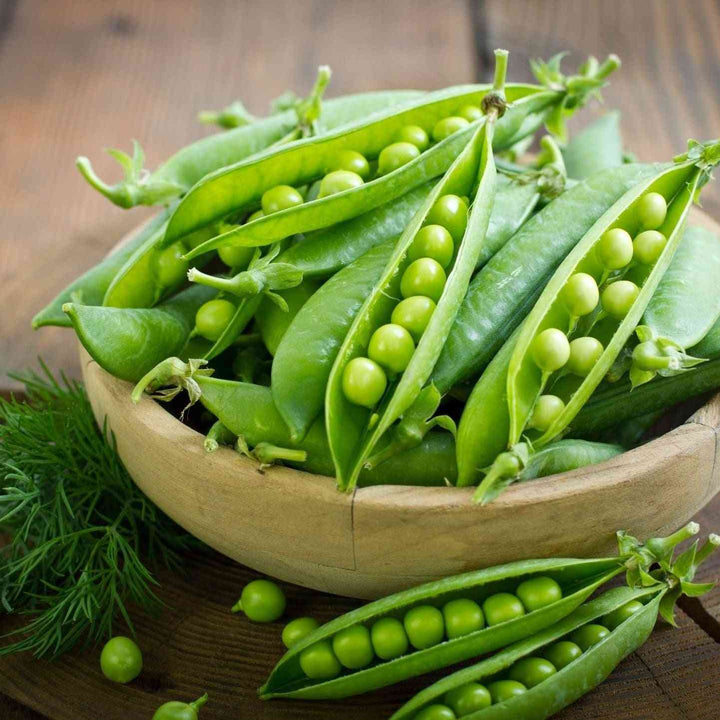
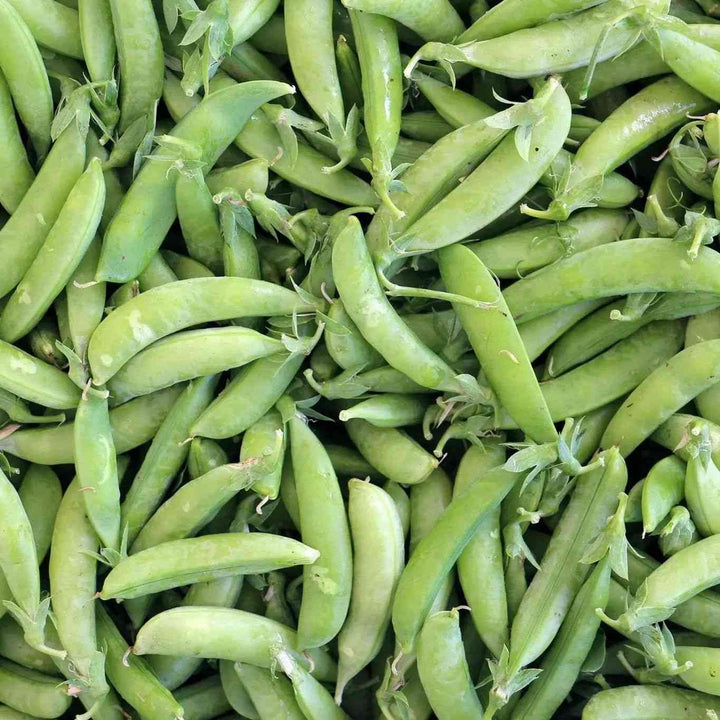
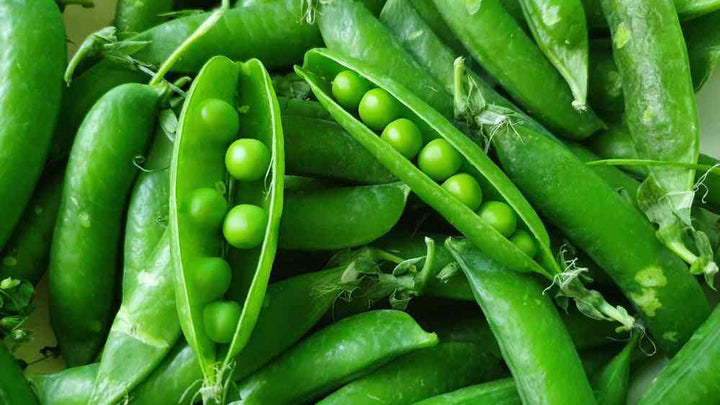
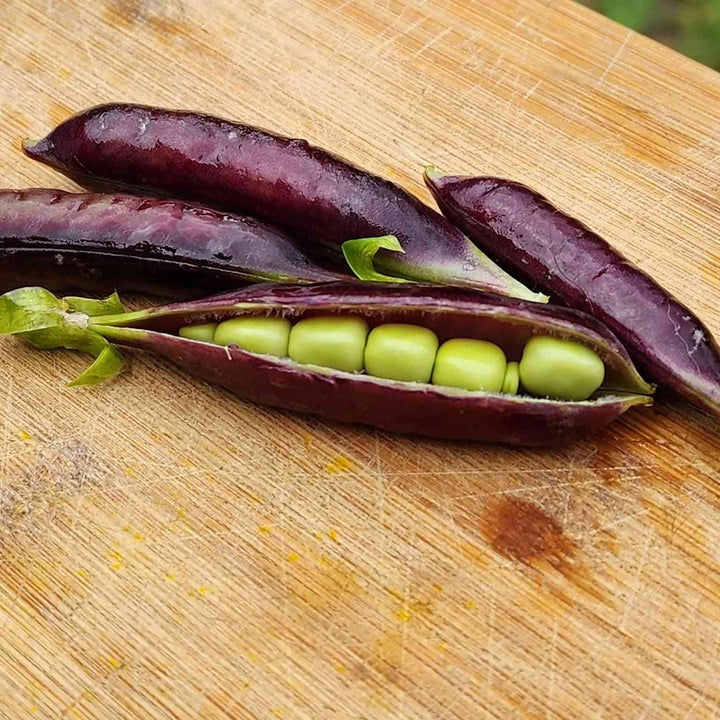
Progress No. 9 Pea Seeds offer a robust and reliable choice for your vegetable garden, renowned for their exceptional yield and delicious flavor. These peas grow on compact, bushy plants reaching about 18-24 inches in height, making them ideal for smaller spaces or container gardening. Expect a bountiful harvest approximately 58-62 days after planting, with pods that are 4 inches long, each containing 6-9 plump, sweet peas.

The pods start a deep green and maintain their vibrant color even after harvesting, ensuring an appetizing presentation in your kitchen. The peas have a tender texture and a sweet, delicate flavor that is perfect for fresh eating, steaming, or adding to salads and stir-fries. The Progress No. 9 variety is known for its disease resistance, making it a reliable choice for gardeners seeking minimal maintenance.

Whether you're a seasoned gardener or a beginner, these peas are straightforward to cultivate. They thrive in well-drained soil with adequate sunlight and require regular watering to ensure optimal growth. With Progress No. 9, you can enjoy a continuous supply of fresh peas throughout the growing season, adding a nutritious and flavorful element to your meals.

Minimum Seed Count: 40 seeds

Every recorded growing detail

Complete growing & care facts

Continue to the garden-fit planner

Plant identity

Minimum seed count 40 seeds
Seed product profile Legume
Scientific name Pisum sativum var. sativum
Also known as Pea, Pea Seeds - Garden - Progress no. 9
Life cycle Annual
Botanical family Fabaceae
Reproductive type Open-Pollinated (OP)
Heritage qualifiers Non-GMO
Native to the United States Domesticated Plant
Domestication note Mediterranean Basin

Seed success and gardener experience

Gardener experience Beginner-friendlyLevel 2 of 5
Germination difficulty Very straightforwardLevel 1 of 5
Preparation before sowing Use clean seed-starting conditions, the listed sowing depth and temperature, and steady moisture without saturation
Stratification Not normally required by the current record
Scarification Not normally required by the current record
Pre-soaking Not normally required by the current record
Light during germination Cover to the recorded depth; provide strong light immediately after emergence
Germination pattern Usually reliable when seed is stored well and temperature, depth, moisture, and preparation match the recorded requirements
Growing complexity Usually direct sown; complexity depends on support, harvest stage, and heat or moisture stress
Transplant sensitivity Use the crop-specific starting method and minimize unnecessary root disturbance
First harvest or bloom 60-69 Days
Best chance of success For Progress no. 9 Pea Seeds, control temperature and moisture at sowing, label the start date, and compare emergence with the complete recorded germination window before reseeding.

Timing and climate

Days to maturity 60-69 Days
Germination 7–14 Days
Germination temperature 45–60 °F
Planting season Spring/Fall
Bloom season Spring
Frost tolerance Hardy
Sunlight Full sun
Water needs Moderate

Site, soil, and space

Soil type Loamy
Preferred soil pH 6.0–6.5
Seed depth 1 in
Plant spacing 3 in
Row spacing 18 in
Mature height 25–30 in
Growth habit Bush
Support needed Trellis
Suitable growing locations In-ground bed, Raised bed, Greenhouse, High Tunnel, Containers, Community garden, Hydroponic, Vertical

Crop-specific details

Flavor profile 9 Pea Seeds offer a robust and reliable choice for your vegetable garden, renowned for their exceptional yield and delicious flavor.

Garden-fit planning for this variety

Will Progress no. 9 Pea Seeds fit your garden?

Check support, direct-sowing conditions, harvest use, succession timing, and available space.

Rules-based · no AI
Questions for this bean or pea seed
Seed-starting fit and patience
Recorded product profileBeginner-friendlyVery straightforwardRead why
Soil test, pH, drainage, and amendment calculator Have a laboratory soil report? Enter pH, nutrients, texture, bed size, and site observations here. Open soil tools
Recorded soil typeLoamy
Recorded pH range6.0–6.5
Water needsModerate
LightFull sun

Use a current laboratory soil test

Soil-test interpreter

Compare your report with this product's listed pH target: 6.0–6.5.

This tool interprets values you enter; it does not replace laboratory or Cooperative Extension amendment rates. Soil test methods and nutrient recommendations vary by region.

The full variety record

Sowing, care, harvest, troubleshooting, and history

How to start Progress no. 9 Pea Seeds from seedPreparation, timing, depth, germination, transplanting, spacing, and early care

Variety-specific germination notes

Preparation: Use clean seed-starting conditions, the listed sowing depth and temperature, and steady moisture without saturation. Germination light: Cover to the recorded depth; provide strong light immediately after emergence. Expected emergence: 7-14 Days. Temperature: 45-60 °F.

Complete sowing and planting guidance

How to sow and plant Pea: plant in prepared, well-drained soil after the recommended seasonal window for your area. Keep the seedbed evenly moist during germination, thin seedlings to the listed spacing, and mulch established plants to conserve soil moisture.
How to grow this specific varietyLight, water, fertility, support, spacing, airflow, crop behavior, and season-long care

Complete growing guide

How to grow Pea: choose a site with the listed sunlight and soil requirements. Water consistently, avoid overcrowding, and monitor plants for pests, disease, and nutrient stress. Harvest at the proper stage for best flavor and seed quality.
Practical field and garden tipsExtra techniques, timing adjustments, and observations that improve success
Additional tips for Pea: succession plant when appropriate, label varieties clearly, and keep good garden notes on germination, vigor, flavor, and harvest timing so you can compare varieties season to season.
Harvest, storage, uses, and benefitsWhen and how to harvest, ways to use the crop, storage, culinary value, habitat value, and garden roles

Uses and benefits

Uses and benefits of Pea: grow for home gardens, seedkeeping, fresh harvests, culinary use, and biodiversity in the garden. Exact use depends on the variety and harvest stage.
Seed saving and carrying the variety forwardPollination, isolation, selection, harvest, cleaning, drying, and storage
Seed saving for Pea: select healthy, true-to-type plants, allow seed to mature fully before harvest, dry seed thoroughly, and store in a cool, dry, labeled container. Isolate varieties as needed to prevent unwanted crossing.
Common pests, diseases, and growing problemsIdentification, prevention, crop-safe response, and when intervention is justified

Complete pest and problem guide

Common Pests & Problems — 'Progress No. 9' (Pisum sativum)Insects & MitesPea Aphids (Acyrthosiphon pisum) (stunted growth, yellowing leaves)Controls: Use a strong water spray to dislodge aphids and apply insecticidal soap or neem oil every 5–7 days. Encourage natural predators like lady beetles and parasitic wasps by planting companion flowers such as marigolds and nasturtiums.Pea Weevil (Bruchus pisorum) (damaged seeds, reduced yield)Controls: Implement crop rotation and avoid planting peas in the same location each year. Use floating row covers to prevent adult weevils from laying eggs. Handpick and destroy any visible adults.DiseasesPowdery Mildew (Erysiphe pisi) (white powdery spots on leaves)Controls: Ensure good air circulation by spacing plants adequately. Apply sulfur-based fungicides at the first sign of infection. Remove and destroy affected plant debris at the end of the season.Root Rot (Aphanomyces euteiches) (wilting, root discoloration)Controls: Improve soil drainage and avoid overwatering. Practice crop rotation and consider planting resistant varieties. Use raised beds to enhance drainage.Physiological & Environmental IssuesPoor Germination (cold, wet soil conditions)Solutions: Wait until soil temperatures reach at least 50°F (10°C) before planting. Use well-draining soil and avoid overwatering. Consider using a soil thermometer to ensure optimal planting conditions.Heat Stress (temperatures above 85°F/29°C)Solutions: Provide shade during the hottest part of the day using shade cloth or row covers. Mulch around plants to retain soil moisture and keep roots cool.Monitoring & Prevention — Quick Checklist- Regularly inspect plants for aphids and pea weevils; take action immediately if detected.- Ensure proper spacing and air circulation to prevent powdery mildew.- Rotate crops annually and avoid planting peas in the same spot to reduce disease risk.- Monitor soil temperature and moisture levels to optimize germination and growth conditions.- Use companion planting to attract beneficial insects and deter pests.
Questions gardeners ask about this seedProduct-specific answers for sowing, care, harvest, use, and seed saving
Frequently Asked Questions — Pea

Q: When should I plant Pea?
A: Follow the planting season listed on this product page and adjust for your local frost dates.

Q: How deep should I sow the seeds?
A: Use the seed depth listed in the growing facts.

Q: Can I save seed from this variety?
A: Open-pollinated varieties can generally be saved when properly isolated and selected; hybrids may not grow true to type.
History, provenance, and cultural contextWhat is documented, what is reported, what remains uncertain, and how the variety reached gardeners

Scientific name: Pisum sativum var. sativum

Plant and variety history

Progress No. 9 Pea, a testament to horticultural innovation and resilience, emerges from the fertile fields of early 20th-century America. This particular cultivar, developed in the 1920s, stands as a symbol of progress in agricultural breeding, embodying the quest for a pea that could thrive in diverse climates while offering a bountiful harvest. The name \"Progress\" speaks to its role in advancing pea cultivation, while \"No. 9\" hints at the meticulous selection process that brought it to fruition.For generations, peas have been a staple in gardens and kitchens across the globe, cherished not only for their sweet, tender flavor but also for their nutritional value. In the United States, Progress No. 9 quickly became a favorite among home gardeners and farmers alike. Its compact vines and early maturity made it ideal for small plots and succession planting, allowing families to enjoy fresh peas throughout the growing season. The peas themselves, plump and vibrant green, were a welcome addition to soups, stews, and salads, providing a burst of flavor and a touch of springtime even in the heart of winter.Beyond its culinary appeal, Progress No. 9 played a role in community resilience during challenging times. During the Great Depression and World War II, when victory gardens became a patriotic duty, this reliable pea variety helped ensure food security and self-sufficiency. Its ease of growth and high yield made it a practical choice for novice gardeners and seasoned farmers alike, contributing to the war effort by freeing up commercial produce for the troops.While the Progress No. 9 Pea may not boast the fiery allure of a superhot chili, its legacy is no less significant. It is a botanical marvel, a result of careful breeding that combines traits from its Pisum sativum ancestors to produce a plant that is both hardy and prolific. Its adaptability to various soil types and climates speaks to its robust genetic heritage, making it a versatile choice for gardeners around the world.Though newer pea varieties have since been developed, offering disease resistance and even greater yields, Progress No. 9 remains a cherished heirloom in many gardens. It is a reminder of a time when innovation in agriculture was driven by necessity and a testament to the enduring appeal of a well-grown pea. To plant Progress No. 9 today is to participate in a legacy of growth and sustenance, honoring the breeders who first envisioned its potential and the gardeners who continue to nurture its legacy in their own backyards.

Continue planning

Related seeds, collections, and growing guides

Explore the full collection
Heirloom Pea Seeds for Home GardensExplore the full collection →
Tom Thumb Pea Seeds

Tom Thumb Pea Seeds

Miniature heirloom pea perfect for containers and early spring harvests with rich, sweet flavor.

Sugar Ann Snap Pea

Sugar Ann Snap Pea

Sugar Ann Snap Pea: sweet, juicy, and tender at the young pod stage. Best for small trellises and containers.

Little Marvel Pea Seeds

Little Marvel Pea Seeds

Compact heirloom pea that produces sweet, tender peas perfect for fresh eating or freezing.

Super Sugar Snap Pea Seeds

Super Sugar Snap Pea Seeds

A vigorous climbing snap pea that produces abundant, crisp, sweet pods perfect for fresh eating and garden snacking.

Sugar Magnolia Pea Seeds

Sugar Magnolia Pea Seeds

Eye-catching purple pods packed with sweet, crisp flavor make this climbing pea both stunning and highly productive.

Customer experience

Reviews for Progress no. 9 Pea Seeds

Customer Reviews

Based on 1 review
0%
(0)
100%
(1)
0%
(0)
0%
(0)
0%
(0)
P
PJ

They are climbing the ladder☺️. Can't wait for the pods