Variety field guide
What to expect from Early Purple Sprouting Broccoli
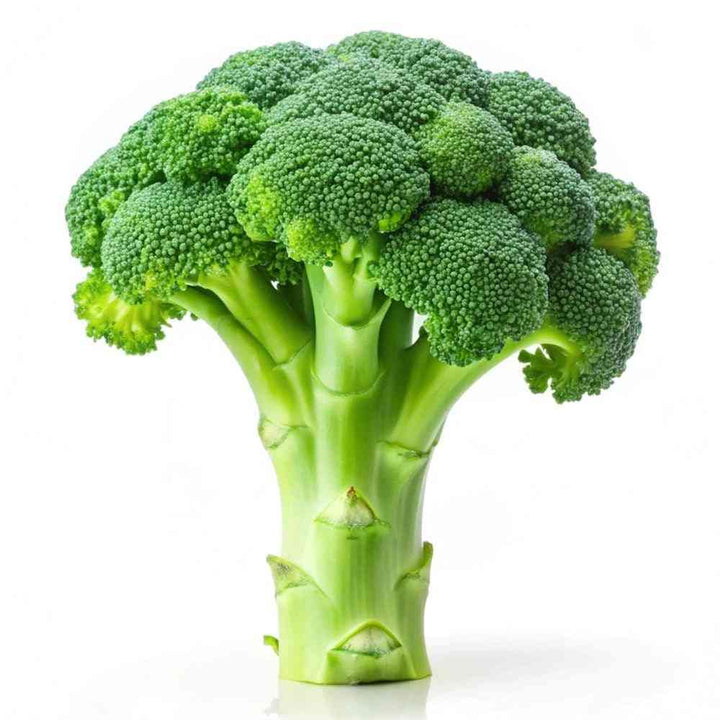
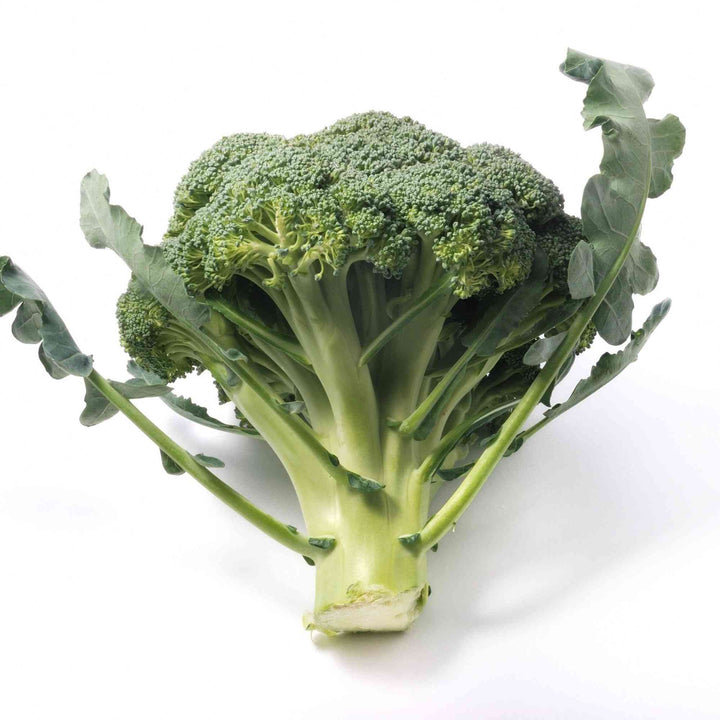
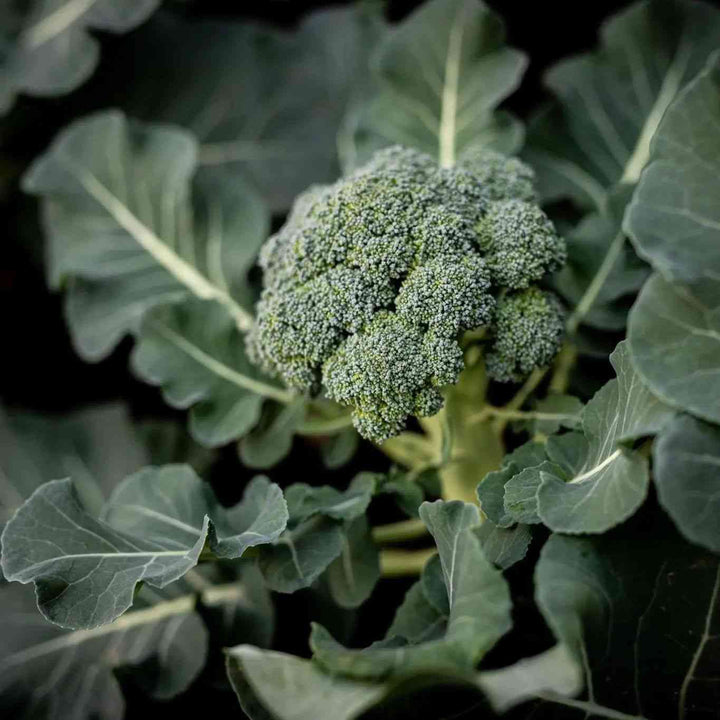
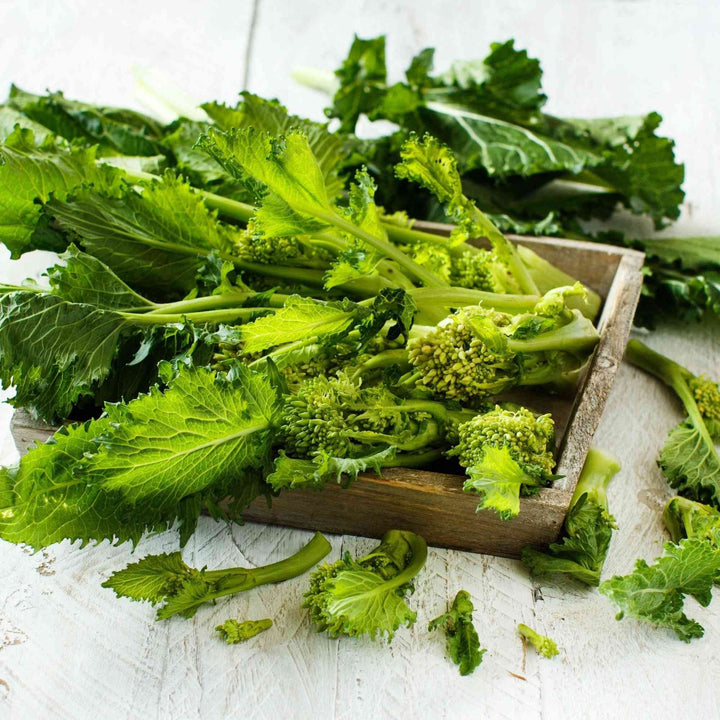
Early Purple Sprouting is a biennial broccoli selection grown for tender stems, shoots, leaves, flower buds, cool-season harvest, and seed saving.
Read the complete product descriptionTraits, flavor, garden use, variety notes, and the full catalog record
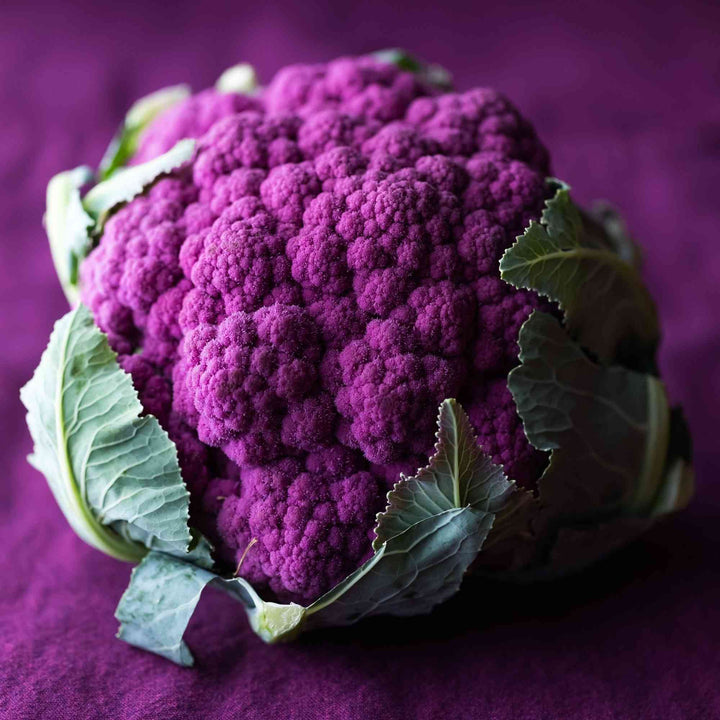
Early Purple Sprouting broccoli seeds produce a traditional overwintering broccoli valued for its sweet flavor, cold hardiness, and early spring harvests. This historic English variety of Brassica oleracea (Italica Group) is grown not for a single large head, but for abundant clusters of tender purple shoots that appear as winter gives way to spring. The vivid purple florets deepen in color during cold weather and turn green when cooked.
About Early Purple Sprouting
Early Purple Sprouting is a biennial selection of broccoli, with an upright/erect habit and an expected height or spread of 31–36 in. It is best suited to tender stems, shoots, leaves, flower buds, cool-season harvest, and seed saving. Notable traits include purple coloring; harvest the named head, stem, leaf, or budding-shoot stage before flowers open widely; green, brassica-rich flavor with tenderness shaped by harvest timing.
Early Purple Sprouting is kept under its own packet name and should not be treated as interchangeable with every other broccoli selection.
History and provenance
Broccoli, cabbage, cauliflower, Brussels sprouts, collards, kale, and kohlrabi are distinct crop groups within Brassica oleracea. Generations of selection emphasized different plant organs: flower buds, heads, leaves, side buds, or swollen stems. Their shared species identity is especially important in seed-saving isolation. Broccoli Seeds - Early Purple Sprouting belongs to a plant lineage long associated with Mediterranean and Old World garden agriculture. It was selected over generations for kitchen, market, ornamental, or herbal value and remains useful in modern home gardens. Cultivated for centuries, Early Purple Sprouting broccoli seeds remain a cornerstone of traditional kitchen gardens.
Growing facts
| Scientific name | Brassica oleracea L. Italica Group |
|---|---|
| Life cycle | Biennial |
| Maturity | 180-189 Days |
| Germination | 5-10 Days at 50–65 °F |
| Seed depth | 1/4 in |
| Plant height / spread | 31–36 in |
| Growth habit | Upright/Erect |
| Spacing | 18 in between plants; 30 in between rows |
| Sunlight | Full sun |
| Soil | Loamy; pH 6.0–6.5 |
| Water | Moderate |
| Support | No-Support |
Starting Early Purple Sprouting from seed
Sow 1/4 in deep and keep the seed zone evenly moist. Expect emergence in 5-10 Days when the seed-zone temperature is near 50–65 °F. Germination preparation: Start in clean seed-starting mix when season length requires it, then transplant at a sturdy but not root-bound stage. Light requirement: Cover evenly to 1/4 in. Soaking: None required. Stratification: None required. Scarification: None required.
Planting and care
Plant during spring/Fall and provide full sun. Space plants 18 in apart with 30 in between rows. Use loamy with a pH near 6.0–6.5, and follow a moderate watering plan. Support requirement: No-Support. Frost response: Semi-Hardy. Medium to large container or in-ground bed; avoid crowding
Harvest and use
Approximately 180-189 Days, from transplanting to the primary market harvest stage. Weather, soil temperature, and planting method can shift the actual harvest date. Harvest: Harvest the named head, stem, leaf, or budding-shoot stage before flowers open widely. Uses: Tender stems, shoots, leaves, flower buds, cool-season harvest, and seed saving. Flavor: green, brassica-rich flavor with tenderness shaped by harvest timing. Seed saving: Insect-pollinated Brassica oleracea. Best uses include tender stems, shoots, leaves, flower buds, cool-season harvest, and seed saving. Flavor and eating quality: green, brassica-rich flavor with tenderness shaped by harvest timing.
Saving seed
Select several healthy, true-to-type Early Purple Sprouting plants that match the expected upright/erect habit and overall plant form. Avoid saving seed only from the earliest or largest individual unless that is your deliberate selection goal. Pollination system: Insect-pollinated Brassica oleracea. Crop groups within Brassica oleracea can cross with one another. Separate compatible varieties that may flower together, or use cages, barriers, hand pollination, or another documented control appropriate to the crop. Early Purple Sprouting is a biennial. Seed production may require overwintering, vernalization, or more than one growing season, depending on climate and crop biology. Clean the seed carefully, dry it thoroughly away from direct heat, label the lot with variety and year, and store it cool, dark, and dry. Test germination before an important planting or distribution season.
Common problems
Common concerns: Flea beetles, imported cabbageworm, cabbage loopers, aphids, slugs, root maggots, and clubroot risk where the pathogen is present. Management: Use rotation, insect netting before pests arrive, regular leaf inspection, sanitation, and well-drained soil. Do not plant the same brassica family repeatedly in one bed. Diagnosis note: Similar symptoms can have different causes. Compare plants of the same age, record weather and irrigation, and use local Extension or diagnostic support before applying a control.
Frequently asked questions
Frequently Asked Questions - Early Purple Sprouting
When is Early Purple Sprouting ready? Use 180-189 Days. Approximately 180-189 Days, from transplanting to the primary market harvest stage. Weather, soil temperature, and planting method can shift the actual harvest date.
How long does germination take? Expect 5-10 Days at about 50–65 °F. Cooler, hotter, crusted, saturated, or dry seedbeds can slow emergence.
How large does it grow? Expect about 31–36 in with an upright/erect habit. Space plants 18 in apart and rows 30 in apart. Support: No-Support.
Can it grow in a container? Medium to large container or in-ground bed; avoid crowding Use a container with drainage and enough volume to maintain the listed spacing and steady moisture.
Can I save seed? Insect-pollinated Brassica oleracea. Keep compatible varieties isolated and allow selected plants to reach full seed maturity.