Variety field guide
What to expect from Viroflay Spinach
Viroflay is an annual spinach selection grown for cool-season baby leaf or full-size harvest, succession planting, and seed saving.
Read the complete product descriptionTraits, flavor, garden use, variety notes, and the full catalog record
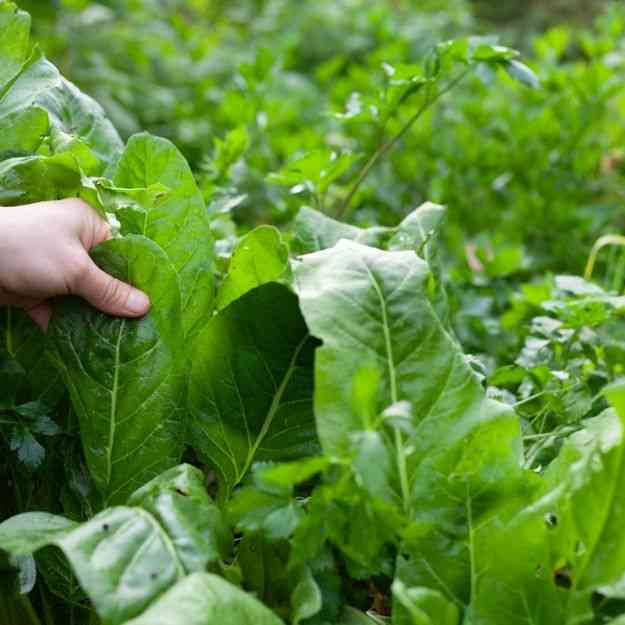
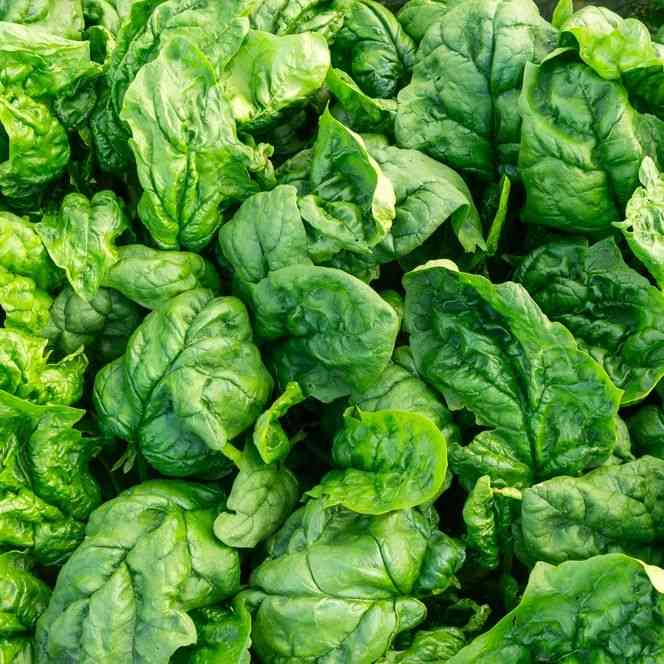
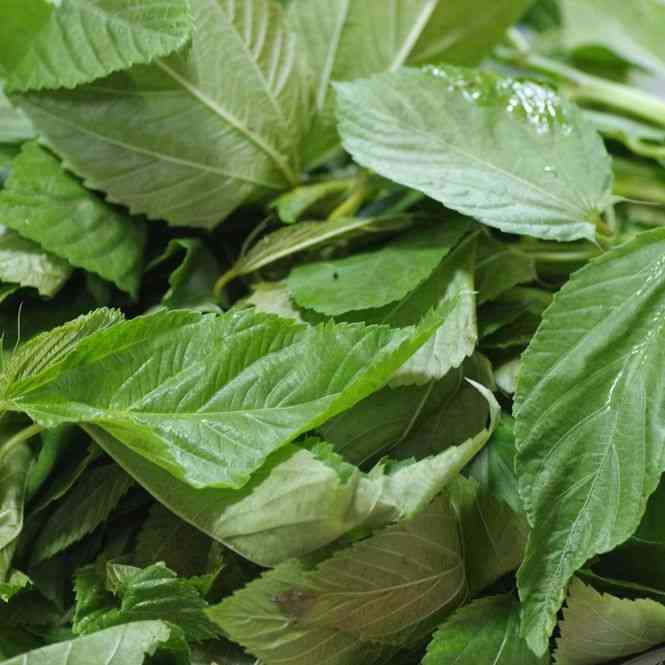
Viroflay Spinach is a classic French heirloom variety cherished for its robust growth and remarkable flavor. Its broad leaves are tender yet resilient, providing a rich, earthy taste that enhances any salad or cooked dish. Thriving in cool weather, Viroflay Spinach exhibits a strong resistance to bolting, allowing gardeners to enjoy a prolonged harvest period.
About Viroflay
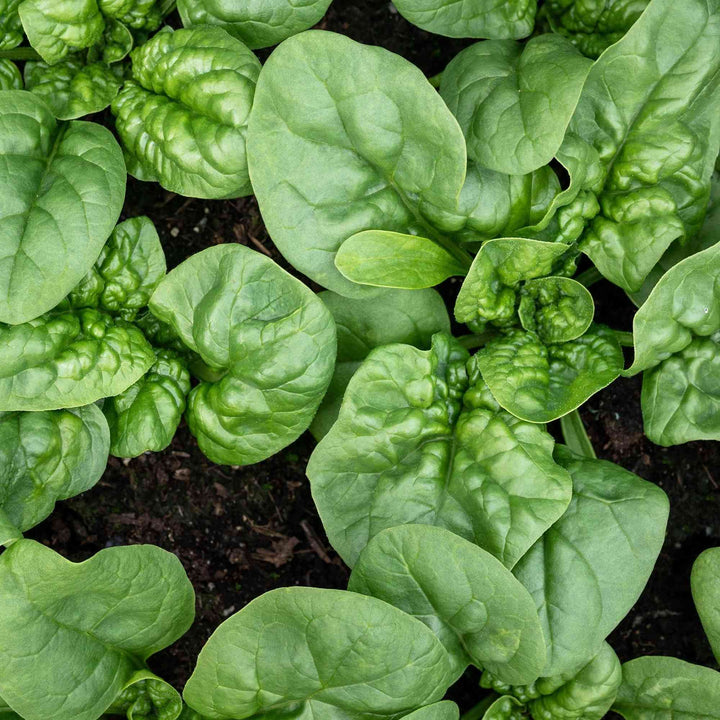
Viroflay is an annual selection of spinach, with a rosette habit and an expected height or spread of 7–12 in. It is best suited to cool-season baby leaf or full-size harvest, succession planting, and seed saving. Notable traits include harvest leaves before heat or long days trigger rapid bolting; tender mineral-rich greens with mild flavor.
Viroflay deserves a separate record because cultivar names can carry differences in harvest stage, plant form, flavor, or regional performance.
History and provenance
Leafy greens have been selected for rosette form, head type, color, texture, bitterness, season, and bolt resistance. Mixtures and market classes should not be given a single invented pedigree, and forcing chicory, endive, lettuce, and spinach remain botanically distinct crops. Spinach Seeds - Viroflay, a verdant jewel among leafy greens, traces its origins to the fertile soils of France, where it first unfurled its lush, broad leaves in the 19th century. Named after the town of Viroflay, near Versailles, this spinach variety is steeped in a rich history that reflects both its culinary prominence and its botanical elegance. The name \"Viroflay\" evokes images of sprawling gardens and royal kitchens, where this robust green was cherished for its tender texture and delicate flavor.For generations, Viroflay spinach has been a staple in French cuisine, celebrated for its versatility and nutritional prowess. French chefs and home cooks alike have incorporated it into a myriad of dishes-from vibrant salads and creamy soups to savory quiches and delicate soufflés. Its ability to thrive in cooler climates made it a favored crop in the autumn and spring, providing a vital source of vitamins and minerals during the leaner months. True spinach is a cool-season Spinacia crop; heat and long days can trigger bolting before full-size harvest.
Growing facts
| Scientific name | Spinacia oleracea L. |
|---|---|
| Life cycle | Annual |
| Maturity | 40-49 Days |
| Germination | 5-10 Days at 45–60 °F |
| Seed depth | 1/2 in |
| Plant height / spread | 7–12 in |
| Growth habit | Rosette |
| Spacing | 6 in between plants; 18 in between rows |
| Sunlight | Full - Partial Sun |
| Soil | Loamy; pH 6.5–7.0 |
| Water | Moderate |
| Support | No-Support |
Starting Viroflay from seed
Sow 1/2 in deep and keep the seed zone evenly moist. Expect emergence in 5-10 Days when the seed-zone temperature is near 45–60 °F. Germination preparation: Direct sow into a prepared, weed-free seedbed; avoid disturbing developing roots or dense stands. Light requirement: Cover evenly to 1/2 in. Soaking: None required. Stratification: None required. Scarification: None required.
Planting and care
Plant during spring/Summer and provide full - partial sun. Space plants 6 in apart with 18 in between rows. Use loamy with a pH near 6.5–7.0, and follow a moderate watering plan. Support requirement: No-Support. Frost response: Hardy. Good container fit with drainage, even moisture, and the listed spacing
Harvest and use
Approximately 40-49 Days, from cool direct sowing to the listed baby-leaf or full-size harvest stage. Weather, soil temperature, and planting method can shift the actual harvest date. Harvest: Harvest leaves before heat or long days trigger rapid bolting. Uses: Cool-season baby leaf or full-size harvest, succession planting, and seed saving. Flavor: tender mineral-rich greens with mild flavor. Seed saving: Wind-pollinated annual. Best uses include cool-season baby leaf or full-size harvest, succession planting, and seed saving. Flavor and eating quality: tender mineral-rich greens with mild flavor.
Saving seed
Select several healthy, true-to-type Viroflay plants that match the expected rosette habit and overall plant form. Avoid saving seed only from the earliest or largest individual unless that is your deliberate selection goal. Pollination system: Wind-pollinated annual. Spinach is wind-pollinated and often has separate male and female plants. Separate compatible varieties that may flower together, or use cages, barriers, hand pollination, or another documented control appropriate to the crop. Allow selected plants to pass the eating stage and reach full botanical seed maturity. Harvest only when seed heads, pods, or fruits have matured enough for sound seed development. Clean the seed carefully, dry it thoroughly away from direct heat, label the lot with variety and year, and store it cool, dark, and dry. Test germination before an important planting or distribution season.
Common problems
Common concerns: Leaf miners, aphids, flea beetles, damping-off, Cercospora or other leaf spots, and root problems in waterlogged soil. Management: Rotate crop families, remove badly affected leaves, improve airflow, and keep the root zone moist but not saturated. Diagnosis note: Similar symptoms can have different causes. Compare plants of the same age, record weather and irrigation, and use local Extension or diagnostic support before applying a control.
Frequently asked questions
Frequently Asked Questions - Viroflay
When is Viroflay ready? Use 40-49 Days. Approximately 40-49 Days, from cool direct sowing to the listed baby-leaf or full-size harvest stage. Weather, soil temperature, and planting method can shift the actual harvest date.
How long does germination take? Expect 5-10 Days at about 45–60 °F. Cooler, hotter, crusted, saturated, or dry seedbeds can slow emergence.
How large does it grow? Expect about 7–12 in with a rosette habit. Space plants 6 in apart and rows 18 in apart. Support: No-Support.
Can it grow in a container? Good container fit with drainage, even moisture, and the listed spacing Use a container with drainage and enough volume to maintain the listed spacing and steady moisture.
Can I save seed? Wind-pollinated annual. Keep compatible varieties isolated and allow selected plants to reach full seed maturity.