Free U.S. seed shipping $25+. Seeds ship free at the threshold. Storefront goods, pantry finds, books & local goods are being added.

New seeds, Main Street specials, and storefront finds update as the market grows.

Round Zucchini Seeds

Scientific name Cucurbita pepo var. giromontiina

Seed packet & garden essentials

What to know before you plant

View complete growing & care facts
15 minimum seeds per packet
  • Maturity50-59 Days · 50-59 Days
  • Growth habitBush · Annual · 25–30 in tall
  • Best useproductive warm-season beds, trellises or sprawling vines, kitchen use, and seed saving
  • Flavor & characterThe tender flesh of the round zucchini is mild and subtly sweet, offering a versatile base for a myriad of dishes, from stuffed zucchini to grilled slices.
  • Germination7–10 Days days · 75–90 °F
  • Seed preparationUse clean seed-starting conditions, the listed sowing depth and temperature, and steady moisture without saturation
  • SunFull sun
  • Support & spacingNo-Support · space 24 in · rows 36 in
  • Container fitWell suited to containers when soil volume, drainage, sunlight, and regular moisture match the mature plant
  • Water needsModerate
  • SoilLoamy · pH 6.0–6.5
  • Planting seasonSpring · blooms Summer · Tender
$200 USD

Pickup available at Bertie County Seeds

Usually ready in 2-4 days

Secure checkout Details
Generic
Triple-tested seed qualityRegular quality and germination checks support every packet.

We regularly test seed quality and germination as lots move through storage and packing. We stand behind the seed we send and want customers to contact us when a packet does not perform as reasonably expected.

1-year seed warrantyCoverage begins on the date of purchase.

When properly stored, planted, and cared for, we guarantee reasonable germination and true-to-type growth for one year from the date of purchase. Conditions outside our control—including extreme weather, pests, unsuitable storage, and gardener error—are excluded. Contact us when something is not right so we can review the situation and work toward a replacement, refund, or another fair resolution.

Non-GMO / BE seed policyWe do not buy or sell genetically engineered or bioengineered seed.

Every seed variety we sell is non-GMO.

USDA’s National Bioengineered Food Disclosure Standard defines bioengineered foods as containing detectable genetic material modified through in vitro recombinant DNA methods in ways not achievable through conventional breeding or found in nature.

  • Hybrid means parent lines were conventionally crossed; hybrid does not mean GMO.
  • Heirloom and open-pollinated describe how a variety is maintained and reproduced.
  • Organic certification is separate and is shown only when verified for the individual product.
Packed in Colerain, North CarolinaPrepared in our seed room for gardens across the country.

Seeds are packed and shipped from Colerain, North Carolina. Our packets use forestry-certified paper, and we use recyclable paper mailers where appropriate. AONSK is also a 1% for the Planet partner while continuing to reduce waste in packing and fulfillment.

Seed success profile

Rules-based · no AI
Gardener experience Some experience is helpful
Germination difficulty Straightforward
Preparation before sowing
Use clean seed-starting conditions, the listed sowing depth and temperature, and steady moisture without saturation
Germination speed
Typical — usually 7–21 days
Growing complexity
Warm-season vine or bush requiring root room, pollination, and protection from crown and vine pests
Patience and timing
50-59 Days
Is this seed a good match for your experience?
Expected germination
7–10 Days
Germination temperature
75–90 °F
Stratification
Not normally required by the current record
Scarification
Not normally required by the current record
Pre-soaking
Not normally required by the current record
Light during germination
Cover to the recorded depth; provide strong light immediately after emergence
Germination pattern
Usually reliable when seed is stored well and temperature, depth, moisture, and preparation match the recorded requirements
Transplant sensitivity
Often sensitive to root disturbance; direct sow or transplant young
Starting method
Cataloged as suitable for direct sowing; follow the product-specific timing and depth.
Best chance of success
For Round Zucchini Seeds, control temperature and moisture at sowing, label the start date, and compare emergence with the complete recorded germination window before reseeding.
What to expect

Preparation: Use clean seed-starting conditions, the listed sowing depth and temperature, and steady moisture without saturation. Germination light: Cover to the recorded depth; provide strong light immediately after emergence. Expected emergence: 7-10 Days. Temperature: 75-90 °F.

Slow germination is not automatically failed germination.

Maintain the listed temperature, moisture, light, and treatment conditions for the full expected window. Some seed lots emerge gradually rather than all at once.

1 Beginner-friendly 2 One extra step 3 Some experience helpful 4 Patient growers 5 Advanced propagation

This deterministic profile uses recorded product facts; it is not Artificial Intelligence and is not a guarantee. Seed age, storage, sowing depth, moisture, temperature, light, local conditions, and aftercare can all affect results. Last reviewed July 2026.

Build a garden-fit plan

Check this seed against your real growing conditions

Compare timing, germination preparation, sunlight, soil, water, space, support, intended use, and your preferred level of seed-starting complexity.

Open the detailed garden-fit planner Deterministic rules · no Artificial Intelligence · no live weather service

Complete product description

Round Zucchini Seeds

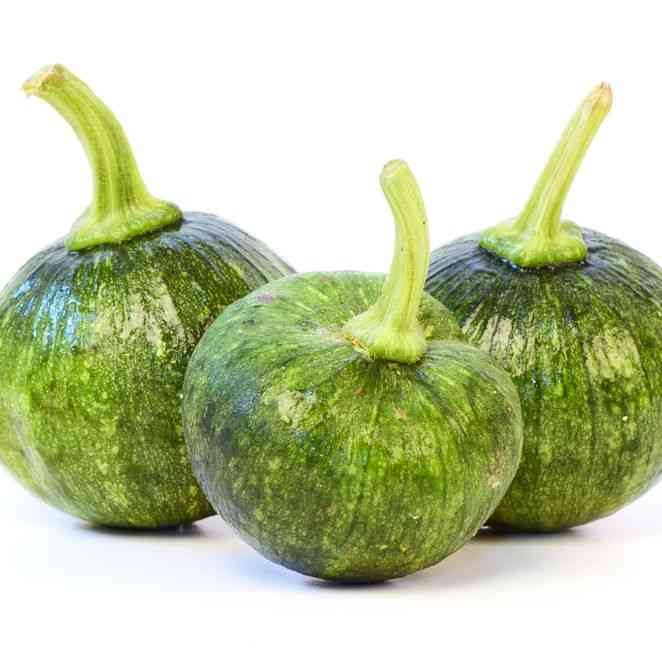
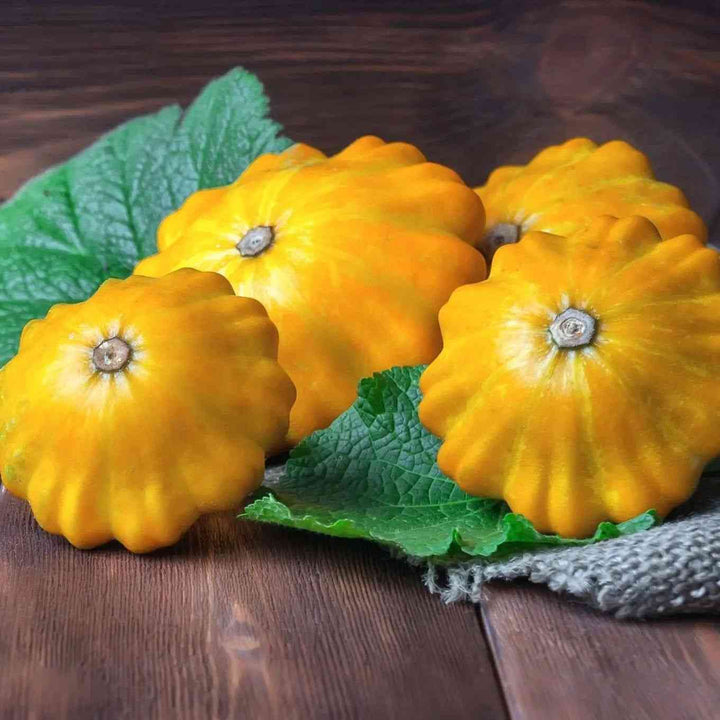
Discover the unique charm of our Round Zucchini Seeds, a delightful twist on the traditional elongated squash. These compact, spherical fruits grow to approximately 3-4 inches in diameter, making them perfect for individual servings or creative culinary presentations. With a smooth, dark green skin that matures in about 50-55 days, this zucchini variant is not only eye-catching but also a robust producer, yielding abundant harvests throughout the warm months.

The bushy growth habit of this zucchini variety allows for efficient space utilization, making it an ideal choice for both small gardens and larger plots. As the plant matures, its lush foliage provides a natural canopy, protecting the fruit from sunscald and ensuring consistent quality. The tender flesh of the round zucchini is mild and subtly sweet, offering a versatile base for a myriad of dishes, from stuffed zucchini to grilled slices.

Whether you’re a seasoned gardener or a culinary enthusiast, the Round Zucchini's adaptability in the kitchen will inspire endless possibilities. Its unique shape and size make it an excellent candidate for stuffing with your favorite ingredients, while its mild flavor complements both savory and sweet recipes. Embrace the opportunity to grow something different and delicious with these distinctive zucchini seeds.

Minimum Seed Count: 15 seeds

Every recorded growing detail

Complete growing & care facts

Continue to the garden-fit planner

Plant identity

Minimum seed count 15 seeds
Seed product profile Cucurbit
Scientific name Cucurbita pepo var. giromontiina
Also known as Squash, Zucchini Seeds - Summer - Bush - Round Zucchini
Life cycle Annual
Botanical family Cucurbitaceae
Reproductive type Open-Pollinated (OP)
Heritage qualifiers Non-GMO
Native to the United States Domesticated Plant
Domestication note Mesoamerica (Mexico–Central America)

Seed success and gardener experience

Gardener experience Some experience is helpfulLevel 3 of 5
Germination difficulty StraightforwardLevel 2 of 5
Preparation before sowing Use clean seed-starting conditions, the listed sowing depth and temperature, and steady moisture without saturation
Stratification Not normally required by the current record
Scarification Not normally required by the current record
Pre-soaking Not normally required by the current record
Light during germination Cover to the recorded depth; provide strong light immediately after emergence
Germination pattern Usually reliable when seed is stored well and temperature, depth, moisture, and preparation match the recorded requirements
Growing complexity Warm-season vine or bush requiring root room, pollination, and protection from crown and vine pests
Transplant sensitivity Often sensitive to root disturbance; direct sow or transplant young
First harvest or bloom 50-59 Days
Best chance of success For Round Zucchini Seeds, control temperature and moisture at sowing, label the start date, and compare emergence with the complete recorded germination window before reseeding.

Timing and climate

Days to maturity 50-59 Days
Germination 7-10 Days
Germination temperature 75–90 °F
Planting season Spring
Bloom season Summer
Frost tolerance Tender
Sunlight Full sun
Water needs Moderate

Site, soil, and space

Soil type Loamy
Preferred soil pH 6.0–6.5
Seed depth 1 in
Plant spacing 24 in
Row spacing 36 in
Mature height 25–30 in
Growth habit Bush
Support needed No-Support
Suitable growing locations In-ground bed, Raised bed, Greenhouse, High Tunnel, Community garden, Containers, Vertical

Crop-specific details

Fruit size 3-4 inches
Flavor profile The tender flesh of the round zucchini is mild and subtly sweet, offering a versatile base for a myriad of dishes, from stuffed zucchini to grilled slices.

Garden-fit planning for this variety

Will Round Zucchini Seeds fit your garden?

Check vine space, warmth, pollination, water, support, and harvest use.

Rules-based · no AI
Questions for this vining crop seed
Seed-starting fit and patience
Recorded product profileSome experience is helpfulStraightforwardRead why
Soil test, pH, drainage, and amendment calculator Have a laboratory soil report? Enter pH, nutrients, texture, bed size, and site observations here. Open soil tools
Recorded soil typeLoamy
Recorded pH range6.0–6.5
Water needsModerate
LightFull sun

Soil Readiness

for Cucumber (Cucumis sativus)

Where to get a soil test

Best option: your state’s Cooperative Extension soil testing lab.

Tip: Arid or alkaline regions often use Olsen for phosphorus interpretation.
Adjusts P ppm target and interpretation.
Target 6.2-7.0
Ideal 4-8%
Target 30-60 ppm (Mehlich-3)
Target 150-250 ppm
Ok ≥ 1000 ppm
Ok ≥ 120 ppm
Used for pH adjustment size
For shopping list amounts
Interprets P by extractant, assumes ppm. Results are approximate.
Enter at least one value above, then Calculate.

The full variety record

Sowing, care, harvest, troubleshooting, and history

How to start Round Zucchini Seeds from seedPreparation, timing, depth, germination, transplanting, spacing, and early care

Variety-specific germination notes

Preparation: Use clean seed-starting conditions, the listed sowing depth and temperature, and steady moisture without saturation. Germination light: Cover to the recorded depth; provide strong light immediately after emergence. Expected emergence: 7-10 Days. Temperature: 75-90 °F.

Complete sowing and planting guidance

How to sow and plant Zucchini: plant in prepared, well-drained soil after the recommended seasonal window for your area. Keep the seedbed evenly moist during germination, thin seedlings to the listed spacing, and mulch established plants to conserve soil moisture.
How to grow this specific varietyLight, water, fertility, support, spacing, airflow, crop behavior, and season-long care

Complete growing guide

How to grow Zucchini: choose a site with the listed sunlight and soil requirements. Water consistently, avoid overcrowding, and monitor plants for pests, disease, and nutrient stress. Harvest at the proper stage for best flavor and seed quality.
Practical field and garden tipsExtra techniques, timing adjustments, and observations that improve success
Additional tips for Zucchini: succession plant when appropriate, label varieties clearly, and keep good garden notes on germination, vigor, flavor, and harvest timing so you can compare varieties season to season.
Harvest, storage, uses, and benefitsWhen and how to harvest, ways to use the crop, storage, culinary value, habitat value, and garden roles

Uses and benefits

Uses and benefits of Zucchini: grow for home gardens, seedkeeping, fresh harvests, culinary use, and biodiversity in the garden. Exact use depends on the variety and harvest stage.
Seed saving and carrying the variety forwardPollination, isolation, selection, harvest, cleaning, drying, and storage
Seed saving for Zucchini: select healthy, true-to-type plants, allow seed to mature fully before harvest, dry seed thoroughly, and store in a cool, dry, labeled container. Isolate varieties as needed to prevent unwanted crossing.
Common pests, diseases, and growing problemsIdentification, prevention, crop-safe response, and when intervention is justified

Complete pest and problem guide

Common Pests & Problems — 'Round Zucchini' (Cucurbita pepo)Insects & MitesSquash Bugs (Anasa tristis) (wilting, yellowing leaves, excrement stains)Controls: Handpick adults and nymphs early in the morning. Use row covers until flowering. Apply neem oil or insecticidal soap on undersides of leaves. Encourage natural predators like tachinid flies and parasitic wasps by planting nectar-rich flowers nearby.Cucumber Beetles (Acalymma vittatum and Diabrotica undecimpunctata) (leaf holes, stunted growth)Controls: Use floating row covers to protect young plants. Apply kaolin clay as a deterrent. Introduce beneficial nematodes to soil to target larvae. Rotate crops annually to disrupt life cycle.DiseasesPowdery Mildew (Podosphaera xanthii) (white powdery spots on leaves)Controls: Ensure good air circulation by spacing plants adequately. Apply sulfur-based fungicides at the first sign of infection. Remove and destroy affected plant parts. Water plants at the base to avoid wetting foliage.Downy Mildew (Pseudoperonospora cubensis) (yellow patches on leaves, grayish mold on undersides)Controls: Use resistant varieties when available. Apply copper-based fungicides as a preventative measure. Ensure proper drainage and avoid overhead watering. Remove and destroy infected leaves.Physiological & Environmental IssuesBlossom End Rot (calcium deficiency, water-soaked spots on fruit)Controls: Maintain consistent soil moisture levels. Mulch to retain soil moisture. Test soil and amend with lime if calcium is low. Avoid excessive nitrogen fertilizers which can exacerbate the issue.Monitoring & Prevention — Quick Checklist- Inspect plants regularly for signs of pests and diseases.- Use floating row covers to protect against insect pests.- Ensure proper spacing and air circulation to prevent fungal diseases.- Rotate crops annually to reduce pest and disease buildup.- Maintain consistent watering practices to prevent physiological issues.
Questions gardeners ask about this seedProduct-specific answers for sowing, care, harvest, use, and seed saving
Frequently Asked Questions — Zucchini

Q: When should I plant Zucchini?
A: Follow the planting season listed on this product page and adjust for your local frost dates.

Q: How deep should I sow the seeds?
A: Use the seed depth listed in the growing facts.

Q: Can I save seed from this variety?
A: Open-pollinated varieties can generally be saved when properly isolated and selected; hybrids may not grow true to type.
History, provenance, and cultural contextWhat is documented, what is reported, what remains uncertain, and how the variety reached gardeners

Scientific name: Cucurbita pepo var. giromontiina

Plant and variety history

Round Zucchini, the charming globe-shaped variant of the well-loved summer squash, has its roots deeply embedded in the fertile soils of Central and South America. The name zucchini is derived from the Italian word for squash, zucca, with the diminutive suffix -ini, reflecting its relatively small size and tender nature. The round variety, often called \"Tondo\" in Italian, is celebrated for its unique shape that resembles a small, green orb, inviting curiosity and creativity in the kitchen.For generations, zucchini has been a staple in the diets of indigenous peoples, who cultivated it alongside beans and corn in the traditional \"Three Sisters\" agricultural method. This symbiotic planting technique not only maximized the harvest but also enriched the soil and provided a balanced diet. The round zucchini, with its tender flesh and mild flavor, was particularly favored for its versatility and ease of cultivation, thriving in the warm, sunny climates of its native lands.In the culinary traditions of Italy, where zucchini was embraced and further developed, the round variety became a beloved ingredient in rustic dishes. Its hollow interior is perfect for stuffing with a mixture of meats, cheeses, and herbs, creating a dish that is both visually appealing and deliciously satisfying. In rural Italian villages, families would gather during the harvest season to prepare these stuffed zucchinis, celebrating the bounty of the earth and the joy of communal cooking.The journey of the round zucchini to global prominence began in the 20th century, as gardeners and chefs alike discovered its delightful form and flavor. Its compact size and attractive appearance made it a favorite at farmers' markets and in home gardens, where it was cherished not only for its culinary uses but also for its ornamental appeal. The round zucchini's adaptability and ease of growth have made it a popular choice for urban gardeners and those with limited space, embodying the spirit of sustainable, homegrown produce.Botanically, the round zucchini belongs to the species Cucurbita pepo, a diverse group that includes pumpkins, gourds, and other squashes. Its genetic lineage is a testament to the rich agricultural heritage of the Americas, where ancient farmers selectively bred these plants for their desirable traits. The round zucchini's compact growth habit and prolific fruiting are a result of this careful cultivation, showcasing the ingenuity and resourcefulness of early agriculturalists.Today, the round zucchini continues to enchant cooks and gardeners around the world. It is a symbol of culinary creativity and agricultural heritage, bridging the gap between ancient traditions and modern tastes. To plant round zucchini seeds is to participate in a timeless story of growth and nourishment, honoring the legacy of those who first nurtured this delightful squash and sharing its bounty with future generations.

Continue planning

Related seeds, collections, and growing guides

Explore the full collection
Summer Squash SeedsExplore the full collection →
Ronde de Nice Zucchini Seeds

Ronde de Nice Zucchini Seeds

Round and robust—Ronde de Nice zucchini delivers tender, nutty perfection for gourmet grilling and garden glory.

Grey Zucchini Seeds

Grey Zucchini Seeds

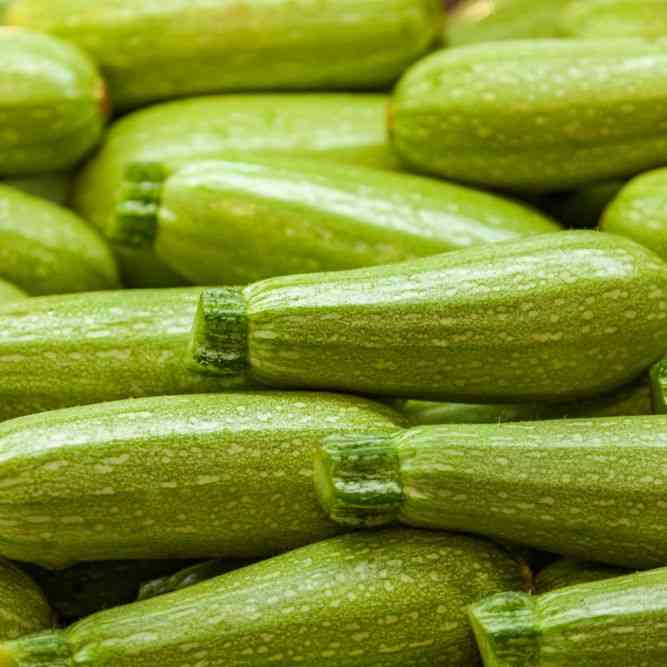
Grow productive bush plants with mottled gray-green zucchini that stay mild, tender, and versatile when picked young.

Golden Zucchini Seeds

Golden Zucchini Seeds

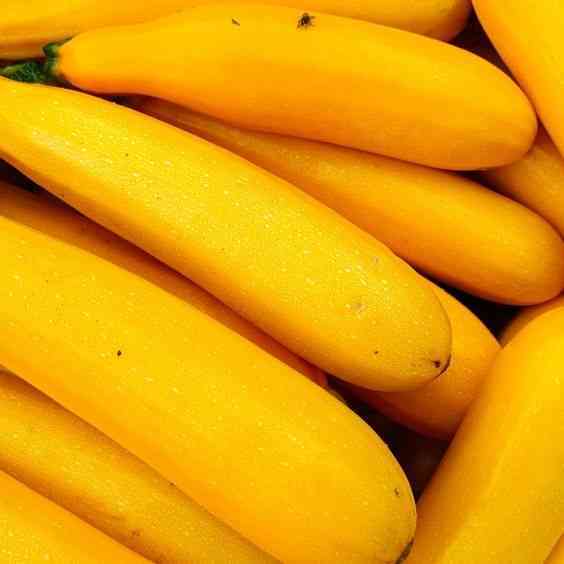
Vibrant golden-yellow zucchini with smooth skin, mild flavor, and abundant yields all season long.

Caserta Zucchini Seeds

Caserta Zucchini Seeds

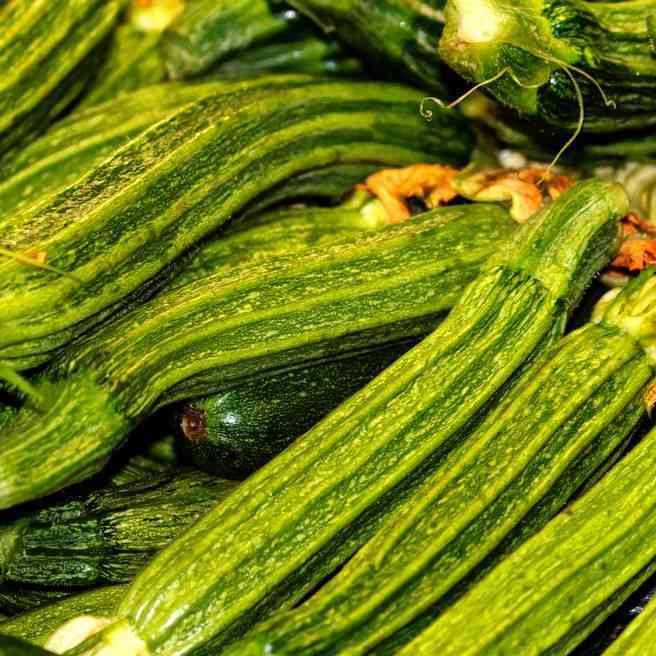
Early Italian heirloom zucchini with striped green skin and rich, nutty flavor on compact, productive plants.

Customer experience

Reviews for Round Zucchini Seeds

Customer Reviews

Based on 3 reviews
100%
(3)
0%
(0)
0%
(0)
0%
(0)
0%
(0)
T
Tiffani Richard (United States)

Excellent germination rate, healthy plants growing.

a
anita underwood (United States)

Just planted the seeds. I have grown the rd zucchini before and just love them.