Free U.S. seed shipping $25+. Seeds ship free at the threshold. Storefront goods, pantry finds, books & local goods are being added.

New seeds, Main Street specials, and storefront finds update as the market grows.

Astro Arugula Seeds

Scientific name Eruca vesicaria subsp. sativa

Seed packet & garden essentials

What to know before you plant

View complete growing & care facts
400 minimum seeds per packet
  • Maturity20-29 Days · 20-29 Days
  • Growth habitRosette · Annual · 7–12 in tall
  • Best usequick harvests, succession sowing, containers, cool seasons, and fresh greens
  • Flavor & characterAstro Arugula is a fast-growing leafy green that promises a delightful peppery punch to your salads and dishes. · Green
  • Germination4–6 Days days · 50–65 °F
  • Seed preparationUse clean seed-starting conditions, the listed sowing depth and temperature, and steady moisture without saturation
  • SunFull sun
  • Support & spacingNo-Support · space 4 in · rows 12 in
  • Container fitWell suited to containers when soil volume, drainage, sunlight, and regular moisture match the mature plant
  • Water needsModerate
  • SoilLoamy · pH 6.0–6.5
  • Planting seasonSpring · blooms Spring · Semi-Hardy
$200 USD

Pickup available at Bertie County Seeds

Usually ready in 2-4 days

Secure checkout Details
Generic
Triple-tested seed qualityRegular quality and germination checks support every packet.

We regularly test seed quality and germination as lots move through storage and packing. We stand behind the seed we send and want customers to contact us when a packet does not perform as reasonably expected.

1-year seed warrantyCoverage begins on the date of purchase.

When properly stored, planted, and cared for, we guarantee reasonable germination and true-to-type growth for one year from the date of purchase. Conditions outside our control—including extreme weather, pests, unsuitable storage, and gardener error—are excluded. Contact us when something is not right so we can review the situation and work toward a replacement, refund, or another fair resolution.

Non-GMO / BE seed policyWe do not buy or sell genetically engineered or bioengineered seed.

Every seed variety we sell is non-GMO.

USDA’s National Bioengineered Food Disclosure Standard defines bioengineered foods as containing detectable genetic material modified through in vitro recombinant DNA methods in ways not achievable through conventional breeding or found in nature.

  • Hybrid means parent lines were conventionally crossed; hybrid does not mean GMO.
  • Heirloom and open-pollinated describe how a variety is maintained and reproduced.
  • Organic certification is separate and is shown only when verified for the individual product.
Packed in Colerain, North CarolinaPrepared in our seed room for gardens across the country.

Seeds are packed and shipped from Colerain, North Carolina. Our packets use forestry-certified paper, and we use recyclable paper mailers where appropriate. AONSK is also a 1% for the Planet partner while continuing to reduce waste in packing and fulfillment.

Seed success profile

Rules-based · no AI
Gardener experience Very beginner-friendly
Germination difficulty Very straightforward
Preparation before sowing
Use clean seed-starting conditions, the listed sowing depth and temperature, and steady moisture without saturation
Germination speed
Very fast — usually fewer than 7 days
Growing complexity
Quick crop that rewards cool conditions, succession sowing, thinning, and steady moisture
Patience and timing
20-29 Days
Is this seed a good match for your experience?
Expected germination
4–6 Days
Germination temperature
50–65 °F
Stratification
Not normally required by the current record
Scarification
Not normally required by the current record
Pre-soaking
Not normally required by the current record
Light during germination
Surface sow or press into the mix; light is part of the germination requirement
Germination pattern
Usually reliable when seed is stored well and temperature, depth, moisture, and preparation match the recorded requirements
Transplant sensitivity
Use the crop-specific starting method and minimize unnecessary root disturbance
Starting method
Cataloged as suitable for direct sowing; follow the product-specific timing and depth.
Best chance of success
For Astro Arugula Seeds, control temperature and moisture at sowing, label the start date, and compare emergence with the complete recorded germination window before reseeding.
What to expect

Preparation: Use clean seed-starting conditions, the listed sowing depth and temperature, and steady moisture without saturation. Germination light: Surface sow or press into the mix; light is part of the germination requirement. Expected emergence: 4-6 Days. Temperature: 50-65 °F.

Slow germination is not automatically failed germination.

Maintain the listed temperature, moisture, light, and treatment conditions for the full expected window. Some seed lots emerge gradually rather than all at once.

1 Beginner-friendly 2 One extra step 3 Some experience helpful 4 Patient growers 5 Advanced propagation

This deterministic profile uses recorded product facts; it is not Artificial Intelligence and is not a guarantee. Seed age, storage, sowing depth, moisture, temperature, light, local conditions, and aftercare can all affect results. Last reviewed July 2026.

Build a garden-fit plan

Check this seed against your real growing conditions

Compare timing, germination preparation, sunlight, soil, water, space, support, intended use, and your preferred level of seed-starting complexity.

Open the detailed garden-fit planner Deterministic rules · no Artificial Intelligence · no live weather service

Complete product description

Astro Arugula Seeds

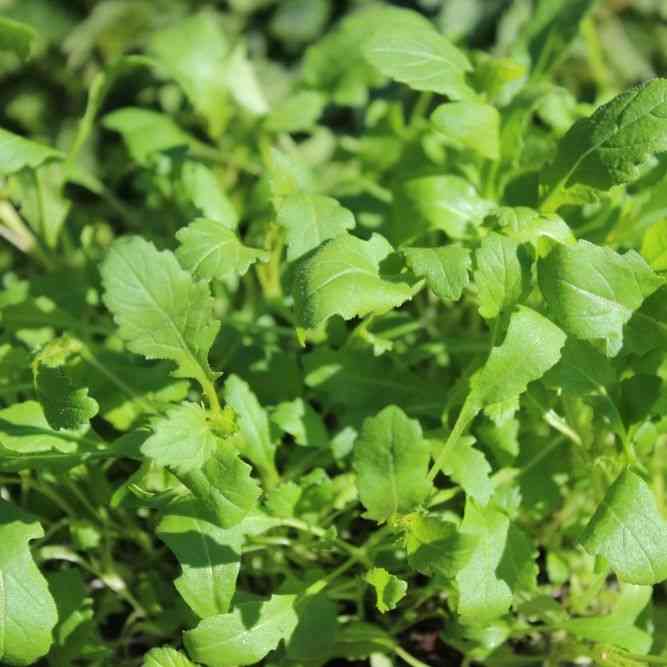
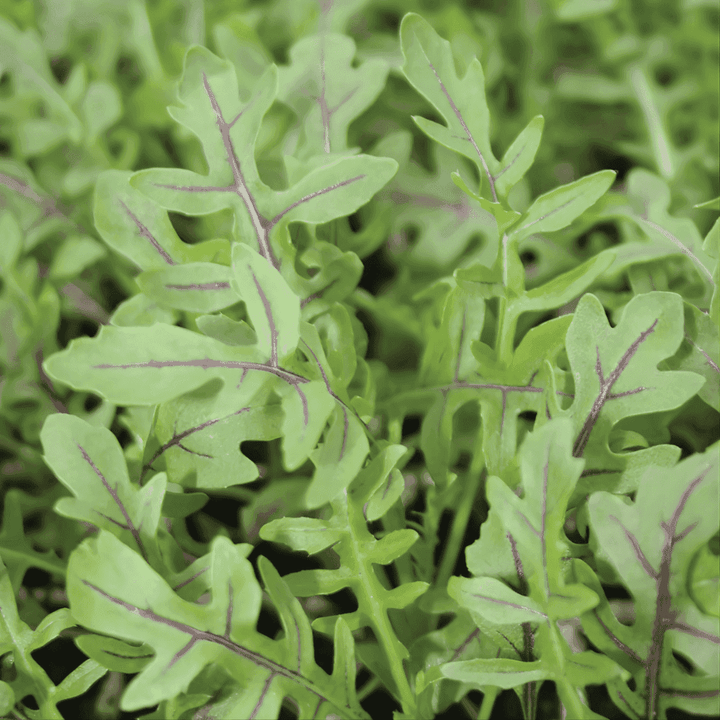
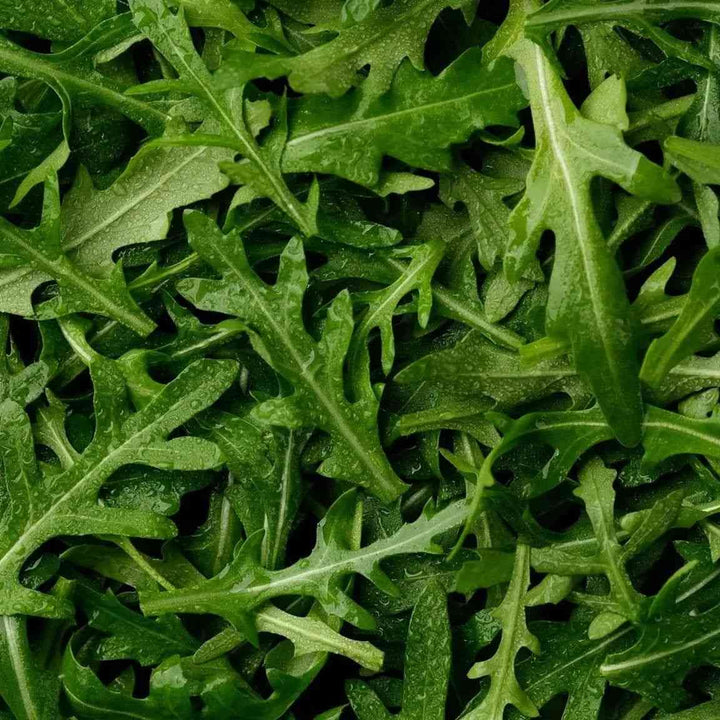
Astro Arugula is a fast-growing leafy green that promises a delightful peppery punch to your salads and dishes. Known for its rapid maturation, this variety reaches harvest in as little as 21 days, making it an ideal choice for those eager to enjoy fresh greens quickly. The leaves are smooth and slightly lobed, offering a tender texture that complements its bold flavor.

With its compact growth habit, Astro Arugula thrives in both garden beds and containers, reaching a modest height of about 12 inches. This variety is particularly appreciated for its ability to withstand warmer temperatures, maintaining its mild flavor without turning overly bitter. The vibrant green leaves are not only a visual delight but also a nutritious addition to your culinary repertoire.

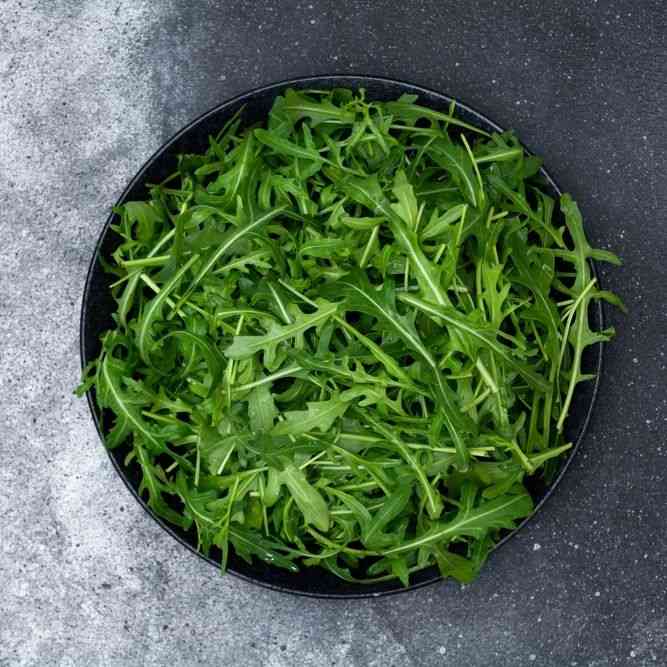
Astro Arugula's distinctive taste makes it a versatile ingredient in the kitchen. Enjoy it fresh in salads, where its spicy notes provide a lively contrast to milder greens. Alternatively, toss it into pastas, pizzas, or even blend it into pestos for a unique twist. Its adaptability and robust flavor make Astro Arugula a valuable asset for both novice and seasoned gardeners alike.

Minimum Seed Count: 400 seeds

Every recorded growing detail

Complete growing & care facts

Continue to the garden-fit planner

Plant identity

Minimum seed count 400 seeds
Seed product profile Leafy green
Scientific name Eruca vesicaria subsp. sativa
Also known as Arugula, Arugula Seeds - Astro
Color Green
Life cycle Annual
Botanical family Brassicaceae
Reproductive type Open-Pollinated (OP)
Heritage qualifiers Heirloom
Native to the United States Domesticated Plant
Domestication note Mediterranean Basin

Seed success and gardener experience

Gardener experience Very beginner-friendlyLevel 1 of 5
Germination difficulty Very straightforwardLevel 1 of 5
Preparation before sowing Use clean seed-starting conditions, the listed sowing depth and temperature, and steady moisture without saturation
Stratification Not normally required by the current record
Scarification Not normally required by the current record
Pre-soaking Not normally required by the current record
Light during germination Surface sow or press into the mix; light is part of the germination requirement
Germination pattern Usually reliable when seed is stored well and temperature, depth, moisture, and preparation match the recorded requirements
Growing complexity Quick crop that rewards cool conditions, succession sowing, thinning, and steady moisture
Transplant sensitivity Use the crop-specific starting method and minimize unnecessary root disturbance
First harvest or bloom 20-29 Days
Best chance of success For Astro Arugula Seeds, control temperature and moisture at sowing, label the start date, and compare emergence with the complete recorded germination window before reseeding.

Timing and climate

Days to maturity 20-29 Days
Germination 4–7 Days
Germination temperature 50–65 °F
Planting season Spring
Bloom season Spring
Frost tolerance Semi-Hardy
Sunlight Full sun
Water needs Moderate

Site, soil, and space

Soil type Loamy
Preferred soil pH 6.0–6.5
Seed depth 1/4 in
Plant spacing 4 in
Row spacing 12 in
Mature height 7–12 in
Growth habit Rosette
Support needed No-Support
Suitable growing locations In-ground bed, Raised bed, Greenhouse, High Tunnel, Indoor growing, Hydroponic, Vertical, Community garden

Crop-specific details

Flavor profile Astro Arugula is a fast-growing leafy green that promises a delightful peppery punch to your salads and dishes.

Garden-fit planning for this variety

Will Astro Arugula Seeds fit your garden?

Check cool-season timing, succession plans, shade, moisture, and harvest stage.

Rules-based · no AI
Questions for this leafy green seed
Seed-starting fit and patience
Recorded product profileVery beginner-friendlyVery straightforwardRead why
Soil test, pH, drainage, and amendment calculator Have a laboratory soil report? Enter pH, nutrients, texture, bed size, and site observations here. Open soil tools
Recorded soil typeLoamy
Recorded pH range6.0–6.5
Water needsModerate
LightFull sun

Use a current laboratory soil test

Soil-test interpreter

Compare your report with this product's listed pH target: 6.0–6.5.

This tool interprets values you enter; it does not replace laboratory or Cooperative Extension amendment rates. Soil test methods and nutrient recommendations vary by region.

The full variety record

Sowing, care, harvest, troubleshooting, and history

How to start Astro Arugula Seeds from seedPreparation, timing, depth, germination, transplanting, spacing, and early care

Variety-specific germination notes

Preparation: Use clean seed-starting conditions, the listed sowing depth and temperature, and steady moisture without saturation. Germination light: Surface sow or press into the mix; light is part of the germination requirement. Expected emergence: 4-6 Days. Temperature: 50-65 °F.

Complete sowing and planting guidance

How to Sow and Plant — Astro Arugula
1. Choosing the Right Location

Light Requirements:
Astro Arugula grows best in full sun to partial shade, needing at least 4–6 hours of light per day. In hotter regions, partial afternoon shade helps slow bolting and keeps leaves mild and tender.

Soil Requirements:
Prefers well-drained, fertile soil rich in organic matter. A slightly acidic to neutral pH between 6.0 and 7.0 promotes strong root development and fast growth.

Soil Preparation Tip:
Before sowing, loosen the soil 6–8 inches deep and incorporate 2 inches of aged compost or worm castings. This enhances soil aeration and fertility, giving seedlings a vigorous start.

2. Starting Seeds Indoors (Optional)

Timing:
Start seeds indoors 3–4 weeks before the last frost date for early harvests, though Astro also thrives from direct sowing outdoors once soil can be worked.

Containers and Medium:
Use seed trays or shallow pots filled with fine-textured, sterile seed-starting mix. Keep evenly moist using a gentle mist sprayer.

Sowing Depth:
Plant seeds ¼ inch deep, cover lightly, and mist to settle the soil.

Germination Conditions:
Seeds germinate within 5–7 days at 60–70°F (16–21°C). Provide steady light after emergence—either sunlight or grow lights positioned 2–3 inches above seedlings.

3. Direct Sowing Outdoors

Timing:
Direct sow as soon as the ground can be worked in early spring, about 3 weeks before the last frost. Continue planting every 2–3 weeks until early summer for a steady harvest. Fall sowings produce particularly flavorful leaves as temperatures cool.

Sowing Depth:
Plant seeds ¼ inch deep, press gently into the soil surface, and water lightly. Do not bury deeply—Astro germinates best with light soil contact.

Spacing:

Thin seedlings to 4–6 inches apart once they reach 2 inches tall.

Maintain 10–12 inches between rows for easy airflow and harvest.

For baby leaf production, sow densely and harvest young without thinning.

4. Transplanting Seedlings

Timing:
Transplant when seedlings are 2–3 weeks old and have developed at least 2 sets of true leaves.

Planting Depth:
Set transplants at the same depth they grew in trays. Firm soil gently around roots and water immediately after planting.

Hardening Off:
Before transplanting outdoors, harden off seedlings for 5–7 days by placing them outside in partial shade, gradually increasing sun exposure and reducing watering slightly.

5. Watering and Moisture Management

Initial Watering:
Keep the soil consistently moist during germination and early growth. Light daily watering may be necessary in warm, breezy weather.

Ongoing Watering:
Once established, water deeply 2–3 times per week to keep soil evenly moist. Avoid overwatering or letting soil dry completely, as this can toughen leaves and cause premature bolting.

Mulching:
After seedlings are established, apply 1–2 inches of straw, shredded leaves, or compost mulch to stabilize moisture and suppress weeds.

6. Temperature and Climate Conditions

Astro Arugula prefers cool to mild conditions (45–70°F / 7–21°C). It grows faster and produces larger, milder leaves than most arugulas in early spring and fall.

During hot spells, provide 30–40% shade or plant beneath taller crops to extend the harvest window and prevent bitterness.

7. Fertility and Soil Feeding

Astro is a moderate feeder. Before sowing, enrich beds with compost or a balanced organic fertilizer (5-5-5).

Avoid heavy nitrogen applications—they promote excessive leaf size at the expense of flavor and tenderness.

Midseason, feed with compost tea or diluted fish emulsion for sustained vigor and color.

8. Succession Sowing for Continuous Harvest

For a consistent yield, sow new rows every 2–3 weeks throughout the cool season. Regular harvesting of outer leaves encourages continued regrowth and helps prevent bolting.

9. Organic Pest Prevention at Planting

Protect seedlings with floating row covers during the first few weeks to deter flea beetles and aphids. Keep planting areas weed-free and well-ventilated.

Companion Planting Tip:
Pair with radishes, lettuce, or beets for efficient space use and natural pest control. Avoid planting near brassicas, which attract similar insects.
How to grow this specific varietyLight, water, fertility, support, spacing, airflow, crop behavior, and season-long care

Complete growing guide

How to Grow – Arugula ‘Astro’ (Eruca vesicaria subsp. sativa)
Watering

Keep soil consistently moist but never waterlogged to maintain tender, mild leaves. Provide about 1 inch of water per week, adjusting for heat and soil type.
Use drip irrigation or a soaker hose to water at the base—wet leaves invite mildew.
During warmer weather, water lightly but frequently to prevent stress and bitterness.

Tip: Even moisture brings out ‘Astro’s’ signature mild, nutty flavor—uneven watering can create a sharper, more pungent taste.

Fertilizing

Before sowing, enrich soil with 2–3 inches of compost or aged manure to provide steady nutrition.
Feed every 3–4 weeks with a gentle, balanced organic fertilizer (4-4-4 or 5-5-5).
Avoid high-nitrogen fertilizers that cause rapid growth and dilute flavor. Instead, prioritize organic matter for slow, steady feeding.

Tip: Compost-based nutrition enhances both leaf tenderness and flavor depth without encouraging premature bolting.

Weeding & Mulching

Weed regularly, especially early on when seedlings grow slowly.
After plants establish, apply a 1–2 inch mulch layer (straw, shredded leaves, or compost) to retain moisture, prevent weeds, and cool the soil.
Avoid heavy mulch immediately after sowing—it can block seedlings from emerging.

Tip: Clean, loose mulch improves airflow and reduces soil-borne fungal risks.

Sun & Heat Management

‘Astro’ performs best in full sun to partial shade, depending on climate and season.
Ideal temperature range: 45–75°F (7–24°C).
In hotter regions or during summer, use shade cloth (30–40%) or plant in morning-sun locations to delay bolting.
Ensure good air circulation to prevent mildew and maintain leaf quality.

Tip: In warm climates, plant in late summer for fall harvest—the cooler nights enhance leaf sweetness and texture.

Spacing & Growth Pattern

Sow seeds ¼ inch deep, spacing plants 4–6 inches apart in rows 10–12 inches apart.
Denser plantings yield baby leaves, while wider spacing produces large, mature bunching leaves.
Harvest baby greens at 3–4 inches tall or allow full growth for bunch harvests.

Tip: Succession-sow every 2–3 weeks to ensure continuous harvests of fresh, tender greens.

Ecological Interplanting (Companion Strategy)

Pollinator allies: Interplant with herbs like dill, cilantro, and basil to attract bees and beneficial wasps.

Pest deterrence: Grow near garlic, onions, or chives to repel aphids and flea beetles naturally.

Soil health: Rotate with legumes or root crops annually to replenish soil nitrogen and break pest cycles.

Tip: Arugula integrates beautifully in mixed salad gardens alongside lettuce, spinach, and radishes.

Container Growing

‘Astro’ thrives in pots or raised beds. Choose containers at least 6 inches deep with loose, rich soil.
Keep soil evenly moist and feed lightly every 2–3 weeks with diluted organic fertilizer or compost tea.
Harvest frequently by snipping outer leaves, allowing inner rosettes to regrow.

Tip: Container arugula grows best in partial sun or morning light—ideal for patios and small-space gardens.

Season Extension

‘Astro’ is ideal for spring and fall crops and tolerates light frost with protection.
Use row covers or cold frames to start early or extend harvests into winter.
In mild regions, overwinter plants under mulch or frost cloth for continuous leaf production.

Tip: Late-season ‘Astro’ leaves develop a richer, sweeter flavor when nights are cool and days stay below 70°F (21°C).
Practical field and garden tipsExtra techniques, timing adjustments, and observations that improve success
Additional Tips — Arugula ‘Astro’ (Eruca vesicaria subsp. sativa)
Harvesting

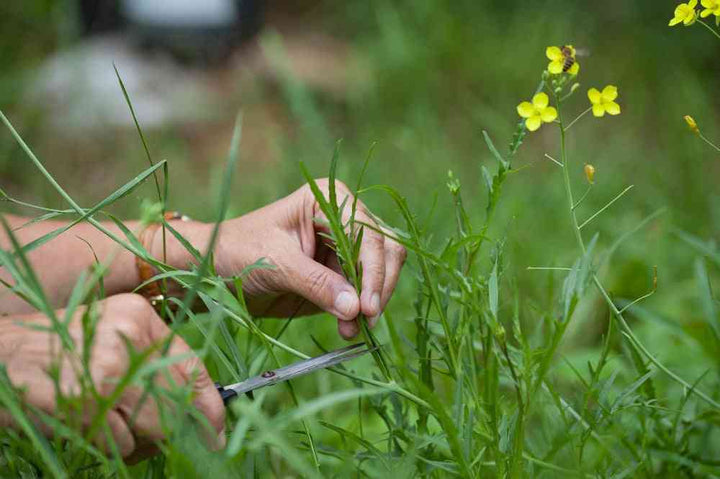
Harvest baby greens at 21–25 days after sowing, or full-size leaves at 30–40 days. ‘Astro’ arugula is bred for tenderness and mildness, so early harvest produces the best texture and flavor. Cut outer leaves just above the crown and allow inner growth to continue for multiple pickings.

Tip: Frequent harvesting every few days prevents flowering and maintains a continuous supply of mild, tender leaves.

Flavor & Culinary Notes

‘Astro’ is known for its smooth, nutty flavor with only a hint of pepper—less pungent than wild types. The leaves are broad, flat, and tender, ideal for salads, wraps, and sandwiches. When cooked, its mild bite transforms into a subtly earthy sweetness.
It blends beautifully in mixed greens or as a mellow base for citrus dressings and sharp cheeses.

Tip: Toss fresh ‘Astro’ leaves with olive oil, lemon, and a touch of sea salt for a light, clean flavor reminiscent of early spring greens.

Handling & Storage

Store harvested leaves unwashed in a breathable bag or vented container in the refrigerator for up to 6 days. Rinse just before serving to prevent spoilage. If wilted, revive by soaking in cold water for 10 minutes, then pat dry.
Avoid crushing or compacting the leaves during storage to maintain their delicate texture.

Tip: A damp paper towel inside the storage container helps maintain humidity and extend freshness.

Growing & Maintenance

Sunlight: Full sun to partial shade. Partial shade extends the growing period during hot months.

Watering: Keep soil evenly moist to maintain tender growth; drought stress increases bitterness.

Feeding: Add compost before sowing or transplanting; excessive nitrogen can lead to lush but bland leaves.

Temperature: Prefers cool conditions (45–70°F / 7–21°C). Growth slows in high heat.

Tip: In midsummer, grow under 30–40% shade cloth to reduce stress and delay bolting.

Seed Saving

Allow select plants to flower and form seed pods. Once pods turn tan and dry, cut and hang stalks upside down in a dry, airy spot. Thresh gently to separate seeds, then winnow clean and store in a sealed, labeled jar.
Seeds remain viable for 4–6 years if kept in a cool, dry place.

Tip: To preserve ‘Astro’s’ purity, isolate from other arugula varieties by 500 feet or use row covers to prevent cross-pollination by insects.

Container Tips

Excellent for container growing—use pots at least 6 inches deep with loose, fertile soil. Keep evenly moist and harvest frequently to encourage new leaf growth. Ideal for balcony, patio, or kitchen gardens.

Tip: Rotate containers every few days indoors or under lights to ensure uniform leaf growth and color.

Companion Planting

Thrives beside carrots, radishes, beets, and dill. Its aroma helps deter aphids and flea beetles. Avoid planting near heavy feeders like broccoli and cabbage.
Interplant with chives, mint, or nasturtium to further repel insect pests naturally.

Tip: Combine with lettuce and spinach for a balanced, staggered harvest of cool-weather greens.

Extended Season Care

‘Astro’ tolerates light frost and can be grown almost year-round in temperate regions. Use row covers for early spring and late fall harvests. In mild winters, mulch lightly and protect from harsh wind.
Succession sow every 2–3 weeks for a steady crop of tender greens.

Tip: Fall-sown plants overwinter well and produce a flavorful, early spring harvest before bolting begins.
Harvest, storage, uses, and benefitsWhen and how to harvest, ways to use the crop, storage, culinary value, habitat value, and garden roles

Uses and benefits

Uses and Benefits — Astro Arugula (Eruca vesicaria var. sativa)
Culinary Uses

Astro Arugula is a fast-growing, early-maturing variety renowned for its buttery texture and mild, nutty flavor. It appeals to those who enjoy arugula’s aroma without the intense heat.

General Preparation Methods

Fresh Eating: Perfect for salads, wraps, and sandwiches—its smooth leaves and gentle spice make it an everyday favorite.
Cooking: Adds a delicate peppery accent to pizzas, omelets, or pasta dishes.
Juicing & Smoothies: Blends well into green drinks for a nutrient-dense addition that isn’t overpowering.
Pairings: Combines beautifully with strawberries, citrus, soft cheeses, and balsamic vinaigrettes.

Nutritional Benefits

Astro Arugula is dense in nutrition yet remarkably easy on the palate.

Vitamins: High in A, C, and K—essential for immune health and cell repair.

Minerals: Excellent source of calcium and potassium.

Antioxidants: Contains chlorophyll and glucosinolates that help cleanse the body and reduce inflammation.

Low Oxalate Content: Gentler on digestion compared to spinach or kale.

Cultural and Practical Benefits

Early Yield: Matures in as little as 20–25 days from sowing.

Ease of Growth: Uniform germination and compact form suit small gardens and indoor systems.

Market Green: Popular in mixed salad blends for its smooth leaf shape and mild flavor.

Everyday Benefits and Kitchen Versatility

Excellent as a salad base or layered under grilled meats.

Adds vibrancy to soups, quiches, and sandwiches.

Serves as a refreshing complement to rich dishes like pasta carbonara or risotto.

Tip: Sow successively every two weeks for a continuous, tender harvest.

Environmental and Garden Benefits

Cold Tolerant: Withstands light frosts, extending seasonal harvests.

Companion Plant: Grows harmoniously with onions, beets, and lettuces.

Pollinator Support: When left to flower, feeds bees and hoverflies late in the season.

Astro Arugula stands out as the grower’s favorite—a mild, fast, and forgiving salad green.
Seed saving and carrying the variety forwardPollination, isolation, selection, harvest, cleaning, drying, and storage
Seed Saving — Astro Arugula (Eruca vesicaria var. sativa)
1. Selecting Plants for Seed Saving

Select plants that display tender, broad leaves, a mild, nutty flavor, and uniform early growth, which are defining traits of Astro Arugula. This variety is open-pollinated and generally self-fertile, but it can cross with other arugula cultivars or wild mustards, so maintain 800 feet or more of isolation between varieties.

Tag 10–15 of the healthiest plants early. Favor those that grow quickly in cool weather, resist early bolting, and maintain a consistent mild taste without bitterness. Avoid plants that bolt prematurely or have tough, fibrous leaves.

2. Harvesting Seeds

After flowering, small white blooms will give way to slender seed pods. Allow pods to dry and turn light tan on the plant, but harvest before they split. Cut entire seed stalks and hang them upside down in a dry, shaded, and well-ventilated area for 5–7 days to complete drying.

3. Threshing and Cleaning

When pods are crisp, gently crush them by hand or underfoot on a tarp to release the seeds. Use a sieve or winnow in a light breeze to separate seeds from chaff.

Optional natural sanitizing step:

Soak in 3% hydrogen peroxide for 5 minutes, or

Dip in cooled chamomile tea as a mild antifungal rinse.
Rinse and dry thoroughly before storing.

4. Drying Seeds

Spread cleaned seeds on parchment paper or mesh screen in a single layer. Allow to dry for 7–10 days in a shaded, ventilated location. Seeds should feel hard and crisp, not flexible. Avoid exposure to sunlight or heat exceeding 95°F (35°C).

5. Storing Seeds

Store dried seeds in airtight glass jars or paper envelopes with a desiccant. Keep in a cool, dark, and dry environment (ideal 35–45°F / 1–7°C). Properly stored Astro Arugula seeds remain viable for 4–6 years.

Label each batch with variety name, year saved, and notes such as “best cool-weather performance” or “slow to bolt.”

6. Testing Seed Viability

To test viability:

Place 10 seeds on a damp paper towel inside a sealed plastic bag.

Keep at 70–75°F (21–24°C) for 5–7 days.

Count germinated seeds:

8–10 sprouts = excellent

6–7 sprouts = acceptable

Below 6 = resave next season.

7. Preventing Cross-Pollination

While largely self-pollinating, Astro can cross with other Eruca species and wild mustards. To prevent cross-contamination:

Isolate by 800 feet–¼ mile.

If space is limited, cover select flowering heads with fine mesh or floating row cover until pods begin forming.

Collect seed only from isolated or protected plants.

8. Record Keeping and Documentation

Record:

Flowering date and bolt resistance

Flavor intensity and leaf texture

Germination rate and storage details

Environmental notes (temperature, rainfall, etc.)

These records help you develop a regionally adapted strain of Astro over time.

9. Organic Tips for Success

Rotate arugula with non-Brassica crops every 2–3 years.

Compost stalks and pods to return nutrients to the soil.

Encourage beneficial pollinators such as bees and hoverflies.

Avoid synthetic fungicides or seed coatings that damage microbial diversity.

Re-save seed every 2–3 seasons to maintain vigor and adapt to your microclimate.
Common pests, diseases, and growing problemsIdentification, prevention, crop-safe response, and when intervention is justified

Complete pest and problem guide

Common Pests & Problems — 'Astro' Arugula (Eruca vesicaria)Insects & MitesFlea Beetles (small holes in leaves)Controls: Use floating row covers to protect young plants. Apply diatomaceous earth around seedlings. Introduce beneficial nematodes to reduce larvae in soil. Rotate crops to disrupt life cycles.Cabbage Loopers (ragged holes in leaves)Controls: Handpick caterpillars in early morning. Apply Bacillus thuringiensis (Bt) as a biological control. Encourage parasitic wasps by planting companion plants like dill and fennel.DiseasesDowny Mildew (yellow patches on leaves, white mold on undersides)Controls: Ensure good air circulation by spacing plants properly. Water at the base to keep foliage dry. Use copper-based fungicides as a preventive measure during wet conditions.White Rust (white blisters on leaves)Controls: Remove and destroy infected plant material. Avoid overhead watering. Rotate crops with non-cruciferous plants to prevent recurrence.Physiological & Environmental IssuesBolting (premature flowering due to heat stress)Controls: Plant in early spring or late summer to avoid high temperatures. Use shade cloth during hot spells. Select bolt-resistant varieties for warmer climates.Monitoring & Prevention — Quick Checklist- Inspect plants regularly for signs of flea beetles and cabbage loopers.- Use row covers and companion planting to deter pests naturally.- Maintain proper spacing and watering practices to prevent diseases.- Rotate crops annually to minimize pest and disease buildup.- Monitor weather conditions and adjust planting schedules to prevent bolting.
Questions gardeners ask about this seedProduct-specific answers for sowing, care, harvest, use, and seed saving
Frequently Asked Questions (FAQs) — Arugula Seeds - Astro (Eruca vesicaria subsp. sativa)

Q: What makes Astro arugula unique?
A: ‘Astro’ is known for its rapid growth, tender texture, and mild, nutty flavor—making it one of the smoothest and least bitter arugulas available. It’s perfect for gardeners who prefer a delicate, salad-friendly green that matures quickly.

Q: How fast does Astro arugula grow?
A: Exceptionally fast—it’s ready for baby-leaf harvest in 20–22 days and full maturity in 30–35 days. Ideal for quick successions or early-season sowing.

Q: How does Astro’s flavor compare to other arugulas?
A: Milder and sweeter, with subtle peppery notes and less pungency than wild or wasabi types. It’s often favored by those who enjoy arugula’s aroma without its intense heat.

Q: Can Astro arugula handle heat?
A: It performs best in cool weather (45–65°F / 7–18°C) but tolerates mild warmth better than most early strains. However, prolonged high heat can still trigger bolting.

Q: Is Astro arugula open-pollinated?
A: Yes. It’s an open-pollinated selection of Eruca vesicaria subsp. sativa, meaning seeds can be saved year to year while maintaining genetic consistency.

Q: What soil does Astro arugula prefer?
A: Loamy, well-draining soil enriched with compost and balanced nutrients. Consistent moisture improves tenderness and flavor.

Q: How do I harvest Astro arugula for the best yield?
A: Harvest individual leaves when they reach 3–4 inches long or cut the entire rosette just above the crown. Frequent harvesting extends the season and keeps leaves mild.

Q: Can Astro arugula grow in containers?
A: Absolutely—it’s one of the best container arugulas. Use a pot at least 6 inches deep and water regularly to prevent heat stress.

Q: What’s the best way to use Astro arugula in the kitchen?
A: Perfect for fresh salads, sandwiches, pestos, and garnishes. Its mild bite complements fruits, cheeses, and vinaigrettes without overpowering them.

Q: How can I extend Astro arugula’s growing season?
A: Sow successively every 2–3 weeks, mulch lightly to cool roots, and use shade cloth or partial cover in summer to delay bolting.
History, provenance, and cultural contextWhat is documented, what is reported, what remains uncertain, and how the variety reached gardeners

Scientific name: Eruca vesicaria subsp. sativa

Plant and variety history

History & Culture — Arugula Seeds - Astro (Eruca vesicaria subsp. sativa)

‘Astro’ arugula carries forward one of the oldest culinary traditions of the Mediterranean, reimagined for today’s gardens. Selected in North America for rapid growth and mild, nutty flavor, ‘Astro’ differs from its wilder European ancestors by offering tender, rounded leaves and a more subdued peppery bite. The name reflects its speed and precision—a cultivar bred for quick harvests and dependable performance, like clockwork in both field and greenhouse.

Arugula’s story began thousands of years ago in the sun-baked soils of the Levant and southern Europe, where it was known to ancient Greeks and Romans as both a salad herb and aphrodisiac. Its seeds were pressed for oil, used in ritual, and valued as a digestive tonic. Over centuries, the plant naturalized across trade routes and gardens, evolving from a wild weed to a staple green beloved for its flavor and vitality.

‘Astro’ emerged as part of a 20th-century effort to modernize heirloom arugulas—keeping their zest while enhancing tenderness and cold tolerance. Its mild flavor and early readiness have made it a favorite among market growers and chefs alike, bridging the gap between rustic tradition and refined cuisine.

To sow ‘Astro’ arugula is to connect ancient appetite with modern efficiency—honoring the lineage of a plant that has nourished humanity from amphora to salad bowl.

Continue planning

Related seeds, collections, and growing guides

Explore the full collection
Heirloom Arugula Seeds for Peppery GreensExplore the full collection →
Wasabi Arugula Seeds

Wasabi Arugula Seeds

Brace yourself—Wasabi Arugula ignites with a fiery, peppery punch, transforming salads into bold, zesty masterpieces.

Slow Bolt Arugula Seeds

Slow Bolt Arugula Seeds

Defy the heat—Slow Bolt Arugula thrives in sizzling summers, delivering crisp, peppery greens all season long.

Wild Arugula Seeds

Wild Arugula Seeds

Wild arugula with intense, spicy flavor and exceptional heat tolerance

Rocket Arugula Seeds

Rocket Arugula Seeds

Rocket Arugula delivers bold, peppery flavor and resilient growth, bringing a gourmet, European flair to salads, pestos, and garden borders al...

Speckles Lettuce Seeds

Speckles Lettuce Seeds

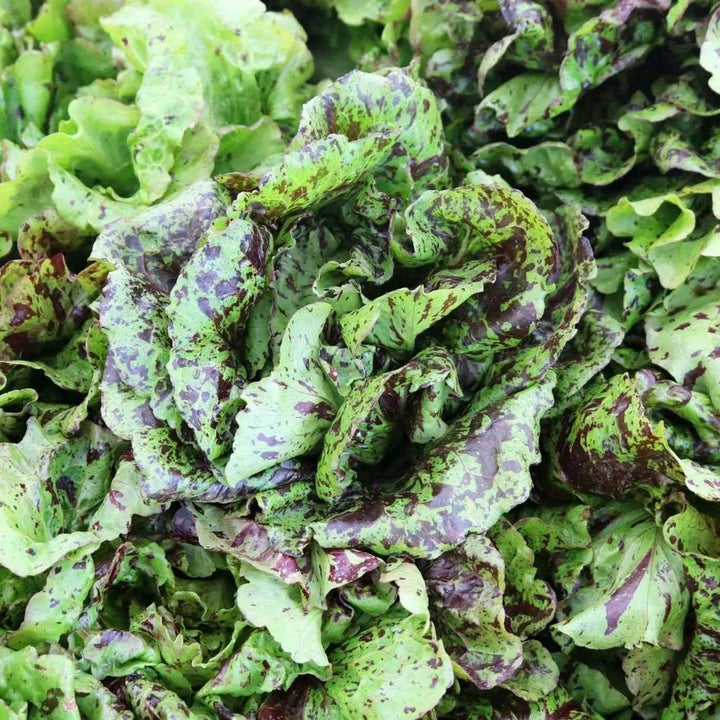
Beautifully speckled, tender leaves that deliver crisp texture, mild flavor, and continuous harvests for vibrant, garden-fresh salads all seas...

Customer experience

Reviews for Astro Arugula Seeds

Customer Reviews

Be the first to write a review
0%
(0)
0%
(0)
0%
(0)
0%
(0)
0%
(0)