Free U.S. seed shipping $25+. Seeds ship free at the threshold. Storefront goods, pantry finds, books & local goods are being added.

New seeds, Main Street specials, and storefront finds update as the market grows.

Wasabi Arugula Seeds

Scientific name Diplotaxis erucoides

Seed packet & garden essentials

What to know before you plant

View complete growing & care facts
200 minimum seeds per packet
  • Maturity40-49 Days · 40-49 Days
  • Growth habitRosette · Annual · 7–12 in tall
  • Best usequick harvests, succession sowing, containers, cool seasons, and fresh greens
  • Flavor & characterThe flavor profile of Arugula - Wasabi is where it truly stands out. · Green
  • Germination5–7 Days days · 50–65 °F
  • Seed preparationUse clean seed-starting conditions, the listed sowing depth and temperature, and steady moisture without saturation
  • SunPartial Sun
  • Support & spacingNo-Support · space 4 in · rows 12 in
  • Container fitWell suited to containers when soil volume, drainage, sunlight, and regular moisture match the mature plant
  • Water needsModerate
  • SoilLoamy · pH 6.0–6.5
  • Planting seasonSpring · blooms Spring · Semi-Hardy
$200 USD
Secure checkout Details
Generic
Triple-tested seed qualityRegular quality and germination checks support every packet.

We regularly test seed quality and germination as lots move through storage and packing. We stand behind the seed we send and want customers to contact us when a packet does not perform as reasonably expected.

1-year seed warrantyCoverage begins on the date of purchase.

When properly stored, planted, and cared for, we guarantee reasonable germination and true-to-type growth for one year from the date of purchase. Conditions outside our control—including extreme weather, pests, unsuitable storage, and gardener error—are excluded. Contact us when something is not right so we can review the situation and work toward a replacement, refund, or another fair resolution.

Non-GMO / BE seed policyWe do not buy or sell genetically engineered or bioengineered seed.

Every seed variety we sell is non-GMO.

USDA’s National Bioengineered Food Disclosure Standard defines bioengineered foods as containing detectable genetic material modified through in vitro recombinant DNA methods in ways not achievable through conventional breeding or found in nature.

  • Hybrid means parent lines were conventionally crossed; hybrid does not mean GMO.
  • Heirloom and open-pollinated describe how a variety is maintained and reproduced.
  • Organic certification is separate and is shown only when verified for the individual product.
Packed in Colerain, North CarolinaPrepared in our seed room for gardens across the country.

Seeds are packed and shipped from Colerain, North Carolina. Our packets use forestry-certified paper, and we use recyclable paper mailers where appropriate. AONSK is also a 1% for the Planet partner while continuing to reduce waste in packing and fulfillment.

Seed success profile

Rules-based · no AI
Gardener experience Very beginner-friendly
Germination difficulty Very straightforward
Preparation before sowing
Use clean seed-starting conditions, the listed sowing depth and temperature, and steady moisture without saturation
Germination speed
Typical — usually 7–21 days
Growing complexity
Quick crop that rewards cool conditions, succession sowing, thinning, and steady moisture
Patience and timing
40-49 Days
Is this seed a good match for your experience?
Expected germination
5–7 Days
Germination temperature
50–65 °F
Stratification
Not normally required by the current record
Scarification
Not normally required by the current record
Pre-soaking
Not normally required by the current record
Light during germination
Surface sow or press into the mix; light is part of the germination requirement
Germination pattern
Usually reliable when seed is stored well and temperature, depth, moisture, and preparation match the recorded requirements
Transplant sensitivity
Use the crop-specific starting method and minimize unnecessary root disturbance
Starting method
Cataloged as suitable for direct sowing; follow the product-specific timing and depth.
Best chance of success
For Wasabi Arugula Seeds, control temperature and moisture at sowing, label the start date, and compare emergence with the complete recorded germination window before reseeding.
What to expect

Preparation: Use clean seed-starting conditions, the listed sowing depth and temperature, and steady moisture without saturation. Germination light: Surface sow or press into the mix; light is part of the germination requirement. Expected emergence: 5-7 Days. Temperature: 50-65 °F.

Slow germination is not automatically failed germination.

Maintain the listed temperature, moisture, light, and treatment conditions for the full expected window. Some seed lots emerge gradually rather than all at once.

1 Beginner-friendly 2 One extra step 3 Some experience helpful 4 Patient growers 5 Advanced propagation

This deterministic profile uses recorded product facts; it is not Artificial Intelligence and is not a guarantee. Seed age, storage, sowing depth, moisture, temperature, light, local conditions, and aftercare can all affect results. Last reviewed July 2026.

Build a garden-fit plan

Check this seed against your real growing conditions

Compare timing, germination preparation, sunlight, soil, water, space, support, intended use, and your preferred level of seed-starting complexity.

Open the detailed garden-fit planner Deterministic rules · no Artificial Intelligence · no live weather service

Complete product description

Wasabi Arugula Seeds

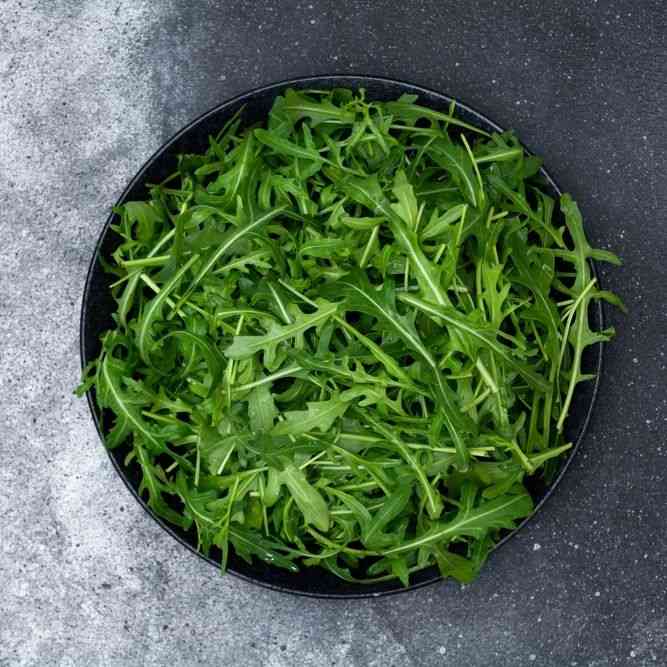
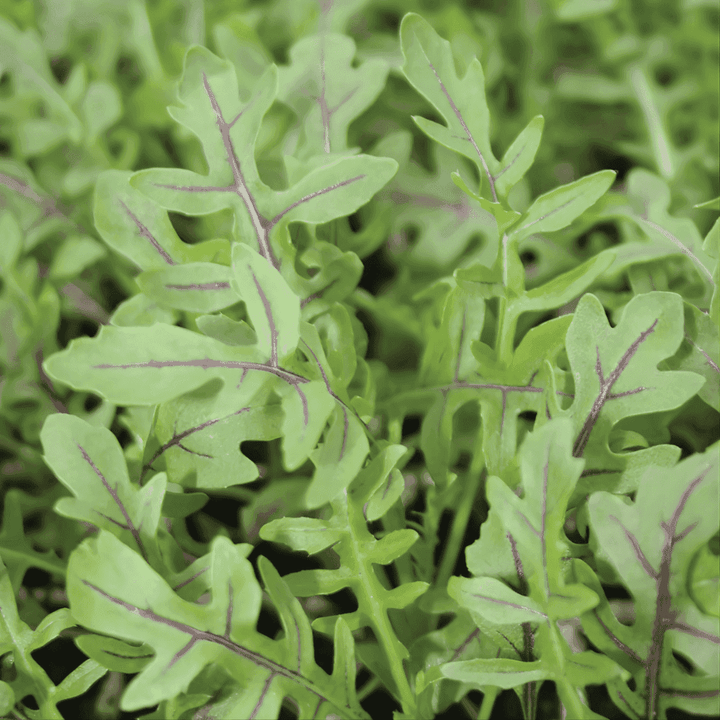
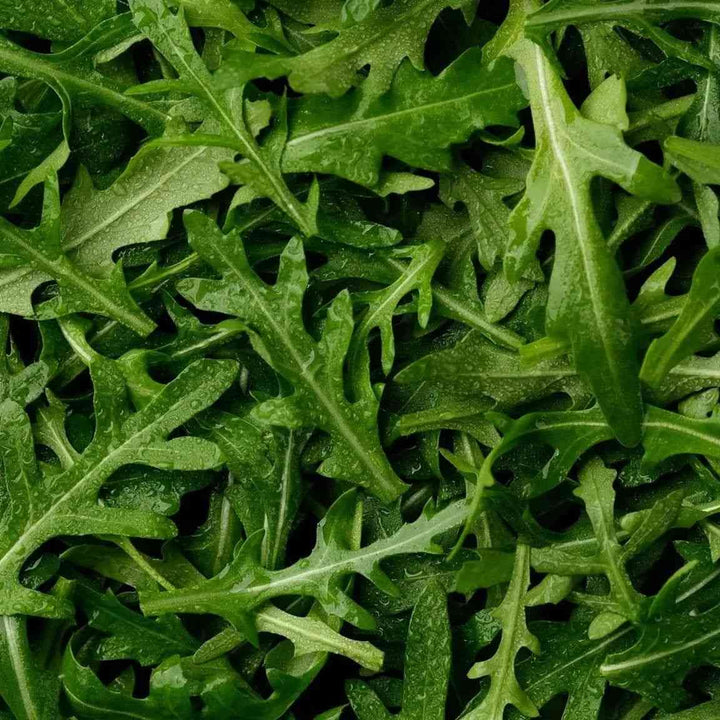
Meet the Arugula - Wasabi, a unique twist on a salad staple that brings a surprising kick to your culinary creations. This vigorous grower reaches maturity in just 40 days, making it an excellent choice for quick, successive plantings. Its lush, serrated leaves sport a deep green hue, offering not just visual appeal but also a robust texture that holds up well in a variety of dishes.

The flavor profile of Arugula - Wasabi is where it truly stands out. Infused with the distinctive heat of wasabi, its peppery bite adds a dynamic layer to salads, sandwiches, and garnishes. This cultivar thrives in cooler temperatures, ensuring a steady harvest throughout the spring and fall. Its compact growth habit allows for efficient use of space, whether in garden beds or containers.

In the kitchen, Arugula - Wasabi shines as a versatile ingredient. Its spicy undertone pairs perfectly with citrus dressings and creamy cheeses, enhancing both simple and complex recipes. For those who enjoy a touch of adventure in their greens, this arugula variety is a delightful surprise, bringing both flavor and flair to your table.

Minimum Seed Count: 200 seeds

Every recorded growing detail

Complete growing & care facts

Continue to the garden-fit planner

Plant identity

Minimum seed count 200 seeds
Seed product profile Leafy green
Scientific name Diplotaxis erucoides
Also known as Arugula, Arugula Seeds - Wasabi
Color Green
Life cycle Annual
Botanical family Brassicaceae
Reproductive type Open-Pollinated (OP)
Heritage qualifiers Heirloom
Native to the United States Domesticated Plant
Domestication note Mediterranean Basin

Seed success and gardener experience

Gardener experience Very beginner-friendlyLevel 1 of 5
Germination difficulty Very straightforwardLevel 1 of 5
Preparation before sowing Use clean seed-starting conditions, the listed sowing depth and temperature, and steady moisture without saturation
Stratification Not normally required by the current record
Scarification Not normally required by the current record
Pre-soaking Not normally required by the current record
Light during germination Surface sow or press into the mix; light is part of the germination requirement
Germination pattern Usually reliable when seed is stored well and temperature, depth, moisture, and preparation match the recorded requirements
Growing complexity Quick crop that rewards cool conditions, succession sowing, thinning, and steady moisture
Transplant sensitivity Use the crop-specific starting method and minimize unnecessary root disturbance
First harvest or bloom 40-49 Days
Best chance of success For Wasabi Arugula Seeds, control temperature and moisture at sowing, label the start date, and compare emergence with the complete recorded germination window before reseeding.

Timing and climate

Days to maturity 40-49 Days
Germination 5–7 Days
Germination temperature 50–65 °F
Planting season Spring
Bloom season Spring
Frost tolerance Semi-Hardy
Sunlight Partial Sun
Water needs Moderate

Site, soil, and space

Soil type Loamy
Preferred soil pH 6.0–6.5
Seed depth 1/4 in
Plant spacing 4 in
Row spacing 12 in
Mature height 7–12 in
Growth habit Rosette
Support needed No-Support
Suitable growing locations In-ground bed, Raised bed, Greenhouse, High Tunnel, Hydroponic, Community garden

Crop-specific details

Flavor profile The flavor profile of Arugula - Wasabi is where it truly stands out.

Garden-fit planning for this variety

Will Wasabi Arugula Seeds fit your garden?

Check cool-season timing, succession plans, shade, moisture, and harvest stage.

Rules-based · no AI
Questions for this leafy green seed
Seed-starting fit and patience
Recorded product profileVery beginner-friendlyVery straightforwardRead why
Soil test, pH, drainage, and amendment calculator Have a laboratory soil report? Enter pH, nutrients, texture, bed size, and site observations here. Open soil tools
Recorded soil typeLoamy
Recorded pH range6.0–6.5
Water needsModerate
LightPartial Sun

Use a current laboratory soil test

Soil-test interpreter

Compare your report with this product's listed pH target: 6.0–6.5.

This tool interprets values you enter; it does not replace laboratory or Cooperative Extension amendment rates. Soil test methods and nutrient recommendations vary by region.

The full variety record

Sowing, care, harvest, troubleshooting, and history

How to start Wasabi Arugula Seeds from seedPreparation, timing, depth, germination, transplanting, spacing, and early care

Variety-specific germination notes

Preparation: Use clean seed-starting conditions, the listed sowing depth and temperature, and steady moisture without saturation. Germination light: Surface sow or press into the mix; light is part of the germination requirement. Expected emergence: 5-7 Days. Temperature: 50-65 °F.

Complete sowing and planting guidance

How to Sow and Plant — Wasabi Arugula
1. Choosing the Right Location

Light Requirements:
Wasabi Arugula thrives in full to partial sun, preferring at least 4–6 hours of light daily. In hotter climates, afternoon shade helps maintain leaf tenderness and prevent early bolting.

Soil Requirements:
Select a well-drained, fertile soil enriched with compost or aged manure. The ideal pH range is 6.0–7.0. Avoid overly compacted or soggy soil, which can cause root rot.

Soil Preparation Tip:
Loosen the top 6–8 inches of soil before sowing. Incorporate 2 inches of organic compost to improve structure, drainage, and nutrient content.

2. Starting Seeds Indoors (Optional)

Timing:
Sow seeds indoors 4–5 weeks before the last frost date if you want an early start. For most regions, direct sowing outdoors is preferred once soil can be worked.

Containers and Medium:
Use shallow trays or cell packs filled with fine-textured seed-starting mix. Keep the medium moist but never waterlogged.

Sowing Depth:
Plant seeds ¼ inch deep, lightly covering them with fine soil. Mist gently after sowing.

Germination Conditions:
Seeds germinate in 5–7 days when kept at 60–70°F (16–21°C). Provide good airflow and bright indirect light to prevent legginess.

3. Direct Sowing Outdoors

Timing:
Sow outdoors as soon as soil can be worked in early spring, about 3–4 weeks before the last frost. Continue sowing every 2–3 weeks through late spring for a continuous harvest. Fall sowings are also ideal once temperatures cool.

Sowing Depth:
Scatter or line-sow seeds ¼ inch deep, pressing gently into the soil surface. Do not bury deeply—arugula seeds need light contact with the soil to germinate well.

Spacing:

Thin seedlings to 4–6 inches apart once they reach 2 inches tall.

Space rows 10–12 inches apart for good air circulation.

For baby greens, broadcast seeds closely and harvest young leaves without thinning.

4. Transplanting Seedlings

Timing:
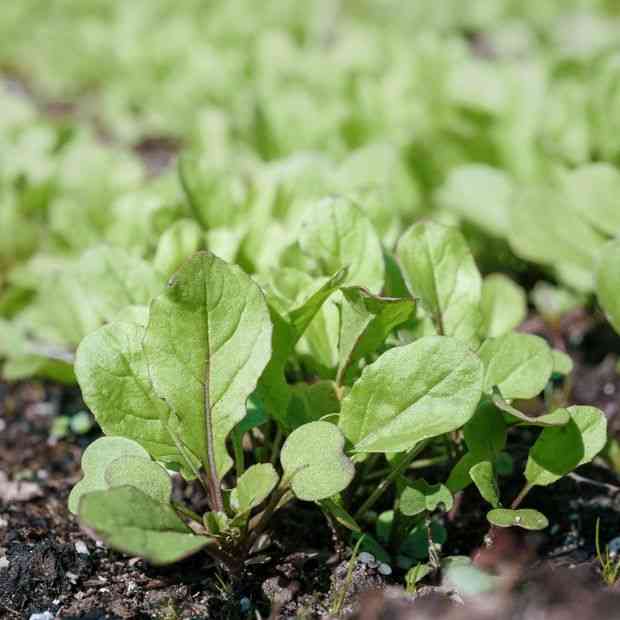
Transplant when seedlings are 2–3 weeks old and have 2–3 true leaves. Avoid disturbing roots—Wasabi Arugula dislikes transplant shock.

Planting Depth:
Set transplants at the same depth they grew in containers. Gently firm soil around the base and water immediately.

Hardening Off:
Before transplanting, acclimate seedlings outdoors for 5–7 days, gradually increasing sun exposure and reducing watering to toughen them.

5. Watering and Moisture Management

Initial Watering:
Keep the soil evenly moist during germination—never let it dry out completely. Light daily watering is best until seedlings are established.

Ongoing Watering:
After seedlings take root, water deeply 2–3 times per week, depending on temperature and rainfall. Avoid overhead watering to reduce leaf spotting.

Mulching:
Apply a thin layer of compost or straw mulch once seedlings are established to regulate moisture and temperature.

6. Temperature and Climate Conditions

Wasabi Arugula performs best in cool to mild temperatures (45–70°F / 7–21°C). Warm weather increases leaf sharpness and can trigger early flowering.

In hot regions, use shade cloth or sow in partial shade to extend harvests. Fall and early spring sowings yield the best flavor and texture.

7. Fertility and Soil Feeding

Before sowing, mix compost or a light application of balanced organic fertilizer (5-5-5) into the top few inches of soil.
Avoid excess nitrogen—too much promotes rapid growth with less flavor.

Midseason, side-dress with compost tea or worm castings if leaves appear pale.

8. Succession Sowing for Continuous Harvest

Sow new rows every 2–3 weeks for steady production. Arugula matures quickly and bolts once temperatures rise, so stagger plantings to maintain a consistent supply of tender leaves.

9. Organic Pest Prevention at Planting

Protect seedlings from flea beetles and aphids by using row covers during early growth. Maintain clean beds, remove weeds, and avoid overcrowding to promote airflow.

Companion Planting Tip:
Grow alongside lettuce, beets, or carrots to deter pests naturally and diversify your garden ecology.

Wasabi Arugula rewards careful sowing with a crisp, spicy crop that bridges the freshness of greens with the fire of wasabi—perfect for growers seeking something truly distinctive.
How to grow this specific varietyLight, water, fertility, support, spacing, airflow, crop behavior, and season-long care

Complete growing guide

How to Grow – Arugula ‘Wasabi’ (Eruca vesicaria subsp. sativa)
Watering

Maintain even soil moisture throughout the growing period. ‘Wasabi’ arugula is especially sensitive to drought, which intensifies bitterness and speeds up bolting.
Provide 1 inch of water per week—more during hot or dry spells. Use drip irrigation or a soaker hose to water at the base, avoiding splashing soil on leaves.
Mulch lightly with straw or shredded leaves to retain moisture and keep roots cool.

Tip: Keep soil consistently moist but never soggy—steady hydration preserves the crisp, spicy flavor that gives ‘Wasabi’ its name.

Fertilizing

Before sowing, enrich soil with 2–3 inches of compost or well-aged manure. Arugula is a moderate feeder and benefits from a balanced nutrient base.
Feed every 3–4 weeks with a diluted organic fertilizer (5-5-5 or equivalent) or compost tea. Excess nitrogen will promote fast, tender growth but can dull flavor and reduce leaf texture.

Tip: For best results, side-dress with compost midseason to renew fertility and encourage continuous leaf production.

Weeding & Mulching

Keep beds weed-free, especially during the seedling stage when arugula grows slowly. Shallow cultivation or hand-pulling is best to avoid root disturbance.
Apply a thin mulch layer (1–2 inches) of organic material once seedlings are established to suppress weeds and conserve soil moisture.

Tip: Avoid deep mulching early in the season—cool soil can delay germination and slow growth.

Sun & Heat Management

‘Wasabi’ arugula thrives in cool weather with full to partial sunlight.
Ideal temperature range: 45–70°F (7–21°C).
In summer, use shade cloth (30–40%) or plant in partial shade to prevent bolting.
Good airflow reduces fungal pressure, especially in humid climates.

Tip: Plant in spring and again in late summer for fall harvest—heat stress can cause flavor bitterness and early seed stalks.

Spacing & Growth Pattern

Space plants 6 inches apart in rows 10–12 inches apart.
Dense sowing encourages smaller, tender leaves for salad harvest, while wider spacing allows larger leaves for bunching.

Tip: Succession-sow every 2–3 weeks for continuous harvest and to maintain fresh, flavorful greens.

Ecological Interplanting (Companion Strategy)

Attract beneficials: Interplant with dill, fennel, or cilantro to draw hoverflies and lacewings that feed on aphids.

Repel pests naturally: Grow near mint, chives, or garlic to discourage flea beetles and cabbage worms.

Rotation: Rotate with legumes or root crops yearly to prevent soilborne pest buildup and nutrient depletion.

Tip: Avoid planting after other Brassicas to minimize disease risk.

Container Growing

‘Wasabi’ arugula performs beautifully in containers. Choose pots 8 inches deep or more with high-quality potting mix enriched with compost.
Ensure consistent watering—container soil dries faster than in-ground beds. Feed every 2–3 weeks with diluted liquid fertilizer.

Tip: Harvest outer leaves frequently to maintain compact, bushy plants and prevent early bolting.

Season Extension

Use row covers or cold frames to start early spring crops or extend fall harvests.
Arugula tolerates light frost, especially when mulched. In mild climates, overwinter plants under a frost blanket for early spring regrowth.

Tip: Protect fall crops with floating row covers to keep leaves tender and pest-free through early winter.
Practical field and garden tipsExtra techniques, timing adjustments, and observations that improve success
Additional Tips — Arugula ‘Wasabi’ (Eruca sativa)
Harvesting

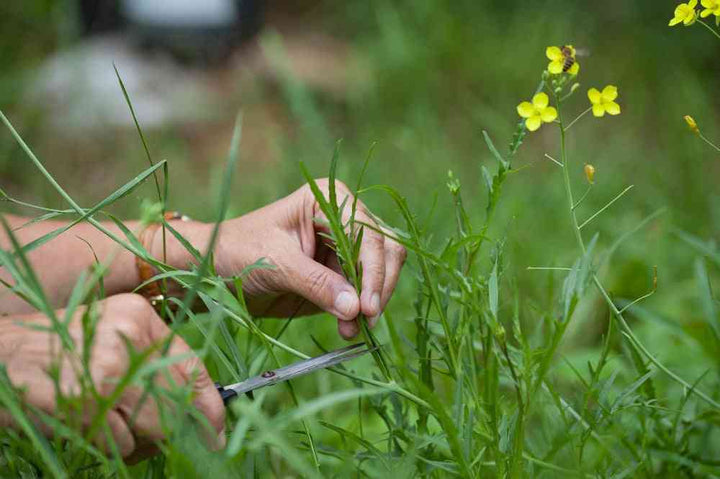
Begin harvesting baby leaves when they reach about 2–3 inches long—typically within 25–30 days. For mature, full-flavored greens, harvest at 4–6 inches. Cut outer leaves first and allow the center to continue growing for successive harvests.
Wasabi arugula’s flavor peaks when harvested young; older leaves develop stronger, horseradish-like heat and a firmer texture. Morning harvests yield the best crispness and volatile oil concentration.

Tip: Frequent cutting not only encourages regrowth but also keeps plants compact and delays bolting in warm weather.

Flavor & Culinary Notes

Wasabi arugula lives up to its name with a distinct, fiery flavor—a mustardy heat similar to wasabi or horseradish. The flavor is sharp, nutty, and clean, with an invigorating finish.
Use sparingly in salads, sushi rolls, or sandwiches for a spicy kick. It also shines in pestos, stir-fries, and microgreen blends where its pungency can transform simple dishes. Light wilting or sautéing mellows the heat and brings out a nutty depth.

Tip: Combine with milder greens like mâche or spinach to balance intensity.

Handling & Storage

Keep harvested leaves in a sealed bag or airtight container with a slightly damp paper towel in the refrigerator. Expect freshness for 5–7 days.
Avoid washing until immediately before use; excess moisture reduces storage life. To revive wilted leaves, soak briefly in cold water, then spin or pat dry.

Tip: Wasabi arugula’s heat fades slightly after refrigeration, so for maximum bite, enjoy fresh-picked leaves whenever possible.

Growing & Maintenance

Sunlight: Prefers full sun to light shade; partial shade helps maintain tenderness in hot climates.

Watering: Keep soil evenly moist—water stress amplifies sharpness and accelerates bolting.

Feeding: Incorporate compost or a balanced organic fertilizer before planting. Avoid heavy nitrogen, which encourages excess leaf size at the expense of flavor.

Pruning: Regular leaf harvest acts as pruning, promoting continuous growth.

Tip: Successive sowings every 2–3 weeks provide a constant supply of fresh, spicy greens throughout the season.

Seed Saving

Select the healthiest, most flavorful plants and allow a few to bolt naturally. Once seed pods dry and rattle, cut the stems and hang upside down in a shaded, ventilated area.
Thresh gently to release seeds, winnow clean, and store in labeled envelopes or jars in a cool, dry place. Seeds remain viable for 4–6 years under proper storage.

Tip: To preserve Wasabi’s pure flavor line, isolate from other arugula varieties by 500 feet or use fine mesh to prevent cross-pollination.

Container Tips

Wasabi arugula grows beautifully in pots 6–8 inches deep. Use a loose, well-draining mix and water regularly. Pinch flower stalks as they appear to extend leaf production.
Ideal for patios, small gardens, and year-round indoor growing under grow lights.

Tip: Container-grown Wasabi arugula develops the best flavor when grown in cooler temperatures (55–65°F).

Companion Planting

Pairs well with carrots, lettuce, chives, and beets. Its pungent aroma deters certain pests like aphids and cabbage moths. Avoid planting near heavy-feeding Brassicas to prevent nutrient competition.

Tip: Interplant with dill or coriander to attract lacewings and ladybugs—natural aphid predators.

Extended Season Care

Cool-weather tolerant, Wasabi arugula thrives in spring and fall. Use row covers in early spring or late fall to extend harvest and protect from frost. In mild regions, it can overwinter with mulch protection.

Tip: In hot climates, provide afternoon shade and mulch well to maintain cooler root zones and delay bolting.
Harvest, storage, uses, and benefitsWhen and how to harvest, ways to use the crop, storage, culinary value, habitat value, and garden roles

Uses and benefits

Uses and Benefits — Wasabi Arugula (Diplotaxis erucoides)
Culinary Uses

Wasabi Arugula delivers a bold, peppery heat reminiscent of wasabi horseradish, giving it a unique edge among leafy greens. This variety is cherished for its bright, sinus-clearing intensity balanced by a crisp, clean finish that enlivens both raw and cooked dishes.

General Preparation Methods

Fresh Eating: Young leaves add a sharp, mustardy bite to salads, sandwiches, and sushi rolls. Combine with milder greens such as spinach or lettuce to temper the heat.
Cooking: Lightly sauté or stir-fry mature leaves to soften their spiciness while retaining the wasabi-like aroma. Add near the end of cooking for flavor contrast in rice, seafood, or noodle dishes.
Garnishing: Sprinkle finely chopped leaves over grilled meats, roasted vegetables, or miso-based soups for an herbal kick.
Infusions: Blend into herb butters, oils, or creamy dressings to create wasabi-style condiments with natural spice.

Nutritional Benefits

Wasabi Arugula is a powerhouse of nutrients packed into a low-calorie, high-fiber green.

Vitamins: Rich in vitamins A, C, and K, promoting immune support, vision health, and bone strength.

Minerals: Supplies calcium, potassium, and iron, supporting muscle and blood function.

Antioxidants: Contains glucosinolates and isothiocyanates—natural compounds responsible for its wasabi heat and noted for their detoxifying potential.

Digestive Aid: The spicy compounds stimulate appetite and digestion, making this arugula a traditional accompaniment to rich meals.

Cooking mildly reduces its heat but enhances mineral absorption, while raw leaves preserve full vitamin potency.

Cultural and Practical Benefits

Wasabi Arugula connects the flavor traditions of the Mediterranean mustard family with the bold taste profile often associated with Japanese cuisine. Its adaptability and vigor make it suitable for diverse climates and continuous harvest systems.

Adaptability: Thrives in cool weather and rebounds quickly after cutting, providing steady greens throughout spring and fall.

Economic Value: High demand in specialty produce markets and gourmet kitchens makes it an excellent crop for direct sales.

Seed Stewardship: Being open-pollinated, it allows growers to select for preferred flavor intensity and leaf form over time.

Everyday Benefits and Kitchen Versatility

This variety brings fresh excitement to familiar dishes:

Use as a substitute for wasabi paste in sushi or poke bowls.

Pair with citrus, avocado, and smoked fish for balanced flavor.

Toss into pasta or risotto at the end of cooking for an aromatic finish.

Mix with herbs like shiso or cilantro for a fusion-style garnish.

Tip: The youngest leaves are mildest, while mature leaves develop full wasabi punch—harvest accordingly to your flavor preference.

Environmental and Garden Benefits

Wasabi Arugula is not only a culinary standout but also a garden workhorse.

Pollinator Attraction: Its delicate white flowers draw bees and hoverflies.

Soil Health: Shallow roots help aerate the soil, while frequent cut-and-come-again harvests promote microbial diversity.

Companion Planting: Grows well beside lettuces, radishes, and carrots; helps deter pests like aphids and flea beetles from nearby crops.

Sustainability: Fast growth and self-seeding tendencies make it ideal for regenerative and permaculture systems.
Seed saving and carrying the variety forwardPollination, isolation, selection, harvest, cleaning, drying, and storage
Seed Saving — Wasabi Arugula (Diplotaxis erucoides)
1. Selecting Plants for Seed Saving

Select the healthiest, most vigorous plants with strong, spicy flavor and uniform leaf shape. Wasabi Arugula is an open-pollinated annual, capable of self-pollination but prone to crossing with other arugulas or wild mustard relatives. To maintain purity, isolate this variety by at least 800 feet from other Brassicaceae plants in bloom.

Choose 10–15 plants that resist bolting and retain rich green color under mild heat stress. Tag early in the season to track desirable growth and flavor. Avoid plants that yellow prematurely or produce overly tough leaves.

2. Harvesting Seeds

Allow plants to mature fully and produce white flowers followed by narrow seed pods. Once pods dry to a light tan and begin rattling when shaken, cut entire seed stalks just before they shatter naturally.

Hang or lay stalks on a tarp in a shaded, dry, well-ventilated area for 5–7 days to complete drying.

3. Threshing and Cleaning

When pods are crisp, crush them gently between your hands or under light pressure to release the seeds. Separate seeds from chaff using a mesh screen or by winnowing in a light breeze.

Optionally, sanitize using an organic rinse:

3% hydrogen peroxide for 5 minutes, or

1:10 apple cider vinegar to water for 1 minute, then rinse well.

Allow seeds to dry thoroughly again afterward.

4. Drying Seeds

Spread seeds evenly in a single layer on parchment or mesh and dry for 7–10 days. Keep them out of direct sunlight and away from heat above 95°F (35°C). Seeds are fully dry when hard and crisp, not pliable.

5. Storing Seeds

Store in labeled, airtight glass jars or paper envelopes with desiccant. Keep in a cool, dark, and dry place between 35–45°F (1–7°C). Properly stored Wasabi Arugula seeds remain viable for 4–6 years.

Include the year saved and observations like “slow to bolt” or “best flavor” for future selection.

6. Testing Seed Viability

Test 10 seeds by germinating them on a moist paper towel kept at 70–75°F (21–24°C) for 5–7 days.

8–10 sprouts: excellent

6–7 sprouts: acceptable

Below 6: resave next season

7. Preventing Cross-Pollination

Wasabi Arugula can cross with other cultivated or wild arugula types. To prevent unwanted hybrids:

Isolate 800 feet to ¼ mile from other arugulas and mustards.

Use fine insect mesh or row covers during flowering if space is limited.

Collect seed only from isolated, self-pollinated plants for truest seed line.

8. Record Keeping and Documentation

Document plant traits, flowering time, seed yield, and any flavor or growth observations. This record will help you refine a strong local-adapted Wasabi Arugula line over successive seasons.

9. Organic Tips for Success

Rotate crops every 2–3 years to reduce soilborne Brassica pathogens.

Compost spent stalks and pods for nutrient cycling.

Encourage pollinators like hoverflies and solitary bees for balanced ecology.

Avoid synthetic seed coatings or fungicides.

Re-save seed every few years to maintain vigor and adaptation to your microclimate.
Common pests, diseases, and growing problemsIdentification, prevention, crop-safe response, and when intervention is justified

Complete pest and problem guide

Common Pests & Problems — 'Wasabi Arugula' (Diplotaxis erucoides)Insects & MitesFlea Beetles (small holes in leaves, reduced growth)Controls: Use floating row covers to protect young plants. Apply diatomaceous earth around seedlings. Introduce beneficial nematodes to soil to target larvae. Companion plant with basil or marigold to deter adults.Cabbage Loopers (ragged holes in leaves, frass deposits)Controls: Handpick caterpillars in small plantings. Use Bacillus thuringiensis (Bt) as a biological control. Encourage parasitic wasps by planting nectar-rich flowers nearby.DiseasesDowny Mildew (yellow patches on leaves, white fungal growth underside)Controls: Ensure good air circulation by spacing plants properly. Water at the base in the morning to reduce leaf wetness. Apply copper-based fungicides as a preventative measure.Alternaria Leaf Spot (dark, concentric spots on leaves)Controls: Rotate crops and avoid planting arugula in the same spot each year. Remove and destroy infected plant debris. Use resistant varieties where available and apply fungicides if necessary.Physiological & Environmental IssuesBolting (premature flowering, bitter leaves)Prevention: Plant in cooler weather to avoid heat stress. Provide consistent moisture and mulch to keep roots cool. Select slow-bolting varieties for extended harvest.Nutrient Deficiency (yellowing leaves, stunted growth)Prevention: Conduct a soil test before planting to identify nutrient needs. Amend soil with compost and balanced fertilizers. Ensure pH is between 6.0 and 7.0 for optimal nutrient uptake.Monitoring & Prevention — Quick Checklist- Inspect plants regularly for flea beetles and cabbage loopers.- Use row covers and companion planting as preventative measures.- Maintain proper spacing and watering practices to prevent diseases.- Rotate crops annually to minimize disease buildup.- Test soil and amend as needed to prevent nutrient deficiencies.
Questions gardeners ask about this seedProduct-specific answers for sowing, care, harvest, use, and seed saving
Frequently Asked Questions (FAQs) — Arugula Seeds - Wasabi (Diplotaxis erucoides)

Q: What makes Wasabi arugula unique?
A: ‘Wasabi’ arugula stands out for its intense, horseradish-like heat and bold flavor—earning its name from its sharp resemblance to Japanese wasabi. Unlike traditional arugulas, its bite is clean, hot, and lingering, making it a favorite among chefs seeking spice in salads and sushi-inspired dishes.

Q: Is Wasabi arugula related to real wasabi?
A: No. While its flavor mimics wasabi root (Eutrema japonicum), ‘Wasabi’ arugula belongs to the mustard family (Brassicaceae) and derives its heat from glucosinolates, natural compounds also found in mustard and radish.

Q: How long does Wasabi arugula take to grow?
A: It matures quickly—20–35 days for baby leaves and around 40 days for full-sized harvest. Sow successively every 2–3 weeks for a steady supply.

Q: Can I grow Wasabi arugula in hot weather?
A: It prefers cooler temperatures between 45–65°F (7–18°C) but tolerates short periods of warmth better than most standard arugulas. Partial shade helps reduce bitterness and delay bolting in hot climates.

Q: What kind of soil does Wasabi arugula need?
A: Loamy, well-draining soil with moderate fertility and a neutral pH (6.0–7.0) is ideal. Excess nitrogen produces lush leaves but weakens flavor intensity.

Q: How spicy is Wasabi arugula compared to regular arugula?
A: Significantly spicier—it delivers a wasabi-like burn that tingles the tongue and clears the palate without overwhelming bitterness.

Q: How should I harvest it?
A: Pick outer leaves when they reach 3–4 inches long, or cut the entire plant about 1 inch above soil level to encourage regrowth. For the most intense flavor, harvest in the morning.

Q: Can Wasabi arugula be grown in containers?
A: Yes. A pot at least 6 inches deep works well. Ensure steady moisture and regular trimming to prevent bolting.

Q: What are some good culinary uses?
A: Perfect for sushi rolls, sashimi garnish, spicy salads, stir-fries, sandwiches, and even wasabi-style pestos. Its flavor pairs beautifully with seafood, citrus, and soy-based sauces.

Q: Does Wasabi arugula attract pests?
A: It can attract flea beetles and aphids. Use row covers early on or companion-plant with dill or cilantro to deter pests naturally.
History, provenance, and cultural contextWhat is documented, what is reported, what remains uncertain, and how the variety reached gardeners

Scientific name: Diplotaxis erucoides

Plant and variety history

History & Culture — Arugula Seeds - Wasabi Diplotaxis erucoides

Arugula ‘Wasabi’ is a modern refinement of an ancient green long cherished in Mediterranean and Near Eastern cuisines. Though named for the Japanese horseradish it resembles in flavor, this variety originates from centuries of European arugula selection rather than East Asia. Its spicy, wasabi-like bite is the result of elevated glucosinolate compounds—natural sulfur-based phytochemicals also found in mustard and radish—which have been intentionally emphasized through selective breeding.

Arugula itself traces back to the Roman era, where it grew wild along Mediterranean coasts and was revered for both its flavor and medicinal qualities. Ancient herbalists described it as a plant that “warms the blood” and “awakens the appetite,” while seeds were pressed for oil and even used in love potions. Over the centuries, regional forms evolved across Italy, North Africa, and the Levant, giving rise to both the mild salad types and the fiery, fragrant ones.

‘Wasabi’ represents a 21st-century continuation of that lineage—a culinary bridge between Europe’s peppery arugulas and Asia’s heat-loving condiments. Its jagged leaves and bold taste have made it a favorite among chefs seeking the sharp punch of wasabi without the root itself. In kitchens from Rome to Tokyo, this arugula now stands as a symbol of global fusion—rooted in antiquity, refined for modern palates.

To grow ‘Wasabi’ arugula is to carry forward one of humanity’s oldest cultivated greens, a plant whose fire connects the spice of Mediterranean fields to the depth of Japanese flavor tradition.

Continue planning

Related seeds, collections, and growing guides

Explore the full collection
Heirloom Arugula Seeds for Peppery GreensExplore the full collection →
Slow Bolt Arugula Seeds

Slow Bolt Arugula Seeds

Defy the heat—Slow Bolt Arugula thrives in sizzling summers, delivering crisp, peppery greens all season long.

Astro Arugula Seeds

Astro Arugula Seeds

Astro Arugula rockets your salads to stardom with its peppery punch and rapid growth, ready to harvest in just weeks!

Wild Arugula Seeds

Wild Arugula Seeds

Wild arugula with intense, spicy flavor and exceptional heat tolerance

Rocket Arugula Seeds

Rocket Arugula Seeds

Rocket Arugula delivers bold, peppery flavor and resilient growth, bringing a gourmet, European flair to salads, pestos, and garden borders al...

Speckles Lettuce Seeds

Speckles Lettuce Seeds

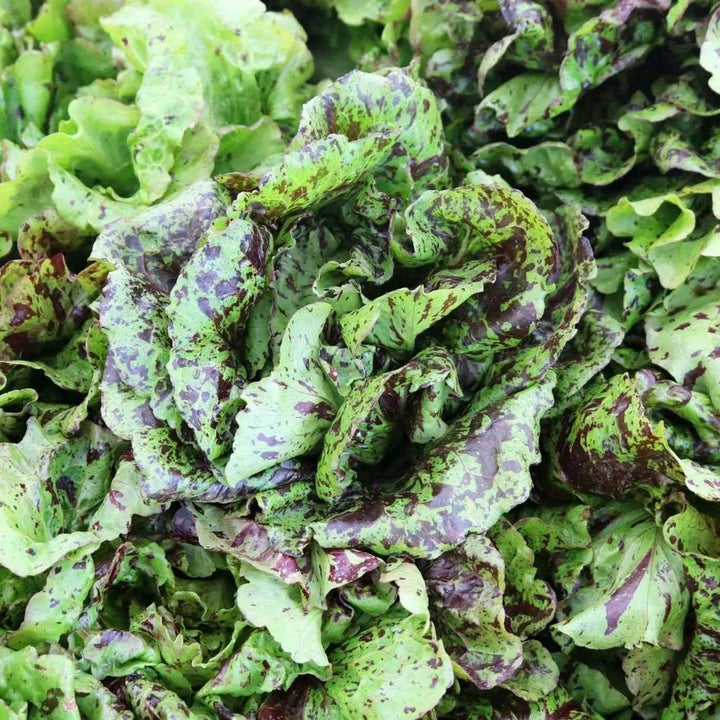
Beautifully speckled, tender leaves that deliver crisp texture, mild flavor, and continuous harvests for vibrant, garden-fresh salads all seas...

Customer experience

Reviews for Wasabi Arugula Seeds

Customer Reviews

Based on 2 reviews
100%
(2)
0%
(0)
0%
(0)
0%
(0)
0%
(0)
P
PAUL HANSON (United States)

When others had no seeds. You did!

Hi Paul, thank you for your wonderful feedback! We're glad we could provide the seeds you needed. Happy gardening!

G
GERALD L ALEXANDER (United States)

This is fabulous.....