Welcome to our store. Learn more

Free U.S. seed shipping $25+. Seeds ship free at the threshold.

Current Processing Times Before Shipping Are 1-2 Business Days

25% OFF Heirloom seed packets are $1.50, regularly $2.00. Seed packets only · sale price already applied · carries into checkout · coupon codes do not combine. Shop the sale →

Purple Gem F1 Cabbage Seeds

Scientific name Brassica rapa var. chinensis

About this variety

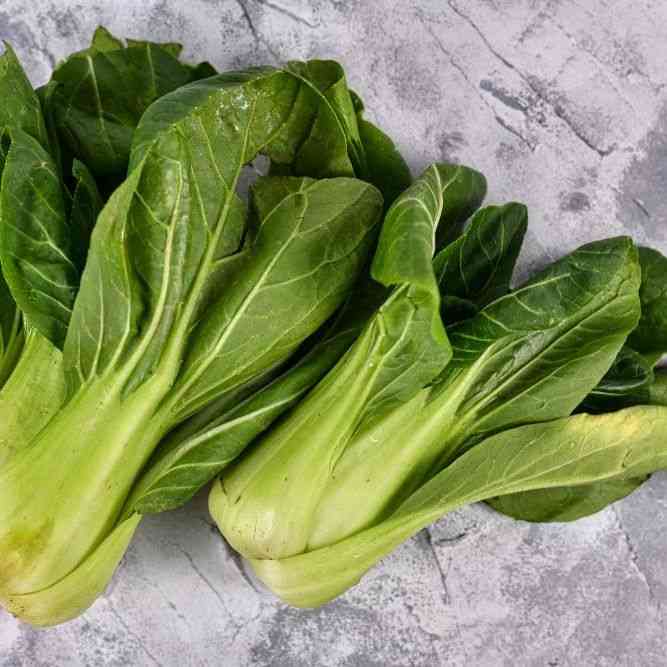
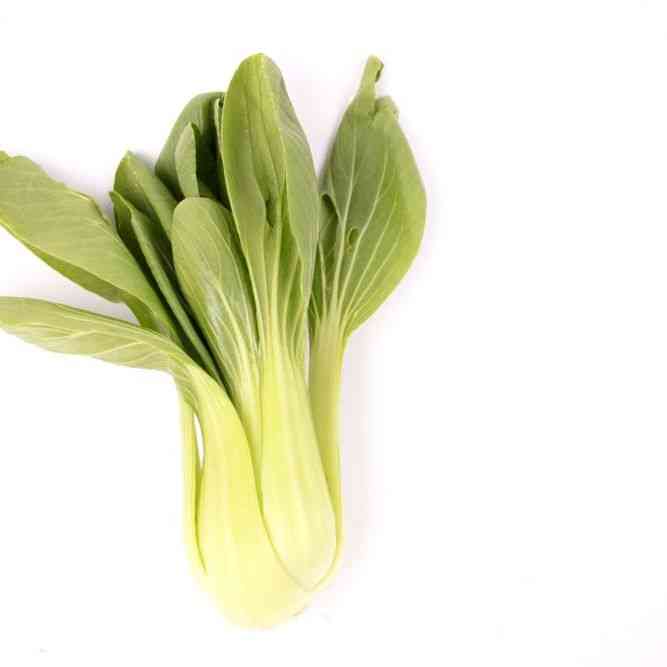
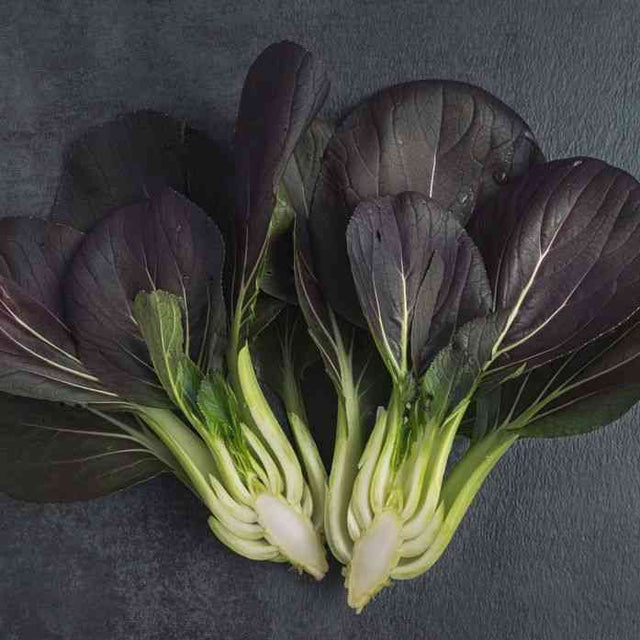
Discover the striking beauty and robust flavor of the Purple Gem F1 Pak Choi. This unique cabbage variety features vibrant purple leaves that transition to a crisp, tender white base, making it as eye-catching in the garden as it is delicious on the plate. With a compact growth habit, these plants reach a mature height of approximately 12...

Continue with the complete description
$150 USD $200
25% OFF
Heirloom seed packet sale

$1.50, regularly $2.00. The sale price is already applied and carries into checkout. No code is needed. Coupon codes do not combine with this offer.

Pickup available at Bertie County Seeds

Usually ready in 2-4 days

At a glance

The facts most gardeners need first

View the full variety record
200 minimum seeds per packet
  • Germination7-14 Days days · 60–75 °F
  • Maturity40-49 Days · 40-49 Days
  • SunFull sun
  • Support & spacingNo-Support · space 18 in · rows 24 in
  • Growth habitRosette · Annual · 7–12 in tall
  • Best usecool-season harvests, succession planting, spring and fall beds, and kitchen gardens
Secure checkout Details
Generic
Triple-tested seed qualityRegular quality and germination checks support every packet.

We regularly test seed quality and germination as lots move through storage and packing. We stand behind the seed we send and want customers to contact us when a packet does not perform as reasonably expected.

1-year seed warrantyCoverage begins on the date of purchase.

When properly stored, planted, and cared for, we guarantee reasonable germination and true-to-type growth for one year from the date of purchase. Conditions outside our control—including extreme weather, pests, unsuitable storage, and gardener error—are excluded. Contact us when something is not right so we can review the situation and work toward a replacement, refund, or another fair resolution.

Non-GMO / BE seed policyWe do not buy or sell genetically engineered or bioengineered seed.

Every seed variety we sell is non-GMO.

USDA’s National Bioengineered Food Disclosure Standard defines bioengineered foods as containing detectable genetic material modified through in vitro recombinant DNA methods in ways not achievable through conventional breeding or found in nature.

  • Hybrid means parent lines were conventionally crossed; hybrid does not mean GMO.
  • Heirloom and open-pollinated describe how a variety is maintained and reproduced.
  • Organic certification is separate and is shown only when verified for the individual product.
Packed in Colerain, North CarolinaPrepared in our seed room for gardens across the country.

Seeds are packed and shipped from Colerain, North Carolina. Our packets use forestry-certified paper, and we use recyclable paper mailers where appropriate. AONSK is also a 1% for the Planet partner while continuing to reduce waste in packing and fulfillment.

Seed-starting profileDifficulty, preparation, reliability, and timing Open

Seed success profile

Gardener experience Beginner-friendly
Germination difficulty Straightforward
Preparation before sowing
Use clean seed-starting conditions, the listed sowing depth and temperature, and steady moisture without saturation
Germination speed
7-14 Days
Growing complexity
Cool-season crop sensitive to heat, crowding, and early insect pressure
Patience and timing
40-49 Days
Is this seed a good match for your experience?
Expected germination
7-14 Days
Germination temperature
60–75 °F
Stratification
Not normally required by the current record
Scarification
Not normally required by the current record
Pre-soaking
Not normally required by the current record
Light during germination
Cover to the recorded depth; provide strong light immediately after emergence
Germination pattern
Usually reliable when seed is stored well and temperature, depth, moisture, and preparation match the recorded requirements
Transplant sensitivity
Use the crop-specific starting method and minimize unnecessary root disturbance
Starting method
Cataloged for indoor starting or transplanting; follow the hardening-off guidance.
Best chance of success
For Purple Gem F1 Cabbage Seeds, control temperature and moisture at sowing, label the start date, and compare emergence with the complete recorded germination window before reseeding.
Planning window

Plan around 7-14 Daysat60–75 °F. Keep moisture, light, and preparation aligned with the sowing instructions below.

Slow germination is not automatically failed germination.

Maintain the listed temperature, moisture, light, and treatment conditions for the full expected window. Some seed lots emerge gradually rather than all at once.

1 Beginner-friendly 2 One extra step 3 Some experience helpful 4 Patient growers 5 Advanced propagation

Seed age, storage, sowing depth, moisture, temperature, light, local conditions, and aftercare can affect results. Last reviewed July 2026.

Garden tools

Need a plan for your space?

Open the garden-fit planner or soil calculator only when you need them.

Open garden tools Uses this product’s recorded growing information. Local weather and garden conditions may vary.

About this variety

What to expect from Purple Gem F1 Cabbage Seeds

Purple Gem F1 Cabbage Seeds produce stunning deep purple stems with crisp texture and mild mustard flavor.

Read the complete product descriptionTraits, flavor, garden use, variety notes, and the full catalog record

Discover the striking beauty and robust flavor of the Purple Gem F1 Pak Choi. This unique cabbage variety features vibrant purple leaves that transition to a crisp, tender white base, making it as eye-catching in the garden as it is delicious on the plate. With a compact growth habit, these plants reach a mature height of approximately 12 inches, allowing for easy integration into any space-conscious garden. Expect to harvest these stunning cabbages in just 45-50 days, making them a quick and rewarding addition to your vegetable repertoire.

The Purple Gem Hybrid is not only visually appealing but also offers a mild, slightly sweet flavor with subtle peppery undertones. This makes it an excellent choice for both raw and cooked applications. Enjoy it fresh in salads and slaws, or add it to stir-fries and soups for a splash of color and nutrition. Its tender leaves and crisp stems provide a delightful texture that complements a variety of dishes, offering versatility to your culinary creations.

In addition to its culinary appeal, the Purple Gem Hybrid is known for its resilience and adaptability. It thrives in a range of climates and demonstrates excellent resistance to common pests and diseases. Whether you're an experienced gardener or a beginner, this hybrid variety promises a bountiful yield with minimal fuss. Cultivate the Purple Gem Hybrid Pak Choi and enjoy its beauty and flavor throughout the growing season.

Minimum Seed Count: 200 seeds

View all growing and care factsBotanical identity, timing, climate, soil, spacing, mature size, and crop-specific details

Plant identity

Minimum seed count 200 seeds
Seed product profile Brassica
Scientific name Brassica rapa var. chinensis
Also known as Cabbage, Cabbage Seeds - Pak Choi (Bok Choy) - Purple Gem F1
Color Purple
Life cycle Annual
Botanical family Brassicaceae
Reproductive type Hybrid (F1)
Heritage qualifiers Non-GMO
Native to the United States Domesticated Plant
Domestication note Mediterranean Basin

Seed success and gardener experience

Gardener experience Beginner-friendlyLevel 2 of 5
Germination difficulty StraightforwardLevel 2 of 5
Preparation before sowing Use clean seed-starting conditions, the listed sowing depth and temperature, and steady moisture without saturation
Stratification Not normally required by the current record
Scarification Not normally required by the current record
Pre-soaking Not normally required by the current record
Light during germination Cover to the recorded depth; provide strong light immediately after emergence
Germination pattern Usually reliable when seed is stored well and temperature, depth, moisture, and preparation match the recorded requirements
Growing complexity Cool-season crop sensitive to heat, crowding, and early insect pressure
Transplant sensitivity Use the crop-specific starting method and minimize unnecessary root disturbance
First harvest or bloom 40-49 Days
Best chance of success For Purple Gem F1 Cabbage Seeds, control temperature and moisture at sowing, label the start date, and compare emergence with the complete recorded germination window before reseeding.

Timing and climate

Days to maturity 40-49 Days
Germination 7-14 Days
Germination temperature 60–75 °F
Planting season Spring
Bloom season Spring
Frost tolerance Hardy
Sunlight Full sun
Water needs Moderate

Site, soil, and space

Soil type Compost-rich
Preferred soil pH 6.5–7.0
Seed depth 1/4 in
Plant spacing 18 in
Row spacing 24 in
Mature height 7–12 in
Growth habit Rosette
Support needed No-Support
Suitable growing locations In-ground bed, Raised bed, Greenhouse, High Tunnel, Community garden, Hydroponic, Vertical, Indoor growing

Crop-specific details

Flavor profile Discover the striking beauty and robust flavor of the Purple Gem F1 Pak Choi.
Garden toolsOpen the garden-fit planner, planting-window questions, or soil calculator only when useful

Uses this product’s recorded growing information. Local weather, soil, and garden conditions may vary.

Garden-fit planning for this variety

Will Purple Gem F1 Cabbage Seeds fit your garden?

Check cool-season timing, transplant plans, heat pressure, soil moisture, and harvest goal.

Questions for this cool-season vegetable seed
Seed-starting fit and patience
Recorded product profileBeginner-friendlyStraightforwardRead why
Soil test, pH, drainage, and amendment calculator Have a laboratory soil report? Enter pH, nutrients, texture, bed size, and site observations here. Open soil tools
Recorded soil typeCompost-rich
Recorded pH range6.5–7.0
Water needsModerate
LightFull sun

Use a current laboratory soil test

Soil-test interpreter

Compare your report with this product's listed pH target: 6.5–7.0.

This tool interprets values you enter; it does not replace laboratory or Cooperative Extension amendment rates. Soil test methods and nutrient recommendations vary by region.

Full growing record

Open only the section you need

How to start Purple Gem F1 Cabbage Seeds from seedPreparation, timing, depth, germination, transplanting, spacing, and early care

Recorded germination plan

Expected germination
7-14 Days
Germination temperature
60–75 °F

Complete sowing and planting guidance

How to sow and plant Cabbage: plant in prepared, well-drained soil after the recommended seasonal window for your area. Keep the seedbed evenly moist during germination, thin seedlings to the listed spacing, and mulch established plants to conserve soil moisture.
How to grow this specific varietyLight, water, fertility, support, spacing, airflow, crop behavior, and season-long care

Complete growing guide

How to grow Cabbage: choose a site with the listed sunlight and soil requirements. Water consistently, avoid overcrowding, and monitor plants for pests, disease, and nutrient stress. Harvest at the proper stage for best flavor and seed quality.

Practical field and garden tips

Additional tips for Cabbage: succession plant when appropriate, label varieties clearly, and keep good garden notes on germination, vigor, flavor, and harvest timing so you can compare varieties season to season.
Harvest, storage, uses, and benefitsWhen and how to harvest, ways to use the crop, storage, culinary value, habitat value, and garden roles

Uses and benefits

Uses and benefits of Cabbage: grow for home gardens, seedkeeping, fresh harvests, culinary use, and biodiversity in the garden. Exact use depends on the variety and harvest stage.
Seed saving and carrying the variety forwardPollination, isolation, selection, harvest, cleaning, drying, and storage
Seed saving for Cabbage: select healthy, true-to-type plants, allow seed to mature fully before harvest, dry seed thoroughly, and store in a cool, dry, labeled container. Isolate varieties as needed to prevent unwanted crossing.
Problems and answersPests, diseases, troubleshooting, practical response, and product-specific questions

Complete pest and problem guide

Common Pests & Problems — 'Purple Gem Hybrid' Pak Choi (Brassica rapa var. chinensis)Insects & MitesFlea Beetles (small holes in leaves, shot-hole appearance)Controls: Use floating row covers to protect young plants. Apply diatomaceous earth around seedlings. Introduce beneficial nematodes to reduce larvae in soil. Rotate crops to disrupt life cycles.Cabbage Worms (chewed leaves, green frass)Controls: Handpick larvae and dispose of them. Apply Bacillus thuringiensis (Bt) as a biological control. Encourage parasitic wasps and birds by planting diverse habitats nearby.Aphids (distorted leaves, sticky honeydew/sooty mold)Controls: Spray with a strong jet of water to dislodge aphids. Use insecticidal soap or neem oil every 5–7 days. Plant companion herbs like dill and cilantro to attract natural predators such as ladybugs and lacewings.DiseasesDowny Mildew (yellow patches on leaves, white fungal growth)Controls: Ensure good air circulation by spacing plants adequately. Water at the base to keep foliage dry. Apply copper-based fungicides as a preventive measure.Black Rot (yellowing leaves, black veins)Controls: Use certified disease-free seeds. Rotate crops with non-brassica plants. Remove and destroy infected plants promptly. Maintain cleanliness of gardening tools to prevent spread.Clubroot (swollen roots, stunted growth)Controls: Maintain soil pH above 7.0 by liming. Practice crop rotation with non-host plants. Remove and destroy infected plants. Improve drainage to prevent waterlogged conditions.Physiological & Environmental IssuesBolting (premature flowering due to temperature stress)Controls: Plant in early spring or late summer to avoid extreme temperatures. Mulch to maintain consistent soil moisture and temperature. Select bolt-resistant varieties for warmer climates.Nutrient Deficiencies (yellowing leaves, poor growth)Controls: Conduct a soil test to determine nutrient levels. Apply balanced fertilizers as needed. Ensure consistent watering to aid nutrient uptake.Monitoring & Prevention — Quick Checklist- Inspect plants regularly for signs of pests and diseases.- Use row covers to protect against insect infestations.- Maintain proper spacing for air circulation.- Rotate crops annually to prevent disease buildup.- Keep garden tools clean to avoid spreading pathogens.- Apply organic mulches to conserve moisture and suppress weeds.- Test soil pH and nutrient levels to ensure optimal growth conditions.

Questions gardeners ask

Frequently Asked Questions — Cabbage

Q: When should I plant Cabbage?
A: Follow the planting season listed on this product page and adjust for your local frost dates.

Q: How deep should I sow the seeds?
A: Use the seed depth listed in the growing facts.

Q: Can I save seed from this variety?
A: Open-pollinated varieties can generally be saved when properly isolated and selected; hybrids may not grow true to type.
History, provenance, and cultural contextWhat is documented, what is reported, what remains uncertain, and how the variety reached gardeners

Scientific name: Brassica rapa var. chinensis

Plant and variety history

Pak Choi, the illustrious Purple Gem Hybrid, emerges from the fertile soils of East Asia, where the cool, mist-laden breezes of China and Japan have nurtured its ancestors for centuries. The name itself is a testament to its vibrant allure: \"Pak Choi\" translates from Cantonese to \"white vegetable,\" while the \"Purple Gem\" moniker highlights the stunning violet hue that adorns its leaves, a regal twist on a classic staple.For generations, Pak Choi has been a cornerstone of Asian cuisine, cherished not only for its crisp texture and mild, sweet flavor but also for its nourishing properties. In the bustling kitchens of Shanghai and the serene countryside of Kyoto, Pak Choi is a versatile ingredient, finding its way into stir-fries, soups, and salads. During the cold winter months, it is often pickled or fermented, providing essential vitamins and a burst of flavor that brightens the palate.Beyond its culinary uses, Pak Choi holds a revered place in traditional medicine. Ancient herbalists prescribed it for its cooling effects, using it to balance the body's heat and as a remedy for inflammation and digestive issues. In rural communities, the plant's resilience and ease of cultivation made it a symbol of sustenance and survival, a reliable crop that could withstand the challenges of changing seasons.The Purple Gem Hybrid, a modern cultivar, was developed through careful selection and breeding, combining the robust growth habits of traditional Pak Choi with a striking purple pigmentation, a result of high anthocyanin content. This not only enhances its visual appeal but also boosts its antioxidant properties, making it a favorite among health-conscious consumers.As the world became more interconnected, the allure of Pak Choi spread beyond Asia. In the late 20th century, Western chefs and gardeners began to embrace this leafy green, captivated by its unique appearance and versatility. The Purple Gem Hybrid, with its vivid color and nutritional benefits, quickly became a standout in farmers' markets and gourmet kitchens alike.While newer hybrids and varieties continue to emerge, the Purple Gem Hybrid remains a beloved cultivar, celebrated for its beauty and heritage. It is the Pak Choi that bridges tradition and innovation, appearing in contemporary fusion dishes and sustainable agriculture practices.Yet in its ancestral lands, Pak Choi is more than just a vegetable. It is a cultural icon, intertwined with the culinary and agricultural traditions of East Asia, a living testament to the ingenuity and resourcefulness of the farmers who cultivated it through the ages. To grow the Purple Gem Hybrid today is to partake in a legacy that spans continents and cultures, honoring both the ancient wisdom of its origins and the modern appreciation of its vibrant charm.

Continue planning

Related seeds, collections, and growing guides

Explore the full collection
Heirloom Cabbage Seeds for Home GardensExplore the full collection →
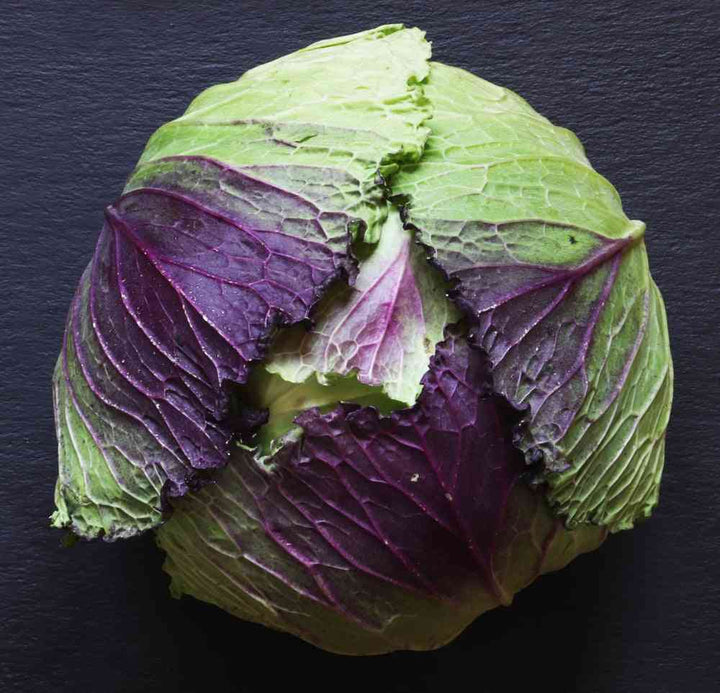
Purple Savoy Cabbage

Purple Savoy Cabbage

A deeply colored savoy cabbage combining blistered leaves with purple-red pigmentation and ornamental value.

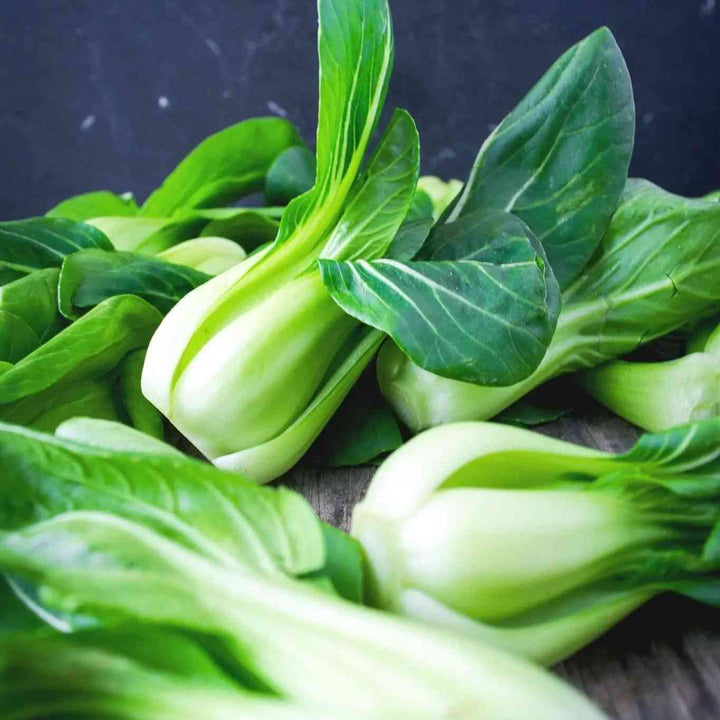
White Stemmed Bok Choy

White Stemmed Bok Choy

A classic bok choy with dark green leaves and crisp white petioles for quick cool-season harvest.

Savoy Perfection Cabbage

Savoy Perfection Cabbage

A classic green savoy cabbage with crinkled leaves, tender texture, and a compact head suited to cool-season gardens.

Customer experience

Reviews for Purple Gem F1 Cabbage Seeds

Customer Reviews

Based on 3 reviews
67%
(2)
0%
(0)
0%
(0)
33%
(1)
0%
(0)
A
Anonymous (United States)

I would buy from them again

V
Venese

Package is beautiful, and it's plenty of seeds.