Variety field guide
What to expect from Japanese Umaina Chard
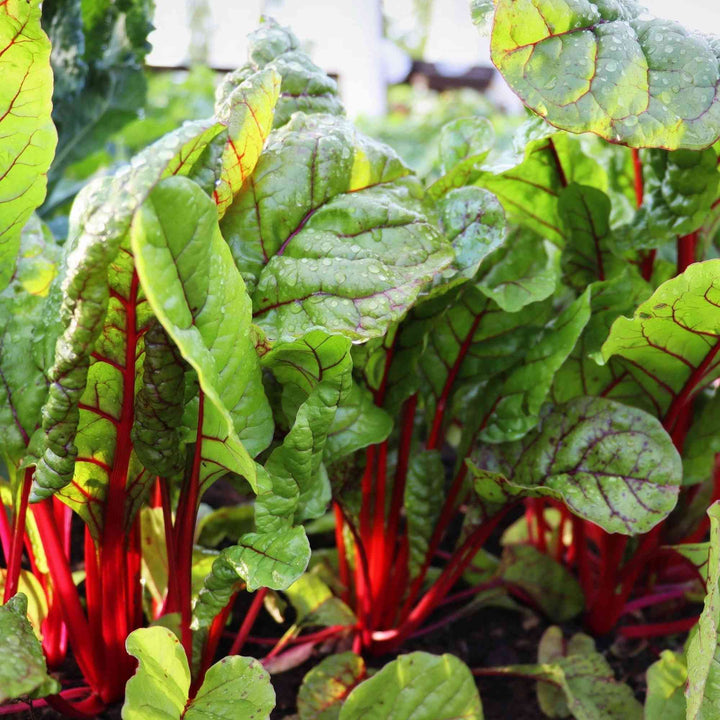
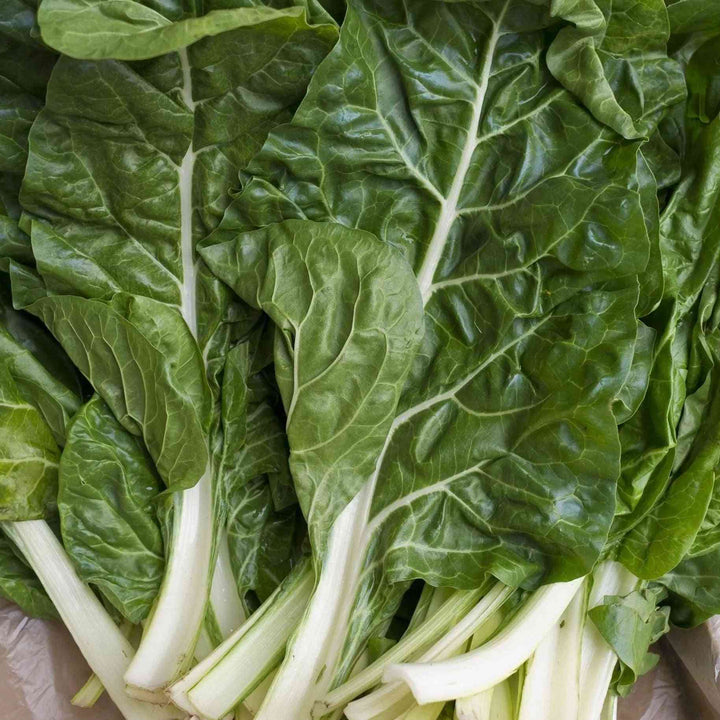
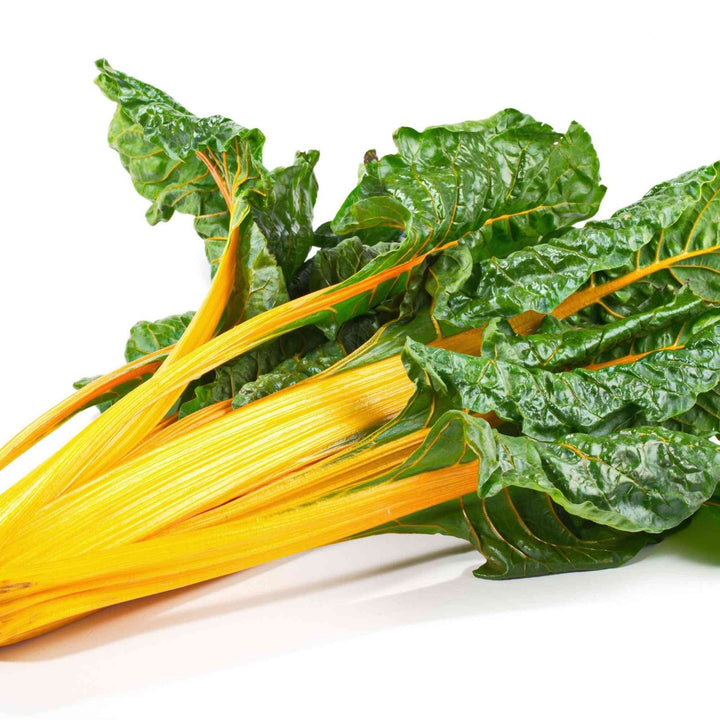
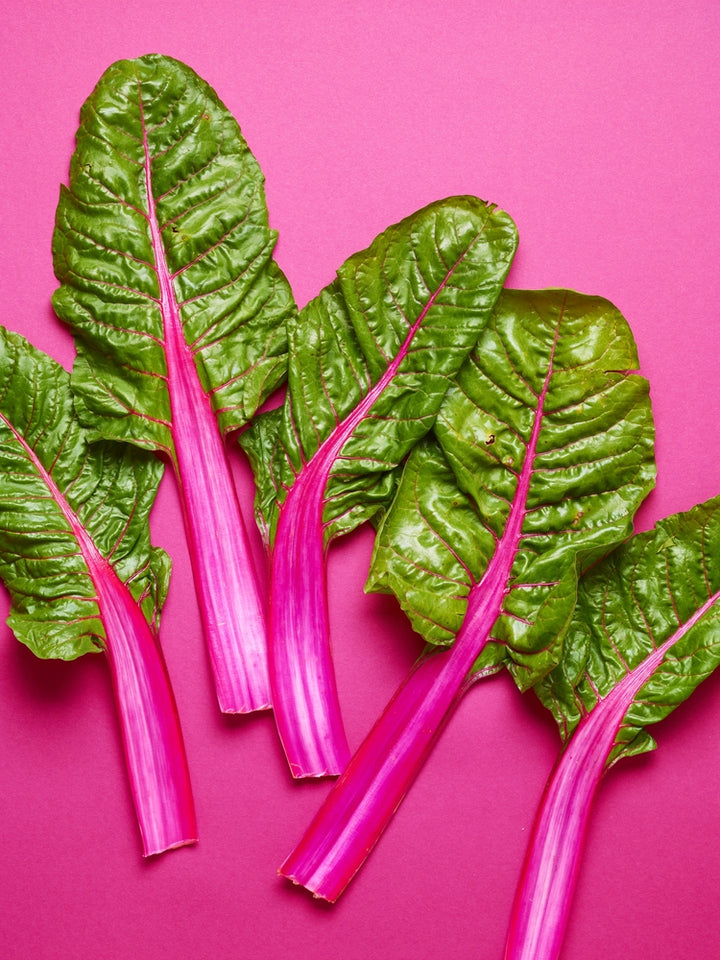
Japanese Umaina offers broad green leaves with gentle wrinkles and short, pale midribs.
Open the complete descriptionHide the complete descriptionVariety traits, flavor, garden use, and the complete description
Japanese Umaina offers broad green leaves with gentle wrinkles and short, pale midribs. Young leaves are tender enough for mixed salads; larger ones wilt into soups, stir-fries and quick vegetable sides. This Japanese chard tolerates both heat and cooler weather and is slow to bolt, giving a useful picking window. Gather a few outer leaves at a time and let the center keep growing for repeated small harvests from the same plants.
Minimum seeds per packet: 100 seeds.
Tender Japanese greens for fresh salads and quick cooking.
Variety and background
Cover Umaina seed lightly, about a quarter inch deep. Allow 7-14 days for emergence.
Growing facts
| Scientific name | Beta vulgaris L. Cicla Group |
|---|---|
| Life cycle | Biennial |
| Maturity / harvest basis | 50-59 Days |
| Seed depth | 1/4 in |
| Germination | 7-14 days |
| Germination temperature | 50-65 F |
| Plant height / spread | 19–24 in |
| Habit | Rosette |
| Plant spacing | 8 in |
| Row spacing | 18 in |
| Sunlight | Full - Partial Sun |
| Pollination type | Open-Pollinated (OP) |
Starting from seed
Sow in spring or late summer, 1/4 in. deep. At 50-65 F allow 7-14 days. Thin clustered seedlings to 8 in. apart, rows 18 in. apart. Give fertile draining soil and regular water; light afternoon shade helps in hot weather.
Planting and care
Sow in spring or late summer, 1/4 in. deep. At 50-65 F allow 7-14 days. Thin clustered seedlings to 8 in. apart, rows 18 in. apart. Give fertile draining soil and regular water; light afternoon shade helps in hot weather. Cover Umaina seed lightly, about a quarter inch deep. Allow 7-14 days for emergence.
Harvest and use
Pick leaves around 5-6 in. long, leaving the center intact for regrowth. Rinse and refrigerate. For seed, overwinter selected plants; isolate from flowering beets and other chards, then gather brown, dry seed clusters in year two.
Saving seed
Select several healthy, true-to-type Japanese Umaina plants that match the expected rosette habit and overall plant form. Avoid saving seed only from the earliest or largest individual unless that is your deliberate selection goal. Pollination system: Wind-pollinated biennial. Crosses readily with compatible Beta vulgaris beets and chard. Separate compatible varieties that may flower together, or use cages, barriers, hand pollination, or another documented control appropriate to the crop. Japanese Umaina is a biennial. Seed production may require overwintering, vernalization, or more than one growing season, depending on climate and crop biology. Clean the seed carefully, dry it thoroughly away from direct heat, label the lot with variety and year, and store it cool, dark, and dry. Test germination before an important planting or distribution season.
Common problems
Common concerns: Leaf miners, aphids, flea beetles, damping-off, Cercospora or other leaf spots, and root problems in waterlogged soil. Management: Rotate crop families, remove badly affected leaves, improve airflow, and keep the root zone moist but not saturated. Diagnosis note: Similar symptoms can have different causes. Compare plants of the same age, record weather and irrigation, and use local Extension or diagnostic support before applying a control.
Frequently asked questions
What distinguishes this selection?
Cover Umaina seed lightly, about a quarter inch deep. Allow 7-14 days for emergence.
How should I start it?
Sow in spring or late summer, 1/4 in. deep. At 50-65 F allow 7-14 days. Thin clustered seedlings to 8 in. apart, rows 18 in. apart. Give fertile draining soil and regular water; light afternoon shade helps in hot weather.
When and how should I harvest?
Pick leaves around 5-6 in. long, leaving the center intact for regrowth. Rinse and refrigerate. For seed, overwinter selected plants; isolate from flowering beets and other chards, then gather brown, dry seed clusters in year two.
Can I save seed?
Select several healthy, true-to-type Japanese Umaina plants that match the expected rosette habit and overall plant form. Avoid saving seed only from the earliest or largest individual unless that is your deliberate selection goal. Pollination system: Wind-pollinated biennial. Crosses readily with compatible Beta vulgaris beets and chard. Separate compatible varieties that may flower together, or use cages, barriers, hand pollination, or another documented control appropriate to the crop. Japanese Umaina is a biennial. Seed production may require overwintering, vernalization, or more than one growing season, depending on climate and crop biology. Clean the seed carefully, dry it thoroughly away from direct heat, label the lot with variety and year, and store it cool, dark, and dry. Test germination before an important planting or distribution season.