Variety field guide
What to expect from Silver Queen Okra
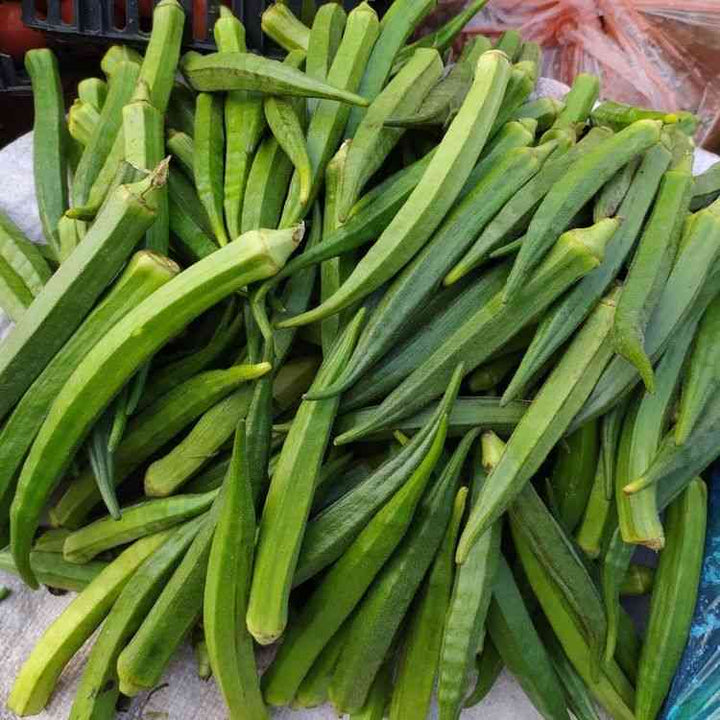
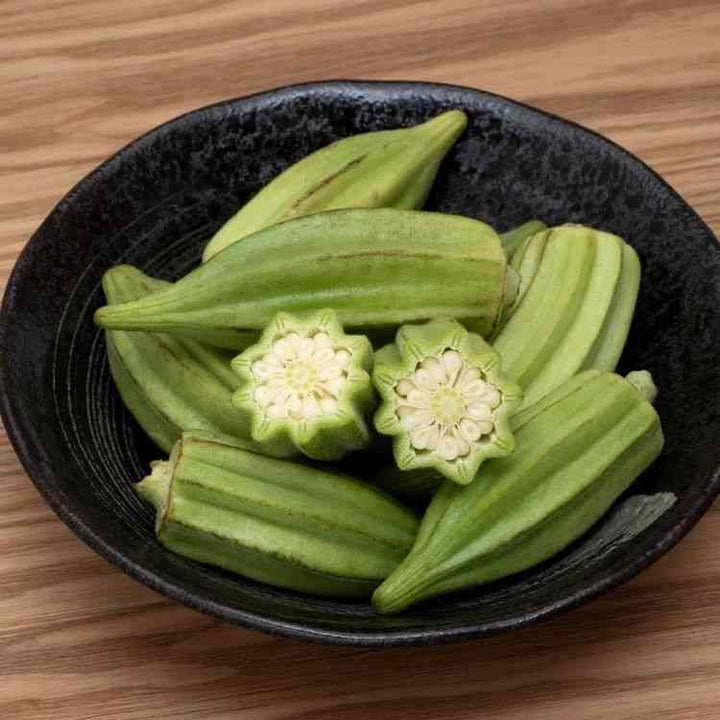
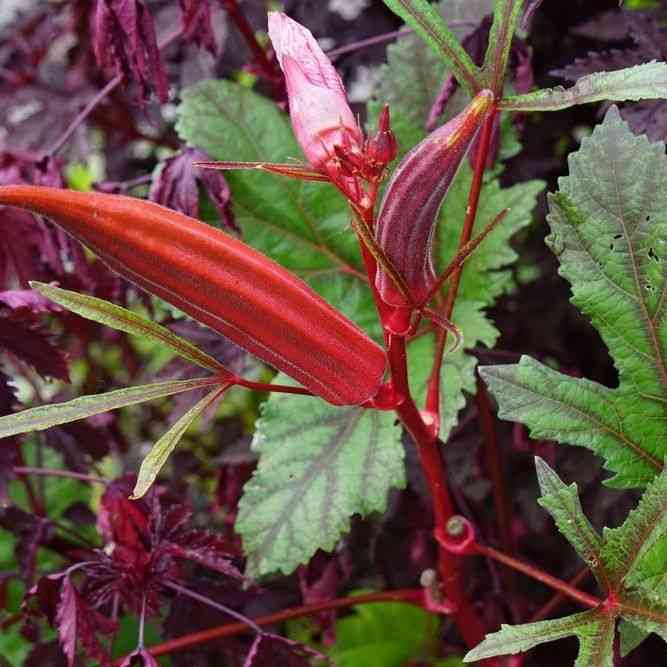
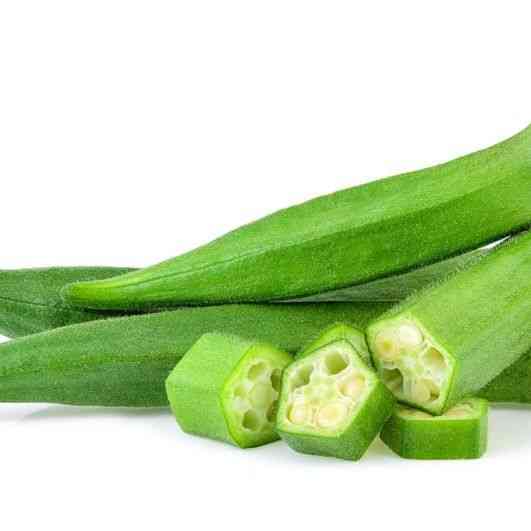
Silver Queen stands out among okras for its pale ivory-green pods and tall, branching plants.
Open the complete descriptionHide the complete descriptionVariety traits, flavor, garden use, and the complete description
Silver Queen stands out among okras for its pale ivory-green pods and tall, branching plants. Picked young, the slender pods have a tender texture and mild flavor suited to frying, pickling or thickening a pot of gumbo. Give it a long, warm summer and check the plants often once flowering starts, gathering pods before their skins and fibers grow tough.
Minimum seeds per packet: 75 seeds.
Pale green pods for a steady warm-weather kitchen harvest.
Variety and background
Silver Queen okra is a tall, pale-podded variety. Published maturity is about 80 days from sowing; tenderness, rather than maximum pod length, should guide picking.
Growing facts
| Scientific name | Abelmoschus esculentus (L.) Moench |
|---|---|
| Life cycle | Annual |
| Maturity / harvest basis | About 80 days from sowing |
| Seed depth | 1 in |
| Germination | 5-10 days |
| Germination temperature | 75-90 F |
| Plant height / spread | Up to about 6 ft in favorable conditions |
| Habit | Upright/Erect |
| Plant spacing | 18 in |
| Row spacing | 36 in |
| Sunlight | Full sun |
| Pollination type | Open-Pollinated (OP) |
Starting from seed
Soak seed overnight. Direct sow after frost, 1 in. deep in warm soil. At 75-90 F allow 5-10 days. Thin to 18-24 in. apart, rows 3 ft. apart. Give full sun, fertile, well-drained soil and deep watering during flowering and pod growth.
Planting and care
Soak seed overnight. Direct sow after frost, 1 in. deep in warm soil. At 75-90 F allow 5-10 days. Thin to 18-24 in. apart, rows 3 ft. apart. Give full sun, fertile, well-drained soil and deep watering during flowering and pod growth. Silver Queen okra is a tall, pale-podded variety. Published maturity is about 80 days from sowing; tenderness, rather than maximum pod length, should guide picking.
Harvest and use
Expect pods around 80 days from sowing. Cut young, tender pods frequently, before they toughen; wear gloves. Refrigerate briefly or freeze. For seed, isolate other okras and let selected pods brown, then shell and dry seeds.
Saving seed
Seed saving for Silver Queen Select several healthy, true-to-type plants so the saved lot represents the variety rather than one unusually early or large individual. Okra flowers can cross through insect activity. Isolate varieties or control pollination, and select several healthy true-to-type plants before pods are harvested for eating. Leave designated pods until they are brown, dry, and beginning to split, then collect before seed is lost. Dry pods under cover, thresh, screen, and winnow. Wear gloves if dry pods or stems irritate skin. Label the lot with population, isolation, pod type, plant height, year, and germination test.
Common problems
Watch Silver Queen for aphids, stink bugs, Japanese beetles, flea beetles, caterpillars, leaf spots, root-knot nematodes, and tough overmature pods. Rotate crops, maintain steady growth, and harvest every day or two once pods begin forming.
Frequently asked questions
What distinguishes this selection?
Silver Queen okra is a tall, pale-podded variety. Published maturity is about 80 days from sowing; tenderness, rather than maximum pod length, should guide picking.
How should I start it?
Soak seed overnight. Direct sow after frost, 1 in. deep in warm soil. At 75-90 F allow 5-10 days. Thin to 18-24 in. apart, rows 3 ft. apart. Give full sun, fertile, well-drained soil and deep watering during flowering and pod growth.
When and how should I harvest?
Expect pods around 80 days from sowing. Cut young, tender pods frequently, before they toughen; wear gloves. Refrigerate briefly or freeze. For seed, isolate other okras and let selected pods brown, then shell and dry seeds.
Can I save seed?
Seed saving for Silver Queen Select several healthy, true-to-type plants so the saved lot represents the variety rather than one unusually early or large individual. Okra flowers can cross through insect activity. Isolate varieties or control pollination, and select several healthy true-to-type plants before pods are harvested for eating. Leave designated pods until they are brown, dry, and beginning to split, then collect before seed is lost. Dry pods under cover, thresh, screen, and winnow. Wear gloves if dry pods or stems irritate skin. Label the lot with population, isolation, pod type, plant height, year, and germination test.