Variety field guide
What to expect from Red Cipollini Onion
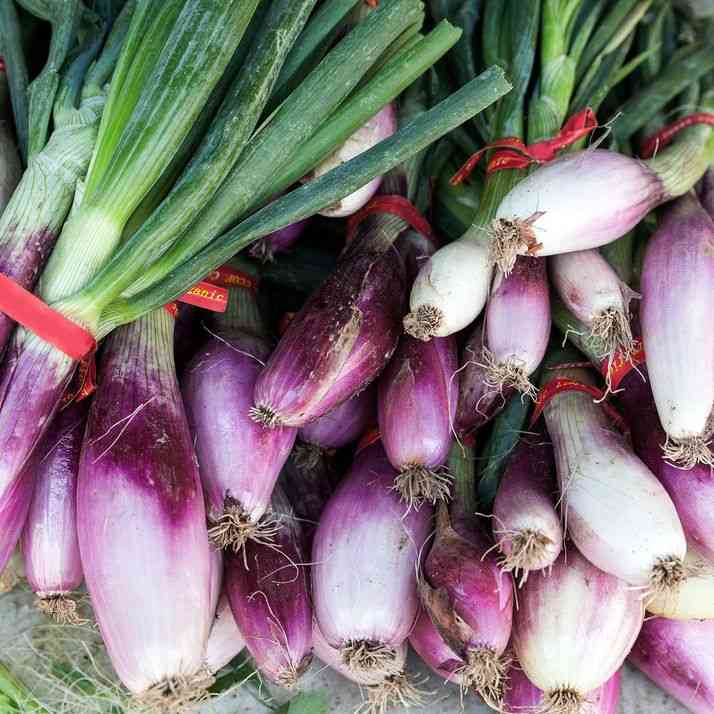
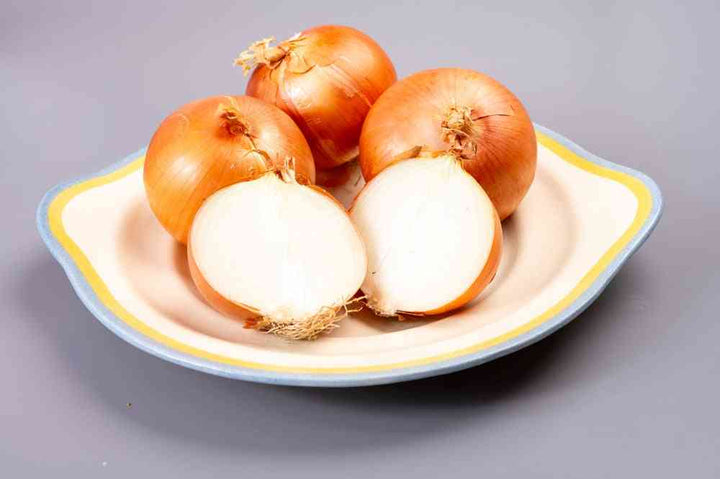
Red Cipollini makes flattened red bulbs with juicy flesh that turns sweet when roasted or slowly browned.
Open the complete descriptionHide the complete descriptionVariety traits, flavor, garden use, and the complete description
Red Cipollini makes flattened red bulbs with juicy flesh that turns sweet when roasted or slowly browned. The low, broad shape is useful for grilling, braising and pickling whole small onions. This Italian type brings something different from a round storage onion to the kitchen. Grow it where longer spring and summer days can develop the bulbs; pull younger onions for small portions or let them widen for a generous cooking onion.
Minimum seeds per packet: 250 seeds.
Flat red onions that sweeten beautifully with cooking.
Variety and background
The identified supplier describes Red Cipollini as intermediate to long day. Similarly named short-day stock from another supplier should not be assumed identical.
Growing facts
| Scientific name | Allium cepa L. |
|---|---|
| Life cycle | Biennial |
| Maturity / harvest basis | 100-109 Days |
| Seed depth | 1/4 in |
| Germination | 7-14 days |
| Germination temperature | 65-70 F |
| Plant height / spread | 13–18 in |
| Habit | Clumping/Tufted |
| Plant spacing | 4 in |
| Row spacing | 12 in |
| Sunlight | Full sun |
| Pollination type | Open-Pollinated (OP) |
Starting from seed
Start indoors 8-10 weeks before spring planting, 1/4 in. deep. At 65-70 F allow 7-14 days. Harden off and set 4 in. apart, rows 12 in. apart. Give sun, rich draining soil and even moisture; keep weeds down and bulbs uncovered.
Planting and care
Start indoors 8-10 weeks before spring planting, 1/4 in. deep. At 65-70 F allow 7-14 days. Harden off and set 4 in. apart, rows 12 in. apart. Give sun, rich draining soil and even moisture; keep weeds down and bulbs uncovered. The identified supplier describes Red Cipollini as intermediate to long day. Similarly named short-day stock from another supplier should not be assumed identical.
Harvest and use
Lift mature bulbs when tops fall; cure in dry shade with airflow until necks dry. Store sound bulbs cool and dry. For seed, overwinter several selected bulbs, isolate flowering A. cepa varieties and collect dry second-year heads.
Saving seed
Select several healthy, true-to-type Red Cipollini plants that match the expected clumping/tufted habit and overall plant form. Avoid saving seed only from the earliest or largest individual unless that is your deliberate selection goal. Pollination system: Insect-pollinated Allium. Compatible cultivars of the same species can cross while flowering. Separate compatible varieties that may flower together, or use cages, barriers, hand pollination, or another documented control appropriate to the crop. Red Cipollini is a biennial. Seed production may require overwintering, vernalization, or more than one growing season, depending on climate and crop biology. Clean the seed carefully, dry it thoroughly away from direct heat, label the lot with variety and year, and store it cool, dark, and dry. Test germination before an important planting or distribution season.
Common problems
Common concerns: Damping-off, aphids, slugs, caterpillars, leaf spots, root rots, and stress-related bolting or poor establishment. Management: Start with clean seed and mix, match temperature to the crop, avoid overwatering, provide airflow, scout regularly, and rotate families. Diagnosis note: Similar symptoms can have different causes. Compare plants of the same age, record weather and irrigation, and use local Extension or diagnostic support before applying a control.
Frequently asked questions
What distinguishes this selection?
The identified supplier describes Red Cipollini as intermediate to long day. Similarly named short-day stock from another supplier should not be assumed identical.
How should I start it?
Start indoors 8-10 weeks before spring planting, 1/4 in. deep. At 65-70 F allow 7-14 days. Harden off and set 4 in. apart, rows 12 in. apart. Give sun, rich draining soil and even moisture; keep weeds down and bulbs uncovered.
When and how should I harvest?
Lift mature bulbs when tops fall; cure in dry shade with airflow until necks dry. Store sound bulbs cool and dry. For seed, overwinter several selected bulbs, isolate flowering A. cepa varieties and collect dry second-year heads.
Can I save seed?
Select several healthy, true-to-type Red Cipollini plants that match the expected clumping/tufted habit and overall plant form. Avoid saving seed only from the earliest or largest individual unless that is your deliberate selection goal. Pollination system: Insect-pollinated Allium. Compatible cultivars of the same species can cross while flowering. Separate compatible varieties that may flower together, or use cages, barriers, hand pollination, or another documented control appropriate to the crop. Red Cipollini is a biennial. Seed production may require overwintering, vernalization, or more than one growing season, depending on climate and crop biology. Clean the seed carefully, dry it thoroughly away from direct heat, label the lot with variety and year, and store it cool, dark, and dry. Test germination before an important planting or distribution season.