Free U.S. seed shipping $25+. Seeds ship free at the threshold. Storefront goods, pantry finds, books & local goods are being added.

New seeds, Main Street specials, and storefront finds update as the market grows.

Heirloom Mix Sweet Pea Seeds

Scientific name Lathyrus odoratus

Seed packet & garden essentials

What to know before you plant

View complete growing & care facts
20 minimum seeds per packet
  • First bloom / maturity80-89 Days · 80-89 Days
  • Growth habitVining/Climbing · Annual · 73–96 in tall
  • Best useborders, cutting gardens, pollinators, containers, and seasonal color
  • Flavor & characterSweet Pea Heirloom Mix seeds produce a richly scented climbing annual that fills trellises, fences, arches, and cut flower rows with soft vintage color and classic garden charm. · Mixed
  • Germination7-21 Days days · 55–70 °F
  • Seed preparationUse clean seed-starting conditions, the listed sowing depth and temperature, and steady moisture without saturation
  • SunFull sun
  • Support & spacingTrellis · space 6 in · rows 24 in
  • Container fitPossible in a properly sized container with reliable drainage, moisture, and room for the mature plant
  • Water needsModerate
  • SoilLoamy · pH 6.5–7.0
  • Planting seasonSpring/Fall · blooms Spring/Summer · Semi-Hardy
$200 USD

Pickup available at Bertie County Seeds

Usually ready in 2-4 days

Secure checkout Details
Generic
Triple-tested seed qualityRegular quality and germination checks support every packet.

We regularly test seed quality and germination as lots move through storage and packing. We stand behind the seed we send and want customers to contact us when a packet does not perform as reasonably expected.

1-year seed warrantyCoverage begins on the date of purchase.

When properly stored, planted, and cared for, we guarantee reasonable germination and true-to-type growth for one year from the date of purchase. Conditions outside our control—including extreme weather, pests, unsuitable storage, and gardener error—are excluded. Contact us when something is not right so we can review the situation and work toward a replacement, refund, or another fair resolution.

Non-GMO / BE seed policyWe do not buy or sell genetically engineered or bioengineered seed.

Every seed variety we sell is non-GMO.

USDA’s National Bioengineered Food Disclosure Standard defines bioengineered foods as containing detectable genetic material modified through in vitro recombinant DNA methods in ways not achievable through conventional breeding or found in nature.

  • Hybrid means parent lines were conventionally crossed; hybrid does not mean GMO.
  • Heirloom and open-pollinated describe how a variety is maintained and reproduced.
  • Organic certification is separate and is shown only when verified for the individual product.
Packed in Colerain, North CarolinaPrepared in our seed room for gardens across the country.

Seeds are packed and shipped from Colerain, North Carolina. Our packets use forestry-certified paper, and we use recyclable paper mailers where appropriate. AONSK is also a 1% for the Planet partner while continuing to reduce waste in packing and fulfillment.

Seed success profile

Rules-based · no AI
Gardener experience Beginner-friendly
Germination difficulty Straightforward
Preparation before sowing
Use clean seed-starting conditions, the listed sowing depth and temperature, and steady moisture without saturation
Germination speed
Typical — usually 7–21 days
Growing complexity
Bloom crop requiring species-specific sowing, spacing, deadheading or seed maturity, and support when tall
Patience and timing
80-89 Days
Is this seed a good match for your experience?
Expected germination
7-21 Days
Germination temperature
55–70 °F
Stratification
Not normally required by the current record
Scarification
Not normally required by the current record
Pre-soaking
Not normally required by the current record
Light during germination
Surface sow or press into the mix; light is part of the germination requirement
Germination pattern
Usually reliable when seed is stored well and temperature, depth, moisture, and preparation match the recorded requirements
Transplant sensitivity
Varies by species; use direct sowing when the record warns against disturbance
Starting method
Cataloged as suitable for direct sowing; follow the product-specific timing and depth.
Best chance of success
For Heirloom Mix Sweet Pea Seeds, control temperature and moisture at sowing, label the start date, and compare emergence with the complete recorded germination window before reseeding.
What to expect

Preparation: Use clean seed-starting conditions, the listed sowing depth and temperature, and steady moisture without saturation. Germination light: Surface sow or press into the mix; light is part of the germination requirement. Expected emergence: 7-21 Days. Temperature: 55-70 °F.

Slow germination is not automatically failed germination.

Maintain the listed temperature, moisture, light, and treatment conditions for the full expected window. Some seed lots emerge gradually rather than all at once.

1 Beginner-friendly 2 One extra step 3 Some experience helpful 4 Patient growers 5 Advanced propagation

This deterministic profile uses recorded product facts; it is not Artificial Intelligence and is not a guarantee. Seed age, storage, sowing depth, moisture, temperature, light, local conditions, and aftercare can all affect results. Last reviewed July 2026.

Build a garden-fit plan

Check this seed against your real growing conditions

Compare timing, germination preparation, sunlight, soil, water, space, support, intended use, and your preferred level of seed-starting complexity.

Open the detailed garden-fit planner Deterministic rules · no Artificial Intelligence · no live weather service

Complete product description

Heirloom Mix Sweet Pea Seeds

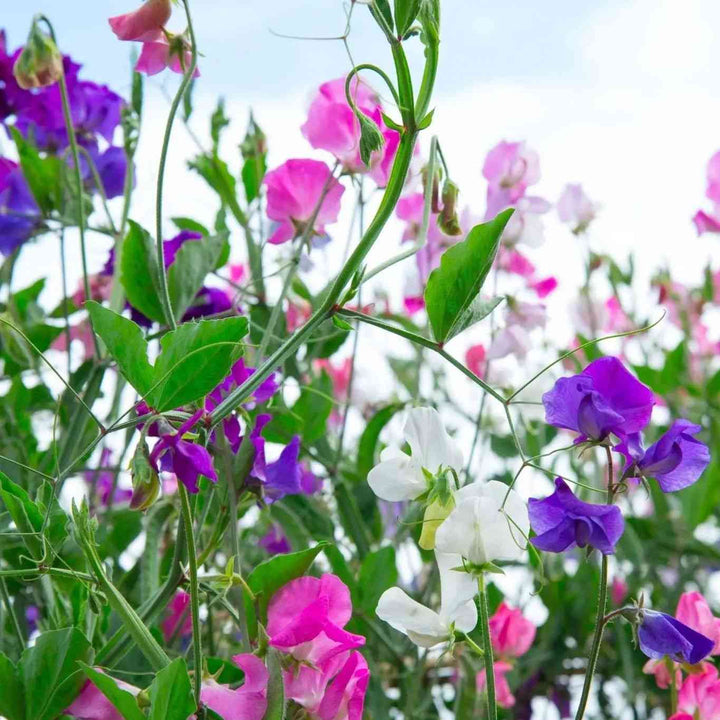
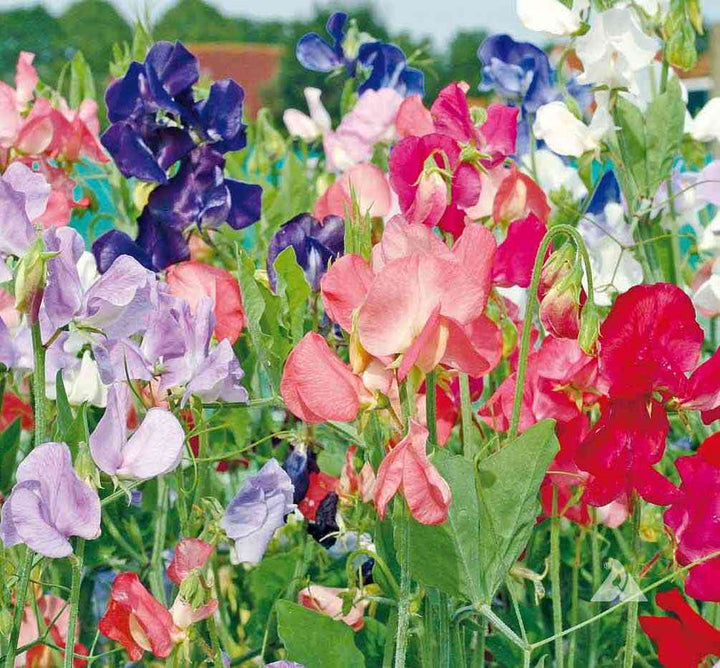
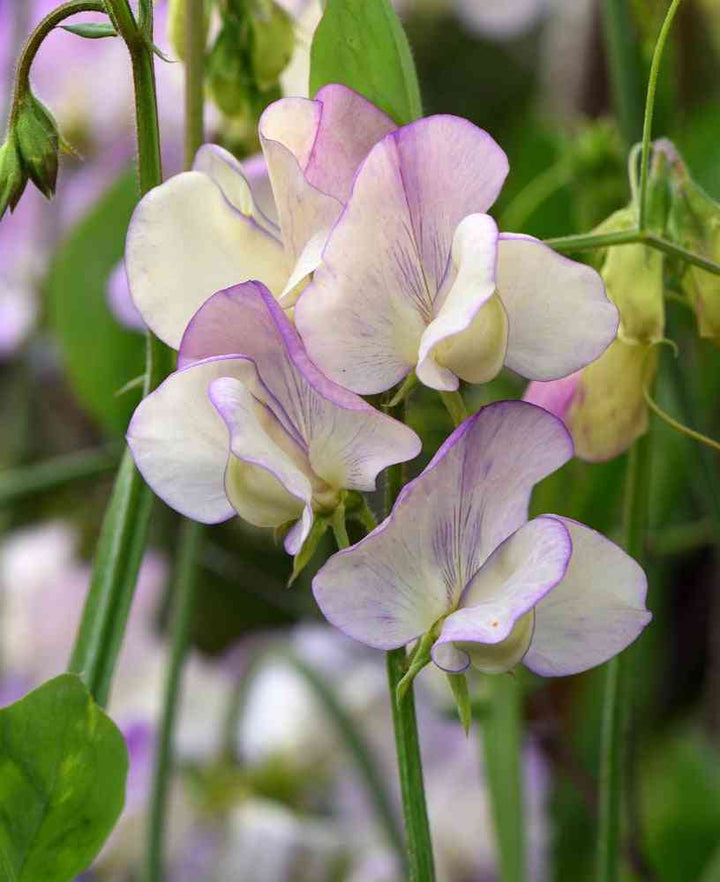
Sweet Pea Heirloom Mix seeds produce a richly scented climbing annual that fills trellises, fences, arches, and cut flower rows with soft vintage color and classic garden charm. This Sweet Pea Heirloom Mix brings together heirloom sweet peas selected for their fragrance, graceful form, and old-fashioned range of pinks, whites, purples, reds, and bicolors. Grown for both beauty and bouquet use, Sweet Pea Heirloom Mix is especially valued for its fluttering blooms, long stems, and the strong perfume that made heirloom sweet peas a favorite in cottage gardens and cutting gardens for generations.

A beautiful choice for gardeners who want color, fragrance, and continuous cutting flowers, Sweet Pea Heirloom Mix seeds perform best in cool-season growing conditions with sturdy support and regular harvest. The more you cut, the more these vines tend to bloom, making Sweet Pea Heirloom Mix a rewarding option for trellised beds, ornamental borders, and floral production alike. With its heirloom character, romantic appearance, and unmistakable scent, Sweet Pea Heirloom Mix offers a timeless flowering vine that brings elegance and abundance to the garden.

Minimum Seed Count: 20 seeds

Every recorded growing detail

Complete growing & care facts

Continue to the garden-fit planner

Plant identity

Minimum seed count 20 seeds
Seed product profile Flower
Scientific name Lathyrus odoratus
Also known as Pea, Sweet Peas Seeds - Heirloom Mix
Color Mixed
Life cycle Annual
Botanical family Fabaceae
Reproductive type Open-Pollinated (OP)
Heritage qualifiers Heirloom
Native to the United States Domesticated Plant
Domestication note Mediterranean Basin

Seed success and gardener experience

Gardener experience Beginner-friendlyLevel 2 of 5
Germination difficulty StraightforwardLevel 2 of 5
Preparation before sowing Use clean seed-starting conditions, the listed sowing depth and temperature, and steady moisture without saturation
Stratification Not normally required by the current record
Scarification Not normally required by the current record
Pre-soaking Not normally required by the current record
Light during germination Surface sow or press into the mix; light is part of the germination requirement
Germination pattern Usually reliable when seed is stored well and temperature, depth, moisture, and preparation match the recorded requirements
Growing complexity Bloom crop requiring species-specific sowing, spacing, deadheading or seed maturity, and support when tall
Transplant sensitivity Varies by species; use direct sowing when the record warns against disturbance
First harvest or bloom 80-89 Days
Best chance of success For Heirloom Mix Sweet Pea Seeds, control temperature and moisture at sowing, label the start date, and compare emergence with the complete recorded germination window before reseeding.

Timing and climate

Days to maturity 80-89 Days
Germination 7-21 Days
Germination temperature 55–70 °F
Planting season Spring/Fall
Bloom season Spring/Summer
Frost tolerance Semi-Hardy
Sunlight Full sun
Water needs Moderate

Site, soil, and space

Soil type Loamy
Preferred soil pH 6.5–7.0
Seed depth 1 in
Plant spacing 6 in
Row spacing 24 in
Mature height 73–96 in
Growth habit Vining/Climbing
Support needed Trellis
Suitable growing locations In-ground bed, Raised bed, Containers, Vertical, Community garden

Crop-specific details

Flavor profile Sweet Pea Heirloom Mix seeds produce a richly scented climbing annual that fills trellises, fences, arches, and cut flower rows with soft vintage color and classic garden charm.

Garden-fit planning for this variety

Will Heirloom Mix Sweet Pea Seeds fit your garden?

Check bloom timing, cut-flower or pollinator use, height, sun, sowing method, and life cycle.

Rules-based · no AI
Questions for this flower seed
Seed-starting fit and patience
Recorded product profileBeginner-friendlyStraightforwardRead why
Soil test, pH, drainage, and amendment calculator Have a laboratory soil report? Enter pH, nutrients, texture, bed size, and site observations here. Open soil tools
Recorded soil typeLoamy
Recorded pH range6.5–7.0
Water needsModerate
LightFull sun

Use a current laboratory soil test

Soil-test interpreter

Compare your report with this product's listed pH target: 6.5–7.0.

This tool interprets values you enter; it does not replace laboratory or Cooperative Extension amendment rates. Soil test methods and nutrient recommendations vary by region.

The full variety record

Sowing, care, harvest, troubleshooting, and history

How to start Heirloom Mix Sweet Pea Seeds from seedPreparation, timing, depth, germination, transplanting, spacing, and early care

Variety-specific germination notes

Preparation: Use clean seed-starting conditions, the listed sowing depth and temperature, and steady moisture without saturation. Germination light: Surface sow or press into the mix; light is part of the germination requirement. Expected emergence: 7-21 Days. Temperature: 55-70 °F.

Complete sowing and planting guidance

Sweet Pea Heirloom Mix should be planted with timing in mind, because sweet peas are at their best when they can establish and flower in cool weather rather than trying to survive into intense heat. In most regions, sow as early as the soil can be worked in spring, or in fall where winters are mild enough to support cool-season growth. The goal is to give the vines enough time to root deeply, climb strongly, and begin blooming before prolonged hot weather arrives. Sweet peas resent being rushed by heat, so early seasonal timing is often one of the biggest differences between an average planting and an excellent one.

Choose a site in full sun with good airflow and well-drained, reasonably fertile soil. Sweet peas like steady moisture, but they do not thrive in soggy ground or in beds that stay compacted and wet after rain. Because they are climbing vines, install support before or at sowing time rather than waiting until the plants are already sprawling. Netting, brush, fencing, trellis panels, or strings stretched between stakes all work well, as long as the tendrils have something narrow enough to grasp. Preparing support early prevents root disturbance later and helps you lay out the row or bed properly from the beginning.

Before sowing, clear the area of weeds and loosen the soil deeply enough for roots to travel downward easily. Sweet peas benefit from a root run that stays cool and moist below the surface, so a bed improved for drainage and structure is more useful than one made overly rich with strong fertilizer. If the ground is poor, amend moderately and mix everything in well before planting rather than feeding heavily later. Avoid excessive nitrogen, which can push leafy growth at the expense of flowers. A smooth, clean seedbed also makes it easier to control weeds while the seedlings are small.

Seed should be planted directly where the vines are meant to grow whenever possible. Sweet peas can be started in modules or deep cells, but they generally perform best when root disturbance is minimized and the transplants are moved while still young. For direct sowing, place the seeds about 1 inch deep in moist soil and space them so the young vines will have room to climb and breathe as they mature. In a row system, sow along the support line rather than in a broad, crowded band. Cover the seed firmly but gently and water well enough to settle the soil around it.

If starting indoors or in protected containers for transplanting, use deep cells or pots that allow the young roots to grow downward without circling too quickly. Sweet peas develop best when transplanted before they become rootbound, and they should be moved carefully to avoid breaking the root ball apart. Harden them off before planting out, and set them into the garden at the same depth they were growing before. Water them in thoroughly and guide them toward their support early, before the stems begin tangling with each other or with neighboring plants.

After sowing, keep the soil evenly moist during germination and early establishment, but do not let it stay waterlogged. A dry spell at the wrong time can delay or reduce emergence, while saturated soil can cause rot before the seedlings ever get going. Once the plants are up, continue watering steadily enough to support active growth without creating a soggy bed. In dry or warming conditions, mulch can help cool the root zone and preserve moisture, especially once the seedlings are established and the soil has warmed.

As the young vines begin to grow, thin weak or crowded seedlings if needed so the planting does not become congested later. This is especially important if germination is heavy. Good spacing at the start improves airflow, reduces disease pressure, and makes the flowers easier to harvest once blooming begins. Begin training the vines onto support early by gently guiding stems and tendrils in the right direction. Sweet peas climb more cleanly when they are introduced to their structure while still flexible, rather than being lifted and untangled after they have already fallen over one another.

For the strongest long-term performance, think of sowing and transplanting as the foundation for flower production rather than a quick first step. Early timing, deep rooting, proper support, and careful spacing all influence how long the vines bloom and how well they hold up once the season shifts. A well-planted sweet pea row should establish in cool weather, climb without crowding, and move smoothly into heavy bud and bloom production as the season develops. When the planting stage is done thoughtfully, Sweet Pea Heirloom Mix becomes much easier to manage later and far more rewarding for fragrance, beauty, and cut flower harvest.
How to grow this specific varietyLight, water, fertility, support, spacing, airflow, crop behavior, and season-long care

Complete growing guide

Sweet Pea Heirloom Mix performs best when it is treated as a cool-season climbing flower crop rather than a general warm-weather annual. After the seedlings are established, the main goal is to build strong, upward-growing vines that stay healthy, keep setting buds, and continue flowering for as long as cool weather allows. These plants naturally want to climb, branch, and bloom in cycles, so they do best in a sunny site with sturdy support, steady moisture, and enough spacing for good airflow. A productive sweet pea planting should feel open and vertical, not crowded or matted. When the vines are guided well and not pushed too hard with fertilizer, they usually reward the grower with longer stems, cleaner foliage, and more consistent flowering.

Support is one of the most important parts of growing sweet peas well after germination. As the vines lengthen, they should be encouraged onto netting, string, trellis panels, brush supports, or fence-like structures that give the tendrils something easy to grasp. It is much better to guide them early than to wait until the stems tangle together. Once a sweet pea planting knots up on itself near the base, airflow drops, flowers become harder to harvest, and disease pressure often increases. A clean vertical structure also improves stem quality for cutting, keeps blooms more visible, and prevents the heavy top growth from collapsing under its own weight later in the season. If a few stems wander off course, they can be tucked or lightly redirected by hand rather than tied tightly.

Moisture management has a major effect on flower quality. Sweet peas want soil that stays evenly moist during active growth, especially once they begin climbing quickly and setting buds. If they dry out too often, they may produce shorter stems, smaller blooms, fewer side shoots, and a shorter flowering period overall. At the same time, wet, stagnant soil can weaken the roots and reduce vigor, especially in heavier ground. Deep watering at the root zone is better than frequent shallow sprinkling, because it encourages stronger rooting and more stable growth. As the weather warms, a light mulch around the base can help conserve moisture and keep the root area cooler, which is especially useful because sweet peas prefer cool roots even when the tops are in full sun.

Nutrient management should stay moderate and balanced. Sweet peas do not usually perform best when overfed, especially with nitrogen-heavy fertilizer. Too much nitrogen can create lush, soft, fast-growing vines with lots of leaves but fewer flowers. It can also make the plants more likely to tangle, flop, and develop mildew once the canopy thickens. The better approach is to support steady growth without forcing it. If the soil was reasonably prepared before planting, sweet peas often need very little additional feeding during their main growth phase. A plant that is green, climbing, and setting buds does not need to be pushed harder. In fact, overmanaging fertility is one of the easiest ways to reduce bloom quality in a flower that is prized specifically for its blossoms.

As the vines gain height, regular observation and light maintenance make a big difference. Remove weak, broken, or badly yellowing growth if it begins to clutter the base. Keep the lower portion of the planting from becoming a dense knot of stems and old leaves, since this is where airflow problems usually begin. If the row was sown thickly, thinning some stems early can improve light penetration and lead to stronger overall performance. A little tidying done consistently is much better than waiting until the planting becomes congested and then trying to rescue it all at once. Sweet peas are not especially difficult to maintain, but they do reward attention, especially when grown for bouquets.

Flower production is closely tied to cutting and deadheading. Sweet peas bloom more generously when flowers are harvested often and seed pods are not allowed to mature too early. Once the plant begins setting and filling pods, it receives a natural signal that its reproductive work is ending, and new flower production begins to slow. For that reason, regular picking is not just a harvest method but a core part of cultivation. Cut stems as they begin to open rather than waiting until every flower on the stem is fully expanded. This gives better vase life and encourages the plant to continue producing fresh flowering shoots. If flowers are not being harvested for bouquets, spent blooms should still be removed regularly to delay pod formation and keep the vines productive as long as weather allows.

Temperature strongly shapes the life of the planting. Sweet peas are at their finest in cool to mild conditions, and even a healthy stand will begin to shorten, fade, and tire once sustained heat arrives. As temperatures rise, stem length often decreases, fragrance may soften, and the vines can shift from vigorous bloom to gradual decline. This is normal and should not always be treated as a problem to fix. In warmer regions especially, success comes from maximizing the cool-season window rather than expecting the vines to thrive deep into summer. During warm spells, keeping the root zone moist, avoiding extra fertilizer, and harvesting frequently can help prolong performance, but sweet peas are still fundamentally a cool-season flower and should be managed with that rhythm in mind.

Airflow is another important part of long-term plant health. Because sweet peas produce a lot of leafy vine growth, crowded plantings can quickly become humid and difficult to inspect. That environment favors aphids, mildew, and flower spoilage, especially when weather turns warm or damp. A properly spaced, well-supported planting is easier to monitor, easier to harvest, and usually much healthier. Morning watering is preferable when irrigation is needed, because it gives foliage time to dry during the day. If any section becomes excessively tangled or diseased, selective cleanup is usually more effective than trying to preserve every stem. Sweet peas respond well when the grower keeps the planting open, upright, and actively producing.

For the best results over the full blooming period, think of Sweet Pea Heirloom Mix as a flower that rewards rhythm: steady moisture, gentle training, moderate fertility, open airflow, and frequent cutting. It is not a plant that benefits from neglect once growth takes off, but it also does not need heavy-handed intervention. When managed well, it produces a graceful succession of scented blooms that feel both abundant and refined. The strongest plantings are the ones where the vines are kept climbing cleanly, flowers are cut often, pods are prevented from building too soon, and the entire crop is allowed to shine during the cool part of the season when sweet peas are naturally at their most beautiful.
Practical field and garden tipsExtra techniques, timing adjustments, and observations that improve success
One of the most useful ways to succeed with Sweet Pea Heirloom Mix is to think in terms of season management rather than just plant care. These vines are at their best when most of their growth, bud formation, and flowering happen in cool weather, so the smartest growers focus first on timing. In warmer regions, the difference between planting at the right moment and planting a little too late can mean the difference between a long, fragrant cutting season and a short flush that fades quickly in heat. If your climate warms fast, give sweet peas the earliest practical start the weather allows. If your climate is mild, use the coolest growing window available. A well-timed crop nearly always outperforms a later planting that is otherwise treated perfectly.

Support quality matters more than many gardeners expect. Sweet peas climb by tendrils, and they perform best when those tendrils can grab something narrow and easy to hold. Netting, brush, string grids, and open trellis materials work better than flat, solid surfaces. Install the support before the plants really begin reaching, because young vines are much easier to guide than older tangled growth. Once stems twist together at the base, airflow drops, harvesting becomes awkward, and flower quality often declines. A clean vertical framework not only keeps the planting attractive, but also helps the stems stay straighter, the foliage drier, and the flowers easier to cut at the right stage.

Flower production improves dramatically when you cut often and do not allow pods to build too soon. Sweet peas naturally shift their energy toward seed once pollinated blooms begin maturing into pods, and that change reduces new flower production. For the longest display, harvest frequently, even if you do not need every stem immediately for arrangements. Cut as soon as a stem has a few flowers open and the rest are just starting behind them. That stage usually gives the best vase life while also signaling the vine to continue producing. If you are not cutting for bouquets, deadhead spent flowers just as faithfully. The plants respond best when they are treated as active bloom producers rather than allowed to coast into seed.

Moisture management is another major key to better sweet peas. These vines want steady access to water, especially once they are climbing strongly and setting buds, but they do not like stale, saturated soil around the roots. Deep watering is usually better than frequent shallow sprinkling because it encourages stronger root development and steadier growth. If the root zone swings from dry stress to soaking wet, stem length and flower size often suffer. A light mulch after establishment can help keep the root area cooler and more evenly moist, which is especially helpful because sweet peas like sun on their tops but appreciate cooler conditions around their roots. In hot spells, root-zone comfort often makes the difference between plants that merely survive and plants that keep flowering as long as possible.

Do not overfeed. Sweet peas are one of those flowers that can look vigorous while actually performing poorly if they are pushed too hard with nitrogen. Too much feeding often creates lush leaves, soft stems, and fewer flowers. The vines may seem strong at first, but the growth becomes harder to manage, more likely to tangle, and often more prone to mildew once the canopy thickens. Balanced soil and moderate fertility usually produce a better crop than repeated fertilizer applications. If the vines are green, climbing, and making buds, they are usually getting what they need. More feeding is not always more bloom.

Airflow deserves constant attention, especially once the planting thickens. Sweet peas can go from elegant to congested quickly if many stems crowd into one another without guidance. When that happens, humidity lingers, mildew becomes more likely, and flowers are harder to find and cut cleanly. Keep the base of the planting from becoming a knot of old stems, and do not be afraid to remove weak, damaged, or badly tangled growth if it helps keep the row open. A planting that breathes well almost always stays healthier, looks better, and yields more usable stems than one that is left to become a dense wall of foliage.

If you grow Sweet Pea Heirloom Mix for bouquets, harvest in the cooler part of the day and get the stems into water quickly. Morning cutting usually gives the best freshness, especially once temperatures begin to rise. Use clean snips, strip off any foliage that would sit below the water line, and condition the stems in cool water before arranging them. Sweet peas are delicate-looking flowers, but good handling makes a real difference in how long they last indoors. Because fragrance is such an important part of their appeal, keeping the flowers fresh and cool after harvest helps preserve the experience that makes heirloom sweet peas so loved.

Pay attention to weather changes as the season progresses. Sweet peas are generous in cool conditions, but even a healthy planting begins to tire when sustained heat arrives. Stems may shorten, blooms may become smaller, and fragrance may soften. This is normal and should not always be read as a deficiency or disease problem. Instead of trying to force the vines through weather they do not love, make the most of their best window with regular cutting, steady moisture, and clean maintenance. When sweet peas are grown well, they offer a period of extraordinary beauty and fragrance, and the best tip of all is to enjoy them fully while the season is still in their favor.
Harvest, storage, uses, and benefitsWhen and how to harvest, ways to use the crop, storage, culinary value, habitat value, and garden roles

Uses and benefits

Sweet Pea Heirloom Mix is one of the most rewarding flowers for gardeners who want beauty, fragrance, and usefulness from the same planting. Its first and most obvious benefit is ornamental impact. Because the vines climb rather than spread widely, they bring color and softness upward onto trellises, arches, netting, fences, and other supports. This makes them especially valuable in gardens where vertical interest matters or where the planting area is limited but the grower still wants a strong visual effect. The flowers have a fluttering, airy form that feels lighter and more romantic than many bold annuals, so they add elegance without heaviness. In a cottage garden, cutting garden, porch trellis, or entry planting, Sweet Pea Heirloom Mix can create a refined, old-fashioned look that feels abundant without being coarse.

Fragrance is one of the greatest benefits of heirloom sweet peas and one of the main reasons they remain beloved across generations. Many flowers offer color, but fewer offer a scent strong enough to shape the whole feeling of a garden space. Sweet peas do. Planted near a path, doorway, porch, sitting area, or kitchen garden entrance, they create an experience that is not only visual but atmospheric. The scent adds a layer of memory and pleasure that makes a planting feel more personal and more alive. This is especially important for gardeners who care about sensory gardening, heirloom flower traditions, or creating spaces that invite people to stop, lean in, and engage closely with the plants.

The mix is also highly valuable as a cut flower crop. Sweet peas have long been grown specifically for bouquets because they offer graceful stems, soft heirloom color, and perfume in one flower. Their usefulness increases with frequent cutting, since regular harvest encourages the vines to keep blooming rather than shifting too quickly into seed production. That makes them an ideal flower for gardeners who want beauty both outdoors and indoors. A short row can supply stems for small hand-tied bunches, table arrangements, bedside vases, and gift bouquets over a productive stretch of the season. In that way, Sweet Pea Heirloom Mix is not just decorative in the garden; it is productive in a practical, daily-life sense.

Another major benefit is the way sweet peas fit into seasonal garden design. They help bridge the year from early lush growth into the fuller flowering season with a softer and often more refined presence than hotter-weather annuals. Their cool-season blooming habit makes them useful at a time when many summer flowers are not yet performing at full strength. This gives gardeners a chance to build momentum in the floral garden earlier in the year and extend the sense of abundance across more of the season. In mixed ornamental plantings, they pair especially well with old-fashioned annuals, early perennials, herbs, and structured supports, bringing movement and vertical bloom where lower flowers alone might feel flat.

Sweet Pea Heirloom Mix is also valuable for gardeners who want a flower with strong historical and cultural resonance. Heirloom sweet peas connect directly to older traditions of flower growing in which perfume, bouquet use, and seasonal ritual mattered as much as visual display. They recall cottage gardens, cutting rows, hand-tied posies, and the long practice of growing flowers specifically for the home. That heritage gives them a different kind of meaning than many modern bedding flowers. They are not only pretty; they represent a style of gardening rooted in intimacy, repeated harvest, and close enjoyment. For gardeners interested in historical gardens, heirloom varieties, or traditional flower culture, that is a real benefit.

From a design standpoint, sweet peas are especially effective for softening structures. They can turn a plain trellis, fence panel, or garden frame into something living and beautiful within a relatively short time. This makes them useful not just as flowers, but as seasonal design tools. They can screen an edge gently, dress up a work area, add charm to vegetable plots, or create a floral accent in places where permanent shrubs or heavy climbers would be too much. Their temporary nature is part of their usefulness: they bring grace and color for a season without demanding the long-term space or structural commitment of woody vines.

They also work well in gardens where productivity and beauty overlap. In kitchen gardens, homestead plots, and mixed-use spaces, Sweet Pea Heirloom Mix offers ornamental value without feeling separate from the working life of the garden. It can share space with vegetables, herbs, and seasonal edibles while still providing flowers for cutting and scent for enjoyment. This makes it especially appealing to growers who want every part of the garden to serve more than one purpose. A planting can be beautiful, fragrant, useful for bouquets, and historically meaningful all at once.

Finally, Sweet Pea Heirloom Mix benefits the gardener by encouraging a more interactive style of growing. It rewards early training, regular cutting, close observation, and seasonal attentiveness. The more engaged the grower is, the better the planting becomes. In return, the vines offer not just bloom, but participation: the pleasure of guiding stems, cutting flowers at the right stage, bringing fragrance indoors, and experiencing a flower that changes the mood of a garden space. That combination of beauty, utility, scent, and tradition is what makes Sweet Pea Heirloom Mix more than just another flowering vine. It is a flower for gardeners who want their planting to be lived with, harvested from, and remembered.
Seed saving and carrying the variety forwardPollination, isolation, selection, harvest, cleaning, drying, and storage
Sweet Pea Heirloom Mix can be saved successfully, but it is important to understand what kind of product this is before saving seed from it. Because this is a mixed heirloom packet rather than a single fixed-color strain, saved seed will not necessarily reproduce the exact same balance of pinks, whites, purples, reds, and bicolors found in the original mix. The next generation may still be beautiful and strongly in the spirit of heirloom sweet peas, but color distribution, plant vigor, bloom size, and flowering timing can shift depending on which plants crossed and which vines you chose to save from. For many gardeners, that variation is part of the appeal, but it should be expected rather than treated as a surprise.

If your goal is to preserve the general character of the mix, save seed from a wide range of healthy plants rather than from only one especially vigorous vine or one favorite color. Collecting from many plants helps maintain diversity in bloom color, form, fragrance, and growth habit. If, on the other hand, you want to begin selecting your own line, you can save separately from plants that show the traits you value most, such as especially strong fragrance, rich color, longer stems, or better garden performance. In that case, label each plant or each harvested seed lot carefully so the selections do not get mixed together after harvest.

Choose seed parents from strong, healthy plants that have performed well through the season. Avoid saving from vines that were badly affected by mildew, severe aphid pressure, poor flowering, weak stems, or obvious decline unrelated to weather. The best seed usually comes from plants that climbed well, bloomed freely, showed good stem strength, and held the heirloom qualities you want to keep. If fragrance matters most, it helps to mark especially scented plants while they are in flower, since scent is harder to remember accurately once the vines begin to dry down and set pods.

To save seed, allow selected flowers to remain on the vine instead of cutting every stem for bouquets. Once pollinated, the flowers will begin to form pods, and those pods need time to mature fully before harvest. A pod should be left until it turns from green and flexible to tan, buff, or light brown and begins to dry on the plant. Mature pods often become firmer, slightly brittle, and more swollen around the seeds inside. Do not harvest them too early, because immature seed may shrink, fail to dry properly, or germinate poorly in storage. At the same time, do not wait too long once the pods are fully dry, because sweet pea pods can split suddenly and scatter seed without warning.

Check the vines often as pod maturity approaches. In warm or drying weather, pods can move from nearly ready to fully shattering in a short time. Many growers harvest as soon as the pods are dry and colored but before they have cracked open. If rain is expected, it is often better to bring nearly mature pods indoors to finish drying than to risk mold, spotting, or splitting outdoors. Harvest on a dry day if possible, after dew has evaporated, and place the pods into paper envelopes, bowls, trays, or paper bags rather than sealed plastic, since trapped moisture can ruin seed quality.

After harvest, allow the pods to finish drying in a shaded, airy place with good ventilation. Do not dry them in direct, harsh sun, which can make the pods brittle too quickly and does not improve seed quality. Once the pods are fully crisp, shell out the seeds by hand. Mature sweet pea seeds should be firm and hard. Discard any that are soft, shriveled, cracked, moldy, badly undersized, or discolored in a way that suggests immaturity or disease. A little sorting at this stage improves both storage life and next-season germination.

Let the cleaned seed dry a bit longer before final storage if there is any doubt about remaining moisture. Proper drying is one of the most important parts of successful seed saving. Even good seed can be ruined if it is sealed while still holding hidden moisture. Once fully dry, store the seed in a clearly labeled paper packet, envelope, or glass jar kept in a cool, dark, dry place. Include the name, the harvest year, and any selection notes that might matter later, such as fragrance, flower color, or vine performance. Careful labeling is especially useful with a mix, because it is easy to forget which seed came from which plant or season.

For gardeners who want to maintain the old-fashioned beauty of Sweet Pea Heirloom Mix over time, the best approach is often a balance between diversity and selection. Save from enough plants to keep the mix broad and lively, but also pay attention to which vines truly stand out. Over several seasons, this can lead to a beautiful home-saved strain that still feels heirloom in spirit while becoming better adapted to your garden and your preferences. Sweet peas are generous seed producers when allowed to mature pods, and with careful selection, drying, and storage, seed saving can become one of the most rewarding parts of growing them.
Common pests, diseases, and growing problemsIdentification, prevention, crop-safe response, and when intervention is justified

Complete pest and problem guide

Sweet Pea Heirloom Mix is most often affected by a combination of seedling loss, sap-feeding insects, fungal disease, and heat stress rather than one single dramatic pest outbreak. The earliest problems usually begin at planting time if the soil is too cold and soggy, too compacted, or poorly drained. In those conditions, seed may rot before sprouting, and newly emerged seedlings can collapse from damping off. Even when germination is good, young plants may be clipped or chewed by slugs, snails, birds, or cutworms, especially in cool, damp spring weather. A strong start matters greatly with sweet peas, because vigorous early growth in cool conditions helps the vines climb, branch, and flower before hot weather shortens their season.

Aphids are among the most common and persistent insect pests on sweet peas. They gather on soft tips, stems, buds, and flower stalks, where they suck sap and cause curling, sticky residue, and distorted new growth. Heavy infestations can reduce bloom production and make cut flowers less attractive. Thrips may also be a problem, especially where flowers are grown for bouquets, because they scar petals, brown the edges of blooms, and leave blossoms looking faded or streaked. In warmer or drier spells, spider mites can appear on stressed plants and cause stippling, bronzing, and a dull, tired look to the foliage. Regular inspection of tender growth, quick removal of heavily infested tips, strong water sprays, and support for beneficial insects usually keep these pests from becoming overwhelming.

Slugs and snails are especially troublesome while plants are small. They chew tender leaves and stems, sometimes reducing seedlings to ragged stubs in just a night or two, particularly in mulched beds, heavy soils, or damp weather. Cutworms may sever stems at the soil line, and birds sometimes tug up newly sprouted seedlings, especially if the seedbed is exposed. Later in the season, chewing damage from generalist insects may show up on leaves and flowers, but the greatest concern is usually to the early stand. Clean beds, careful monitoring, and physical protection during establishment do more good than waiting until major damage has already occurred.

Disease pressure in sweet peas is strongly tied to crowding, humidity, and prolonged leaf wetness. Powdery mildew is one of the most common late-season problems, especially once temperatures warm and airflow declines around dense vines. It often begins as a pale or whitish coating on leaves and stems, then spreads until foliage yellows and flowering weakens. Botrytis can affect blooms and stems in damp conditions, leading to spotting, soft decay, and gray mold, especially when spent flowers are left in place and airflow is poor. Other leaf spots and blights may also appear when vines stay wet for too long or are grown too closely together. Trellising, proper spacing, morning watering, and removal of spent or infected growth are some of the best preventive tools.

Root and stem issues can be even more serious than foliar disease because they often weaken or kill the vines from below. Sweet peas dislike waterlogged ground, and poorly drained soil can encourage root rot or general collapse, especially if cool wet conditions persist early or if heavy irrigation continues after plants are established. Yellowing leaves, stunted growth, sudden wilting, and poor climbing vigor can all point to root stress rather than a surface pest. Once roots are damaged, recovery is limited, so prevention through drainage, moderate watering, and avoiding overly compacted soil is essential.

Environmental stress plays a major role in how well sweet peas resist other problems. These vines prefer cool growing weather and often begin to decline as heat increases. High temperatures can shorten stems, reduce fragrance, shrink flower size, and speed up the end of the bloom season. Heat-stressed plants also become more vulnerable to spider mites, mildew, and general exhaustion. Excess nitrogen can worsen the problem by encouraging lush leafy growth at the expense of flowers and by making the vines softer and more disease-prone. It is better to support steady, balanced growth than to push the planting too hard.

Crowding is another hidden cause of trouble. Sweet peas need support, but they also need airflow. When too many vines are packed together, the planting becomes humid, tangled, and difficult to monitor, which encourages mildew, makes aphid outbreaks harder to catch early, and reduces flower quality. Dense growth can also lead to smaller blooms and shorter stems because the plants compete with each other for light. Thinning weak seedlings early and training the remaining vines onto support makes the whole planting healthier and easier to manage.

Harvest habits affect plant health too. Sweet peas bloom better when flowers are picked regularly, and allowing pods to mature too early can signal the plant to slow down or stop producing new blooms. At the same time, faded flowers and damaged stems left in place can trap moisture and encourage disease. Frequent cutting, removal of spent blossoms, and gentle guiding of vines onto their support help maintain airflow and keep the planting productive. For the healthiest stand, combine cool-season timing, steady but not excessive moisture, good trellising, regular harvesting, and close observation. Most sweet pea problems become manageable when prevented early, but they can escalate quickly if the vines are crowded, stressed, and left unchecked as the weather warms.
Questions gardeners ask about this seedProduct-specific answers for sowing, care, harvest, use, and seed saving
Q: What makes Sweet Pea Heirloom Mix different from modern sweet pea blends?

A: Sweet Pea Heirloom Mix is prized for its old-fashioned fragrance, romantic flower form, and vintage color range rather than for highly uniform exhibition blooms. Many modern sweet peas are bred for specific stem length, heat tolerance, or florist traits, while heirloom lines are especially valued for the strong perfume that made sweet peas famous in cottage gardens. This mix is a good choice for gardeners who want classic charm, abundant cutting flowers, and a more traditional sweet pea experience.

Q: Is this mix grown mainly for fragrance or for color?

A: It is grown for both, but fragrance is one of its biggest selling points. Heirloom sweet peas are known for the rich scent that many newer flowers no longer match. The mix also gives a soft, varied palette of pinks, whites, purples, reds, and bicolors, so it delivers both perfume and visual beauty over a long bloom window.

Q: Are sweet peas edible like garden peas?

A: No. Sweet peas grown for flowers are ornamental and should not be eaten. Unlike edible shelling peas or snap peas, ornamental sweet peas are grown for bloom, fragrance, and cutting use rather than for pods or seeds.

Q: When does Sweet Pea Heirloom Mix bloom?

A: Bloom time depends on climate and sowing season, but sweet peas are generally at their best in cool weather. In many areas they flower from spring into early summer, and in milder climates they may start earlier if planted in fall or very early spring. Once strong heat arrives, flowering usually slows and the plants begin to decline.

Q: Does this mix need support?

A: Yes. Sweet peas are climbing vines and perform best when given a trellis, netting, fence, or other vertical structure to grab onto. Support keeps the stems cleaner, improves airflow, makes the flowers easier to harvest, and helps the planting stay healthier than if the vines are left tangled on the ground.

Q: Can I grow Sweet Pea Heirloom Mix in containers?

A: Yes, but the container needs to be fairly deep and should include strong support from the start. Sweet peas prefer cool roots and steady moisture, so containers dry out faster than in-ground plantings and need closer attention. They can do very well in large pots or raised planters if the soil drains well and the vines are guided upward early.

Q: Why are my sweet peas making leaves but not many flowers?

A: This usually happens when the plants get too much nitrogen, too much heat, or not enough direct sun. Rich feeding can push lush green growth at the expense of bloom, while hot weather naturally shortens the flowering period. Regular cutting, full sun in cool-season conditions, and moderate fertility usually give better flower production.

Q: Why is regular picking important with sweet peas?

A: Frequent harvesting encourages the vines to keep producing new flowers. If too many blooms are left to mature into seed pods, the plant begins shifting energy away from flower production and toward finishing its life cycle. Cutting often is one of the easiest ways to extend the display and keep stems coming for bouquets.

Q: Are sweet peas beginner-friendly?

A: Yes, especially for gardeners who can provide cool-season conditions, support, and regular picking. The seeds are large enough to handle easily, and the plants are very rewarding once they get established. The main challenge is timing, since sweet peas perform best before hot weather sets in.

Q: How tall will Sweet Pea Heirloom Mix get?

A: The exact height can vary depending on strain, weather, and fertility, but sweet peas are generally vigorous climbing annuals that can cover a trellis or fence quickly in good conditions. They usually produce a vertical display rather than a compact mound. Height is best managed with sturdy support and by avoiding overly rich feeding that causes soft, tangled growth.

Q: Does this mix tolerate heat well?

A: Not especially. Sweet peas are cool-season flowering vines, and strong summer heat usually shortens stem length, reduces bloom quality, and causes the planting to decline. In warmer regions, success often depends on sowing early enough that the main flowering period happens before sustained heat arrives.

Q: What kind of garden setting is best for this mix?

A: Sweet Pea Heirloom Mix is especially well suited to trellised beds, cottage gardens, ornamental fences, arches, cut flower rows, and border edges where fragrance can be enjoyed up close. It is one of the best flowers for places where people walk by often, because the scent is part of the experience. It also works beautifully in dedicated cutting gardens where regular harvest is encouraged.

Q: Can I save seed from this mix?

A: Yes, but the next generation may not reproduce in exactly the same color balance if the mix contains multiple heirloom lines grown together. To save seed, allow selected pods to dry fully on the vine near the end of the season, then harvest and store them once they are fully mature. Gardeners saving from a mix should expect some variation, which is often part of the appeal.

Q: Is this mix good for cut flowers?

A: Yes, sweet peas are one of the classic cut flowers for spring and early summer bouquets. The stems are elegant, the blooms have a light and fluttering form, and the fragrance adds something many cut flowers do not offer anymore. Cutting regularly not only provides beautiful bouquets, but also helps keep the plants blooming longer.

Q: Why are my sweet peas blooming for a while and then stopping?

A: The most common reasons are rising heat, pod set, or plant exhaustion late in the season. Once temperatures climb, sweet peas naturally lose vigor and flowering slows. Letting too many pods mature also tells the plant that its reproductive job is done, which is why frequent cutting and removing spent blooms are so important.
History, provenance, and cultural contextWhat is documented, what is reported, what remains uncertain, and how the variety reached gardeners

Scientific name: Lathyrus odoratus

Plant and variety history

Sweet pea, Lathyrus odoratus, is native to the central Mediterranean, especially Sicily and nearby parts of southern Italy, where it grew as a climbing annual with small but fragrant flowers. Its modern garden history begins in the late seventeenth century, when the Sicilian monk Francis Cupani became associated with sending seed to plant collectors and gardeners beyond the island. Those early sweet peas were not yet the broad, ruffled florist flowers known today, but they were treasured for their perfume, delicacy, and climbing habit. From the beginning, fragrance was central to the flower’s appeal, and that old perfume remains one of the most valued qualities in heirloom sweet peas.

As sweet peas moved into European gardens, they became especially beloved in Britain, where cool conditions suited them well and gardeners embraced them as ornamental climbers for walls, arches, fences, and cutting beds. Over time, selection and breeding expanded the color range from the earlier purples and bicolors into pinks, whites, reds, blues, lavenders, and mixed tones. By the nineteenth century, sweet peas had become an important flower in cottage gardens and estate gardens alike, valued both for their beauty outdoors and for their use indoors as fragrant cut blooms. Their popularity grew not only because they were attractive, but because they fit a wider garden culture that prized scent, seasonal abundance, and flowers for arranging.

The heirloom tradition of sweet peas reflects this earlier period of selection, before many modern strains were bred primarily for exhibition form, stem uniformity, or specialized florist performance. Heirloom sweet peas are often remembered for their strong scent, soft romantic colors, and more old-fashioned blossom form. In many gardens, they became part of spring and early summer ritual: seed was planted in the cool season, vines were trained carefully upward, and flowers were cut frequently for the house. Their role was both ornamental and domestic, linking the garden directly to daily life through bouquets, fragrance, and the pleasure of repeated harvest.

Sweet peas also became important in the culture of cut flowers and amateur flower growing. Gardeners learned that the more the blooms were picked, the more the vines would continue producing, which made sweet peas especially rewarding in home plots and market-style cutting rows. They appeared in floral competitions, seed catalogs, and household garden plans across generations, often symbolizing refinement, affection, and the charm of an abundant but graceful garden. Even where new hybrids changed the look of the flower, older heirloom forms retained a loyal following among growers who preferred perfume and character over strict uniformity.

Today, Sweet Pea Heirloom Mix carries that long garden tradition forward. It represents not one single historic strain, but the preserved style of older sweet peas valued for fragrance, climbing habit, bouquet use, and vintage color. In that sense, it belongs to a living horticultural inheritance: a flower passed through seed catalogs, cottage gardens, family gardens, and specialty growers because it still offers something many modern flowers do not. Sweet Pea Heirloom Mix remains culturally important not only as a beautiful annual vine, but as a reminder of an older garden ideal in which scent, seasonal rhythm, and armfuls of cut flowers mattered as much as visual display.

Continue planning

Related seeds, collections, and growing guides

Explore the full collection
Heirloom Sweet Pea Seeds for GardensExplore the full collection →
Bijou Mix Sweet Pea Seeds

Bijou Mix Sweet Pea Seeds

A compact fragrant sweet pea mix that fills borders and containers with classic color and old-fashioned charm.

High Scent Sweet Pea Seeds

High Scent Sweet Pea Seeds

Exceptionally fragrant blooms climb beautifully and perfume the garden with classic sweet pea romance.

Customer experience

Reviews for Heirloom Mix Sweet Pea Seeds

Customer Reviews

Be the first to write a review
0%
(0)
0%
(0)
0%
(0)
0%
(0)
0%
(0)