Variety field guide
What to expect from Early Multiflora Mix Sweet Pea
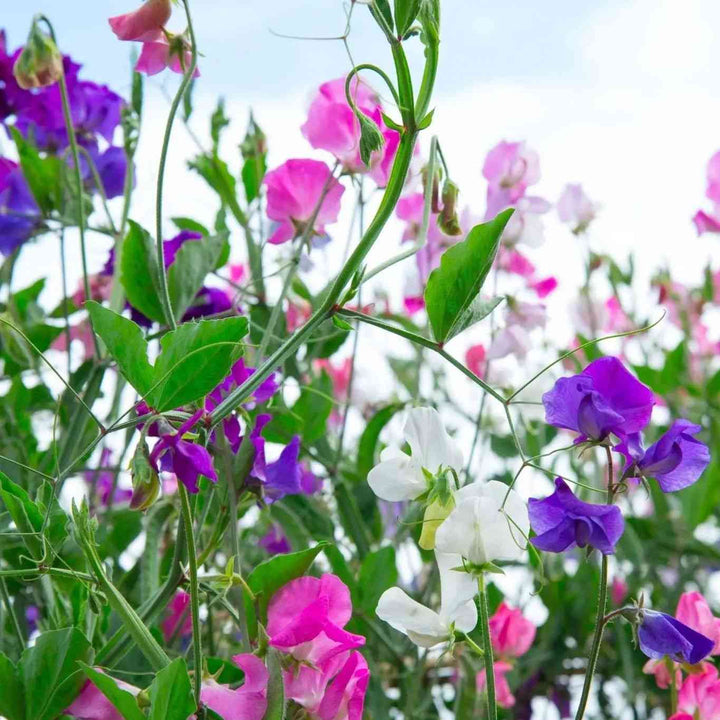
Early Multiflora Mix Sweet pea seeds produce mixed bloom on 73–96 in vining/climbing plants. Annual growth and Spring/Summer bloom make it useful for fragrant cut flowers, trellises, cool-season gardens, and ornamental seed saving.
Read the complete product descriptionTraits, flavor, garden use, variety notes, and the full catalog record
Early Multiflora Mix Sweet pea seeds produce mixed bloom on 73–96 in vining/climbing plants. Annual growth and Spring/Summer bloom make it useful for fragrant cut flowers, trellises, cool-season gardens, and ornamental seed saving.
About Early Multiflora Mix
Early Multiflora Mix is an annual sweet pea with mixed color, 73–96 in mature height or spread, and a vining/climbing habit. Harvest form or size: Flower or head form characteristic of Early Multiflora Mix; mature plant 73–96 in. Botanically it is Lathyrus odoratus. Maturity or first bloom: 70-79 Days; germination: 7-14 Days at 55–70 °F. Best for fragrant cut flowers, trellises, cool-season gardens, and ornamental seed saving. Ornamental only; sweet-pea seeds and pods are not edible.
History and provenance
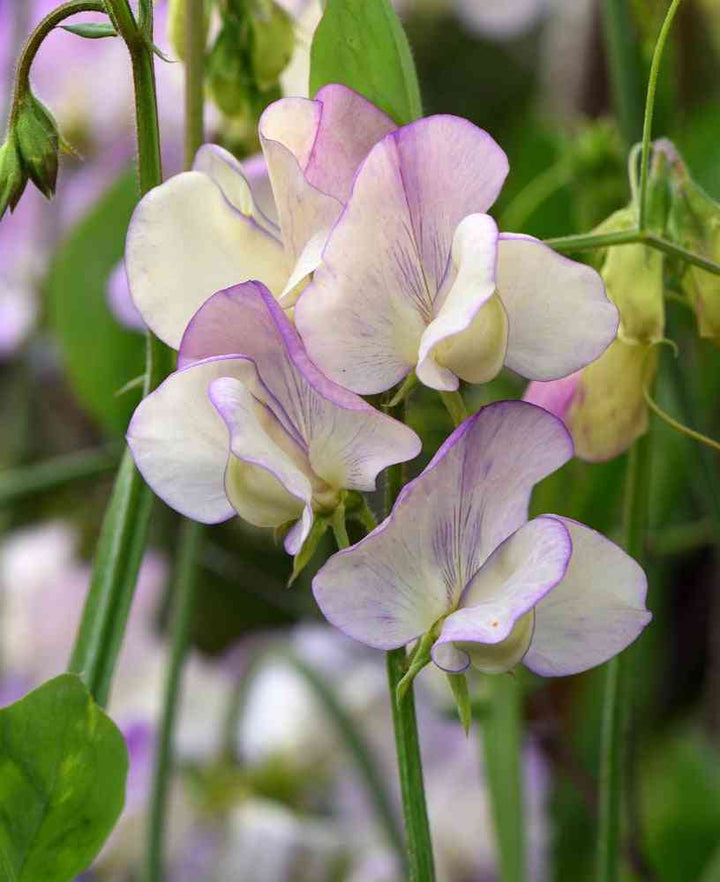
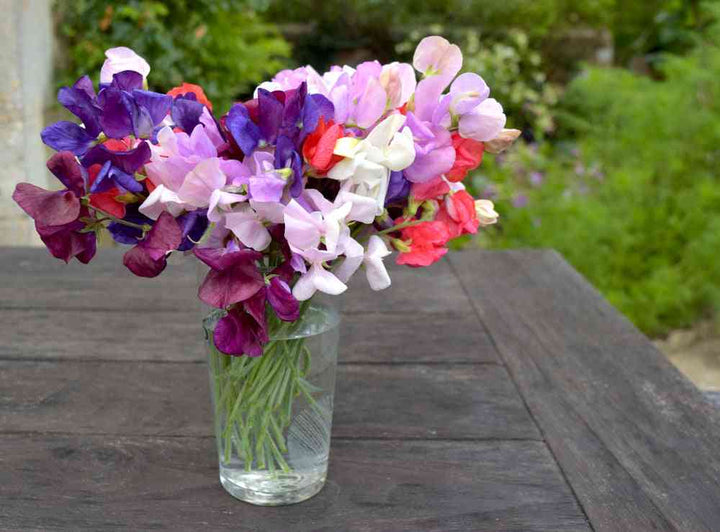
Sweet pea, Lathyrus odoratus, is native to the Mediterranean region and has been bred for centuries for fragrance, color, stem length, and flower form. Tall strains require support, while Bijou represents a compact habit. Sweet pea is ornamental: its seeds and pods are not edible and should not be confused with garden peas. A complete public breeder or release record for the named Early Multiflora Mix strain has not been located. The cultivar name is retained, but no person, community, date, or place of origin is assigned without reliable documentation. Early Multiflora sweet pea seeds produce an early-blooming climbing mix in lavender, pink, purple, red, salmon, and white, offering a wide range of soft romantic color on fragrant vines. This variety is especially useful for gardeners who want sweet peas to begin flowering as early as possible while still enjoying the classic perfume and graceful bloom form that make sweet peas so beloved. Early Multiflora brings strong old-fashioned charm to trellises, fences, and cutting gardens while helping extend the sweet pea season from its earliest window. An excellent choice for cool-season flower growers, Early Multiflora sweet peas perform best in full sun with support and steady moisture during active growth.
Growing facts
| Scientific name | Lathyrus odoratus |
|---|---|
| Life cycle | Annual |
| Maturity / first bloom | 70-79 Days |
| Germination | 7-14 Days at 55–70 °F |
| Seed depth | 1 in |
| Plant height / spread | 73–96 in |
| Growth habit | Vining/Climbing |
| Spacing | 6 in between plants; 18 in between rows |
| Sunlight | Full sun |
| Soil | Loamy; pH 6.5–7.0 |
| Water | Moderate |
| Support | Trellis |
Starting Early Multiflora Mix from seed
How to grow Early Multiflora Mix Sweet pea
Botanical identity: Lathyrus odoratus. Life cycle: Annual.
Sow 1 in and use a seed-zone temperature near 55–70 °F. Expected emergence: 7-14 Days. Sow in cool conditions. A short soak can help dry seed hydrate, but discard damaged seed and avoid prolonged waterlogging.
Plant during Spring/Fall. Space plants 6 in apart with 18 in between rows or planting bands.
Provide Full sun, moderate water, and loamy near pH 6.5–7.0. Support: Trellis.
Garden performance and care
For a longer display of Early Multiflora Mix, remove spent blooms unless seed is being saved. Give the plant its listed spacing, cut flowers with clean tools, and leave selected heads to mature fully for seed. Expected emergence is 7-14 Days; the listed maturity or bloom timing is 70-79 Days.
Harvest, bloom, and uses
Early Multiflora Mix is suited to fragrant cut flowers, trellises, cool-season gardens, and ornamental seed saving. Its mixed flowers and 73–96 in stature help determine whether it belongs in a border, cutting row, container, meadow edge, or restoration-style planting. Ornamental only; sweet-pea seeds and pods are not edible.
Saving seed
Early Multiflora Mix contains more than one genetic line or species. Seed collected from the planting will not reproduce the original packet proportions. If saving seed, identify species separately, prevent unwanted crossing where possible, harvest only fully mature seed, dry thoroughly, and label each lot by species, year, and source.
Common problems
Common concerns: damping-off from saturated media; poor emergence from wrong temperature or depth; leggy seedlings from weak light; crowding and weak airflow; lodging in wind or rain; feeding damage from slugs, caterpillars, beetles, or mammals; foliar disease under prolonged leaf wetness; heat stress and shortened bloom in hot weather. Management: use clean media, the sowing depth and temperature, strong light, appropriate thinning, and morning irrigation at soil level. Match support to plant height before wind becomes a problem. Inspect regularly and use the least disruptive control appropriate to the pest, plant, and pollinator setting. Remove diseased debris and rotate annual flower beds where recurring disease is severe.
Frequently asked questions
When is Early Multiflora Mix ready?
70-79 Days from sowing to the primary bloom or market stage used for the listed maturity range
How long does germination take?
Expect 7-14 Days near 55–70 °F; actual emergence changes with moisture, seed condition, and soil temperature.
How large does it grow?
About 73–96 in with a vining/climbing habit. Support: Trellis.
Can it grow in a container?
Possible in a deep container only with reliable drainage and the listed trellis or vertical support
How is it used?
Primary role: Fragrant cut flowers, trellises, cool-season gardens, and ornamental seed saving. Ornamental only; sweet-pea seeds and pods are not edible.
Can I save seed?
Yes where the crop biology allows, but keep compatible varieties isolated, use several healthy plants, wait for full seed maturity, dry thoroughly, and label the lot.
Minimum Seed Count:25 seeds