Variety field guide
What to expect from Yellow Beefsteak Tomato Seeds
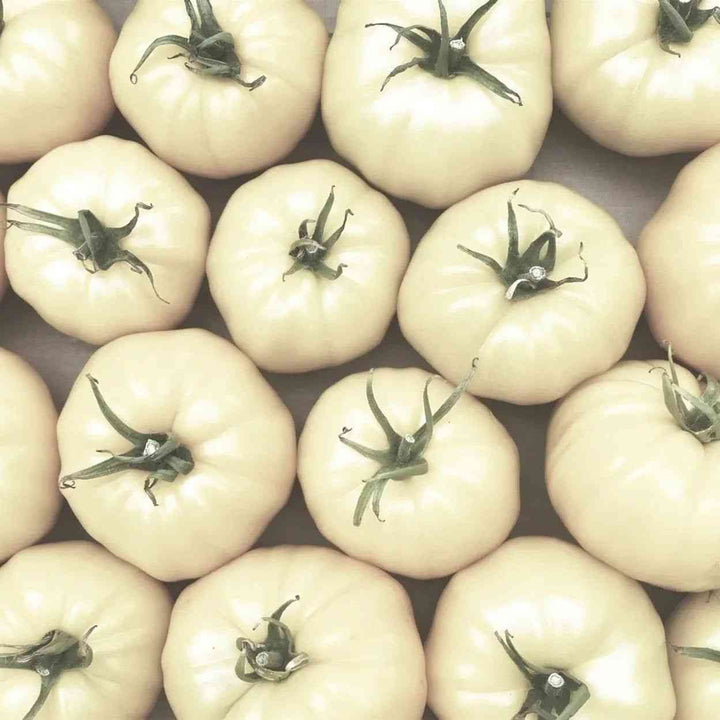
Yellow Beefsteak brings broad, golden slices and a mild flavor to summer sandwiches and tomato plates.
Read the complete product descriptionTraits, flavor, garden use, variety notes, and the full catalog record
Yellow Beefsteak brings broad, golden slices and a mild flavor to summer sandwiches and tomato plates. Large fruits can reach 1-2 lb. under good conditions, making each ripe tomato a generous harvest. These indeterminate plants keep growing and setting fruit through the warm season, so give them sturdy support and room for air to move. The beefsteak name describes their substantial, meaty fruit; ripen them to a rich yellow and enjoy their fresh garden flavor.
Big golden slices from vigorous, season-long vines.
Growing facts
- Botanical name: Solanum lycopersicum
- Maturity or display: About 85 days from transplanting to ripe fruit
- Mature size: Vigorous indeterminate vines; large fruit may reach 1-2 lb
- Spacing: 30 in between plants; rows 36 in; provide sturdy support
About the variety
Beefsteak tomatoes are valued for large, fleshy slicing fruit. Yellow Beefsteak belongs to this garden tradition, with golden color and a mild flavor. A documented breeder and introduction date for this particular selection are not established. Mild taste is not a measure of acidity or a substitute for a tested preservation recipe.
Starting seed
Start 1/4 in. deep indoors 6-8 weeks early. Sprouts in 7-10 days at 65-85 F. Transplant after frost; space 30 in., rows 36 in. Cage or stake.
Care through the season
Use a tall, sturdy cage or stake and tie growing stems loosely. Provide full sun and fertile, well-drained soil. Water the root zone consistently, mulch after soil warms, and allow airflow around foliage. Large fruit is sensitive to erratic watering, which can encourage cracking and blossom-end rot.
Harvest and use
Pick fully yellow fruit with a little give. Enjoy fresh; use tested recipes for canning. For seed, isolate varieties, ferment ripe seed pulp, rinse and dry.
Saving seed
Choose healthy, true-to-type plants and fully ripe fruit. Separate varieties or bag selected flowers to reduce crossing. Squeeze seed and gel into a container, ferment briefly until the gel loosens, then rinse and dry the cleaned seeds thoroughly. Store cool, dry and labeled.
Common problems
Scout for hornworms, aphids and leaf spots. Rotate nightshade crops, remove badly diseased foliage, and keep irrigation off leaves when possible. Consistent moisture helps reduce cracking and blossom-end rot. This listing does not promise a disease-resistance package.
Frequently asked questions
When is it ready?
About 85 days from transplanting to ripe fruit.
How should I grow it?
Use a tall, sturdy cage or stake and tie growing stems loosely. Provide full sun and fertile, well-drained soil. Water the root zone consistently, mulch after soil warms, and allow airflow around foliage. Large fruit is sensitive to erratic watering, which can encourage cracking and blossom-end rot.
Can I save seed?
Choose healthy, true-to-type plants and fully ripe fruit. Separate varieties or bag selected flowers to reduce crossing. Squeeze seed and gel into a container, ferment briefly until the gel loosens, then rinse and dry the cleaned seeds thoroughly. Store cool, dry and labeled.