Free U.S. seed shipping $25+. Seeds ship free at the threshold. Storefront goods, pantry finds, books & local goods are being added.

New seeds, Main Street specials, and storefront finds update as the market grows.

San Marzano Roma Determinate Tomato Seeds

Scientific name Solanum lycopersicum var. lycopersicum

Seed packet & garden essentials

What to know before you plant

View complete growing & care facts
25 minimum seeds per packet
  • Maturity70-79 Days · 70-79 Days
  • Growth habitDeterminate · Annual · 49–60 in tall
  • Best usefresh slicing, sauces, preserving, supported warm-season gardens, and seed saving
  • Flavor & characterThe Determinate San Marzano Tomato is a classic Italian paste tomato selection valued for its exceptional sauce quality, dense flesh, and rich flavor. · Red
  • Germination7–14 days · 75–90 °F
  • Seed preparationStart in a clean, warm, evenly moist seed-starting mix and provide strong light immediately after emergence
  • SunFull sun
  • Support & spacingTrellis · space 24 in · rows 36 in
  • Container fitPossible in a properly sized container with reliable drainage, moisture, and room for the mature plant
  • Water needsModerate
  • SoilLoamy · pH 6.0–6.5
  • Planting seasonSpring · blooms Summer · Tender
$200 USD $350

Pickup available at Bertie County Seeds

Usually ready in 2-4 days

Secure checkout Details
Generic
Triple-tested seed qualityRegular quality and germination checks support every packet.

We regularly test seed quality and germination as lots move through storage and packing. We stand behind the seed we send and want customers to contact us when a packet does not perform as reasonably expected.

1-year seed warrantyCoverage begins on the date of purchase.

When properly stored, planted, and cared for, we guarantee reasonable germination and true-to-type growth for one year from the date of purchase. Conditions outside our control—including extreme weather, pests, unsuitable storage, and gardener error—are excluded. Contact us when something is not right so we can review the situation and work toward a replacement, refund, or another fair resolution.

Non-GMO / BE seed policyWe do not buy or sell genetically engineered or bioengineered seed.

Every seed variety we sell is non-GMO.

USDA’s National Bioengineered Food Disclosure Standard defines bioengineered foods as containing detectable genetic material modified through in vitro recombinant DNA methods in ways not achievable through conventional breeding or found in nature.

  • Hybrid means parent lines were conventionally crossed; hybrid does not mean GMO.
  • Heirloom and open-pollinated describe how a variety is maintained and reproduced.
  • Organic certification is separate and is shown only when verified for the individual product.
Packed in Colerain, North CarolinaPrepared in our seed room for gardens across the country.

Seeds are packed and shipped from Colerain, North Carolina. Our packets use forestry-certified paper, and we use recyclable paper mailers where appropriate. AONSK is also a 1% for the Planet partner while continuing to reduce waste in packing and fulfillment.

Seed success profile

Rules-based · no AI
Gardener experience Some experience is helpful
Germination difficulty Straightforward
Preparation before sowing
Start in a clean, warm, evenly moist seed-starting mix and provide strong light immediately after emergence
Germination speed
Typical — usually 7–21 days
Growing complexity
Long-season fruiting crop requiring support, steady moisture, airflow, and repeated harvest
Patience and timing
70-79 Days
Is this seed a good match for your experience?
Expected germination
7–14
Germination temperature
75–90 °F
Stratification
Not normally required by the current record
Scarification
Not normally required by the current record
Pre-soaking
Not normally required by the current record
Light during germination
Cover to the recorded depth; provide strong light immediately after emergence
Germination pattern
Usually reliable when seed is stored well and temperature, depth, moisture, and preparation match the recorded requirements
Transplant sensitivity
Transplant after hardening; avoid cold soil and deep root disturbance
Starting method
Cataloged for indoor starting or transplanting; follow the hardening-off guidance.
Best chance of success
For San Marzano Roma Determinate Tomato Seeds, control temperature and moisture at sowing, label the start date, and compare emergence with the complete recorded germination window before reseeding.
What to expect

Preparation: Start in a clean, warm, evenly moist seed-starting mix and provide strong light immediately after emergence. Germination light: Cover to the recorded depth; provide strong light immediately after emergence. Expected emergence: 7-14. Temperature: 75-90 °F.

Slow germination is not automatically failed germination.

Maintain the listed temperature, moisture, light, and treatment conditions for the full expected window. Some seed lots emerge gradually rather than all at once.

1 Beginner-friendly 2 One extra step 3 Some experience helpful 4 Patient growers 5 Advanced propagation

This deterministic profile uses recorded product facts; it is not Artificial Intelligence and is not a guarantee. Seed age, storage, sowing depth, moisture, temperature, light, local conditions, and aftercare can all affect results. Last reviewed July 2026.

Build a garden-fit plan

Check this seed against your real growing conditions

Compare timing, germination preparation, sunlight, soil, water, space, support, intended use, and your preferred level of seed-starting complexity.

Open the detailed garden-fit planner Deterministic rules · no Artificial Intelligence · no live weather service

Complete product description

San Marzano Roma Determinate Tomato Seeds

The Determinate San Marzano Tomato is a classic Italian paste tomato selection valued for its exceptional sauce quality, dense flesh, and rich flavor. Traditionally, San Marzano tomatoes are indeterminate, but this Determinate San Marzano Tomato was developed through conventional selection to offer a more compact growth habit while retaining the hallmark fruit traits associated with San Marzano types. This variety matures in approximately 80 to 90 days.

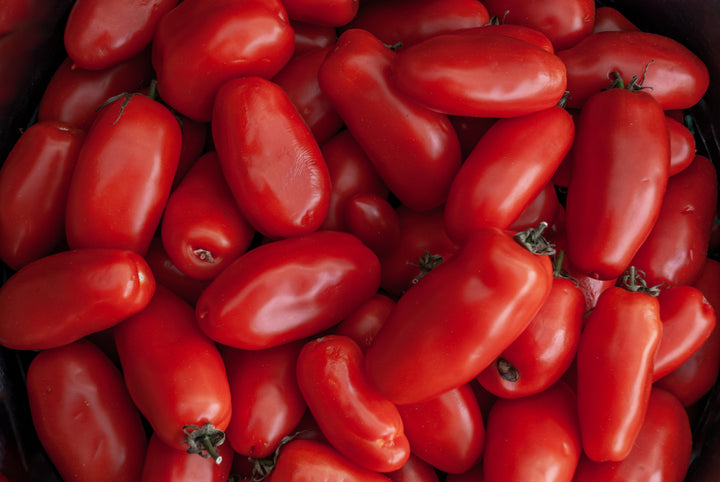
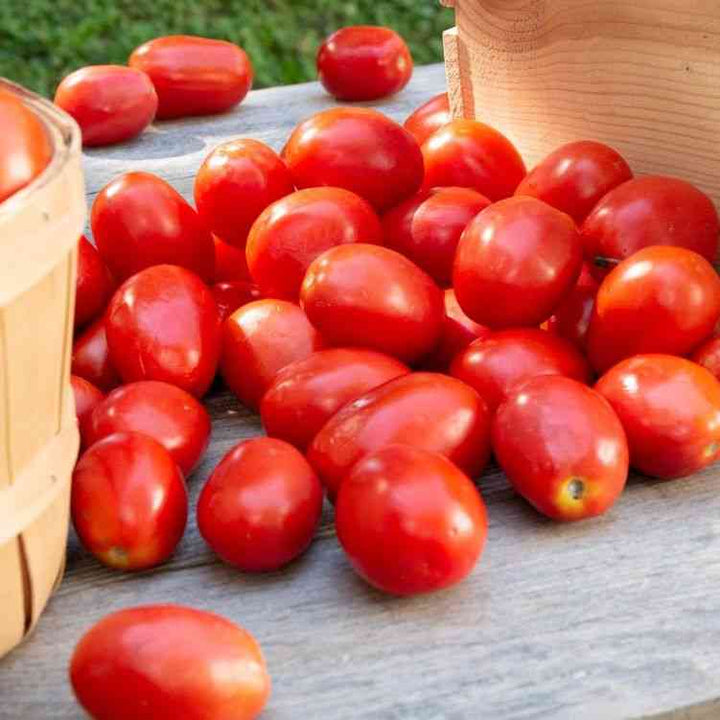
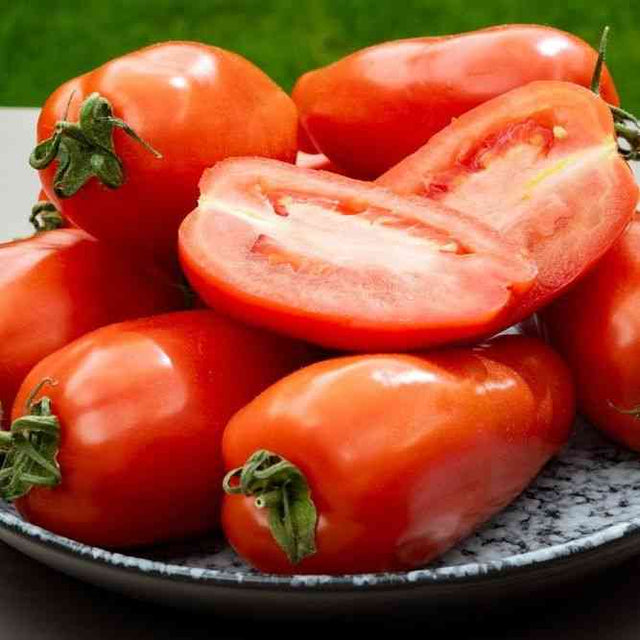
Fruits are elongated and cylindrical, typically 3 to 4 inches long, with deep red skin, thick walls, and very low seed content. The flesh is meaty and dense, producing a smooth, concentrated texture ideal for sauces, pastes, roasting, and preserving. Flavor is rich and balanced, leaning sweet with low acidity, making it especially well suited for slow cooking without excess moisture.

The Determinate San Marzano Tomato is sometimes described as semi-determinate or semi-indeterminate in garden settings. This is because it was selected directly from indeterminate San Marzano lines and can still express some of that growth behavior. While plants remain more compact and set most of their fruit in a concentrated window, they may continue limited growth and production longer than a typical bush Roma. Semi-determinate is not an official classification, but rather a way some growers describe this in-between habit.

Plants grow as sturdy, manageable bushes, generally reaching 3 to 5 feet depending on conditions. Most fruit ripens over a relatively concentrated period, making this Determinate San Marzano Tomato especially convenient for canning and large sauce batches. A cage or stake is recommended to support heavy fruit loads, but tall trellising and aggressive pruning are not required.

While this tomato falls within the broader plum or paste tomato category, it is not simply a generic Roma. Many Roma tomatoes were bred with San Marzano or related Italian paste tomatoes in their background, whereas determinate and indeterminate San Marzanos are different selections of the same tomato type, chosen for growth habit while preserving fruit quality.

This variety thrives in full sun with fertile, well-drained soil and consistent moisture, particularly during flowering and fruit set. For gardeners seeking authentic paste tomato performance in a more compact plant, the Determinate San Marzano Tomato remains a reliable and time-tested choice.

Additional variety notes

Variety overview

This determinate San Marzano-type tomato is selected for gardeners who want dense paste fruit on a more compact plant and a relatively concentrated harvest. The elongated red tomatoes have thick walls, fewer watery seed cavities, and a texture that cooks down efficiently.

Determinate does not mean unsupported. A cage or short trellis helps hold the fruit off the ground and improves airflow. The concentrated harvest is useful for sauce days, roasting, freezing, and preserving when many ripe tomatoes are wanted at once.

Every recorded growing detail

Complete growing & care facts

Continue to the garden-fit planner

Plant identity

Minimum seed count 25 seeds
Seed product profile Tomato
Scientific name Solanum lycopersicum var. lycopersicum
Also known as Tomato, Tomato Seeds - Determinate - San Marzano Roma
Color Red
Life cycle Annual
Botanical family Solanaceae
Reproductive type Open-Pollinated (OP)
Heritage qualifiers Non-GMO
Native to the United States Domesticated Plant
Domestication note Andean South America

Seed success and gardener experience

Gardener experience Some experience is helpfulLevel 3 of 5
Germination difficulty StraightforwardLevel 2 of 5
Preparation before sowing Start in a clean, warm, evenly moist seed-starting mix and provide strong light immediately after emergence
Stratification Not normally required by the current record
Scarification Not normally required by the current record
Pre-soaking Not normally required by the current record
Light during germination Cover to the recorded depth; provide strong light immediately after emergence
Germination pattern Usually reliable when seed is stored well and temperature, depth, moisture, and preparation match the recorded requirements
Growing complexity Long-season fruiting crop requiring support, steady moisture, airflow, and repeated harvest
Transplant sensitivity Transplant after hardening; avoid cold soil and deep root disturbance
First harvest or bloom 70-79 Days
Best chance of success For San Marzano Roma Determinate Tomato Seeds, control temperature and moisture at sowing, label the start date, and compare emergence with the complete recorded germination window before reseeding.

Timing and climate

Days to maturity 70-79 Days
Germination 7-14 Day
Germination temperature 75–90 °F
Planting season Spring
Bloom season Summer
Frost tolerance Tender
Sunlight Full sun
Water needs Moderate

Site, soil, and space

Soil type Loamy
Preferred soil pH 6.0–6.5
Seed depth 1/4 in
Plant spacing 24 in
Row spacing 36 in
Mature height 49–60 in
Growth habit Determinate
Support needed Trellis
Suitable growing locations In-ground bed, Raised bed, Greenhouse, High Tunnel, Containers, Community garden

Crop-specific details

Best uses fresh slicing, sauces, preserving, supported warm-season gardens, and seed saving
Flavor profile The Determinate San Marzano Tomato is a classic Italian paste tomato selection valued for its exceptional sauce quality, dense flesh, and rich flavor.
Fruit size 4 inches
Container fit Possible in a properly sized container with reliable drainage, moisture, and room for the mature plant

Garden-fit planning for this variety

Will San Marzano Roma Determinate Tomato Seeds fit your garden?

Compare this tomato with your season, expected temperatures, sunlight, soil, drainage, water access, support, crop history, and harvest goals.

Rules-based · no AI
Add a ZIP code and planting plan for seasonal context. The planner will estimate a broad frost window and typical planting-period temperatures. It does not use live weather.
1 Location, timing, and temperatures
2 Light, site, and growing space
3 Soil, drainage, and soil testing
4 Water, mulch, support, and crop history
5 Harvest goals and experience
6 Seed-starting fit and patience

Seed germination and growing the mature crop are different skills. These answers help the planner explain which part may need more experience.

Recorded profile for this seedSome experience is helpful · StraightforwardReview the complete Seed Success Profile
Enter what you know about the garden. You can leave questions blank. The result will separate strong matches, planning needs, and reasons another tomato might be easier.

This planning tool uses broad regional frost windows, broad monthly temperature patterns, your own temperature entries when supplied, and the recorded product facts. It is not live weather or a guarantee. Local weather, microclimates, transplant health, soil conditions, and care can change the outcome.

Soil test, pH, drainage, and amendment calculator Have a laboratory soil report? Enter pH, nutrients, texture, bed size, and site observations here. Open soil tools
Recorded soil typeLoamy
Recorded pH range6.0–6.5
Water needsModerate
LightFull sun

Professional garden planning tool

Tomato Soil Test & Amendment Calculator

Translate a laboratory report into a bed-sized amendment estimate for Solanum lycopersicum.

Uses your lab values
Enter the numbers exactly as the laboratory reported them. Select the matching extractant and use the laboratory’s crop recommendation and every product label as the final authority. Field-soil rates do not apply to container mixes.
Need a laboratory soil test?Find your state Extension lab

Best option: your state’s Cooperative Extension soil testing lab.

Tip: Arid and alkaline-region laboratories may use Olsen phosphorus instead of Mehlich-3. Match the method printed on your report.
1

Report method and bed size

Choose the laboratory method and tell us how much ground you are amending.

Use the method printed on the report.
sq ft
Used to scale the shopping-list amounts.
Changes the size of the pH estimate.
2

Acidity and organic matter

Enter the pH and organic-matter percentage from the report.

Uses this product’s listed pH range.
%
Many garden beds perform well around 4–8%.
3

Nutrients reported by the lab

Enter ppm values only when your report uses ppm for these nutrients.

ppm
Target changes with extractant.
ppm
Broad tomato planning range: 150–200 ppm.
ppm
Interpret with pH, moisture, and lab guidance.
ppm
Interpret with pH and the laboratory recommendation.
The result scales broad educational estimates to the bed area. The laboratory recommendation and amendment label remain the final authority.
Enter at least one laboratory value above, then calculate.

Turn your soil report into a planting plan

Use the calculated pattern alongside the product label, your laboratory recommendation, and the way water moves through the bed. Read AONSK home and garden guides · Compare tomato varieties · Shop soil amendments · Shop fertilizers

The full variety record

Sowing, care, harvest, troubleshooting, and history

How to start San Marzano Roma Determinate Tomato Seeds from seedPreparation, timing, depth, germination, transplanting, spacing, and early care

Variety-specific germination notes

Preparation: Start in a clean, warm, evenly moist seed-starting mix and provide strong light immediately after emergence. Germination light: Cover to the recorded depth; provide strong light immediately after emergence. Expected emergence: 7-14. Temperature: 75-90 °F.

Complete sowing and planting guidance

How to Sow and Plant Tomatoes
1. Choosing the Right Location

Light Requirements:
Tomatoes are sun-loving plants that require at least 6–8 hours of direct sunlight daily, though 8–10 hours is ideal for strong fruit set and flavor. Choose a site with full southern exposure whenever possible. Avoid shaded areas near trees, fences, or tall crops. Plants grown in partial sun may produce leggy growth and fewer fruits.

Soil Requirements:
Tomatoes thrive in well-drained, loamy soil enriched with organic matter. The optimal pH range is 6.0–6.8, though they tolerate slightly acidic conditions. Prepare beds ahead of time by incorporating aged compost, leaf mold, or well-rotted manure to improve structure, fertility, and microbial activity.

Avoid compacted or waterlogged soil, which restricts root growth.

Sandy soils warm faster and suit early crops; heavier soils retain moisture better in dry climates.

Rotate planting sites annually to prevent nutrient depletion and disease buildup.

Soil Preparation Tip:
Before sowing or transplanting, loosen the top 8–12 inches of soil and blend in 2–3 inches of organic compost. If needed, amend with bone meal for phosphorus and greensand or kelp meal for potassium to promote strong roots and flowering.

2. Starting Seeds Indoors

Timing:
Sow tomato seeds 6–8 weeks before the final expected frost date. Adjust timing to your region so that transplants are ready to go outside once the soil has warmed to at least 60°F (16°C) and nighttime temperatures remain above 50°F (10°C).

Containers and Medium:
Use clean trays or small pots filled with a sterile, fine-textured seed-starting mix. Avoid heavy garden soil, which compacts easily and harbors pathogens.

Sowing Depth:
Sow seeds ¼ inch deep, cover lightly, and mist gently to settle the soil. Maintain even moisture—damp but never soggy.

Germination Conditions:
Tomato seeds germinate best at 75–85°F (24–29°C). Use a heat mat if needed. Germination typically occurs within 5–10 days, though some heirloom varieties may take up to two weeks.

Light After Germination:
Once sprouts appear, move trays to a bright, warm location or under full-spectrum grow lights. Provide 14–16 hours of light per day to prevent leggy growth. Keep lights about 2–3 inches above the seedlings and raise them as plants grow.

3. Transplanting Seedlings

Thinning:
Once seedlings develop their first set of true leaves, thin weaker ones to ensure each has ample light and airflow. Handle gently by the leaves, not the stems.

Potting Up:
When seedlings reach 3–4 inches tall, transplant them into larger pots (3–4 inches wide). Bury the stems up to the first true leaves—tomatoes form new roots along buried stems, creating stronger plants.

Hardening Off:
7–10 days before transplanting outdoors, gradually acclimate plants to outdoor conditions:

Start with 1–2 hours of filtered sun the first day.

Increase exposure each day, reducing watering slightly to toughen the stems.

Avoid windy or cold days during hardening.

4. Planting Outdoors

Timing:
Transplant tomatoes after the danger of frost has passed and the soil is warm. Soil temperatures below 55°F (13°C) can stunt root growth. Early planting can be improved by warming the soil with black plastic or row covers two weeks prior to transplanting.

Planting Depth:
Plant deeply—bury the stem up to the first or second set of true leaves. This encourages a robust root system. In heavy clay soil, plant slightly shallower and mound soil around the base.

Spacing:

Determinate (bush) types: 18–24 inches apart

Indeterminate (vining) types: 24–36 inches apart

Rows: Space rows 30–42 inches apart for good airflow and access.

Proper spacing reduces humidity around leaves, helping prevent fungal disease and promoting even ripening.

Watering at Planting:
Water thoroughly after transplanting to settle soil around the roots. Use lukewarm, non-chlorinated water. Avoid overhead watering—direct it at the base to minimize leaf wetness and disease spread.

5. Watering and Moisture Management

Initial Watering:
Keep the soil evenly moist but never waterlogged during germination and early growth. Light, frequent watering helps young roots establish.

Ongoing Watering:
Once established, switch to deep, infrequent watering, encouraging roots to grow downward. Aim for about 1–1.5 inches of water per week, adjusting for weather and soil type. Water early in the day so foliage dries before evening.

Organic Tip:
Use rainwater whenever possible—its natural minerals and softness encourage better plant health compared to chlorinated tap water.

6. Temperature and Climate Conditions

Tomatoes favor warm conditions with daytime temperatures between 70–85°F (21–29°C) and nighttime temperatures above 55°F (13°C). Extended cold slows growth, while prolonged heat above 95°F (35°C) may reduce fruit set.

In hot climates, provide light afternoon shade using shade cloth or tall companion crops (basil, corn, or sunflowers). In cooler regions, use row covers or cloches to retain warmth during early growth. Maintain steady soil warmth for optimal root activity.

7. Fertility and Soil Feeding

Before planting, mix compost into the soil at a rate of about 1 part compost to 3 parts native soil. Tomatoes are moderate-to-heavy feeders but respond best to slow, balanced nutrition.

At planting time: mix a small handful of organic tomato fertilizer, bone meal, or worm castings into the hole.

Mid-season: side-dress with compost or dilute fish emulsion every 3–4 weeks.

Avoid over-fertilizing with nitrogen, which produces lush foliage but few fruits.

8. Early Support and Spacing Care

Install stakes, cages, or trellises at planting to avoid root disturbance later. Even determinate types benefit from light support to prevent fruit from touching the soil.

Maintain generous spacing to improve air circulation and light penetration—critical for disease prevention and even ripening.

9. Mulching and Moisture Control

After transplanting, apply 2–3 inches of organic mulch (straw, shredded leaves, or composted bark) around the base of each plant. Leave a small gap around the stem to prevent rot.
Mulch helps:

Retain soil moisture

Regulate temperature

Suppress weeds

Prevent soil from splashing onto leaves (reducing blight risk)

Refresh mulch as it decomposes throughout the season.

10. Organic Pest and Disease Prevention at Planting

Healthy soil and spacing are your best defense. Avoid synthetic chemicals—rely on prevention and natural balance.

Pests: Keep an eye out for aphids, hornworms, and whiteflies. Use neem oil, insecticidal soap, or hand-picking to control populations early.

Disease Prevention:

Water at the base to avoid wet leaves.

Provide good air flow between plants.

Rotate crops yearly; avoid planting tomatoes after peppers, potatoes, or eggplants.

Use compost teas (aerated or non-aerated) as a soil drench to boost microbial health.

Companion plants like basil, marigold, garlic, and borage help deter pests naturally while enhancing pollination and flavor.Choosing the Right Location:

Light Requirements: Tomato - Yellow Pear thrives in full sun. Select a location that receives at least 6-8 hours of direct sunlight daily.
Soil Requirements: Prefers well-drained, fertile soil with a pH of 6.0-6.8. Although adaptable to various soil types, it grows best in loamy soil enriched with organic matter.
Planting Seeds:

Timing: Start seeds indoors 6-8 weeks before the last expected frost date. Transplant seedlings outdoors after the last frost when the soil has warmed.
Sowing Depth: Sow seeds 1/4 inch deep in seed-starting mix. Cover lightly with soil and water gently.
Spacing: Thin seedlings to 18-24 inches apart when transplanting to allow adequate space for growth. Rows should be spaced about 24-36 inches apart.
Watering:

Initial Watering: Keep the soil consistently moist but not waterlogged until the seeds germinate, which typically takes 7-14 days.
Ongoing Watering: Once established, water deeply and regularly, especially during dry periods. Water the plants at the base to avoid wetting the foliage, which can lead to fungal diseases.
Temperature and Climate:

Preferred Temperature: Tomato - Yellow Pear grows best in warm temperatures ranging from 70-85°F (21-29°C). It can tolerate higher temperatures but may require more frequent watering during extreme heat.
Fertilization:

Feeding: Incorporate organic matter such as compost into the soil before planting. Use a balanced, all-purpose fertilizer at planting time and side-dress with compost or organic fertilizer mid-season.
Pruning and Thinning:

Thinning: Thin seedlings to prevent overcrowding, which can hinder growth and reduce air circulation.
Pruning: Prune suckers (the small shoots that grow between the stem and branches) to promote larger fruit production. Stake or cage plants to support the vines and improve air circulation.
Mulching:

Mulch Application: Apply a layer of organic mulch around the base of the plants to retain soil moisture, suppress weeds, and regulate soil temperature. Avoid piling mulch directly against the stems to prevent rot.
Pest and Disease Management:

Common Pests: While tomatoes can attract pests such as aphids, tomato hornworms, and whiteflies, using insecticidal soap or neem oil can help control these pests if necessary.
Diseases: Ensure good air circulation around the plants to prevent fungal diseases. Avoid overhead watering to minimize the risk of mildew and other fungal issues. Crop rotation and proper spacing can also help reduce disease incidence.
How to grow this specific varietyLight, water, fertility, support, spacing, airflow, crop behavior, and season-long care

Variety-specific growing notes

A determinate plant sets much of its crop over a shorter period than an indeterminate San Marzano. Do not prune it as aggressively as a tall indeterminate tomato; removing too many shoots can reduce the concentrated harvest.

Use support to keep loaded branches upright. Maintain steady moisture to reduce blossom-end rot and cracking, and avoid excessive nitrogen that favors foliage over flowers.

If growing in a container, use a large pot with drainage and expect frequent watering in summer heat.

Complete growing guide

How to Grow – San Marzano Roma Tomato (Solanum lycopersicum)
Watering

Provide 1–1½ inches of water weekly, increasing slightly during fruiting or dry weather.
Water deeply and consistently to promote a strong root system and prevent blossom end rot or cracking in these elongated fruits.
Use drip irrigation or soaker hoses to maintain even soil moisture while keeping foliage dry.
Avoid overhead watering, especially late in the day, to prevent disease spread.
Mulch 2–3 inches deep with straw, compost, or shredded leaves once the soil warms to regulate temperature and retain moisture.

Tip: San Marzano’s meaty flesh and minimal seed content develop best under steady soil moisture—fluctuations lead to hollow fruit.

Fertilizing

Before planting, mix 2–3 inches of compost or aged manure into the topsoil.
Feed every 2–3 weeks during vegetative growth with a balanced organic fertilizer (10-10-10 or equivalent).
Once flowering begins, switch to a low-nitrogen, high-potassium formula (5-10-10) to enhance fruit density and flavor.
Supplement monthly with calcium or kelp extract to prevent blossom end rot and strengthen stems.
Avoid excessive nitrogen—lush foliage and delayed fruiting are common symptoms of overfertilization.

Tip: Balanced, moderate feeding preserves San Marzano’s firm texture and classic sauce flavor.

Weeding & Mulching

Keep planting beds weed-free to minimize nutrient competition and pest habitat.
Apply 2–4 inches of organic mulch (straw, compost, or leaf mold) to stabilize soil temperature and suppress weeds.
Weed carefully around the base to avoid damaging shallow roots.

Sun & Heat Management

Provide 6–8 hours of direct sunlight daily for optimal growth and fruit flavor.
Ideal air temperature range: 75–90°F (24–32°C).
During extreme heat (>95°F / 35°C), use 30–40% shade cloth to prevent sunscald and flower drop.
Ensure proper spacing and airflow between plants to lower humidity and prevent fungal disease.

Tip: Full sun produces the thick-walled fruit and low water content ideal for canning and paste-making.

Spacing & Support

Space plants 18–24 inches apart in rows 36 inches apart.
As a determinate Roma type, San Marzano benefits from light staking or short cages to support its concentrated fruit load.
Pruning is not required but removing lower leaves can improve airflow and reduce disease risk.

Tip: Support fruit clusters gently—San Marzano vines hold dozens of fruits that ripen nearly simultaneously.

Ecological Interplanting (Science-Based Companion Strategy)

Encourage beneficial insects: Interplant with nectar-rich herbs such as dill, coriander, and sweet alyssum to attract hoverflies, lacewings, and parasitoid wasps that suppress aphids and thrips.

Support pollination: Include pollinator-friendly flowers like calendula or borage to maintain bee activity during the short, intense fruiting window.

Crop rotation: Avoid planting after other nightshades (peppers, potatoes, or eggplants) for 2–3 years to reduce pathogen buildup. Rotate with legumes or grains to replenish nitrogen naturally.

Soil biodiversity: Maintain mulch or off-season cover crops to encourage beneficial microbial populations and prevent soil compaction.

Tip: IPM-based plant diversity and rotation improve soil health and disease resistance across successive plantings.

Container Growing

Grow in containers at least 10–15 gallons in volume.
Use a high-quality organic potting mix enriched with compost and perlite for drainage.
Water consistently—container-grown San Marzano plants dry out quickly in full sun.
Feed every 10–14 days with compost tea or diluted organic tomato fertilizer.

Tip: Mulching container surfaces helps maintain stable moisture and reduces blossom end rot incidence.

Season Extension

Use row covers or low tunnels early in the season to protect transplants and maintain soil warmth.
Preheat soil with black plastic mulch in cooler regions before planting.
Because San Marzano has a defined fruiting window, start seedlings early for a full harvest before first frost.
Harvest fruits when fully colored—light-green shoulders will ripen evenly indoors at 65–70°F (18–21°C).

Tip: For sauce production, pick fruits at peak ripeness for maximum solids and concentrated flavor.
Practical field and garden tipsExtra techniques, timing adjustments, and observations that improve success
Additional Tips — San Marzano Roma Tomato (Solanum lycopersicum)

Harvesting:
Harvest when fruits reach full color—a rich, uniform scarlet red with slightly glossy skin and firm texture. San Marzano fruits are elongated, measuring about 3–4 inches long, with a distinctive pointed tip and thick walls.
Use pruning shears or scissors to snip fruits cleanly from the vine, leaving a small portion of stem attached to prevent tearing.
Harvest every few days during peak season to encourage continued ripening and production. Avoid picking immediately after rain or irrigation, as sudden moisture intake can lead to cracking or watery flesh.
For peak flavor and solids content, allow fruits to ripen fully on the vine until the shoulders soften slightly. Those harvested slightly underripe will continue to color and sweeten at room temperature.

Flavor & Culinary Use:
San Marzano Roma tomatoes are legendary for their balanced sweetness, low acidity, and meaty, low-seed flesh—ideal for sauces, pastes, and canning. Their rich umami depth and smooth texture make them a cornerstone of Italian cuisine.
When simmered, they break down evenly into velvety sauces that require minimal reduction. The flavor develops into a concentrated sweetness with subtle herbal undertones—perfect for marinara, pizza sauce, or slow-cooked dishes.
Roast or grill to deepen the natural caramel notes and concentrate flavor for gourmet use. Fresh, they offer a mild, clean taste that pairs beautifully with basil, olive oil, and garlic.

Handling & Storage:
Store at 55–70 °F (13–21 °C) in a shaded, well-ventilated area. Avoid refrigeration, which reduces flavor and texture quality.
Lay fruits in a single layer on paper- or cloth-lined trays to prevent bruising. Under ideal handling, San Marzano fruits remain firm and flavorful for 7–10 days—longer than many heirloom types.
For canning or drying, use fully ripened fruits. For fresh sales or transport, harvest slightly firm at 80–90% color; they will continue ripening evenly.

Pruning & Support:
Although determinate by classification, San Marzano plants often exhibit semi-determinate tendencies, producing vigorous growth and multiple flushes of fruit. Provide medium-height stakes or cages (4–5 ft) for best results.
Remove lower leaves once the first clusters set fruit to improve airflow and reduce soil splash. Light pruning of suckers can increase fruit size and ripening uniformity, but avoid heavy pruning that reduces canopy protection.
Support is especially useful in humid regions, as improved air circulation helps prevent disease and keeps fruit clean.

Sun & Water Tips:
Provide 6–8 hours of full sunlight daily for best flavor and color development. In very hot climates, partial afternoon shade preserves skin quality and prevents sunscald.
Water deeply once or twice weekly, maintaining steady soil moisture to avoid cracking or blossom-end rot.
Mulch with straw, compost, or shredded leaves after soil has warmed to conserve moisture and regulate temperature. Use drip irrigation or soaker hoses to deliver water at the root zone and minimize foliar diseases.

Seed Saving:
Select seed from strong, disease-free plants producing uniform, true-to-type fruits with characteristic elongated shape and rich flavor. Allow selected fruits to ripen completely on the vine for mature seed development.
Scoop seeds and pulp into a small jar with a little water and ferment for 2–3 days, stirring daily to dissolve the gelatinous coating. Rinse thoroughly, then spread seeds thinly on a non-stick surface or mesh to dry for 7–10 days in shaded airflow.
Store fully dried seeds in airtight containers in a cool, dark, and dry environment. Properly cured San Marzano seeds remain viable for 4–6 years. As an open-pollinated heirloom, they breed true if isolated by 25–50 feet from other tomato varieties.

Ecological & Pollinator Notes:
San Marzano thrives in fertile, well-drained loam with a slightly acidic to neutral pH (6.0–6.8). Amend with compost or aged manure before planting to promote vigorous root growth.
Its small yellow blossoms attract bumblebees and hoverflies, which improve fruit set through vibration pollination.
Interplant with basil, marigold, or oregano to attract beneficial insects and deter aphids and whiteflies. Rotate crops every two to three years with legumes or leafy vegetables to replenish nitrogen and reduce disease risk.
Avoid planting near potatoes or peppers, which share common pathogens. Maintain 24–30 inches of spacing for airflow and light penetration.

Culinary Pairings & Presentation Tips:
The San Marzano is the heart of traditional Italian cooking—an heirloom bred for perfection in sauce. Slow-cook with olive oil, garlic, and onion for authentic marinara, or combine with fresh herbs and sea salt for pure tomato essence.
For oven-roasted preparations, halve lengthwise, drizzle with olive oil, and roast low and slow to achieve sweet, concentrated flavor.
In markets and kitchens, its long, elegant shape and uniform color signal premium quality. Whether canned, roasted, or served fresh, San Marzano Roma embodies the culinary soul of the Mediterranean—simple, balanced, and timeless.
Harvest, storage, uses, and benefitsWhen and how to harvest, ways to use the crop, storage, culinary value, habitat value, and garden roles

Harvest and use notes

Harvest fully colored, firm-ripe fruit for the best balance of flavor and texture. The dense flesh is suited to sauce, paste, roasting, soup bases, freezing, and tested canning recipes.

For canning, use a current tested recipe and follow its acidification and processing instructions; tomato acidity varies.

For seed saving, choose ripe fruit from healthy, true-to-type plants. Ferment, rinse, and dry the seed completely. Because this is a selected determinate San Marzano type, save from several representative plants when possible.

Uses and benefits

Uses and Benefits of Tomatoes
Culinary Uses

Tomatoes are among the most useful and diverse crops a grower can raise. Their natural harmony of sweetness, tang, and savory depth makes them a foundation of cuisines across the world. Nearly every culture has found ways to preserve, cook, or celebrate the tomato, and each type offers its own best use.

General Preparation Methods

Fresh Eating: Tomatoes can be sliced, diced, or eaten whole for a refreshing burst of flavor. Their acidity balances rich or oily dishes, and their juice adds natural umami depth to plant-based meals.

Cooking: Tomatoes transform when heat is applied—their sugars caramelize, their acidity mellows, and flavors deepen. Stewed or roasted tomatoes form the base for soups, sauces, chutneys, and gravies.

Preserving: Tomatoes are among the easiest crops to preserve. They can be sun-dried, oven-dried, canned, or frozen, retaining their bright taste for winter use.

Fermentation and Pickling: Sliced green or ripe tomatoes can be fermented with salt or lacto-cultured for tangy condiments rich in beneficial microbes.

Juices and Pastes: Pureed tomatoes yield smooth juice or concentrated paste for storage, sauces, and cooking.

Uses by Type

Each category of tomato lends itself best to certain culinary or preservation uses:

Slicer Tomatoes (Large and Beefsteak types):
Best for sandwiches, burgers, and fresh salads. Their large, juicy slices hold flavor and texture well. Excellent for thick sauces or roasted preparations.

Cherry and Grape Tomatoes:
Naturally sweet and quick to mature, these are perfect for snacking, salads, roasting, and skewers. They can be dried or blistered in oil for concentrated flavor.

Paste and Plum Tomatoes (Roma types):
Contain less water and more flesh, making them ideal for cooking down into sauces, ketchups, and pastes. Their texture holds well in slow-cooked dishes.

Canning or Processing Varieties:
Balanced between juice and flesh, these tomatoes are excellent for large-batch preserving. They peel easily, making them useful for stewed tomatoes, soups, and juice.

Heirloom Tomatoes:
Valued for their distinct colors, shapes, and complex flavors. Best enjoyed fresh, in salads, or as centerpiece ingredients where their taste and appearance shine.

Green or Specialty Tomatoes:
Unripe fruits or green varieties can be fried, pickled, or used in relishes. Their firm flesh and bright acidity make them unique for savory applications.

Nutritional Benefits

Tomatoes contribute richly to a healthy diet without overstating medicinal claims. They are naturally low in calories and high in hydration, providing essential nutrients that support overall well-being:

Vitamins: High in vitamin C, vitamin K, and vitamin A (as beta-carotene), which support immune function, bone strength, and visual health.

Minerals: Provide potassium, manganese, and trace amounts of iron and copper.

Phytonutrients: Contain lycopene, beta-carotene, and chlorogenic acid—antioxidants that help neutralize free radicals.

Dietary Fiber: Promotes digestion and balances blood sugar when eaten with other whole foods.

Cooking tomatoes increases lycopene availability, while fresh tomatoes retain higher vitamin C content, making both raw and cooked forms valuable parts of the diet.

Cultural and Practical Benefits

Tomatoes carry deep cultural significance. They connect growers and cooks through shared tradition, adaptation, and local flavor. Their ease of growth and abundance make them a cornerstone of seed sovereignty and community gardening.

Adaptability: Tomatoes thrive in containers, raised beds, and open fields, providing harvests even in limited space.

Economic and Community Value: A reliable crop for market growers and home seedkeepers alike. Fresh tomatoes, sauces, and preserved goods can all be sold or traded within local economies.

Seed Stewardship: Saving tomato seeds encourages local adaptation to soil and climate. Over time, these saved lines develop regional hardiness and flavor that reflect the land itself.

Teaching and Sharing: Tomatoes are often a beginner’s introduction to seed saving, fermentation, and seasonal cooking, bridging generations and passing on knowledge through practice.

Everyday Benefits and Kitchen Versatility

Tomatoes bring balance and brightness to nearly any dish. They pair naturally with herbs like basil, oregano, thyme, and parsley; with onions, garlic, and peppers; and with proteins ranging from beans to fish and poultry.

They also serve as a base for numerous cultural staples:

Italian: Pasta sauces, bruschetta, and margherita pizzas.

Mexican: Salsas, pico de gallo, and tomato-chile stews.

Indian: Tomato curries, chutneys, and masala gravies.

Mediterranean: Tomato-cucumber salads, stewed vegetables, and roasted spreads.

American and Southern: Fried green tomatoes, tomato gravy, and canning traditions.

Their diversity of form—round, pear-shaped, oblong, ribbed, or miniature—mirrors their diversity of use. Each variety, from a sun-warmed cherry to a dense Roma, brings its own balance of sweetness, acidity, and aroma to the plate.

Environmental and Garden Benefits

Beyond the kitchen, tomatoes contribute to ecological resilience:

Pollinator Attraction: Tomato blossoms draw bumblebees and native pollinators.

Companion Planting: Pair well with basil, marigold, garlic, and carrots to deter pests and enrich nearby crops.

Soil-Building Potential: Mulching tomato beds with compost and organic matter strengthens soil structure for future plantings.

Diversity Preservation: Growing multiple tomato types maintains genetic diversity, supporting the larger ecosystem of cultivated food plants.
Seed saving and carrying the variety forwardPollination, isolation, selection, harvest, cleaning, drying, and storage
1. Selecting Plants for Seed Saving

Healthy, well-adapted plants form the foundation of a strong seed line. Select only plants that are disease-free, vigorous, and true to type. Look for traits you wish to preserve—flavor, yield, fruit size, shape, color, and resilience to local conditions.

Mark these plants early in the season with colored ties or labels. Observe them through harvest, ensuring they maintain strong growth and fruit uniformity. Avoid saving seeds from hybrid varieties unless intentionally breeding for new traits, as hybrids will not breed true. Open-pollinated and heirloom tomatoes are ideal because they reproduce faithfully from one generation to the next.

When possible, save from at least six to ten plants per variety to maintain genetic diversity and avoid narrowing the gene pool.

2. Harvesting Seeds

Allow fruits to ripen fully on the vine until they develop deep color and softness. Overripe tomatoes produce the most mature, viable seeds.

Harvest carefully to avoid bruising.

Slice the fruit across its middle (not stem to blossom end) to expose the seed cavities.

Scoop out the seeds along with the gel (locular material) into a clean glass or ceramic container.

Label each container with the variety name immediately to prevent mix-ups.

3. Fermentation: Nature’s Cleaning Process

Tomato seeds are encased in a gelatinous coating that contains growth inhibitors. Fermentation naturally removes this layer while reducing seedborne pathogens in an organic, chemical-free way.

How to ferment seeds:

Add enough non-chlorinated or rainwater to the seed pulp to make it fluid.

Loosely cover the container with a breathable cloth or lid to allow airflow while keeping insects out.

Place in a warm, shaded area (70–80°F / 21–27°C).

Stir the mixture once or twice daily to encourage even fermentation.

Within 2–4 days, a thin film or mold will form on the surface—this is normal. The process is complete when most viable seeds have sunk to the bottom and the liquid no longer appears gelatinous.

Do not ferment longer than 4 days, as over-fermentation can reduce germination rates.

4. Cleaning Seeds (Organic Methods)

Once fermentation is complete:

Add fresh water, stir, and let the good seeds settle.

Carefully pour off the floating pulp, debris, and non-viable seeds.

Repeat until the water runs clear.

Strain the clean seeds through a fine mesh or cheesecloth to remove excess water.

Optional organic sanitization:
Instead of bleach, use one of the following gentle, natural alternatives:

Hydrogen peroxide rinse: Soak seeds in a 3% hydrogen peroxide solution for 5 minutes, then rinse thoroughly with clean water.

Apple cider vinegar solution: 1 part vinegar to 10 parts water for 1 minute, followed by thorough rinsing.

Chamomile tea soak: Use cooled, strong chamomile tea as a mild antifungal rinse before drying.

Each option helps reduce fungal spores while maintaining organic integrity.

5. Drying Seeds

Spread cleaned seeds in a single layer on a ceramic plate, mesh screen, or parchment paper. Avoid metal trays and paper towels, which can stick or react with the seeds.

Dry in a warm, shaded, well-ventilated area—never in direct sunlight or above 95°F (35°C). Stir daily to prevent clumping and ensure uniform drying.

Seeds are fully dry when they feel hard and brittle, breaking rather than bending under pressure. This usually takes 7–14 days depending on humidity.

If drying indoors in humid climates, a small fan or food dehydrator on the lowest setting (around 85°F / 29°C) can speed the process safely.

6. Storing Seeds

Proper storage protects your seed legacy:

Packaging: Store dry seeds in paper envelopes for short-term or airtight glass jars for long-term storage. You may add a small pouch of silica gel, baked rice, or powdered milk wrapped in paper as a natural desiccant.

Labeling: Write variety name, year saved, and any notable traits or growing conditions.

Environment: Keep seeds in a cool, dark, and dry place. Ideal storage temperatures are between 35–45°F (1–7°C).

Avoid frequent temperature changes or exposure to moisture. Under good storage, tomato seeds remain viable for 4–10 years, sometimes longer when kept refrigerated or frozen with humidity control.

7. Testing Seed Viability

Before planting, test seed viability to ensure quality:

Moisten a paper towel with clean, non-chlorinated water and place 10 seeds on it.

Fold and seal it inside a plastic bag or covered dish.

Keep in a warm (75–80°F / 24–27°C), dark area for 5–7 days.

Count how many have germinated.

8–10 sprouts: excellent viability

6–7 sprouts: acceptable, plant more heavily

Below 6 sprouts: refresh seed stock next season

8. Preventing Cross-Pollination

Tomatoes are self-pollinating, but pollinators like bees can occasionally cause crossing between varieties. To ensure purity:

Space varieties 10–25 feet apart if possible.

Use fine mesh blossom bags or lightweight fabric covers on selected flowers to ensure self-pollination only.

Collect seeds from multiple fruits and plants to preserve genetic diversity.

For seed-saving gardens, consider grouping similar types (like all cherries or all beefsteaks) in separate zones to minimize accidental crosses.

Isolation is especially important if you grow rare or heritage varieties that you want to keep true to their line.

9. Record Keeping and Documentation

Good records turn seed saving into a living science. Record:

Parent plant characteristics

Harvest date and location

Fermentation duration

Cleaning and drying methods

Storage conditions

Germination test results

Add personal notes on taste, disease resistance, and performance in your region. This information builds a reliable record of adaptation over time, forming the backbone of your seed stewardship work.

10. Organic Tips for Success

Never use chlorinated tap water; it can damage the natural microbial balance in fermentation.

Compost the leftover tomato pulp and skins—they enrich your soil for the next growing season.

Rotate crops yearly to prevent soilborne disease buildup.

Encourage beneficial insects such as native bees, hoverflies, and lady beetles to maintain ecological pollination balance.

Avoid synthetic fungicides or seed treatments that disrupt the natural seed microbiome.

Rejuvenate seed lots every few years by growing out and resaving fresh seed to maintain vitality.

Label immediately—unlabeled seed is lost history.
Common pests, diseases, and growing problemsIdentification, prevention, crop-safe response, and when intervention is justified

Variety troubleshooting summary

Is this the same as indeterminate San Marzano? No. This selection is grown for a more compact habit and concentrated harvest; the indeterminate version continues growing and producing longer.

Does determinate mean no support? No. Fruit weight can still pull branches down, so a cage or short trellis is useful.

Why are fruits developing blossom-end rot? Moisture swings and calcium availability at the root can contribute. Keep moisture steady and follow a soil test rather than adding calcium blindly.

Can it grow in a container? Yes, in a large container with drainage, support, and consistent watering.

What is it best used for? Sauce, roasting, paste, freezing, and preserving.

Complete pest and problem guide

Common Pests & Problems — 'San Marzano' Roma (Solanum lycopersicum)

Insects & Mites
Tomato Hornworms (large green caterpillars, defoliation, and fruit chewing)
Controls: Inspect plants during early morning and evening hours when hornworms are active. Handpick and destroy immediately. Encourage parasitic wasps (Cotesia congregata) to maintain natural biological control. Apply Bacillus thuringiensis (Bt) late in the day, ensuring full leaf coverage. Keep garden beds free of weeds and wild nightshades that host moths.

Aphids (leaf curling, sticky honeydew, and stunted growth)
Controls: Monitor with yellow sticky traps for early detection. Apply neem oil or insecticidal soap every 5–7 days until populations decline. Attract beneficial insects like lady beetles, lacewings, and hoverflies by interplanting dill, fennel, or yarrow. Avoid excessive nitrogen fertilizer, which encourages aphid-prone tender growth.

Whiteflies (leaf yellowing, honeydew, and sooty mold)
Controls: Place yellow sticky traps to capture adults. Spray neem oil or horticultural soap weekly as needed. Release Encarsia formosa wasps for natural control. Prune lower leaves to improve airflow and remove weeds around plant bases to limit breeding areas.

Spider Mites (fine webbing, stippling, and bronzed foliage)
Controls: Maintain consistent soil moisture and increase humidity levels, as mites thrive in dry heat. Hose down plants to dislodge mites and dust. Apply horticultural oil or insecticidal soap weekly until populations are reduced. Avoid drought stress and dusty garden environments.

Diseases
Early Blight (Alternaria solani) (dark concentric leaf spots, stem lesions, and yellowing)
Controls: Rotate crops every 2–3 years, avoiding other Solanaceae. Apply copper-based fungicide preventively in humid conditions. Water at soil level to keep foliage dry. Remove infected leaves and mulch to prevent soil splash.

Fusarium Wilt (Fusarium oxysporum) (yellowing, wilting, and lower leaf dieback)
Controls: Solarize soil before planting to reduce fungal spores. Choose resistant cultivars where possible. Maintain steady watering and ensure proper drainage. Remove and destroy infected plants immediately and disinfect tools.

Septoria Leaf Spot (Septoria lycopersici) (small grayish spots, premature leaf loss)
Controls: Maintain mulch to reduce soil splash and apply copper fungicide preventively during damp weather. Remove infected foliage promptly. Avoid overhead watering and overcrowding plants.

Bacterial Speck (Pseudomonas syringae) (tiny dark leaf spots with yellow halos)
Controls: Use disease-free seed and rotate crops annually. Apply fixed copper sprays at first symptom appearance. Avoid working among wet plants to prevent spread.

Physiological & Environmental Issues
Blossom End Rot (calcium deficiency, dark sunken fruit ends)
Controls: Maintain consistent soil moisture and mulch to regulate water levels. Test soil and amend with lime or gypsum if calcium is low. Avoid excess nitrogen, which inhibits calcium uptake.

Cracking (irregular watering or rapid fruit expansion after rainfall)
Controls: Keep irrigation consistent and mulch to stabilize soil moisture. Avoid allowing soil to dry out completely between waterings. Harvest ripe fruits promptly during rainy periods.

Sunscald (white or leathery patches on fruit caused by excessive sun exposure)
Controls: Maintain healthy leaf cover for natural shading. Avoid over-pruning. Provide temporary 20–30% shade during intense summer heat.

Monitoring & Prevention — Quick Checklist

Inspect plants twice weekly for hornworms, aphids, and early fungal signs.

Rotate tomato crops annually to reduce soilborne disease buildup.

Maintain mulch to conserve soil moisture and prevent soil splash.

Water deeply and evenly at soil level, keeping foliage dry.

Prune lower leaves for airflow while preserving canopy shade.

Encourage beneficial insects with companion planting diversity.

Remove diseased foliage promptly and sanitize tools, cages, and stakes after use.
Questions gardeners ask about this seedProduct-specific answers for sowing, care, harvest, use, and seed saving
Frequently Asked Questions (FAQs) — Determinate San Marzano Tomato (Solanum lycopersicum)

Q: What type of tomato is the Determinate San Marzano Tomato?
The Determinate San Marzano Tomato is a paste or plum tomato selected from traditional San Marzano lines for a more compact growth habit. Classic San Marzano tomatoes are indeterminate, but this determinate selection was developed through conventional breeding to retain the defining fruit traits of San Marzano tomatoes while producing on a bush-type plant. It is open-pollinated and not genetically modified.

Q: Is the Determinate San Marzano Tomato genetically modified?
No. The Determinate San Marzano Tomato is not genetically modified. The determinate growth habit comes from traditional plant breeding and selection, a practice humans have used for thousands of years by saving seed from plants that express desirable traits. Small independent seed companies do not sell GMO seed, as genetically modified varieties are patented, tightly regulated, and distributed only through commercial licensing to large-scale agricultural operations.

Q: Why do some sources call this tomato semi-determinate or semi-indeterminate?
This tomato is sometimes described as semi-determinate or semi-indeterminate because it was selected directly from indeterminate San Marzano lines and still carries some of that growth behavior. While it remains more compact than an indeterminate San Marzano and sets most of its fruit in a concentrated window, it may continue limited growth and production longer than a typical bush Roma. Semi-determinate is not an official botanical classification, but rather a descriptive term used by some growers to explain this intermediate habit.

Q: Is the Determinate San Marzano Tomato the same as a Roma tomato?
No. While the Determinate San Marzano Tomato falls within the broader plum or paste tomato category, it is not simply a generic Roma. Roma is a catch-all term used for many plum-shaped tomatoes bred primarily for yield and uniformity. Many modern Roma varieties trace part of their breeding history back to San Marzano or related Italian paste tomatoes, whereas determinate and indeterminate San Marzanos are different selections of the same tomato type, chosen specifically to preserve fruit quality while varying growth habit.

Q: Where did San Marzano tomatoes originate?
San Marzano tomatoes originated in the Campania region of southern Italy, near Naples. The original San Marzano sul Sarno variety became famous for its superior sauce quality and is protected in Italy under DOP (Denominazione d’Origine Protetta) regulations when grown and processed within that region. Outside of Italy, San Marzano refers to tomato lines and selections derived from this historic type rather than DOP-certified products.

Q: How long does the Determinate San Marzano Tomato take to mature?
Expect approximately 80 to 90 days from transplant to harvest. Plants tend to set fruit over a relatively concentrated period, making them well suited for bulk harvesting and processing.

Q: How long does it take for Determinate San Marzano Tomato seeds to germinate?
Seeds typically germinate in 6 to 10 days when soil temperatures are kept between 75 and 90°F (24 to 32°C). Even moisture and warmth are important for strong, uniform germination.

Q: What are the fruit characteristics of the Determinate San Marzano Tomato?
Fruits are elongated and cylindrical, generally 3 to 4 inches long, with deep red skin, thick walls, and very low seed content. The flesh is dense and meaty, producing a smooth, concentrated texture that holds up well to cooking without becoming watery.

Q: How does the flavor compare to other paste tomatoes?
The Determinate San Marzano Tomato is known for its balanced, rich flavor that leans sweet with low acidity. This makes it especially well suited for sauces, pastes, roasting, and slow cooking, where it develops a deep, concentrated taste.

Q: How tall do Determinate San Marzano Tomato plants grow?
Plants typically reach 3 to 5 feet tall, depending on growing conditions. They are more compact than indeterminate San Marzano plants but may be slightly taller or longer-producing than some standard bush Roma varieties.

Q: Do Determinate San Marzano Tomato plants need staking or cages?
Yes. While the plants are compact, the fruit is heavy and dense. Cages or sturdy stakes are recommended to support the fruit load. Tall trellises and aggressive pruning are not required.

Q: What spacing do Determinate San Marzano Tomato plants need?
Space plants 24 to 36 inches apart, with rows spaced 36 to 48 inches apart. Adequate spacing improves airflow and helps reduce disease pressure.

Q: Can I grow Determinate San Marzano Tomatoes in containers?
Yes. Use containers of at least 10 to 15 gallons with high-quality potting mix. Consistent watering and structural support are important, especially as plants become heavily loaded with fruit.

Q: What soil conditions do Determinate San Marzano Tomatoes prefer?
They perform best in fertile, well-drained soil with a pH between 6.0 and 6.8. Regular additions of compost or well-aged organic matter improve plant health and fruit quality. Consistent moisture is especially important during flowering and fruit set.

Q: Why are my fruits cracking or developing blossom-end rot?
Fruit cracking is usually caused by inconsistent watering. Blossom-end rot appears as a dark, sunken spot on the bottom of the fruit and is linked to calcium uptake issues, often triggered by uneven moisture. Mulching, steady irrigation, and balanced soil fertility help prevent both problems.

Q: When and how should I harvest Determinate San Marzano Tomatoes?
Harvest when fruits are fully red and slightly firm. Because this variety ripens much of its crop over a concentrated window, it is well suited for bulk harvesting and large sauce or canning projects.

Q: How should I store Determinate San Marzano Tomatoes after harvest?
Store at room temperature, ideally between 55 and 70°F (13 to 21°C), out of direct sunlight. Avoid refrigeration, as it dulls flavor and texture. For long-term storage, fruits can be canned, frozen, or processed into sauce or paste.

Q: Are Determinate San Marzano Tomatoes good for cooking and preserving?
Yes. They are especially prized for sauces, soups, paste, roasting, and canning due to their dense flesh, low water content, and rich flavor that intensifies with cooking.

Q: Can I save seeds from Determinate San Marzano Tomatoes?
Yes. This variety is open-pollinated. Select fully ripe fruits from healthy, true-to-type plants. Ferment seeds in water for 2 to 3 days, rinse thoroughly, dry completely, and store in a cool, dark, dry place.
History, provenance, and cultural contextWhat is documented, what is reported, what remains uncertain, and how the variety reached gardeners

Scientific name: Solanum lycopersicum var. lycopersicum

Provenance summary

San Marzano is a tomato type strongly associated with sauce-making and the Campania region of Italy. This product is a determinate garden selection of the San Marzano type. It is not a claim that fruit grown outside the protected Italian production area is DOP-certified, nor should the product be confused with the taller indeterminate San Marzano carried elsewhere in the catalog.

Plant and variety history

History & Culture — Tomato Seeds - Determinate - San Marzano Roma

Tomato has been grown, selected, and shared by generations of farmers, gardeners, and seedkeepers. Its deeper crop history is connected to Andean South America, while individual varieties often carry more recent stories of regional adaptation, family seed saving, market gardening, and community exchange. In the garden, this variety should be understood as part of a living seed tradition: selected for usefulness, flavor, resilience, beauty, or cultural value, and maintained through continued planting and care. Saving and replanting seed helps keep that living history active rather than treating it as something locked in the past.

Source and record notes

AONSK product records
San Marzano type and regional food-history references
AONSK determinate-versus-indeterminate catalog records

Continue planning

Related seeds, collections, and growing guides

Explore the full collection
Heirloom Tomato Seeds for Garden and KitchenExplore the full collection →
San Marzano Tomato Seeds

San Marzano Tomato Seeds

Grow legendary San Marzano paste tomatoes with rich, meaty flavor built for unforgettable homemade sauce, roasting, canning, and preserving.

Roma VF Tomato Seeds

Roma VF Tomato Seeds

Compact and mighty—Roma VF bursts with rich, tangy flavor, ideal for luscious sauces and garden-fresh salsas.

Napoli Roma Tomato Seeds

Napoli Roma Tomato Seeds

Classic Italian paste tomato — thick flesh, low seed count, and exceptional for canning or sauce

Virginia Sweets Tomato Seeds

Virginia Sweets Tomato Seeds

Bask in the golden-red glory of Virginia Sweets—where luscious, juicy bites meet a symphony of sweet and tangy perfection!

Ukrainian Purple Tomato Seeds

Ukrainian Purple Tomato Seeds

Not your average tomato—Ukrainian Purple dazzles with rich, deep hues and a burst of robust flavor, perfect for vibrant salads and gourmet dis...

Customer experience

Reviews for San Marzano Roma Determinate Tomato Seeds

Customer Reviews

Based on 4 reviews
75%
(3)
0%
(0)
0%
(0)
0%
(0)
25%
(1)
J
Joann Downs (United States)

Great germination and growing along good so far, can’t wait for these tomatoes.

Hi Joann, we're thrilled to hear your tomatoes are thriving! Can't wait for you to enjoy the harvest. Thanks for sharing your experience!

J
Janessa Zeppa (United States)

awesome seeds! started growing right away! good value!