Free U.S. seed shipping $25+. Seeds ship free at the threshold. Storefront goods, pantry finds, books & local goods are being added.

New seeds, Main Street specials, and storefront finds update as the market grows.

San Marzano Tomato Seeds

Scientific name Solanum lycopersicum

Seed packet & garden essentials

What to know before you plant

View complete growing & care facts
25 minimum seeds per packet
  • Maturity70-79 Days · 70-79 Days
  • Growth habitIndeterminate · Annual · 61–72 in tall
  • Best usefresh slicing, sauces, preserving, supported warm-season gardens, and seed saving
  • Flavor & characterSan Marzano tomatoes are famous for their balanced sweetness, bright acidity, low seed content, and meaty texture that cooks down beautifully without becoming watery, making them ideal for homemade pasta sauce · Red
  • Germination7-14 Days days · 70–85 °F
  • Seed preparationStart in a clean, warm, evenly moist seed-starting mix and provide strong light immediately after emergence
  • SunFull sun
  • Support & spacingStake · space 24 in · rows 36 in
  • Container fitPossible in a large container with reliable water, drainage, and support; mature size must be planned before planting
  • Water needsModerate
  • SoilLoamy · pH 6.0–6.5
  • Planting seasonSpring · blooms Summer · Tender
$200 USD

Pickup available at Bertie County Seeds

Usually ready in 2-4 days

Secure checkout Details
Generic
Triple-tested seed qualityRegular quality and germination checks support every packet.

We regularly test seed quality and germination as lots move through storage and packing. We stand behind the seed we send and want customers to contact us when a packet does not perform as reasonably expected.

1-year seed warrantyCoverage begins on the date of purchase.

When properly stored, planted, and cared for, we guarantee reasonable germination and true-to-type growth for one year from the date of purchase. Conditions outside our control—including extreme weather, pests, unsuitable storage, and gardener error—are excluded. Contact us when something is not right so we can review the situation and work toward a replacement, refund, or another fair resolution.

Non-GMO / BE seed policyWe do not buy or sell genetically engineered or bioengineered seed.

Every seed variety we sell is non-GMO.

USDA’s National Bioengineered Food Disclosure Standard defines bioengineered foods as containing detectable genetic material modified through in vitro recombinant DNA methods in ways not achievable through conventional breeding or found in nature.

  • Hybrid means parent lines were conventionally crossed; hybrid does not mean GMO.
  • Heirloom and open-pollinated describe how a variety is maintained and reproduced.
  • Organic certification is separate and is shown only when verified for the individual product.
Packed in Colerain, North CarolinaPrepared in our seed room for gardens across the country.

Seeds are packed and shipped from Colerain, North Carolina. Our packets use forestry-certified paper, and we use recyclable paper mailers where appropriate. AONSK is also a 1% for the Planet partner while continuing to reduce waste in packing and fulfillment.

Seed success profile

Rules-based · no AI
Gardener experience Some experience is helpful
Germination difficulty Straightforward
Preparation before sowing
Start in a clean, warm, evenly moist seed-starting mix and provide strong light immediately after emergence
Germination speed
Typical — usually 7–21 days
Growing complexity
Long-season fruiting crop requiring support, steady moisture, airflow, and repeated harvest
Patience and timing
70-79 Days
Is this seed a good match for your experience?
Expected germination
7-14 Days
Germination temperature
70–85 °F
Stratification
Not normally required by the current record
Scarification
Not normally required by the current record
Pre-soaking
Not normally required by the current record
Light during germination
Cover to the recorded depth; provide strong light immediately after emergence
Germination pattern
Usually reliable when seed is stored well and temperature, depth, moisture, and preparation match the recorded requirements
Transplant sensitivity
Transplant after hardening; avoid cold soil and deep root disturbance
Starting method
Cataloged for indoor starting or transplanting; follow the hardening-off guidance.
Best chance of success
For San Marzano Tomato Seeds, control temperature and moisture at sowing, label the start date, and compare emergence with the complete recorded germination window before reseeding.
What to expect

Preparation: Start in a clean, warm, evenly moist seed-starting mix and provide strong light immediately after emergence. Germination light: Cover to the recorded depth; provide strong light immediately after emergence. Expected emergence: 7-14 Days. Temperature: 70-85 °F.

Slow germination is not automatically failed germination.

Maintain the listed temperature, moisture, light, and treatment conditions for the full expected window. Some seed lots emerge gradually rather than all at once.

1 Beginner-friendly 2 One extra step 3 Some experience helpful 4 Patient growers 5 Advanced propagation

This deterministic profile uses recorded product facts; it is not Artificial Intelligence and is not a guarantee. Seed age, storage, sowing depth, moisture, temperature, light, local conditions, and aftercare can all affect results. Last reviewed July 2026.

Build a garden-fit plan

Check this seed against your real growing conditions

Compare timing, germination preparation, sunlight, soil, water, space, support, intended use, and your preferred level of seed-starting complexity.

Open the detailed garden-fit planner Deterministic rules · no Artificial Intelligence · no live weather service

Complete product description

San Marzano Tomato Seeds

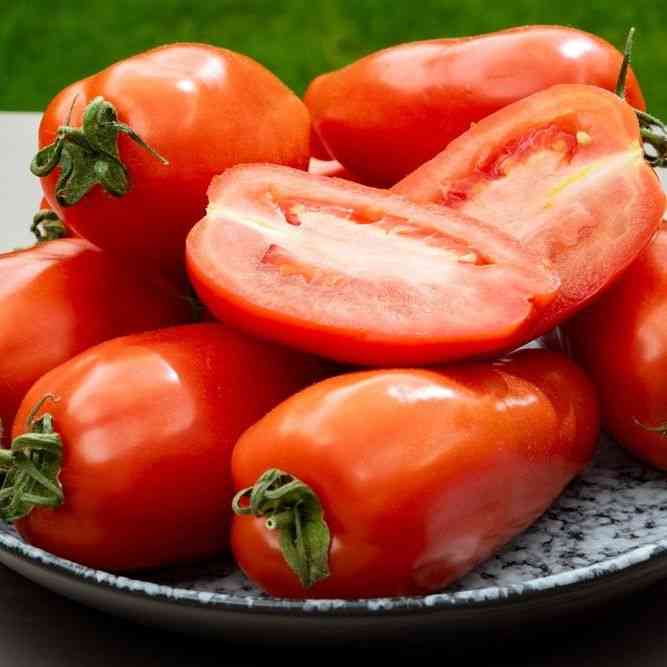
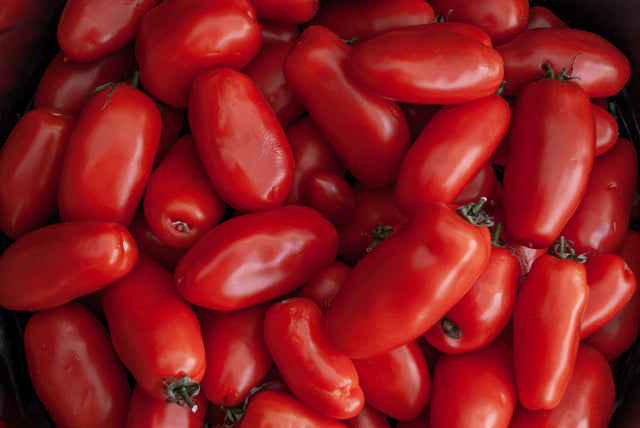
San Marzano Tomato Seeds produce the legendary Italian-style paste tomato prized for rich sauce, dense flesh, and classic elongated red fruits. This is the indeterminate San Marzano tomato, meaning the vines keep growing, flowering, and setting fruit over a longer harvest window, unlike determinate San Marzano types that stay more compact and produce a more concentrated crop. San Marzano tomatoes are famous for their balanced sweetness, bright acidity, low seed content, and meaty texture that cooks down beautifully without becoming watery, making them ideal for homemade pasta sauce, pizza sauce, roasting, canning, freezing, and preserving peak summer flavor.

Grow San Marzano Tomato Seeds for a productive garden staple with a reputation built on real kitchen performance. The vigorous vines benefit from strong staking or caging, steady moisture, and full sun, rewarding careful growers with repeated harvests of flavorful paste tomatoes throughout the season. For gardeners who want a longer picking season and tall, productive plants rather than a compact determinate harvest, indeterminate San Marzano tomatoes remain one of the most trusted choices for serious home sauce-making, roasting, and preserving.

Every recorded growing detail

Complete growing & care facts

Continue to the garden-fit planner

Plant identity

Minimum seed count 25 seeds
Seed product profile Tomato
Scientific name Solanum lycopersicum
Also known as Tomato, Tomato Seeds - Indeterminate - San Marzano
Color Red
Life cycle Annual
Botanical family Solanaceae
Reproductive type Open-Pollinated (OP)
Heritage qualifiers Heirloom
Native to the United States Domesticated Plant
Domestication note Andean South America

Seed success and gardener experience

Gardener experience Some experience is helpfulLevel 3 of 5
Germination difficulty StraightforwardLevel 2 of 5
Preparation before sowing Start in a clean, warm, evenly moist seed-starting mix and provide strong light immediately after emergence
Stratification Not normally required by the current record
Scarification Not normally required by the current record
Pre-soaking Not normally required by the current record
Light during germination Cover to the recorded depth; provide strong light immediately after emergence
Germination pattern Usually reliable when seed is stored well and temperature, depth, moisture, and preparation match the recorded requirements
Growing complexity Long-season fruiting crop requiring support, steady moisture, airflow, and repeated harvest
Transplant sensitivity Transplant after hardening; avoid cold soil and deep root disturbance
First harvest or bloom 70-79 Days
Best chance of success For San Marzano Tomato Seeds, control temperature and moisture at sowing, label the start date, and compare emergence with the complete recorded germination window before reseeding.

Timing and climate

Days to maturity 70-79 Days
Germination 7-14 Days
Germination temperature 70–85 °F
Planting season Spring
Bloom season Summer
Frost tolerance Tender
Sunlight Full sun
Water needs Moderate

Site, soil, and space

Soil type Loamy
Preferred soil pH 6.0–6.5
Seed depth 1/4 in
Plant spacing 24 in
Row spacing 36 in
Mature height 61–72 in
Growth habit Indeterminate
Support needed Stake
Suitable growing locations In-ground bed, Raised bed, Containers, Greenhouse, High Tunnel, Community garden

Crop-specific details

Best uses fresh slicing, sauces, preserving, supported warm-season gardens, and seed saving
Flavor profile San Marzano tomatoes are famous for their balanced sweetness, bright acidity, low seed content, and meaty texture that cooks down beautifully without becoming watery, making them ideal for homemade pasta sauce
Container fit Possible in a large container with reliable water, drainage, and support; mature size must be planned before planting

Garden-fit planning for this variety

Will San Marzano Tomato Seeds fit your garden?

Compare this tomato with your season, expected temperatures, sunlight, soil, drainage, water access, support, crop history, and harvest goals.

Rules-based · no AI
Add a ZIP code and planting plan for seasonal context. The planner will estimate a broad frost window and typical planting-period temperatures. It does not use live weather.
1 Location, timing, and temperatures
2 Light, site, and growing space
3 Soil, drainage, and soil testing
4 Water, mulch, support, and crop history
5 Harvest goals and experience
6 Seed-starting fit and patience

Seed germination and growing the mature crop are different skills. These answers help the planner explain which part may need more experience.

Recorded profile for this seedSome experience is helpful · StraightforwardReview the complete Seed Success Profile
Enter what you know about the garden. You can leave questions blank. The result will separate strong matches, planning needs, and reasons another tomato might be easier.

This planning tool uses broad regional frost windows, broad monthly temperature patterns, your own temperature entries when supplied, and the recorded product facts. It is not live weather or a guarantee. Local weather, microclimates, transplant health, soil conditions, and care can change the outcome.

Soil test, pH, drainage, and amendment calculator Have a laboratory soil report? Enter pH, nutrients, texture, bed size, and site observations here. Open soil tools
Recorded soil typeLoamy
Recorded pH range6.0–6.5
Water needsModerate
LightFull sun

Professional garden planning tool

Tomato Soil Test & Amendment Calculator

Translate a laboratory report into a bed-sized amendment estimate for Solanum lycopersicum.

Uses your lab values
Enter the numbers exactly as the laboratory reported them. Select the matching extractant and use the laboratory’s crop recommendation and every product label as the final authority. Field-soil rates do not apply to container mixes.
Need a laboratory soil test?Find your state Extension lab

Best option: your state’s Cooperative Extension soil testing lab.

Tip: Arid and alkaline-region laboratories may use Olsen phosphorus instead of Mehlich-3. Match the method printed on your report.
1

Report method and bed size

Choose the laboratory method and tell us how much ground you are amending.

Use the method printed on the report.
sq ft
Used to scale the shopping-list amounts.
Changes the size of the pH estimate.
2

Acidity and organic matter

Enter the pH and organic-matter percentage from the report.

Uses this product’s listed pH range.
%
Many garden beds perform well around 4–8%.
3

Nutrients reported by the lab

Enter ppm values only when your report uses ppm for these nutrients.

ppm
Target changes with extractant.
ppm
Broad tomato planning range: 150–200 ppm.
ppm
Interpret with pH, moisture, and lab guidance.
ppm
Interpret with pH and the laboratory recommendation.
The result scales broad educational estimates to the bed area. The laboratory recommendation and amendment label remain the final authority.
Enter at least one laboratory value above, then calculate.

Turn your soil report into a planting plan

Use the calculated pattern alongside the product label, your laboratory recommendation, and the way water moves through the bed. Read AONSK home and garden guides · Compare tomato varieties · Shop soil amendments · Shop fertilizers

The full variety record

Sowing, care, harvest, troubleshooting, and history

How to start San Marzano Tomato Seeds from seedPreparation, timing, depth, germination, transplanting, spacing, and early care

Variety-specific germination notes

Preparation: Start in a clean, warm, evenly moist seed-starting mix and provide strong light immediately after emergence. Germination light: Cover to the recorded depth; provide strong light immediately after emergence. Expected emergence: 7-14 Days. Temperature: 70-85 °F.

Complete sowing and planting guidance

Start San Marzano tomato seeds indoors 6 to 8 weeks before your last expected spring frost. Use a clean seed-starting mix that drains well but holds light, even moisture. Sow seeds about 1/4 inch deep in cell trays, small pots, or soil blocks, then cover lightly and keep the mix consistently moist but never soggy. Warmth is very important for strong tomato germination; San Marzano seeds germinate best when the soil temperature stays around 70-85 °F. A heat mat can greatly improve speed and uniformity, especially in cool rooms or early spring conditions.

Keep the seed-starting area bright as soon as the first seedlings emerge. Tomato seedlings need strong light to grow short, sturdy stems instead of becoming thin, pale, and stretched. Place seedlings under grow lights for 14 to 16 hours per day, keeping the light close enough to prevent legginess but not so close that leaves are burned. If using a sunny window, rotate trays often and watch carefully for stretching, because window light is usually less consistent than dedicated grow lights. Good airflow from a small fan set on low can help strengthen stems and reduce damping-off disease.

Water seedlings from the bottom when possible, or water gently at the soil line so the leaves and stems do not stay wet. The mix should remain evenly moist, but saturated soil can suffocate roots and encourage fungal problems. Once seedlings develop their first true leaves, begin feeding lightly with a diluted balanced fertilizer or compost-based liquid feed if the seed-starting mix has little fertility. Do not overfeed young tomato plants; steady, moderate growth is better than soft, overly lush growth that becomes stressed after transplanting.

Pot seedlings up into larger containers if they outgrow their starting cells before outdoor planting time. When transplanting young tomatoes into a deeper pot, bury part of the stem because tomatoes can form roots along buried stems. This encourages a stronger root system and sturdier plant before garden transplanting. Handle seedlings by the leaves or root ball rather than squeezing the tender stem, since a damaged tomato stem can permanently weaken or kill the plant.

Begin hardening off San Marzano seedlings 7 to 10 days before transplanting outdoors. Move plants outside to a sheltered, shaded location for a short period at first, then gradually increase their exposure to sun, wind, and outdoor temperatures each day. Bring them back indoors or protect them if nights are cold, winds are strong, or storms are expected. Hardening off is especially important for tomatoes because indoor-grown seedlings can sunburn, wilt, or stall if moved directly into full sun and open garden conditions too quickly.

Transplant San Marzano tomatoes only after all danger of frost has passed and nighttime temperatures are reliably warm. Cold soil and chilly nights can stunt tomatoes, even if the days are mild. Choose a full-sun location with fertile, well-drained soil and good airflow. Before planting, loosen the soil deeply and amend with finished compost if needed. Avoid heavy applications of high-nitrogen fertilizer at transplanting, because too much nitrogen can encourage large leafy vines before the plant is ready to flower and fruit.

Plant transplants deeply, burying the stem up to the lowest healthy leaves. You can plant straight down in a deep hole or lay a tall, leggy transplant sideways in a shallow trench with the top gently angled upward. Remove any lower leaves that would be buried. The buried stem will produce additional roots, helping the plant anchor firmly and access more moisture and nutrients. Water the planting hole well and firm the soil gently around the roots so there are no large air pockets.

Space San Marzano tomato plants generously to allow airflow around their indeterminate vines. Crowded tomatoes are more likely to suffer from foliar diseases, poor drying after rain, difficult pruning, and hidden pest problems. Install a strong cage, stake, trellis, or Florida weave support at transplanting time rather than waiting until the plant is large. Early support prevents root disturbance later and trains the plant upright from the beginning. Because San Marzano tomatoes can become heavy with fruit, choose a support system stronger than a small lightweight cage.

After transplanting, water deeply and keep the soil consistently moist while plants establish. A temporary shade cloth or light protection can help if hot sun or drying winds arrive immediately after planting. Once the soil has warmed, apply mulch around the base of the plant, leaving a little space around the stem to prevent rot. Mulch helps hold moisture steady, reduce weed competition, and limit soil splash that can spread disease onto lower leaves.

For best transplant success, avoid setting plants out during cold, wet, windy, or extremely hot conditions. Transplant on an overcast day or in the evening when possible, then water thoroughly. Check plants daily during the first week outdoors, watching for wilting, sunscald, cutworm damage, or signs that the soil is drying too quickly. Once the plants resume strong growth, begin guiding stems onto their support and remove any lower leaves that touch the soil. A careful start gives San Marzano tomatoes the strong root system, upright structure, and steady growth they need for a long, productive sauce-tomato season.
How to grow this specific varietyLight, water, fertility, support, spacing, airflow, crop behavior, and season-long care

Complete growing guide

San Marzano tomato plants grow as vigorous indeterminate vines, meaning they continue producing new growth, flowers, and fruit over a long season rather than stopping after one main harvest. Once established, they perform best in a warm, sunny location with strong airflow, deep soil, and a support system that can carry heavy vines. These are not compact patio tomatoes; they should be treated as tall, productive paste tomatoes that need room to climb and enough structure to keep fruit clusters off the ground. Full sun is especially important for strong flowering, disease resistance, and rich tomato flavor.

During active growth, keep soil evenly moist but never waterlogged. San Marzano tomatoes are particularly sensitive to moisture swings because inconsistent watering can lead to blossom end rot, fruit cracking, poor fruit set, and stress-related leaf curl. Deep watering at the root zone is better than frequent shallow watering, and mulch helps keep soil moisture stable while reducing soil splash onto the lower leaves. A layer of clean straw, shredded leaves, untreated grass clippings, or composted mulch can also help moderate soil temperature during hot weather.

Feed San Marzano tomatoes steadily but not excessively. They appreciate fertile soil with compost and balanced nutrition, but too much nitrogen can push lush leafy growth at the expense of flowers and fruit. Once plants begin flowering and setting fruit, a moderate side-dressing of compost or a tomato-appropriate fertilizer can support continued production. Watch the plant’s growth habit closely: dark green, vigorous vines with few blossoms may be receiving too much nitrogen, while pale leaves, weak growth, or poor fruit development may signal nutrient stress, root issues, or inconsistent moisture.

Because this is an indeterminate tomato, strong support is essential. Use a tall cage, stake, trellis, cattle panel, or Florida weave system, and continue tying or guiding the vines as they grow. Supporting the plant upright improves airflow, reduces disease pressure, keeps fruit cleaner, and makes harvesting easier. Check ties regularly so they do not cut into thickening stems, and add new ties as the plant stretches upward. Fruit clusters can become heavy, so support should be installed and maintained before the vines are overloaded.

Pruning should be thoughtful rather than extreme. Remove the lowest leaves that touch or nearly touch the soil, especially after the plant is established, because lower foliage is most likely to pick up soilborne disease through splashback. Thin crowded interior growth if airflow becomes poor, and remove damaged or diseased leaves as soon as they appear. Some growers prune selected suckers to keep indeterminate vines easier to manage, especially when using stakes or trellises, but avoid stripping the plant too heavily. Healthy leaves feed the fruit and help protect tomatoes from sunscald.

Flowering and fruit set are strongly affected by temperature, water, and plant stress. San Marzano tomatoes usually set best when conditions are warm but not extreme. Very hot days, warm nights, cold spells, drought stress, or heavy nitrogen growth can cause blossoms to drop before fruit forms. Keep watering consistent during flowering, avoid overfeeding, and maintain good airflow around the plant. Lightly shaking the support structure during dry weather can help move pollen within the flowers, though weather and plant health are usually the biggest factors in fruit set.

As fruits develop, monitor the plants frequently. San Marzano tomatoes are prized for their elongated plum shape, meaty flesh, and lower moisture content, but those same dense fruits can show stress quickly if watering is uneven. Remove any fruit with blossom end rot so the plant can redirect energy to healthy fruit. Harvest tomatoes when they are fully colored, firm-ripe, and slightly yielding for the best sauce quality. If heavy rain, cracking, pests, or disease threaten the crop, pick fruits at the breaker stage when color first begins to change and let them finish ripening indoors at room temperature.

Regular harvesting keeps San Marzano plants productive and reduces losses from splitting, pests, and overripe fruit. Use the ripest tomatoes promptly for sauce, paste, roasting, canning, freezing, or fresh cooking. Because this variety is grown mainly as a paste tomato, the best quality comes from fruit that is allowed to ripen fully without becoming soft or damaged. Keep the planting clean through the season by removing diseased foliage, fallen fruit, and spent plant material. At the end of the season, clear vines from the garden and rotate future tomato plantings away from the same area whenever possible to reduce disease buildup.
Practical field and garden tipsExtra techniques, timing adjustments, and observations that improve success
San Marzano tomatoes reward consistency more than almost anything else. Once the plants are established and actively growing, avoid treating them like a crop that can be ignored for long stretches and then corrected all at once. Their long indeterminate vines, heavy fruit clusters, and dense paste-type tomatoes make them especially responsive to steady watering, steady fertility, strong support, and regular harvesting. A plant that is watered deeply on a predictable rhythm, kept upright, and monitored often will usually produce cleaner fruit, better sauce quality, and fewer disease problems than a plant that is allowed to sprawl, dry out, or become overcrowded.

Water management is one of the most important success factors for San Marzano tomatoes. The goal is not to keep the soil constantly wet, but to keep moisture as even as possible through the root zone. Long dry spells followed by heavy watering or rain can lead to cracking, blossom end rot, leaf curl, flower drop, and uneven fruit development. Water deeply at the base of the plant rather than sprinkling the foliage, and check container-grown plants more often because pots dry much faster than in-ground beds. During peak fruiting, a large indeterminate tomato in a container may need water daily in hot weather, while in-ground plants may need deep watering one or more times per week depending on soil type, rainfall, mulch, and temperature.

Mulch is especially helpful for San Marzano tomatoes because it protects both the fruit and the foliage indirectly. Apply mulch after the soil has warmed, keeping it slightly pulled back from the stem so moisture does not sit against the plant crown. Straw, shredded leaves, clean grass clippings, composted leaf mold, or other untreated organic materials can help hold soil moisture steady, suppress weeds, and reduce the splash of soilborne disease organisms onto lower leaves during rain or watering. In hot climates, mulch can also keep the root zone cooler and reduce plant stress during heat waves. In very wet climates, use mulch carefully and maintain airflow so the base of the plant does not stay soggy.

Do not wait to support San Marzano plants until they “need it.” By the time the vines are long and fruit clusters are forming, forcing the plant into a cage or tying heavy stems upright can break branches, damage roots, and stress the plant. Install a strong cage, stake, trellis, cattle panel, or Florida weave system early, then train the plant gradually as it grows. Check ties weekly and loosen or adjust them before they cut into thickening stems. Soft garden twine, tomato clips, strips of cloth, or flexible plant ties are better than thin wire or anything that can girdle the stem.

Pruning should be used to improve airflow and manage the plant, not to strip the plant bare. Remove lower leaves that touch the soil or sit very close to the soil surface, especially once the plant is established. This reduces the chance of soil splash spreading early blight, Septoria leaf spot, and other foliar issues. If the center of the plant becomes dense and humid, thin selected interior growth so air and light can move through the vines. However, leave enough healthy foliage to feed the fruit and protect tomatoes from sunscald. Over-pruned plants may look neat, but they can suffer in hot sun and may produce fruit with pale, damaged, papery patches.

Fertilize with restraint. San Marzano tomatoes need fertile soil, but too much nitrogen can create a large, lush, leafy plant that flowers poorly or sets fewer fruit. Compost worked into the bed before planting is a strong foundation, and a moderate side-dressing when flowering and fruiting begin can support continued production. Watch the plant’s behavior: vigorous dark green growth with few blossoms may mean nitrogen is too high, while pale leaves and weak growth may suggest low fertility, poor roots, compacted soil, or inconsistent watering. A balanced tomato fertilizer, compost, or gentle organic feeding program is usually better than repeated heavy feeding.

During flowering, avoid stressing the plant. Tomatoes can drop blossoms when temperatures are too hot, nights are too warm, nights are too cold, soil is too dry, plants are overfertilized, or airflow is poor. If flowers appear but fruit does not form, check the weather and plant care before assuming anything is wrong with the seed. In hot weather, keep moisture even and mulch well. In humid, still conditions, pruning for airflow can help. You can also gently shake the support structure during dry parts of the day to help pollen move within the flowers, but weather conditions will still have a major influence on fruit set.

Harvest timing makes a major difference in sauce quality. For the richest flavor, allow San Marzano tomatoes to ripen fully on the vine until they are deeply colored, firm-ripe, and slightly yielding. The fruit should feel mature and full, not hard and underripe, but it should not be left until it becomes soft, wrinkled, leaking, or overripe. Overripe fruit can attract pests, split after rain, develop sour flavors, or begin to rot quickly in hot weather. If disease pressure, insects, or storms are increasing, harvest at the breaker stage when the fruit first begins to color and let it finish ripening indoors at room temperature.

Pick often once the plant begins producing. Frequent harvesting keeps fruit from sitting too long on the vine and reduces losses from cracking, stink bug damage, birds, rodents, fruit rot, and sudden rain. San Marzano tomatoes often ripen in waves, so check plants every day or two during peak season. Lift foliage carefully and look inside the plant, because elongated paste tomatoes can hide behind leaves and supports. Bring a shallow harvest container instead of a deep bucket if fruit is fully ripe, since stacking too many ripe tomatoes can bruise them.

For best kitchen quality, sort harvested tomatoes immediately. Perfect, fully ripe fruit can go directly into sauce, paste, roasting, freezing, drying, or canning preparation. Slightly cracked fruit should be used quickly after trimming away damaged areas. Fruit with active mold, rot, off smells, insect tunneling, or soft leaking spots should be discarded rather than processed. Paste tomatoes are excellent for preserving, but preservation quality depends on starting with sound fruit. For canning, always use a tested recipe and follow proper acidification instructions, because tomato acidity can vary by variety, growing conditions, and ripeness.

Do not refrigerate ripe San Marzano tomatoes unless you are trying to slow spoilage for a short period. Cold temperatures can dull flavor and change texture, especially in fully ripe tomatoes. Store sound ripe fruit at room temperature out of direct sun and process it soon for the best flavor. If you have more fruit than you can handle in one day, freeze washed, cored tomatoes whole on trays and bag them once frozen. The skins will slip off easily after thawing, making them convenient for later sauce-making.

Roasting is one of the best ways to concentrate San Marzano flavor. Slice the tomatoes lengthwise, remove any tough cores, and roast with a small amount of oil, garlic, herbs, or salt until the moisture reduces and the flavor deepens. Roasted San Marzano tomatoes can be blended into sauce, frozen in portions, added to soups, or used as a base for pizza sauce. Because the fruit is meaty and less watery than many slicing tomatoes, it becomes rich and flavorful without needing as much cooking time.

For sauce, cook San Marzano tomatoes slowly enough to develop flavor but not so long that the sauce tastes flat or scorched. A wide, heavy pot helps moisture evaporate efficiently. Stir regularly, especially as the sauce thickens. Some growers prefer removing skins and seeds for a smoother sauce, while others cook the whole tomato and run it through a food mill. The best method depends on your texture preference, but the variety’s dense flesh makes it useful for both rustic and refined sauces.

Watch for blossom end rot early, especially on the first fruit clusters. If you see dark, sunken patches at the blossom end of the fruit, remove affected tomatoes and correct the growing conditions. The most effective response is usually steadier watering and better root-zone moisture, not simply adding calcium. Mulch, deep watering, avoiding root disturbance, and not overfeeding with nitrogen are the most useful prevention tools. Container plants are especially vulnerable because they dry out quickly and their nutrient balance can change faster than garden soil.

Pay close attention after heavy rain. San Marzano tomatoes that were nearly ripe before a storm may crack or soften quickly afterward. Harvest any fruit that is coloring before extended rain arrives, and check the plant closely afterward for split fruit, fallen fruit, broken branches, and new leaf disease symptoms. Remove damaged fruit promptly so it does not attract insects or rot against nearby tomatoes. After wet weather, avoid working the plants while the foliage is soaked, because handling wet tomato foliage can spread disease.

Airflow is one of the simplest disease-prevention tools. Space plants generously, keep them upright, prune lower leaves, and remove dense tangles where humidity lingers. San Marzano’s indeterminate growth means the plant can become crowded if it is not guided through the season. Good airflow helps leaves dry faster after rain or dew, making conditions less favorable for fungal and bacterial diseases. This is especially important in humid regions where early blight, Septoria leaf spot, and other tomato foliage diseases can build quickly.

Sanitation matters from the first harvest to the final cleanup. Remove diseased leaves when symptoms first appear, especially lower leaves with spotting or yellowing. Do not leave rotting tomatoes under the plant, because they can attract pests and contribute to disease pressure. Clean pruners between plants if disease is present. At the end of the season, remove old tomato vines from the growing area rather than leaving them to break down in place, especially if the plants had blight, wilt, or heavy leaf spot problems.

Rotate planting areas whenever possible. Tomatoes, peppers, eggplants, and potatoes are all nightshade crops and can share some soilborne diseases and pests. Avoid planting San Marzano tomatoes in the same spot year after year if you have the space to rotate. A three- to four-year rotation is helpful for reducing disease buildup, though small gardens may need to rely more heavily on raised beds, fresh compost, resistant neighboring crops, sanitation, and container growing. If you must grow tomatoes in the same general area, remove old roots and debris, refresh the soil with compost, and monitor closely for recurring wilt or leaf disease.

If growing in containers, choose the largest practical pot and do not underestimate the weight of a mature plant. A small container may produce a plant, but it will dry out quickly, need constant feeding, and be more prone to stress. Use a high-quality container mix with good drainage, not dense garden soil. Place the container where the plant receives full sun and can be tied to sturdy support. During hot weather, check moisture daily, and water until excess drains from the bottom so the full root zone is hydrated.

For seed saving, choose fruit from the healthiest, most productive plants, not just the first tomato that ripens. Look for plants that show the traits worth preserving: strong vines, good fruit set, elongated plum-shaped tomatoes, dense flesh, rich flavor, and tolerance of your garden conditions. Save seeds from fully ripe fruit, ferment them briefly to remove the gel coating, rinse thoroughly, and dry completely before storage. Store dry seed in a cool, dark, dry place. Label the seed clearly with the variety name and year.

Tomatoes are mostly self-pollinating, so San Marzano is usually easier to save true-to-type than crops that cross readily. However, crossing can still happen when bees move pollen between nearby tomato varieties. If seed purity is important, separate varieties, bag blossoms before they open, or save seed from protected flower clusters. Crossing will not change the tomatoes you harvest this season, but it can affect the plants grown from saved seed next season.

Avoid the common mistake of confusing more foliage with better production. A giant tomato plant is not automatically a more productive tomato plant if it is poorly supported, overfed, shaded, or too crowded to set fruit well. The best San Marzano plants are vigorous but balanced, with enough leaf cover to fuel growth and protect fruit, enough airflow to reduce disease, and enough support to keep fruit clusters clean and accessible. Focus on plant balance rather than maximum size.

A second common mistake is waiting too long to respond to small problems. One hornworm can remove a surprising amount of foliage overnight. A few spotted lower leaves can become widespread leaf disease during wet weather. A slightly loose support system can collapse under the weight of fruit. Walk through the planting often, look under leaves, check stems, inspect fruit clusters, and correct small issues early. Frequent observation is one of the most effective tools a tomato grower has.

For the best flavor, combine full ripeness with careful handling. Do not throw ripe San Marzano tomatoes into deep containers or leave them baking in the sun after harvest. Bring fruit indoors, sort it, and process it while quality is high. If making sauce, taste as you cook; San Marzano tomatoes are valued for their sweet, rich, balanced flavor, but final sauce character depends on ripeness, weather, soil, and cooking method. A simple sauce made from fully ripe, carefully grown fruit often needs very little added to taste exceptional.

In short-season areas, prioritize warmth and timing. Choose the sunniest location available, use mulch once the soil is warm, and keep plants protected from early stress. Harvest partially ripe fruit before frost and finish ripening it indoors. Green mature tomatoes can sometimes be ripened inside if they have reached full size and show a slight color break, though fully vine-ripened fruit will usually have the best flavor. As frost approaches, remove remaining usable fruit before cold damage ruins texture and storage life.

San Marzano tomatoes are at their best when grown with patience and routine care. Keep the vines supported, the soil moisture steady, the foliage clean and airy, and the harvest moving. Use ripe fruit promptly, preserve the surplus carefully, and save seed only from the best plants if you want to continue the line. With attention to these details, San Marzano can provide a long season of meaty, richly flavored paste tomatoes that are especially valuable for homemade sauce, roasting, canning, and serious kitchen use.
Harvest, storage, uses, and benefitsWhen and how to harvest, ways to use the crop, storage, culinary value, habitat value, and garden roles

Uses and benefits

San Marzano tomatoes are best known as one of the classic paste tomatoes for sauce-making, but their usefulness goes far beyond a single kitchen purpose. Their elongated plum shape, dense flesh, thinner skin, and relatively low seed and juice content make them especially efficient for cooking, reducing, roasting, and preserving. Unlike large slicing tomatoes that can release a lot of watery liquid into a pot, San Marzano tomatoes cook down into a thicker, smoother, more concentrated sauce with less time and less waste. This makes them a favorite for gardeners who want a tomato that is practical, flavorful, and dependable for serious home cooking.

The most celebrated use for San Marzano tomatoes is homemade tomato sauce. Their meaty texture allows them to break down into a rich base for pasta sauce, pizza sauce, marinara, tomato gravy, soups, stews, braises, and slow-cooked dishes. When fully ripe, the flavor is deep, sweet, savory, and balanced with enough acidity to keep sauces bright instead of flat. Because the fruits are less watery than many fresh-eating tomatoes, they often require less cooking time to reach a thick consistency. This is especially useful for home growers who process several pounds at once and want a sauce that feels substantial without needing hours of reduction.

San Marzano tomatoes are also excellent for roasting. When sliced lengthwise and roasted slowly, the fruit concentrates into a rich, sweet, intensely tomato-flavored ingredient that can be blended into sauce, frozen in portions, added to soups, served with bread, mixed into pasta, or used as a base for pizza and flatbreads. Their firm flesh holds up well to heat, and roasting brings out the variety’s natural sweetness while reducing excess moisture. Gardeners with a large harvest can roast trays of San Marzano tomatoes and preserve them in the freezer for convenient winter meals.

For canning and preserving, San Marzano tomatoes are especially valuable because they produce a dense, flavorful product. They can be processed into crushed tomatoes, purée, sauce, paste, whole peeled tomatoes, or cooked tomato bases, provided tested food preservation instructions are followed. Their shape also makes them easier to blanch, peel, and pack than many irregular slicing tomatoes. Because tomato acidity can vary, safe canning requires proper acidification and reliable preservation methods, but the variety’s fleshiness and flavor make it one of the most rewarding tomatoes for filling pantry shelves.

San Marzano tomatoes can be used fresh, though they are not usually grown as a classic slicing tomato. Their texture is firmer, meatier, and less juicy than many round tomatoes, which makes them excellent for chopped salads, bruschetta, fresh salsa, tomato sandwiches where less dripping is preferred, and quick skillet sauces. They are especially useful when a recipe needs fresh tomato flavor without adding too much liquid. Their shape makes them easy to halve, dice, roast, seed, or run through a food mill.

One major benefit of growing San Marzano tomatoes is kitchen efficiency. A home gardener who wants sauce, paste, or preserved tomatoes often needs many pounds of fruit, and watery tomatoes can take much longer to cook down. San Marzano tomatoes offer more usable flesh per fruit, which means less time simmering and a better yield of finished sauce from a harvest. This benefit is especially noticeable during peak season, when plants may produce heavily and the grower needs to process fruit quickly before it softens or spoils.

Another benefit is the long harvest window that comes from the plant’s indeterminate growth habit. Rather than producing one short flush and finishing, San Marzano plants continue growing, flowering, and ripening fruit over an extended season when conditions are favorable. This allows gardeners to harvest enough fruit for fresh meals early on, then gather larger batches for sauce, roasting, freezing, or canning as production increases. The long harvest period can be especially useful for households that prefer to process tomatoes in smaller batches rather than all at once.

San Marzano tomatoes also bring strong value to small gardens because they are highly purposeful. Every fruit has a clear use: sauce, paste, roasting, canning, drying, freezing, soup base, salsa, or fresh cooking. Gardeners with limited space often need varieties that earn their place, and a productive indeterminate paste tomato can provide a steady supply of high-quality cooking tomatoes from a relatively small footprint when grown vertically. With strong support, pruning for airflow, and consistent care, San Marzano plants can produce heavily without sprawling across the garden.

Culturally, San Marzano tomatoes are strongly associated with Italian cooking traditions, especially tomato sauces, pasta dishes, pizza, and preserved tomato products. The name is linked to the San Marzano area near Naples, where plum-type tomatoes became famous for their cooking quality and flavor. Over time, San Marzano became one of the most recognized names in paste tomatoes, valued by cooks, gardeners, chefs, and seed savers for its combination of dense flesh, balanced flavor, and culinary reliability. Even outside its original regional context, the variety remains a symbol of high-quality sauce tomatoes.

The cultural importance of San Marzano tomatoes also reflects the larger history of tomatoes as a crop that traveled, adapted, and became central to many foodways. Tomatoes originated in the Americas and were developed and stewarded long before they became associated with European cuisines. After their movement across the Atlantic, tomatoes were gradually incorporated into Mediterranean cooking and eventually became foundational in many regional dishes. San Marzano represents one branch of that broader story: a tomato shaped by place, culinary preference, seed selection, and generations of growers who valued sauce quality.

For home gardeners, growing San Marzano can be a way to connect kitchen and garden more directly. The variety is not just decorative or occasional; it is grown with meals, preservation, and seasonal abundance in mind. A row of San Marzano tomatoes can become jars of sauce, freezer bags of roasted tomatoes, soup bases, pizza nights, family recipes, and winter meals that carry the flavor of the summer garden forward. This practical connection between harvest and household use is one reason paste tomatoes continue to be so beloved.

San Marzano tomatoes are also useful for teaching and preserving seed knowledge. Because tomatoes are mostly self-pollinating and San Marzano is generally maintained as an open-pollinated type, gardeners can often save seed from healthy, true-to-type plants with careful selection. This makes the variety approachable for growers who want to learn seed saving, observe plant traits, select for performance, and maintain a favorite tomato over time. Saving seed from the strongest plants can help a gardener build a line that performs well in their own soil and climate while preserving the essential character of the variety.

The benefits of San Marzano tomatoes are not limited to flavor. They support a more self-reliant kitchen because they can be transformed into shelf-stable or freezer-stored foods. They reduce dependence on store-bought sauce, allow the grower to control ingredients, and make it possible to preserve peak-season flavor for later use. For gardeners who value low-waste harvests, paste tomatoes are especially satisfying because blemished but sound fruit can often be trimmed and cooked immediately, while perfect fruit can be saved for canning or higher-quality preparations.

San Marzano tomatoes also encourage seasonal eating. Early fruit may be used fresh or in quick sauces, peak harvests may be processed in larger batches, and late-season fruit can be ripened indoors or cooked before frost. The variety fits naturally into a rhythm of watching, harvesting, sorting, cooking, and preserving. This rhythm is part of the cultural value of garden tomatoes: they mark the height of summer, invite shared meals, and turn garden work into food that can be enjoyed long after the vines are gone.

In the garden, San Marzano also offers beauty and satisfaction. The plants become tall, productive vines with clusters of elongated red fruit that signal abundance and purpose. Unlike novelty tomatoes grown mainly for unusual color or shape, San Marzano is valued because its form directly supports its function. The plum shape, dense interior, and steady production all serve the same goal: a flavorful cooking tomato that performs well in the kitchen. That practical beauty is part of why the variety remains popular with both experienced growers and beginners who want a tomato with a clear payoff.

For community gardens, seed libraries, homesteads, and market gardens, San Marzano tomatoes can be a useful bridge between growing and food education. They invite conversations about seed origins, tomato domestication, cooking traditions, preservation safety, crop selection, and the difference between slicing tomatoes and paste tomatoes. They also help gardeners understand why variety choice matters. A tomato bred or selected for sauce behaves differently in the kitchen than a tomato bred for fresh slicing, shipping, novelty color, or compact growth.

The greatest benefit of San Marzano tomatoes is their combination of productivity, usefulness, flavor, and cultural recognition. They are not just tomatoes to eat one at a time in the garden; they are tomatoes that help fill pots, jars, freezers, and family meals. For growers who want a dependable paste tomato with a strong culinary reputation, San Marzano remains one of the most meaningful choices. With care, support, and steady harvests, it can turn a summer planting into rich sauce, roasted tomato preserves, fresh cooking, saved seed, and a deeper connection to one of the world’s most loved garden crops.
Seed saving and carrying the variety forwardPollination, isolation, selection, harvest, cleaning, drying, and storage
San Marzano tomatoes are a good candidate for home seed saving because tomatoes are naturally mostly self-pollinating. Each flower contains both male and female parts, and pollination often happens inside the flower before it fully opens. This means San Marzano tomatoes are less likely to cross than crops such as squash, corn, cucumbers, or peppers, but crossing is still possible. Bees and other pollinating insects can move pollen between tomato varieties, especially when different tomatoes are flowering close together. If maintaining true-to-type seed is important, grow San Marzano away from other tomato varieties, bag selected blossoms before they open, or save seed from protected flower clusters.

Choose seed fruit from the healthiest, most vigorous, most productive plants in the planting. Do not save seed simply from the first tomato that ripens unless that plant also shows excellent overall traits. Look for plants with strong indeterminate growth, good disease resistance in your garden, heavy fruit set, classic elongated plum-shaped tomatoes, dense flesh, rich flavor, and dependable ripening. Avoid saving seed from plants that are weak, unusually off-type, severely diseased, poorly productive, or producing fruit that does not match the expected San Marzano shape and quality. Seed saving is a form of selection, so the plants you choose from matter as much as the fruit itself.

Let seed tomatoes ripen fully before collecting seed. The best seed usually comes from fruit that is completely mature, deeply colored, and slightly softer than you would prefer for slicing or market display, but not rotten or moldy. Underripe fruit may contain immature seed with lower germination, while spoiled fruit can carry disease organisms or produce poor-quality seed. Select several good fruits from more than one strong plant if possible. Saving from multiple healthy plants helps preserve genetic diversity within the variety and reduces the risk of selecting from one plant that performed well only by chance.

To process the seed, cut the ripe tomatoes open and squeeze the seed and surrounding gel into a clean jar or cup. Add a small amount of water if needed so the seed pulp can move freely, but do not dilute it excessively. Tomato seeds are enclosed in a natural gel coating that can inhibit germination, and fermentation helps remove this coating. Cover the container loosely with a paper towel, cloth, or lid set on lightly, then place it somewhere warm but out of direct sun. Do not seal the container tightly, because fermentation can produce gases and unpleasant pressure.

Allow the tomato seed mixture to ferment for about 2 to 4 days, depending on room temperature. Stir or swirl the mixture once daily. A layer of mold or scum may form on the surface; this is normal during fermentation. The process is finished when the gel coating has broken down and many of the good seeds sink to the bottom. Do not let the mixture ferment for too long, because extended fermentation can reduce seed viability or cause sprouting in warm conditions. In a warm room, fermentation may finish quickly, while cooler conditions may take a little longer.

After fermentation, add clean water to the container, stir well, and let the contents settle. Good mature seeds usually sink, while pulp, gel, mold, and many immature or empty seeds float. Pour off the floating debris carefully, keeping the sunken seeds at the bottom. Repeat this rinsing process several times until the water is mostly clear and the seeds look clean. A fine mesh strainer can help with the final rinse. Avoid using strong water pressure that blasts the seeds out of the strainer, and do not use soap, bleach, or harsh cleaners on the seed itself.

Drying is one of the most important steps. Spread the clean seeds in a single layer on a labeled coffee filter, paper plate, fine screen, or other breathable surface. Avoid drying seeds in thick clumps, because they can mold or dry unevenly. Do not dry tomato seeds on paper towels if you can avoid it, since they often stick tightly and can be difficult to remove. Place the seeds in a warm, dry, well-ventilated location out of direct sunlight. Stir or separate them once or twice per day during the first few days so they dry evenly.

Allow the seeds to dry completely before storage. Tomato seeds may feel dry on the outside before the inside is fully dry, so give them enough time rather than rushing them into a packet. Properly dried seeds should be hard, dry, and free-flowing, not soft, flexible, sticky, or clumped with moisture. Depending on humidity and airflow, drying may take one to two weeks. If seeds are stored while even slightly damp, they can mold, lose vigor, or fail in storage.

Once fully dry, store San Marzano tomato seeds in a clearly labeled paper packet, envelope, glass jar, or airtight container. Label the packet with the variety name, crop, year saved, source plant notes if useful, and any selection details such as “best sauce fruit,” “earliest plant,” or “heavy producer.” For longest life, keep seeds cool, dark, and dry. A sealed jar stored in a cool room works well, and adding a small desiccant packet can help in humid climates. Avoid storing seed in a hot shed, greenhouse, vehicle, or sunny windowsill, because heat and moisture shorten seed life quickly.

Good tomato seed can remain viable for several years under proper storage, though germination gradually declines over time. Before planting older seed, test a small sample by placing seeds on a damp paper towel in a warm spot and checking how many sprout. If germination is low, sow more heavily or replace the seed. Fresh, well-dried, well-stored San Marzano seed should usually germinate reliably, but seed quality always depends on the health of the parent plants, fruit maturity, fermentation quality, drying, and storage conditions.

For gardeners growing several tomato varieties, the safest way to preserve San Marzano seed purity is to protect selected blossoms before they open. Blossom bags made from lightweight mesh or organza can be placed over flower clusters, then removed after fruit has clearly begun to form. Mark those protected fruit clusters with string, tape, or a tag so they are not accidentally harvested for eating. This approach allows gardeners to grow multiple tomato varieties while still saving seed from controlled flowers. If absolute purity is not critical, simple spacing and saving from typical fruit on healthy plants may be enough for many home gardens.

Do not save seed from diseased fruit or from plants showing serious systemic disease symptoms such as wilting, severe blight, bacterial canker-like symptoms, or unusual plant decline. While fermentation may reduce some seedborne issues, it should not be treated as a cure for poor seed selection. Start with the cleanest, healthiest plants available. Remove and discard questionable fruit rather than risking future plantings. Good seed saving begins in the garden long before the tomato is cut open.

San Marzano seed saving is also an opportunity to adapt the variety to your garden over time. By repeatedly saving seed from the plants that perform best in your soil, climate, disease pressure, and growing style, you may gradually favor traits that matter most to you. Select for flavor, dense flesh, productivity, plant health, ripening time, fruit shape, and sauce quality. Avoid selecting only for the largest fruit if that plant was otherwise weak or unproductive. The goal is to preserve the character of San Marzano while choosing the strongest examples from your own growing conditions.

When seed saving is done carefully, San Marzano tomatoes can be carried forward season after season with strong results. Select healthy plants, harvest fully ripe fruit, ferment the seed properly, rinse thoroughly, dry completely, and store in cool, dry, labeled conditions. The extra attention helps protect germination, variety quality, and seed longevity. For growers who value dependable paste tomatoes for sauce, roasting, canning, and preserving, saving San Marzano seed can be a practical way to maintain a favorite variety and build a seed line suited to their own garden.
Common pests, diseases, and growing problemsIdentification, prevention, crop-safe response, and when intervention is justified

Complete pest and problem guide

San Marzano tomatoes are indeterminate paste tomatoes, so the biggest challenges usually come from their long growing season, heavy fruit production, dense foliage, and sensitivity to uneven moisture. Because the plants continue growing and setting fruit until frost, they need steady support, consistent watering, good airflow, and regular observation. Most problems can be reduced before they start by planting in fertile, well-drained soil, spacing plants generously, mulching after the soil warms, pruning lightly for airflow, rotating away from other nightshades, and avoiding overhead watering.

Common insect pests include tomato hornworms, aphids, whiteflies, flea beetles, stink bugs, leaf-footed bugs, spider mites, and cutworms. Hornworms can strip foliage quickly and are best managed by handpicking, checking the undersides of leaves, and encouraging beneficial wasps when the small white cocoons appear on the caterpillar’s back. Aphids and whiteflies cluster on tender growth and leaf undersides, causing curling, sticky residue, and general plant stress; strong water sprays, insecticidal soap, neem used carefully in the evening, and beneficial insects such as lady beetles and lacewings can help. Flea beetles make tiny shot-hole damage in young leaves, especially early in the season, so protect seedlings with row cover until flowering and keep plants growing vigorously. Stink bugs and leaf-footed bugs may pierce developing fruit, leaving pale spots, corky areas, or uneven ripening; remove weeds around the garden, handpick adults and egg clusters when possible, and harvest fruit promptly as it colors.

Tomato diseases are often more serious than insect pests, especially in humid climates or crowded plantings. Early blight usually begins on lower leaves as dark spots with concentric rings, then spreads upward as infected leaves yellow and die. Septoria leaf spot creates many small dark spots on lower foliage and can rapidly defoliate plants during wet weather. Reduce both diseases by pruning off lower leaves that touch the soil, mulching to prevent soil splash, watering at the base, staking or caging plants upright, and removing infected foliage from the garden rather than composting it in a cool pile. Copper or other organic-approved fungicides may help slow disease when used preventively, but they work best when paired with sanitation and airflow rather than applied after plants are already heavily infected.

Late blight is less common but much more destructive, causing water-soaked lesions, darkened stems, grayish mold in humid conditions, and rapidly collapsing plants. It spreads quickly in cool, wet weather and should be taken seriously. Remove and destroy infected plants if late blight is suspected, avoid saving seed from diseased fruit, and do not leave infected vines in the garden. Fusarium wilt and Verticillium wilt can cause yellowing, wilting, browning inside stems, and gradual plant decline even when moisture seems adequate. These soilborne diseases are difficult to cure once present, so rotate tomatoes, peppers, potatoes, and eggplants on a multi-year schedule, avoid planting in known problem areas, and build soil health with compost and cover crops.

San Marzano tomatoes are especially prone to blossom end rot if calcium uptake is interrupted, even when the soil contains enough calcium. The symptom appears as a dark, sunken, leathery patch on the blossom end of the fruit. The most common causes are irregular watering, drought stress followed by heavy rain, root disturbance, excessive nitrogen, or rapid growth under stress. The best solution is consistent deep watering, mulch to stabilize soil moisture, avoiding over-fertilizing with high-nitrogen amendments, and maintaining a soil pH that allows nutrient uptake. Removing affected fruit early can help the plant redirect energy, but adding calcium alone will not solve the problem if moisture stress is the real cause.

Fruit cracking, splitting, catfacing, sunscald, blossom drop, and uneven ripening can also affect paste tomatoes. Cracking often follows heavy rain after a dry period, so keep soil moisture even and harvest fruit as soon as it begins to ripen if storms are expected. Sunscald appears as pale, papery, damaged patches on exposed fruit and is more likely when plants are over-pruned or disease has removed too much foliage; prune for airflow, but leave enough leaf cover to shade developing tomatoes. Blossom drop can happen during extreme heat, cool nights, drought stress, or low pollinator activity. During hot spells, keep plants evenly watered, mulch well, and avoid heavy fertilization that pushes foliage at the expense of flowers.

Nutrient imbalance can show up as pale leaves, weak growth, poor flowering, excessive leafy growth, or low fruit set. San Marzano tomatoes need fertile soil, but too much nitrogen can create large vines with fewer fruits and more disease-prone foliage. Work compost into the soil before planting, then side-dress moderately once plants begin flowering and fruiting. Potassium and phosphorus support flowering, fruit quality, and strong production, while consistent moisture helps roots access nutrients. If leaves yellow from the bottom upward, consider whether the cause is natural aging, nitrogen shortage, compacted roots, overwatering, or disease before applying fertilizer.

Because San Marzano is an indeterminate tomato, weak support is one of the most common cultural mistakes. Unsupported vines sprawl, increasing fruit rot, pest access, disease pressure, and harvest difficulty. Use a tall stake, strong cage, trellis, or Florida weave system early, before the plant becomes heavy. Tie stems gently as they grow, remove lower suckers and crowded interior growth as needed, and keep fruit clusters off the ground. Do not remove so much foliage that fruit is exposed to full sun, especially in hot climates.

Harvest and storage mistakes can reduce quality even after a healthy crop is produced. Leaving ripe fruit too long on the vine can invite cracking, pests, soft spots, and rot, especially after rain. Pick San Marzano tomatoes when they are fully colored and firm-ripe for fresh use, sauce, canning, or drying. If disease pressure is rising late in the season, harvest fruit at the breaker stage and allow it to finish ripening indoors. Store ripe tomatoes at room temperature for best flavor and process paste tomatoes promptly once fully ripe, because damaged or overripe fruit can spoil quickly.

The best overall prevention plan is to grow San Marzano tomatoes in full sun with generous spacing, strong support, clean mulch, consistent watering, and regular scouting. Remove diseased lower foliage early, keep tools clean, avoid working wet plants, and clean up vines at the end of the season. Rotate nightshade crops whenever possible and choose a new planting area if wilt or blight has been severe. A healthy, well-supported plant with steady moisture and good airflow will produce better fruit, resist stress more effectively, and be much easier to manage through a long tomato season.
Questions gardeners ask about this seedProduct-specific answers for sowing, care, harvest, use, and seed saving
Q: What makes San Marzano tomatoes different from other tomatoes?

A: San Marzano tomatoes are famous paste tomatoes known for their elongated plum shape, dense flesh, lower seed count, and rich, balanced flavor. Unlike many slicing tomatoes, San Marzano tomatoes are especially valued for sauce because they cook down into a smooth, thick texture without becoming watery. The flavor is often described as sweet, deep, and tomato-forward with enough acidity to keep sauces bright. Their combination of meaty texture, thin skin, and classic culinary reputation makes them one of the most sought-after tomatoes for homemade sauce, paste, roasting, and preserving.

Q: Are San Marzano tomatoes good for making sauce?

A: Yes, San Marzano tomatoes are one of the best-known tomatoes for sauce-making. Their firm, meaty walls and relatively low juice content help them reduce quickly into a rich sauce with less cooking time than many round slicing tomatoes. They are excellent for fresh tomato sauce, long-simmered pasta sauce, pizza sauce, tomato paste, roasted tomato purée, and canning recipes. For the best flavor, allow the fruit to ripen fully on the plant whenever possible, then process soon after harvest while the tomatoes are at peak quality.

Q: Are San Marzano tomatoes indeterminate?

A: Yes, San Marzano tomatoes are indeterminate tomatoes, which means the plants continue growing, flowering, and setting fruit over a long season rather than producing one short, concentrated harvest. This makes them productive for gardeners who want repeated harvests for fresh cooking and batches of sauce throughout the summer. Because indeterminate plants keep growing, they need strong support from a tall cage, stake, trellis, or Florida weave system. Regular tying, light pruning, and good airflow will help keep the vines manageable and productive.

Q: How tall do San Marzano tomato plants get?

A: San Marzano tomato plants can become large, vigorous vines, especially in warm climates with fertile soil and a long growing season. Plants commonly reach several feet tall and may continue extending until frost if they are healthy and well supported. Their size depends on soil fertility, container size, pruning style, weather, and the strength of the support system. A weak cage is often not enough for a mature indeterminate paste tomato, so it is best to plan for sturdy support before the plant becomes heavy with fruit.

Q: Can San Marzano tomatoes be grown in containers?

A: San Marzano tomatoes can be grown in containers, but they need more room, fertility, and water than compact determinate tomatoes. Use a large container, ideally at least 10 gallons or larger, with excellent drainage and a rich, well-balanced potting mix. Container-grown plants dry out faster than in-ground plants, so consistent watering is especially important to prevent blossom end rot, fruit cracking, and stress-related blossom drop. A tall stake, cage, or trellis should be installed at planting time so the roots are not disturbed later.

Q: How many days do San Marzano tomatoes take to mature?

A: San Marzano tomatoes are typically a mid- to late-season paste tomato, often maturing around 75 to 85 days after transplanting under good conditions. Cool nights, transplant shock, poor soil fertility, drought stress, or insufficient sunlight can delay ripening. In warmer regions with a long season, the plants may continue producing until frost or disease pressure ends the crop. Gardeners in shorter-season areas should start seeds indoors early and transplant only after nights are reliably warm.

Q: Why are my San Marzano tomatoes getting blossom end rot?

A: Blossom end rot appears as a dark, sunken, leathery spot on the bottom end of the fruit and is common in paste tomatoes when calcium uptake is disrupted. The problem is usually caused less by a simple lack of calcium and more by inconsistent soil moisture, drought stress, root damage, rapid growth, or over-fertilizing with nitrogen. Keep the soil evenly moist, mulch around the plants, avoid letting containers dry out completely, and do not overfeed with high-nitrogen fertilizer. A soil test can help confirm pH and nutrient balance, but steady watering is usually the most important correction.

Q: Why are my San Marzano tomato flowers dropping without making fruit?

A: Blossom drop can happen when temperatures are too hot, too cool, or too stressful for good pollination and fruit set. Tomatoes often struggle to set fruit during very hot days, warm nights, cold spells, drought stress, or periods of heavy nitrogen growth. Keep plants consistently watered, avoid over-fertilizing, and make sure they receive full sun with enough airflow. Gently shaking the plants or support structure during dry weather can help move pollen, but weather stress is often the main cause.

Q: Do San Marzano tomatoes need pruning?

A: San Marzano tomatoes benefit from light, thoughtful pruning, but they should not be stripped heavily. Removing the lowest leaves that touch the soil helps reduce disease spread from soil splash, and thinning crowded interior growth can improve airflow. Some gardeners remove selected suckers to manage plant size and direct energy into fruit production, especially when growing on stakes or trellises. Avoid removing too much foliage, because leaves help feed the plant and protect fruit from sunscald during hot weather.

Q: What kind of support is best for San Marzano tomatoes?

A: San Marzano tomatoes need strong support because indeterminate vines can become tall, heavy, and loaded with clusters of fruit. A sturdy tomato cage, tall stake, trellis, cattle panel, or Florida weave system can all work if installed early and maintained throughout the season. Tie stems gently with soft garden twine, clips, or fabric strips so they do not break as the plant grows. Keeping the vines upright improves airflow, reduces fruit rot, makes harvesting easier, and lowers the risk of disease spreading through crowded foliage.

Q: How much sunlight do San Marzano tomatoes need?

A: San Marzano tomatoes perform best in full sun, with at least 6 to 8 hours of direct light per day. More sun usually improves flowering, fruit production, flavor development, and ripening speed, provided the plant has enough water and healthy soil. In extremely hot climates, some afternoon protection may reduce stress, but too much shade can lead to weak growth and fewer tomatoes. If growing in containers, place the pot where the plant receives strong morning and midday sun and has room for airflow around the foliage.

Q: What soil is best for growing San Marzano tomatoes?

A: San Marzano tomatoes grow best in fertile, well-drained soil with plenty of organic matter and steady moisture. A loamy or sandy loam soil enriched with compost is ideal because it holds moisture without staying waterlogged. Heavy clay can be improved with compost, raised beds, and careful watering, while sandy soil may need more frequent irrigation and organic matter to hold nutrients. Avoid overly rich nitrogen-heavy soil, which can produce lush vines at the expense of flowers and fruit.

Q: How often should I water San Marzano tomatoes?

A: San Marzano tomatoes need consistent watering, especially once the plants begin flowering and setting fruit. Deep watering is better than frequent shallow watering because it encourages stronger roots and steadier moisture access. The soil should stay evenly moist but not soggy; extreme swings between dry and wet conditions can contribute to blossom end rot and cracking. Mulching with straw, leaves, grass clippings, or another clean organic mulch helps conserve moisture and reduce soil splash onto the leaves.

Q: When should I harvest San Marzano tomatoes?

A: Harvest San Marzano tomatoes when the fruits are fully colored, firm-ripe, and slightly yielding but not soft or overripe. For sauce and preserving, the best flavor usually comes from tomatoes that have fully ripened on the vine. If heavy rain, pests, cracking, or disease pressure threatens the crop, fruit can be picked at the breaker stage when color first begins to change and allowed to finish ripening indoors. Harvest frequently to keep the plant productive and to prevent ripe fruit from becoming damaged on the vine.

Q: Can San Marzano tomatoes be canned?

A: San Marzano tomatoes are excellent for canning, sauce, paste, and preserved tomato products because of their dense flesh and low moisture content. Use only sound, ripe, undamaged tomatoes for preserving, and follow a tested canning recipe from a reliable food preservation source. Tomato acidity can vary, so proper acidification is important when water-bath canning tomatoes or tomato sauce. Do not use spoiled, moldy, frost-damaged, or overripe fruit for canning.

Q: Are San Marzano tomatoes good for fresh eating?

A: San Marzano tomatoes can be eaten fresh, but their main strength is cooking and processing rather than slicing. They have a meaty texture, rich flavor, and fewer watery seed cavities, which makes them excellent chopped into salads, roasted, or added to fresh salsa and bruschetta-style dishes. Compared with large slicing tomatoes, they may feel less juicy when eaten raw. Gardeners usually grow them because they deliver outstanding flavor and texture once cooked down into sauce.

Q: Why are my San Marzano tomatoes cracking?

A: Cracking usually happens when the plant takes up water quickly after a dry period, especially after heavy rain or inconsistent watering. The fruit expands faster than the skin can stretch, causing radial cracks near the stem or circular cracking around the shoulders. Keep soil moisture as even as possible, mulch plants well, and water deeply during dry spells so sudden rain does not shock the fruit. If storms are expected, harvest nearly ripe tomatoes early and let them finish ripening indoors.

Q: What pests are most likely to damage San Marzano tomatoes?

A: Common pests include tomato hornworms, aphids, whiteflies, flea beetles, stink bugs, leaf-footed bugs, spider mites, and cutworms. Hornworms can remove a lot of foliage quickly, while sap-feeding insects can weaken plants and spread stress through tender growth. Stink bugs and leaf-footed bugs may damage fruit by piercing it, which can leave pale spots, corky patches, or uneven ripening. Regular scouting, handpicking, row cover for young plants, beneficial insects, and good garden sanitation are usually the best first steps.

Q: What diseases should I watch for with San Marzano tomatoes?

A: San Marzano tomatoes can be affected by early blight, Septoria leaf spot, late blight, bacterial spot, Fusarium wilt, Verticillium wilt, and other tomato diseases depending on region and weather. Leaf spot diseases often start near the bottom of the plant where soil splashes onto leaves, then move upward during wet or humid conditions. Good spacing, pruning lower leaves, mulching, watering at the base, and rotating crops can reduce disease pressure. Remove infected leaves early and clean up old vines at the end of the season to limit future problems.

Q: Are San Marzano tomatoes beginner friendly?

A: San Marzano tomatoes can be grown successfully by beginners, but they require more attention than small determinate or patio tomatoes. The main needs are full sun, warm weather, strong support, consistent watering, and disease prevention through airflow and sanitation. Beginners should avoid overcrowding plants, overwatering, over-fertilizing with nitrogen, and waiting too long to install support. With good care, San Marzano tomatoes are very rewarding because the harvest is useful, flavorful, and easy to turn into sauce.

Q: Can I save seeds from San Marzano tomatoes?

A: San Marzano tomatoes are generally grown as open-pollinated tomatoes, so seed can usually be saved if the plant is healthy and the variety has not crossed with another tomato nearby. Tomatoes are mostly self-pollinating, but occasional crossing can happen, especially where pollinators are active and multiple varieties are flowering close together. For best seed quality, save seeds from fully ripe fruit on healthy, productive plants that show the traits you want to preserve. Ferment the seeds briefly, rinse well, dry completely, and store them in a cool, dry place.

Q: Will San Marzano tomatoes cross with other tomato varieties?

A: Tomatoes are primarily self-pollinating, so crossing is less common than in crops like squash or corn, but it is still possible. Bees and other insects can move pollen between tomato flowers, especially when varieties are planted close together. If seed purity is important, separate varieties by distance, use blossom bags, or save seed from flowers that were protected before opening. If you are only growing for eating, crossing does not affect the fruit currently on the plant; it only matters for seeds saved and planted in the future.

Q: What is the best use for a large San Marzano harvest?

A: A large San Marzano harvest is ideal for sauce, paste, roasted tomatoes, canned tomatoes, tomato purée, salsa, soup base, and freezing. Because the fruits are meaty, they cook down efficiently and produce a thicker finished product than many juicy slicing tomatoes. Roasting them with herbs and garlic can concentrate their sweetness before blending or freezing. For preservation, sort carefully and use the best-quality ripe fruit first, setting aside damaged fruit for immediate trimming and cooking rather than long storage.

Q: Why are my San Marzano plants growing leaves but not many tomatoes?

A: Excessive leafy growth with few tomatoes often points to too much nitrogen, not enough sunlight, heat stress, poor pollination, or overwatering. Tomatoes need fertility, but if the soil or fertilizer is too nitrogen-heavy, the plant may focus on vines and leaves instead of flowers and fruit. Make sure plants receive full sun, reduce high-nitrogen feeding, avoid crowded growth, and keep moisture consistent. Once the plant begins setting fruit, a balanced or tomato-appropriate fertilizer used moderately can support production without pushing too much foliage.

Q: How can I get the best flavor from San Marzano tomatoes?

A: The best flavor comes from healthy plants, full sun, steady moisture, balanced fertility, and harvesting at full ripeness. Avoid overwatering near harvest, because excess water can dilute flavor and encourage cracking. Let fruit ripen fully on the vine when weather and pest pressure allow, then use or process it soon after picking. Cooking San Marzano tomatoes slowly into sauce concentrates their sweetness, acidity, and savory depth, which is why this variety is so highly valued in the kitchen.
History, provenance, and cultural contextWhat is documented, what is reported, what remains uncertain, and how the variety reached gardeners

Scientific name: Solanum lycopersicum

Plant and variety history

History & Culture — Tomato Seeds - Indeterminate - San Marzano

Tomato has been grown, selected, and shared by generations of farmers, gardeners, and seedkeepers. Its deeper crop history is connected to Andean South America, while individual varieties often carry more recent stories of regional adaptation, family seed saving, market gardening, and community exchange. In the garden, this variety should be understood as part of a living seed tradition: selected for usefulness, flavor, resilience, beauty, or cultural value, and maintained through continued planting and care. Saving and replanting seed helps keep that living history active rather than treating it as something locked in the past.

Continue planning

Related seeds, collections, and growing guides

Explore the full collection
Heirloom Tomato Seeds for Garden and KitchenExplore the full collection →
Giant Red Beefsteak Tomato Seeds

Giant Red Beefsteak Tomato Seeds

Not for the timid—Giant Red Beefsteak bursts with juicy, colossal flavor, perfect for towering sandwiches and luscious sauces.

Watermelon Beefsteak Tomato Seeds

Watermelon Beefsteak Tomato Seeds

Juicy giants await—Watermelon Beefsteak bursts with sweet, succulent flavor, perfect for towering sandwiches and vibrant salads.

Thessaloniki Tomato Seeds

Thessaloniki Tomato Seeds

Sun-ripened and bursting with flavor, Thessaloniki tomatoes deliver garden-fresh goodness for your salads and sauces all season long.

Customer experience

Reviews for San Marzano Tomato Seeds

Customer Reviews

Be the first to write a review
0%
(0)
0%
(0)
0%
(0)
0%
(0)
0%
(0)