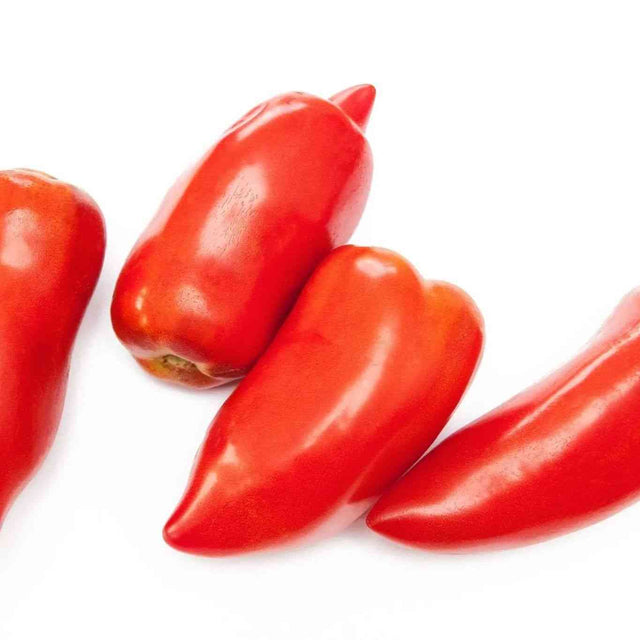
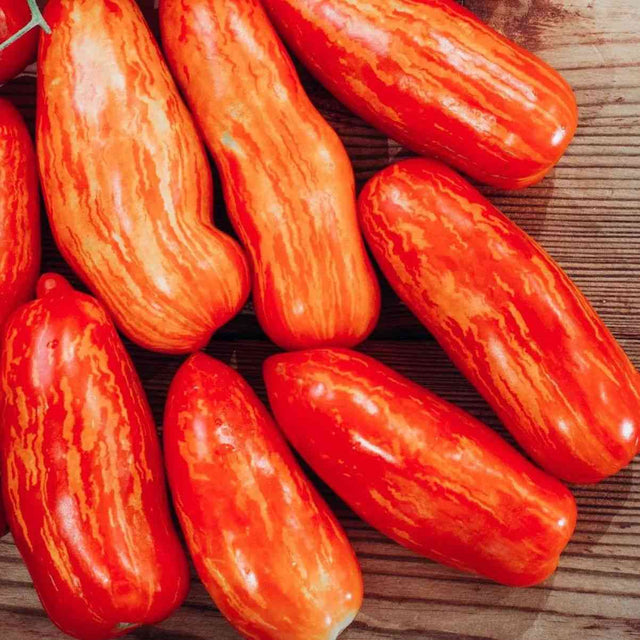
Paste tomato comparison
Amish Paste, Roma, and San Marzano are often grouped under one convenient label: paste tomato. That label is useful, but it hides important differences. Amish Paste is usually a larger indeterminate heirloom with variable fruit shape and rich fresh flavor. Roma types are commonly compact and determinate, producing a concentrated crop of smaller blocky fruit. San Marzano types are generally elongated, indeterminate, and prized for dense flesh and cooking quality.
The best choice depends on how you harvest and cook. A gardener who wants one large canning weekend may value a determinate Roma. A gardener who wants fresh sauce and kitchen fruit over a longer season may prefer an indeterminate type.
This comparison treats the names as starting points, not guarantees. Seed strain, climate, disease pressure, soil, and plant habit can change what reaches the pot.
A sauce tomato is not chosen by romance alone. The pot remembers water, seeds, skin, flavor, and how many hours the gardener stood over it.
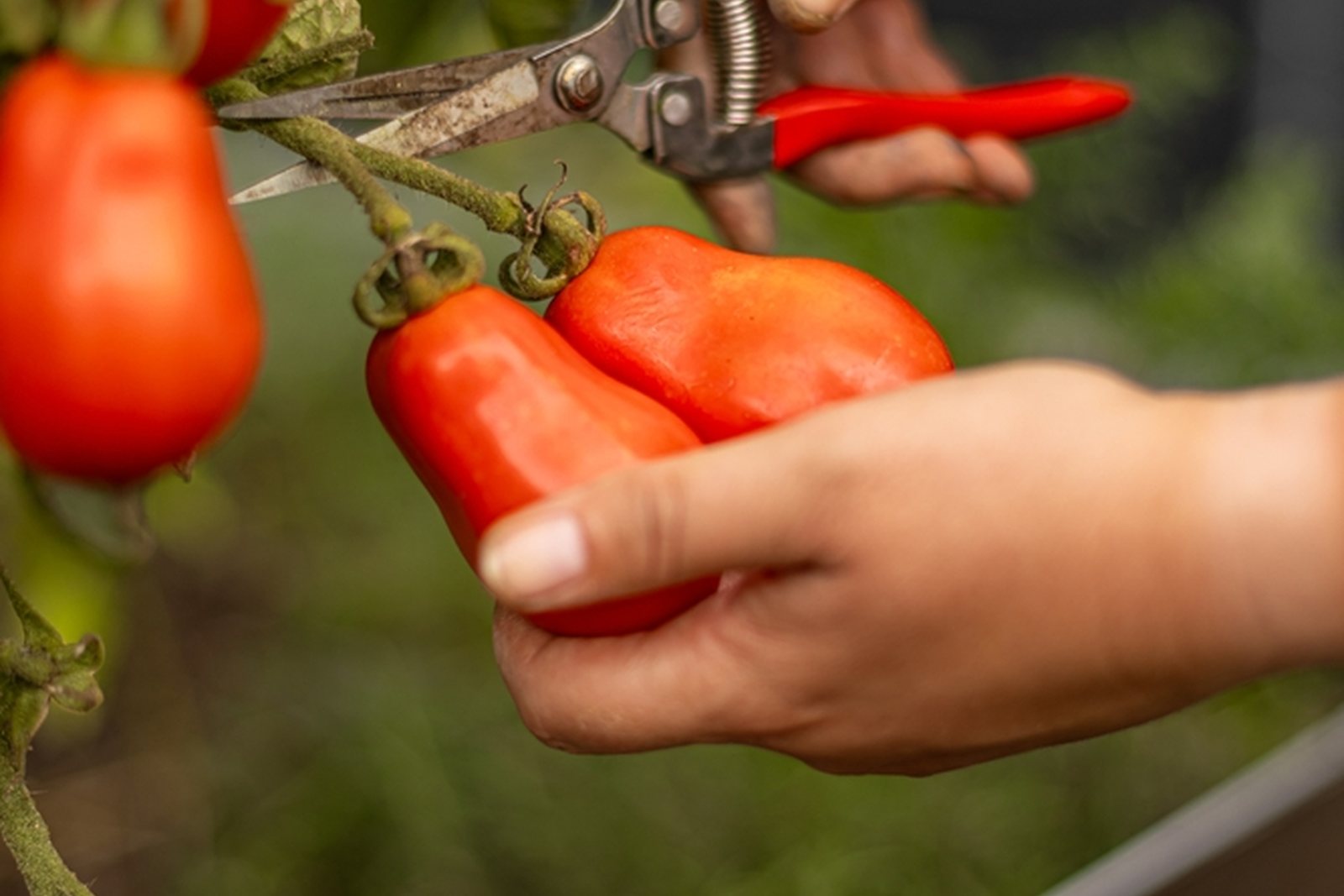
Run a paste-tomato trial by weight, time, and usable yield
Paste-tomato comparisons become useful when the kitchen record is connected to the field record. Fruit shape alone cannot tell you which variety will produce the best sauce in your conditions.
| Field measure | Practical starting point | How to use it |
|---|---|---|
| Plants per entry | At least 3 plants when space allows | One plant can be damaged or unusually vigorous. Multiple plants reveal whether the result is repeatable. |
| Plant spacing | About 18 to 30 inches for determinate types; 24 to 36 inches for indeterminate types | Use the actual habit of the named strain. Paste describes fruit use, not vine habit. |
| Raw batch weight | Use the same starting weight for every comparison | Five pounds is a manageable home trial. Record trimmed loss before cooking. |
| Cooking record | Minutes to target consistency plus finished sauce weight | A dense fruit may reduce faster and yield more finished sauce per pound. |
| Defect record | Cracks, blossom-end rot, sunscald, core waste, and internal defects | Usable yield matters more than gross harvest weight. |
| Harvest pattern | First ripe date, peak week, and duration | A concentrated crop supports a canning day. An extended crop may fit weekly cooking better. |
| Quart acidification | 2 tablespoons bottled lemon juice or 1/2 teaspoon citric acid | Add to each quart when following tested tomato-canning guidance. |
| Pint acidification | 1 tablespoon bottled lemon juice or 1/4 teaspoon citric acid | Add to each pint. Variety name, color, or perceived tartness does not replace this step. |
Roma is used both as a named cultivar and as a broad market description for plum-shaped tomatoes. San Marzano names can refer to different strains, selections, and seed sources. Amish Paste is often larger and more irregular than a standard plum type. Preserve the full name, source, and lot instead of shortening all elongated tomatoes to one category.
The best sauce tomato is not necessarily the driest raw fruit. Flavor, skin toughness, seed-cavity size, core waste, disease loss, cracking, and the timing of the harvest all affect the final jar. Run the same preparation method for every entry and record finished sauce weight.
Safe canning is a separate decision. Use a current tested recipe from the National Center for Home Food Preservation or another research-based source. Follow the specified jar size, acidification, headspace, and processing method. Do not improvise a shelf-stable recipe from taste or tradition alone.
Record the full comparison
- Exact strain name, seed source, and lot.
- Determinate or indeterminate habit and support used.
- First ripe date and peak-harvest week.
- Raw pounds, trimmed pounds, finished sauce weight, and cooking time.
- Cracking, blossom-end rot, sunscald, disease loss, and core waste.
- Fresh flavor, cooked flavor, texture, and whether the harvest fit the household schedule.
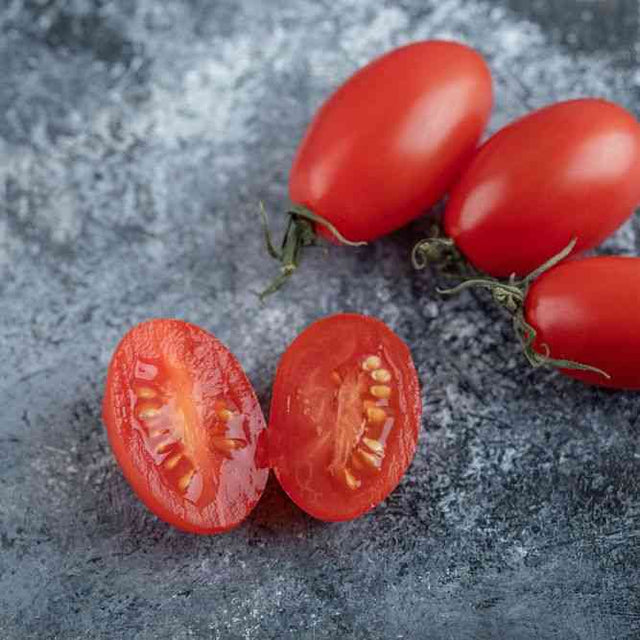
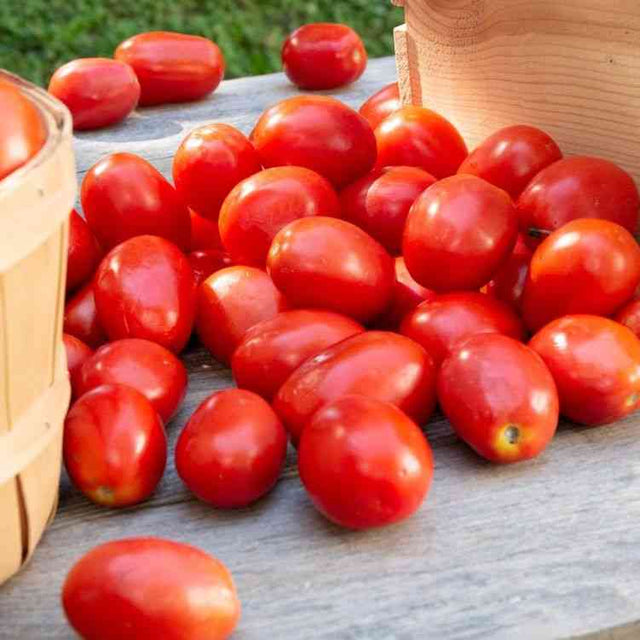
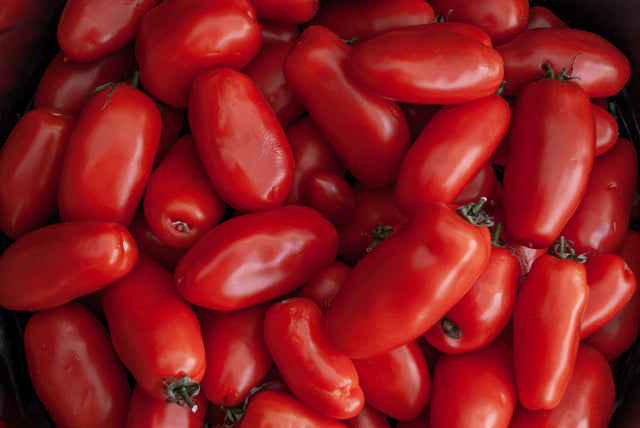
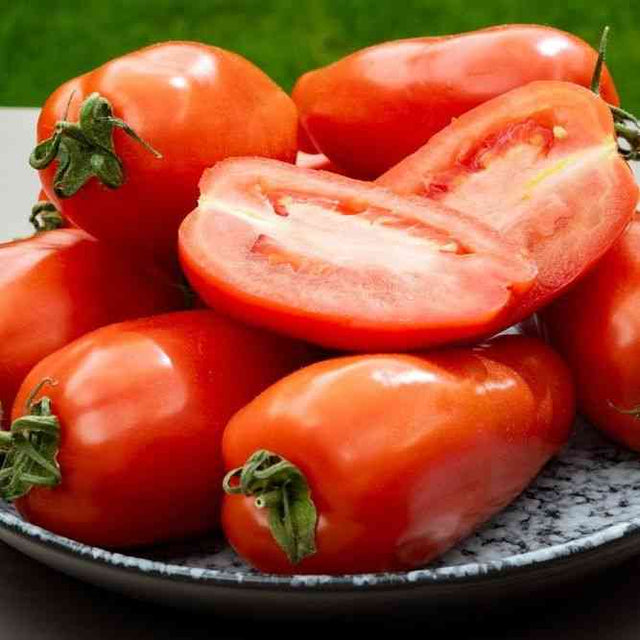
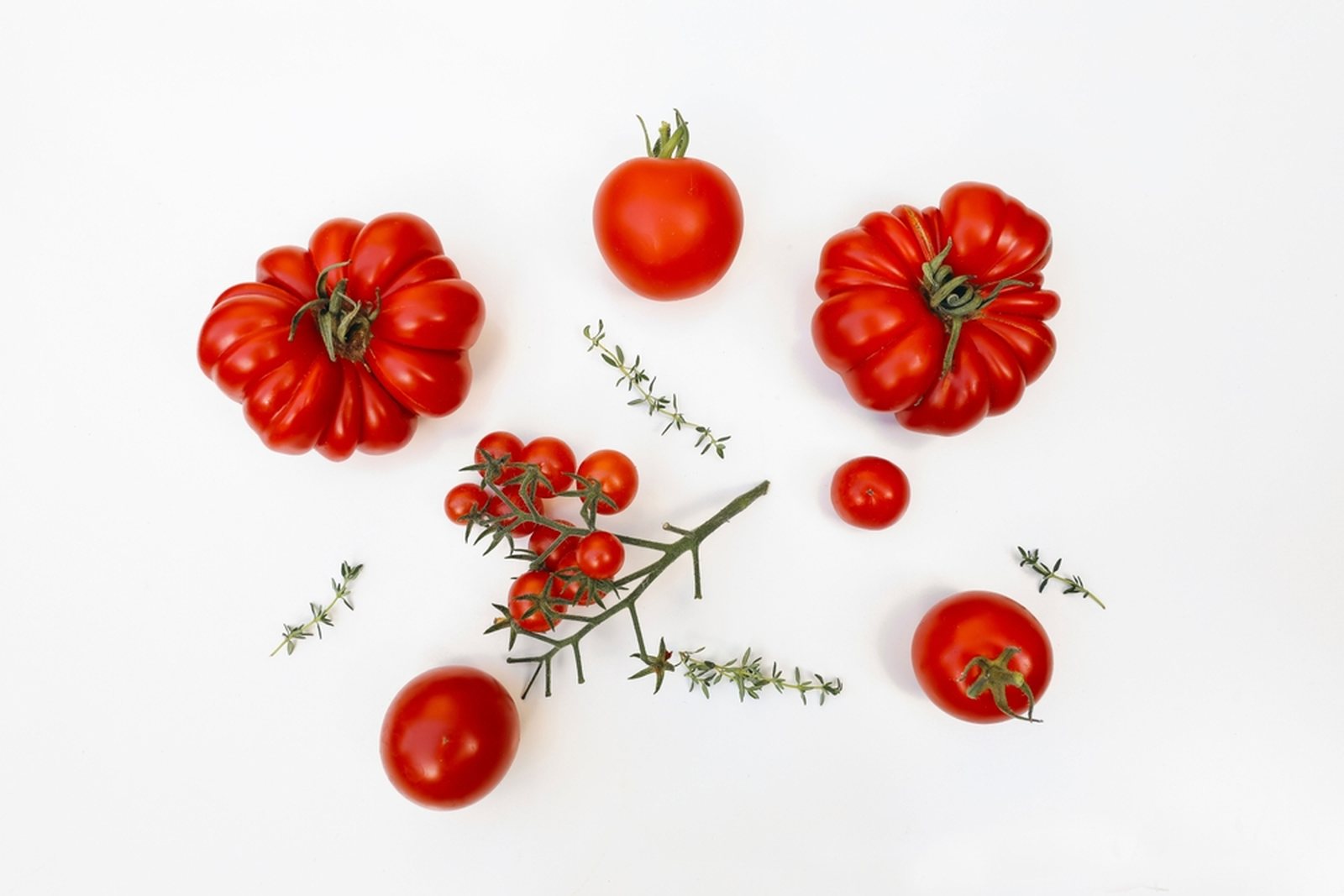
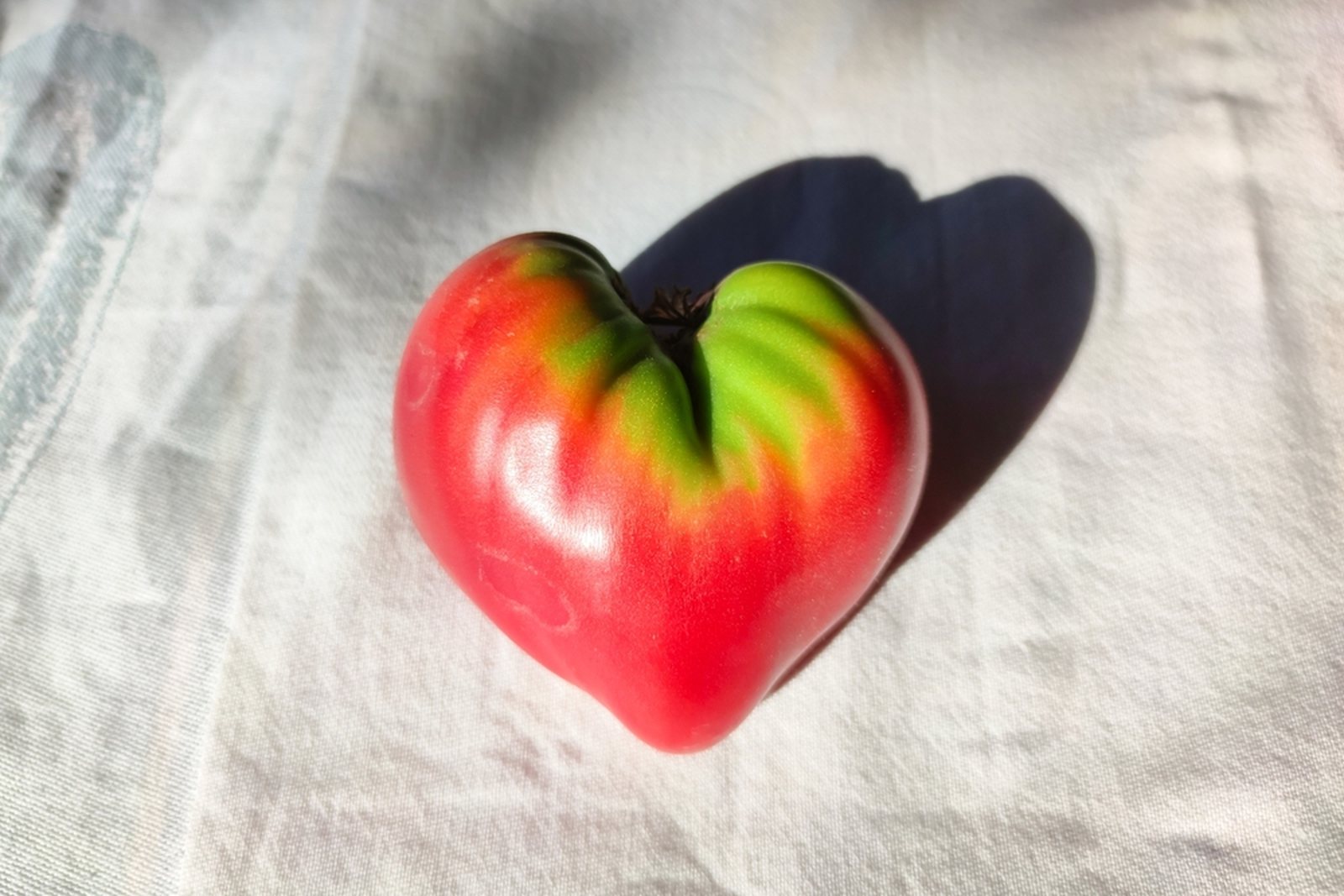
Important: A stock photograph of an elongated or round tomato cannot confirm Roma, San Marzano, or Amish Paste identity. Use the seed record, not the silhouette, as proof.
Match the variety to the work you want it to do
| Type | Typical plant habit | Fruit and kitchen character |
|---|---|---|
| Amish Paste | Indeterminate | Large plum to oxheart fruit, meaty but often juicier, strong fresh flavor |
| Roma | Often determinate | Smaller uniform plum fruit, concentrated harvest, efficient for processing |
| San Marzano | Usually indeterminate | Long narrow fruit, small seed cavity, dense flesh, excellent cooked texture |
Read the actual variety description. “Roma” can refer to a type as well as a named cultivar, and modern hybrids may behave differently from an open-pollinated Roma. San Marzano labels also cover multiple strains and selections.
Plan support and harvest timing before planting
Indeterminate plants need durable support and regular tying or trellising. Determinate plants stay shorter but can still collapse under a heavy synchronized crop. Install support before stems become tangled and fruit begins to load.
- Choose determinate plants for a concentrated processing window.
- Choose indeterminate plants for repeated harvests and a longer fresh-eating season.
- Plant more than one type when weather risk makes a single harvest pattern dangerous.
- Leave enough aisle space to pick fruit without tearing vines.
Days to maturity are estimates, not appointments. Heat, cool nights, transplant stress, fertility, and water all change the schedule.
Grow paste tomatoes as tomatoes first
All three types need full sun, warm soil, deep watering, and steady root-zone moisture. Start with a soil test rather than a heavy blanket fertilizer. Excess nitrogen can build vines while delaying fruit and increasing the work of support.
Mulch after the soil warms. Water at the base. Remove diseased lower leaves when needed, but do not strip a plant so severely that fruit loses protection from sunscald.
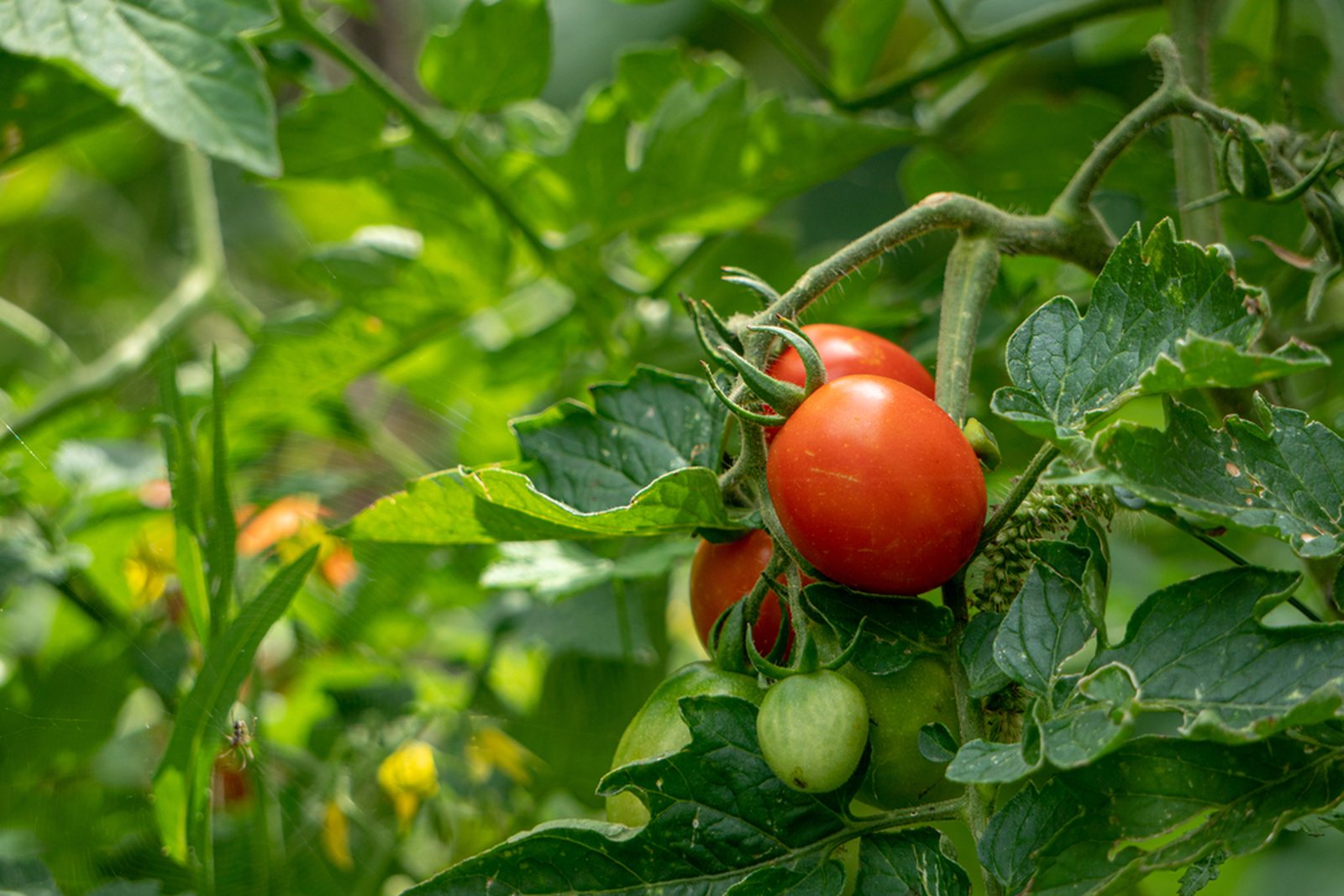
A paste tomato can still crack, sunscald, drop flowers, or develop blossom-end rot. Dense flesh changes kitchen behavior, not basic tomato physiology.
Judge fruit by the pot, not only by the cutting board
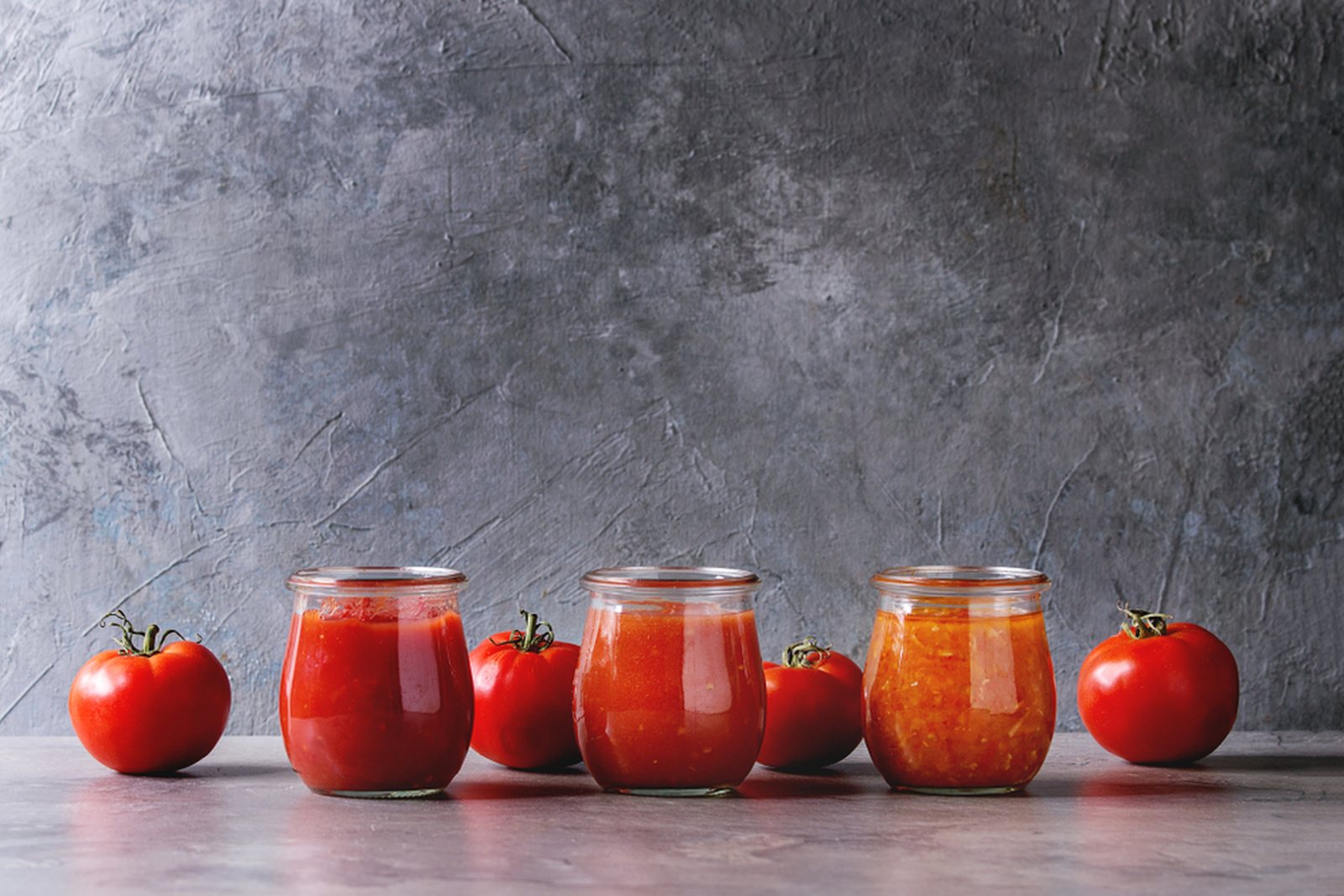
A dry-looking fruit is not automatically the best sauce tomato. Flavor concentration, skin, seed gel, pectin, and the proportion of usable flesh all matter. Cook a small single-variety batch before committing the whole harvest.
Amish Paste often brings strong fresh flavor and large fruit, but its size and moisture can vary. Roma types are efficient and uniform. San Marzano types often cook into a smooth dense sauce, but their tall plants and longer harvest may not fit every garden.
Harvest and handle for quality and safety
Pick fruit when fully colored and firm, before splits and insect damage spread. Sort sound fruit from cracked or diseased fruit immediately. Use tested canning recipes from a reliable preservation authority rather than adjusting acid, jar size, processing time, or ingredient ratios by instinct.
No tomato variety should be assumed safe for unacidified canning. Follow a current tested recipe and its directions for acidification, preparation, jar size, and processing method.
Troubleshoot by separating plant habit from fruit type
| Problem | Likely explanation | Adjustment |
|---|---|---|
| Huge vines, late fruit | Excess nitrogen, shade, or indeterminate habit | Reduce feeding, improve light, and support growth |
| One heavy harvest then decline | Normal determinate habit or stress | Plan the processing window or add an indeterminate type |
| Watery sauce | Variety character, rainy harvest, or insufficient reduction | Drain, roast, or cook longer; compare another strain next year |
| Sunscald | Sparse foliage or excessive pruning | Preserve healthy leaf cover and use temporary shade in extreme heat |
| Blossom-end rot | Moisture fluctuation and calcium movement disruption | Even out irrigation and avoid root injury or excessive feeding |
Do not judge a variety from one damaged season without recording the weather and management around it. Tomatoes are honest, but they report on the whole system.
Choose differently across the Mid-Atlantic
In humid eastern gardens, disease tolerance and airflow can matter more than a famous name. Coastal heat may interrupt fruit set during the hottest period. Piedmont and mountain gardens may favor different maturity windows.
A practical planting is often two types: one determinate plant for a reliable processing batch and one indeterminate plant for flavor and extended harvest. That is less romantic than betting the whole pantry on one name, and more likely to fill jars.
How to run a fair paste tomato trial
Do not decide this comparison from one fruit. I would grow at least three plants of each strain, record the transplant date, first bloom, first ripe fruit, total usable harvest, cracking, blossom-end rot, and the time required to reduce a measured batch into sauce. That turns a name comparison into a useful garden and kitchen record.
Use the same bed preparation, support, irrigation, and harvest standard for every entry. Weigh fruit before trimming, then weigh the usable flesh. Note how much watery gel must be cooked away, how easily skins release, and whether the flavor remains balanced after reduction. A tomato that looks wonderfully meaty on the cutting board may still produce less finished sauce than a smaller fruit that sets more reliably.
| Record | Why it matters | Simple method |
|---|---|---|
| Usable pounds per plant | Measures the crop that actually reaches the pot | Weigh sound fruit after removing spoiled portions |
| Minutes to prepare | Large shoulders, cores, and cracking add labor | Time one standard batch |
| Reduction ratio | Shows how much water must be cooked away | Measure raw volume and finished sauce volume |
| Harvest concentration | Determines whether you can process efficiently | Record pounds picked on each date |
| Flavor after cooking | Fresh flavor and cooked flavor are not identical | Taste the same unsalted reduction side by side |
For home canning, the cultivar does not replace a tested process. Use a current USDA or National Center for Home Food Preservation recipe, include the required acidification, and follow the stated jar size, headspace, processing method, and altitude adjustment. The variety can improve texture and flavor, but it does not rewrite food-safety rules.
My practical choice is often a mixed planting. One dependable determinate paste can provide a concentrated processing day, while an indeterminate paste such as Amish Paste or a maintained San Marzano strain extends the harvest. The exact winner is the one that performs in your soil, humidity, disease pressure, and kitchen, with the strain name recorded clearly enough to repeat the result next year.
Choose by the work the plant must do
For one large canning day, prioritize a determinate or concentrated-bearing line with strong usable yield. For repeated fresh sauce, roasting, and drying, an indeterminate paste tomato may be easier to use because fruit arrives over a longer window.
Planting two paste types often works better than asking one variety to provide concentration, flavor, disease resilience, and a perfect harvest schedule at the same time.
| What you observe | Most useful next check | Action that follows the evidence |
|---|---|---|
| The fruit is elongated | Verify the full variety name and plant habit | Treat shape as a clue, not proof of Roma or San Marzano identity. |
| The sauce is watery | Compare raw water loss, crop load, irrigation, and harvest stage | Cook equal weights and record finished yield before changing varieties. |
| The crop ripens too slowly for a canning batch | Check determinate versus indeterminate habit and peak-harvest timing | Add a concentrated-bearing paste type or increase plant count. |
| The family recipe is intended for shelf storage | Compare it with a current tested recipe | Use the tested acidification and processing instructions exactly. |
Amish Paste, Roma, and San Marzano are not interchangeable labels
The Amish Paste vs Roma vs San Marzano decision begins with the kitchen goal. Gardeners choosing paste tomatoes for sauce or the best tomatoes for canning need to compare sauce tomato yield, Roma tomato plant habit, San Marzano tomato strain identity, and Amish Paste tomato harvest pattern rather than fruit shape alone.
The comparison begins with identity. Amish Paste is generally sold as a large, indeterminate, open-pollinated paste tomato with variable elongated or oxheart-like fruit. Roma can refer to the named open-pollinated cultivar and is also used loosely for a broader class of plum-shaped processing tomatoes, including many hybrids. San Marzano refers to a family of elongated Italian paste tomato strains, and the name alone does not prove a protected geographic origin, one exact seed line, or one plant habit.
That distinction matters because a gardener may believe they are comparing three varieties while actually comparing one named cultivar, one market class, and one family of strains. Before testing them, record the exact packet name, supplier, lot, open-pollinated or hybrid status, plant habit, disease codes, and stated maturity.
| Comparison point | Amish Paste | Roma-type | San Marzano-type |
|---|---|---|---|
| Common plant habit | Usually indeterminate | Often determinate, but not always | Often indeterminate, but strain-dependent |
| Fruit form | Large elongated, plum, or oxheart-like fruit with visible variation | Medium plum or oval fruit, often relatively uniform | Long, narrow plum fruit, sometimes with a pointed end |
| Harvest pattern | Extended | Frequently more concentrated | Often extended |
| Likely garden advantage | Large fruit and fresh-plus-processing versatility | Efficient batch harvest and uniform preparation | Dense elongated fruit and traditional sauce association |
| Likely management demand | Tall support and repeated harvest | Strong cage or low trellis during a concentrated crop | Tall support, strain verification, and repeated harvest |
Fruit shape cannot confirm identity. A photograph of a long red tomato is not enough to label it San Marzano, Roma, or Amish Paste. The seed record and grow-out must carry the name.
Compare paste tomatoes with a ten-pound sauce trial
The most useful test starts with equal raw weight. Large fruit may be fast to core but variable in water content. Small uniform fruit may take longer to trim but deliver more total crop. A tomato that looks dense when sliced may still require substantial reduction. A ten-pound trial exposes those differences.
- Harvest fruit at the same ripe standard and from comparable dates.
- Weigh 10 pounds of sound fruit from each entry.
- Record cull weight, core weight, and any skin or damaged tissue removed.
- Use the same preparation method: crushed, food-milled, roasted, or peeled.
- Cook in pans with the same diameter and heat setting.
- Record time to the same final consistency.
- Measure finished sauce by weight or volume.
- Taste an unsalted sample before seasoning.
| Metric | Formula | What it reveals |
|---|---|---|
| Usable percentage | Prepared fruit weight divided by raw fruit weight x 100 | Waste from cores, cracks, rot, and trimming |
| Reduction percentage | (Prepared weight - finished weight) divided by prepared weight x 100 | Water lost during cooking |
| Finished yield | Finished ounces or quarts per 10 pounds raw fruit | The result that actually reaches the jar or freezer |
| Labor rate | Preparation minutes per pound | Whether uniformity saves meaningful kitchen time |
| Harvest concentration | Largest seven-day usable harvest divided by season usable harvest | How well the plant supports one processing day |
Run the test twice if possible. Rain before one harvest can change water content. A single batch may reflect weather more than genetics.
How many paste tomato plants do you need for sauce?
Start with finished product, not a plants-per-person slogan. The National Center for Home Food Preservation estimates about 5 pounds of tomatoes per quart of thin sauce and about 6.5 pounds per quart of thick sauce. Those are average processing quantities. Your garden must also cover fruit lost to cracking, disease, insects, wildlife, sunscald, and trimming.
Planning example: Ten quarts of thick sauce require roughly 65 pounds of sound tomatoes. Add a 20 percent allowance and the garden target becomes about 81 pounds. Divide that target by the usable pounds per plant from your own records. If a trial produced 9 usable pounds per plant, nine plants are a reasonable starting calculation. If there is no local record, grow two paste types and measure before expanding.
Determinate Roma-type plants may make it easier to collect a large batch. Indeterminate Amish Paste or San Marzano strains may distribute the same seasonal weight across more picking dates. The correct plant count therefore depends on both total pounds and the size of the batch you can process in one day.
Manage paste tomatoes according to plant habit
| Management decision | Determinate Roma-type | Indeterminate Amish Paste or San Marzano-type |
|---|---|---|
| Spacing | Often 18 to 30 inches with a strong cage or weave, depending on vigor | Often 24 to 36 inches with tall support; widen in humid sites |
| Support | Heavy cage or Florida weave that can hold a concentrated crop | 6 to 7 foot stake, tall cage, or trellis installed at transplanting |
| Pruning | Usually minimal; removing productive suckers can reduce the concentrated crop | Selective pruning to fit the support while preserving leaf cover |
| Harvest labor | Large peak harvest and fewer major processing dates | Repeated picking and smaller batches over a longer season |
| Heat strategy | Time the main fruit set before severe heat where possible | Preserve healthy vines for a later fruit-set window |
Do not prune a determinate processing plant as though it were a single-stem greenhouse vine. Its branching pattern carries much of the crop. On indeterminate paste tomatoes, prune only enough to keep the plant tied, accessible, and able to dry after rain. Excessive leaf removal can expose elongated fruit to sunscald.
Diagnose the disorders that change usable sauce yield
Processing value is determined by usable fruit, not gross fruit count.
- Blossom-end rot: often follows inconsistent moisture and disrupted calcium movement. Stabilize root-zone moisture, avoid root damage, and follow soil-test fertility guidance.
- Cracking: rapid water uptake after dry conditions can split fruit. Mulch, irrigate consistently, and harvest mature fruit before a major rain when practical.
- Sunscald: pale or papery areas develop on exposed fruit. Preserve healthy foliage and avoid severe pruning in hot weather.
- Shoulder cracking around the calyx: can increase trimming labor even when the rest of the fruit is sound.
- Late harvest rot: concentrated crops require frequent picking. A determinate plant can lose its processing advantage if ripe fruit sits through repeated rain.
Track cull reasons by weight. If one variety produces 20 percent more gross fruit but twice the crack loss, it may not be the better processing tomato.
Canning safety: variety choice never replaces a tested process
Do not assume a paste tomato, heirloom, yellow tomato, or famously "acid" variety can be canned without the acidification required by the tested recipe. Tomato acidity varies with cultivar, maturity, growing conditions, and fruit condition. Current National Center for Home Food Preservation guidance requires acidification for whole, crushed, or juiced tomatoes, including pressure-canning options developed for acidified tomato products.
| Acidifier | Pint | Quart |
|---|---|---|
| Bottled lemon juice | 1 tablespoon | 2 tablespoons |
| Citric acid | 1/4 teaspoon | 1/2 teaspoon |
| 5 percent acidity vinegar | 2 tablespoons | 4 tablespoons |
Use only the amounts and options stated in the tested recipe. Bottled lemon juice is standardized; fresh lemon juice is not the listed substitution. Do not alter jar size, low-acid ingredients, headspace, processing time, or altitude adjustment by intuition. When in doubt, freeze the sauce rather than improvising a shelf-stable method.
Which paste tomato should you choose?
| If your priority is... | Start with... | Confirm by measuring... |
|---|---|---|
| One large canning day | A determinate Roma-type with a concentrated harvest | Peak seven-day usable pounds and preparation time |
| Fresh sauce every week | An indeterminate Amish Paste or San Marzano-type strain | Harvest continuity and cooked flavor across dates |
| Large fruit with fresh-eating versatility | Amish Paste | Cracking, core size, and usable weight |
| Uniform drying or roasting | A uniform plum-shaped Roma-type | Prepared pieces per tray and drying time |
| Seed stewardship | A documented open-pollinated strain with clear source records | Plant uniformity, parent count, and isolation |
| Humid-climate reliability | The entry with the best local disease and crack record, regardless of fame | Usable yield and loss percentage |
The strongest garden may contain two types: a determinate processing line for the main batch and an indeterminate paste tomato for continued harvest. That spreads risk across weather, disease, and kitchen schedule.
Design the harvest around the kitchen's actual capacity
A concentrated crop is useful only when the household can process it. Before planting, write down the largest safe batch your equipment and schedule can handle. A 21-quart stockpot, a food mill, one oven, and seven-quart canner create a different workflow from a small saucepan and freezer containers.
| Kitchen constraint | Garden consequence | Useful variety choice |
|---|---|---|
| One large weekend processing day | Need a high peak seven-day harvest | Determinate Roma-type plus staggered picking immediately before the batch |
| Small weekday batches | Need fruit that holds briefly and arrives over time | Indeterminate Amish Paste or San Marzano-type |
| Limited freezer space | Need tested shelf-stable recipes or reduced production | Plan finished quarts before plant count |
| No food mill | Peeling and seeding labor matters more | Uniform fruit with easy cores and manageable cavities |
| Roasting rather than simmering | Tray area is the limiting resource | Uniform dense fruit that fits trays efficiently |
| Fresh eating plus sauce | Fruit must perform in two uses | Amish Paste or another large flavorful paste type |
Keep a batch sheet beside the stove. Record raw weight, prepared weight, cooking start and finish, pan size, finished volume, and tasting notes. The following winter, the sheet will tell you how many plants the kitchen can use rather than how many the catalog made attractive.
Compare paste tomatoes fresh, roasted, dried, and sauced
A paste tomato that makes thick sauce is not automatically the best fresh tomato. Run four small tests.
- Fresh: taste room-temperature slices for sweetness, acidity, aroma, skin, and mealiness.
- Roasted: roast equal weights with no seasoning and compare water loss, caramelization, and flavor concentration.
- Dried: slice to equal thickness and record drying time and finished weight.
- Sauce: cook equal prepared weights to the same consistency and measure final yield.
Amish Paste may win fresh versatility while a uniform Roma-type wins preparation speed. A San Marzano strain may produce excellent cooked texture but require a longer picking season. One plant does not need to win all four tests.
Adjust the paste tomato plan for eastern North Carolina
Eastern North Carolina combines warm nights, high humidity, intense rain, sandy soils in many locations, and occasional saturated conditions. The processing tomato plan should include:
- Organic matter and irrigation management that reduce rapid dry-wet swings in sandy soil.
- Raised or well-drained beds where temporary saturation is common.
- A mulch layer that reduces splash and conserves moisture.
- Enough spacing for the mature canopy to dry.
- Early fruit-set opportunity before the hottest nights.
- A second or extended-harvest type for a later favorable window.
- Frequent harvest around tropical rain and cracking risk.
Do not use a famous Italian or Midwestern name as a climate guarantee. The local winner is the seed line that produces the most usable processed food under local pressure with acceptable labor.
A complete Amish Paste vs. Roma vs. San Marzano scorecard
| Category | Measure | Weight if sauce is the goal |
|---|---|---|
| Establishment | Surviving healthy plants at 21 days | 5 percent |
| Harvest timing | Peak seven-day usable pounds | 15 percent |
| Usable yield | Sound prepared pounds per plant | 25 percent |
| Preparation labor | Minutes per 10 pounds | 10 percent |
| Finished sauce | Quarts per 10 pounds raw fruit | 20 percent |
| Cooked flavor | Blind score after equal reduction | 15 percent |
| Losses | Crack, rot, sunscald, and blossom-end-rot percentage | 10 percent |
The weights can be changed. A fresh-market gardener may give flavor and appearance more importance. A seedkeeper may add identity, population, and seed quality. The value of the scorecard is not the exact percentage. It is forcing the decision to use more than one attractive fruit.
Detailed questions about Amish Paste, Roma, and San Marzano tomatoes
Is Amish Paste better than Roma for sauce?
It depends on the goal. Amish Paste often offers large fruit and fresh-eating versatility, but its indeterminate harvest can be spread over time. A determinate Roma-type can provide a concentrated, uniform batch. Compare finished sauce from equal raw weights and record preparation labor before choosing.
Is every plum tomato a Roma tomato?
No. Plum describes a fruit form. Roma is a named cultivar and is also used loosely as a market category. Many modern plum hybrids differ in habit, maturity, disease resistance, and flavor. Use the full variety name and source rather than identifying fruit from shape alone.
Can San Marzano tomatoes be grown outside Italy?
San Marzano-type seed can be grown in many gardens, but fruit grown elsewhere is not the same as a protected geographic food product. Garden performance depends on the strain, climate, soil, support, and harvest. Record the exact seed line instead of relying on the name alone.
Which paste tomato is easiest for canning?
A uniform determinate Roma-type is often easiest when one large harvest and quick preparation are priorities. The safest canning process is determined by the tested recipe, not the variety. Acidify and process exactly as directed.
How many pounds of tomatoes make a quart of sauce?
The National Center for Home Food Preservation estimates about 5 pounds per quart for thin sauce and about 6.5 pounds per quart for thick sauce. Actual yield changes with fruit solids, trimming, and reduction. Weigh your own batches for next year's plant count.
Do paste tomatoes need pruning?
Plant habit decides. Determinate processing tomatoes usually need little pruning because branches carry the concentrated crop. Indeterminate Amish Paste and many San Marzano strains can be selectively trained to fit a tall support, but enough foliage should remain to protect fruit.
Are paste tomatoes low acid?
Do not make a safety decision from fruit type or taste. Tomato acidity varies. Tested home-canning recipes require acidification for tomato products regardless of whether the fruit is paste, slicer, red, yellow, heirloom, or hybrid.
Can Amish Paste, Roma, and San Marzano be planted together?
Yes for eating and processing. If seed purity matters, crossing risk must be managed. Tomatoes mostly self-pollinate, but crossing is possible. Use distance, blossom bags, or controlled pollination and keep each seed lot separately labeled.
Paste tomato plant-count scenarios
Use these only as examples of the calculation, not yield promises.
| Household goal | Raw-fruit target | Planning method |
|---|---|---|
| 6 quarts thin sauce | About 30 pounds sound fruit | Add loss allowance, then divide by recorded usable pounds per plant |
| 6 quarts thick sauce | About 39 pounds sound fruit | Use 6.5 pounds per quart plus culls |
| 14 quarts thick sauce | About 91 pounds sound fruit | Split between a concentrated and extended-harvest type |
| Weekly fresh sauce | Set pounds per week rather than total jars | Favor indeterminate harvest continuity |
Suppose a determinate Roma-type averaged 7 usable pounds per plant and Amish Paste averaged 11 pounds, but the Roma crop delivered 60 percent of its harvest within ten days. The Roma may still be better for one canning weekend, while Amish Paste may be better for weekly cooking. Total yield and harvest concentration answer different questions.
Paste tomato season checklist
- Before sowing: confirm the exact strain, habit, maturity, and preservation goal.
- At transplanting: install the support, map every plant, and record soil conditions.
- At first flower: mark clusters and note temperature.
- At first ripe fruit: begin usable-yield and cull records.
- Before peak harvest: schedule kitchen labor, jars, freezer space, and tested recipes.
- During processing: measure raw, prepared, and finished weights.
- After the crop: score flavor, labor, crack loss, and harvest concentration.
- Before saving seed: select healthy typical open-pollinated parents and document isolation.
This checklist turns the Amish Paste vs. Roma vs. San Marzano decision into a full garden-to-kitchen comparison. The winner may change when the goal changes.
Questions gardeners ask
Which makes the thickest sauce?
San Marzano types are often dense and low in seed gel, but strain, weather, and cooking method matter. Test the fruit you actually grow.
Is Amish Paste determinate?
It is generally indeterminate and needs substantial support.
Are all Roma tomatoes the same?
No. Roma is used for a named open-pollinated variety and for a broader fruit type. Hybrids and selections differ in plant habit, disease resistance, and flavor.
Can paste tomatoes be eaten fresh?
Yes. Many are excellent fresh, though texture and seed gel differ from slicers.
Which is best for one large canning day?
A determinate Roma-type plant usually concentrates harvest more tightly than Amish Paste or San Marzano.