Welcome to our store. Learn more

Free U.S. seed shipping $25+. Seeds ship free at the threshold.

Current Processing Times Before Shipping Are 1-2 Business Days

25% OFF Heirloom seed packets are $1.50, regularly $2.00. Seed packets only · sale price already applied · carries into checkout · coupon codes do not combine. Shop the sale →

Roma VF

Scientific name Solanum lycopersicum L.

About this variety

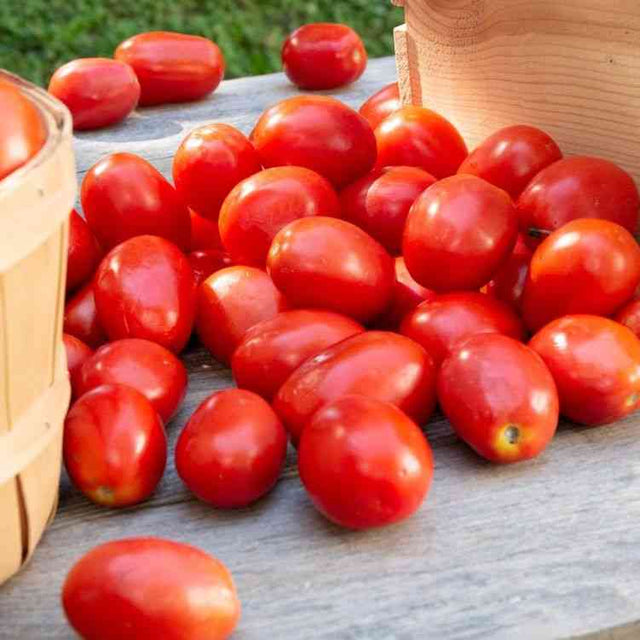
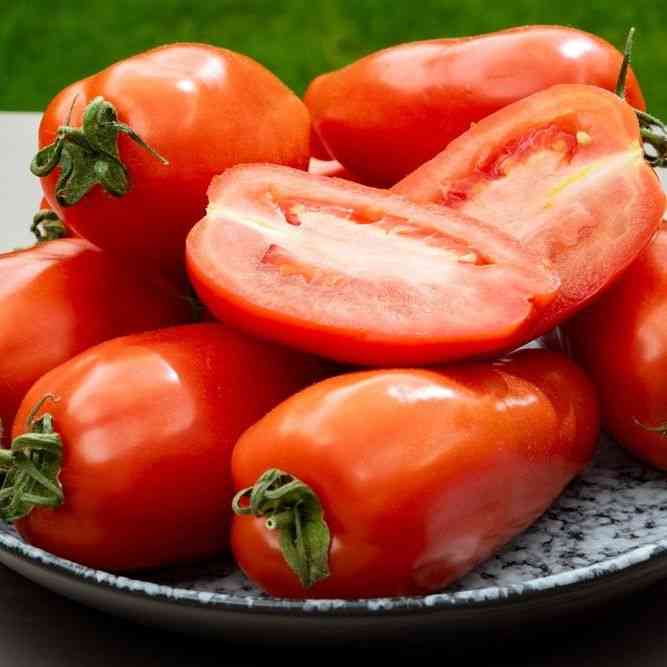
Roma VF tomato seeds grow into determinate plants reaching 37–48 in, bearing red fruit about 3 oz. This paste tomato is especially suited to sauce, roasting, drying, fresh cooking, and small-batch preservation. Maturity is 70-79 Days from transplanting.About Roma VFRoma VF is a paste tomato grown as Solanum lycopersicum L. Plants have a determinate habit and reach 37–48...

Continue with the complete description
$150 USD $200
25% OFF
Heirloom seed packet sale

$1.50, regularly $2.00. The sale price is already applied and carries into checkout. No code is needed. Coupon codes do not combine with this offer.

At a glance

The facts most gardeners need first

View the full variety record
25 minimum seeds per packet
Gardener experience

Easy

Germination difficulty

Easy

Germination time

6–12 Days at 75–90 °F seed-zone soil temperature

  • Germination
    6–12 Daysa seed-zone soil temperature of 75–90 °F
  • Maturity
    70-79 DaysCounted from transplanting under suitable conditions.
  • Sun
    Full sun
  • Support and spacing
    Cage recommended · space 24 in · rows 36 in
  • Growth habit
    Determinate · Annual · 37–48 in tall
  • Best use
    Sauce, roasting, drying, fresh cooking, and small-batch preservation
Secure checkout Details
Generic
Triple-tested seed qualityRegular quality and germination checks support every packet.

We regularly test seed quality and germination as lots move through storage and packing. We stand behind the seed we send and want customers to contact us when a packet does not perform as reasonably expected.

1-year seed warrantyCoverage begins on the date of purchase.

When properly stored, planted, and cared for, we guarantee reasonable germination and true-to-type growth for one year from the date of purchase. Conditions outside our control—including extreme weather, pests, unsuitable storage, and gardener error—are excluded. Contact us when something is not right so we can review the situation and work toward a replacement, refund, or another fair resolution.

Non-GMO / BE seed policyWe do not buy or sell genetically engineered or bioengineered seed.

Every seed variety we sell is non-GMO.

USDA’s National Bioengineered Food Disclosure Standard defines bioengineered foods as containing detectable genetic material modified through in vitro recombinant DNA methods in ways not achievable through conventional breeding or found in nature.

  • Hybrid means parent lines were conventionally crossed; hybrid does not mean GMO.
  • Heirloom and open-pollinated describe how a variety is maintained and reproduced.
  • Organic certification is separate and is shown only when verified for the individual product.
Packed in Colerain, North CarolinaPrepared in our seed room for gardens across the country.

Seeds are packed and shipped from Colerain, North Carolina. Our packets use forestry-certified paper, and we use recyclable paper mailers where appropriate. AONSK is also a 1% for the Planet partner while continuing to reduce waste in packing and fulfillment.

Garden tools

Need a plan for your space?

Use the garden-fit planner and soil calculator to turn the recorded growing facts into a practical plan.

Open garden tools Uses this product’s recorded growing information. Local weather and garden conditions may vary.

Variety field guide

What to expect from Roma VF

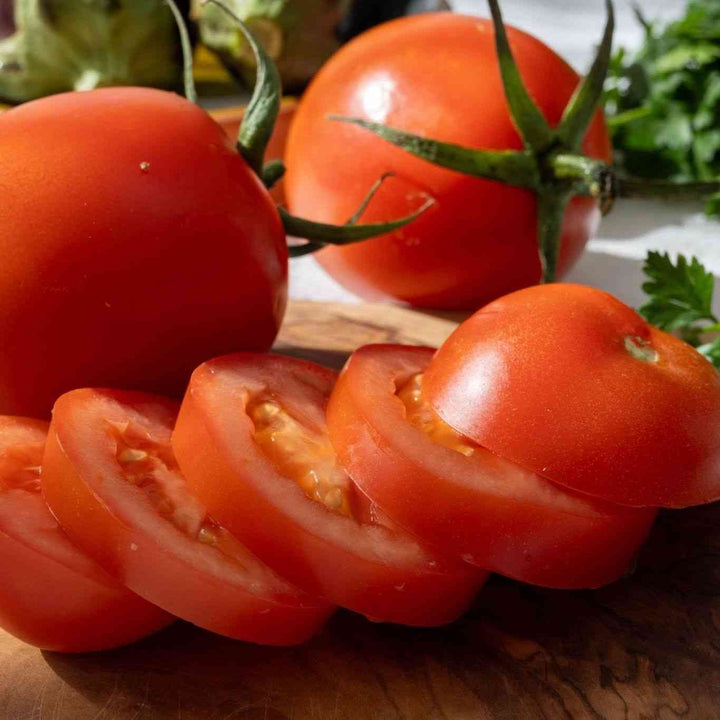
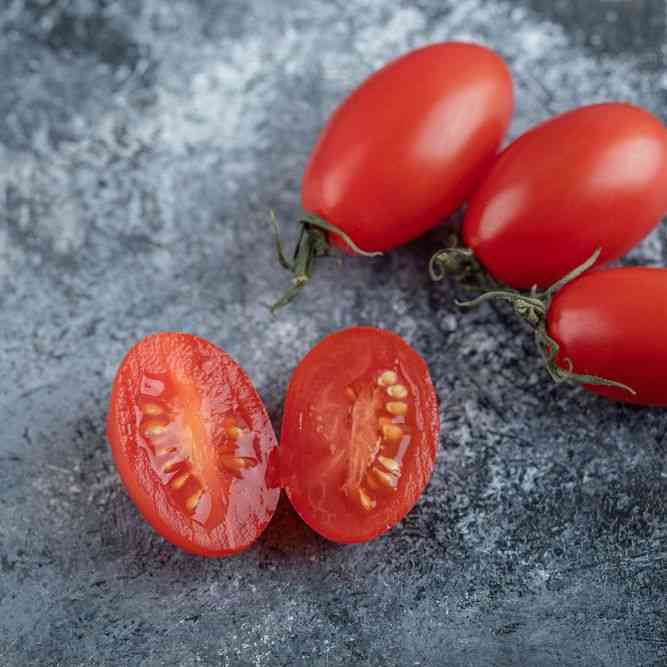
Roma VF tomato seeds produce red paste tomato fruit about 3 oz on determinate plants reaching 37–48 in; maturity is 70-79 Days.

Read the complete product descriptionTraits, flavor, garden use, variety notes, and the full catalog record

Roma VF tomato seeds grow into determinate plants reaching 37–48 in, bearing red fruit about 3 oz. This paste tomato is especially suited to sauce, roasting, drying, fresh cooking, and small-batch preservation. Maturity is 70-79 Days from transplanting.

About Roma VF

Roma VF is a paste tomato grown as Solanum lycopersicum L. Plants have a determinate habit and reach 37–48 in; support is listed as cage. The principal mature or market color is Red, with fruit described as about 3 oz. Reproductive classification: Open-Pollinated (OP). Maturity: 70-79 Days. Names associated with this variety include Tomato, Tomato Seeds - Determinate - Roma VF.

  • Scientific name:Solanum lycopersicum L.
  • Life cycle:Annual
  • Planting season:Spring
  • Growth habit:Determinate
  • Plant height:37–48 in
  • Sunlight:Full sun
  • Seed depth:1/8 in
  • Germination:6–12 Days at 75–90 °F
  • Spacing:24 in between plants; 36 in between rows
  • Soil:Loamy; pH 6.0–6.5
  • Water:Moderate
  • Support:Cage
  • Reproductive type:Open-Pollinated (OP)
  • Fruit:Red; About 3 oz

History and seedkeeping context

Roma VF is an open-pollinated determinate paste tomato. Roma VF belongs to the modern tradition of compact, productive paste tomatoes selected for processing usefulness and a defined resistance package. The letters VF refer to resistance claims for Verticillium and Fusarium wilts; resistance reduces risk but does not replace rotation, sanitation, and accurate diagnosis.

Roma VF is maintained in this catalog as an open-pollinated (op) paste tomato. Published records support the cultivar name and the observable fruit and plant traits used on this page. Where the available documentation does not preserve a complete breeder, family, or community chain, Species-level tomato domestication in Andean South America is kept separate from the later history of this named cultivar, which may involve farmers, public breeders, gardeners, market growers, and seedkeepers in other regions.

The listed heritage classification is Heirloom; it describes the catalog classification and does not prove an undocumented origin story.

Fruit, flavor, and kitchen use

Roma VF is best for sauce, roasting, drying, fresh cooking, and small-batch preservation. The expected flavor is dense, savory tomato flavor with meaty flesh and restrained juice. Fruit is described as red and about 3 oz. Use a tested current recipe for home canning; cultivar name alone does not establish safe acidity. Roma VF is especially useful for sauce, roasting, drying, fresh cooking, and small-batch preservation. Flavor and eating quality are described as dense, savory tomato flavor with meaty flesh and restrained juice. For home canning, use a tested current recipe; cultivar name, color, or perceived sweetness does not establish safe acidity.

How to grow Roma VF

Start Roma VF indoors about 6 to 8 weeks before the last expected frost. Sow 1/8 in deep in a warm, evenly moist seed-starting mix; expect 6–12 Days near 75–90 °F. Give seedlings strong light, move them into larger cells before they become root-bound, and harden them gradually before planting outside after frost danger.

Plant in full sun with loamy soil near pH 6.0–6.5. Space plants 24 in apart and rows 36 in apart. Maintain moderate moisture, mulch after the soil warms, and keep foliage off wet soil where possible. Set up cage at transplanting. The determinate plant reaches 37–48 in.

Season care

• Give Roma VF strong light from emergence so seedlings remain stocky rather than stretched. • Install cage when transplanting; adding support after vines are large can damage roots and stems. • Water at the soil line and maintain even moisture to reduce cracking, blossom-end rot risk, and stress-related fruit problems. • Harvest when the fruit has reached its cultivar-specific color and gives slightly to gentle pressure; color alone can be misleading on green, purple, or striped varieties. • Use 70-79 Days as a planning range rather than a guaranteed calendar date; weather and transplant stress can shift first harvest.

Harvest and maturity

70-79 Days from transplanting under suitable conditions. Harvest when the cultivar-specific color has developed and the fruit gives slightly to gentle pressure; green-ripe, striped, purple, and dark cultivars require more than a simple red-color test.

Saving seed

Tomatoes are primarily self-pollinating, but occasional crossing can occur. To maintain Roma VF, save seed from several healthy true-to-type plants and bag unopened flower clusters when extra isolation is needed. Allow labeled fruit to ripen fully, squeeze the seed and gel into a container, ferment briefly until the gel releases, rinse clean, and dry the seed in a thin labeled layer. Store the finished lot cool and dry with the year, source, plant count, and isolation notes.

Common questions

When is Roma VF ready?

Plan around 70-79 Days. The listed range is a planning guide, and weather, transplant stress, and harvest stage can shift the actual date.

How long does germination take?

Expect 6–12 Days near 75–90 °F. Cooler media, excess water, old seed, or uneven moisture can delay emergence.

How large does it grow?

Expect about 37–48 in. Growth habit: Determinate. Support: Cage.

How is it used?

Sauce, roasting, drying, fresh cooking, and small-batch preservation

Can I save seed?

Tomatoes are primarily self-pollinating, but occasional crossing can occur.
Garden toolsOpen the garden-fit planner, planting-window questions, or soil calculator only when useful

Uses this product’s recorded growing information. Local weather, soil, and garden conditions may vary.

Garden-fit planning for this variety

Will Roma VF fit your garden?

Compare this tomato with your season, expected temperatures, sunlight, soil, drainage, water access, support, crop history, and harvest goals.

Add a ZIP code and planting plan for seasonal context. The planner will estimate a broad frost window and typical planting-period temperatures. It does not use live weather.
1 Location, timing, and temperatures
2 Light, site, and growing space
3 Soil, drainage, and soil testing
4 Water, mulch, support, and crop history
5 Harvest goals and experience
6 Seed-starting fit and patience

Seed germination and growing the mature crop are different skills. These answers help the planner explain which part may need more experience.

Recorded profile for this seedBeginner · EasyReview the complete Seed Success Profile
Enter what you know about the garden. You can leave questions blank. The result will separate strong matches, planning needs, and reasons another tomato might be easier.

This planning tool uses broad regional frost windows, broad monthly temperature patterns, your own temperature entries when supplied, and the recorded product facts. It is not live weather or a guarantee. Local weather, microclimates, transplant health, soil conditions, and care can change the outcome.

Soil test, pH, drainage, and amendment calculator Have a laboratory soil report? Enter pH, nutrients, texture, bed size, and site observations here. Open soil tools
Recorded soil typeLoamy
Recorded pH range6.0–6.5
Water needsModerate
LightFull sun

Professional garden planning tool

Tomato Soil Test & Amendment Calculator

Translate a laboratory report into a bed-sized amendment estimate for Solanum lycopersicum.

Uses your lab values
Enter the numbers exactly as the laboratory reported them. Select the matching extractant and use the laboratory’s crop recommendation and every product label as the final authority. Field-soil rates do not apply to container mixes.
Need a laboratory soil test?Find your state Extension lab

Best option: your state’s Cooperative Extension soil testing lab.

Tip: Arid and alkaline-region laboratories may use Olsen phosphorus instead of Mehlich-3. Match the method printed on your report.
1

Report method and bed size

Choose the laboratory method and tell us how much ground you are amending.

Use the method printed on the report.
sq ft
Used to scale the shopping-list amounts.
Changes the size of the pH estimate.
2

Acidity and organic matter

Enter the pH and organic-matter percentage from the report.

Uses this product’s listed pH range.
%
Many garden beds perform well around 4–8%.
3

Nutrients reported by the lab

Enter ppm values only when your report uses ppm for these nutrients.

ppm
Target changes with extractant.
ppm
Broad tomato planning range: 150–200 ppm.
ppm
Interpret with pH, moisture, and lab guidance.
ppm
Interpret with pH and the laboratory recommendation.
The result scales broad educational estimates to the bed area. The laboratory recommendation and amendment label remain the final authority.
Enter at least one laboratory value above, then calculate.

Turn your soil report into a planting plan

Use the calculated pattern alongside the product label, your laboratory recommendation, and the way water moves through the bed. Read AONSK home and garden guides · Compare tomato varieties · Shop soil amendments · Shop fertilizers

Full growing record

Complete growing and seedkeeping record

Starting and plantingSeed preparation, sowing, germination, transplanting, spacing, and early establishment
Start Roma VF indoors about 6 to 8 weeks before the last expected frost. Sow 1/8 in deep in a warm, evenly moist seed-starting mix; expect 6–12 Days near 75–90 °F. Give seedlings strong light, move them into larger cells before they become root-bound, and harden them gradually before planting outside after frost danger.

Plant in full sun with loamy soil near pH 6.0–6.5. Space plants 24 in apart and rows 36 in apart. Maintain moderate moisture, mulch after the soil warms, and keep foliage off wet soil where possible. Set up cage at transplanting. The determinate plant reaches 37–48 in.
Season-long growing guideWater, fertility, support, weather response, pollination, containers, and care through maturity
Start Roma VF indoors about 6 to 8 weeks before the last expected frost. Sow 1/8 in deep in a warm, evenly moist seed-starting mix; expect 6–12 Days near 75–90 °F. Give seedlings strong light, move them into larger cells before they become root-bound, and harden them gradually before planting outside after frost danger.

Plant in full sun with loamy soil near pH 6.0–6.5. Space plants 24 in apart and rows 36 in apart. Maintain moderate moisture, mulch after the soil warms, and keep foliage off wet soil where possible. Set up cage at transplanting. The determinate plant reaches 37–48 in.
Harvest, storage, and usesRecognizing maturity, harvesting cleanly, handling and storage, kitchen uses, and garden roles

Harvest and storage

Roma VF is listed at 70-79 Days from transplanting under suitable conditions. Roma VF is best for sauce, roasting, drying, fresh cooking, and small-batch preservation. The expected flavor is dense, savory tomato flavor with meaty flesh and restrained juice. Fruit is described as red and about 3 oz. Use a tested current recipe for home canning; cultivar name alone does not establish safe acidity. Roma VF is especially useful for sauce, roasting, drying, fresh cooking, and small-batch preservation. Flavor and eating quality are described as dense, savory tomato flavor with meaty flesh and restrained juice. For home canning, use a tested current recipe; cultivar name, color, or perceived sweetness does not establish safe acidity. Tomatoes are primarily self-pollinating, but occasional crossing can occur. To maintain Roma VF, save seed from several healthy true-to-type plants and bag unopened flower clusters when extra isolation is needed. Allow labeled fruit to ripen fully, squeeze the seed and gel into a container, ferment briefly until the gel releases, rinse clean, and dry the seed in a thin labeled layer. Store the finished lot cool and dry with the year, source, plant count, and isolation notes.

Uses and garden roles

Roma VF is best for sauce, roasting, drying, fresh cooking, and small-batch preservation. The expected flavor is dense, savory tomato flavor with meaty flesh and restrained juice. Fruit is described as red and about 3 oz. Use a tested current recipe for home canning; cultivar name alone does not establish safe acidity. Roma VF is especially useful for sauce, roasting, drying, fresh cooking, and small-batch preservation. Flavor and eating quality are described as dense, savory tomato flavor with meaty flesh and restrained juice. For home canning, use a tested current recipe; cultivar name, color, or perceived sweetness does not establish safe acidity.
Seed savingSelection, pollination, isolation, full maturity, cleaning, drying, labeling, and storage
Tomatoes are primarily self-pollinating, but occasional crossing can occur. To maintain Roma VF, save seed from several healthy true-to-type plants and bag unopened flower clusters when extra isolation is needed. Allow labeled fruit to ripen fully, squeeze the seed and gel into a container, ferment briefly until the gel releases, rinse clean, and dry the seed in a thin labeled layer. Store the finished lot cool and dry with the year, source, plant count, and isolation notes.
Pests, diseases, and troubleshootingPrevention, diagnosis, environmental disorders, common damage, and first-response checks
Roma VF can be affected by flea beetles, aphids, tomato hornworms, fruitworms, early blight, Septoria leaf spot, bacterial spot, cracking, catfacing, and blossom-end rot. Rotate crops, support plants for airflow, mulch to reduce soil splash, water at the root zone, remove badly diseased debris, and inspect plants regularly. Cultivar names and old catalog descriptions should not be treated as proof of disease resistance unless a specific resistance package is documented.
Frequently asked questionsDecision-focused answers that supplement the detailed guides above
Frequently Asked Questions - Roma VF

When is Roma VF ready?
Plan around 70-79 Days. The listed range is a planning guide, and weather, transplant stress, and harvest stage can shift the actual date.

How long does germination take?
Expect 6–12 Days near 75–90 °F. Cooler media, excess water, old seed, or uneven moisture can delay emergence.

How large does it grow?
Expect about 37–48 in. Growth habit: Determinate. Support: Cage.

How is it used?
Sauce, roasting, drying, fresh cooking, and small-batch preservation

Can I save seed?
Tomatoes are primarily self-pollinating, but occasional crossing can occur.
History and provenanceBotanical identity, cultivar history, regional or cultural context, uncertainty, and source records

Scientific name: Solanum lycopersicum L.

Common name: Paste Tomato

Cultivar or variety: Roma VF

Roma VF is an open-pollinated determinate paste tomato. Roma VF belongs to the modern tradition of compact, productive paste tomatoes selected for processing usefulness and a defined resistance package. The letters VF refer to resistance claims for Verticillium and Fusarium wilts; resistance reduces risk but does not replace rotation, sanitation, and accurate diagnosis. Roma VF is maintained in this catalog as an open-pollinated (op) paste tomato. Published records support the cultivar name and the observable fruit and plant traits used on this page. Where the available documentation does not preserve a complete breeder, family, or community chain, Species-level tomato domestication in Andean South America is kept separate from the later history of this named cultivar, which may involve farmers, public breeders, gardeners, market growers, and seedkeepers in other regions. The listed heritage classification is Heirloom; it describes the catalog classification and does not prove an undocumented origin story.

Continue planning

Related products, collections, and growing guides

Explore the full collection
Paste Tomato SeedsExplore the full collection →
Speckled Roman

Speckled Roman

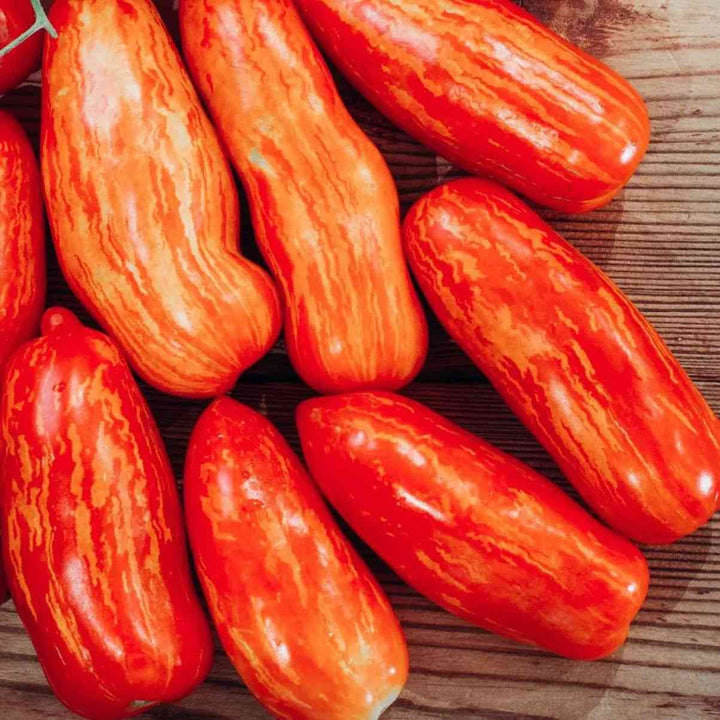
Speckled Roman tomato seeds produce mixed paste tomato fruit on indeterminate plants reaching 73–96 in, maturing in 80-89 Days.

Napoli

Napoli

Napoli tomato seeds produce pink paste tomato fruit on determinate plants reaching 31–36 in, maturing in 80-89 Days.

Ukrainian Purple

Ukrainian Purple

Ukrainian Purple tomato seeds produce red plum tomato fruit on indeterminate plants reaching 61–72 in, maturing in 80-89 Days.

Tiny Tim

Tiny Tim

Tiny Tim tomato seeds produce red cherry tomato fruit on determinate plants reaching 7–12 in, maturing in 50-59 Days.

Amish Paste

Amish Paste

Amish Paste tomato seeds produce red paste tomato fruit on indeterminate plants reaching 61–72 in, maturing in 80-89 Days.

Customer experience

Reviews for Roma VF

Customer Reviews

Based on 2 reviews
100%
(2)
0%
(0)
0%
(0)
0%
(0)
0%
(0)
L
Lisa Stephens

Arrived in a reasonable amount of time. Love the seed packets and information. Tomatoes are growing well.

Hi Lindsay, we're thrilled to hear your tomatoes are thriving! Thanks for sharing your positive experience with our seed packets and information. Happy gardening!

F
Fish man Dan

Germination was excellent, i wasted seeds 3 to a pot, all but one popped. it seems like the jeans are good. I have 10 planned in 5 straw bales. They seem to be doing better than the Romas in my Montana climate. I will update on how they produce can August

Hi Dan, we're so glad to hear the seeds germinated well and are thriving in Montana! We look forward to your update in August. Happy gardening!