
AOSA seed quality technical guide
Seed Lot Traceability: The Record Behind Every Test
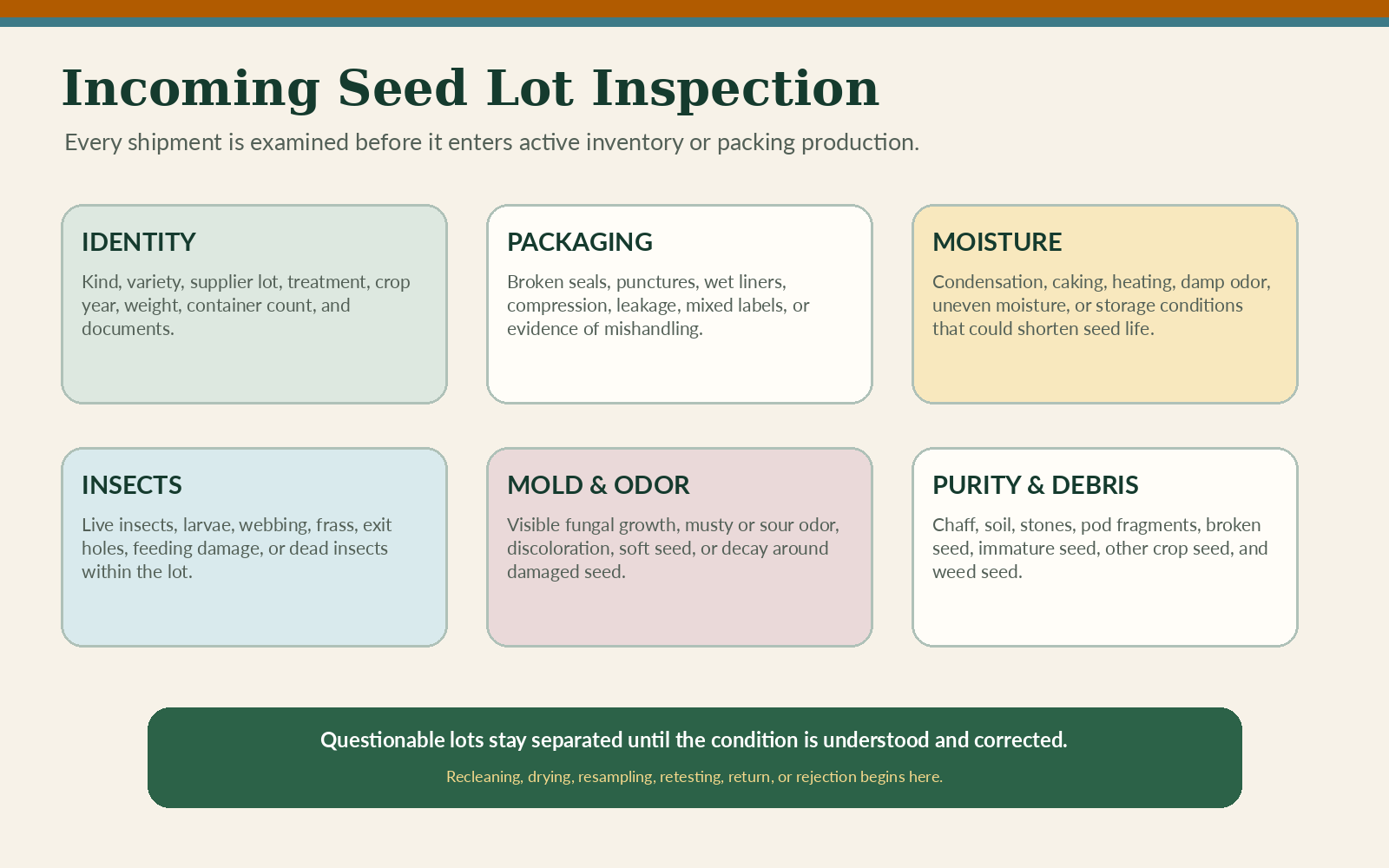
Follow the lot number, representative sample, test ID, method, dates, analyst record, file sample, and disposition behind a seed-quality result.
The practical library
Find crop guides, planting calendars, seed-starting help, soil guidance, pest diagnosis, harvesting information, and practical seed-saving instructions.
The complete article library
Search The Yaupon Tea without mixing the results with seed products.
16 articles in this topic
Follow the lot number, representative sample, test ID, method, dates, analyst record, file sample, and disposition behind a seed-quality result.
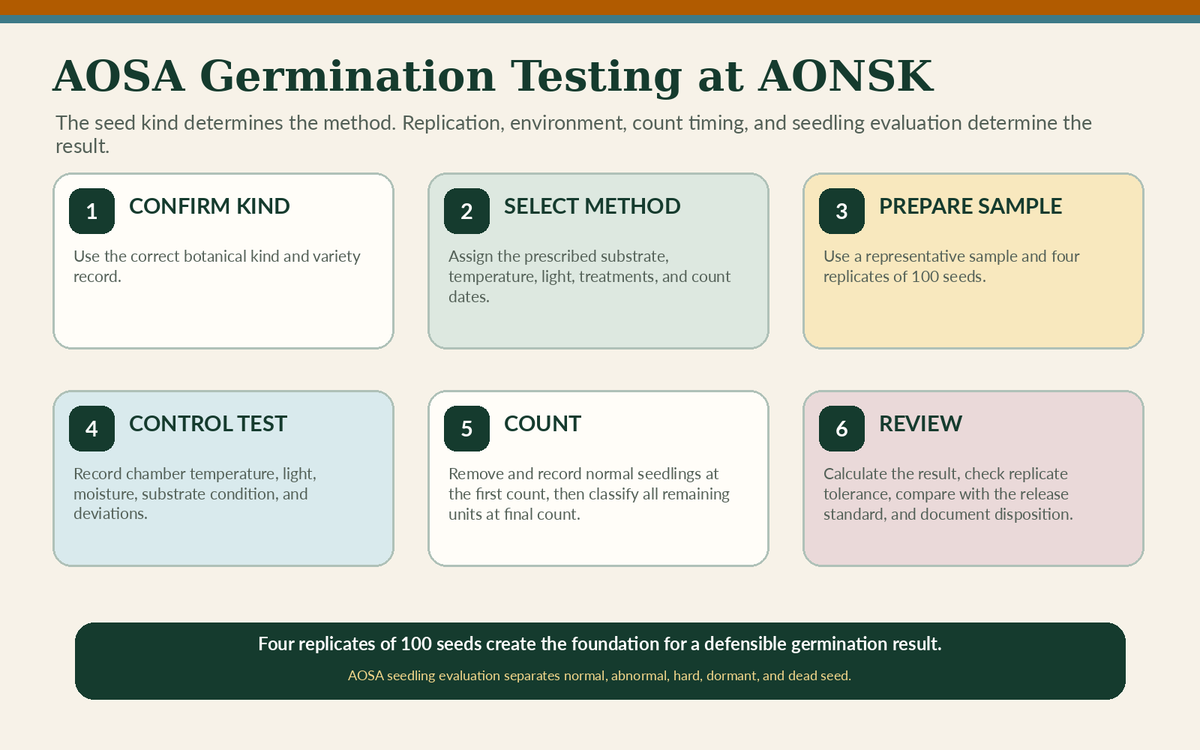
Learn how four replicates, crop-specific methods, normal seedling evaluation, first and final counts, and tolerance build an AOSA germination result.
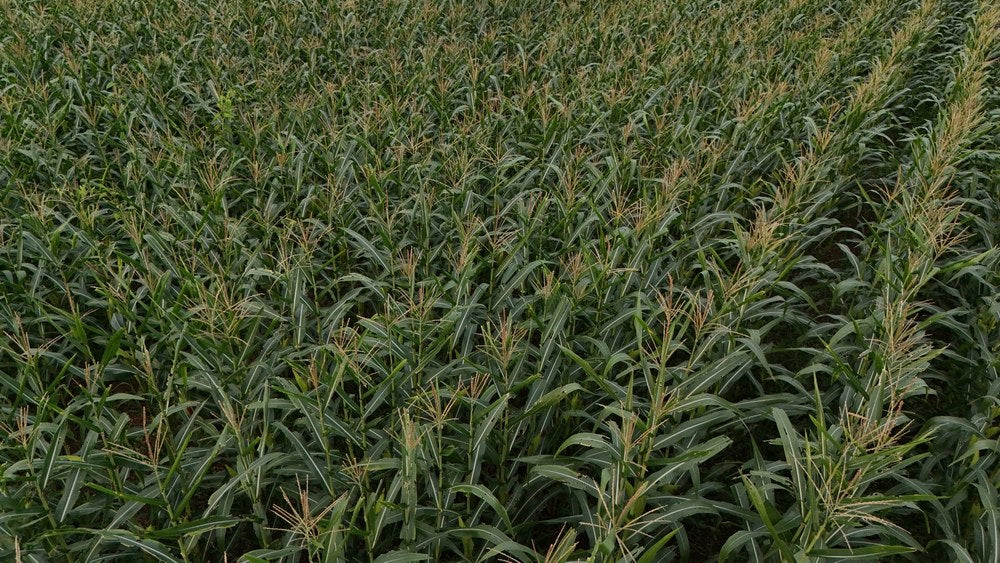
Corn is wind-pollinated and should be saved from a sufficiently large, well-isolated population. Select across many healthy plants, control or separate pollen when needed, and dry ears fully before shelling and storage.
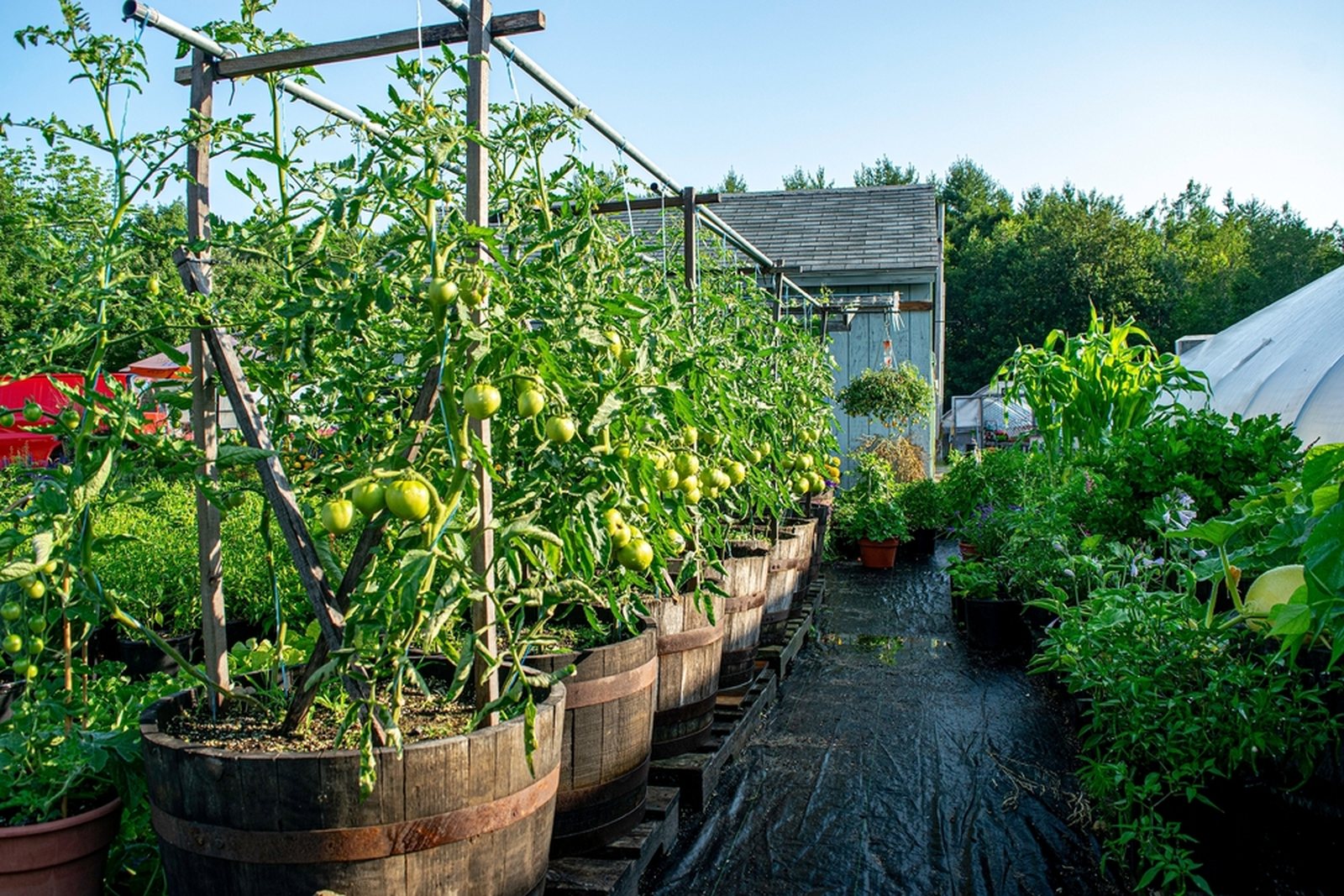
Container tomatoes need enough root volume, a stable support, full sun, consistent water, and a variety whose mature habit fits the space. One vigorous plant in a large pot usually outperforms several crowded plants.
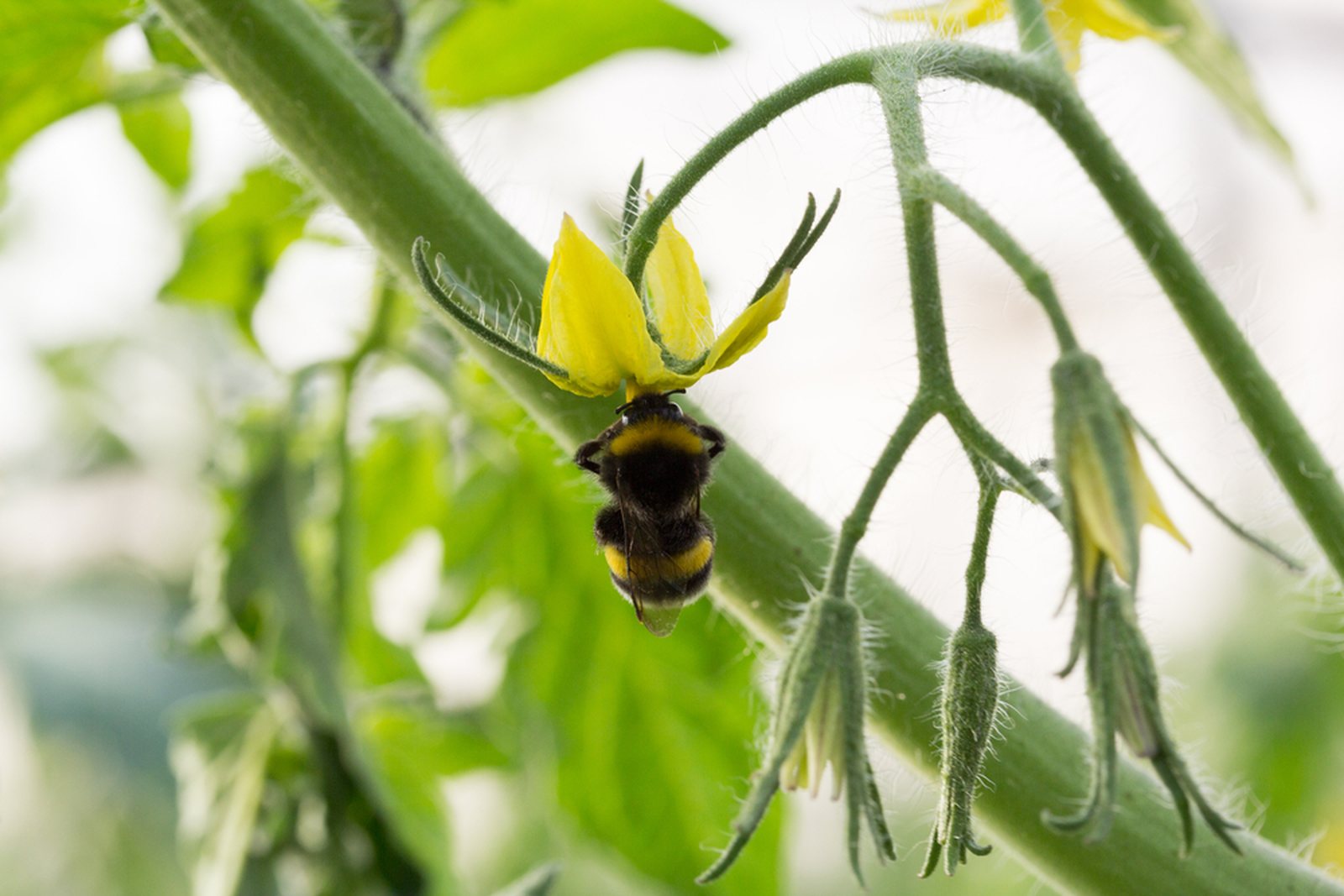
Tomatoes are self-fertile, but flowers still need viable pollen, vibration, suitable temperatures, and a plant with enough water and energy to retain fruit. Heat, cold, humidity, drought, excess nitrogen, and stress can cause blossom drop.
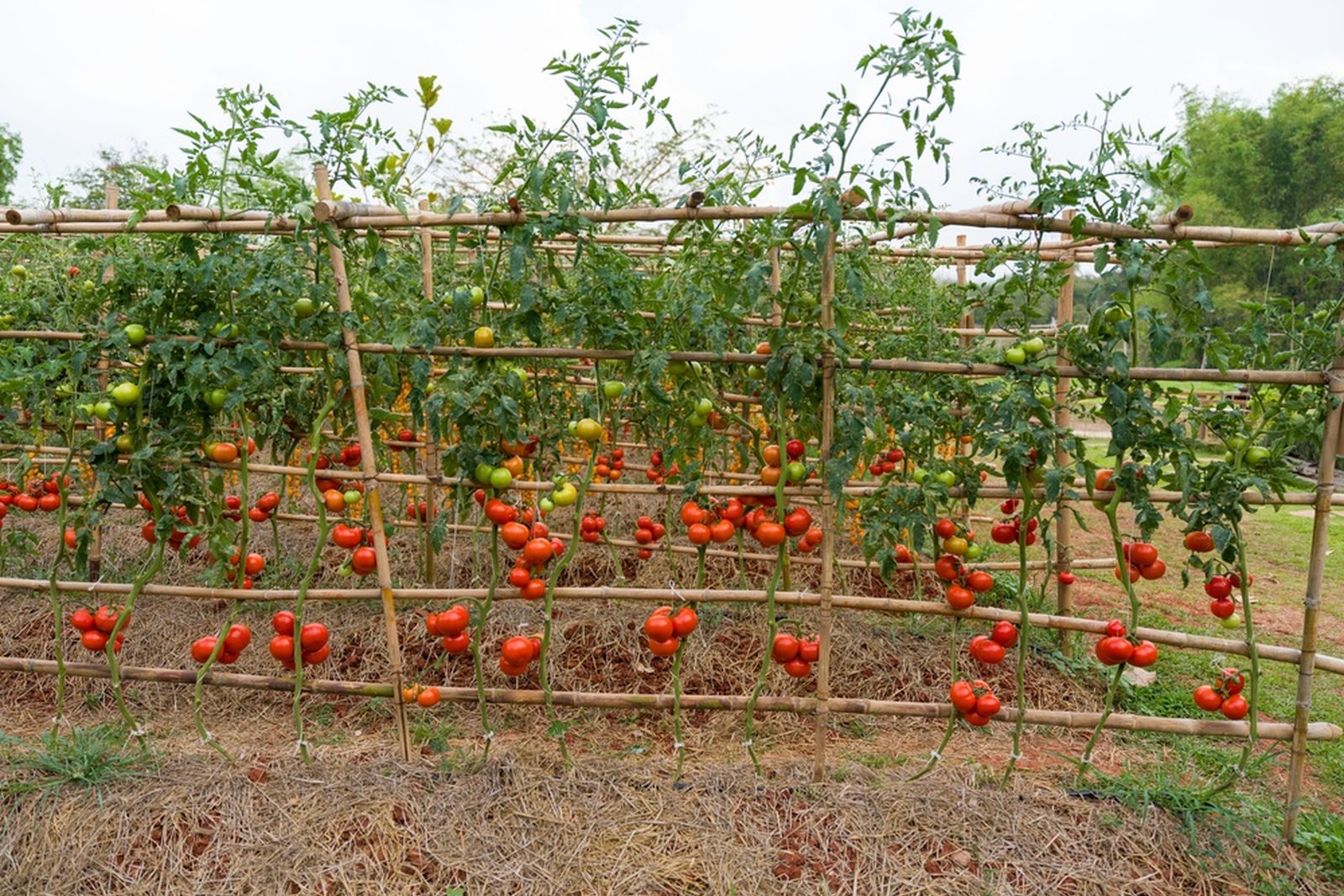
Support tomatoes according to growth habit and expected fruit load. Pruning is optional management, not a universal requirement: remove only growth that improves access, airflow, disease management, or the chosen support system.
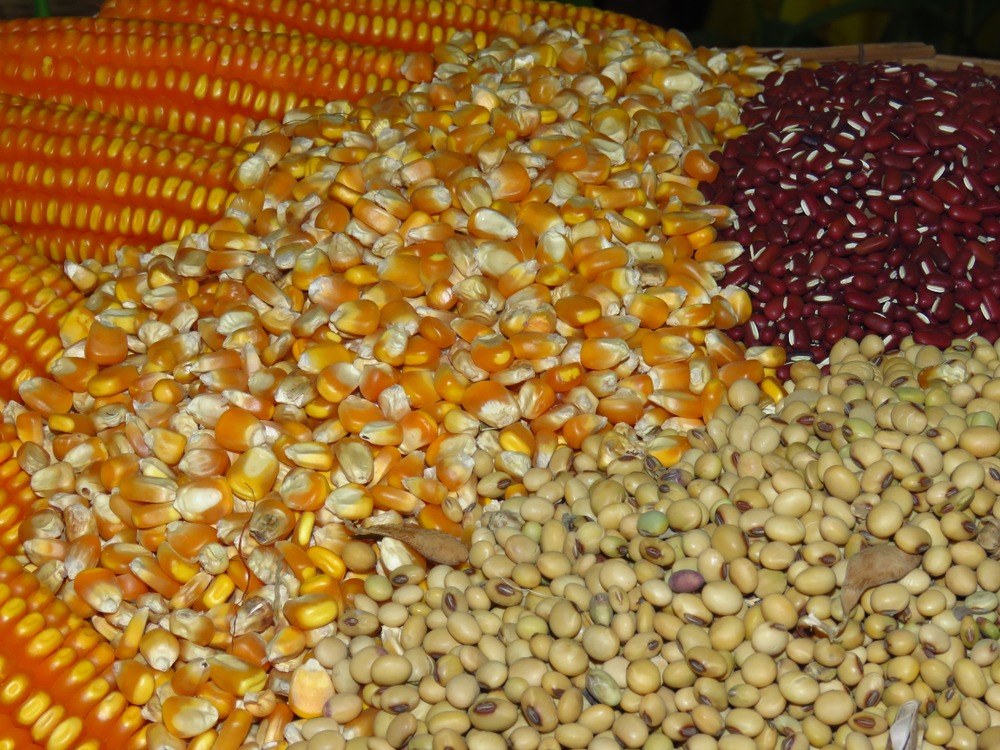
Open-pollinated varieties can reproduce with relative consistency when properly isolated and selected. Heirloom usually adds a history of continued use, while F1 hybrid seed comes from a deliberate cross and does not reproduce uniformly in the next generation.
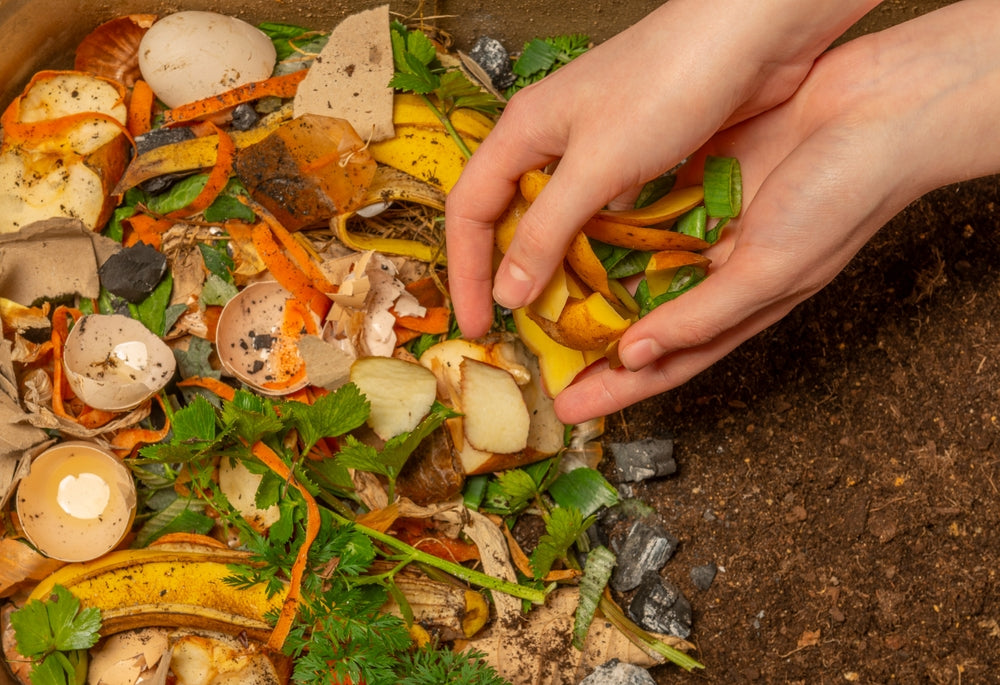
Wood ash can raise pH and add potassium, coffee grounds are best used as a modest compost ingredient, and kitchen scraps should be composted rather than buried around active roots. Soil tests and decomposition biology matter more than internet shortcuts.

German chamomile is usually an annual grown readily from seed, while Roman chamomile is a low perennial. Surface sow the tiny seed, keep the seedbed evenly moist, and harvest flowers repeatedly as centers become prominent.
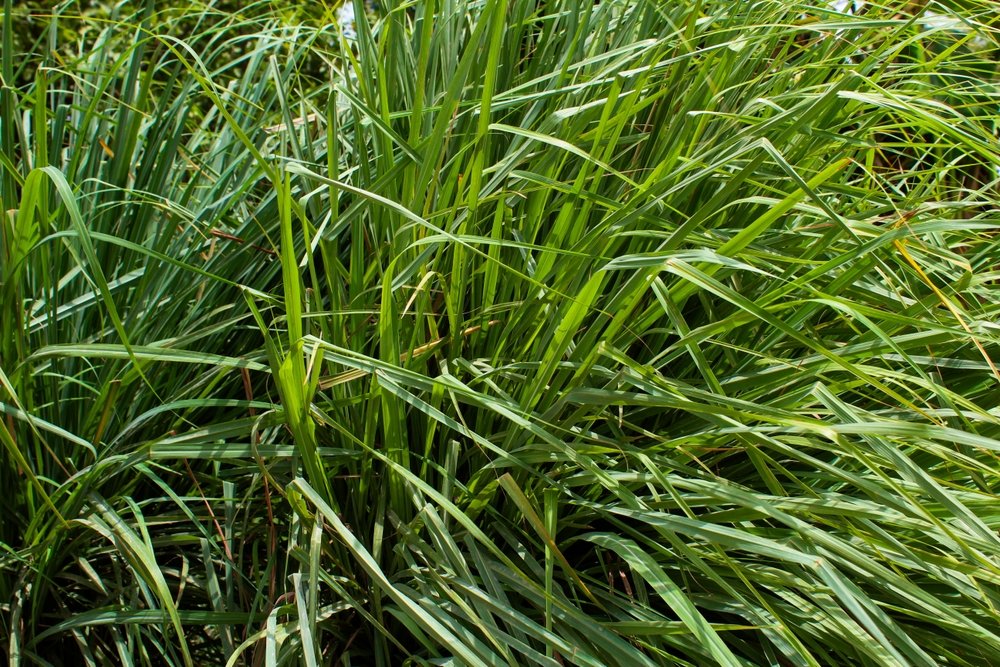
Lemongrass can be grown from seed, divisions, or viable rooted stalks, but each method has a different timeline and certainty. Give plants warmth, sun, rich moisture-retentive soil, and enough container or bed space for a large clump.
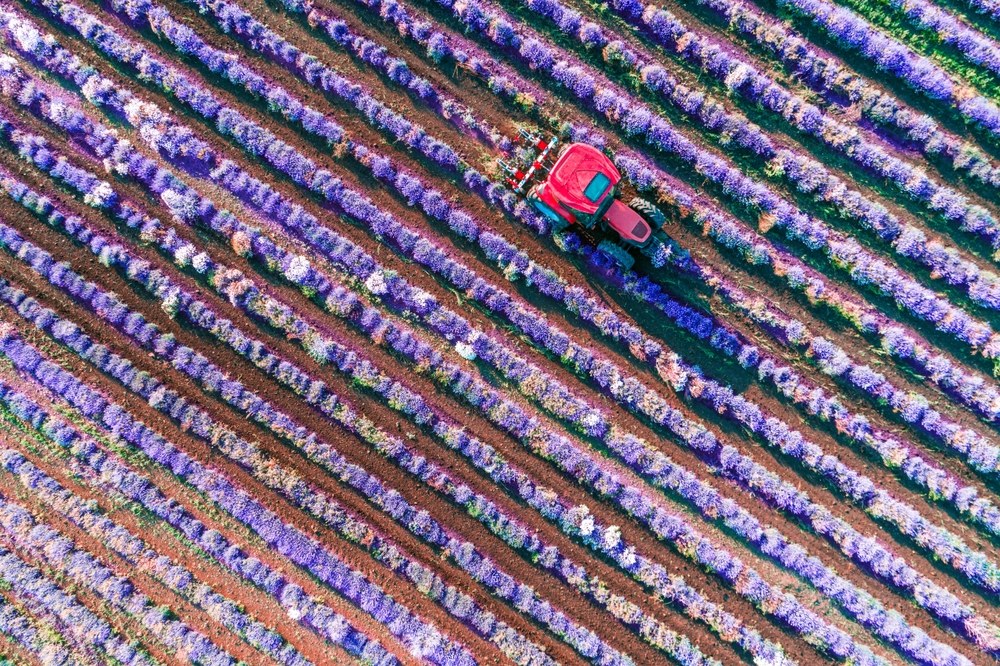
Lavender seed can germinate slowly and unevenly. Use fresh seed, a well-drained medium, patient temperature management, strong light after emergence, and a dry-crowned planting site suited to the species and climate.
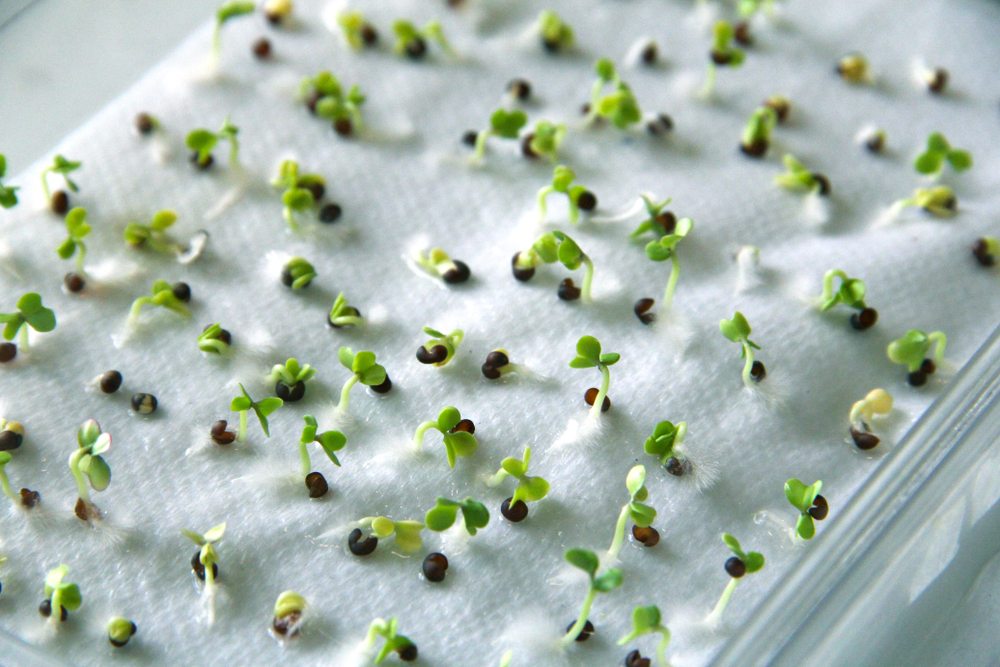
A meaningful germination test uses a representative sample, crop-appropriate conditions, a defined count, and a distinction between normal seedlings, abnormal seedlings, hard or dormant seed, and dead seed.

Seed longevity varies by crop, initial quality, moisture, temperature, packaging, and storage history. A germination test is more reliable than discarding seed only because a calendar says it is old.
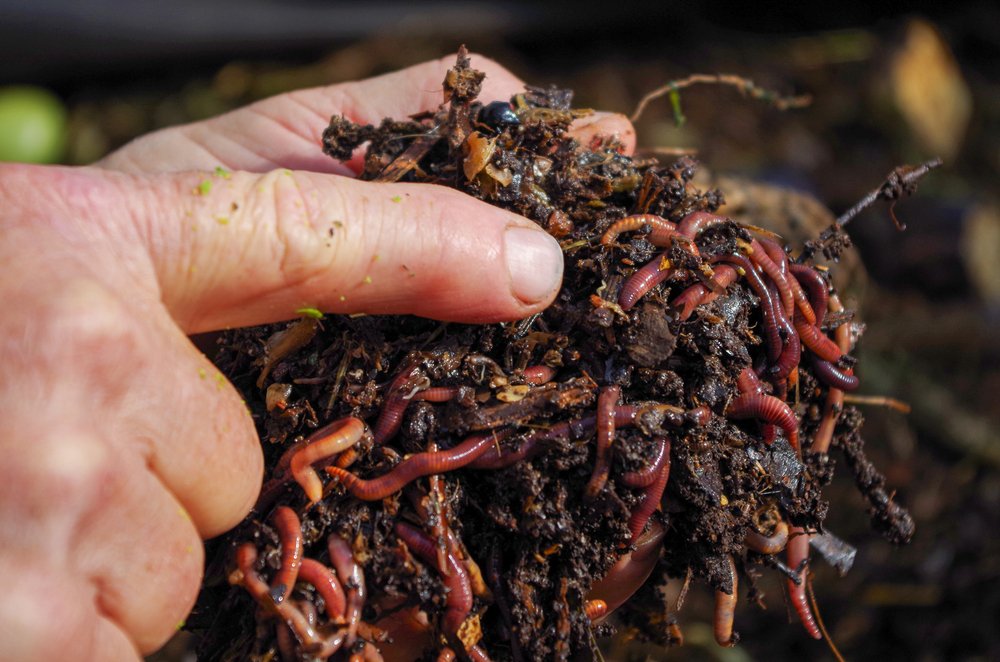
A vermicompost bin needs appropriate composting worms, moist bedding, moderate temperatures, oxygen, and food added at a rate the colony can process. It is not the same as filling a box with garden earthworms.

A seed packet combines legal labeling, lot traceability, quantity, planting guidance, and marketing. Learn which lines identify the seed, which trace the lot, and which are flexible garden recommendations.
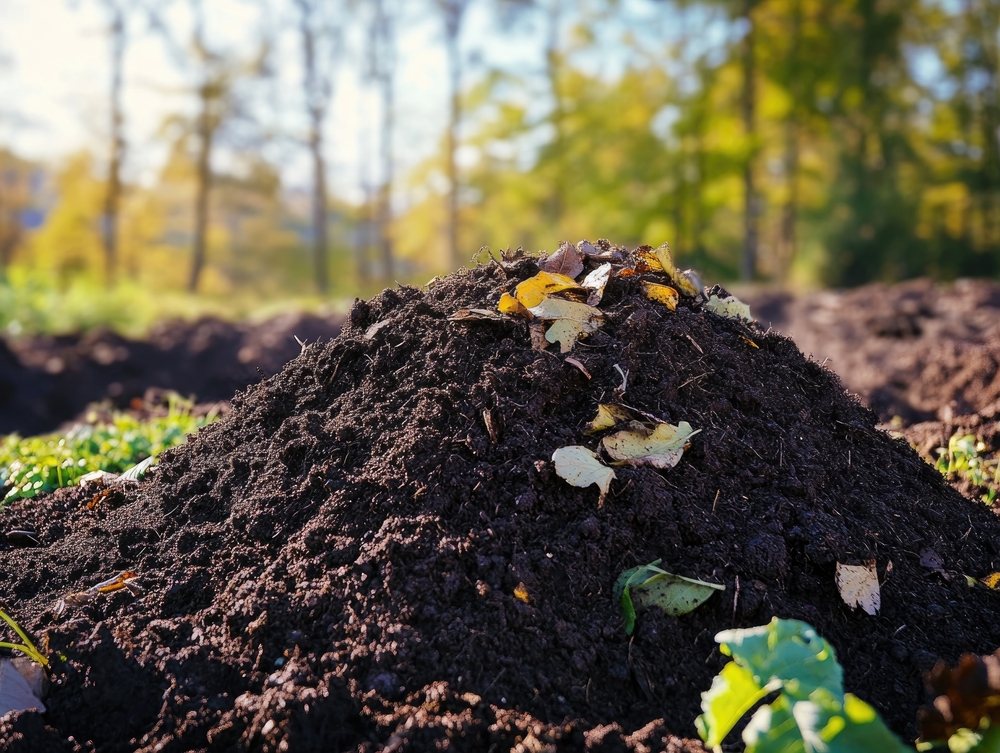
Compost forms when microbes receive a balanced mix of carbon-rich and nitrogen-rich materials, moisture like a wrung sponge, oxygen, and enough mass and time. Finished compost should be stable, earthy, and free of recognizable food scraps.