Variety field guide
What to expect from Oregon Giant Snow Pea
Oregon Giant is an oregon giant snow pea for young flat edible pods, stir-fries, steaming, salads, and freezing.
Read the complete product descriptionTraits, flavor, garden use, variety notes, and the full catalog record
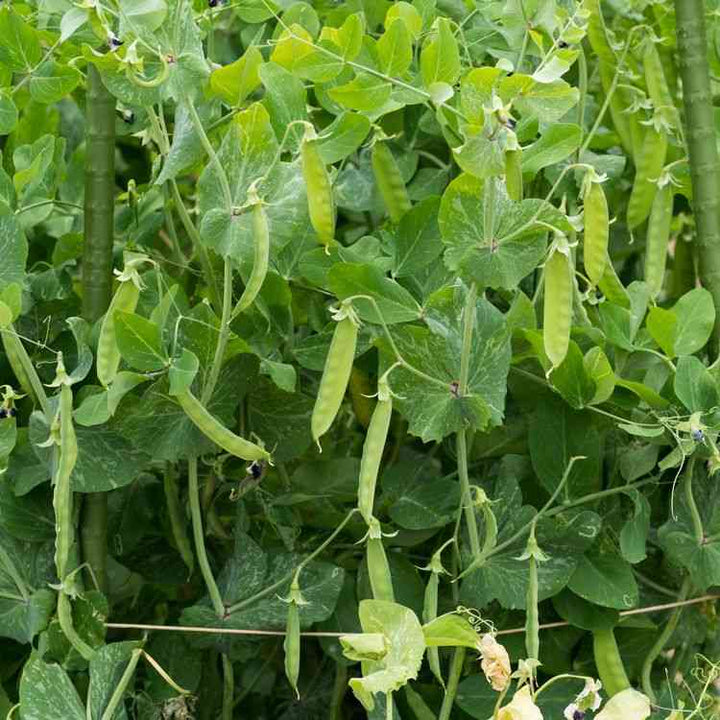
Oregon Giant seeds produce an oregon giant snow pea. Plants have a vining or climbing habit. Plants typically reach 37–48 in. Seeds generally emerge in 7–10 Days at 45–60 °F. The first representative harvest is generally reached in 70-79 Days from direct sowing.
About Oregon Giant
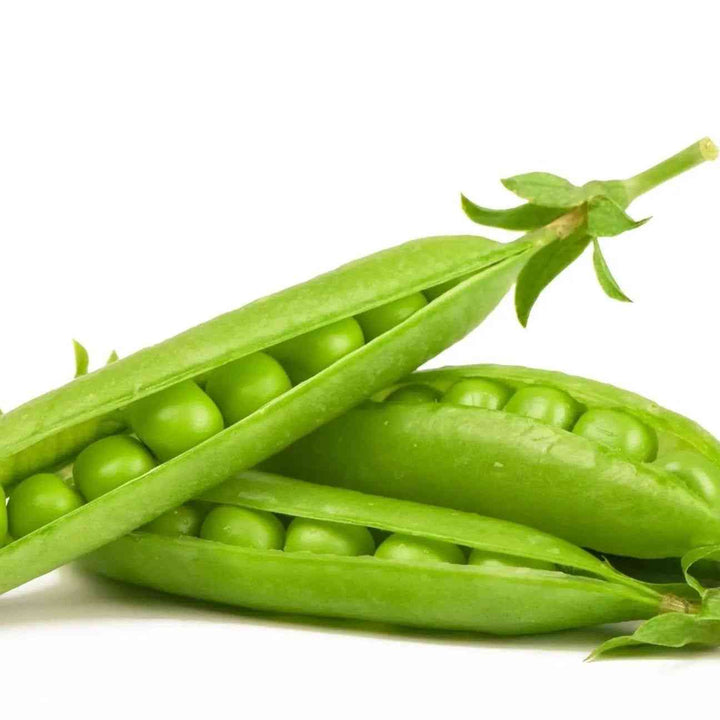
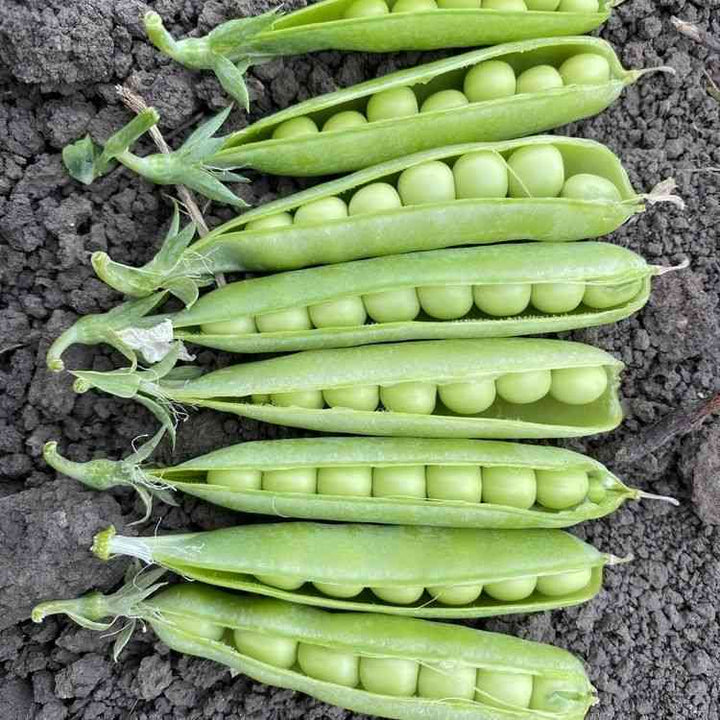
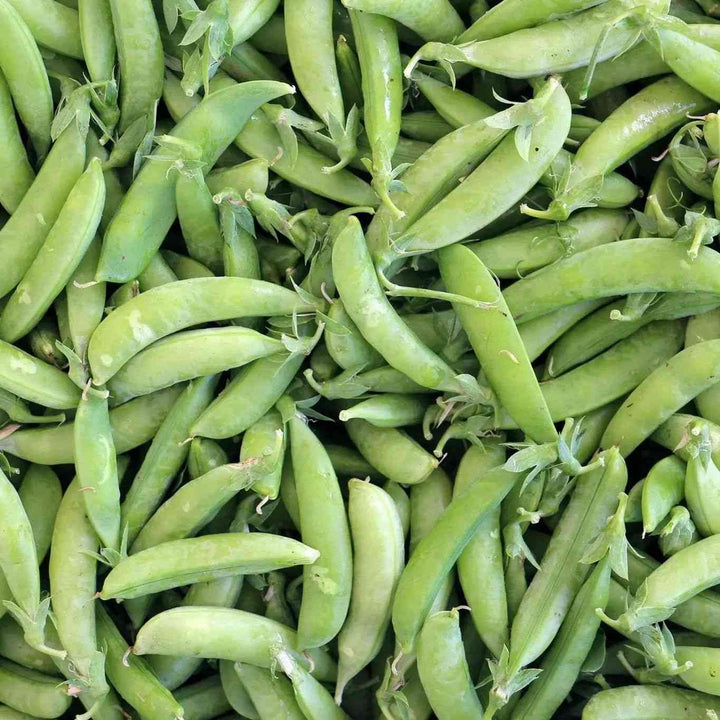
Oregon Giant is sold as a snow pea selection. The principal color is green, and the harvest form is Flat edible pods harvested before seed enlargement. Sweet and tender when the flat pods are harvested young. Best uses include young flat edible pods, stir-fries, steaming, salads, and freezing. Other seed records may list it as Pea.
- Scientific name:Pisum sativum L.
- Life cycle:Annual
- Planting season:Spring/Fall
- Growth habit:Vining/Climbing
- Plant height:37–48 in
- Sunlight:Full sun
- Seed depth:1 in
- Germination:7–10 Days at 45–60 °F
- Spacing:3 in between plants; 18 in between rows
- Soil:Loamy; pH 6.0–6.5
- Water:Moderate
- Support:Trellis
- Reproductive type:Open-Pollinated (OP)
- Harvest form:Flat edible pods harvested before seed enlargement
- Maturity:70-79 Days
History and seedkeeping context
Oregon Giant is a named snow pea associated with Oregon vegetable breeding and selected for large flat edible pods. Cornell records it separately from Oregon Sugar Pod II, with a taller vine and different cultivar identity. Both are snow peas, but the names should not be collapsed into one Oregon type. Continued stewardship of Oregon Giant depends on keeping the original source, lot, year, growing location, isolation method, representative plant count, and harvest traits together. Those records help future seedkeepers distinguish the named variety from similar market classes while preserving both its useful traits and its documented history.
Why this variety is distinct
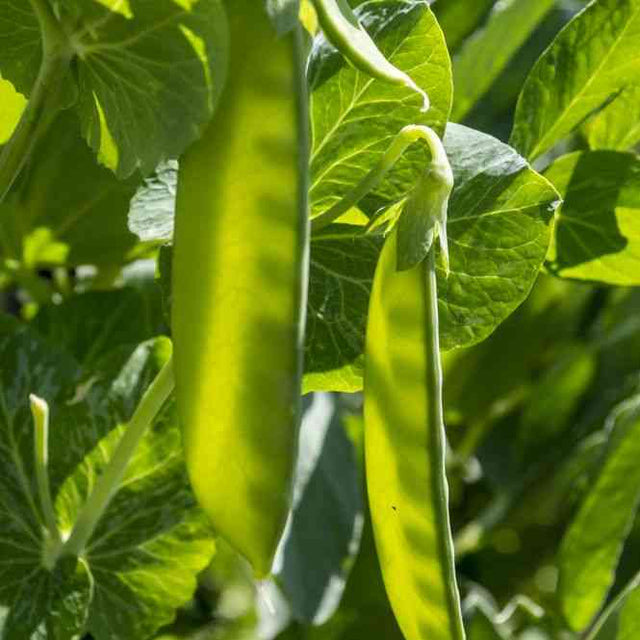
Oregon Giant is suited to gardeners who want substantial flat pods on a trellised vine. Harvest before the interior peas swell, when pods are still broad, crisp, and tender. The taller habit needs support, unlike the more compact Oregon Sugar Pod II.
Harvest and kitchen or field use
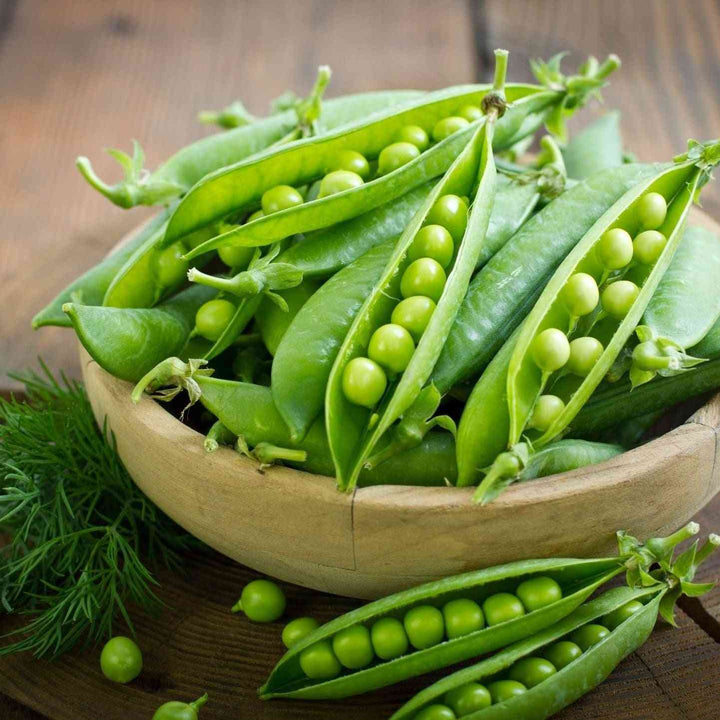
Harvest flat edible pods before the interior peas enlarge. The crop is described as Flat edible pods harvested before seed enlargement. Leave separately marked pods to mature fully for seed. Young flat edible pods, stir-fries, steaming, salads, and freezing. Sweet and tender when the flat pods are harvested young.
How to grow Oregon Giant
Direct sow 1 in deep during the spring/fall planting window. Keep the seed zone near 45–60 °F and evenly moist until emergence, normally 7–10 Days. Grow in full sun with loamy soil near pH 6.0–6.5. Space plants 3 in apart and rows 18 in apart. Keep the soil evenly moist through flowering and pod fill without leaving the root zone saturated. Install a sturdy trellis before vines begin to run so roots are not disturbed by late construction. Plants typically reach 37–48 in.
Season care
- Direct sow Oregon Giant during the spring/fall planting window while soil is workable and before sustained heat.
- Keep the seedbed evenly moist during emergence, but do not leave large legume seed in saturated soil.
- Install a sturdy trellis before vines begin to run so roots are not disturbed by late construction.
- Harvest flat edible pods before the interior peas enlarge. The crop is described as Flat edible pods harvested before seed enlargement. Leave separately marked pods to mature fully for seed.
- Use 70-79 Days as the planning range, while allowing for shifts caused by weather, soil temperature, and plant stress.
Maturity and harvest timing
70-79 Days from direct sowing to the first eating harvest under suitable conditions. Harvest flat edible pods before the interior peas enlarge. The crop is described as Flat edible pods harvested before seed enlargement. Leave separately marked pods to mature fully for seed.
Saving seed
The crop is largely self-pollinating, but occasional insect-carried crossing can occur among compatible varieties. Save from several healthy, true-to-type Oregon Giant plants rather than one exceptional individual. Mark seed plants before the eating harvest, remove clear off-types before they contribute pollen, and let seed reach full biological maturity. Shell only fully dry pods, discard moldy or insect-damaged seed, and dry the cleaned seed again before storage. Label the lot with crop, variety, source, year, location, plant count, isolation method, and selection traits. Keep the original packet and lot history with the saved seed so later grow-outs can be compared without relying only on memory or seed color.
Common problems
Oregon Giant is most vulnerable when warm weather overtakes the cool-season crop. Watch for aphids, pea weevil injury, powdery mildew, wilt, root rots, and bird or rodent feeding. Plant early in suitable soil, rotate away from peas and related legumes, keep foliage dry when practical, and remove heavily diseased plants. Poor emergence in cold saturated soil is not corrected by adding more water. Heat-stressed flowers may abort, and overmature pods quickly lose eating quality.
Frequently asked questions
How long does Oregon Giant take?
Under suitable conditions, plan on 70-79 Days from direct sowing to the harvest stage described here. Weather and soil temperature can shift the actual date.
Does Oregon Giant need support?
Yes. Install a sturdy trellis before the vining/climbing vines begin to run. Mature plants are listed at 37–48 in.
How should Oregon Giant be harvested?
Harvest flat edible pods before the interior peas enlarge. The crop is described as Flat edible pods harvested before seed enlargement. Leave separately marked pods to mature fully for seed.
Can seed be saved from Oregon Giant?
Yes. Save from several healthy representative plants, isolate from compatible varieties when purity matters, and label fully dry seed with its source, year, and selection notes.