Free U.S. seed shipping $25+. Seeds ship free at the threshold.

Current Processing Times Before Shipping Are 1-2 Business Days

25% OFF Select heirloom seed packets are $1.50, regularly $2.00. Sale packets are marked down · coupons apply to eligible full-price items only. Shop seed packets →

Scarlet Kale Seeds

Scientific name Brassica oleracea

About this variety

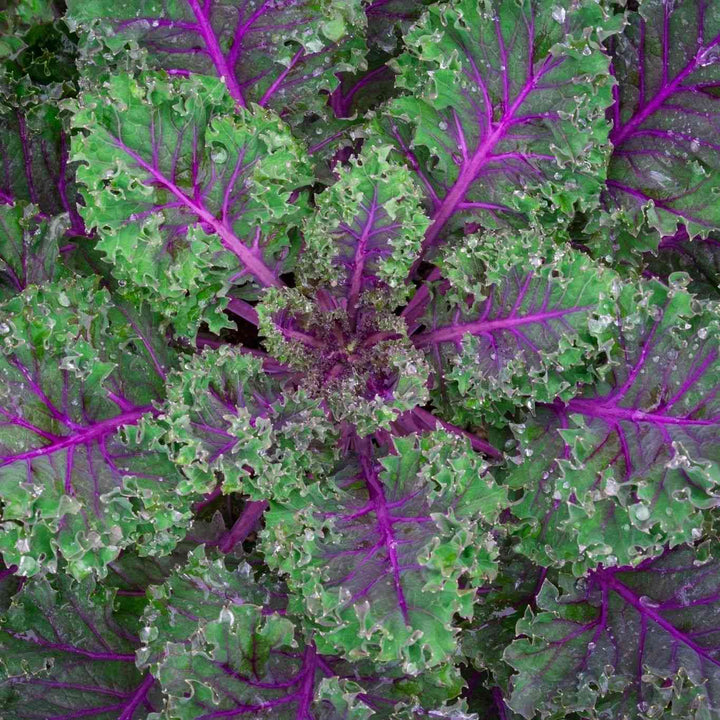
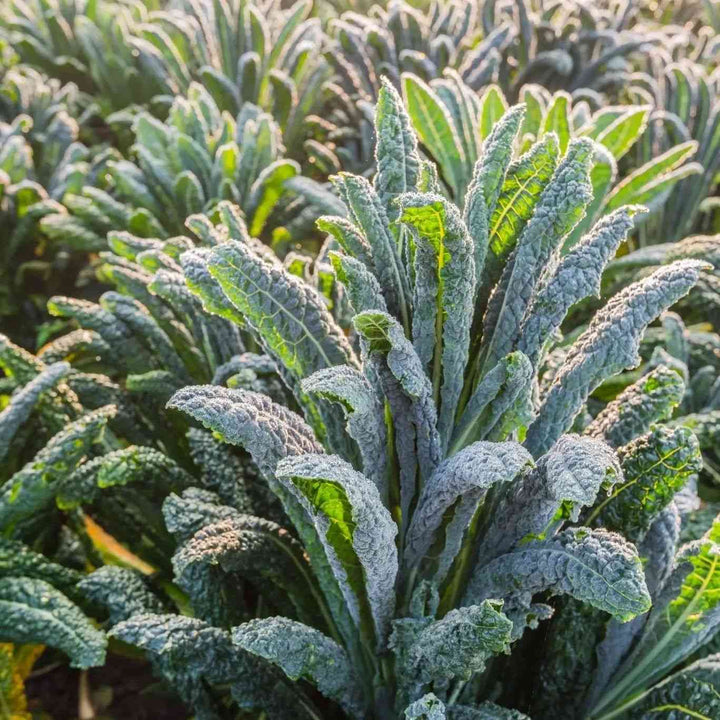
Scarlet brings a deep red-purple ruffle to the vegetable garden. Its heavily curled leaves hold their texture in a pan, while young leaves can be picked for colorful salads. Cool weather strengthens the purple tones and improves the sweetness of the harvest. Pick a few outer leaves at a time and the growing center keeps supplying more, making...

Continue with the complete description
$150 USD $200
25% OFF
Heirloom seed packet sale

$1.50, regularly $2.00. The sale price is already applied and carries into checkout. No code is needed. Coupons do not reduce this sale packet; eligible full-price items may qualify.

At a glance

The facts most gardeners need first

View the full variety record
300 minimum seeds per packet
Gardener experience

Easy to moderate

Germination difficulty

Easy to moderate

Germination time

7-14 Days at 60–75 °F seed-zone soil temperature

  • Germination
    7-14 Daysa seed-zone soil temperature of 60–75 °F
  • Maturity
    About 50–55 days from sowing to harvestable leaves; baby leaves earlier. Weather and harvest size affect timing.
  • Sun
    Full - Partial Sun
  • Support and spacing
    No support needed · space 12 in · rows 24 in
  • Plant habit
    Biennial · 31–36 in tall
  • Best use
    Salads, sautéed greens, soups, fall gardens and edible borders.
Secure checkout Details
Generic
Triple-tested seed qualityRegular quality and germination checks support every packet.

We regularly test seed quality and germination as lots move through storage and packing. We stand behind the seed we send and want customers to contact us when a packet does not perform as reasonably expected.

1-year seed warrantyCoverage begins on the date of purchase.

When properly stored, planted, and cared for, we guarantee reasonable germination and true-to-type growth for one year from the date of purchase. Conditions outside our control—including extreme weather, pests, unsuitable storage, and gardener error—are excluded. Contact us when something is not right so we can review the situation and work toward a replacement, refund, or another fair resolution.

Non-GMO / BE seed policyWe do not buy or sell genetically engineered or bioengineered seed.

Every seed variety we sell is non-GMO.

USDA’s National Bioengineered Food Disclosure Standard defines bioengineered foods as containing detectable genetic material modified through in vitro recombinant DNA methods in ways not achievable through conventional breeding or found in nature.

  • Hybrid means parent lines were conventionally crossed; hybrid does not mean GMO.
  • Heirloom and open-pollinated describe how a variety is maintained and reproduced.
  • Organic certification is separate and is shown only when verified for the individual product.
Packed in Colerain, North CarolinaPrepared in our seed room for gardens across the country.

Seeds are packed and shipped from Colerain, North Carolina. Our packets use forestry-certified paper, and we use recyclable paper mailers where appropriate. AONSK is also a 1% for the Planet partner while continuing to reduce waste in packing and fulfillment.

Garden tools

Need a plan for your space?

Use the garden-fit planner and soil calculator to turn the recorded growing facts into a practical plan.

Open garden tools Uses this product’s recorded growing information. Local weather and garden conditions may vary.

Variety field guide

What to expect from Scarlet Kale Seeds

Deeply curled red-purple kale for baby leaves, cooking greens and repeated cool-season harvests.

Read the complete product descriptionTraits, flavor, garden use, variety notes, and the full catalog record

Scarlet brings a deep red-purple ruffle to the vegetable garden. Its heavily curled leaves hold their texture in a pan, while young leaves can be picked for colorful salads. Cool weather strengthens the purple tones and improves the sweetness of the harvest. Pick a few outer leaves at a time and the growing center keeps supplying more, making a spring or fall planting useful well beyond the first picking.

Purple ruffles for the garden, generous greens for the kitchen.

Variety and background

Scarlet is an open-pollinated curly kale in the Brassica oleracea group, the same species that includes cabbage, broccoli and Brussels sprouts. Kale is selected for leaves rather than a tight head. Scarlet adds ornamental color to that familiar kitchen crop, but its leaves are fully edible. A specific breeder or introduction year has not been established for this seed lot.

Planting and growing

Sow 1/4 inch deep in fertile, well-drained soil, or start in cells for transplanting. Begin spring planting about 4–5 weeks before the last frost when the soil can be worked; sow again for a cool autumn harvest. Keep the seedbed evenly moist. Thin or transplant 12–18 inches apart in rows 24 inches apart. Full sun gives strong growth; some afternoon shade can help during hot weather.

Supply steady moisture and keep young plants free of competing weeds. Avoid repeatedly allowing plants to wilt, which can toughen leaves. A light mulch helps conserve moisture. Harvest-sized plants can become tall over a long season; allow roughly 3 feet of height rather than treating Scarlet as a dwarf kale.

Harvest and use

Begin checking for usable leaves around 50–55 days after sowing, with small tender leaves available earlier. Cut or snap outer leaves while leaving the growing tip intact. Use young leaves fresh and larger leaves in soups, sautés or baked kale chips. Remove coarse midribs to suit the recipe. Chilly weather can improve flavor, but protect the crop when prolonged hard freezes threaten.

Saving seed

Kale is a biennial, usually grown as an annual leaf crop. Seed production normally requires overwintering healthy plants so they flower in their second season. It can cross with other flowering Brassica oleracea crops, including cabbage and broccoli. Isolate seed plants from compatible varieties, maintain several representative plants, and collect pods as they dry before they split. Finish drying, thresh and store labeled seed cool and dry.
Garden toolsOpen the garden-fit planner, planting-window questions, or soil calculator only when useful

Uses this product’s recorded growing information. Local weather, soil, and garden conditions may vary.

Garden-fit planning for this variety

Will Scarlet Kale Seeds fit your garden?

Check cool-season timing, transplant plans, heat pressure, soil moisture, and harvest goal. Start with the essentials, then open only the detail groups that matter to you.

Rules-based · no AI · optional answers

Add an optional ZIP code and planting date for a broad frost-window check.Use local forecasts and measured soil temperature for final planting decisions.
1Essential fitTiming, light, and space
2Temperature and exposureOptional microclimate detail
3Soil, drainage, and waterRoot-zone readiness
4Questions for this cool-season vegetable seedCrop-specific decisions
5Seed-starting fit and patienceMatch the propagation work
Recorded product profileBeginner-friendlyStraightforwardRead why
Soil test, pH, drainage, and amendment calculator Have a laboratory soil report? Enter pH, nutrients, texture, bed size, and site observations here. Open soil tools
Recorded soil typeLoamy
Recorded pH range6.0–6.5
Water needsModerate
LightFull - Partial Sun

Laboratory report interpreter

Soil readiness for Scarlet Kale Seeds

Brassica oleracea

Enter only the values your report provides. The result compares them with this crop’s recorded needs and keeps laboratory recommendations authoritative.

Core report valuesStart here
Advanced laboratory valuesOptional method-aware detail

Full growing record

Complete growing and seedkeeping record

Starting and plantingSeed preparation, sowing, germination, transplanting, spacing, and early establishment
Sow 1/4 inch deep in fertile, well-drained soil, or start in cells for transplanting. Begin spring planting about 4–5 weeks before the last frost when the soil can be worked; sow again for a cool autumn harvest. Keep the seedbed evenly moist. Thin or transplant 12–18 inches apart in rows 24 inches apart. Full sun gives strong growth; some afternoon shade can help during hot weather.

Supply steady moisture and keep young plants free of competing weeds. Avoid repeatedly allowing plants to wilt, which can toughen leaves. A light mulch helps conserve moisture. Harvest-sized plants can become tall over a long season; allow roughly 3 feet of height rather than treating Scarlet as a dwarf kale.
Season-long growing guideWater, fertility, support, weather response, pollination, containers, and care through maturity
Sow 1/4 inch deep in fertile, well-drained soil, or start in cells for transplanting. Begin spring planting about 4–5 weeks before the last frost when the soil can be worked; sow again for a cool autumn harvest. Keep the seedbed evenly moist. Thin or transplant 12–18 inches apart in rows 24 inches apart. Full sun gives strong growth; some afternoon shade can help during hot weather.

Supply steady moisture and keep young plants free of competing weeds. Avoid repeatedly allowing plants to wilt, which can toughen leaves. A light mulch helps conserve moisture. Harvest-sized plants can become tall over a long season; allow roughly 3 feet of height rather than treating Scarlet as a dwarf kale.
Harvest, storage, and usesRecognizing maturity, harvesting cleanly, handling and storage, kitchen uses, and garden roles

Harvest and storage

Begin checking for usable leaves around 50–55 days after sowing, with small tender leaves available earlier. Cut or snap outer leaves while leaving the growing tip intact. Use young leaves fresh and larger leaves in soups, sautés or baked kale chips. Remove coarse midribs to suit the recipe. Chilly weather can improve flavor, but protect the crop when prolonged hard freezes threaten.

Kale is a biennial, usually grown as an annual leaf crop. Seed production normally requires overwintering healthy plants so they flower in their second season. It can cross with other flowering Brassica oleracea crops, including cabbage and broccoli. Isolate seed plants from compatible varieties, maintain several representative plants, and collect pods as they dry before they split. Finish drying, thresh and store labeled seed cool and dry.
Uses and garden roles

Begin checking for usable leaves around 50–55 days after sowing, with small tender leaves available earlier. Cut or snap outer leaves while leaving the growing tip intact. Use young leaves fresh and larger leaves in soups, sautés or baked kale chips. Remove coarse midribs to suit the recipe. Chilly weather can improve flavor, but protect the crop when prolonged hard freezes threaten.
Seed savingSelection, pollination, isolation, full maturity, cleaning, drying, labeling, and storage
Kale is a biennial, usually grown as an annual leaf crop. Seed production normally requires overwintering healthy plants so they flower in their second season. It can cross with other flowering Brassica oleracea crops, including cabbage and broccoli. Isolate seed plants from compatible varieties, maintain several representative plants, and collect pods as they dry before they split. Finish drying, thresh and store labeled seed cool and dry.
Pests, diseases, and troubleshootingPrevention, diagnosis, environmental disorders, common damage, and first-response checks
Check leaf undersides for aphids and caterpillars; flea beetles can damage seedlings. Fine insect mesh helps protect young plants. Remove damaged leaves, maintain airflow and rotate away from other brassicas. If growth stalls in heat, keep moisture steady and plan the next planting for cooler conditions.
Frequently asked questionsDecision-focused answers that supplement the detailed guides above
Is Scarlet an ornamental or a vegetable? Both: its purple foliage is attractive and edible.
Does it regrow after picking? Yes, when outer leaves are taken and the center is left intact.
Why does the color change? Cooler weather can deepen the purple pigmentation.
Will it make seed in the first year? Normally kale flowers after overwintering.
History and provenanceBotanical identity, cultivar history, regional or cultural context, uncertainty, and source records

Scientific name: Brassica oleracea

Common name: Scarlet Kale

Cultivar or variety: Scarlet

Scarlet is an open-pollinated curly kale in the Brassica oleracea group, the same species that includes cabbage, broccoli and Brussels sprouts. Kale is selected for leaves rather than a tight head. Scarlet adds ornamental color to that familiar kitchen crop, but its leaves are fully edible. A specific breeder or introduction year has not been established for this seed lot.

Continue planning

Related products, collections, and growing guides

Explore the full collection
Heirloom Kale Seeds for Home GardensExplore the full collection →
Red Russian Kale

Red Russian Kale

Red Russian Kale seeds produce a cold-tolerant kale with flat, deeply cut leaves, purple stems, and tender young growth.

Vates Blue Scotch Curled Kale

Vates Blue Scotch Curled Kale

Vates Blue Scotch Curled Kale seeds produce a compact, finely curled kale with blue-green leaves and strong cold-season garden value.

Tuscan Lacinato (Dinosaur) Kale

Tuscan Lacinato (Dinosaur) Kale

Tuscan Lacinato Kale seeds produce a tall Italian kale with dark blue-green, heavily textured leaves and a long harvest window.

Premier Kale

Premier Kale

Premier kale is a vigorous, dependable variety grown for its abundant green leaves, cold tolerance, and long harvest window.

Dwarf Siberian Kale

Dwarf Siberian Kale

The northern classic for tender greens. ‘Dwarf Siberian’ kale forms compact rosettes of soft, finely curled blue-green leaves with a mild, swe...

Black Magic Kale

Black Magic Kale

The kale of the Renaissance garden. ‘Black Magic’-a refined selection of traditional Lacinato kale-produces long, deeply savoyed leaves of dar...

Customer experience

Reviews for Scarlet Kale Seeds

Customer Reviews

Be the first to write a review
0%
(0)
0%
(0)
0%
(0)
0%
(0)
0%
(0)