Welcome to our store. Learn more

Free U.S. seed shipping $25+. Seeds ship free at the threshold.

Current Processing Times Before Shipping Are 1-2 Business Days

25% OFF Heirloom seed packets are $1.50, regularly $2.00. Seed packets only · sale price already applied · carries into checkout · coupon codes do not combine. Shop the sale →
Alliance of Native Seedkeepers Brewed in Colerain, North Carolina The practical library

The practical library

Growing Guides & Planting Advice

Find crop guides, planting calendars, seed-starting help, soil guidance, pest diagnosis, harvesting information, and practical seed-saving instructions.

Searchable. Find the crop, problem, story, or update you need. Complete. Browse every published article with working pagination. Rooted. From a Native-led seed company in rural North Carolina.

Growing Guides by Crop

92 articles in this topic

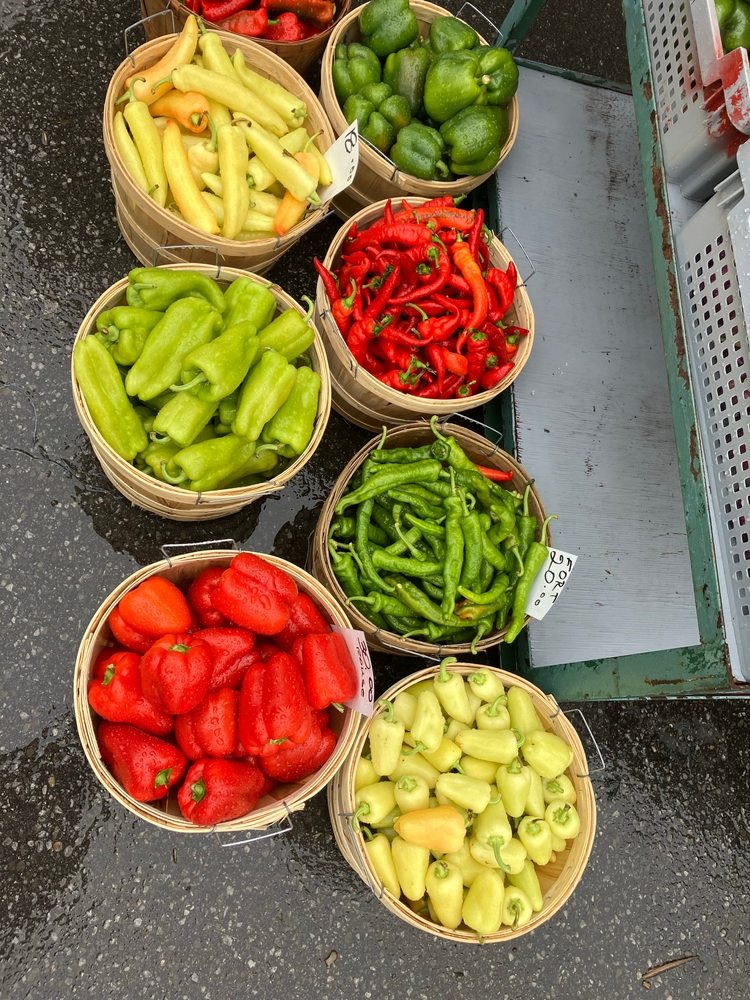
Market baskets filled with sweet, frying, hot, and seasoning peppers in several colors
Seed saving & varieties

Types of Peppers: Sweet, Hot, Seasoning, Drying & Ornamental

Sweet peppers are selected for little or no pungency. Hot peppers vary from mild to superhot and should be compared by flavor as well as heat. Seasoning and drying peppers may have thin walls and concentrated aroma. Ornamental peppers are selected for display, but edible use still depends on correct identification and handling.
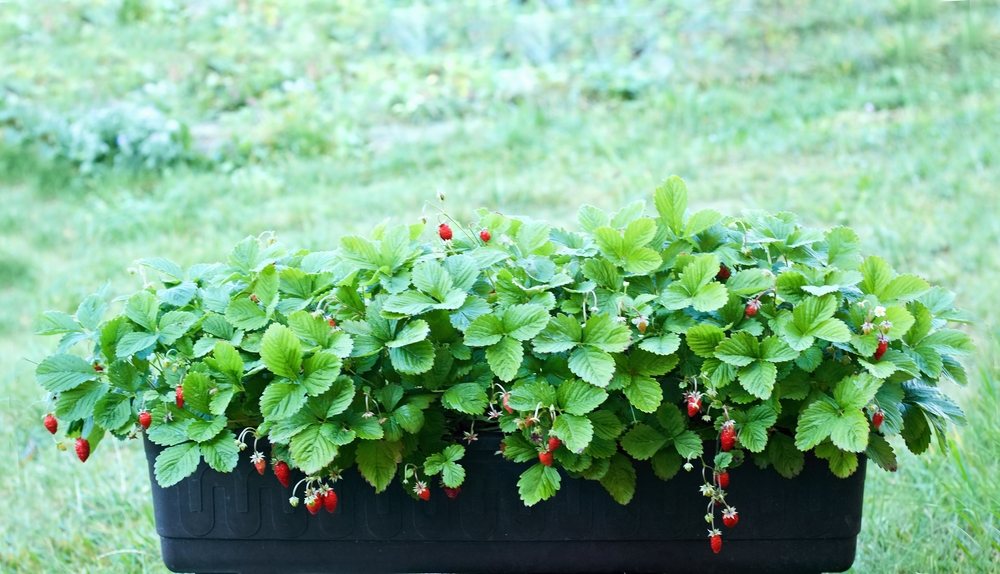
Strawberry plants fruiting in a large black container
Seed starting & germination

Strawberries from Seed, Crowns, or Bare-Root Plants: Which Should You Choose?

Strawberries can be established from seed, crowns, plugs, or bare-root plants, but the route changes timing and uniformity. June-bearing types concentrate harvest, everbearing types produce more than one flush, and day-neutral types can fruit across much of the season. Match the system to climate, space, runner management, and harvest goals.

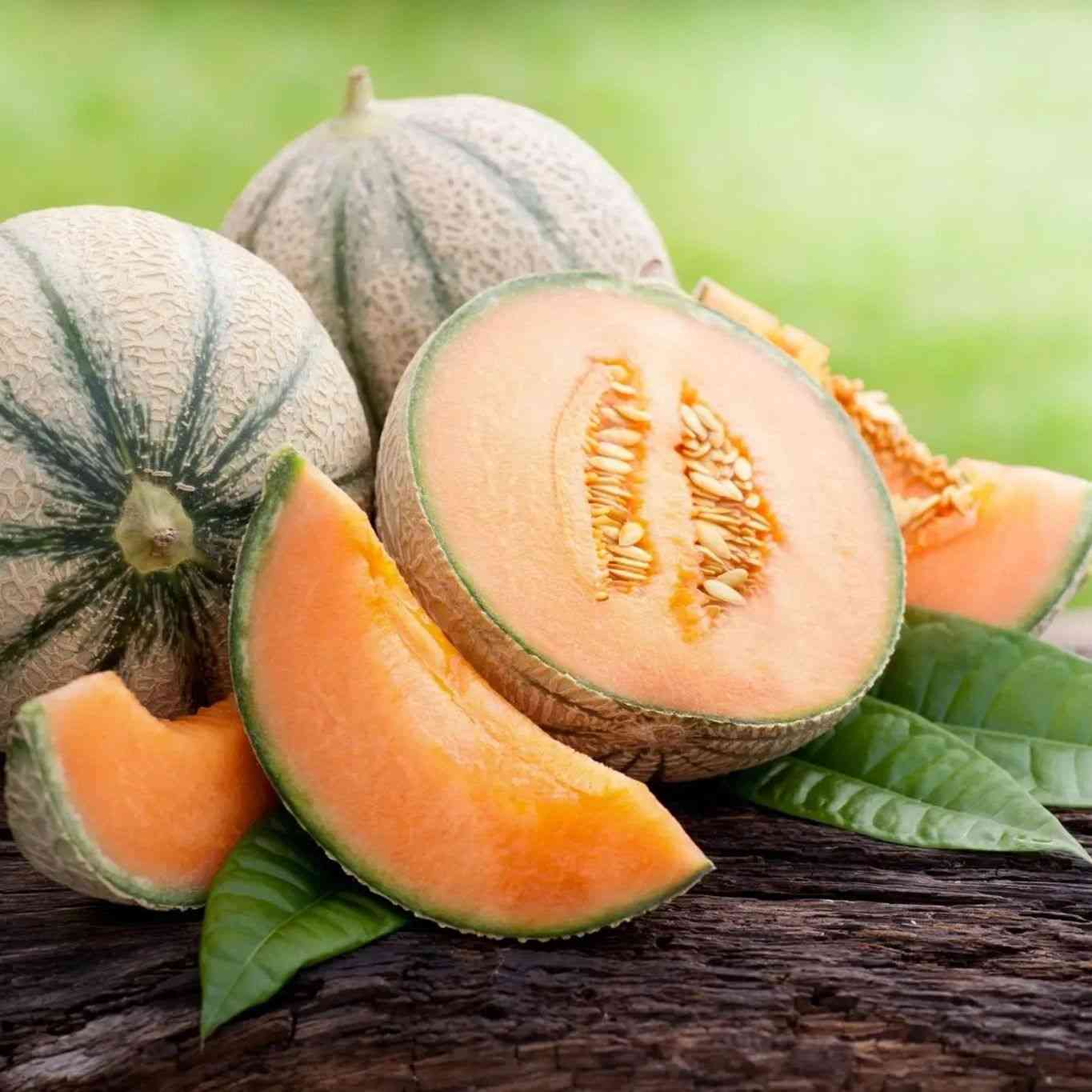
Assorted melons showing watermelon, muskmelon, honeydew, and specialty types
Seed saving & varieties

Types of Melons: Watermelon, Cantaloupe, Honeydew, and Specialty Fruit

Watermelons belong to Citrullus and are managed for rind, flesh, vine length, and maturity. Cantaloupes and many netted muskmelons belong to Cucumis melo, as do honeydews and numerous specialty melons. Their ripeness signals, aroma, slip behavior, and storage differ.

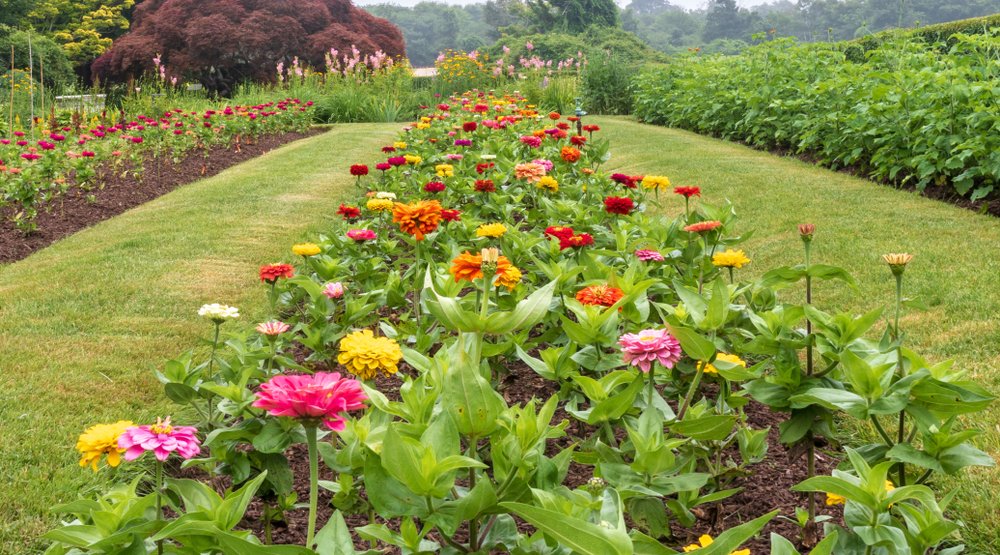
Long rows of colorful zinnias in a cut-flower garden
Soil, compost & garden systems

How to Plan a Cut-Flower Garden from Seed

Plan a cut-flower garden by choosing productive varieties, arranging reachable rows, staggering sowings, and matching stem length, harvest window, and vase use.

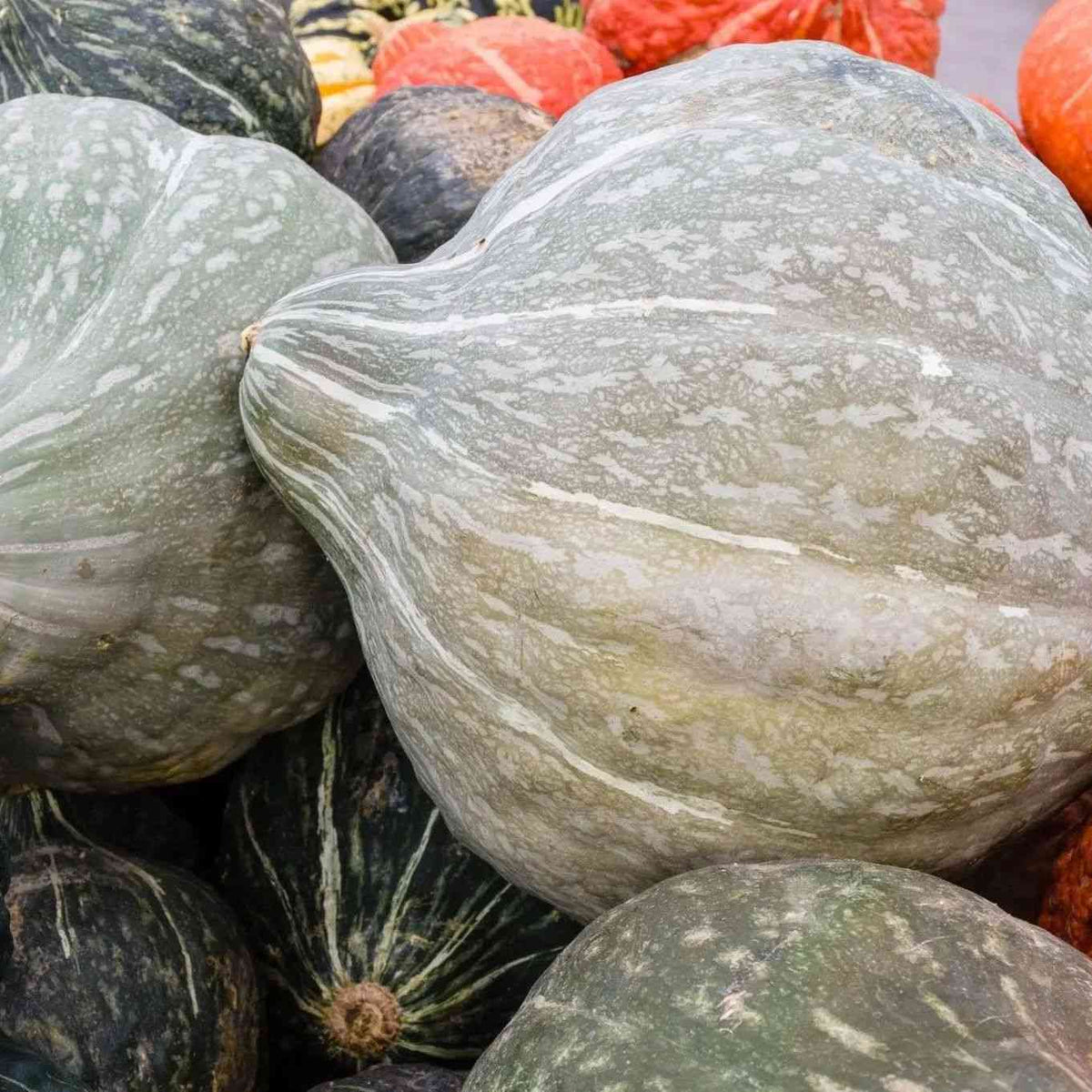
Assorted winter squash types represented by a mature Blue Hubbard squash
Seed saving & varieties

Winter Squash Varieties: Acorn, Butternut, Delicata, Hubbard, Kabocha, and Cushaw

Acorn and delicata types are relatively compact and quick. Butternuts are versatile and often store well. Kabocha types have dense sweet flesh. Hubbards and cushaws can become very large and need a long season. The label winter squash describes mature harvest and storage, not winter planting.

Broad planting of purple anise hyssop flowering in a meadow setting
Seed starting & germination

How to Establish a Native Wildflower Garden from Seed

Establish a native wildflower garden by choosing locally appropriate species, controlling existing vegetation, preparing a firm seedbed, sowing at the right season, and managing weeds for several years.

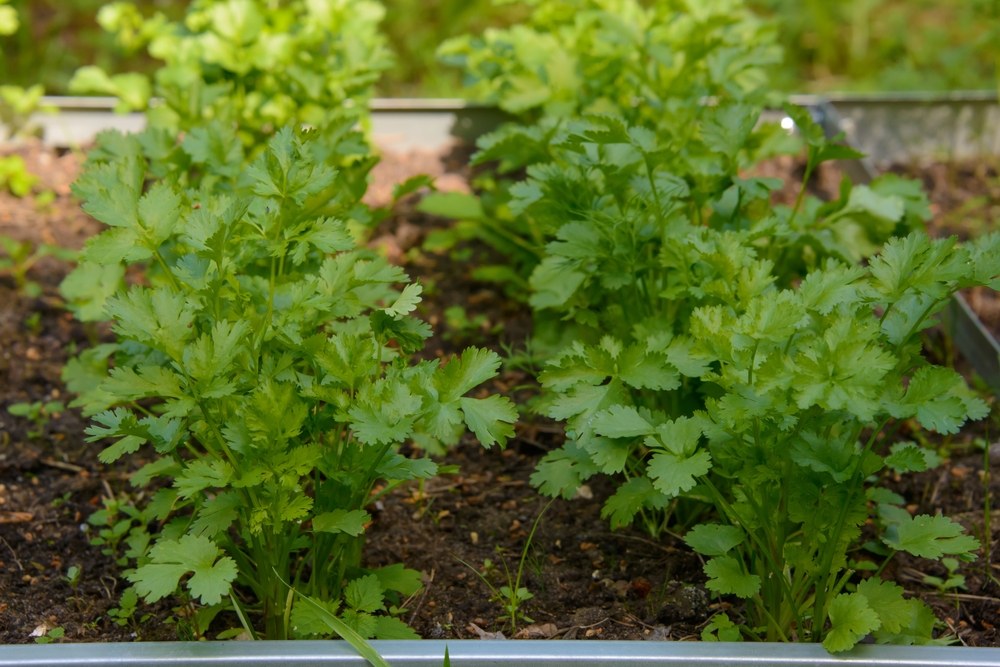
Healthy cilantro plants growing in a raised garden bed
Seed saving & varieties

How to Grow Cilantro and Harvest Coriander Seed

Treat cilantro as a succession crop, not a permanent leaf patch: sow repeatedly in cool weather, harvest leaves young, then allow selected plants to flower and ripen coriander seed.

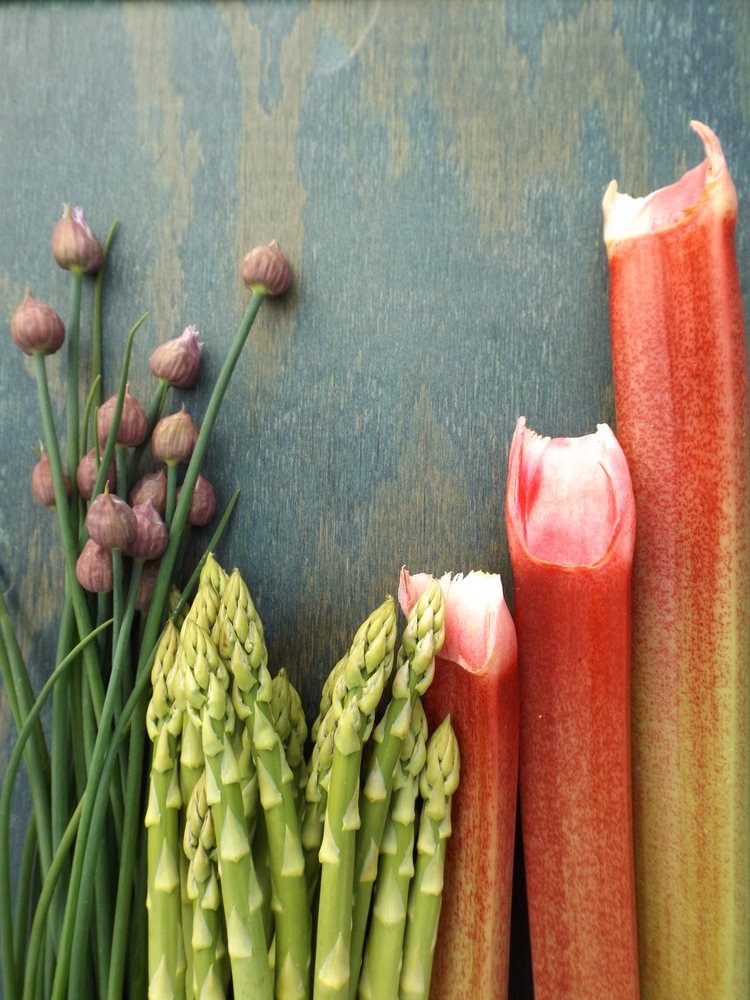
Rhubarb stalks, asparagus spears, and chive buds arranged as perennial foods
Growing guide

Perennial Vegetables for Long-Term Food Gardens: What Returns and What Spreads

Perennial vegetables trade quick turnover for long-term structure. Asparagus, sunchokes, perennial onions, rhubarb, horseradish, and other crops differ in climate fit, spread, harvest timing, and permanence. Put aggressive or long-lived plants where they can remain without blocking annual crop rotation.

Page 4 of 4