
Seed starting & germination
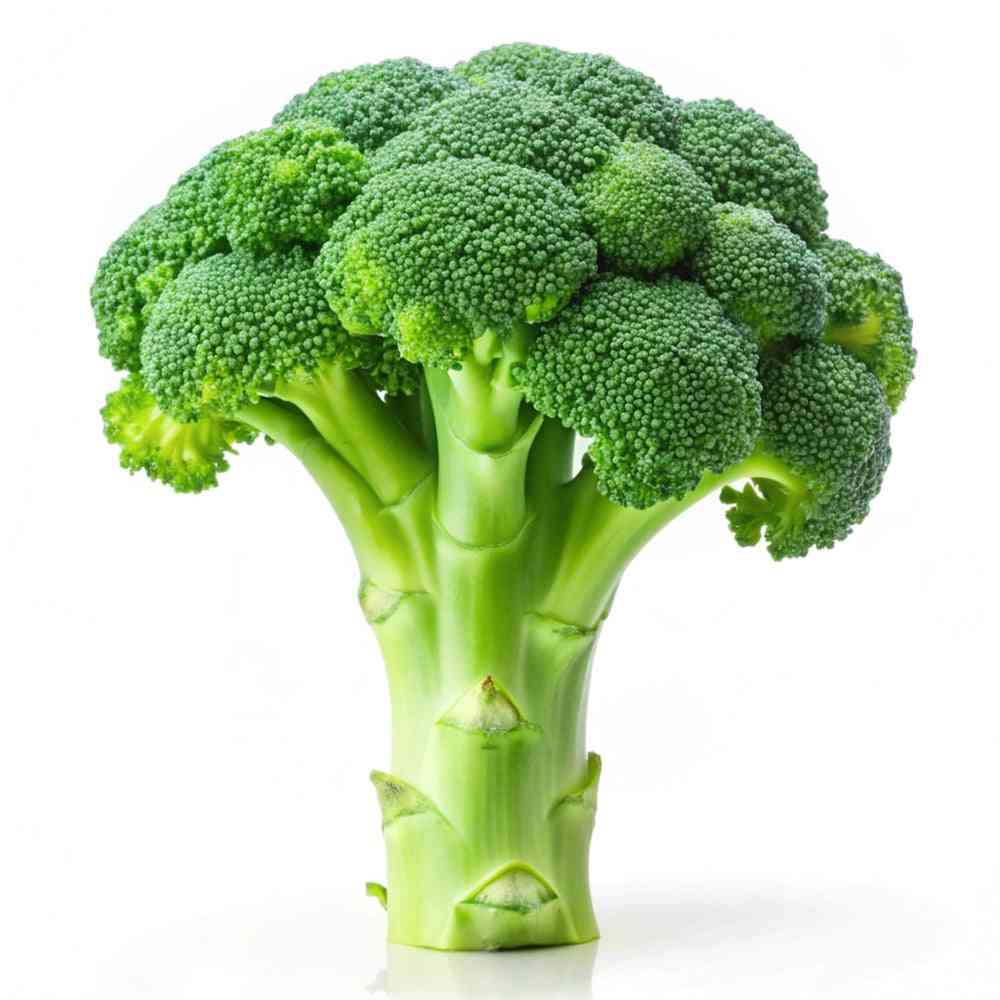
How to Grow Broccoli from Seed: Spring, Fall & Side-Shoot Harvests
Start broccoli young, protect seedlings, time head formation for cool weather, and leave the plant for side-shoot harvests.
The practical library
Find crop guides, planting calendars, seed-starting help, soil guidance, pest diagnosis, harvesting information, and practical seed-saving instructions.
The complete article library
Search The Yaupon Tea without mixing the results with seed products.
120 articles in this topic
Start broccoli young, protect seedlings, time head formation for cool weather, and leave the plant for side-shoot harvests.
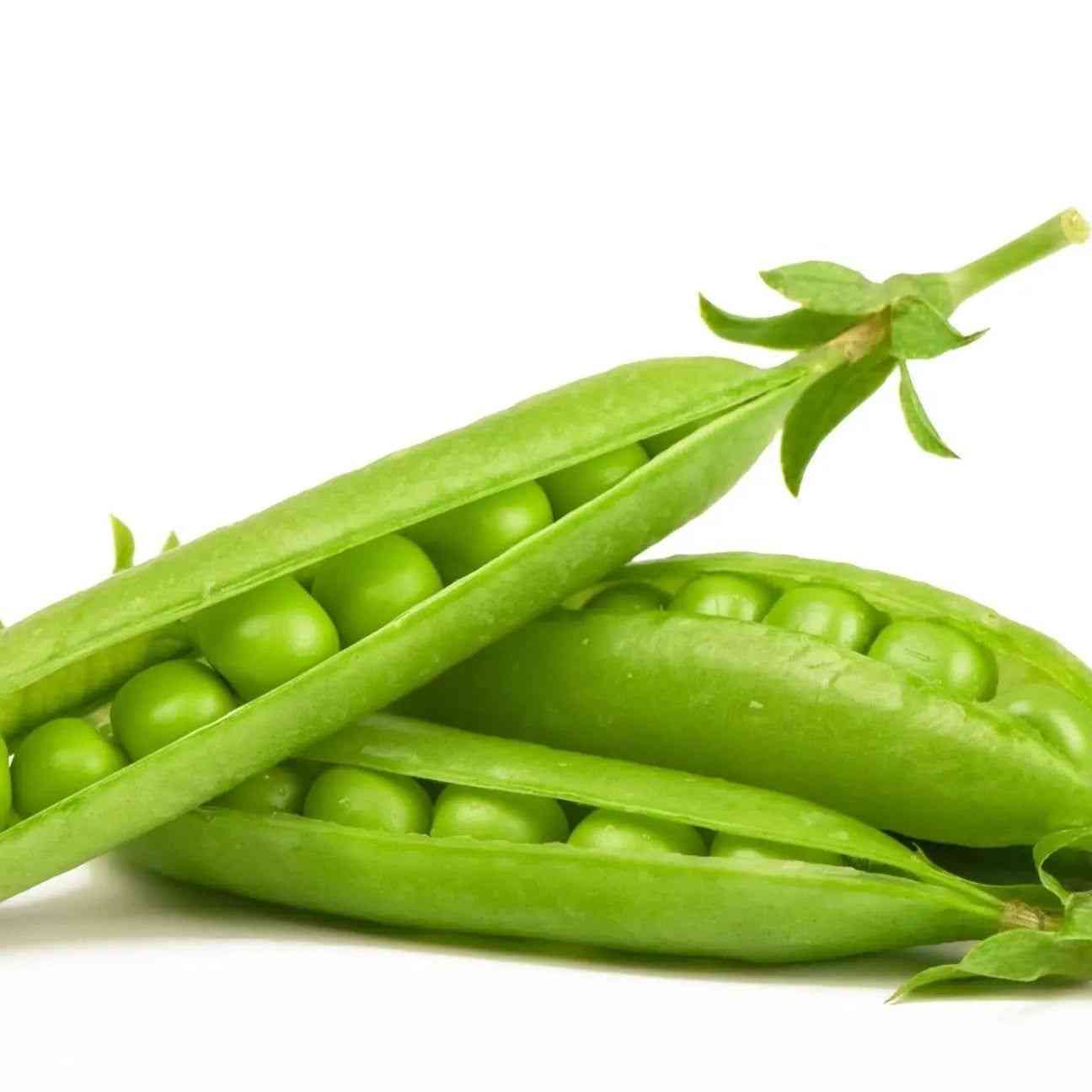
Shelling peas are grown for the peas inside. Snow peas are harvested as flat edible pods. Sugar snap peas combine edible pods with plump peas. Pea shoots are harvested very young. Southern peas are cowpeas, a heat-loving bean relative, not cool-season garden peas.
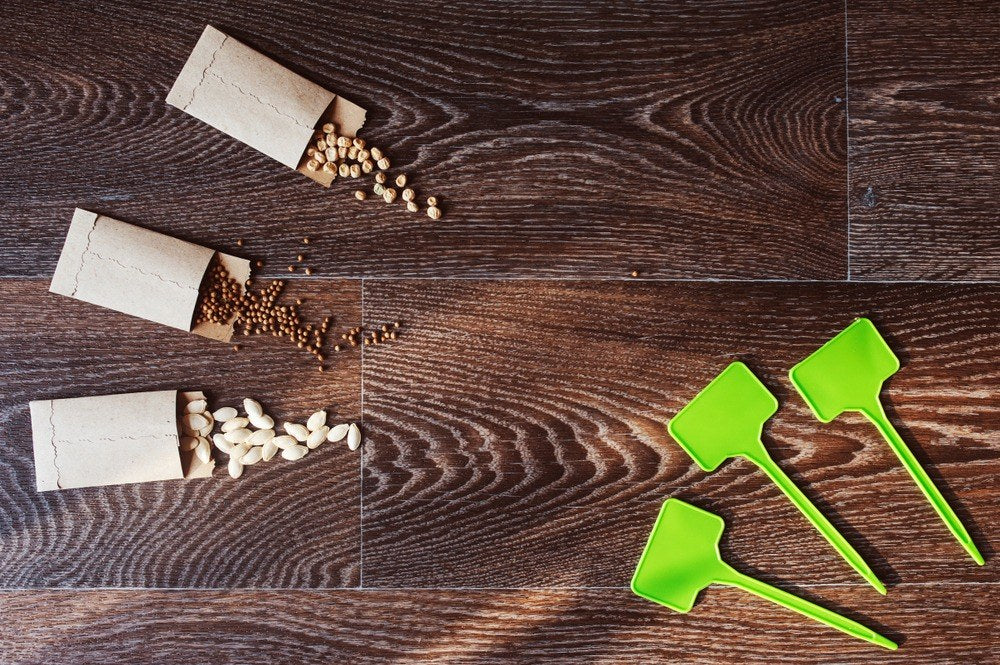
A reliable herb seed source gives the correct species and variety, honest germination expectations, usable packet information, clear growing guidance, and provenance language that distinguishes documentation from story.
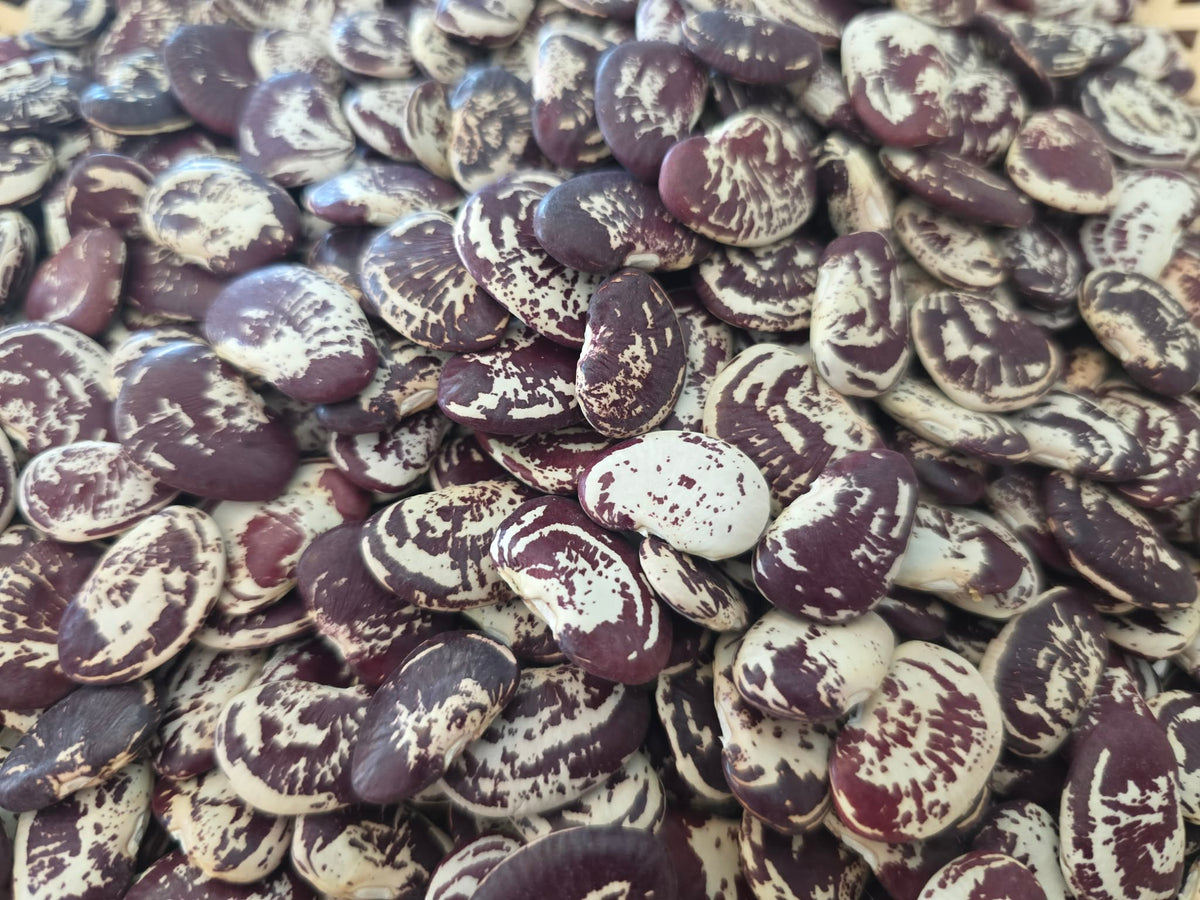
Lima beans need warmer soil and a longer settled season than common beans; choose bush types for earlier harvest and pole types for extended production on a trellis.

Choose an allium by the part you intend to harvest: leek shaft, scallion, storage bulb, or perennial leaves. Their spacing, season, day-length response, and seed-saving plans are different.
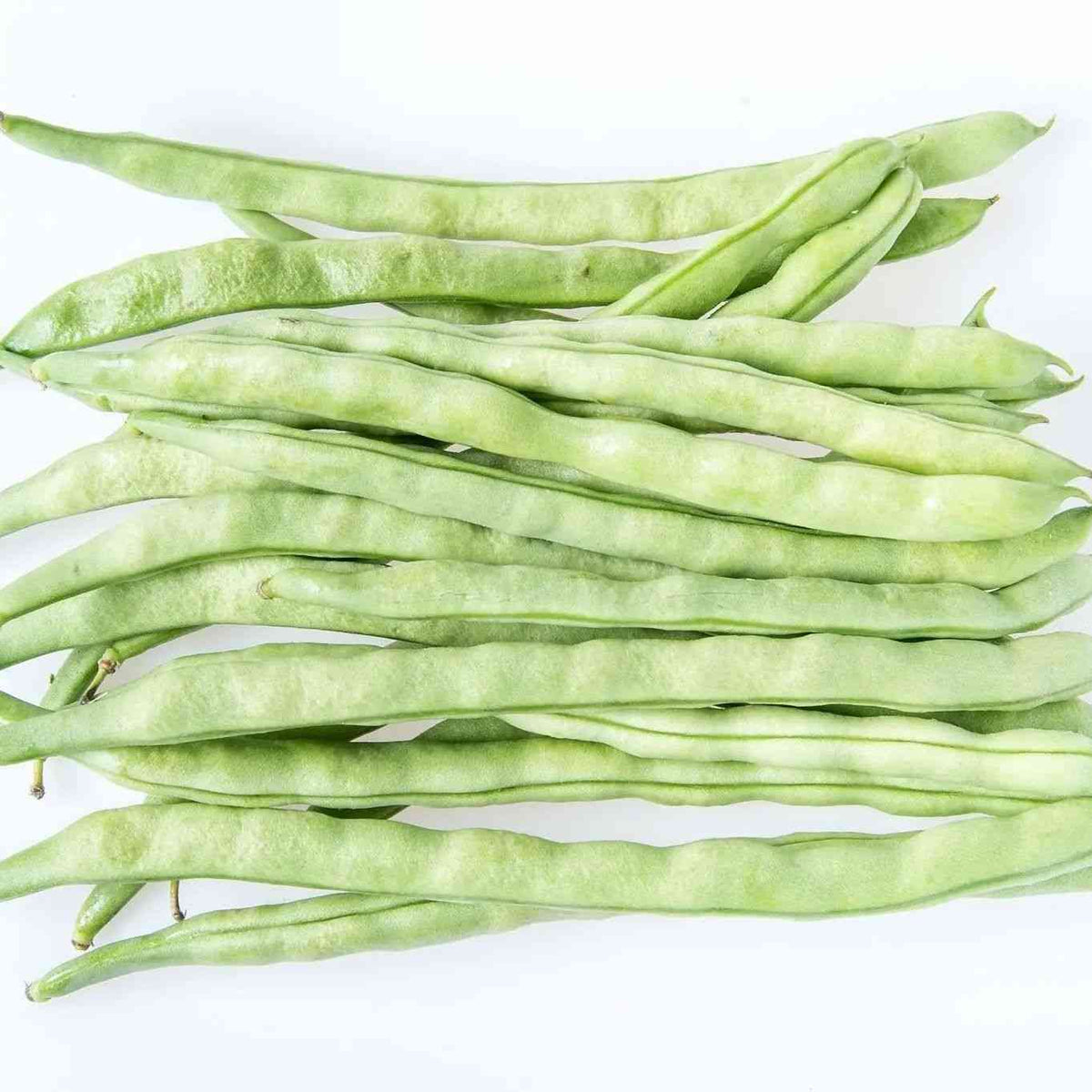
Bush beans produce on compact plants with a concentrated harvest; pole beans require a trellis and usually provide a longer picking season from vertical growth.

Umbel-family herbs share flower structure but differ in life cycle, root sensitivity, harvest stage, and garden size. Direct sow the taprooted species and plan seed harvest before the umbels shatter.

Mediterranean herbs fail more often from wet roots, shade, and excess fertility than from neglect. Give rosemary, thyme, oregano, and sage sun, airflow, drainage, and separate watering from thirsty annual herbs.
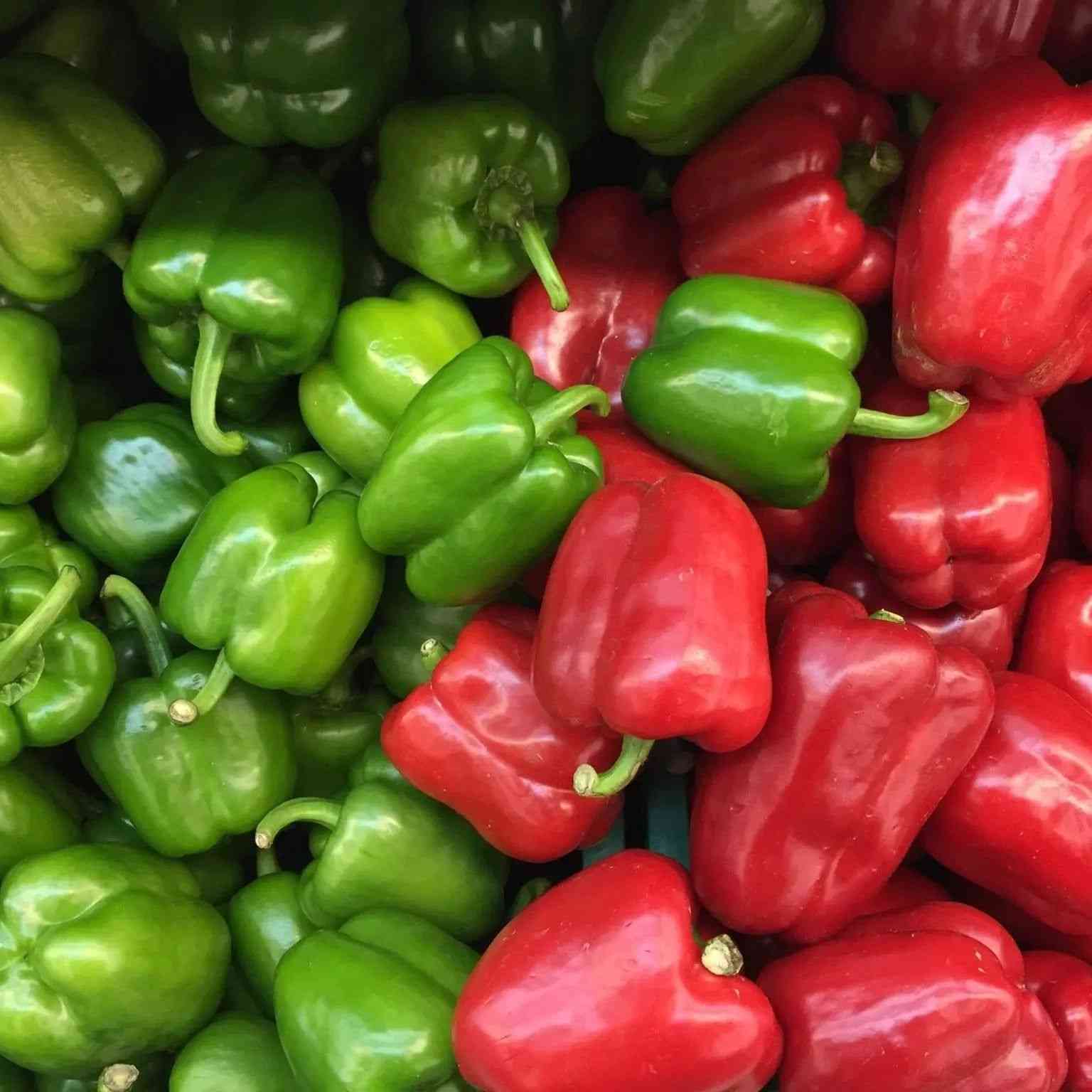
Start pepper seeds 8–10 weeks before transplanting, hold the root zone near 80–90°F, sow shallowly, provide strong light immediately after emergence, and transplant only into warm soil.
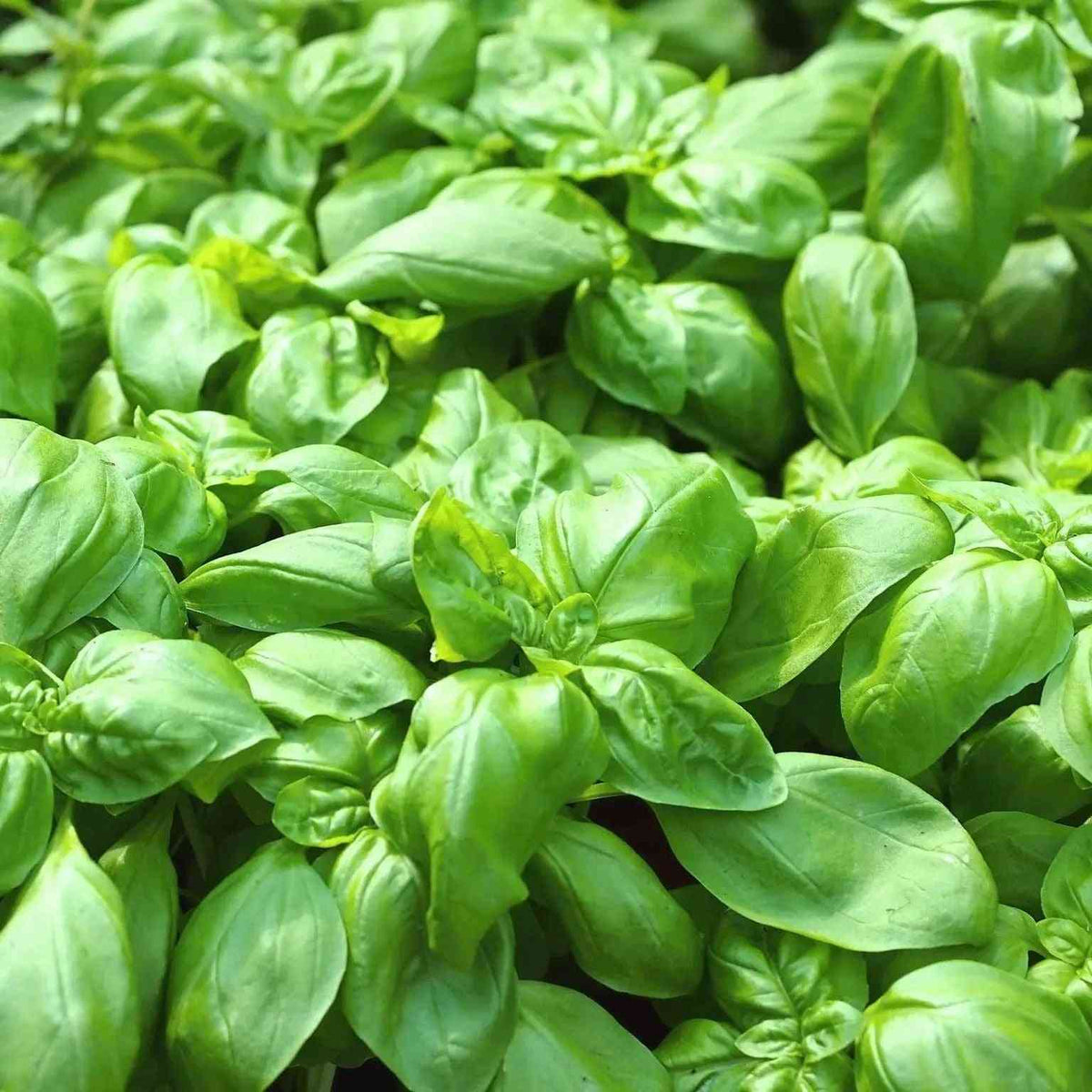
Sweet and Genovese basil suit pesto and broad culinary use. Thai basil brings anise-like flavor and firmer leaves. Lemon basil is citrus-forward. Purple basil adds color. Greek basil stays compact. Tulsi is a different basil group grown for aromatic and cultural uses rather than as a direct pesto substitute.

Surface sow lemon balm, grow it in a draining container or managed bed, cut it back for tender leaves, and remove flowers before seed if you do not want a wider patch.

German chamomile is usually an annual grown readily from seed, while Roman chamomile is a low perennial. Surface sow the tiny seed, keep the seedbed evenly moist, and harvest flowers repeatedly as centers become prominent.
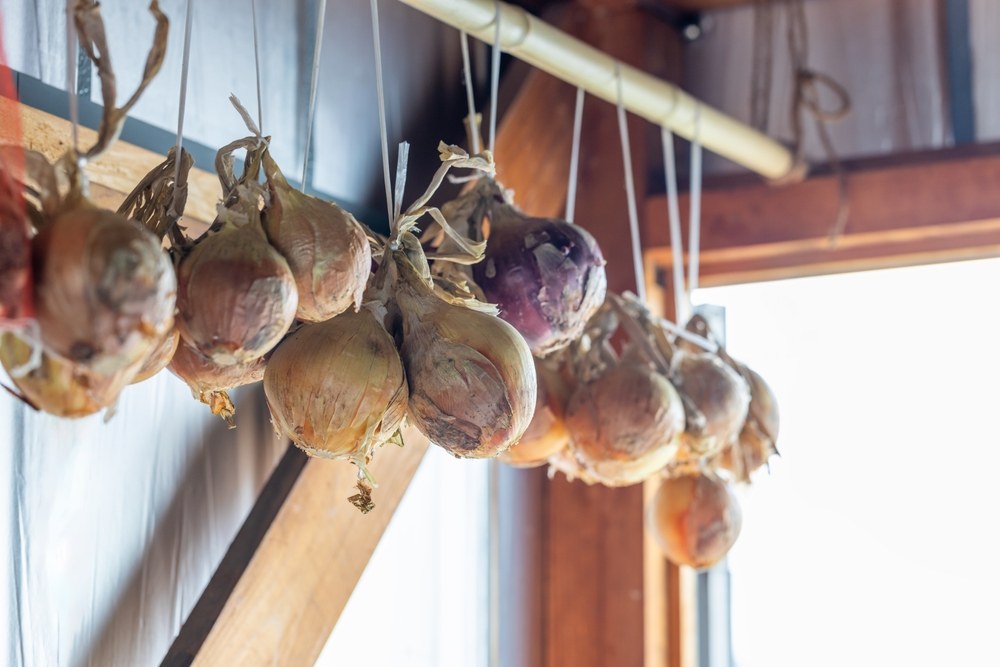
Onion seed offers broad variety choice and clean starts but needs time. Sets are small dormant bulbs that establish quickly but can bolt or offer limited variety choice. Transplants balance speed and selection. Day length class must match latitude or bulbs may never size correctly.
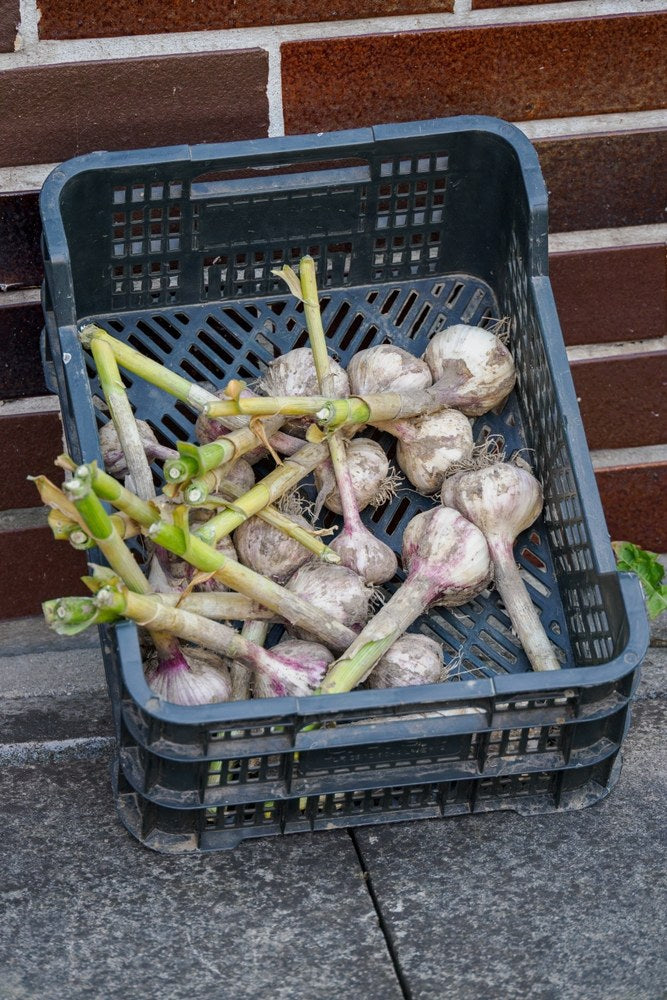
Hardneck garlic generally performs best where winters are cold enough to support its growth cycle and produces edible scapes. Softneck garlic commonly stores longer and adapts well to milder regions. Elephant garlic is a leek relative, not true garlic, and has a different flavor and growth pattern.

Powdery mildew forms superficial white fungal growth, but natural leaf markings, residue, downy mildew, and spray deposits can look similar. Confirm the pattern, improve airflow, and use crop-labeled controls only when needed.
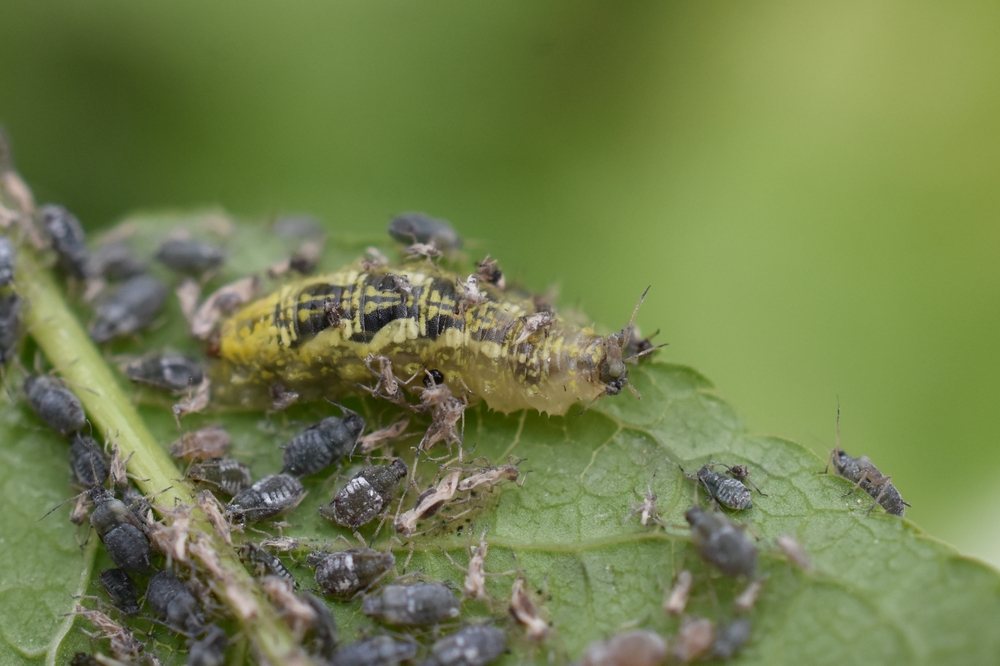
Begin with the damaged plant part and pattern across the planting. Holes, mines, skeletonizing, wilt, tunneling, root pruning, flower injury, and fruit feeding each narrow the suspect list.

Squash bugs feed on leaves and stems from the outside; vine borer larvae tunnel inside stems. Look for eggs, frass, stem entry, wilting pattern, and crop species before choosing control.
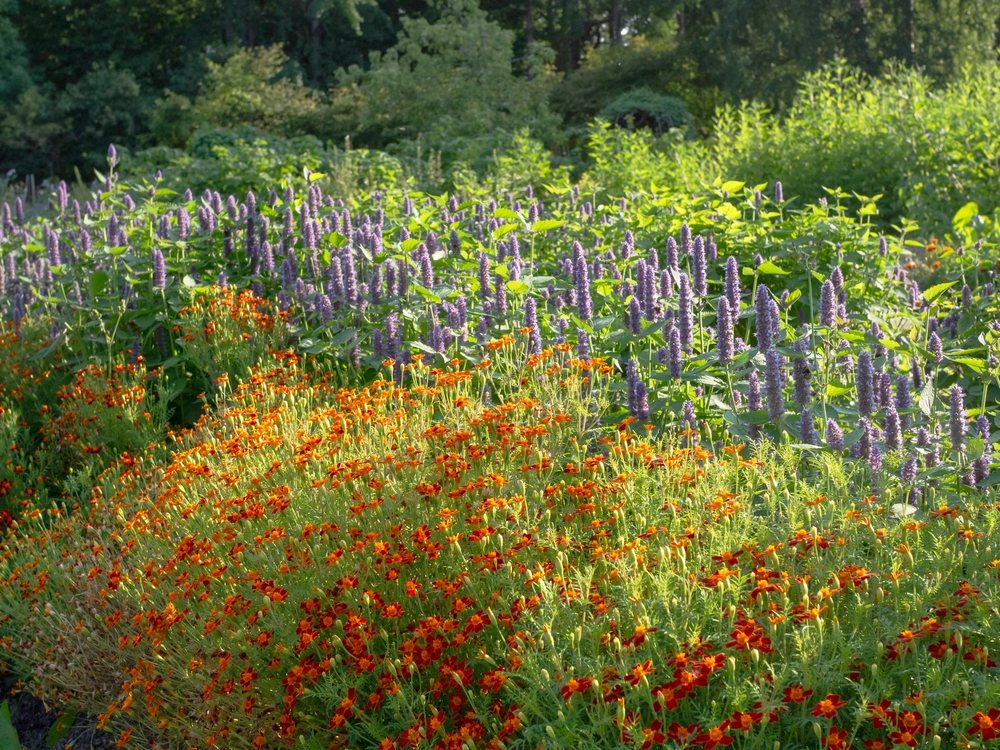
Beneficial insects are not one group with one job. Learn to recognize common predators and parasitoids, protect their life stages, and build habitat that keeps them working in the garden.
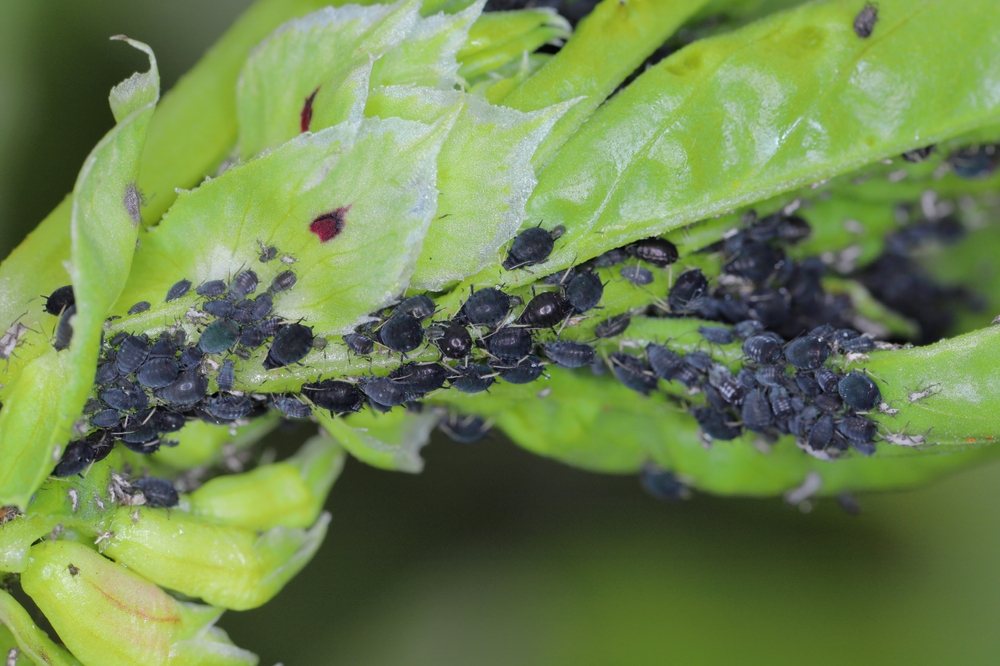
Confirm live aphids and damage before treating. Lady beetles, lacewings, hoverfly larvae, parasitoid wasps, and weather often reduce colonies; protect those natural enemies.
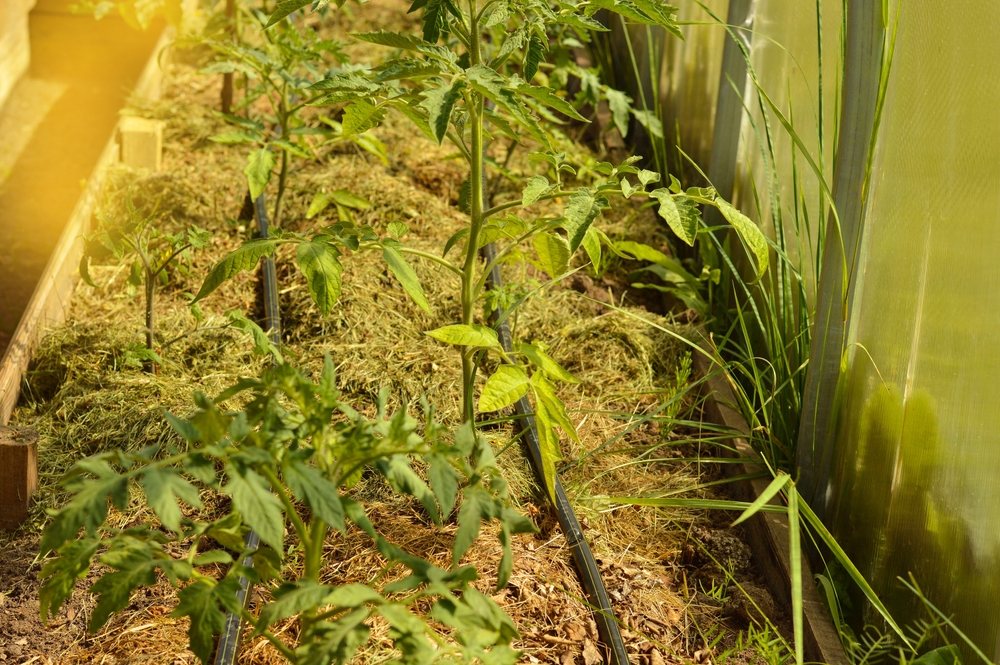
Water tomatoes by soil moisture and root depth rather than a fixed calendar. Deep, even watering, mulch, drainage, weather, and container size determine the real schedule.
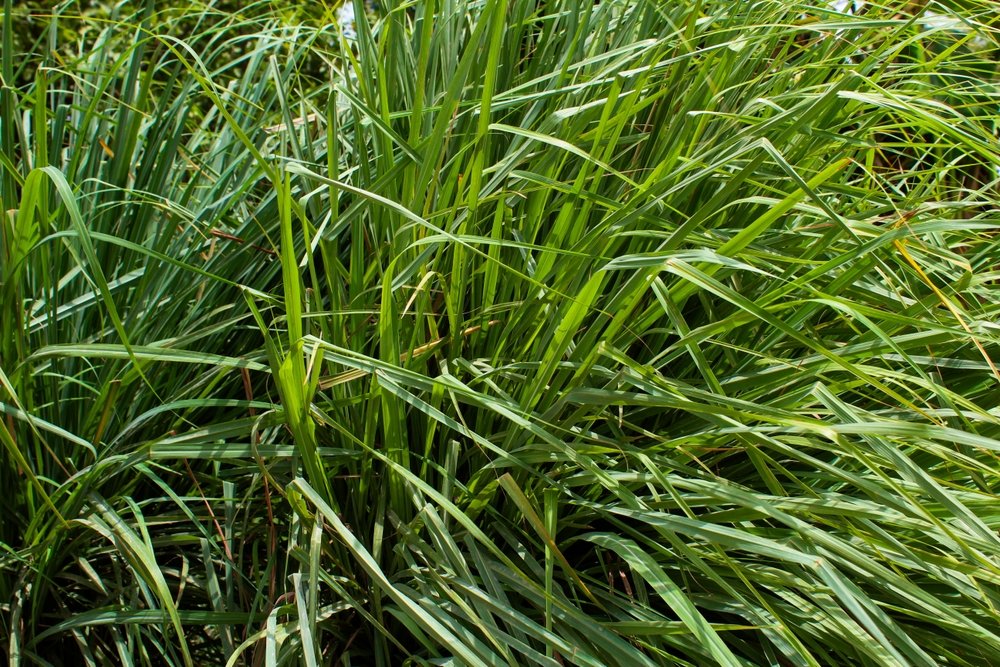
Lemongrass can be grown from seed, divisions, or viable rooted stalks, but each method has a different timeline and certainty. Give plants warmth, sun, rich moisture-retentive soil, and enough container or bed space for a large clump.
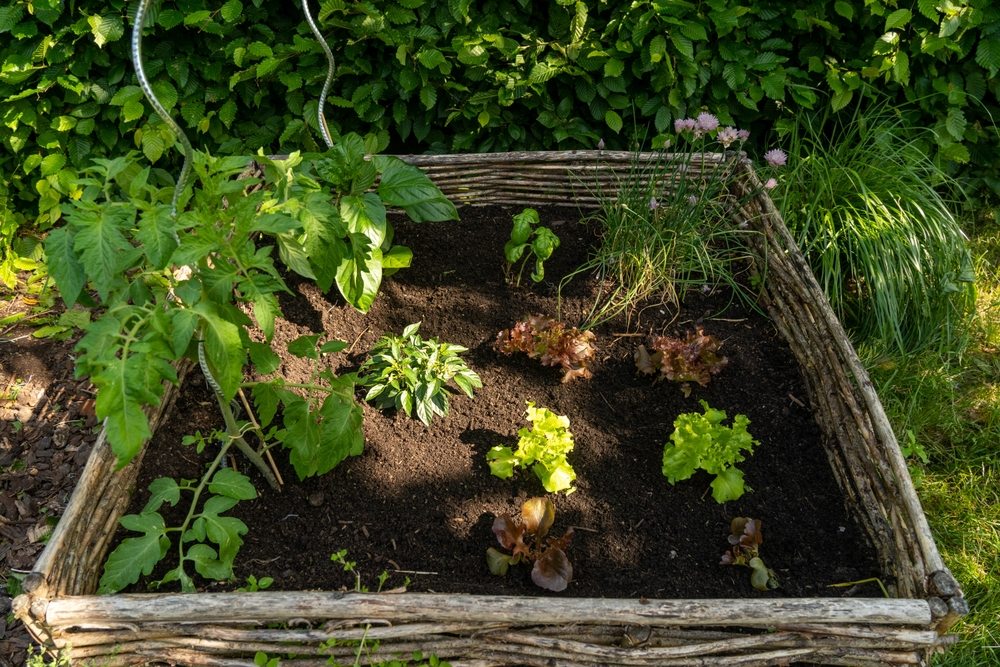
In partial shade, begin with crops harvested for leaves, stems, or small roots, including lettuce, spinach, kale, collards, scallions, parsley, radishes, baby beets, and some herbs. Measure actual direct light and expect slower growth than the same crop would have in full sun.
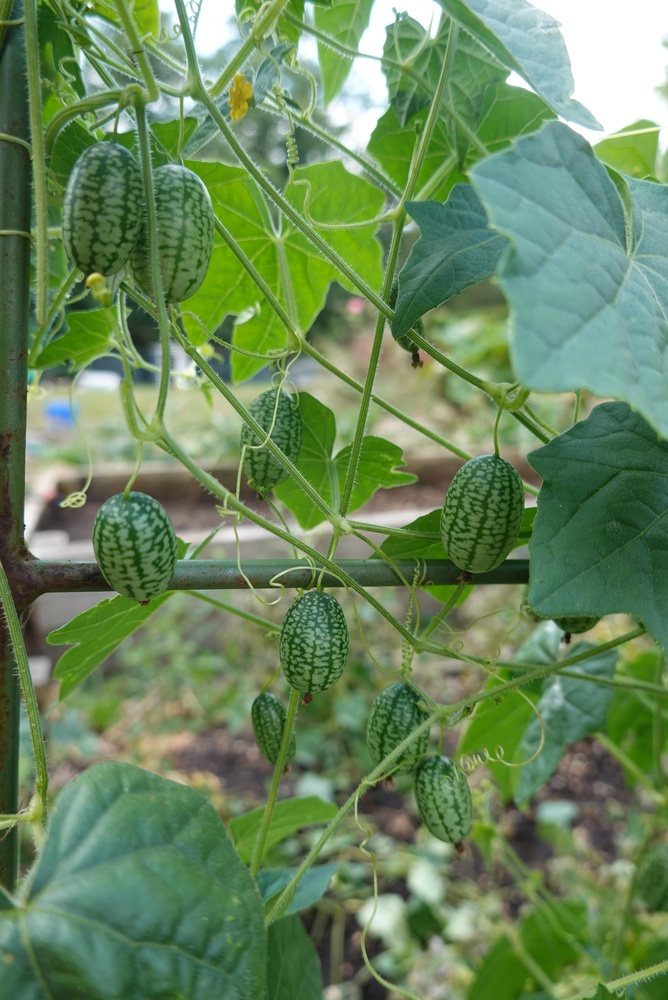
Cucamelons are heat-loving climbing vines grown for grape-sized, tangy fruits. Start them warm, provide a trellis, avoid waterlogged soil, and harvest often before the fruits become overly seedy.
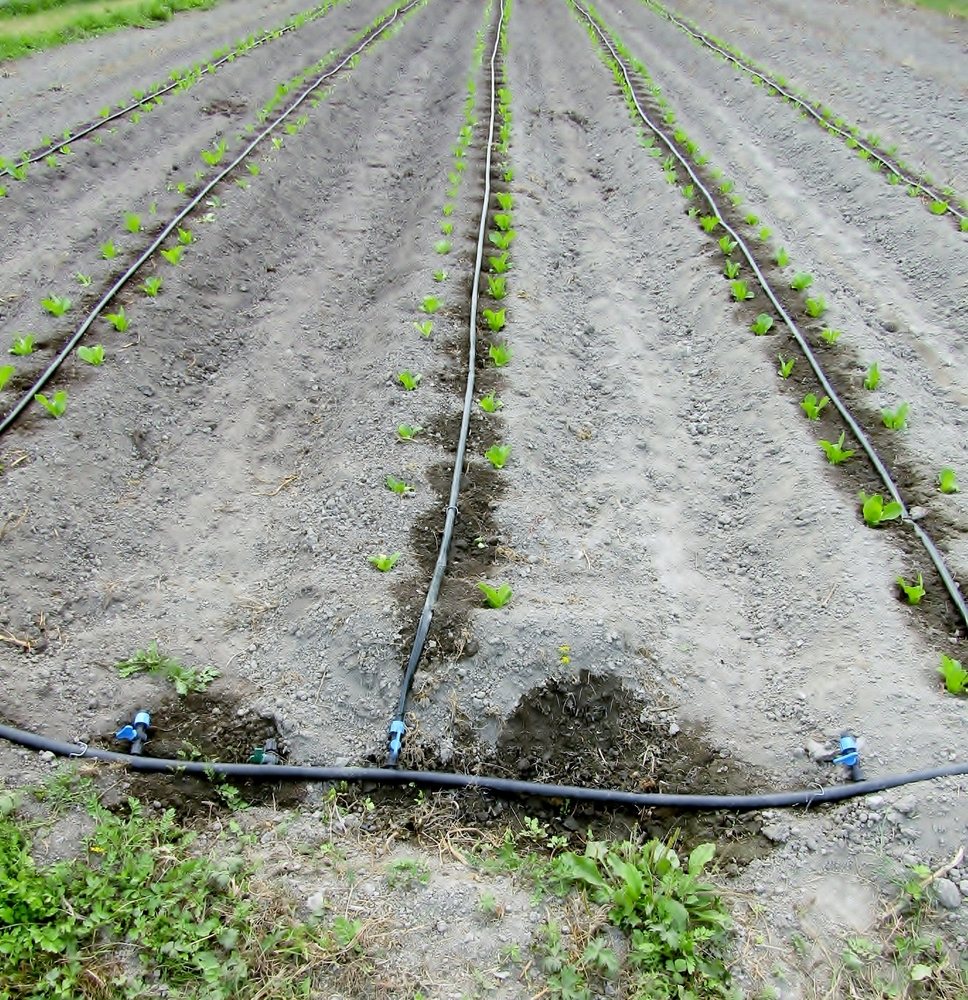
Drip irrigation delivers water at specific emitters, soaker hoses release it along a porous line, and hand watering provides flexible spot treatment. Choose by bed layout, water pressure, crop density, maintenance capacity, and whether you can verify how deeply water moved.
Page 3 of 5