Welcome to our store. Learn more

Free U.S. seed shipping $25+. Seeds ship free at the threshold.

Current Processing Times Before Shipping Are 1-2 Business Days

25% OFF Heirloom seed packets are $1.50, regularly $2.00. Seed packets only · sale price already applied · carries into checkout · coupon codes do not combine. Shop the sale →
Alliance of Native Seedkeepers Brewed in Colerain, North Carolina The practical library

The practical library

Growing Guides & Planting Advice

Find crop guides, planting calendars, seed-starting help, soil guidance, pest diagnosis, harvesting information, and practical seed-saving instructions.

Searchable. Find the crop, problem, story, or update you need. Complete. Browse every published article with working pagination. Rooted. From a Native-led seed company in rural North Carolina.

Growing Guides by Crop

120 articles in this topic

Chinese Five Color pepper plant carrying upright fruits in purple, cream, yellow, orange, and red stages.
Seedkeeping, foodways & history

Chinese Five Color Pepper: Growing, Color Stages, Heat, and Harvest

Chinese Five Color is a compact edible hot pepper whose upright fruits ripen through purple, cream, yellow, orange, and red. Start it early, transplant after warm nights arrive, keep moisture steady, harvest by intended use, and save seed only from fully ripe representative fruit.
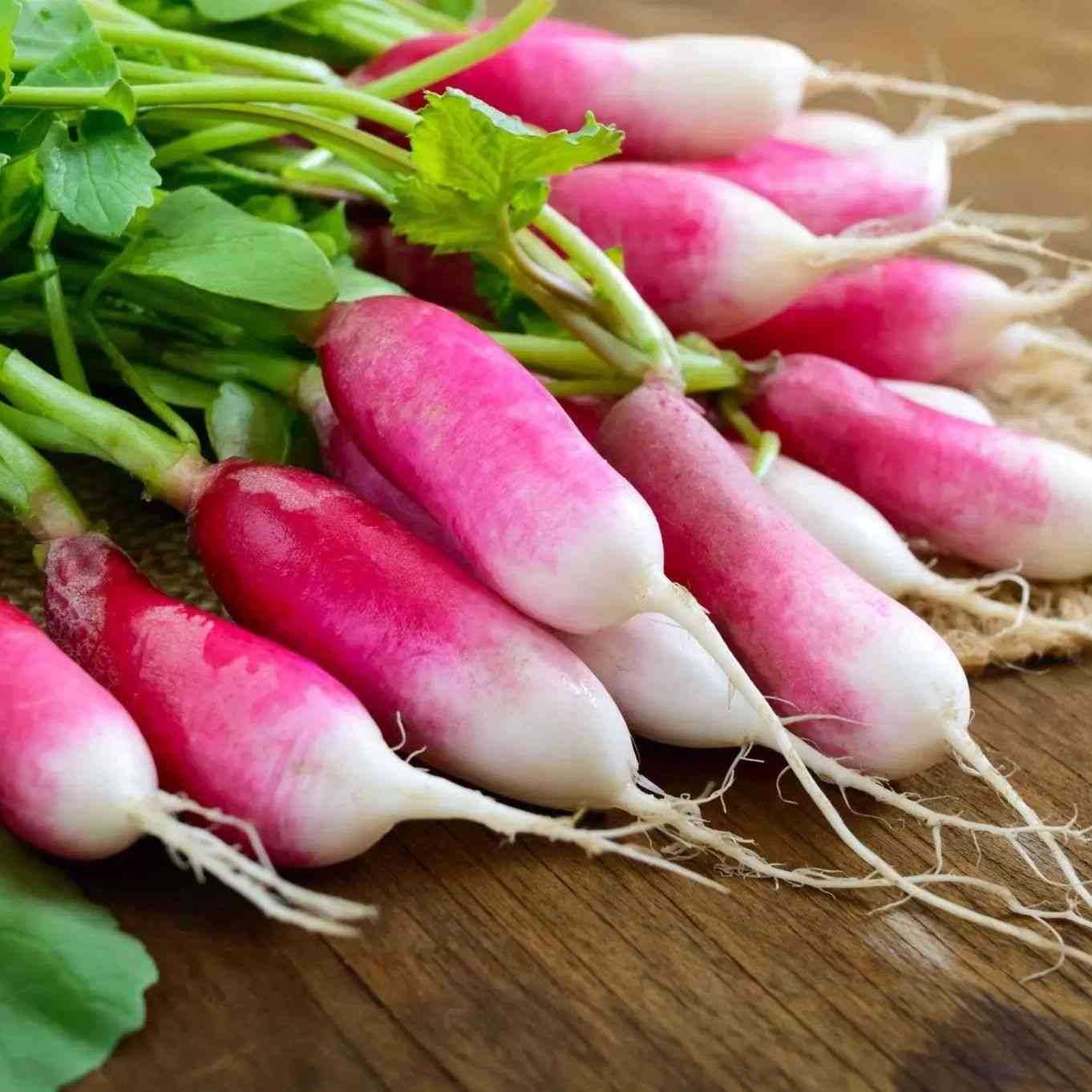
French Breakfast radishes with elongated red roots and white tips.
Seedkeeping, foodways & history

French Breakfast Radish: Timing, Root Quality, Heat, and Harvest

French Breakfast radish is an elongated red-and-white spring radish that performs best in cool weather. Direct sow shallowly, thin early, keep the root zone evenly moist, and harvest in passes as soon as roots reach usable size.

Early Jersey Wakefield cabbage with a compact pointed green head.
Seedkeeping, foodways & history

Early Jersey Wakefield Cabbage: Spring and Fall Growing Guide

Early Jersey Wakefield is an early open-pollinated cabbage with compact pointed heads. Start transplants for spring or establish a late-summer fall crop, maintain steady growth, protect the growing point, and harvest when heads are firm.

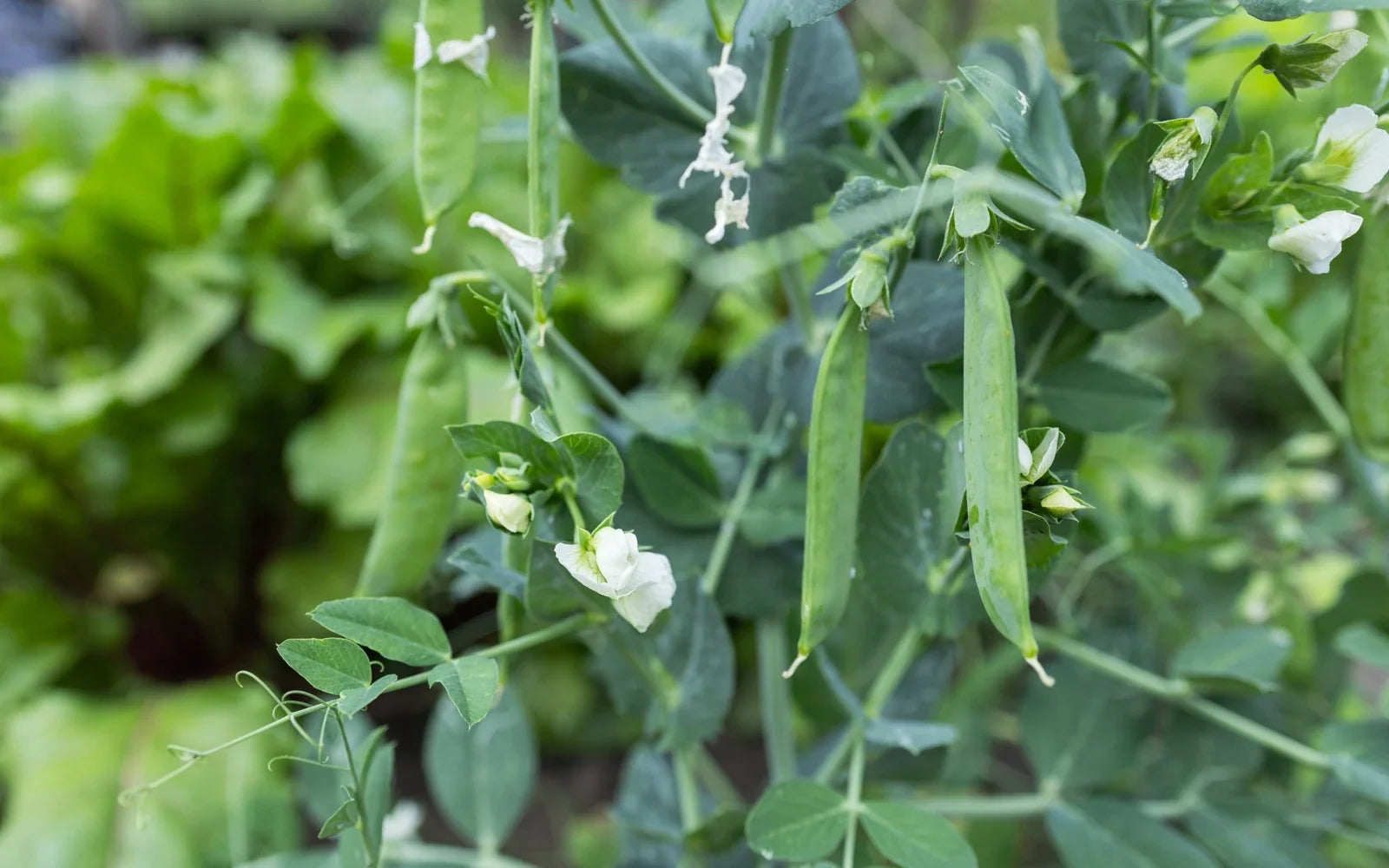
Garden pea vines carrying green pods and white flowers.
Growing guide

How to Grow Garden Peas from Seed: Shelling, Snow, and Sugar Snap Peas

Garden peas are a race against heat. Prepare the bed and trellis before the planting window opens, sow while conditions are cool, keep moisture steady during flowering and pod fill, and harvest shelling, snow, and sugar snap peas at the stage each type requires.

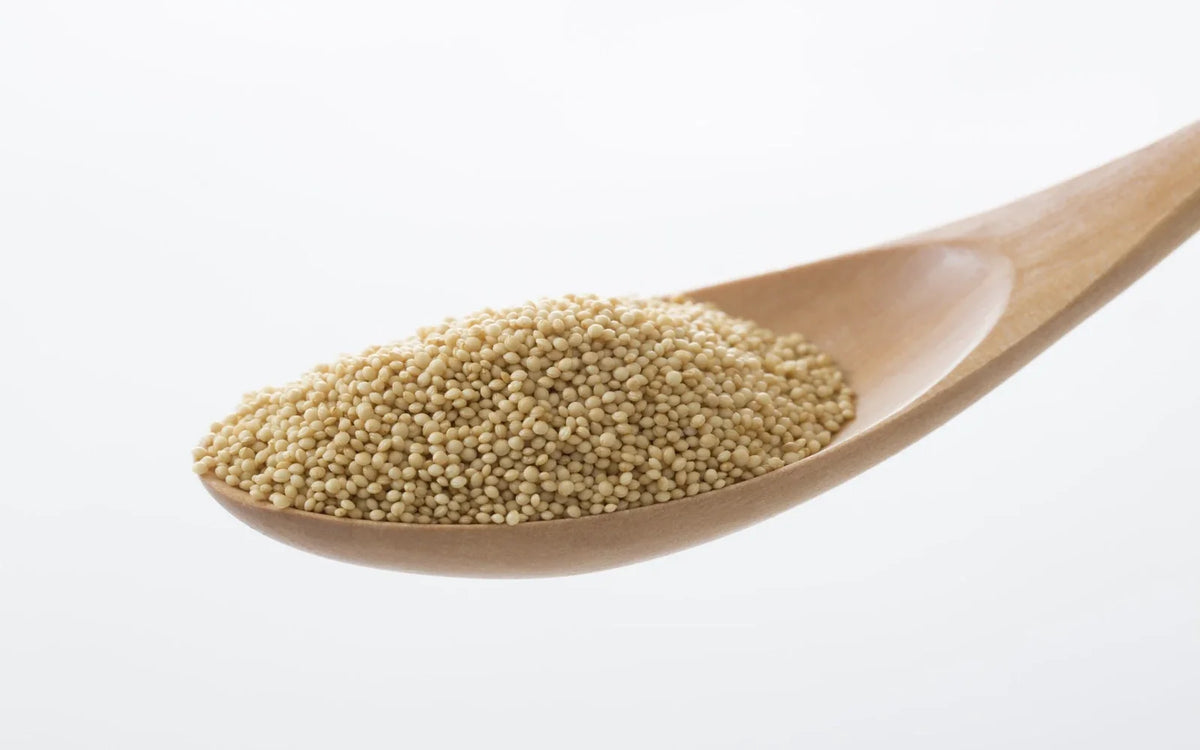
Small pale amaranth grains collected in a wooden spoon.
Seedkeeping, foodways & history

How to Harvest Amaranth Leaves, Flowers, Grain, and Seed

Mark each plant group for greens, flowers, grain, dye, or seed before cutting begins. Harvest tender leaves young, take flower stems before weathering, collect firm mature seed before shattering, and finish drying under cover when humidity or rain threatens.

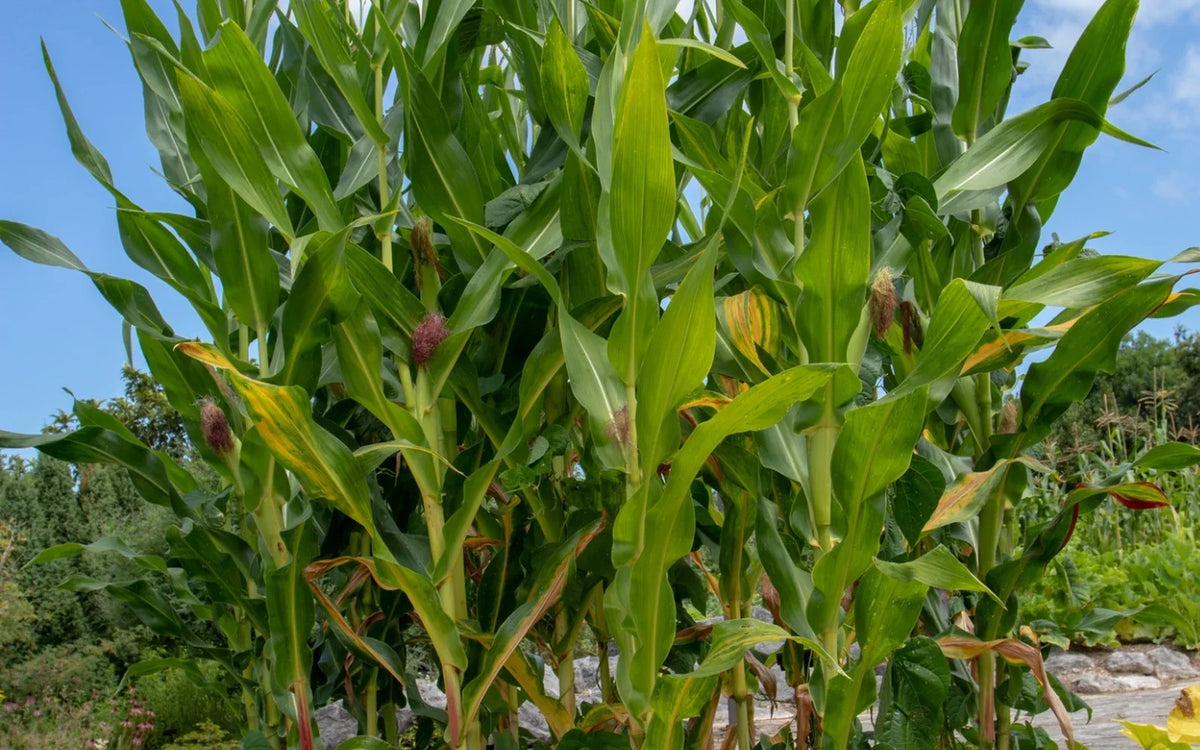
Corn, climbing beans, and squash growing together in a small Three Sisters garden.
Seedkeeping, foodways & history

How to Plan a Staple-Food Garden for Eating, Storage, and Seed

Plan backward from meals, storage, labor, water, and seed needs. Give every crop a clear job, use spring, summer, and fall planting windows, keep frequently harvested crops accessible, and start smaller than the land allows so the household can process what the garden produces.

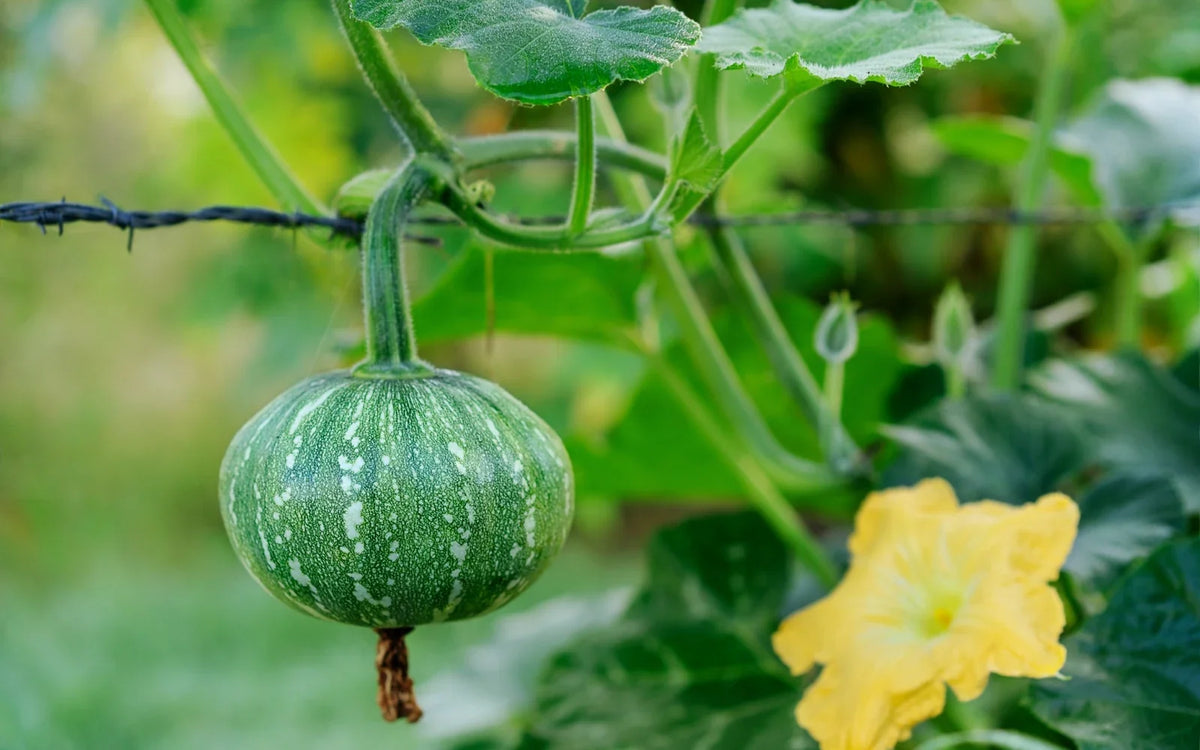
A pumpkin vine with a yellow flower and developing fruit in a home garden.
Seed saving & varieties

How to Grow Pumpkins from Seed: Vines, Pollination, Harvest, and Storage

Choose the pumpkin by its job and species before planting. Match maturity to the frost-free season, reserve space for the mature vine, protect pollinator access, harvest only after full maturity, and identify every compatible Cucurbita variety before saving seed.

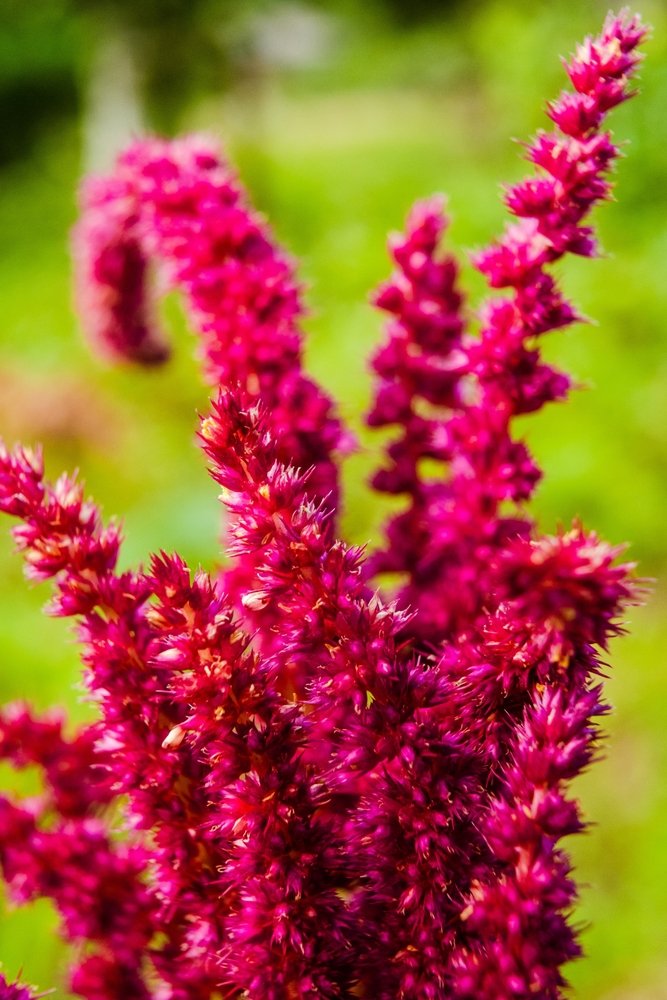
Deep red amaranth flower heads illustrating an ornamental and grain-type amaranth form.
Seedkeeping, foodways & history

Types of Amaranth: Grain, Greens, Flowers, Dye, and Seed Saving

Choose amaranth by documented species, variety, and primary use. Leaf, grain, ornamental, and dye categories overlap, but each needs a different harvest plan. Keep named crops labeled and never eat or save seed from an unidentified pigweed.

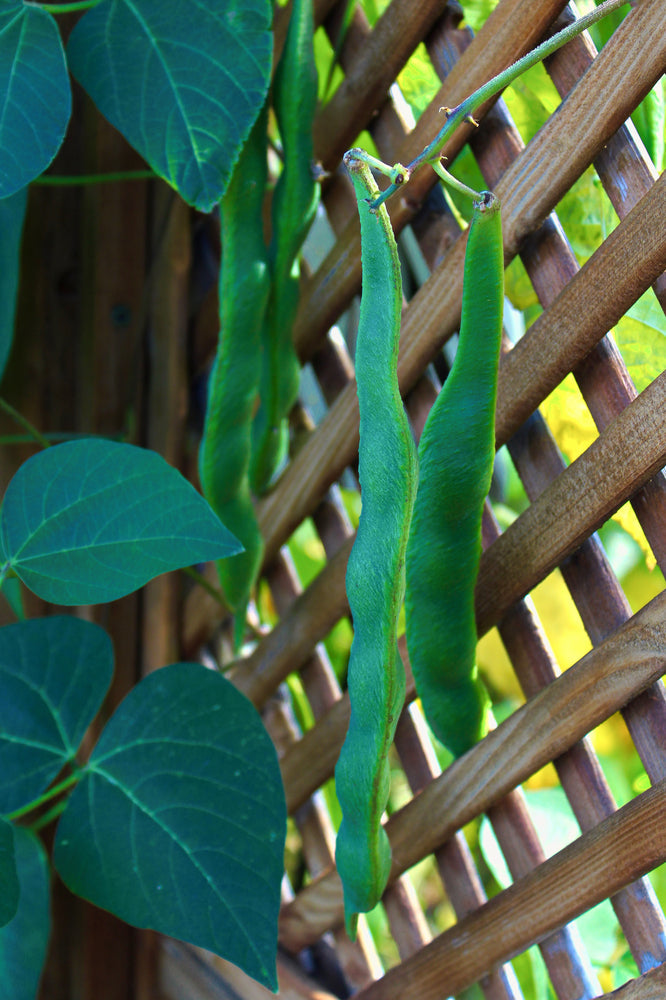
Pole bean vines climbing a wooden lattice, illustrating the support needs of climbing bean varieties.
Growing guide

How to Grow Beans from Seed: Bush, Pole, Snap, Shelling, and Dry Beans

Choose beans by the job you want them to do before choosing by color. Plant common beans only after the soil has warmed, build the trellis before pole beans begin to climb, keep moisture steady during bloom and pod fill, and harvest each variety at the stage it was bred for.

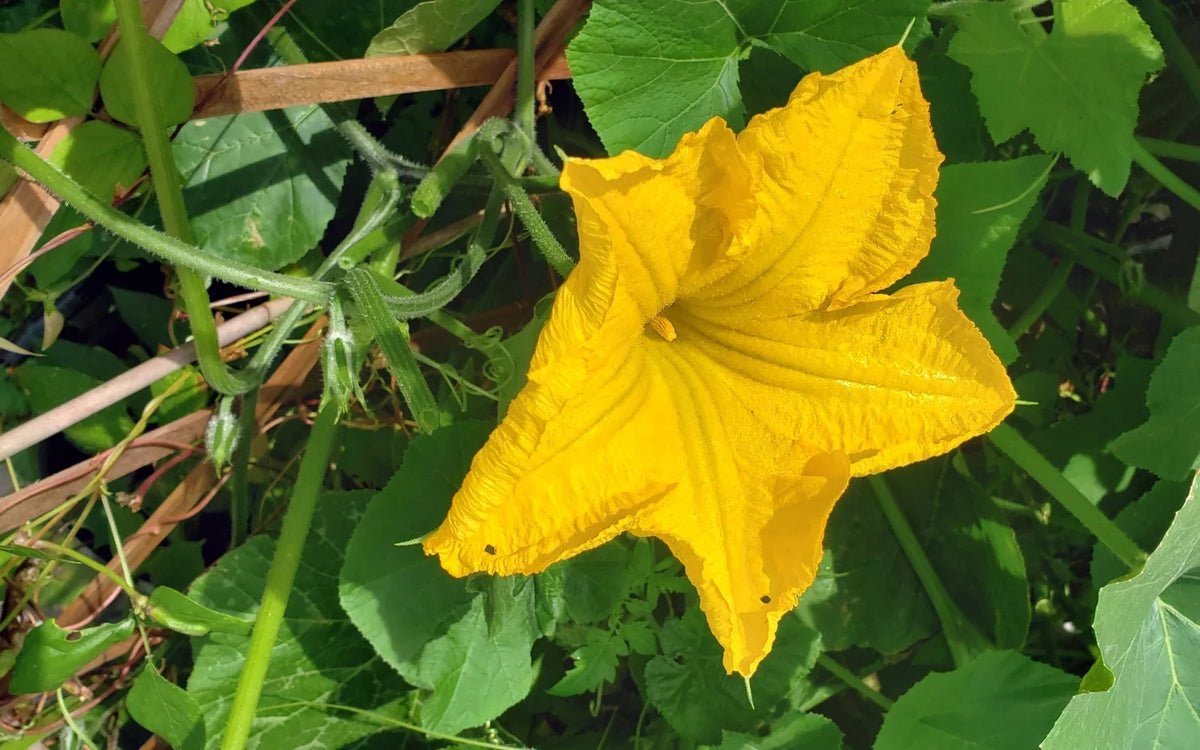
A large yellow squash flower open among green vines.
Growing guide

Squash Flowers but No Fruit: Male Flowers, Pollination, Heat, and Fruit Drop

Do not begin with fertilizer or pesticide. First identify whether the flowers are male or female. Male flowers normally appear first. If female flowers open but the small fruit yellows or rots, check pollination, heat, moisture swings, wet flower tissue, and vine health in that order.

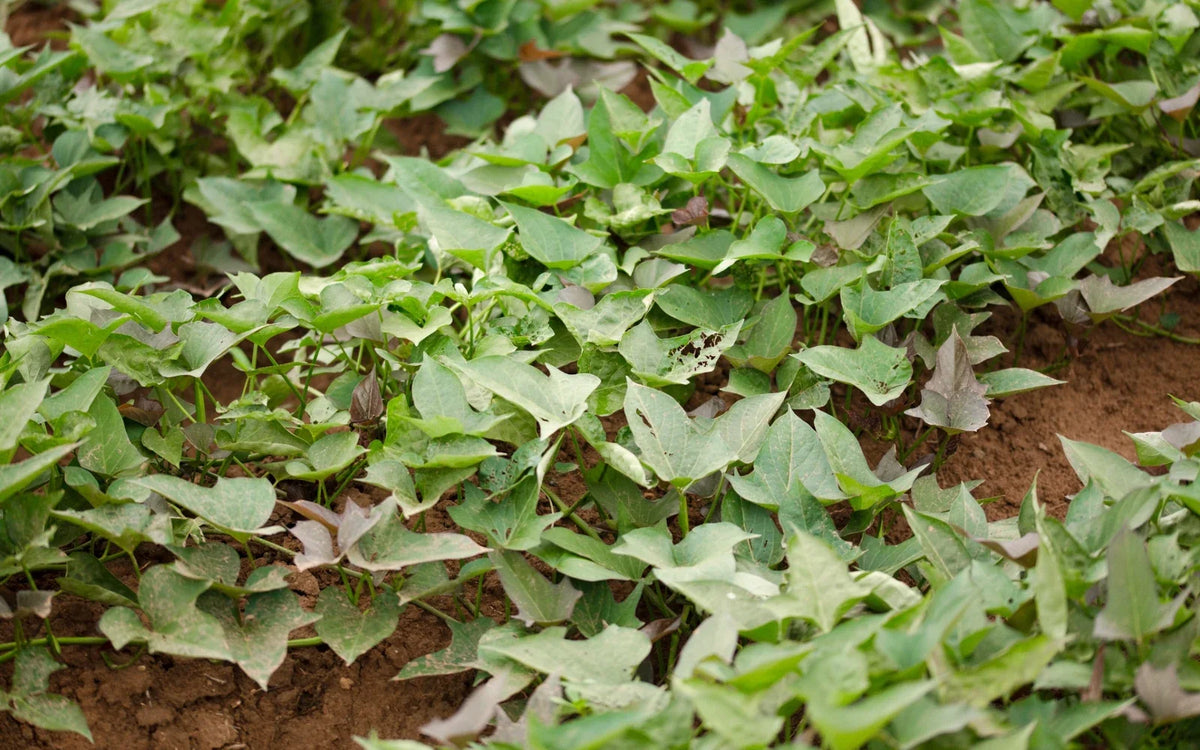
Healthy sweet potato vines spreading across cultivated soil.
Growing guide

How to Grow Sweet Potatoes in Containers and Raised Beds

Sweet potatoes are grown from slips, not ordinary seed potatoes. In a container or raised bed, the root zone is the crop: give each slip warm, loose, well-drained soil, enough volume for storage roots, steady establishment moisture, restrained nitrogen, and a careful harvest before frost.

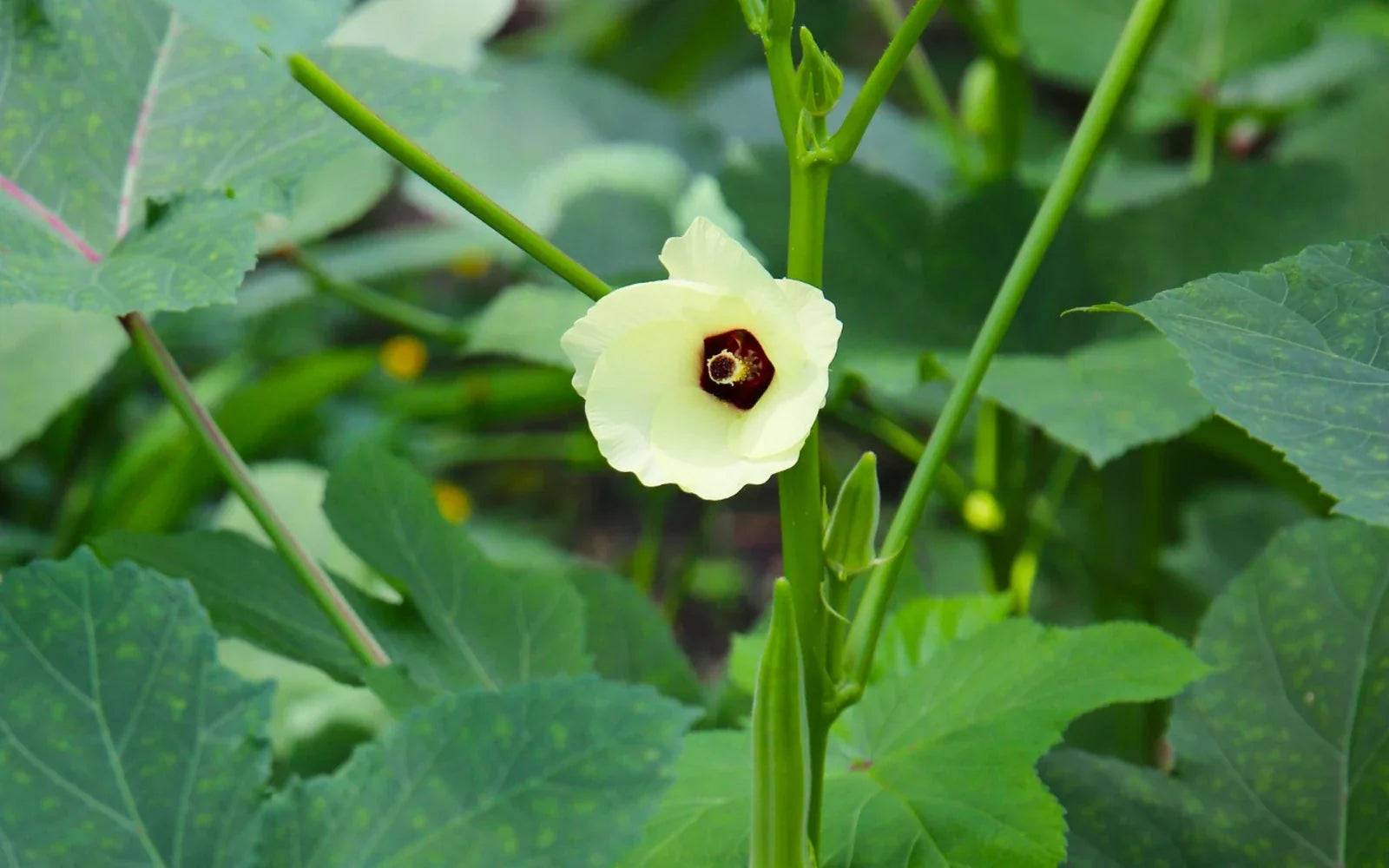
An okra plant with a pale yellow flower and young green pods.
Growing guide

How to Grow Okra from Seed: Warm Soil, Tender Pods, and Seed Saving

Okra is not hard to grow once the weather is truly warm. The work is waiting for warm soil, giving the row enough access and airflow, avoiding excess nitrogen, and harvesting pods every one to two days before they become tough.

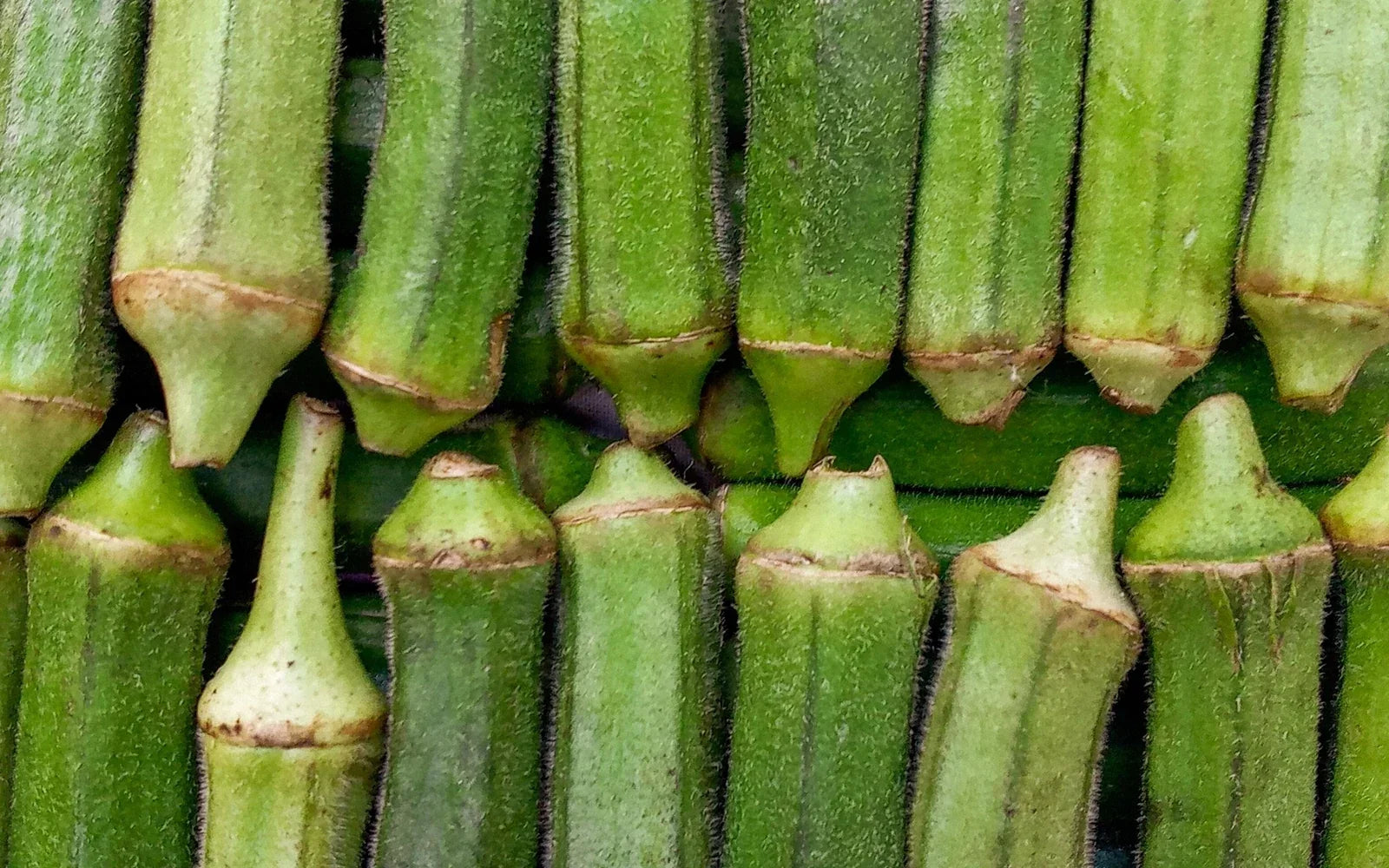
An assortment of fresh green okra pods showing differences in size and shape.
Seed saving & varieties

Types of Okra: Pod Shape, Plant Height, Color, and Harvest

Choose okra by the work the row must do. Ridged pods generally need young, frequent harvest; round-podded types can be more forgiving; and long-pod types such as Cherokee Long Pod, Perkins Long Pod, and Cow Horn require a variety-specific maximum tender length. Plant height, access, picking labor, and kitchen use matter more than color alone.

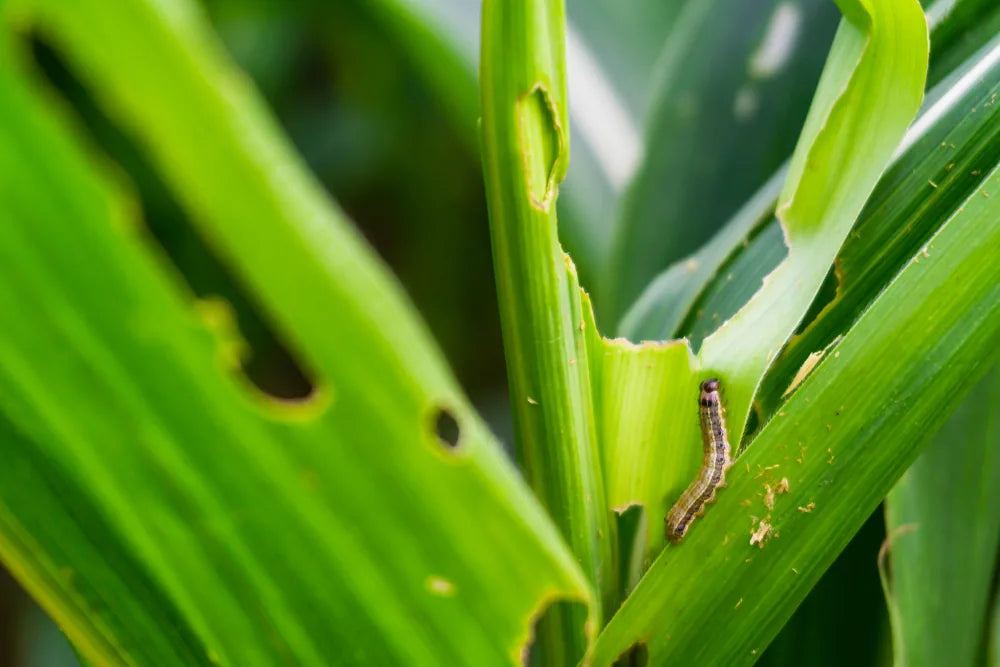
Insect damage visible on corn foliage
Seedkeeping, foodways & history

Why Three Sisters Gardens Fail Today: Timing, Modern Pests, Invasive Grasses, and Climate Pressure

Most Three Sisters failures begin before visible damage: the corn population is too small, varieties are mismatched, all crops are planted at once, fertility and paths are missing, or modern pest and weather pressure is ignored. Diagnose crop stage, pattern, and cause before changing the whole system. A failed modern copy does not erase documented mixed cultivation.

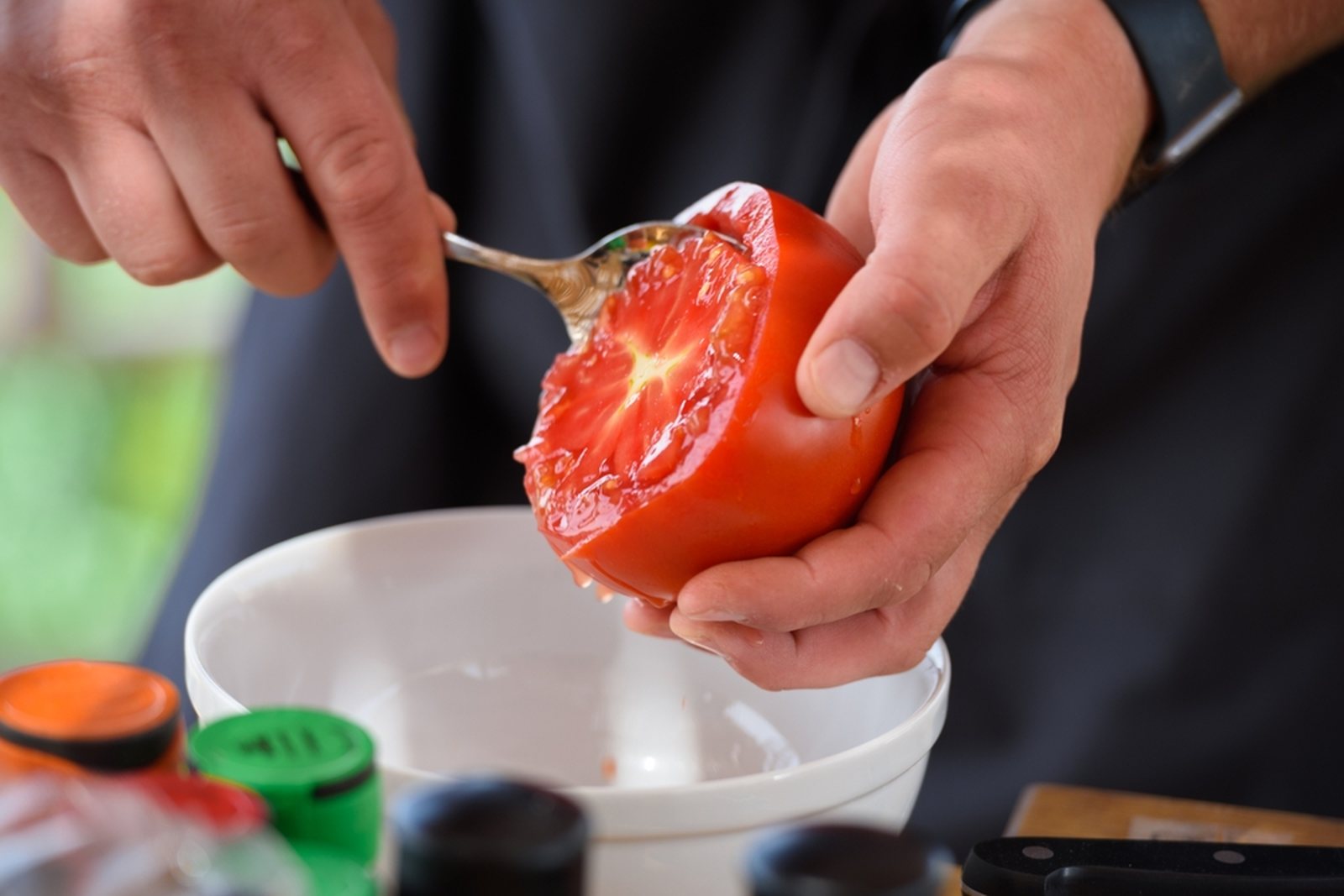
A spoon removing seed and gel from a cut tomato into a bowl
Seedkeeping, foodways & history

How to Save Tomato Seeds: Selection, Fermentation, Cleaning, Drying, and Storage

Save tomato seed from healthy, representative, fully ripe fruit. Fermentation helps separate viable seed from gel and debris, but it does not remove every seedborne pathogen. Dry seed thoroughly, label the variety and year, and manage cross-pollination when purity matters.

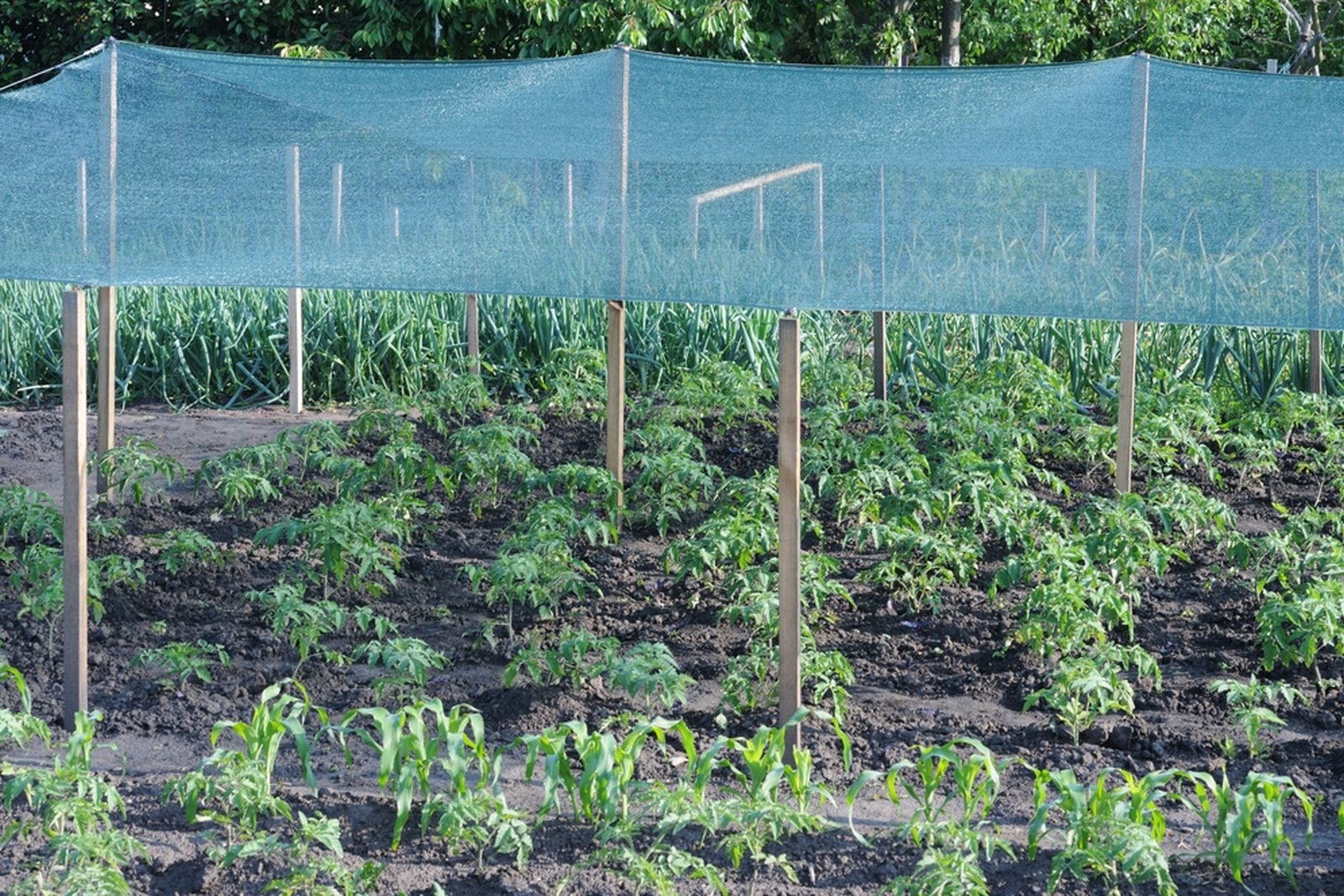
Young tomato plants growing under overhead shade netting
Pests, diseases & troubleshooting

Tomatoes for Heat and Humidity: Variety Choice, Fruit Set, Water, Shade, and Disease

Tomatoes for heat and humidity should be judged by fruit set, usable harvest, recovery, crack loss, and plant health, not by whether the foliage remains green. This guide explains how hot days, warm nights, high humidity, root-zone stress, and wet foliage affect pollen, fruit set, ripening, cracking, and disease. It provides planting-window strategies, mulch and irrigation plans, shade-cloth limits, canopy guidance, emergency actions, and a data sheet for comparing real midsummer performance.

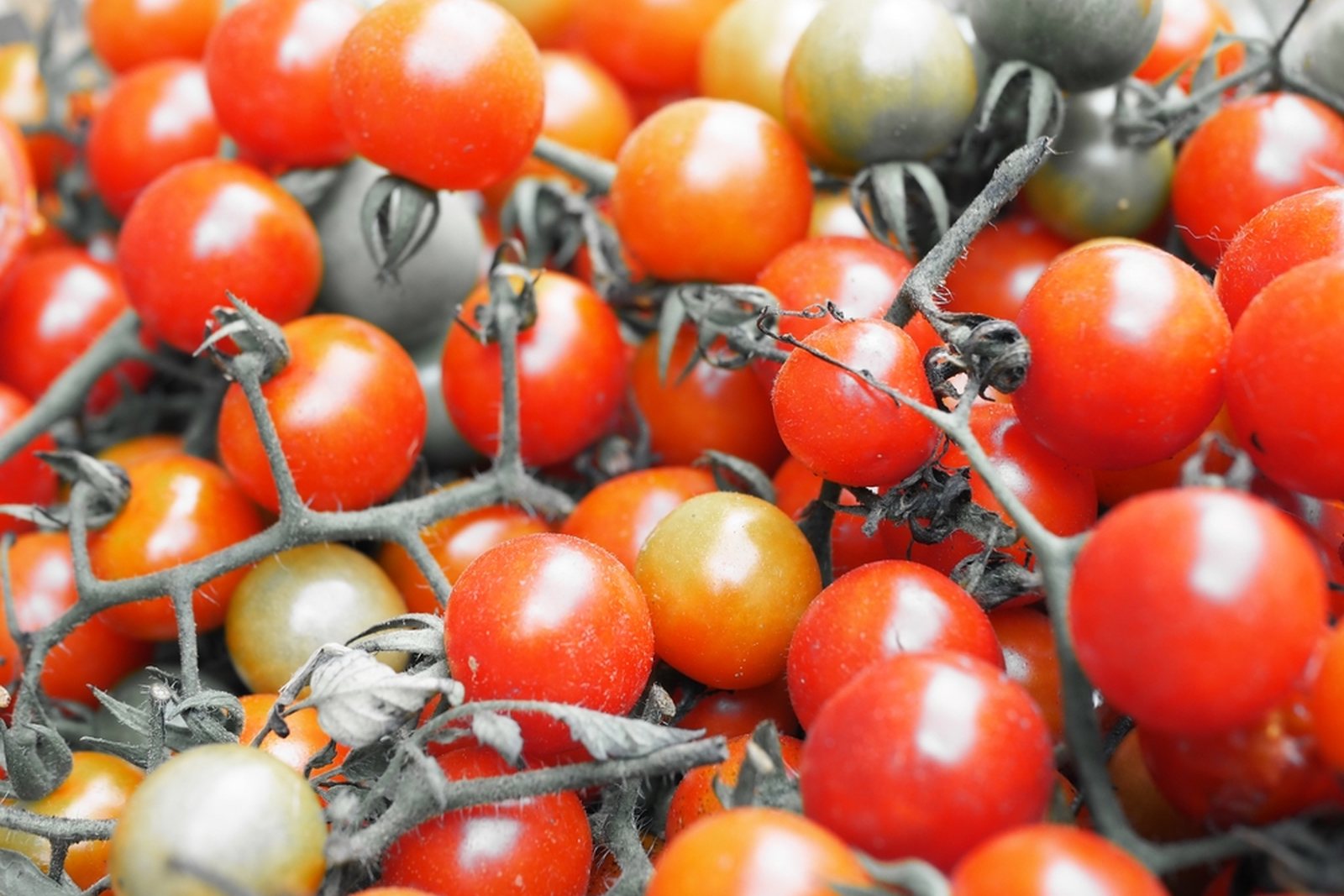
Cherry tomatoes showing green, breaker, orange, and red ripening stages
Pests, diseases & troubleshooting

When Tomatoes Are Ripe: Color, Feel, Breaker Stage, Cracking, and Harvest Timing

Tomato ripeness depends on the variety and intended use. Color should develop across the fruit, the surface should lose its hard green feel, and flavor improves when fruit completes ripening under suitable temperatures. Pick earlier when cracking, animals, storms, or frost threaten.

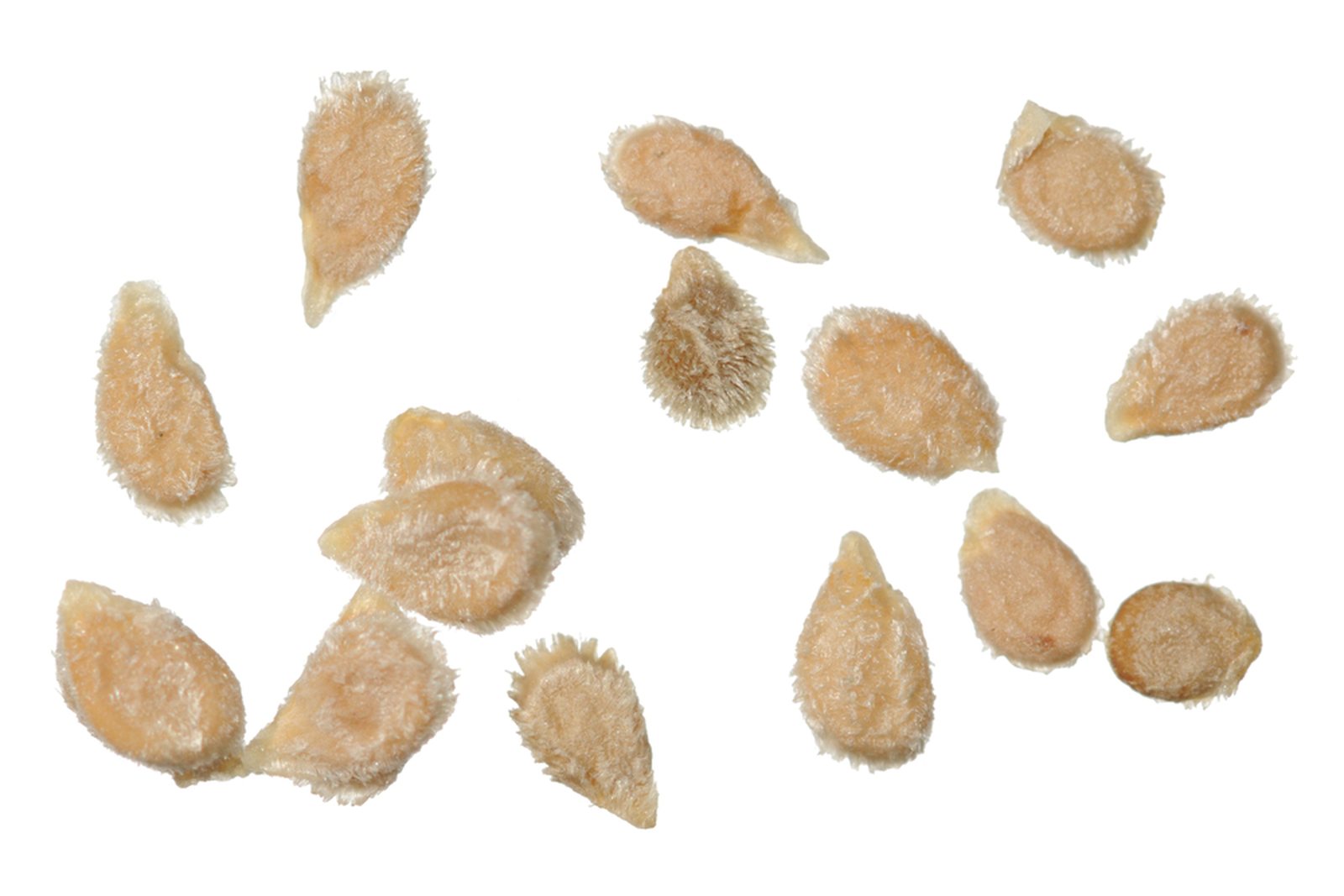
Small flattened fuzzy tomato seeds shown close up on white
Seed starting & germination

How to Grow Tomatoes from Seed: Timing, Temperature, Light, Potting Up, and Transplanting

How to grow tomatoes from seed begins with a backward calendar and measured root-zone conditions, not a fixed month. This guide covers seed-lot labeling, sowing depth, germination temperature, light intensity and distance, air movement, watering, thinning, potting up, nutrition, hardening, transplanting, and seedling diagnostics. It includes a production schedule, measurement log, symptom table, and decision rules for correcting leggy, purple, yellow, stalled, or damping-off-prone seedlings.

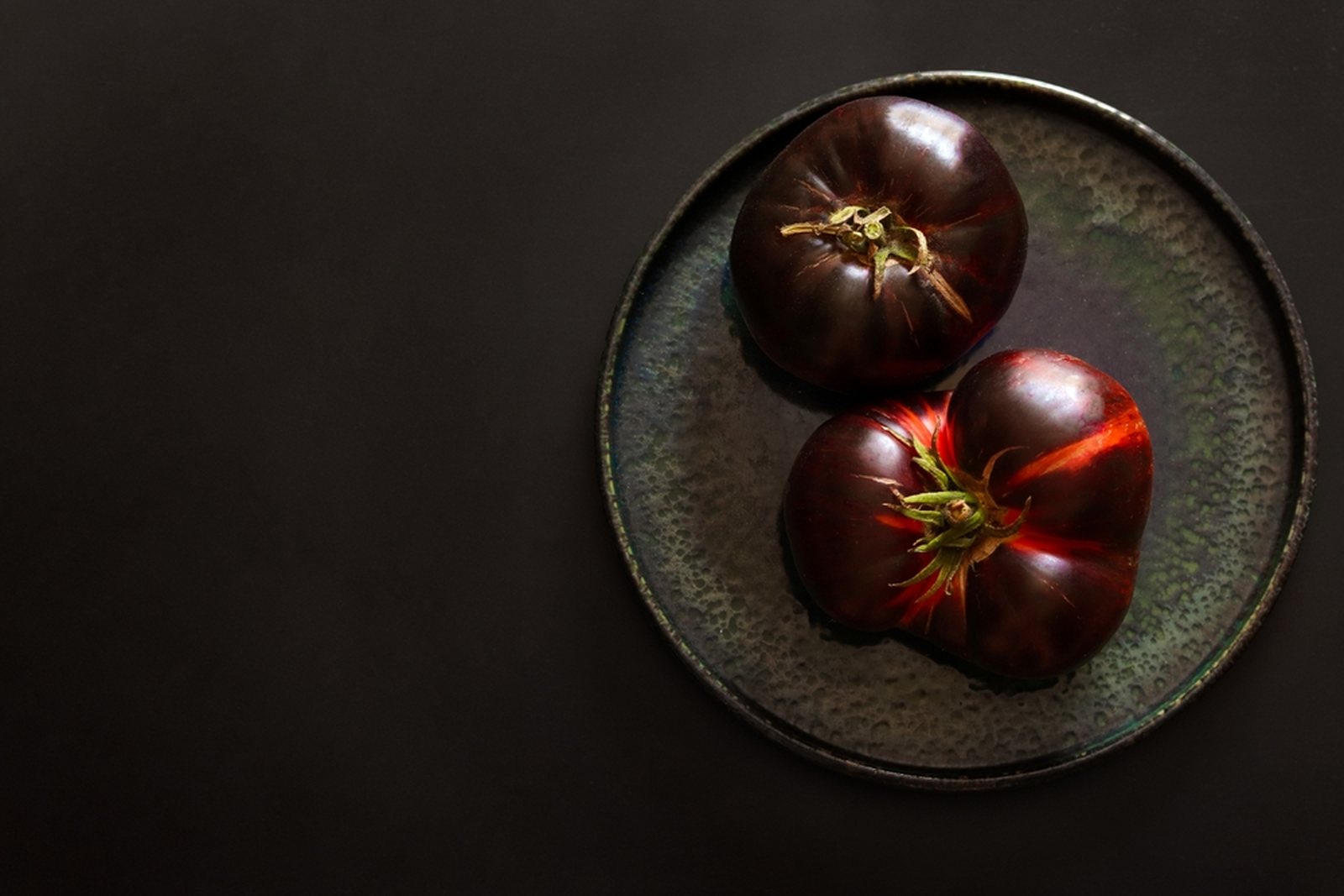
Two dark red-brown tomatoes with green shoulders on a plate
Pests, diseases & troubleshooting

Black Krim Tomato Field Guide: Color, Ripeness, Growing, Cracking, and Seed Saving

Black Krim is an indeterminate dark-fruited slicer whose ripe color changes with temperature, light, and shoulder exposure. This guide explains how to judge Black Krim ripeness from lower fruit color, slight give, aroma, seed maturity, and local experience rather than waiting for every shoulder to turn. It also covers support, heat and humidity, cracking prevention, tasting trials, disease scouting, field records, and responsible seed saving.

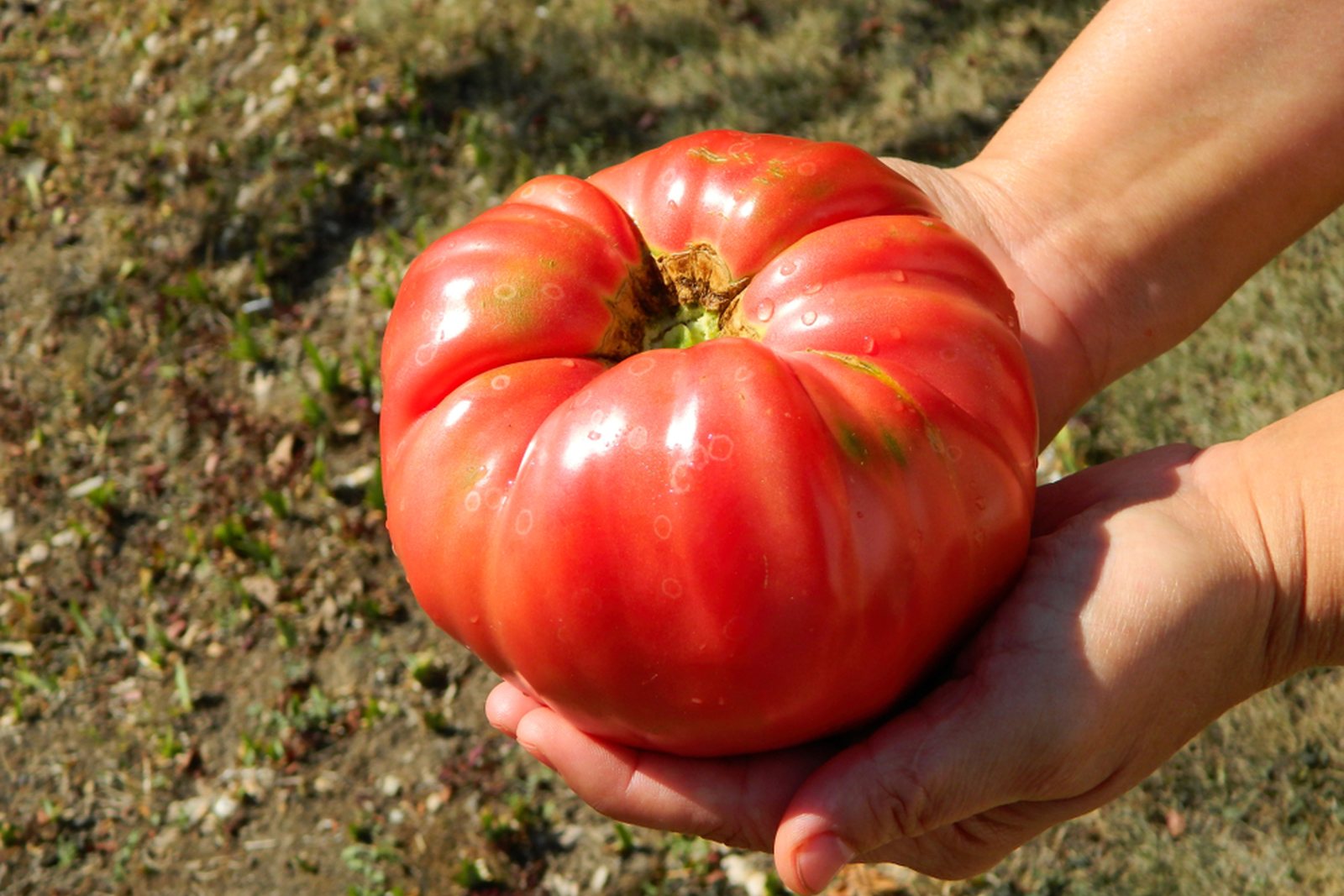
A gardener holding a very large pink ribbed beefsteak tomato
Seed saving & varieties

Brandywine Tomato Field Guide: Strains, Growing, Harvest, Flavor, and Seed Saving

Brandywine is a family of named strains rather than one uniform tomato. This Brandywine tomato guide explains how to record the exact seed line, leaf type, fruit color, maturity, plant habit, heat response, cracking, flavor, disease pressure, and seed parent. It adds transplant, support, fruit-set, harvest, tasting, provenance, and seed-saving protocols designed to preserve strain identity instead of relying on a large pink fruit photograph.

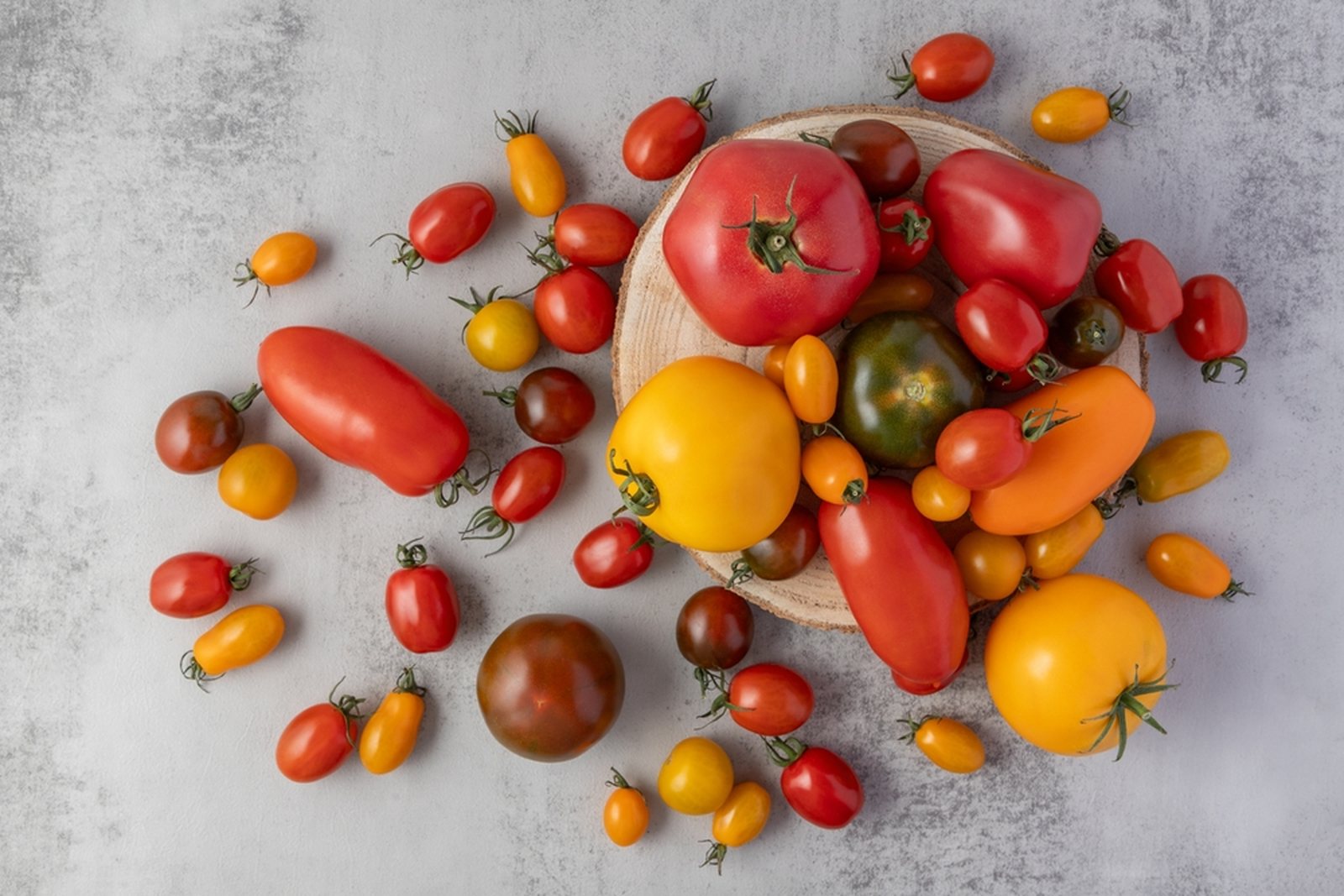
An overhead assortment of red, yellow, orange, and dark tomatoes in several sizes
Seed saving & varieties

Tomato Color and Flavor Guide: Red, Pink, Yellow, Orange, Green, White, and Black

Tomato color can help identify a cultivar and judge ripeness, but it does not reliably predict sweetness, acidity, aroma, texture, or canning safety. This tomato color and flavor guide explains how skin and flesh pigments produce red, pink, yellow, orange, green-when-ripe, white, purple, and dark fruit. It provides a controlled tasting protocol, ripeness checks, scoring sheets, and practical answers to common color-and-flavor claims.

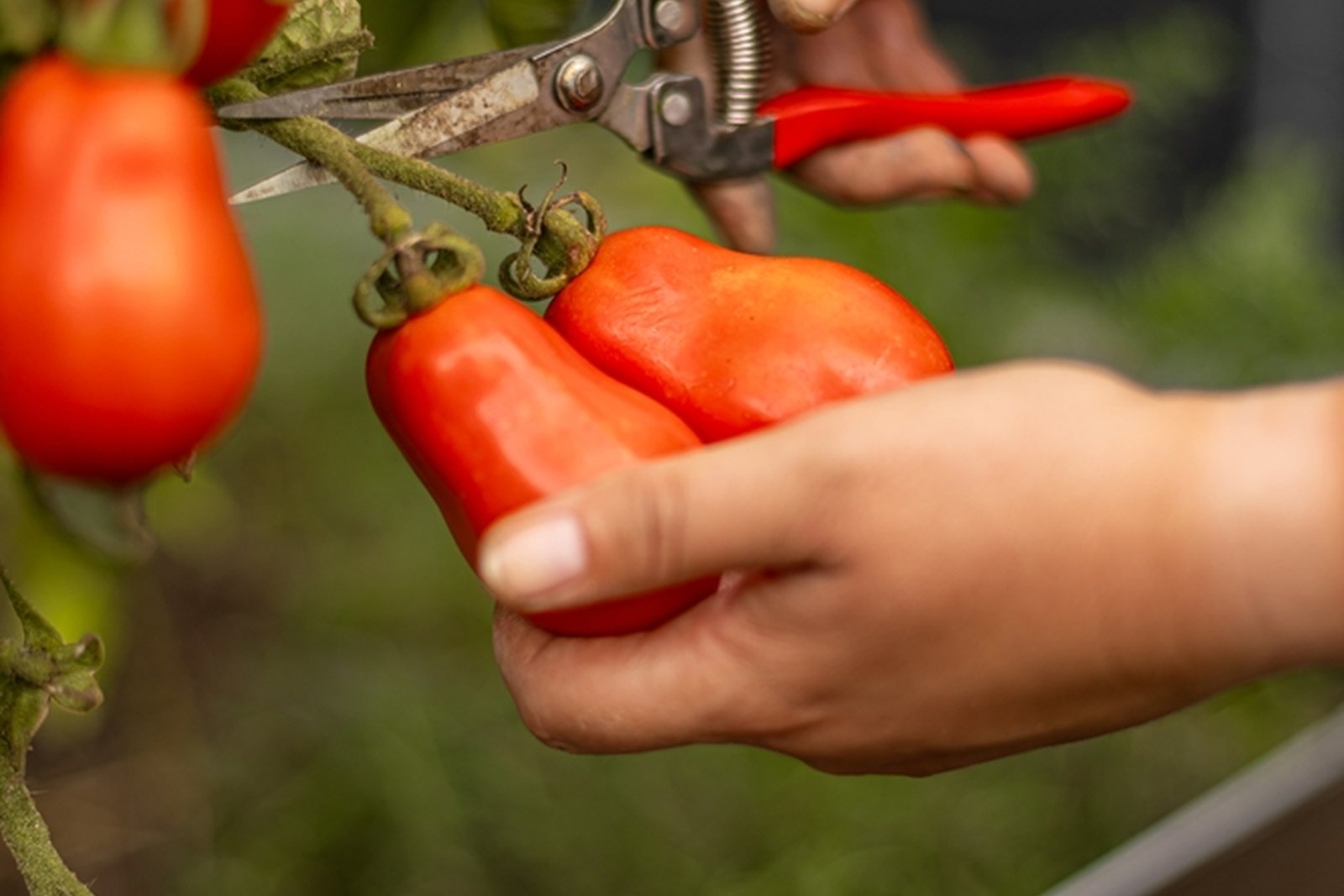
Elongated paste-type tomatoes being harvested from a vine
Seed saving & varieties

Amish Paste vs. Roma vs. San Marzano: Choosing a Paste Tomato for Sauce and Canning

Amish Paste, Roma, and San Marzano are not interchangeable labels. This comparison separates strain identity, plant habit, fruit shape, usable flesh, crack loss, harvest concentration, sauce reduction, drying quality, and kitchen labor. It includes a ten-pound sauce trial, plant-count formulas, batch records, and tested home-canning acidification guidance so gardeners can choose a paste tomato for the way they actually cook and preserve.

Page 1 of 5