Welcome to our store. Learn more

Free U.S. seed shipping $25+. Seeds ship free at the threshold.

Current Processing Times Before Shipping Are 1-2 Business Days

25% OFF Heirloom seed packets are $1.50, regularly $2.00. Seed packets only · sale price already applied · carries into checkout · coupon codes do not combine. Shop the sale →
Alliance of Native Seedkeepers Brewed in Colerain, North Carolina The practical library

The practical library

Growing Guides & Planting Advice

Find crop guides, planting calendars, seed-starting help, soil guidance, pest diagnosis, harvesting information, and practical seed-saving instructions.

Searchable. Find the crop, problem, story, or update you need. Complete. Browse every published article with working pagination. Rooted. From a Native-led seed company in rural North Carolina.
Browse by topic

All growing guides

163 articles

Hopi Blue flour corn ears with blue-purple kernels resting on a wooden surface
Seedkeeping, foodways & history

Hopi Blue Corn Field Guide: Flour Corn, Growing, Harvest, and Seed Saving

Hopi Blue is a commercial blue flour corn grown to full dry maturity, not a sweet corn or dependable popcorn. Grow it in a compact pollination block unless you are part of a place-specific dryland system, isolate it from other corn, dry the ears thoroughly, test milling and nixtamalization in small batches, and keep careful provenance and population records.
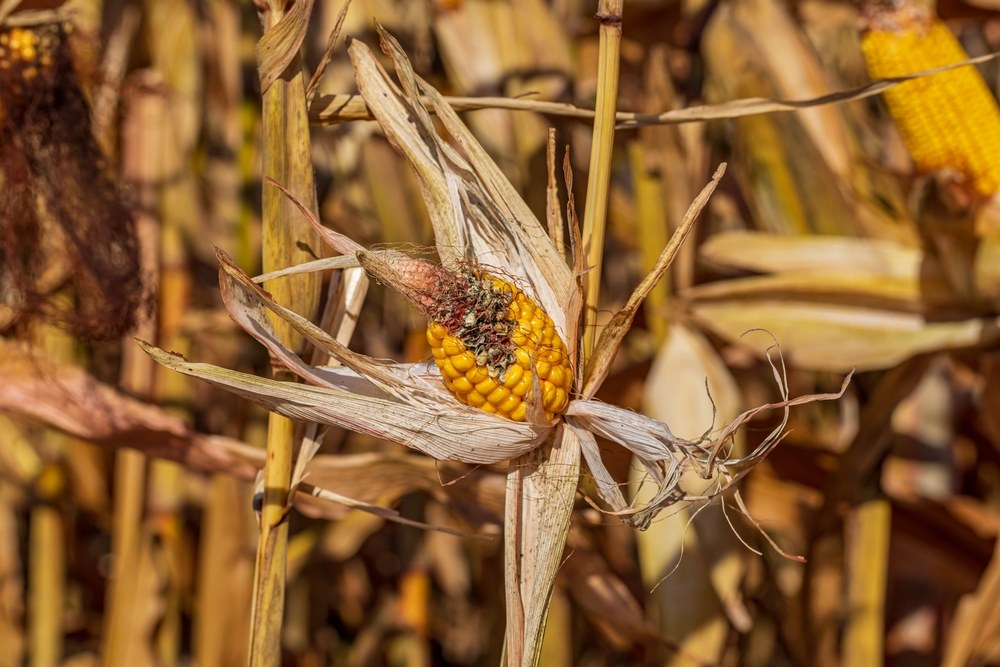
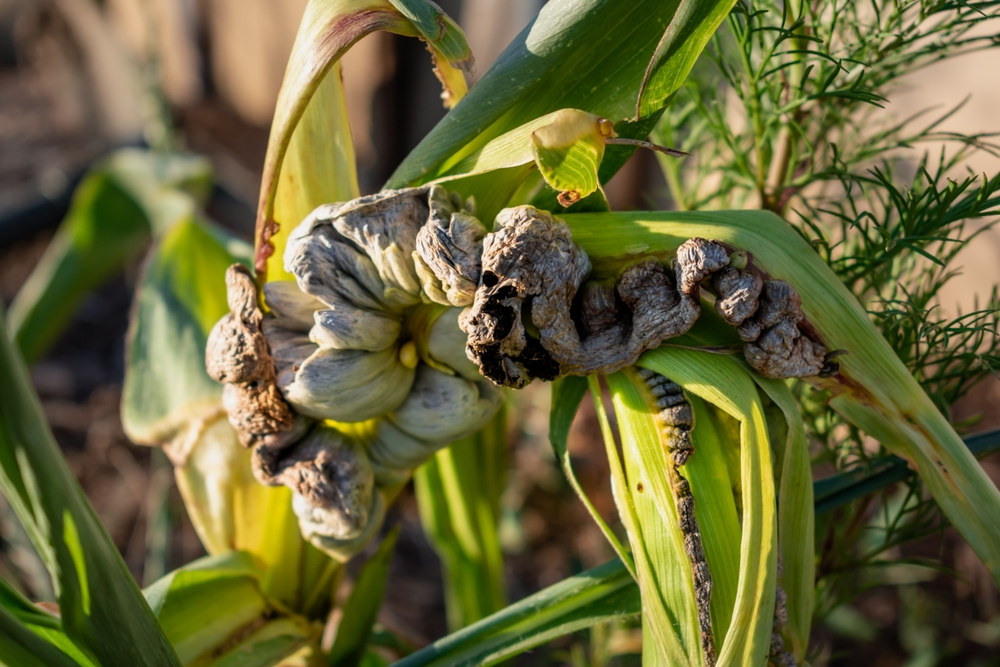
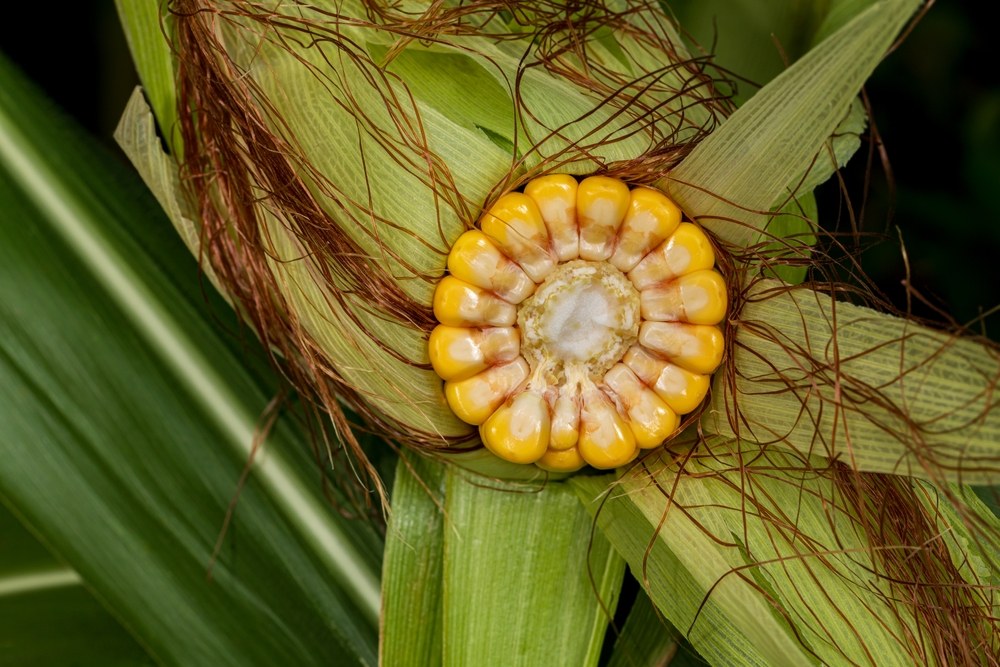
Large common corn smut galls deforming an ear and surrounding tissue
Pests, diseases & troubleshooting

Corn Diseases and Disorders: Smut, Rust, Leaf Blights, Ear Rots, Stalk Rots, and Look-Alikes

Corn symptoms must be read by plant part and growth stage. Leaf lesions, rust pustules, ear molds, smut galls, stalk breakage, nutrient striping, herbicide injury, drought firing, and insect wounds can overlap. Open ears and split stalks when necessary rather than diagnosing from one distant photograph.

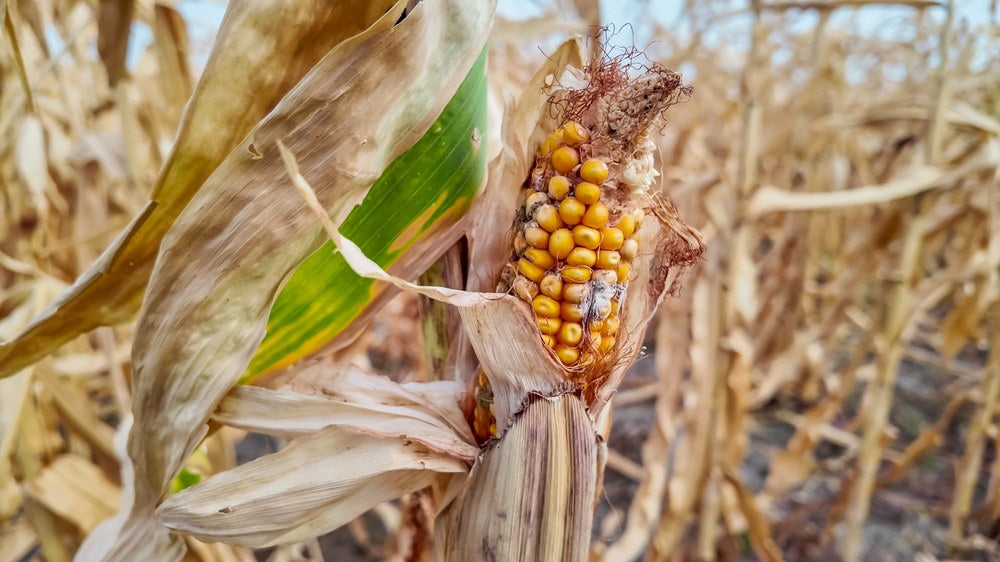
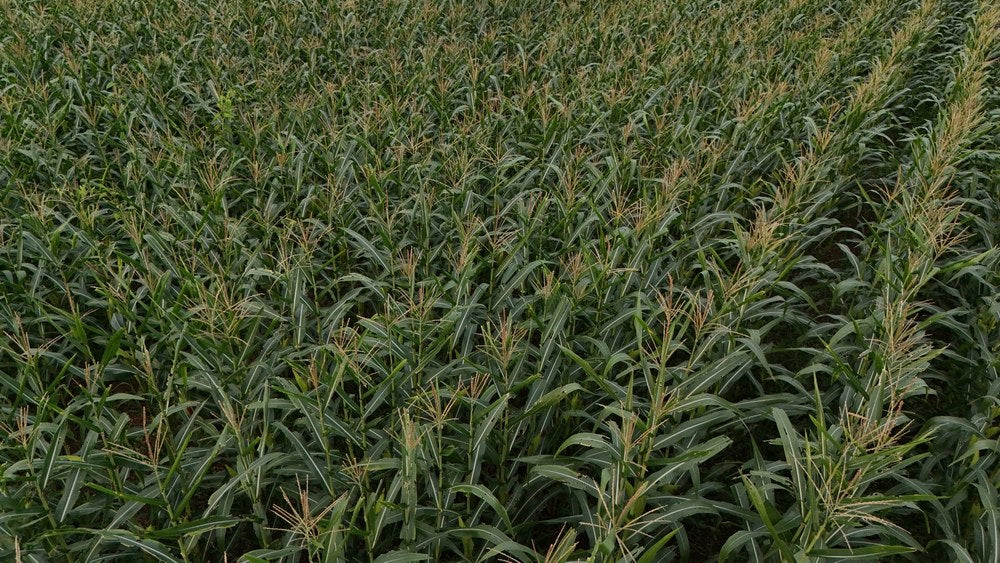
Corn ear and stalk drying prematurely in a drought-stressed field
seed-field-guide

Growing Corn in Heat, Humidity, and Drought: Water, Pollination, Disease, and Recovery

Corn tolerates heat best when the root zone remains moist. The critical period is roughly two weeks before tasseling through early grain fill, when drought can delay silks, reduce pollen success, and abort kernels. In humid regions, deliver water at the soil line and shorten leaf-wetness periods.

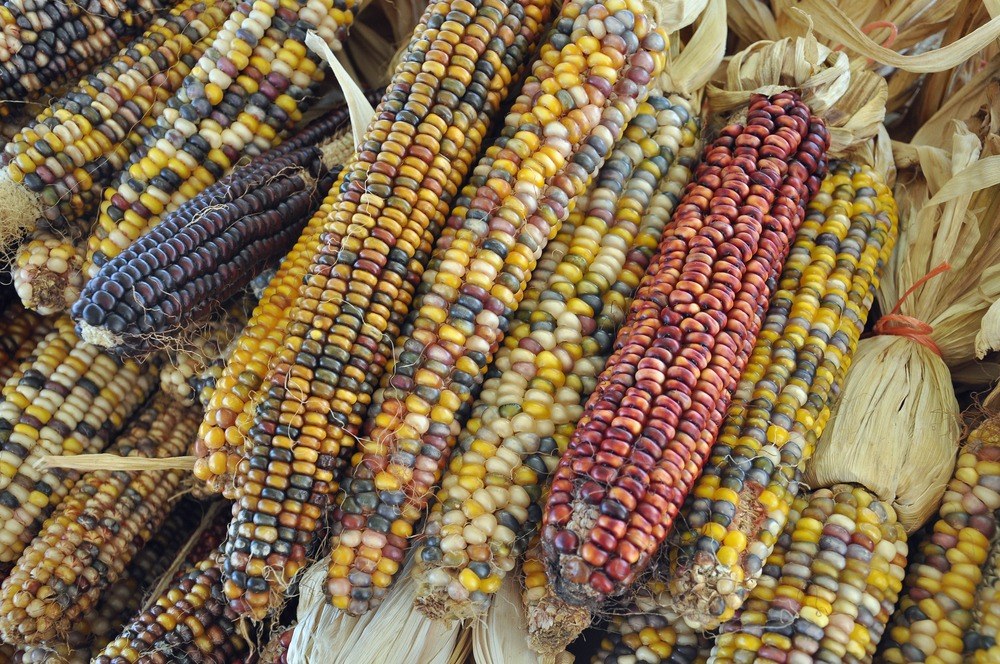
Mature ears of multicolored dry corn arranged together
Seedkeeping, foodways & history

Heirloom Corn Varieties and Their Uses: A Practical Guide

Choose heirloom corn by intended use first. Sweet corn is for tender fresh ears; flour corn mills easily; flint makes hard storage grain and firm foods; food-quality dent is versatile for meal and grits; true popcorn is selected for expansion. Color does not identify kernel class or cultural history.

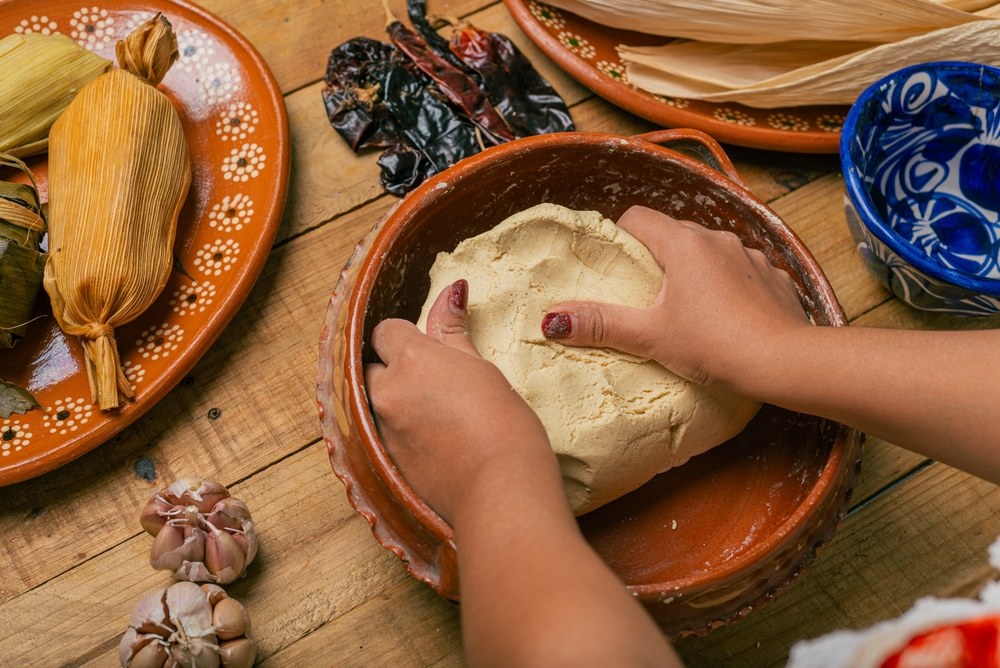
Hands kneading corn masa in a clay bowl
Seedkeeping, foodways & history

Best Corn for Cornmeal, Grits, Hominy, Masa, and Parched Corn

Flour corn is often best for fine meal, food-quality dent is a versatile choice for meal and grits, and flint can make firm hominy and textured meal. Masa requires corn that performs well after nixtamalization. Parching requires a variety tested for roasting, not simply any dry kernel.

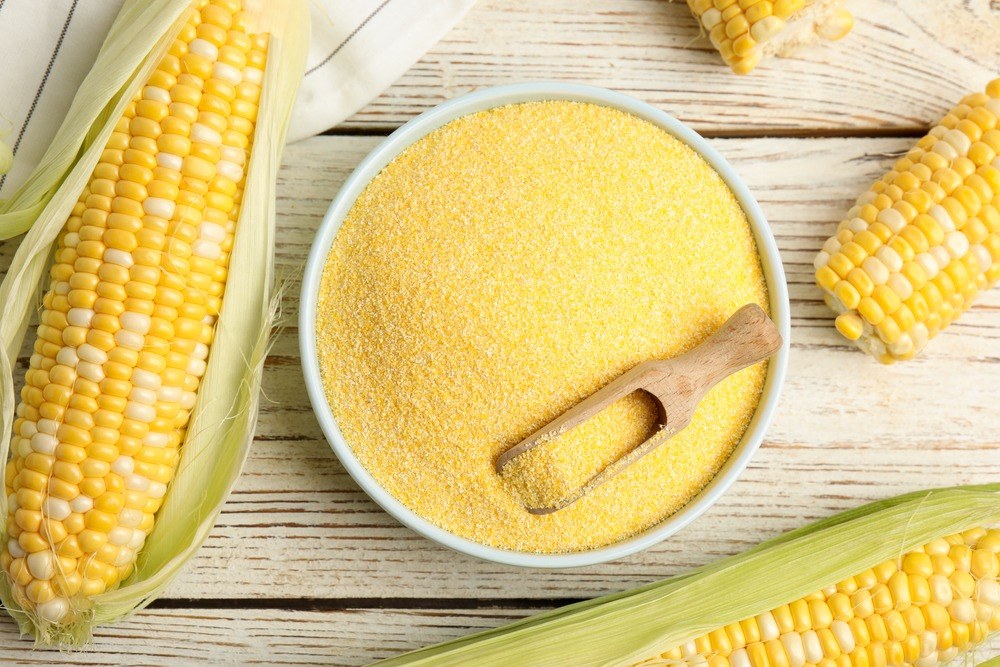
Bowl of yellow cornmeal surrounded by fresh corn ears
Seedkeeping, foodways & history

Dent Corn vs. Flint Corn vs. Flour Corn: What Changes in the Field and Kitchen

Dent corn combines hard sides with a softer center that often dents during drying. Flint corn has a harder, glassier endosperm and often holds a firm texture. Flour corn has soft starchy endosperm that mills easily. The named food variety still matters more than the class alone.

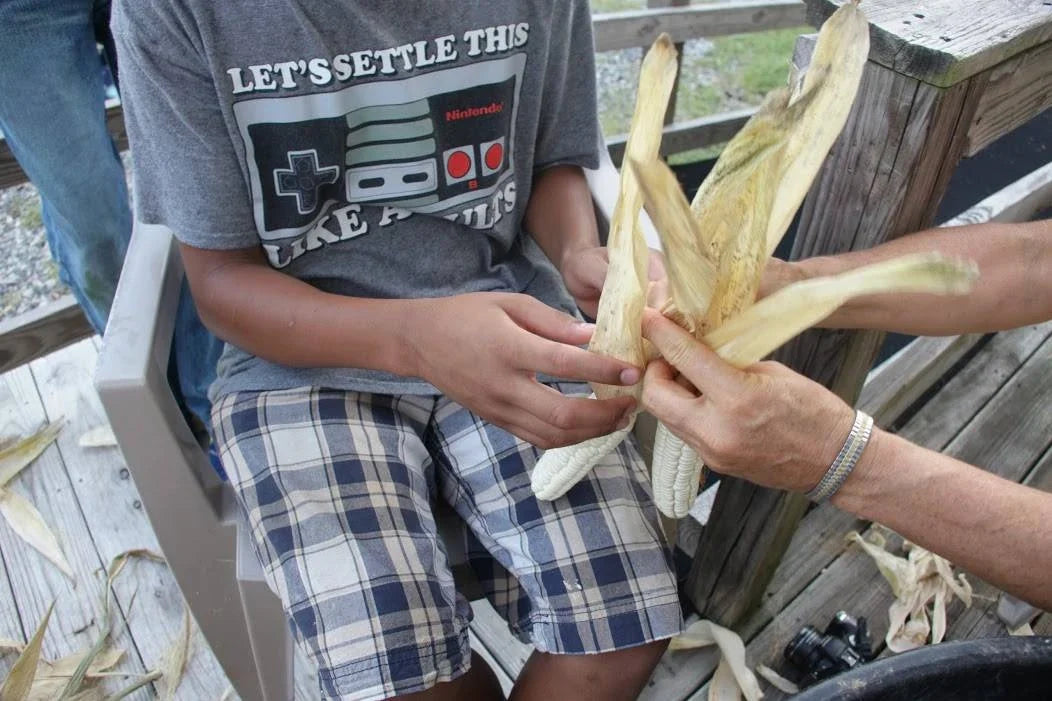
A young person learning how to braid white corn by the husks for drying and storage
Seedkeeping, foodways & history

How to Dry and Store Corn: Whole Ears, Shelled Grain, Popcorn, Food Corn, and Seed

Dry corn by intended use. Ears for seed, flour, flint, dent, and popcorn need ventilation, protection from insects and rodents, and sufficiently low moisture before sealed storage. Clean, label, and monitor each lot rather than assuming a dry-looking husk means safe grain.

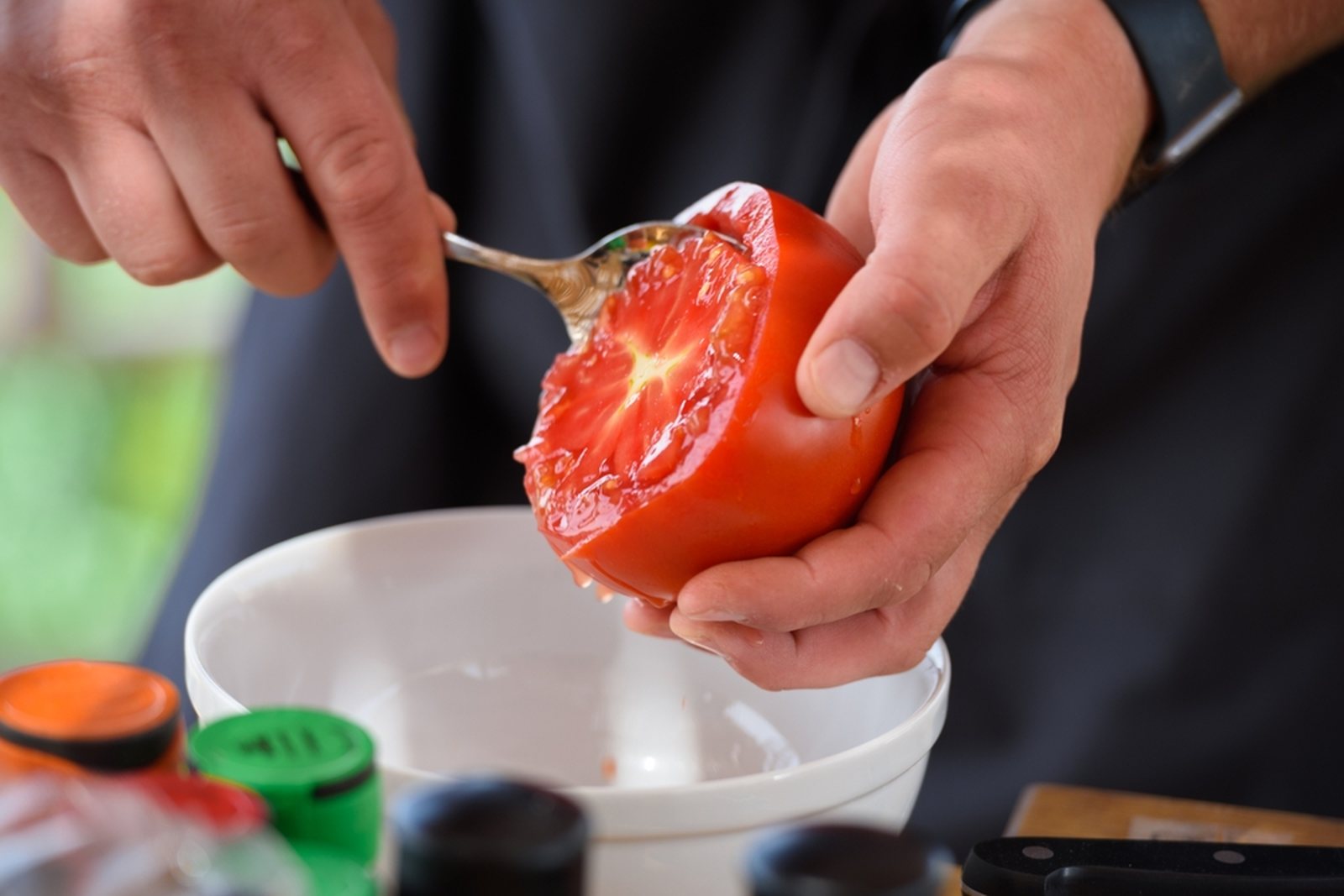
A spoon removing seed and gel from a cut tomato into a bowl
Seedkeeping, foodways & history

How to Save Tomato Seeds: Selection, Fermentation, Cleaning, Drying, and Storage

Save tomato seed from healthy, representative, fully ripe fruit. Fermentation helps separate viable seed from gel and debris, but it does not remove every seedborne pathogen. Dry seed thoroughly, label the variety and year, and manage cross-pollination when purity matters.

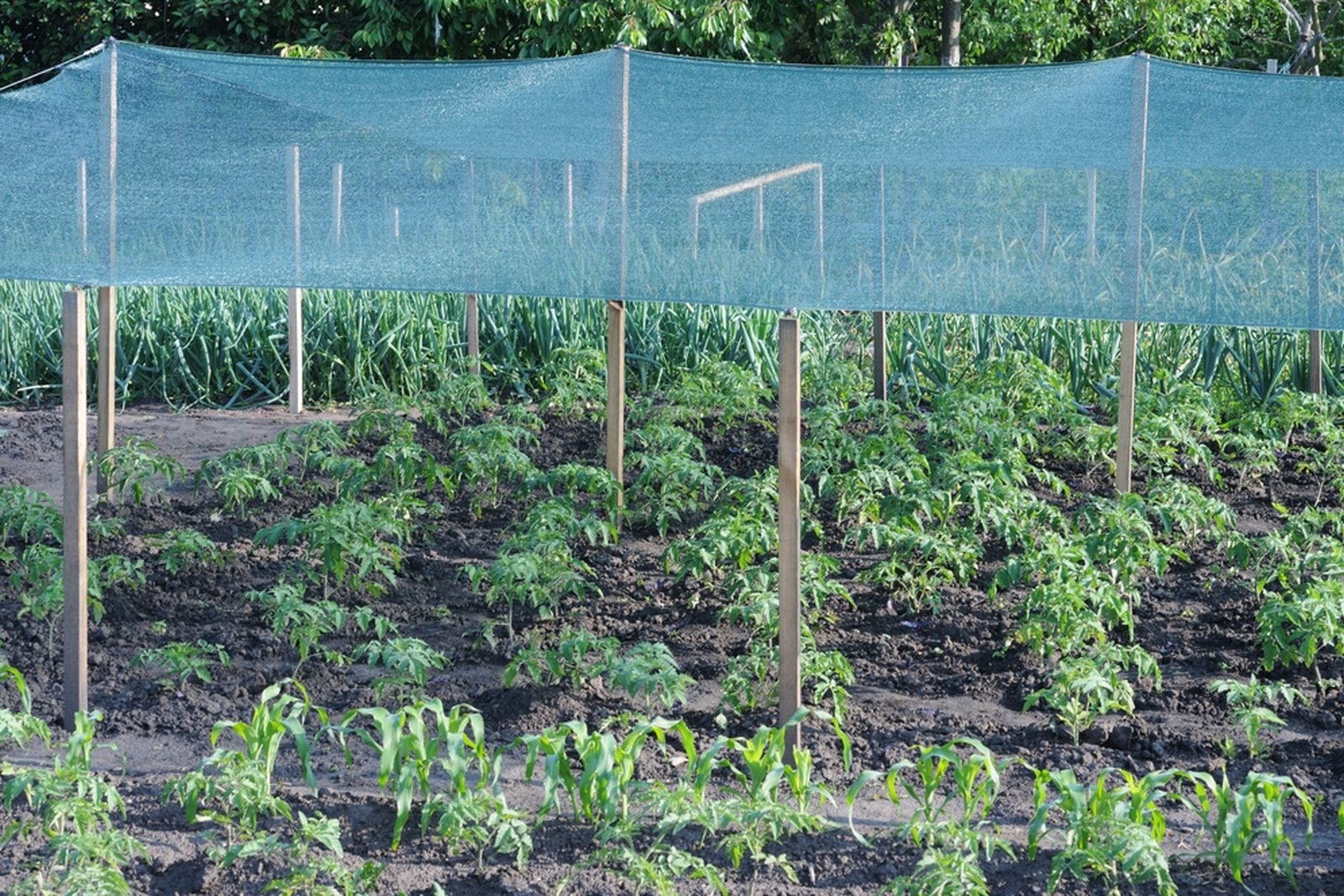
Young tomato plants growing under overhead shade netting
Pests, diseases & troubleshooting

Tomatoes for Heat and Humidity: Variety Choice, Fruit Set, Water, Shade, and Disease

Tomatoes for heat and humidity should be judged by fruit set, usable harvest, recovery, crack loss, and plant health, not by whether the foliage remains green. This guide explains how hot days, warm nights, high humidity, root-zone stress, and wet foliage affect pollen, fruit set, ripening, cracking, and disease. It provides planting-window strategies, mulch and irrigation plans, shade-cloth limits, canopy guidance, emergency actions, and a data sheet for comparing real midsummer performance.

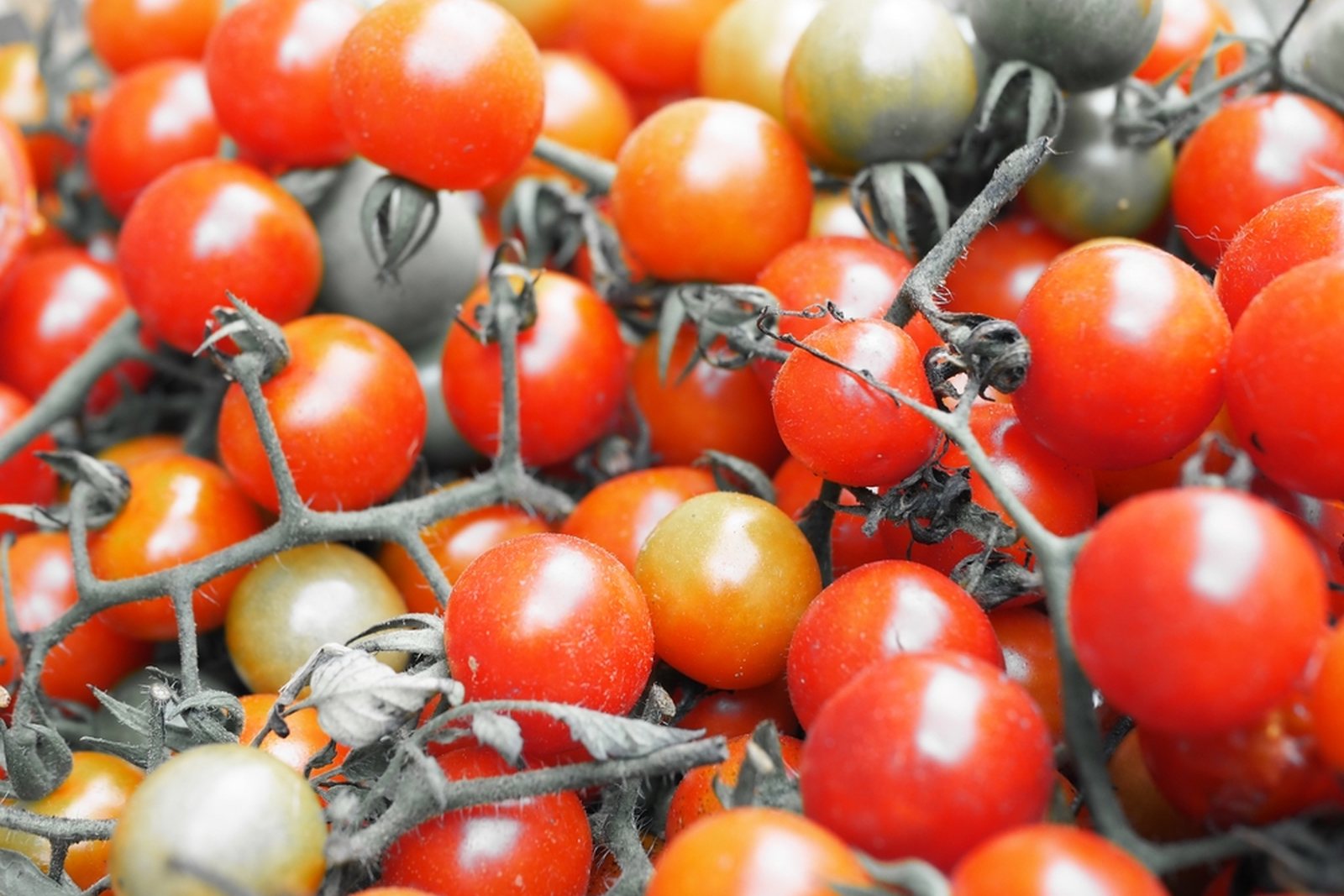
Cherry tomatoes showing green, breaker, orange, and red ripening stages
Pests, diseases & troubleshooting

When Tomatoes Are Ripe: Color, Feel, Breaker Stage, Cracking, and Harvest Timing

Tomato ripeness depends on the variety and intended use. Color should develop across the fruit, the surface should lose its hard green feel, and flavor improves when fruit completes ripening under suitable temperatures. Pick earlier when cracking, animals, storms, or frost threaten.

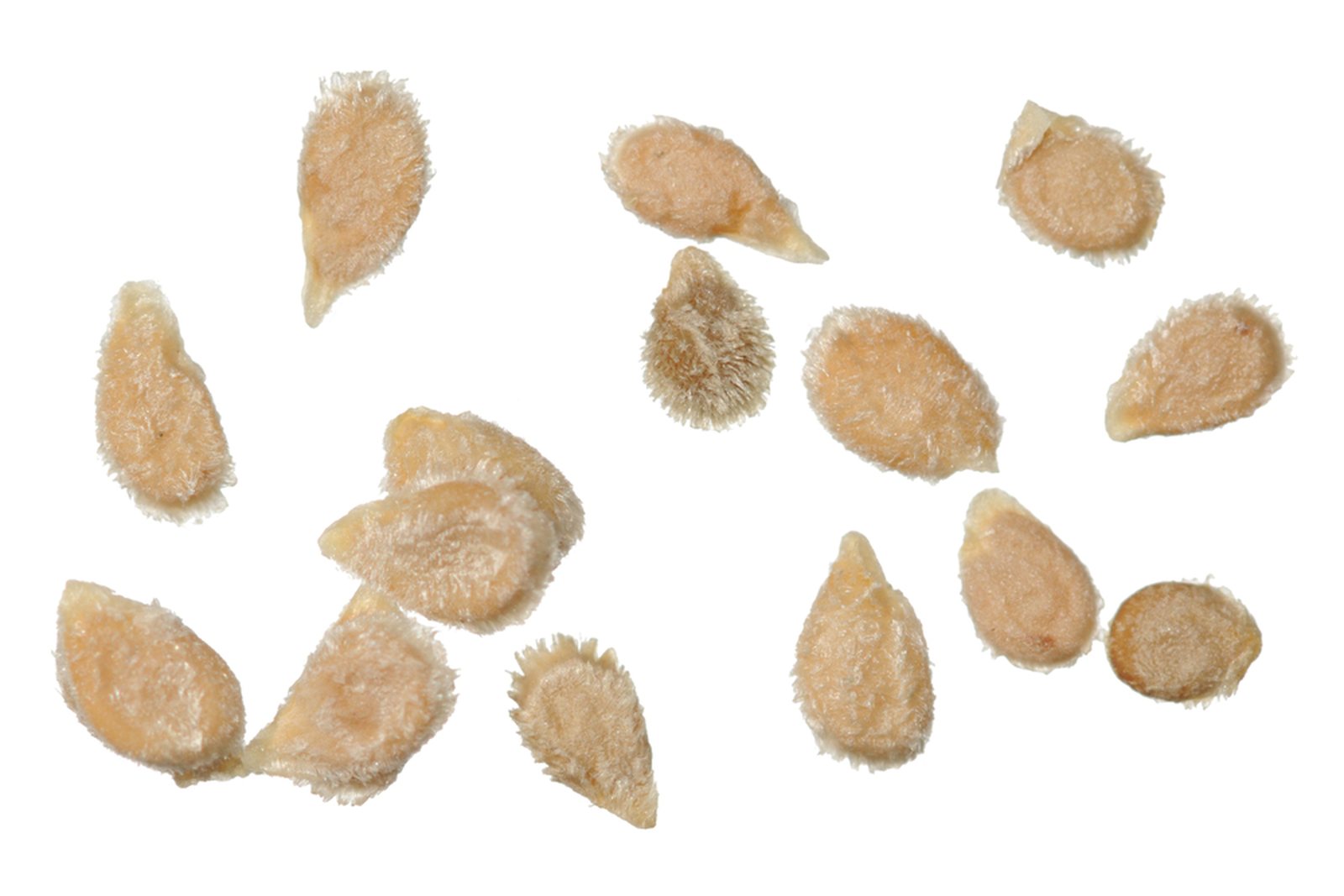
Small flattened fuzzy tomato seeds shown close up on white
Seed starting & germination

How to Grow Tomatoes from Seed: Timing, Temperature, Light, Potting Up, and Transplanting

How to grow tomatoes from seed begins with a backward calendar and measured root-zone conditions, not a fixed month. This guide covers seed-lot labeling, sowing depth, germination temperature, light intensity and distance, air movement, watering, thinning, potting up, nutrition, hardening, transplanting, and seedling diagnostics. It includes a production schedule, measurement log, symptom table, and decision rules for correcting leggy, purple, yellow, stalled, or damping-off-prone seedlings.

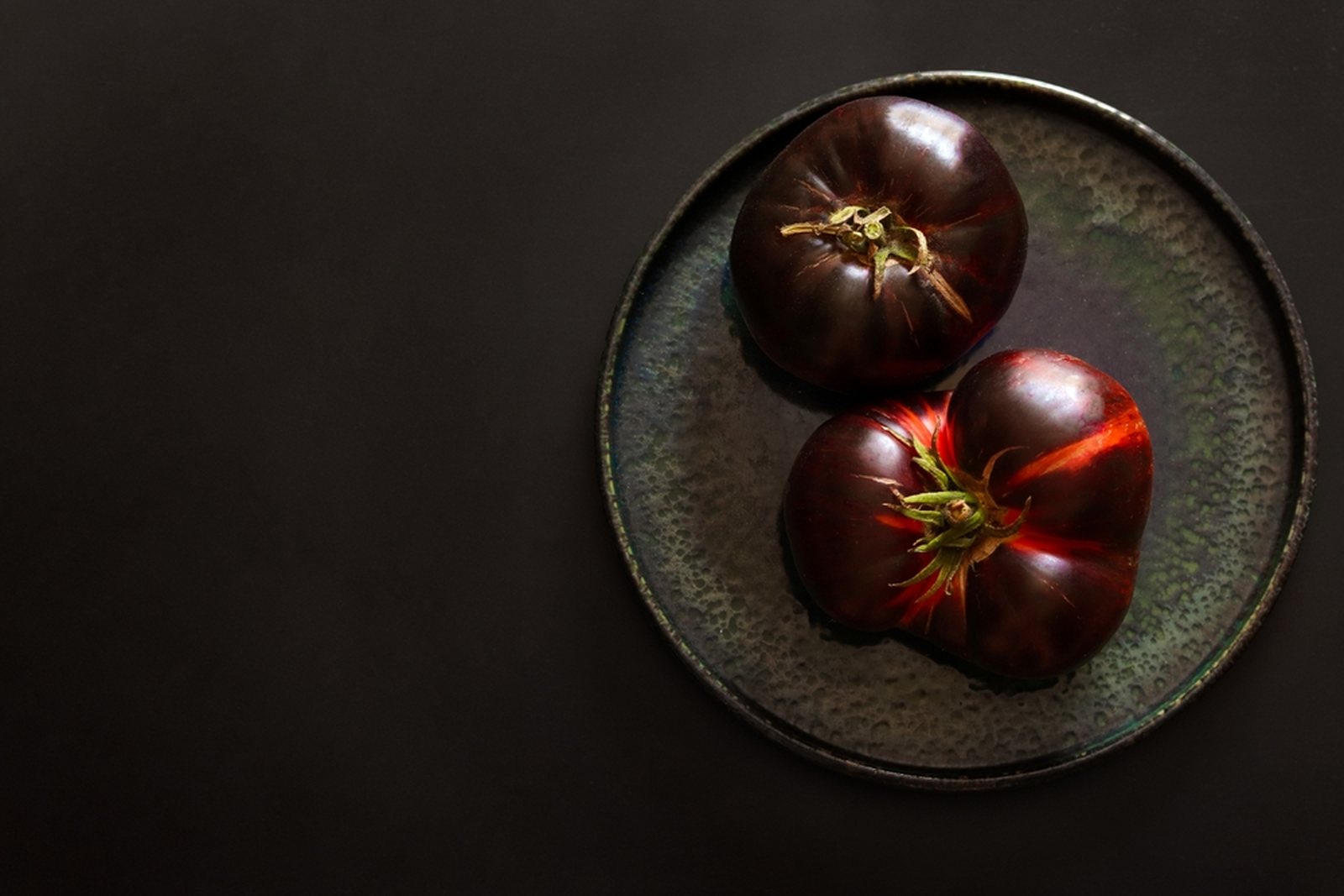
Two dark red-brown tomatoes with green shoulders on a plate
Pests, diseases & troubleshooting

Black Krim Tomato Field Guide: Color, Ripeness, Growing, Cracking, and Seed Saving

Black Krim is an indeterminate dark-fruited slicer whose ripe color changes with temperature, light, and shoulder exposure. This guide explains how to judge Black Krim ripeness from lower fruit color, slight give, aroma, seed maturity, and local experience rather than waiting for every shoulder to turn. It also covers support, heat and humidity, cracking prevention, tasting trials, disease scouting, field records, and responsible seed saving.

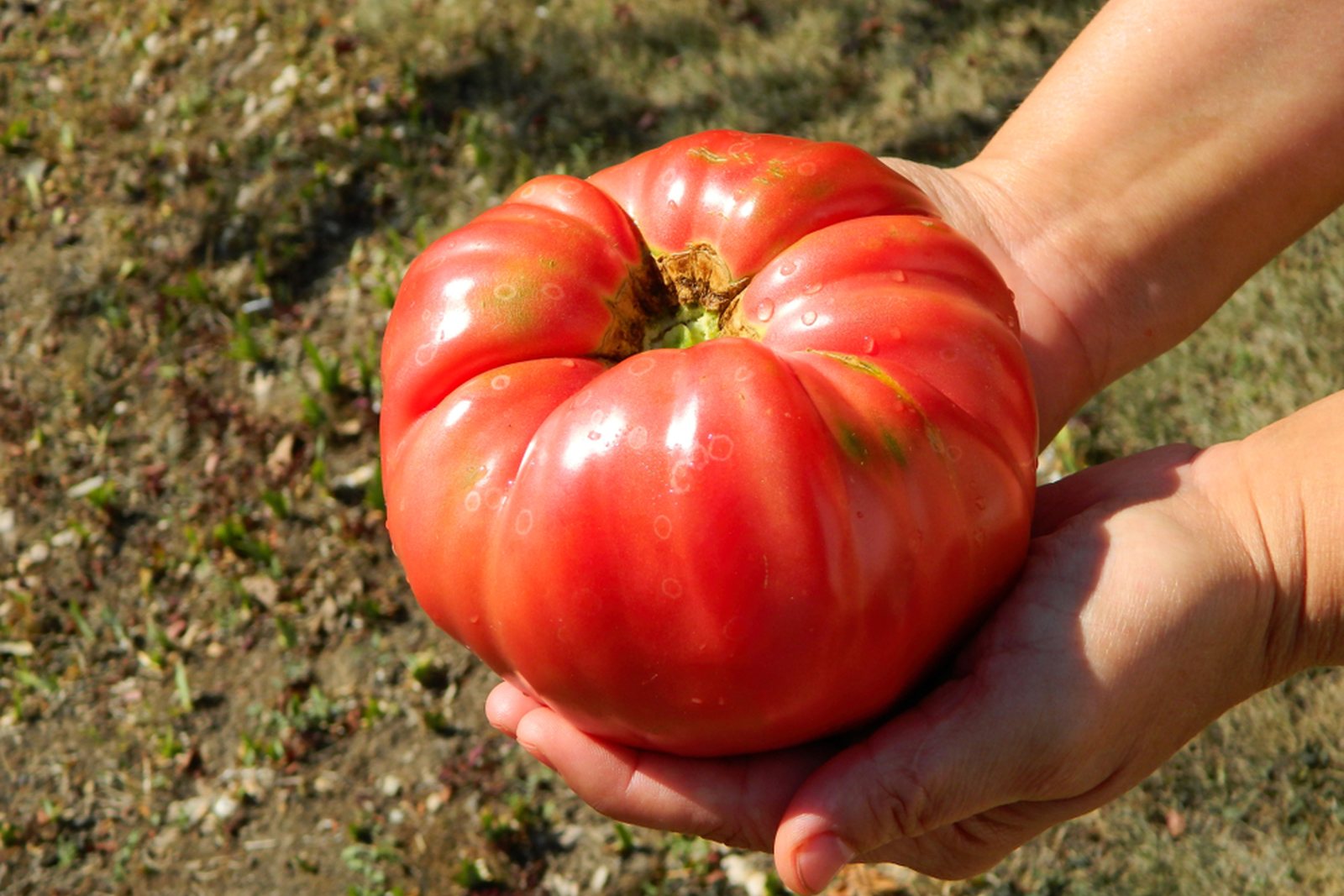
A gardener holding a very large pink ribbed beefsteak tomato
Seed saving & varieties

Brandywine Tomato Field Guide: Strains, Growing, Harvest, Flavor, and Seed Saving

Brandywine is a family of named strains rather than one uniform tomato. This Brandywine tomato guide explains how to record the exact seed line, leaf type, fruit color, maturity, plant habit, heat response, cracking, flavor, disease pressure, and seed parent. It adds transplant, support, fruit-set, harvest, tasting, provenance, and seed-saving protocols designed to preserve strain identity instead of relying on a large pink fruit photograph.

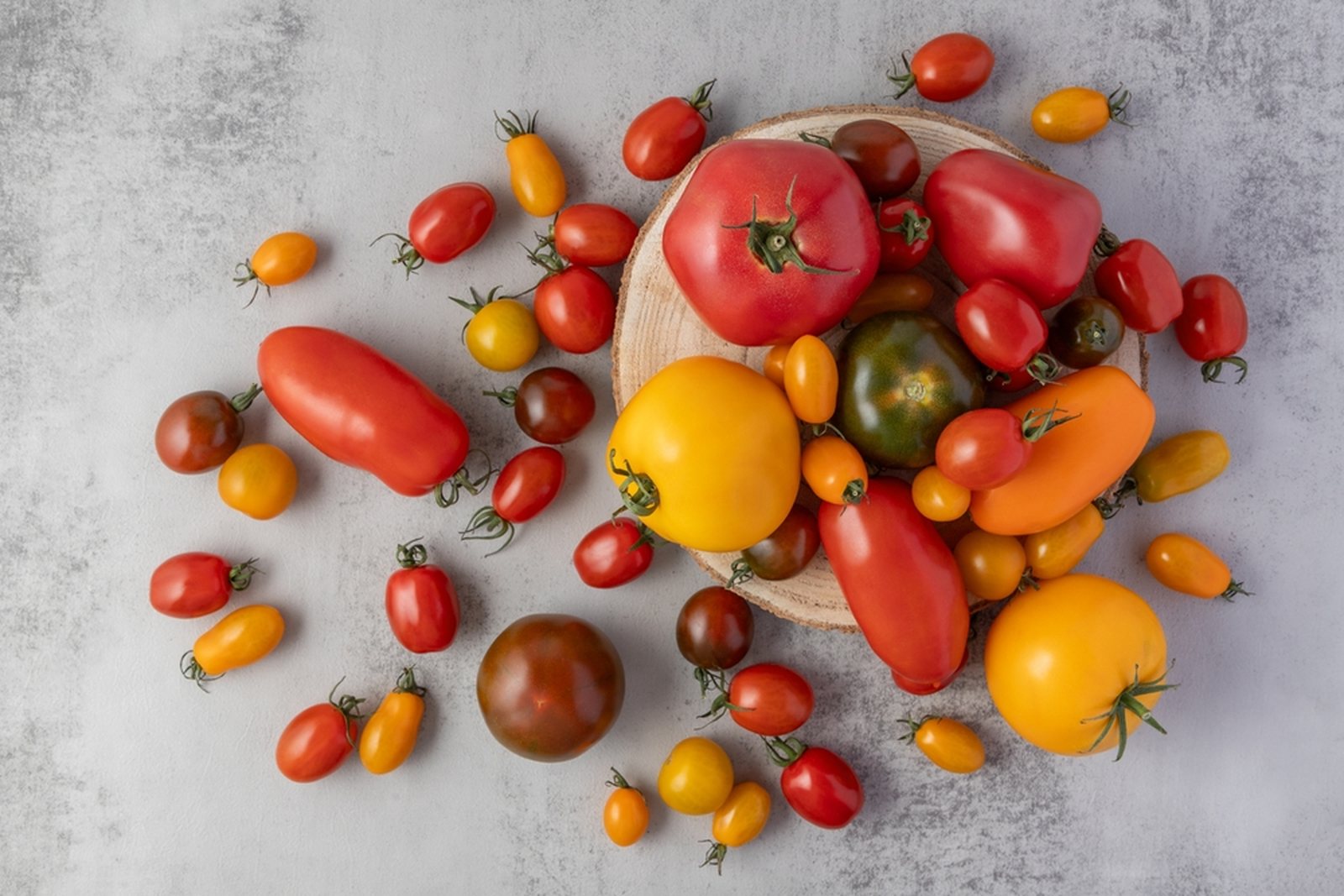
An overhead assortment of red, yellow, orange, and dark tomatoes in several sizes
Seed saving & varieties

Tomato Color and Flavor Guide: Red, Pink, Yellow, Orange, Green, White, and Black

Tomato color can help identify a cultivar and judge ripeness, but it does not reliably predict sweetness, acidity, aroma, texture, or canning safety. This tomato color and flavor guide explains how skin and flesh pigments produce red, pink, yellow, orange, green-when-ripe, white, purple, and dark fruit. It provides a controlled tasting protocol, ripeness checks, scoring sheets, and practical answers to common color-and-flavor claims.

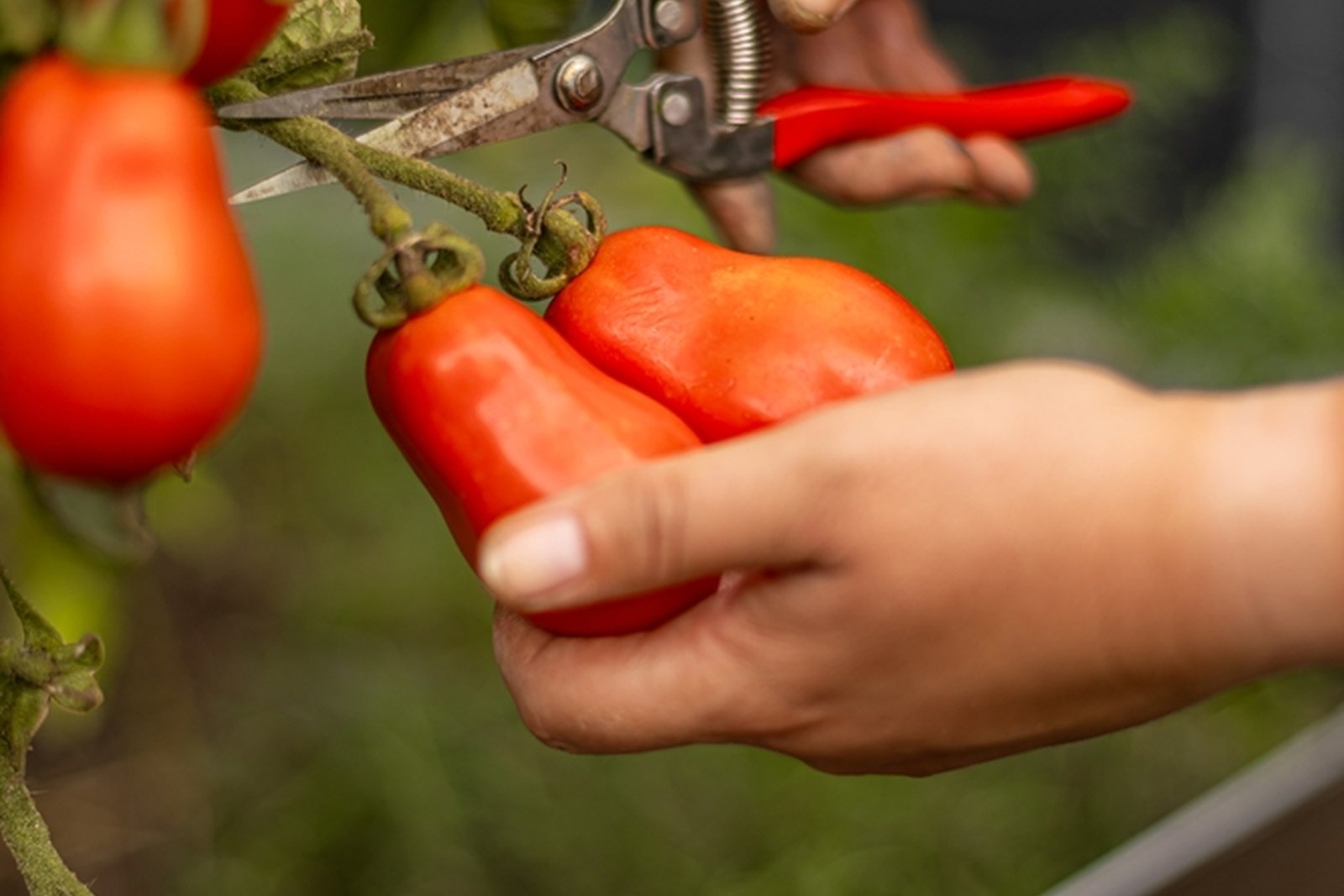
Elongated paste-type tomatoes being harvested from a vine
Seed saving & varieties

Amish Paste vs. Roma vs. San Marzano: Choosing a Paste Tomato for Sauce and Canning

Amish Paste, Roma, and San Marzano are not interchangeable labels. This comparison separates strain identity, plant habit, fruit shape, usable flesh, crack loss, harvest concentration, sauce reduction, drying quality, and kitchen labor. It includes a ten-pound sauce trial, plant-count formulas, batch records, and tested home-canning acidification guidance so gardeners can choose a paste tomato for the way they actually cook and preserve.

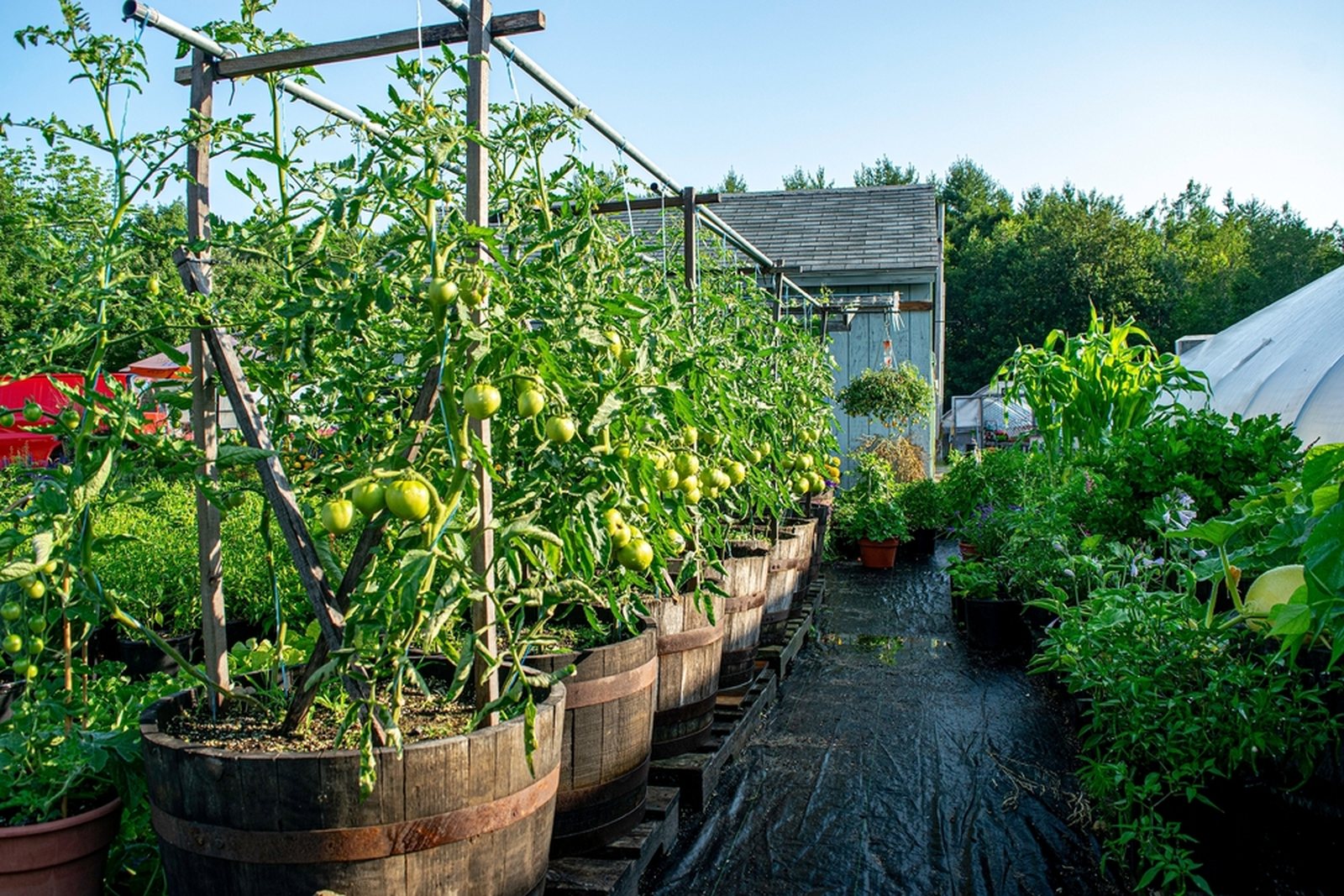
Tomato plants trained vertically through a metal trellis
Pests, diseases & troubleshooting

Disease-Resistant Heirloom Tomatoes: What Resistance Really Means

Disease resistance is pathogen- and race-specific, not general immunity, and heirloom, open-pollinated, hybrid, resistant, and tolerant describe different traits. This guide explains common tomato resistance codes, how to verify the original claim, why a code may fail under field conditions, and how to select varieties from a confirmed disease history. It adds trial design, disease portfolios, sanitation, rotation, irrigation, recordkeeping, claim audits, and seed-saving limits.

A red tomato with both shoulder rings and a crack extending downward
Pests, diseases & troubleshooting

Why Tomatoes Crack and Split: Radial Cracks, Concentric Cracks, Rain, Watering, and Variety

Tomatoes crack when fruit expansion exceeds the skin's ability to stretch, often after a dry period followed by rapid water uptake. This guide distinguishes radial, concentric, and fine skin cracks and explains the roles of ripeness, fruit shape, variety, canopy, rain, irrigation, root restriction, and temperature. It provides a watering and mulch plan, breaker-stage harvest strategy, post-rain grading system, loss calculations, and field tests for reducing cracked tomato losses.

Page 2 of 7