
Soil, compost & garden systems
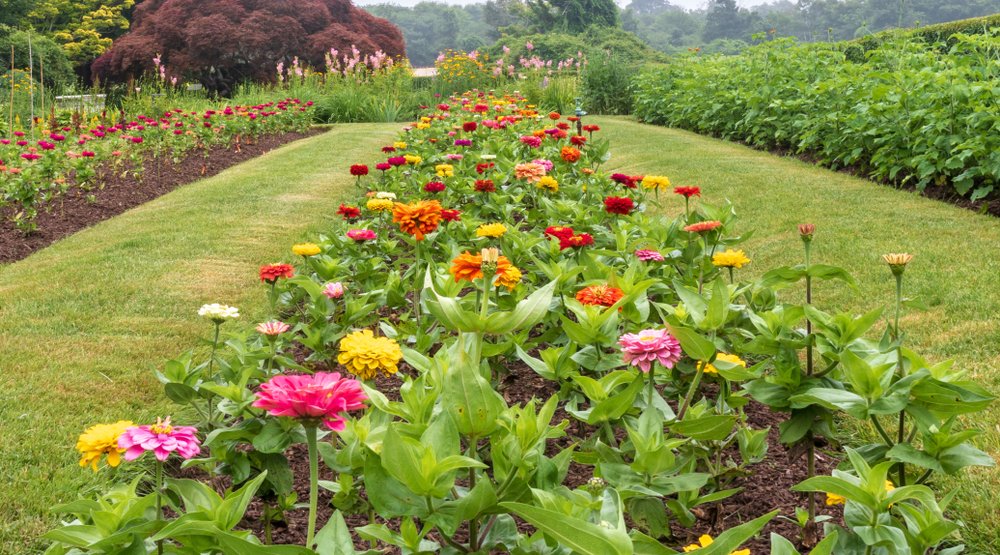
How to Plan a Cut-Flower Garden from Seed
Plan a cut-flower garden by choosing productive varieties, arranging reachable rows, staggering sowings, and matching stem length, harvest window, and vase use.
The practical library
Find crop guides, planting calendars, seed-starting help, soil guidance, pest diagnosis, harvesting information, and practical seed-saving instructions.
The complete article library
Search The Yaupon Tea without mixing the results with seed products.
163 articles
Plan a cut-flower garden by choosing productive varieties, arranging reachable rows, staggering sowings, and matching stem length, harvest window, and vase use.
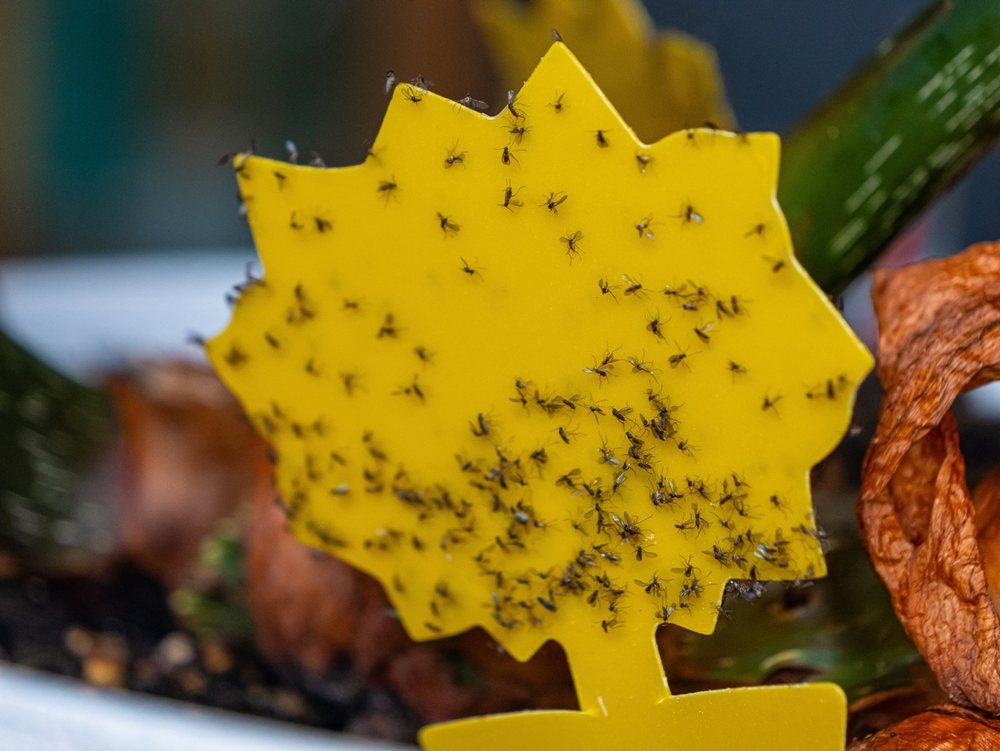
Fungus gnats breed in consistently moist organic media. Identify the adults and larvae, correct watering and sanitation, and use monitoring or biological controls to break the cycle.

Heirloom describes a variety with history and continuity, usually maintained through open pollination. It does not automatically mean organic, native, ancient, or genetically uniform.
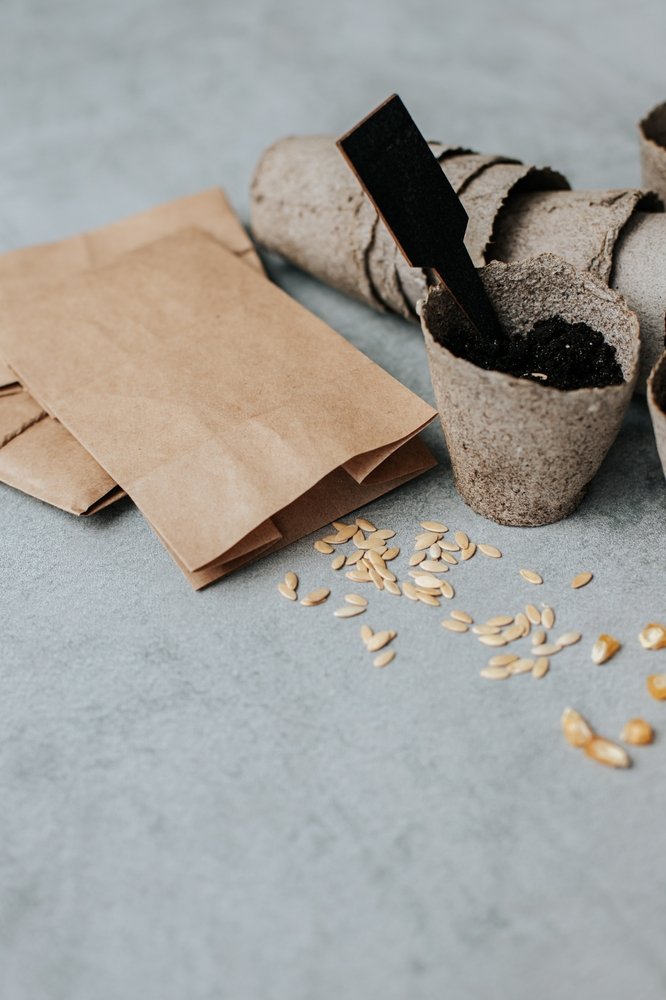
Decide which crops to direct sow and which to start indoors by weighing root sensitivity, season length, soil temperature, transplant age, and the weather waiting outside.
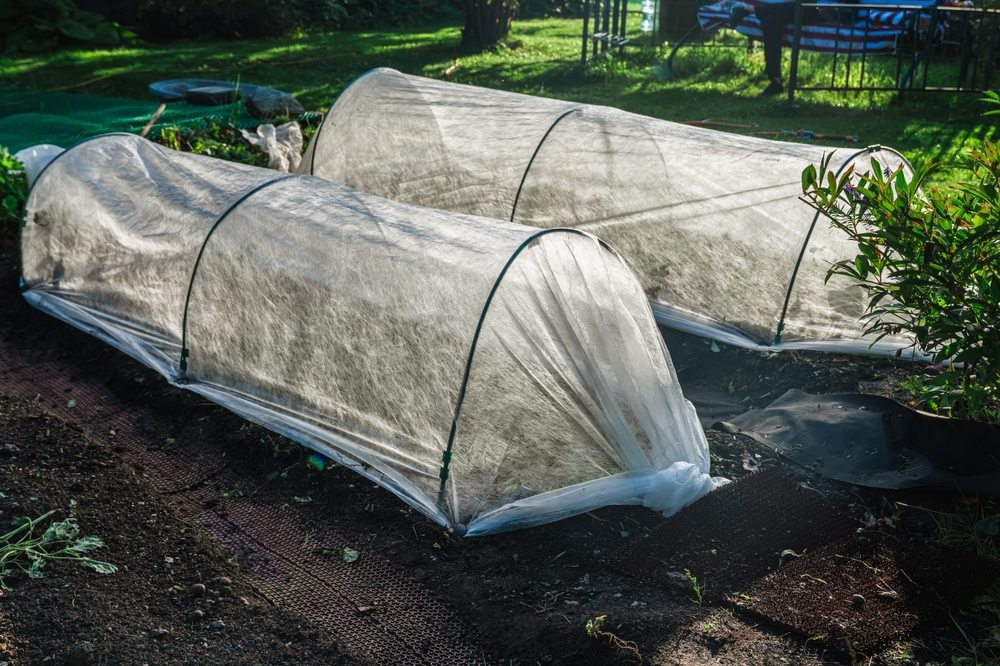
USDA hardiness zones describe average annual extreme minimum winter temperature and mainly help estimate perennial survival. They do not provide a last frost date, soil temperature, summer heat profile, or enough information to schedule annual crops by themselves.
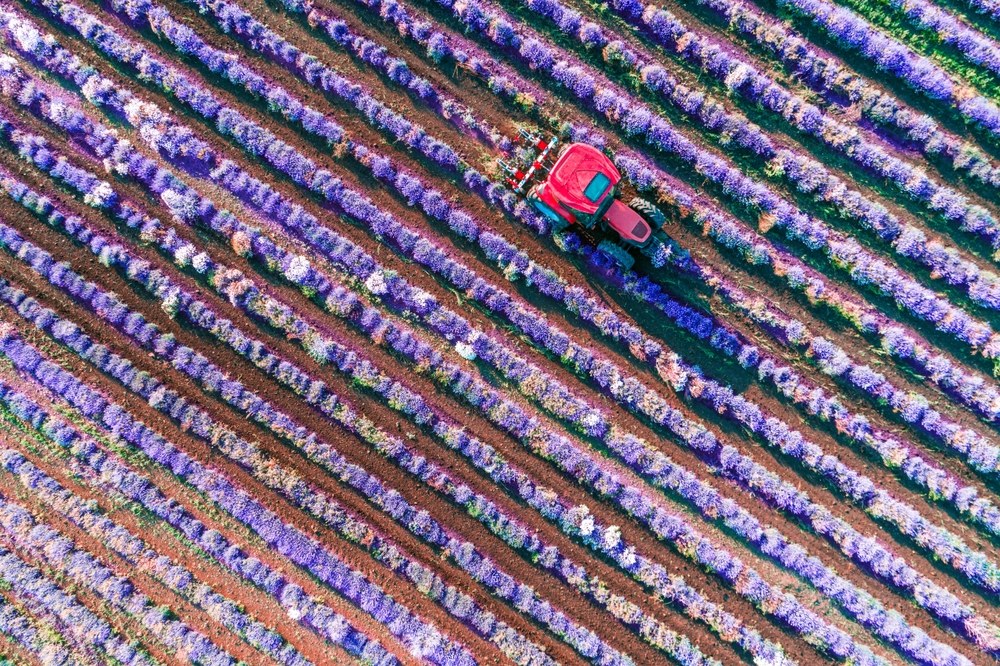
Lavender seed can germinate slowly and unevenly. Use fresh seed, a well-drained medium, patient temperature management, strong light after emergence, and a dry-crowned planting site suited to the species and climate.
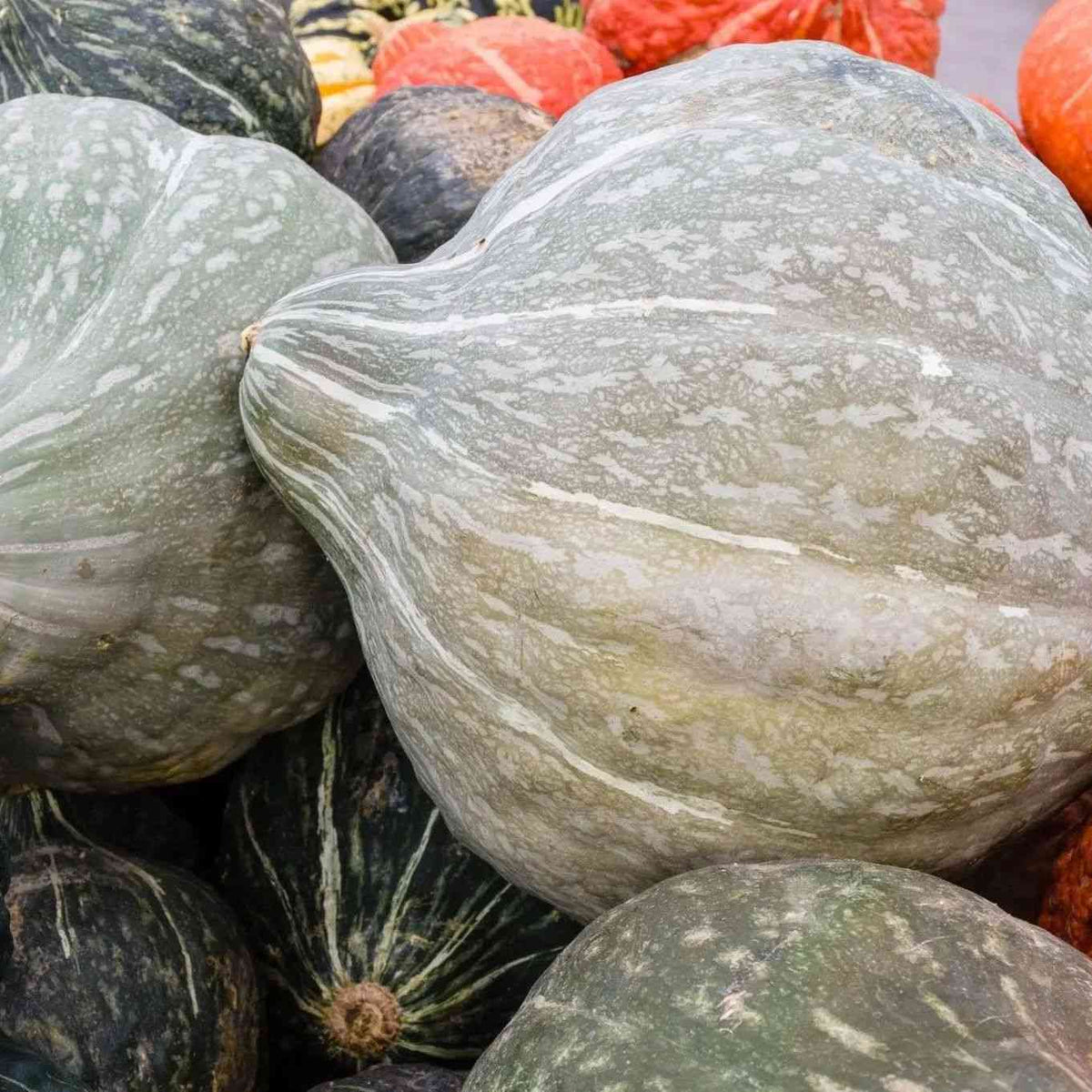
Acorn and delicata types are relatively compact and quick. Butternuts are versatile and often store well. Kabocha types have dense sweet flesh. Hubbards and cushaws can become very large and need a long season. The label winter squash describes mature harvest and storage, not winter planting.
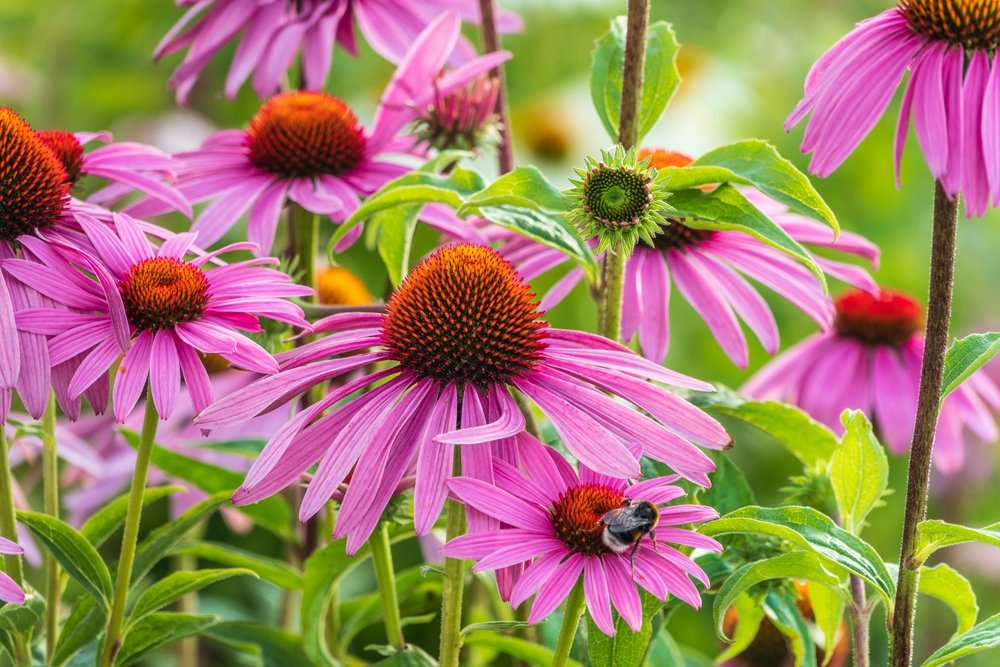
Prepare Echinacea purpurea seed with fall sowing or cold-moist stratification, sow shallowly, keep it evenly moist, and expect many plants to spend their first season building roots.

Choose flower seed by life cycle, bloom timing, height, use, pollinator value, cutting quality, and whether the species prefers direct sowing or transplanting.
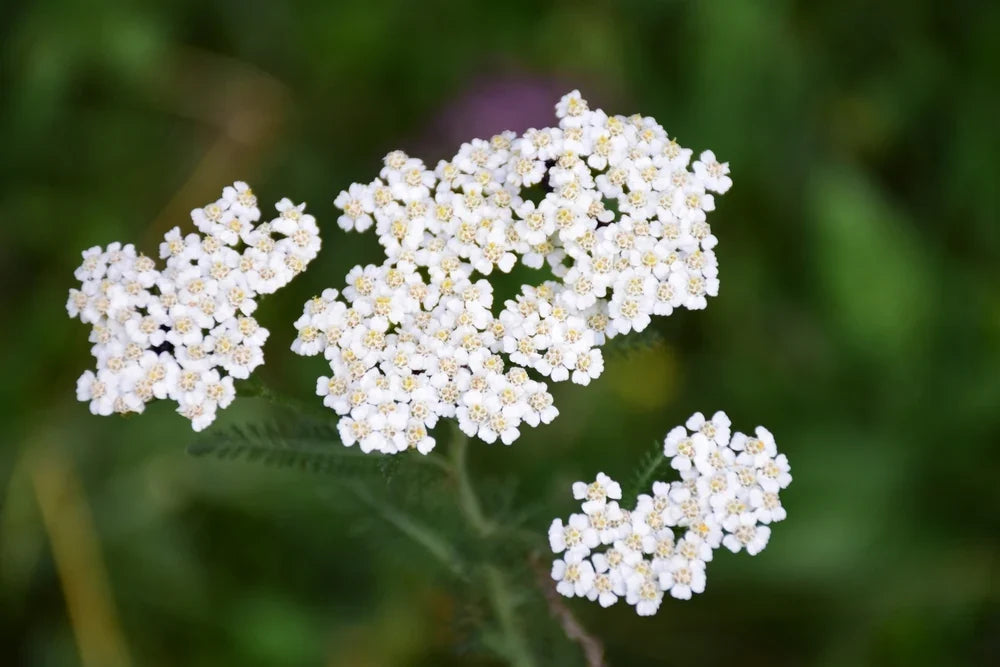
Surface sow yarrow in a fine mix with light and even moisture, then grow mature plants in full sun and lean, well-drained soil.
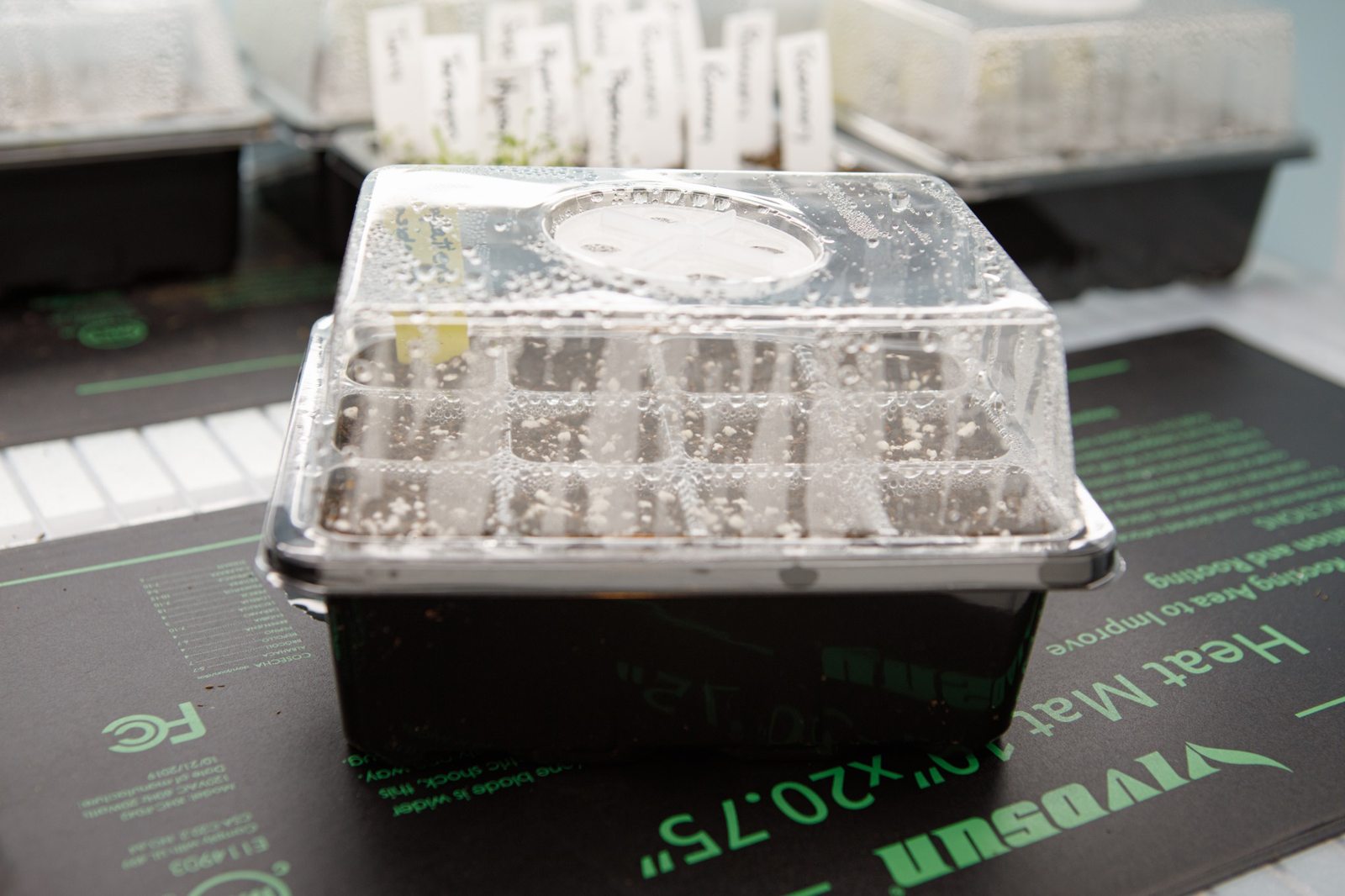
A seedling heat mat warms the root zone, not the leaves. Use it for crops that germinate more reliably in warm media, measure the mix with a thermostat or probe, and remove or reduce bottom heat after emergence unless the crop still needs it.
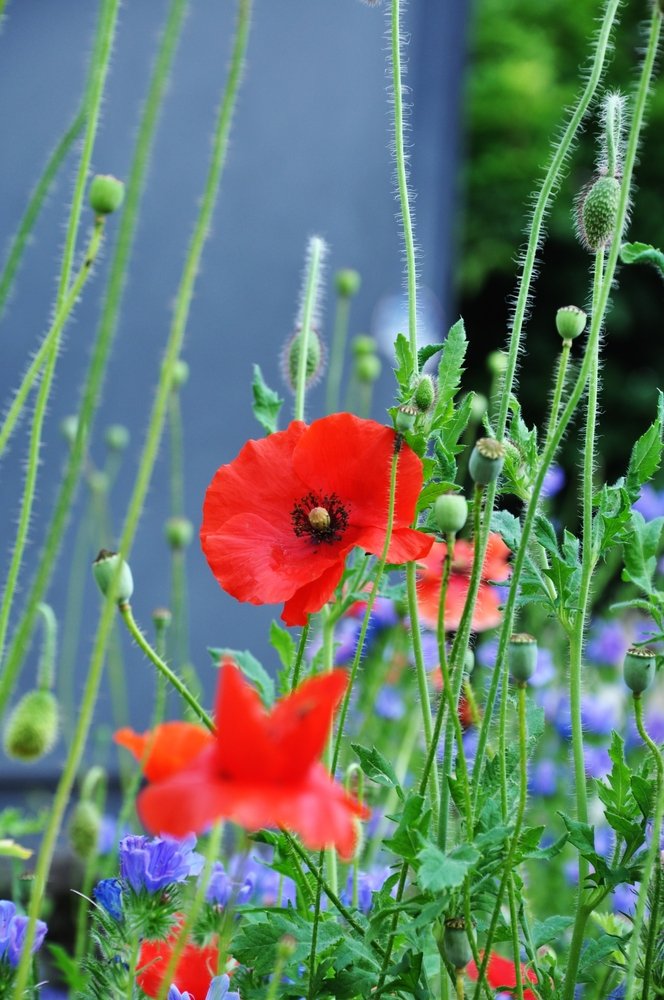
Grow poppies from tiny seed by sowing shallowly in cool weather, keeping the surface evenly moist, thinning early, and avoiding unnecessary root disturbance.
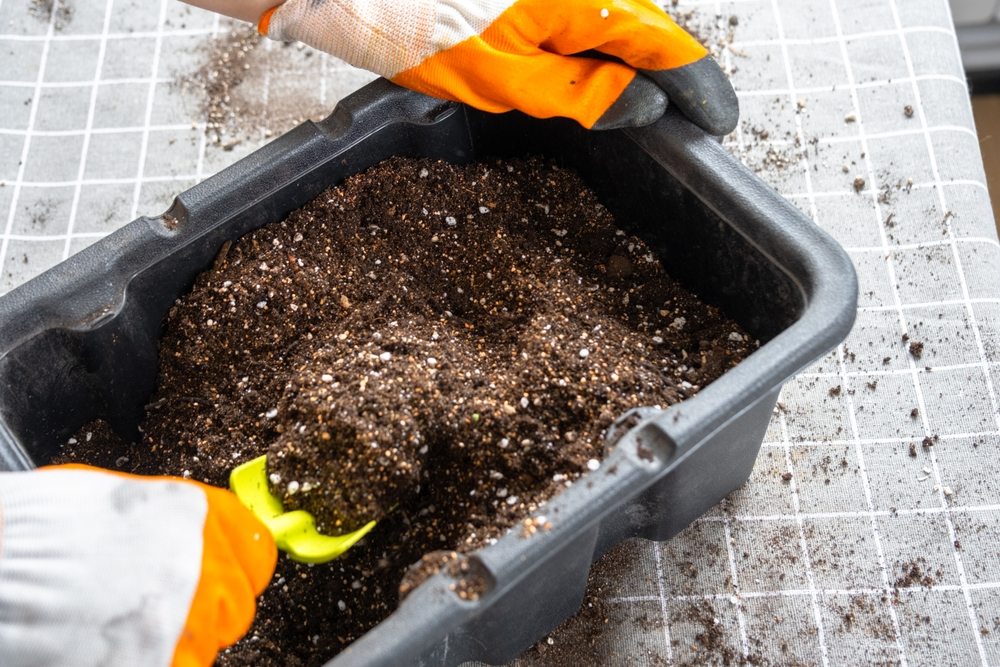
Seed-starting mix must balance air, water, cleanliness, and fine texture. Garden soil is usually too dense for trays, while an overly wet mix can exclude oxygen and encourage damping-off.

Winter sowing uses outdoor cold and moisture to condition suitable seeds. It works best for hardy species and stratification needs, not for every warm-season crop.
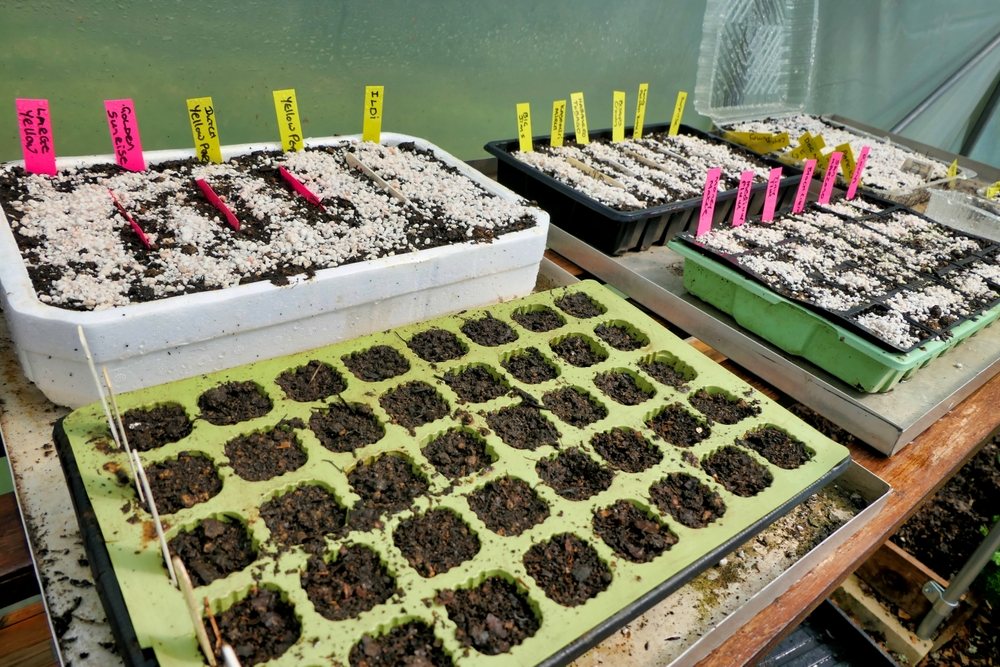
Build backward from transplant or harvest, use crop-specific temperature, and include hardening and fall slowdown rather than counting only packet days.
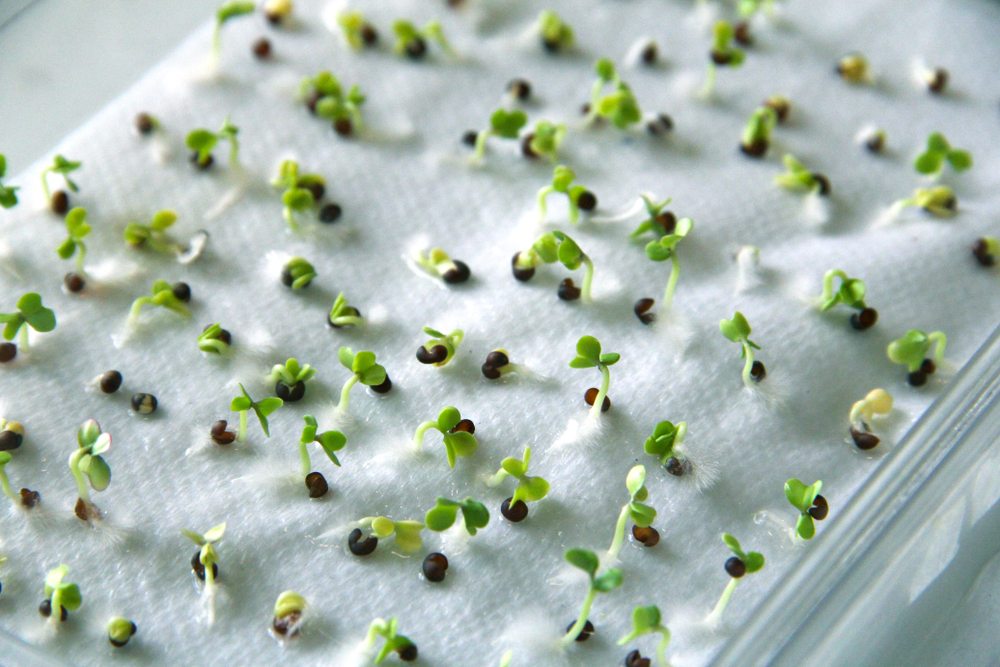
A meaningful germination test uses a representative sample, crop-appropriate conditions, a defined count, and a distinction between normal seedlings, abnormal seedlings, hard or dormant seed, and dead seed.
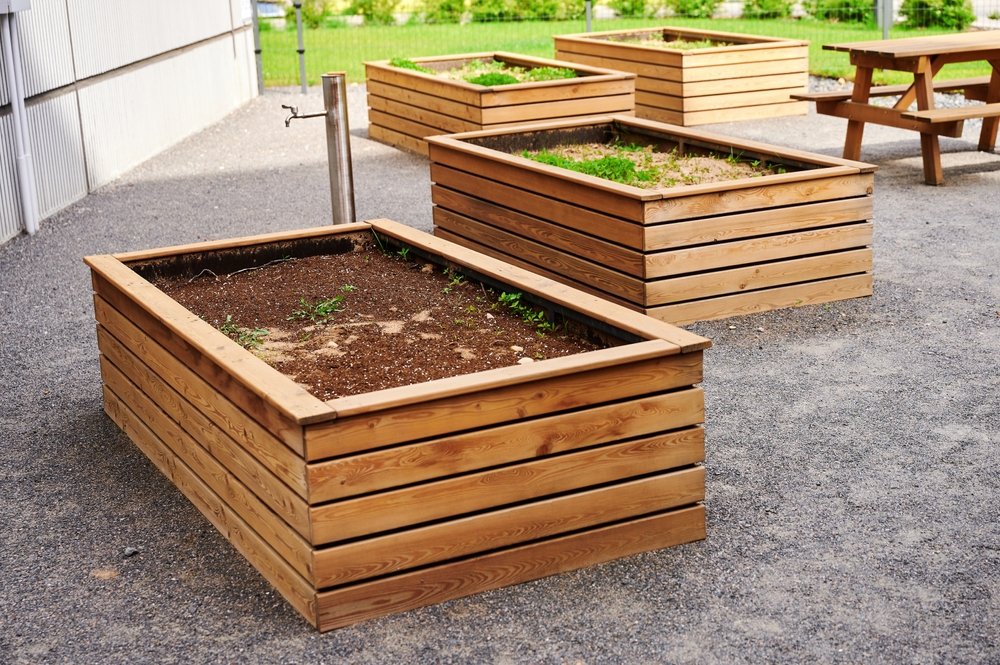
New raised beds need a stable soil blend, not a temporary pile of fluffy organic material. Tired beds usually need diagnosis: settling, compaction, nutrient imbalance, salt buildup, poor drainage, or loss of organic matter. Add what the soil test and structure require.
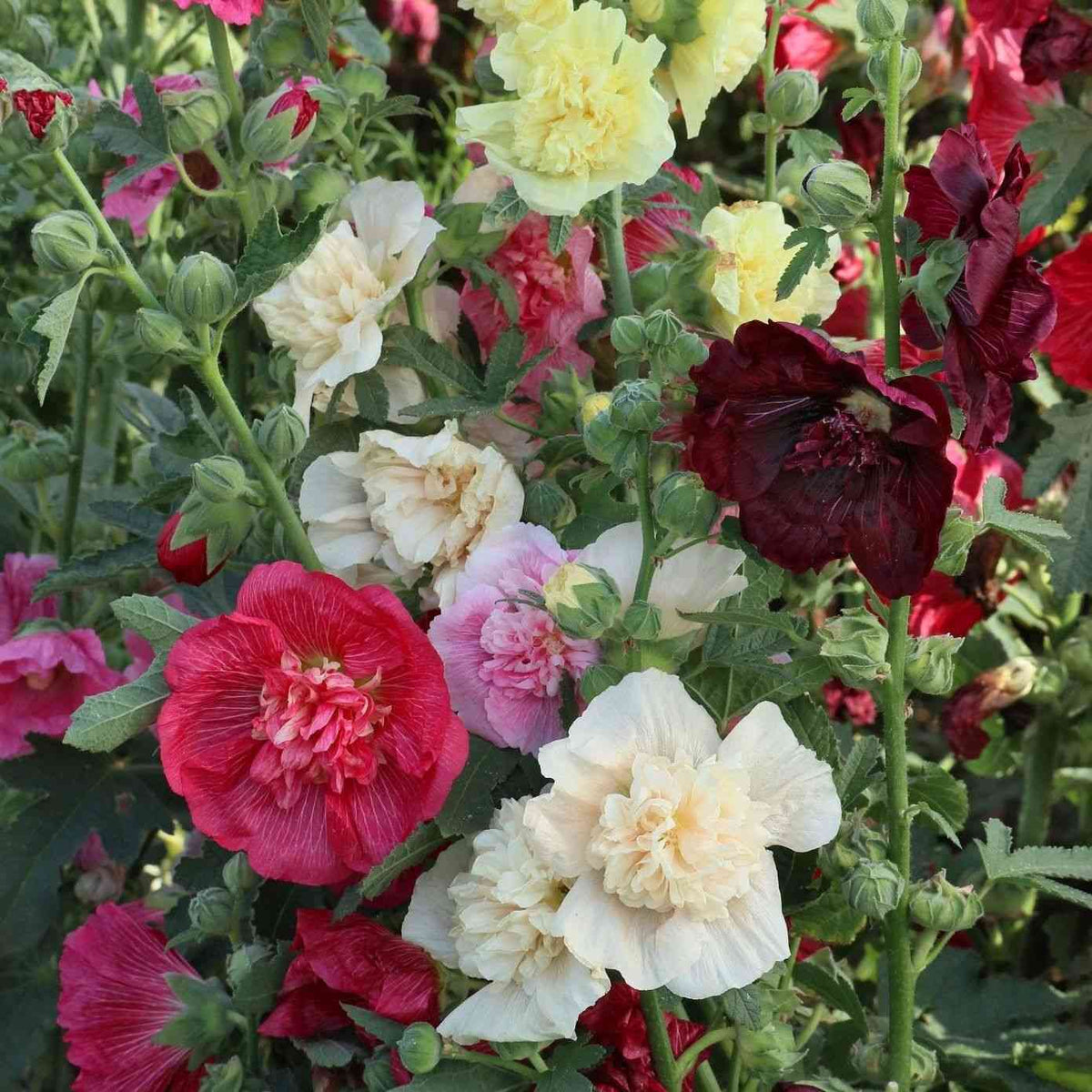
Hollyhocks often build a leafy rosette the first year and flower the next. Give them sun, airflow, a firm support, and early rust management instead of crowding them against a damp wall.

Seed longevity varies by crop, initial quality, moisture, temperature, packaging, and storage history. A germination test is more reliable than discarding seed only because a calendar says it is old.

Establish a native wildflower garden by choosing locally appropriate species, controlling existing vegetation, preparing a firm seedbed, sowing at the right season, and managing weeds for several years.
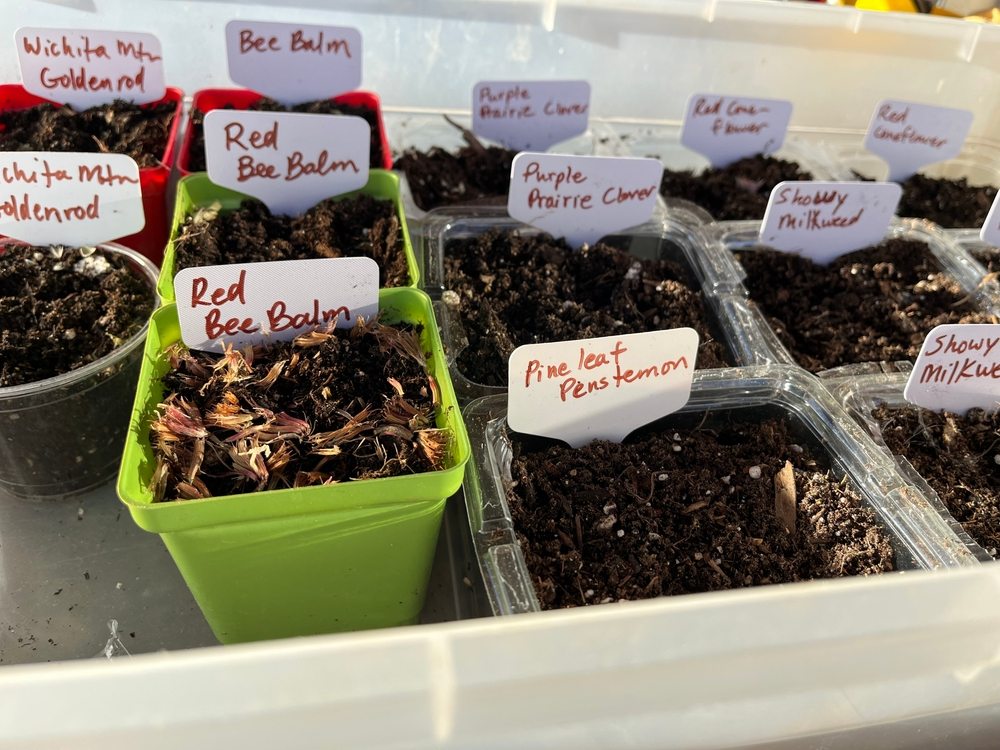
Cold stratification is a species-specific period of cool, moist exposure used to reduce physiological dormancy. A dry seed packet sitting in a refrigerator is not automatically equivalent because moisture, temperature, duration, and aftercare all matter.
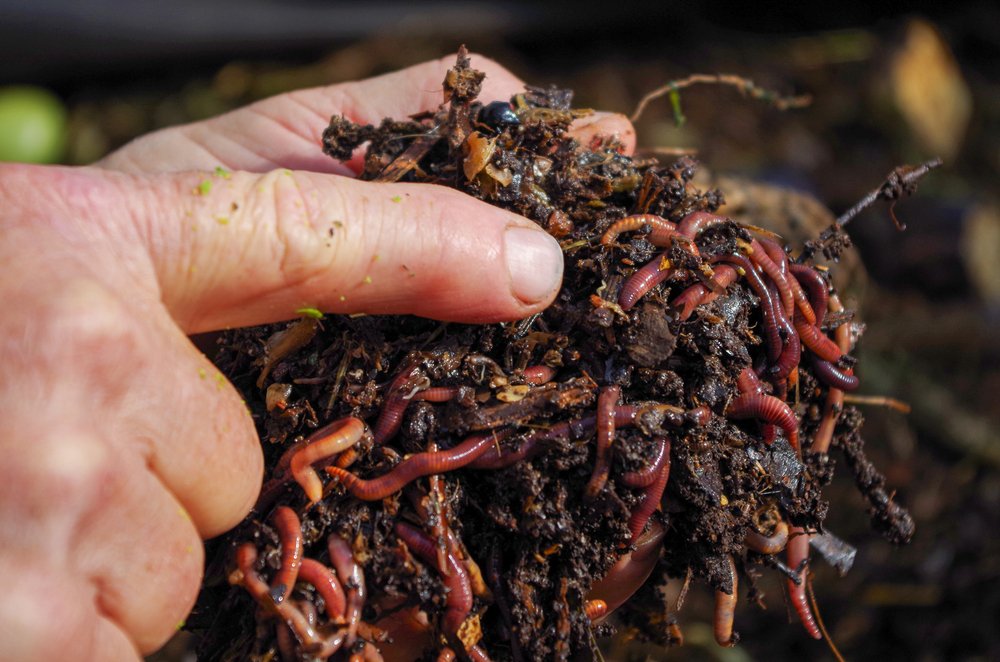
A vermicompost bin needs appropriate composting worms, moist bedding, moderate temperatures, oxygen, and food added at a rate the colony can process. It is not the same as filling a box with garden earthworms.

A seed packet combines legal labeling, lot traceability, quantity, planting guidance, and marketing. Learn which lines identify the seed, which trace the lot, and which are flexible garden recommendations.
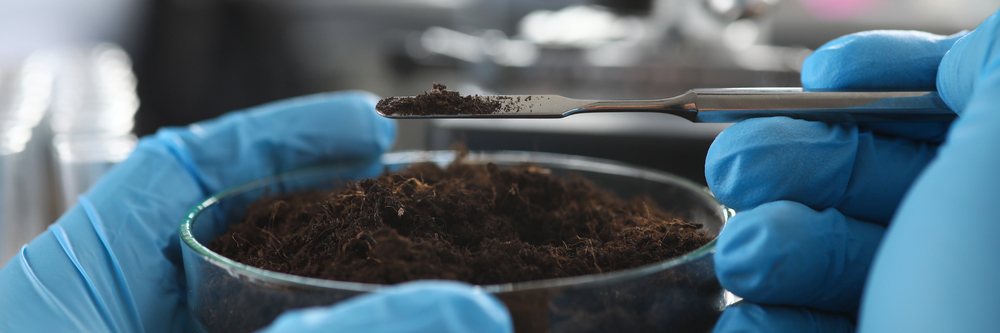
Read pH, organic matter, phosphorus, potassium, and recommendations together. Apply amendments to the tested area and do not add nutrients simply because a product is popular.
Page 6 of 7